








How Does Milk to Coffee Ratio Separate a Latte From a Cappuccino?
A latte and a cappuccino are both espresso drinks built on milk, and the milk to coffee ratio is the main practical difference. A latte uses more steamed milk and a thin layer of foam, giving a softer, sweeter cup, while a cappuccino balances espresso with a smaller amount of milk and a thicker, airier foam cap that carries more coffee flavor.
Because menus rarely spell this out, newcomers often choose by appearance or by name alone. Once the difference between cappuccino and coffee styles is understood in terms of foam volume and milk quantity, ordering or brewing at home becomes straightforward: pick the latte for a mild, milk-forward drink, or the cappuccino when a stronger espresso taste and a drier foam texture are wanted.
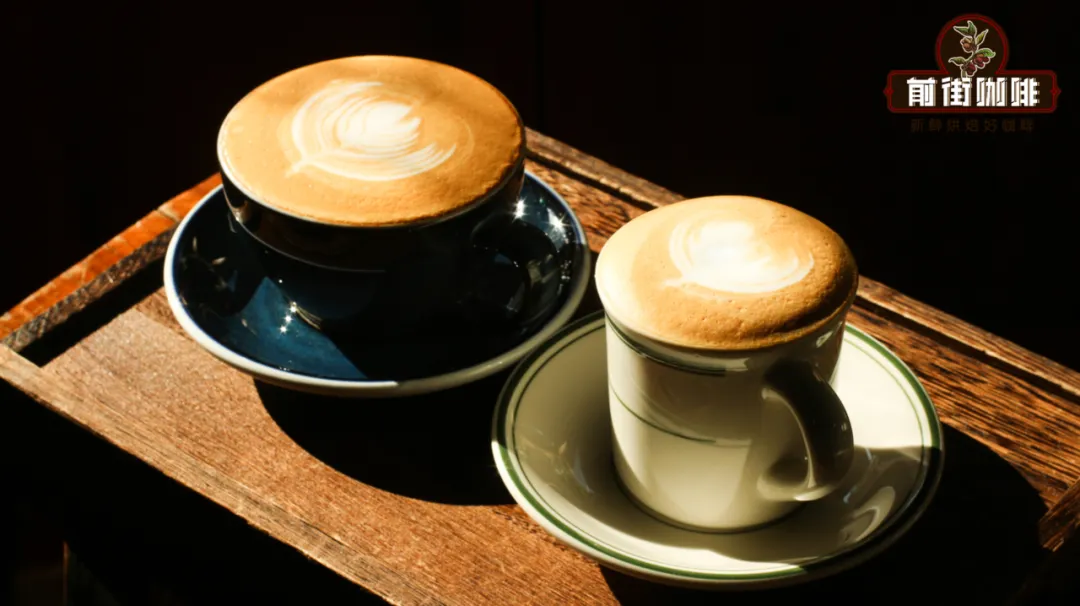
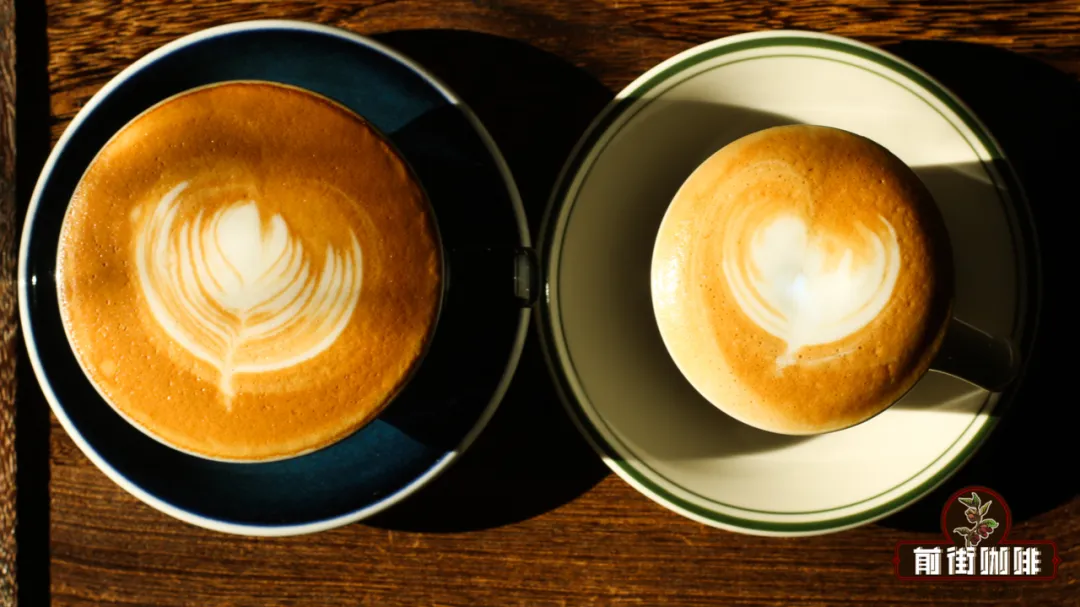
Latte and cappuccino are both classic espresso drinks, and you'd be hard-pressed to find a café menu that doesn't include them. Yet for those just getting into coffee, the difference between these two drinks is often unclear. Some order a latte because of its beautiful latte art, while others choose a cappuccino simply because the name sounds more sophisticated. This article will systematically break down the core differences between lattes and cappuccinos from the angles of sweetness, mouthfeel richness, and preparation method, and—drawing on Front Street Coffee's experience—help coffee lovers gain a clearer understanding of what makes each of these milk coffees unique, so they can make a choice better suited to their own taste when ordering or making one at home.
Latte and cappuccino can be considered the "veteran" offerings of espresso coffee, and nearly every coffee shop includes them on the menu. However, as Front Street Coffee often points out, if someone has never delved deeply into coffee, distinguishing between the two is actually not easy.

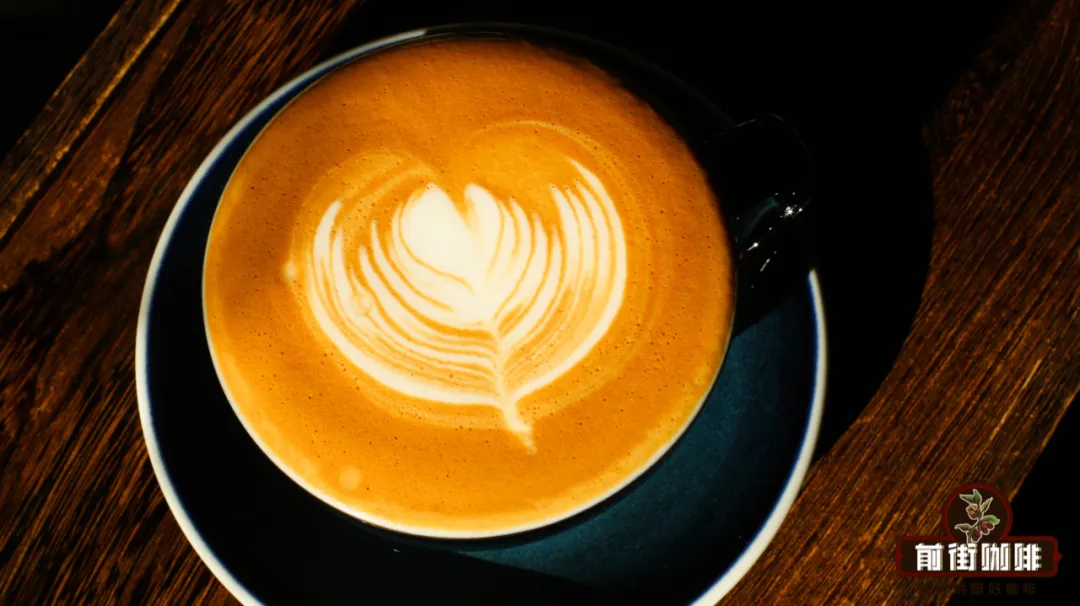
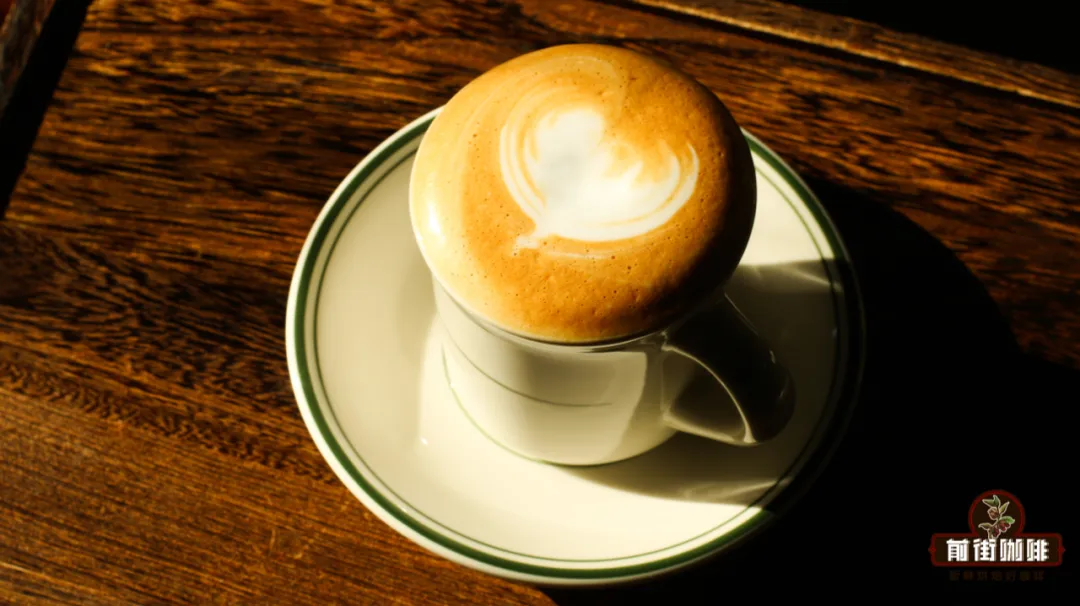
So many newcomers, when faced with these two coffees and at a loss for which to choose, tend to adopt a more intuitive ordering strategy—judging by appearance. For example: they pick a latte because the latte art looks nice; or they order a cappuccino because the name sounds more exotic.

The above content is compiled by CoffeeHunters, a coffee news website.


