







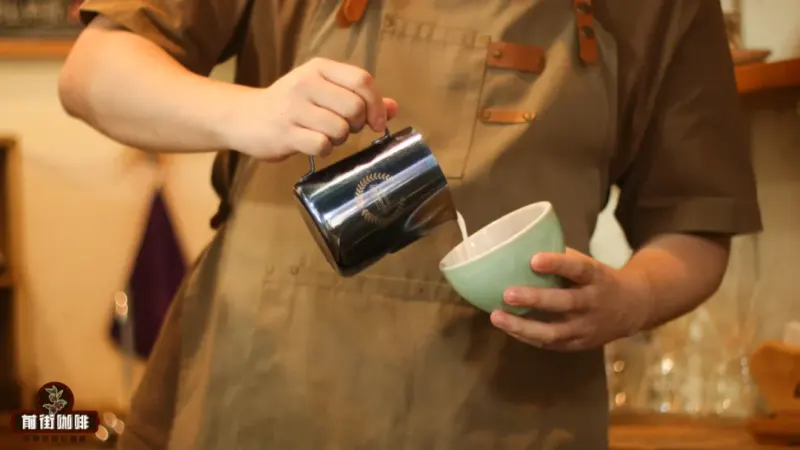
Is latte bitter, and does latte art change the taste?
Latte art has almost no effect on the flavor of a latte. The taste and mouthfeel depend on the coffee beans, the milk quality, and whether extraction and preparation are done properly. Poured milk foam only draws patterns on the crema; the materials are the same ones already in the drink.
A comparative test at Front Street Coffee found no obvious difference between a hot latte with art and one without when other conditions stayed consistent, aside from pouring time. Art still matters commercially because visual appeal and care reach the customer before the first sip. At home, good beans and solid extraction count more than the pattern; see how to make coffee with a coffee maker for the basics.
Many coffee enthusiasts are curious about whether latte art actually changes the taste of a latte. This article will start from the factors that determine the flavor of milk coffee and, combined with Front Street Coffee's actual tests, explain that latte art has almost no impact on the taste. On this basis, we further explore why hot milk coffee still needs latte art—the visual appeal and emotional value it brings often take effect before the customer even takes a sip, and directly influence purchasing choices and evaluations of the drink. For commercial offerings, latte art is an important way to convey care; when drinking at home, however, it is enough to ensure the quality of the beans and the extraction, and whether to pour latte art is entirely a matter of personal preference.
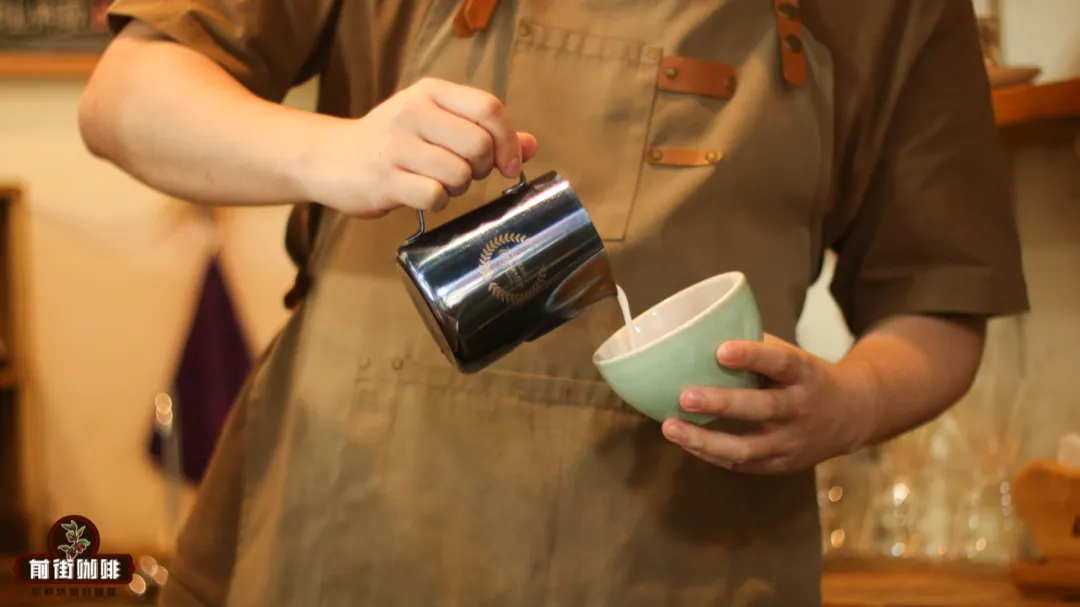
To figure out this question, we might first think about one thing: does latte art actually change the taste of coffee?
Why is it said that latte art does not affect the flavor of coffee?
The final taste and mouthfeel of a cup of milk coffee mainly depend on the coffee beans used, the quality of the milk, and whether the extraction and preparation steps are done properly. So-called coffee latte art is essentially just using steamed milk foam to draw various patterns on the surface of the coffee crema. The materials used are always the same ones, so it does not substantially change the taste or mouthfeel of the coffee.
Front Street Coffee previously conducted a dedicated comparative test to observe exactly what differences exist between a hot latte with latte art and one without. The results showed that, aside from the pouring time, as long as other operations and extraction conditions remain consistent, there is no obvious difference between the two. That being the case, why does coffee still need latte art?
1. To add visual appeal to coffee
In any era, what first catches customers' eyes is usually not the essence or function of a product, but its visual beauty, which then stimulates the desire to buy and consume. Coffee latte art patterns happen to play exactly this role.
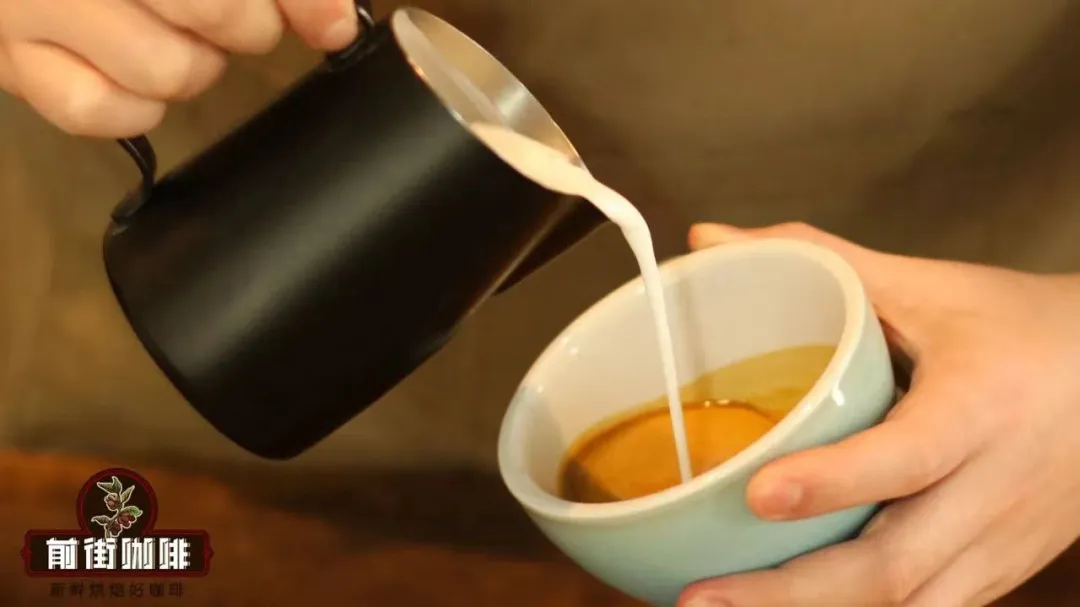
For example, many people initially do not know what kind of coffee a latte actually is, and can only understand it through others' descriptions as a bitter, refreshing drink. However, when they see golden-hued, delicate and refined latte art patterns, they begin to associate the coffee with deliciousness and feel that its taste should be as rich, intense, and enjoyable as its appearance. So they start trying such a drink—of course, most people's fantasy is shattered by reality after the first sip.
It is precisely because of this that traditional hot milk coffees such as lattes and cappuccinos have become coffee categories known to everyone on every street corner. When people mention a latte or cappuccino, what most likely comes to mind is a cup of coffee with an exquisite pattern, even if they have never drunk one themselves.
2. To add emotional value to coffee
A beautifully plated dish can visually send diners a signal: the maker put more thought into this product, which is why it can present such a refined effect. The same principle applies to coffee.
As Front Street Coffee mentioned at the beginning, whether it is a simple heart pattern or a complex animal design, behind it a barista must go through countless hours of repeated practice before finally producing a delicate and beautiful latte art pattern.
And customers can pick up this message from the latte art pattern, making it easier for them to feel the maker's emphasis on this cup of coffee.
For example, when a latte with exquisite latte art and a latte without any latte art pattern are placed together for someone to choose from, people often subconsciously think that the coffee with latte art will taste better.
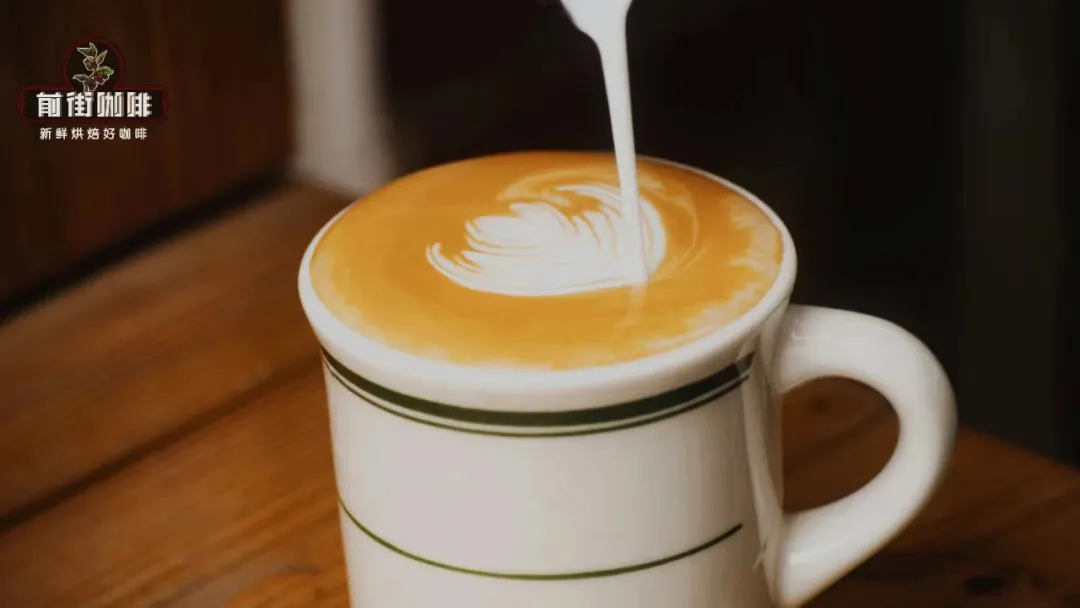
This is because the latte art captures the customer's attention first, and the delicate, refined pattern makes people believe that the barista poured more effort into this cup of coffee. So even before tasting it, a preliminary judgment has already been formed based on whether the latte art pattern is present or not.
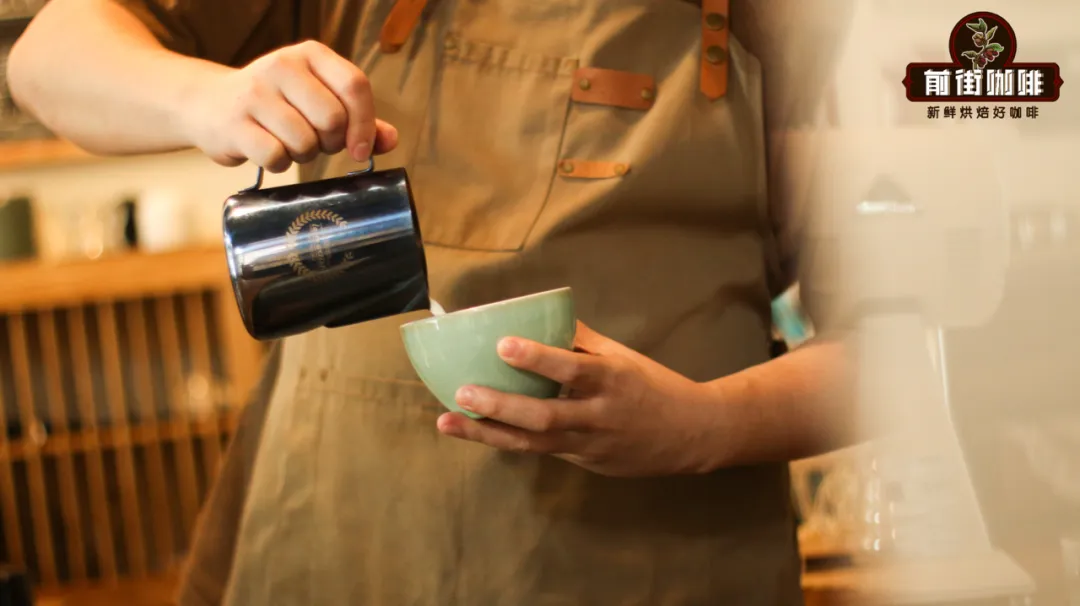
Therefore, for commercial milk coffee offerings, coffee latte art is still quite necessary. It not only brings customers a better experience, but also conveys one's emphasis on the product. If you are making it for yourself, however, as long as you ensure the ingredients are high quality and the extraction is not problematic, whether or not to pour latte art does not matter—after all, tasting good is what really counts! For example, at Front Street Coffee, when pouring latte art for customers, we are very careful; when making a hot latte for ourselves↓
The above content is compiled by CoffeeHunters, a coffee news website.


