







Search Results for: Latte Art Finishing

Common Latte Art Mistakes: Causes and Fixes for Long Tail Lines, Cup Volume Control, and Pattern Offset
Once latte art practice reaches a certain stage, the pattern itself can take shape, but mistakes in the details often cause more frustration. This article compiles three high-frequency problems: dragging out an overly long line when finishing, the cup not being full or overflowing after pouring latte art, and the pattern being asymmetrical left and right. For each situation, Front Street provides specific cause analysis and correction methods, including flow rate and pitcher spout control when finishing, reference milk fusion amounts for different patterns, and using others' observation to correct the postures for holding the cup and the pitcher. It is suitable for coffee enthusiasts who are polishing latte art details to practice against, gradually improving the stability and aesthetics of their output. [more…]

Beginner Latte Art Lesson 1: A Detailed Guide to Milk Foam Thickness, Pouring Integration, and Finishing Techniques for the Large Heart Pattern
If you want to learn latte art, the large heart is the most suitable first pattern for beginners, and it is also the foundation for many complex patterns that follow. In this tutorial brought to you by Front Street Coffee, we break down the key points of making a large heart one by one, from the standards for steaming milk foam and controlling the amount of blending, to choosing the pouring point and the finishing technique. The article also includes images of common failure cases and analysis of their causes to help beginners quickly identify problems. Whether you are just starting out with latte art or always fall short at the finishing stage, this content will give you clear guidance. [more…]
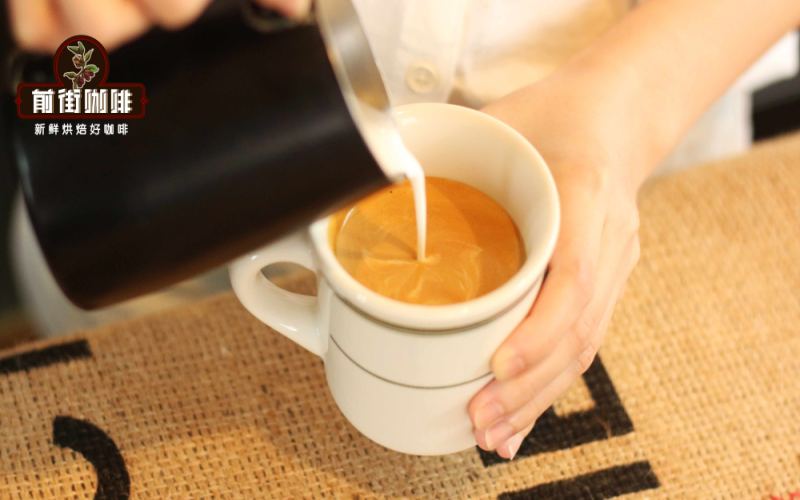
Practical Guide to Heart-Shaped Latte Art: A Complete Tutorial from Bean Selection to Finishing Techniques
Many people see heart-shaped latte art in coffee shops and think it looks easy to do, but once they actually try it, they discover there is quite a bit of technique involved. To make beautiful latte art, at least three prerequisites must be met: freshly roasted espresso beans, fresh milk kept refrigerated at low temperature, and an espresso machine with a pressure-boosting function. This article starts with the selection of Front Street Coffee beans and breaks down the entire process of heart-shaped latte art in detail, including extraction parameters, milk frothing methods, control of the amount used for incorporation, selection of the pour point, and common mistakes made during the finishing stage, helping coffee enthusiasts and novice baristas master the technique of consistently producing latte art step by step. [more…]

Simple Latte Art Illustrated Guide | What is the principle behind coffee latte art? Which kind of milk is used to make latte art? Is it hard for coffee beginners to learn latte art?
Many people ask Front Street, how long does it take to learn latte art? If we're just talking about producing a good-looking pattern, with a bit of luck it only takes one day. If we're talking about truly mastering a pattern, it takes at least 4 days. So many people ask, where do these 4 days come from? It's simple: Day one, read this article from Front Street; day two, practice; day three, [more…]

Front Street Coffee shares a complete latte art tutorial: the principles behind the design, pouring and drawing techniques, and practice suggestions
Many coffee enthusiasts step into the world of coffee precisely because of latte art, hoping that one day they will be able to casually sketch out delicate and refined patterns. So how long does it actually take to master latte art? In fact, if you just want to make a good-looking figure, it can be achieved in as quickly as one day, or as slowly as two or three days; if you want to challenge difficult combination patterns, you need to understand the principles and practice accordingly. This article is compiled and shared by Front Street Coffee on the drawing principles of latte art, the key techniques of integration and drawing, finishing considerations, and practice suggestions. It also reminds you of the impact of cup diameter and bottom curvature on drawing, helping you get started with latte art more smoothly. [more…]

Latte Art from Beginner to Advanced: A Full Breakdown of Pouring and Design Techniques Plus Practice Tips
Latte art is what draws many people into the world of coffee, but how long does it actually take to master? In this article, Front Street Coffee shares the core principles and practical details of latte art, starting from the two main actions of integration and drawing, breaking down key elements such as height control, the timing of returning the cup, the use of force, the offset of the landing point, and the finishing technique, and offering four practical practice tips to help enthusiasts avoid detours and quickly get the hang of basic patterns like hearts, leaves, and tulips, and even take on more difficult combination patterns. [more…]
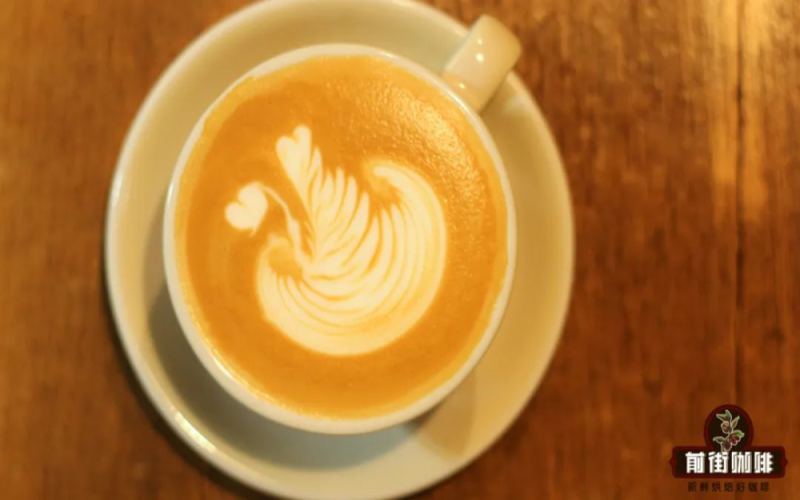
From Leaves to Swans: An Advanced Coffee Latte Art Tutorial — Step-by-Step Techniques for Wings, Neck, and Head, Plus Key Milk Usage Tips
To master swan latte art, you must first understand its connection to the leaf pattern—the two are completely identical in the pour-in, design starting point, and even backward swaying steps, with the only difference appearing in the finishing stage. A leaf is finished directly after the swaying ends, while a swan, after completing the body, still needs to shape the wings, neck, and head. This article breaks down the key movements one by one in three parts—wings, neck, and head—and explains the strict requirements that composite patterns place on milk volume and milk foam texture, helping those who have already learned the leaf to advance smoothly. [more…]
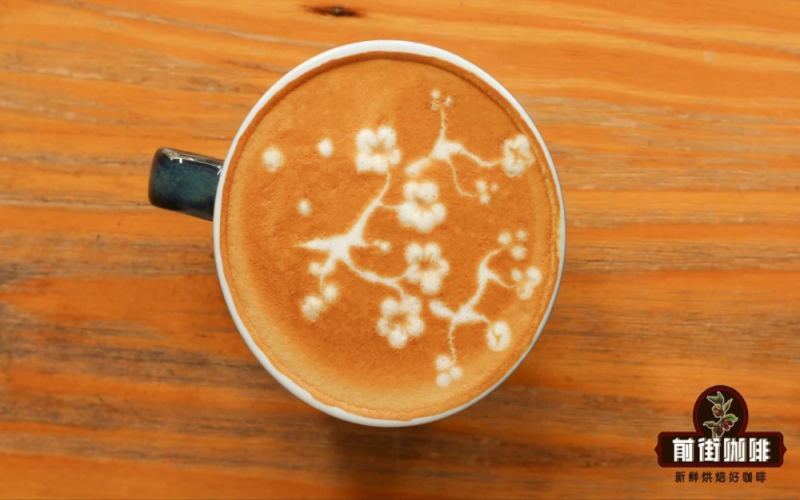
A Complete Beginner's Guide to Coffee Latte Art: From Milk Pouring and Design Principles to the Details of the Finished Cup and Recommendations on Cup Selection
Many people are drawn into the world of coffee because of latte art, hoping that one day they too can casually pour beautiful patterns. Does latte art really take a long time to learn? If you only aim to make good-looking shapes, you can see initial results in as little as one day, or at most two or three days; if you want to challenge combined patterns, you need to understand the principles and practice accordingly. From the perspective of Front Street, this article sorts out the logic of pouring latte art, the key actions of integration and drawing, the details of finishing the pour and the final touches, as well as the practice rhythm and cup selection—small things that are easily overlooked. It also explains why the crema state of espresso directly affects the pouring results, and provides Front Street Classic Blend and Front Street Commercial Blend as references suitable for practice. [more…]

From Leaf to Swan: Step-by-Step Guide to Making a Swan Latte Art Pattern
To pour an elegant swan on the surface of a latte, you don't actually need to start learning from scratch. The underlying logic of the swan design is highly similar to the classic rosetta pattern—once you've mastered the core technique of rosetta latte art, you're already more than halfway to a swan. This article will start from the overlapping steps of the two, breaking down the basic motions one by one—integration, the pour point, even wobbling—and then further explain the three exclusive stages: finishing the wings, outlining the neck, and dotting the head. If you've already practiced the rosetta until it's second nature, why not follow Front Street Coffee's approach and adjust those final few steps into place—a swan will naturally emerge on the surface of your cup. [more…]
Latte Art Basics Tutorial: Step-by-Step Guide to Making a Large Heart Pattern and Detailed Explanation of Common Mistakes
Want to learn latte art but don't know where to start? In this issue, Front Street Coffee brings you a tutorial on the most basic and classic pattern: the large heart. The large heart is the first pattern that most beginners successfully pour, and it is also the foundation for many complex designs. Mastering it requires first getting through several fundamentals: espresso extraction, milk frothing, pitcher holding, and integration. This article will break down in detail the milk foam thickness, the amount of integration, the choice of pouring point, the milk-pouring technique, and the finishing touches, and will also include multiple photos of failed cases with cause analysis to help coffee lovers avoid detours and pour a beautiful, centered, full heart. [more…]
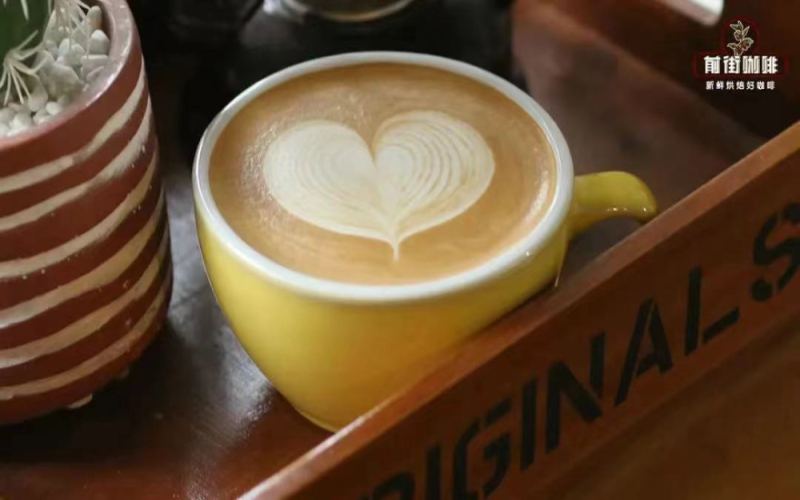
Latte Art Hearts from Scratch: Espresso and Milk Foam Techniques and Key Principles for Pouring Patterns
Latte art is a direct reflection of a barista's comprehensive skills. Behind a seemingly light and airy pattern lies the layered coordination of espresso quality, milk foam condition, and pouring technique. From the practical perspective of Front Street Coffee, this article systematically explains the prerequisites and operational details of heart-shaped latte art: how to choose an espresso blend suitable for latte art, how to use a steam wand to create fine and smooth latte milk foam, and the specific application of the five pouring principles—integration, pouring point, convection, and finishing. Whether you are a beginner just starting with latte art or an experienced hand looking to correct your movements, you can find actionable references here to gradually pour a full and clean heart-shaped pattern. [more…]

From Heart to Swan: An Advanced Coffee Latte Art Tutorial, Mastering the Shaping Techniques of Multi-Layer Heart, Rosetta, and Tulip
Want to make coffee-shop-quality latte art at home? This tutorial will take you from the basics to advanced techniques. The article first emphasizes the importance of steaming milk, and points out that integration is the key step that determines whether the milk coffee has an even texture. Then, we break down the specific techniques for five classic patterns—heart, layered heart, rosetta, tulip, and swan. From choosing the pour point and controlling the flow to the timing of bringing the cup back and the finishing motion, every step is explained in detail. Whether you are a complete beginner or an advanced player looking to break through a plateau, you will find practical tips and practice directions here. [more…]
Espresso Latte Art from Beginner to Pouring Patterns: Milk Frothing Techniques and Five Core Principles Explained with Illustrations
Latte art is one of the most important skills for a barista. A beautiful cup of latte art may look effortless, but behind it lies repeated practice and accumulated experience. This article, from the practical perspective of Front Street Coffee, systematically explains the foundational points of espresso latte art: how to choose espresso beans suitable for latte art, how to steam fine and smooth milk foam, and five key details in the milk steaming process. It then further breaks down the five core principles of pouring latte art patterns, including the integration technique, high and low pouring, the trajectory of the pour point, the rhythm of the wobble, and the finishing technique, using a heart pattern as an example for an illustrated demonstration. Whether you are a complete beginner or an enthusiast hoping to improve your consistency, you can find actionable directions for practice here. [more…]
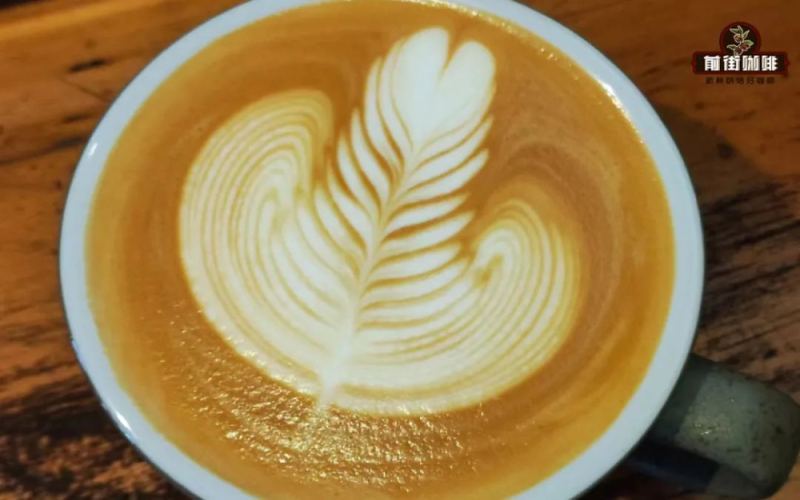
Latte Art Tutorial: Rosetta (Leaf) Pattern — Complete Steps from Bean Selection and Milk Steaming to the Pull-Through Finish, Plus Common Mistakes Explained
Want to make symmetrical and beautiful leaf latte art at home? This article starts with choosing espresso beans, recommends Front Street Classic Blend as suitable for beginners to practice, and compares the key differences between the leaf and the multi-layer heart in terms of pouring point and swinging direction. The main text breaks down each step of leaf latte art in detail: milk foam thickness, the amount of integration, pouring at the center point, swinging in place, retreating at a steady speed, the height of lifting the pitcher, and finishing techniques. It also points out two common mistakes specific to the leaf—retreating before the pressure ripples have flowed back and wrapped in, and gradually shrinking the swing amplitude while retreating. Once you master these details, your leaf pattern will become more and more stable. [more…]

Can Front Street Blue Mountain coffee beans be used for espresso? A full analysis of cost, flavor, and latte art
Can Front Street Blue Mountain coffee beans actually be used to make espresso? The answer is, of course they can—but why do so few cafés do it? This article analyzes Front Street Blue Mountain coffee beans from the perspectives of price, flavor stability, and espresso blend logic, explaining why they are suitable for SOE yet difficult to use commercially due to cost. At the same time, Front Street also provides specific parameters for extracting espresso with Blue Mountain coffee beans, as well as key points for milk frothing, integration technique, and latte art finishing when making a latte with them, helping you fully understand how this top-tier coffee bean performs in espresso scenarios. [more…]
Can Front Street Blue Mountain coffee beans be used for espresso and lattes? A full analysis of cost, flavor, and latte art operation
Can Blue Mountain coffee beans be used to make espresso? The answer is of course they can, but why do cafes rarely do so? Starting from Front Street Blue Mountain coffee beans, this article clarifies the three major considerations in choosing espresso beans—flavor, price, and consistency—calculates the cost per shot of espresso, explains the background of Jamaica's CIB management system and the Typica variety, and gives Front Street's recommended espresso extraction parameters and latte art operating points. If you have plenty of funds and want to use Front Street Blue Mountain coffee beans to make a latte, or even pour a big white heart, this content will explain step by step from extraction to integration, pouring the pattern, and finishing. [more…]

Latte art tutorial | Which milk is suitable for making latte art? How exactly do you do a leaf rosetta latte art? What mistakes are easy to make in latte art?
Today Front Street Coffee is here to share a new basic latte art pattern—the "leaf"! This time, the method for this leaf pattern is almost identical to the layered heart: both are formed by swinging the milk pitcher at a steady speed to create regular, symmetrical lines. If you've already mastered the layered heart, then the leaf is as good as in the bag too. Leaf. [more…]
A Complete Guide to Choosing the Right Latte Art Pitcher Capacity and Milk-to-Espresso Ratios
To create beautiful latte art, choosing the right milk pitcher capacity and milk volume is key. There are many latte art pitcher brands on the market, with capacities ranging from 12 ounces to 24 ounces, and different sizes have a direct impact on pattern formation. This article will introduce common milk pitcher brands, explain the matching formula between milk pitcher capacity and coffee cup size, describe how the pitcher's tilt angle affects latte art results, and provide coffee cup capacity recommendations suitable for latte art. Whether you are a beginner or an advanced player, you can find practical purchasing and operating references here. Front Street Coffee has also compiled related product recommendations for you to help you easily improve your latte art skills. [more…]
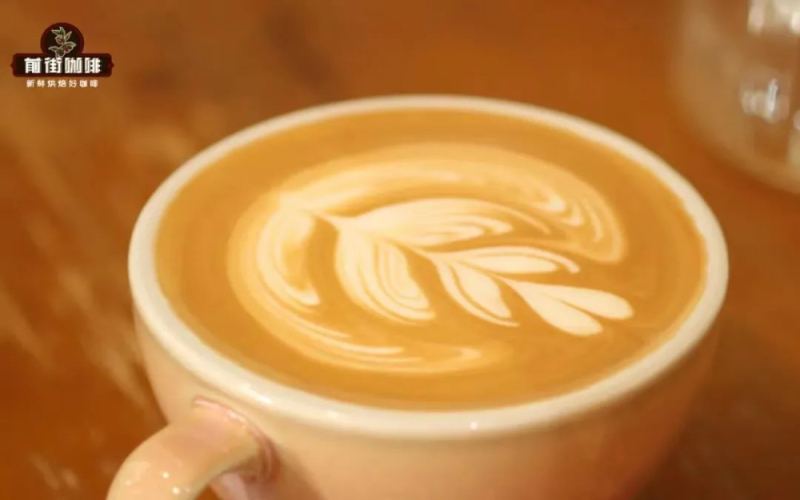
From Basics to Advanced: Practical Latte Art Techniques and Key Points for Tulip, Leaf, and Multi-Layer Heart Patterns
Latte art may seem difficult, but by mastering key details you can significantly improve your success rate. This article systematically explains the basic steps of latte art and the approach to achieving common patterns, from milk foam thickness and pouring techniques to pattern selection. Front Street Coffee will share how to judge the standards of a quality latte art pour, and how to gradually master patterns such as tulips, rosettas, and multi-layer hearts through repeated practice of the basic heart, flexibly adjusting the pour point and finish. Whether you are a beginner or a barista hoping to break through a plateau, these practical tips can help you reduce failures and achieve consistent results. [more…]
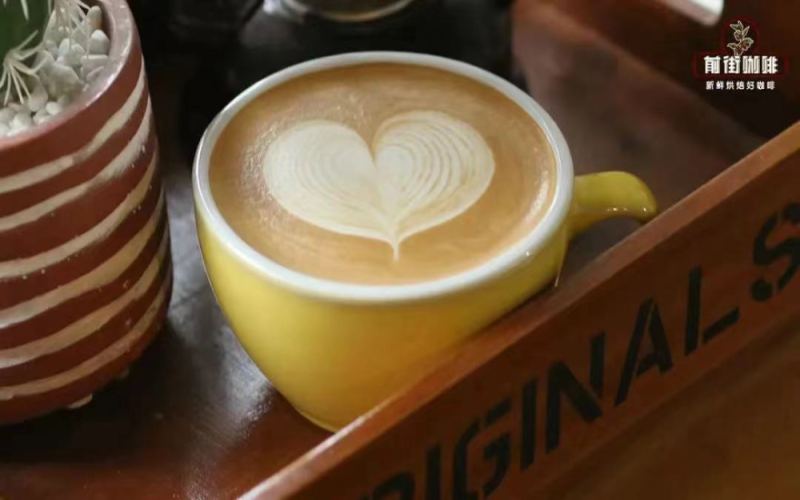
Beginner Latte Art Tutorial Explained | How Can Coffee Newbies Make a Heart-Shaped Latte Art? How Do You Use an Espresso Machine to Steam Silky, Smooth Milk Foam?
For professional coffee knowledge exchange and more coffee bean information, please follow Coffee Workshop (WeChat official account cafe_style). For more specialty coffee beans, please add private WeChat Front Street Coffee (FrontStreet Coffee), WeChat ID: qjcoffeex. Coffee latte art is coffee [more…]