







Search Results for: La Noche Buena
Colombian Huila Region Flor de Luna Coffee: A Complete Guide to Anaerobic Natural Processing and Pour-Over Flavor Profile
Front Street Coffee introduces the Colombia Huila region La Noche Buena coffee beans, produced using the anaerobic natural process, from the El Diviso estate, Caturra variety, at an altitude of 1,800 meters. This coffee is known for its flavors of strawberry jam, liqueur-filled chocolate, and fermented wine aroma. The article provides a comprehensive analysis of La Noche Buena's unique charm, from the terroir of the producing region, the estate's background, processing techniques, to the roasting curve and brewing parameters. Front Street Coffee has always been committed to sourcing coffee beans from different producing regions around the world, so that every enthusiast can find their desired flavor. If you favor rose floral notes, strawberry sweetness, and a cocoa finish, you might want to try this experimental La Noche Buena. [more…]

A Complete Guide to Anaerobic Natural and Anaerobic Washed Processing Methods: Step-by-Step Procedures, Flavor and Mouthfeel Differences, and Front Street Coffee Bean Recommendations
As coffee enthusiasts deepen their understanding of coffee, more and more people are paying attention to coffee bean processing methods. As a post-harvest processing method that has attracted much attention in recent years, anaerobic fermentation has brought more possibilities to coffee flavors. This article will analyze in detail the step-by-step processes and flavor and taste differences between anaerobic natural and anaerobic washed processing methods, and share Front Street Coffee's cupping and brewing experience. By comparing the characteristics of washed, natural, and anaerobic processing, it helps readers understand how different processing methods affect the final flavor of coffee. The two anaerobic natural beans, Huayueye and Monster Manor, launched by Front Street Coffee, will also be used as examples to demonstrate their unique charm. Whether you are a beginner or a seasoned enthusiast, you can gain practical references for purchasing and tasting. [more…]
A Detailed Guide to Colombian Coffee Regions, Varieties, and Processing Methods, with Front Street Huila Pour-Over Parameters
Colombia is the world's second-largest coffee producer after Brazil, winning widespread praise for its affordable prices and rich, full-bodied aroma. This article starts with the growing terroir, then outlines its core producing regions, representative varieties, and processing methods such as washed processing, unpacking the underlying logic behind Colombia's outstanding coffee quality. It also includes hand-brew parameters, staged extraction procedures, and flavor descriptions for three Front Street Coffee beans—Huila, Flower Moon Night, and Rose Valley—to help you easily recreate a cup of Colombian coffee with balanced acidity and sweetness and a layered aroma. [more…]
A Complete Guide to Colombian Specialty Coffee Flavors: Brewing Guides for Representative Beans from the Three Major Regions of Huila, Santander, and Cauca
Colombian coffee has always been renowned for its rich sweetness, full-bodied character, and intense aroma, with exceptionally high balance, often accompanied by nutty notes and elegant fruity acidity, and is regarded by many baristas as a premium choice. The Colombian beans selected by Front Street Coffee mainly come from growing regions in the south at elevations above 1,500 meters, such as Huila, Cauca, and Santander, where the coffee produced has delicate berry notes and caramel sweetness. This article will review, one by one, the regional backgrounds, processing methods, and brewing flavors of Front Street's various Colombian single-origin beans, including Huila, Flower Moon Night, Rose Valley, and Hacienda del Cielo Sakura, and will also share Front Street's V60 brewing parameters and techniques, taking you through a comprehensive understanding of the diverse charm of Colombian coffee. [more…]
Flavor Analysis of Bolivian Washed Coffee Beans: Cocoa Natural Processing and the Rise of the Specialty Industry
Bolivia's specialty coffee has risen prominently in recent years, and behind this success are the efforts of Agricafé and the Sol de la Mañana program. This article will guide you through the unique flavors of Bolivian washed coffee—a blend of rich floral aromas and juicy acidity, accented with notes of lemon and papaya; it also introduces the taste differences brought by the可可 natural process. From Caturra and Catuai varieties to the growing environment at 1,800 meters, as well as the smallholder production system and domestic sales tradition, we will also share Front Street Coffee's observations and recommendations on Bolivian coffee, helping you fully appreciate the charm of this South American origin. [more…]
Exploring Panama's Boquete Region: A Comprehensive Analysis of Hacienda La Esmeralda's Green Label Washed Geisha
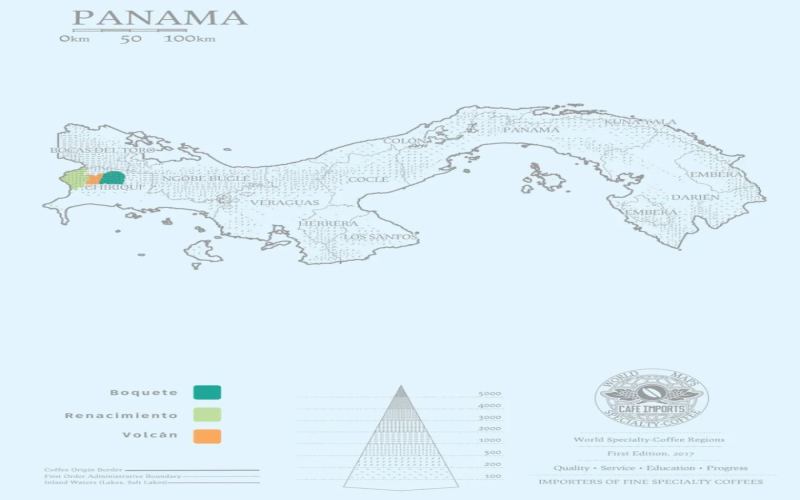
Since Geisha rose to fame in the Best of Panama competition in 2004, it has become a highly sought-after variety in the global coffee world, repeatedly setting price records at major auctions. Panama, as the core producing region of Geisha, has its Boquete area gathering numerous top estates, among which Hacienda La Esmeralda is undoubtedly the most representative name. This article will take you into a deeper understanding of Hacienda La Esmeralda's regional advantages, plot divisions, and Geisha brand system, with a focus on introducing the flavor performance of the Green Label Washed Geisha, while also sharing Front Street Coffee's brewing experience, providing coffee enthusiasts with a detailed reference guide. [more…]
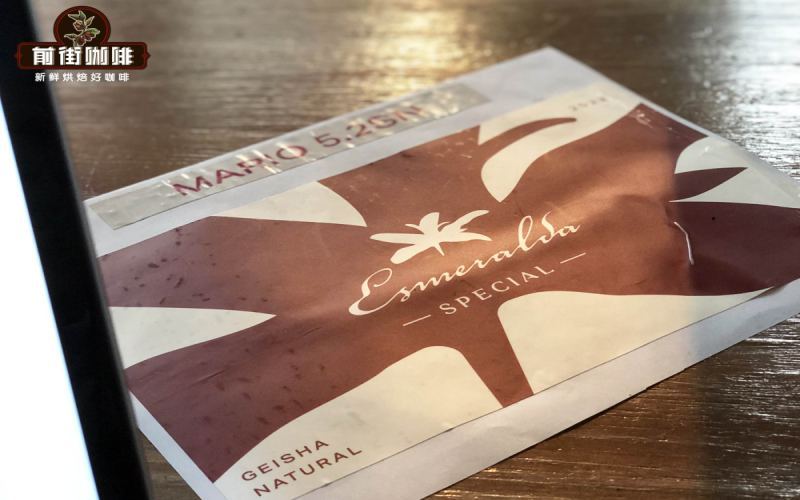
A Complete Guide to Hacienda La Esmeralda Geisha Grades: Distinguishing Red, Green, and Blue Labels and Their Flavor Profiles
Geisha coffee is the crown jewel of today's specialty coffee world, and the Geisha produced by Panama's Hacienda La Esmeralda is regarded as the industry benchmark. In 2004, Hacienda La Esmeralda took first place in the BOP competition with a light-roasted Geisha, forever changing the fate of Panamanian coffee. This article systematically reviews Hacienda La Esmeralda's Geisha product grading system, explaining in detail the differences in definition, plot origin, and flavor expression among the Red Label, Green Label, and the discontinued Blue Label. It also introduces Hacienda La Esmeralda's three sub-estates and their small plot divisions, and includes Front Street Coffee's brewing suggestions and product information, helping coffee enthusiasts gain a comprehensive understanding of this legendary variety. [more…]
The Complete Guide to the Differences Between Panama Hacienda La Esmeralda Geisha Red Label, Green Label, and Blue Label and Pour-Over Parameters
When Geisha is mentioned, the first name that comes to most people's minds is Hacienda La Esmeralda in Panama. In 2004, Daniel, the third-generation manager of Hacienda La Esmeralda, entered a Geisha bean with a distinctly different flavor profile in the BOP competition, forever changing the landscape of specialty coffee. Hacienda La Esmeralda's Geisha product line is divided into Red Label, Green Label, and the former Blue Label, each differing in plot source, altitude, and quality standards. This article will systematically review the development history of Hacienda La Esmeralda, the detailed plot divisions of its three sub-farms, and the core differences between Red Label and Green Label, while also including the pour-over Geisha parameters recommended by Front Street Coffee, to help coffee enthusiasts gain a comprehensive understanding of this legendary bean variety. [more…]
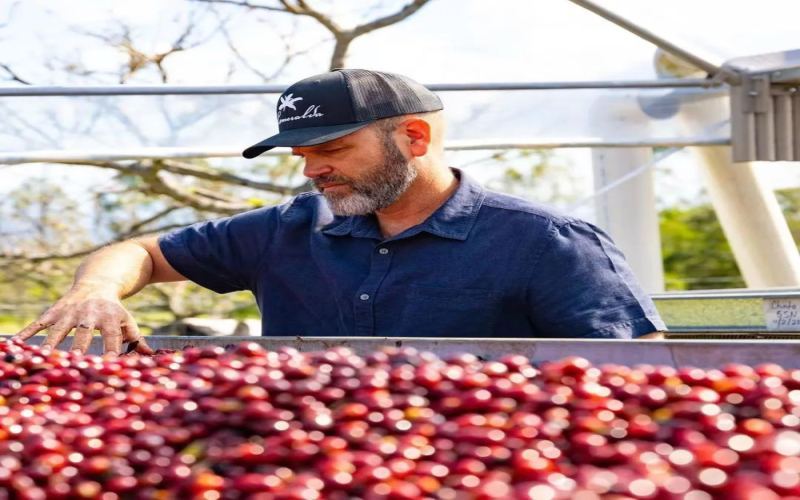
A Complete Guide to Hacienda La Esmeralda Geisha Grades: Red and Green Label Plot Divisions and Geisha Flavor Descriptions
The grading system of Hacienda La Esmeralda's Geisha has always been a focal point in the specialty coffee world. Since the 2022 harvest season, with El Velo farm entering commercial production, the Peterson family has redefined the two major grades, Red Label and Green Label, and the Green Label has also begun to indicate specific harvest plots. This article, from the perspective of Front Street Coffee, systematically reviews the microclimates and cultivation details of Hacienda La Esmeralda's three major plots—Jaramillo, Cañas Verdes, and El Velo—explains in detail the evaluation criteria and flavor profiles of Red Label (Esmeralda Special) and Green Label (Private Collection), and includes the pour-over parameters and brewing steps for Front Street's Esmeralda Red Label Geisha, helping coffee enthusiasts gain a more comprehensive understanding of the terroir expression of this legendary variety. [more…]
A Detailed Explanation of Hacienda La Esmeralda Geisha Red, Green, and Blue Label Grades: From Auction Legend to Front Street Coffee Bean Selection Guide
In the specialty coffee world, Geisha is almost synonymous with top-tier flavor, and Panama's Hacienda La Esmeralda is the driving force behind bringing this variety to legendary status. From its breakout performance at the 2004 BOP competition to repeatedly breaking auction price records, Hacienda La Esmeralda has defined the benchmark for Geisha with its unique terroir and processing techniques. This article will systematically sort out the history and differences between Hacienda La Esmeralda's Red Label, Green Label, and Blue Label, decode the flavor secrets of the three major plots—Jaramillo, Cañas Verdes, and El Velo—and share Front Street Coffee's brewing suggestions for Red Label and Green Label Geisha, helping coffee enthusiasts fully understand this legendary bean variety. [more…]
A Full Guide to Hacienda La Esmeralda's Geisha Plots in Panama: The Red-Tag and Green-Tag Grading System and Brewing Parameters
The Geisha grading system of Panama's Hacienda La Esmeralda has long been a hot topic of discussion in the coffee world. Since the El Velo estate began commercial operations in the 2022 harvest season, the Peterson family has given a new definition to Geisha grades, and Green Label lots have also begun to indicate the source of the harvesting plot. This article, starting from the new perspective of plot division, systematically sorts out the microclimate characteristics and subdivided plots of Hacienda La Esmeralda's three major Geisha growing areas—Jaramillo, Cañas Verdes, and El Velo—explains in detail the evaluation criteria and flavor differences of the two major grades, Red Label (Esmeralda Special) and Green Label (Private Collection), and includes Front Street Coffee's practical pour-over parameters and tasting notes for Red Label Geisha. [more…]
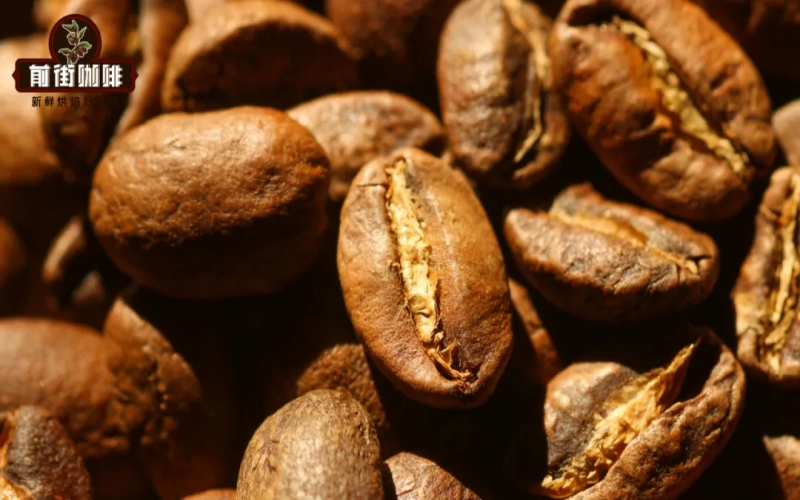
A Complete Guide to Panama Geisha Coffee: From Its 1931 Wild Discovery to the T2722 Variety and Hacienda La Esmeralda's Red and Green Labels
Geisha coffee is the most dazzling variety in the specialty coffee wave of the past two decades, constantly breaking global coffee price records. In 2022, the Lamastus family of Panama auctioned a batch of just 7 pounds of honey-processed Geisha for a staggering $6,034 per pound, drawing attention once again. However, Geisha's legend was not built overnight—it was discovered in Ethiopia in 1931, and after being cultivated and passed through Kenya, Tanzania, Costa Rica, and other places, it finally took root in Panama as the T2722 line. This article will trace the complete thread of Geisha from wild collection to fame, introduce in detail Hacienda La Esmeralda's Red Label and Green Label product lines, and share Front Street Coffee's Geisha brewing suggestions, giving you a comprehensive understanding of this rare variety. [more…]
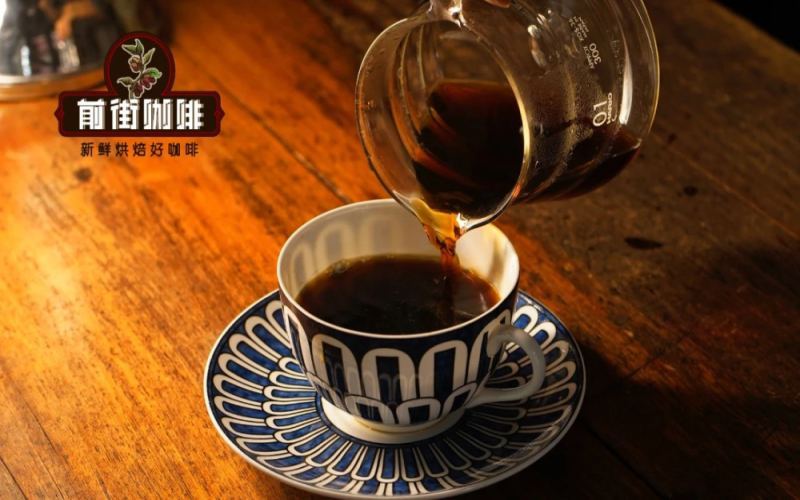
A Complete Guide to Geisha Coffee Beans: Grading and Pricing at Hacienda La Esmeralda in Panama
Geisha, a name that resonates throughout the specialty coffee world, rose to fame after Hacienda La Esmeralda in Panama won the BOP competition in 2004. It shattered the stereotype that coffee can only be bitter, conquering countless palates with its rich floral aromas and complex fruity acidity. This article systematically reviews Geisha's varietal characteristics and terroir requirements, provides an in-depth analysis of Hacienda La Esmeralda's four growing regions and its two-tier grading system of Red Label and Green Label, and compares the flavor performance of lots sourced by Front Street Coffee. Whether you are a newcomer just discovering Geisha or a seasoned connoisseur looking for purchasing references, you will find valuable information here. [more…]
An Analysis of Hacienda La Esmeralda Geisha Blue Label Coffee and a Detailed Guide to Pour-Over Steps
Panama's Hacienda La Esmeralda Geisha coffee has always been the focus of the specialty coffee world, and its Blue Label series allows more people to experience Geisha flavor at an accessible price. This article reviews the brand background, plot distribution, and grade classification of Blue Label Geisha, as well as the sun-dried processing added in 2020 and the replacement products after the Blue Label was discontinued in 2021. At the same time, Front Street Coffee shares the roasting analysis and three-stage brewing steps for Blue Label Geisha to help coffee lovers recreate the classic flavor at home. [more…]
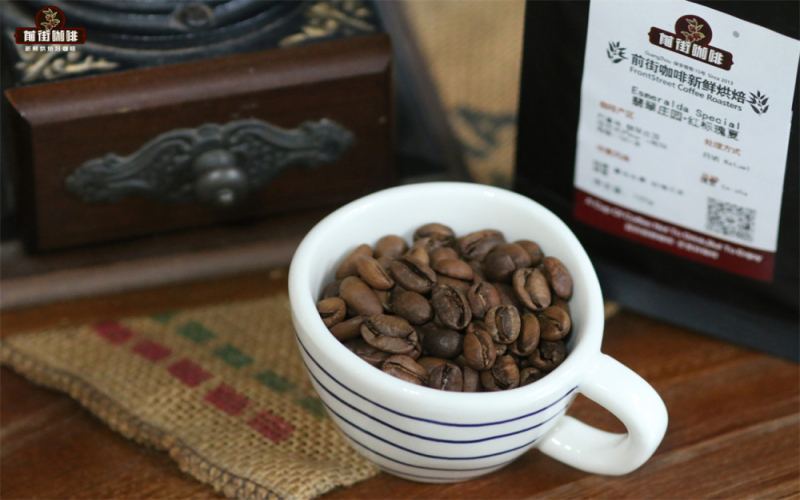
Analysis of the Grading Standards and Flavor Comparison of Panama Hacienda La Esmeralda Geisha Red, Green, and Blue Labels
Panama's Hacienda La Esmeralda Geisha coffee has been highly sought after in the specialty coffee world in recent years, but many coffee enthusiasts are confused when faced with its three grades: Red Label, Green Label, and Blue Label. What exactly do these three labels represent? What are the differences among them in altitude, plot, processing method, and flavor? This article starts with the history of Hacienda La Esmeralda and provides a detailed breakdown of the grading standards for Red Label (Esmeralda Special), Green Label (Private Collection), and Blue Label (Geisha 1500), along with their corresponding production plots and cupping performance. Combined with Front Street Coffee's brewing recommendations and flavor descriptions, it helps readers make a suitable choice based on their own needs. [more…]
Why Is Panama Geisha So Expensive? A Full Analysis of Hacienda La Esmeralda Geisha Coffee's Variety Origins and Plots
Today, as the specialty coffee wave sweeps the globe, Geisha has long become synonymous with high-end coffee, and Hacienda La Esmeralda in Panama is the core driving force behind this legendary variety. From the T2722 seedlings introduced from CATIE in the 1960s, to the stunning breakthrough at the 2004 BOP, to the establishment of grading systems such as Red Label and Green Label, Hacienda La Esmeralda spent decades elevating Geisha to iconic status. This article will systematically review Geisha's varietal characteristics, Hacienda La Esmeralda's three major Geisha-growing plots, the microclimate differences among the farms, and the flavor distinctions between Red Label and Green Label, along with a hands-on comparison from Front Street Coffee, to help coffee enthusiasts understand why this cup of coffee, as elegant as floral-fruity tea, is so precious. [more…]
Colombia Rose Summer Nights Coffee Beans Review: Flavor Performance and Origin Analysis Brought by Anaerobic Natural Processing
Colombia, as the world's third-largest coffee-producing country, has always attracted much attention for its specialty coffee. This article focuses on a Colombian Huila region Finca Astorga Flor de Noche coffee bean launched by the Front Street Coffee brand, and provides an in-depth analysis of the anaerobic natural processing method it uses—from 15 to 20 days of fermentation with carbon dioxide in sealed tanks, to sun-drying until the moisture content reaches 11%, followed by dehulling and screening in a complete process. This bean uses the Caturra variety, with bright fruity acidity and a light sweetness. It smells of fermented floral aromas, and on the palate it presents a sweet-and-sour experience like strawberry jam. The article will introduce the processing technique, flavor characteristics, and suitable audience in detail, providing a reference for coffee lovers. [more…]
Panama Hacienda La Esmeralda Diamond Mountain Coffee Beans: A Complete Analysis of the Caturra and Catuai Variety Story and Flavor Characteristics
Panama's Hacienda La Esmeralda is world-famous for Geisha, but the estate actually also grows two other major varieties, Caturra and Catuai, from which it has created two brands, Diamond Mountain and Palmira. In this article, Front Street Coffee focuses on the Diamond Mountain series, covering the estate's history, the accidental discovery of Geisha, the characteristics of the Caturra and Catuai varieties, the terroir of the Boquete production region, Hacienda La Esmeralda's meticulous plot divisions, and the natural processing flow, roasting curve, and brewing parameters, to provide a comprehensive interpretation of this coffee's background and flavor performance. [more…]
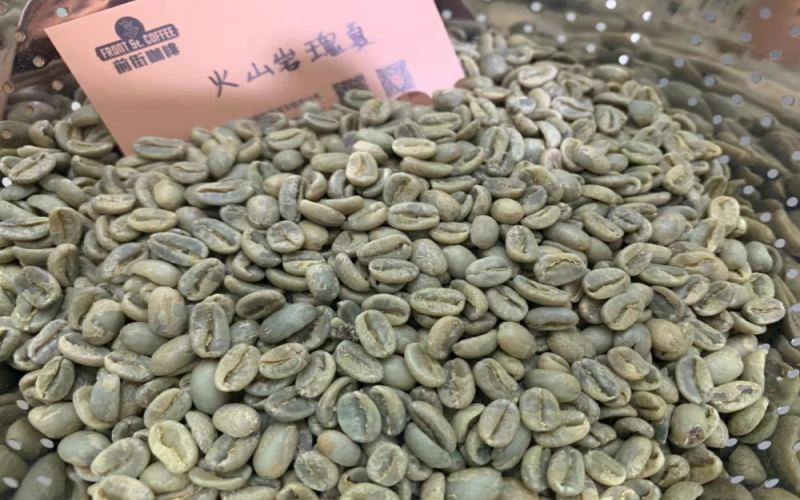
Hacienda La Esmeralda Blue Label Geisha Renamed Las Rocas? The Mystery of the Volcanic Rock Geisha Taking Over After 2021 Discontinuation
In October 2021, a Panamanian Boquete Geisha coffee bean called Las Rocas quietly arrived at port. Its packaging was exquisite, but behind it hid the secret of Hacienda La Esmeralda's discontinuation of its Blue Label Geisha. Why did Hacienda La Esmeralda cancel the Blue Label? Is Las Rocas the replacement for the Blue Label? Front Street takes you through the history of Blue Label Geisha, sorts out Hacienda La Esmeralda's Geisha grade classifications, plot distribution, and processing methods, and provides an in-depth analysis of the origins and story behind Las Rocas Volcanic Rock Geisha. Whether you are a Geisha enthusiast or a coffee professional, this article will unveil this mysterious new bean for you, letting you learn how to continue enjoying Hacienda La Esmeralda's Geisha flavors at an affordable price. [more…]
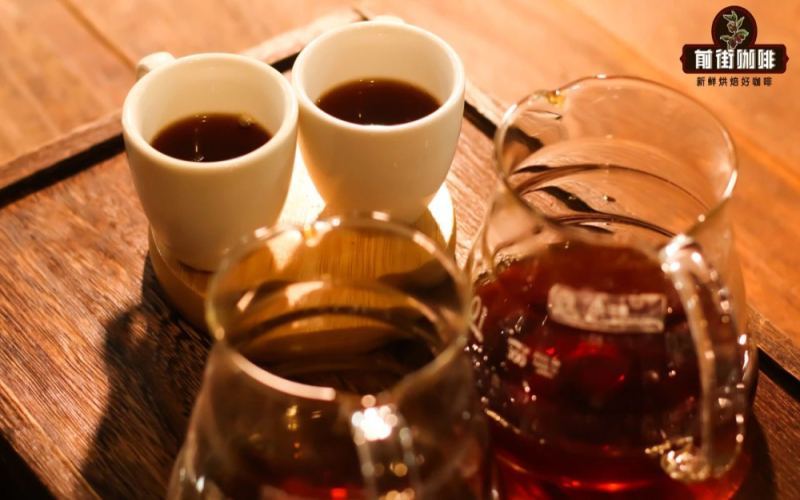
A Detailed Guide to the Flavor Characteristics and Pour-Over Techniques of Panama Geisha Coffee: From Hacienda La Esmeralda Grading to Green Label Washed vs. Natural Comparison
Geisha coffee has become the most sought-after variety in the specialty coffee world in recent years, and Panama's Hacienda La Esmeralda is the key force that propelled this variety to legendary status. Starting from observations at Front Street Coffee's stores, this article traces Geisha's spread from the forests of Ethiopia to Panama, explains Panama's three core producing regions and Hacienda La Esmeralda's three major plots, and breaks down one by one the flavor positioning and grading logic of the three tiers: Red Label, Green Label, and Blue Label. At the same time, Front Street will also conduct a comparative brewing of the washed and natural versions of Green Label Geisha, providing specific V60 pour-over parameters and flavor descriptions to help coffee enthusiasts understand Geisha's charm more systematically. [more…]