








What Sets Diamond Mountain Geisha Coffee Apart?
Diamond Mountain is the Caturra and Catuai brand from Hacienda La Esmeralda in Boquete, Panama, grown at 1,400 to 1,700 meters and given a natural process. The cup shows citrus, bright acidity, nuts, honey, a fermented note and cocoa. The estate is known for geisha coffee, but these varieties carry their own character.
Rudolph Peterson bought the farm in 1964 for dairy, and his son Price introduced Caturra and Catuai in 1987 before a washed mill followed in 1994. Geisha coffee beans were found by accident: low-yielding geisha trees had been planted as windbreaks, and their cup changed how the estate was seen.
The Panama Hacienda La Esmeralda is world-famous for Geisha, but the estate actually also grows two major varieties, Caturra and Catuai, and uses them to create two brands: Diamond Mountain and Palmira. In this article, Front Street Coffee focuses on the Diamond Mountain series, taking you from the estate’s history and the accidental discovery of Geisha, to the characteristics of the Caturra and Catuai varieties, the terroir of the Boquete region, Hacienda La Esmeralda’s detailed plot divisions, and then to the natural process flow, roasting curve, and brewing parameters, for a comprehensive interpretation of this coffee’s background and flavor performance.
The most widely known coffee from Panama Hacienda La Esmeralda is undoubtedly Geisha coffee beans, and the estate’s original discovery of Geisha was precisely because this variety’s flavor was significantly different from that of local coffee beans in the Panama region. So what exactly was the original flavor of Panamanian coffee beans? Hacienda La Esmeralda actually also cultivates two varieties, Caturra and Catuai, and turns them into two brands respectively—Diamond Mountain and Palmira. In this article, Front Street Coffee (FrontStreet Coffee) first talks about what makes Diamond Mountain coffee beans unique.
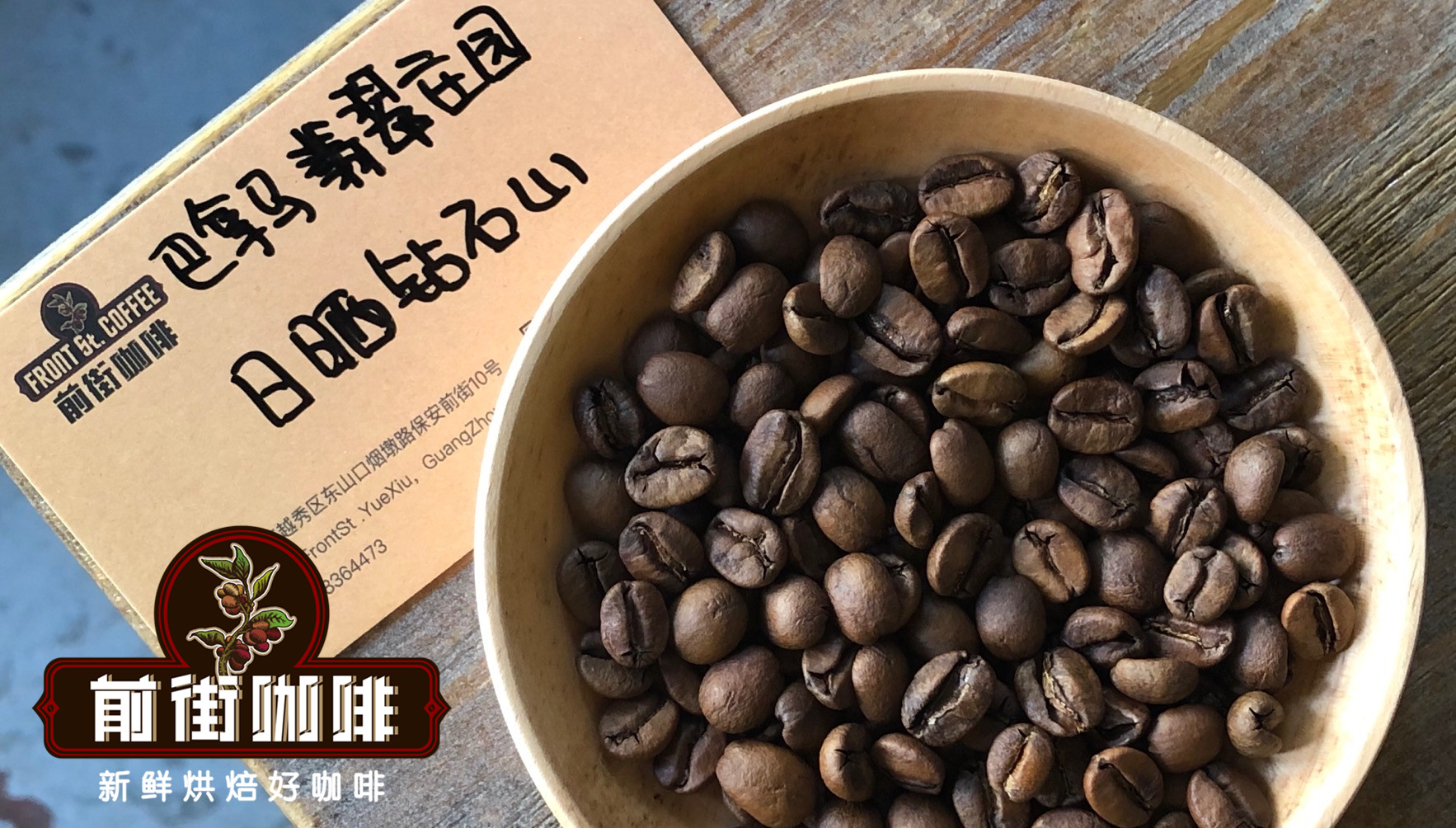
Front Street Coffee (FrontStreet Coffee): Panama · Hacienda La Esmeralda Natural Diamond Mountain Coffee Beans
Region: Boquete Estate: Hacienda La Esmeralda Altitude: 1400-1700m Varieties: Catuai, Caturra Process: Natural process Flavor: Citrus, bright acidity, nuts, honey, fermented note, cocoa
Hacienda La Esmeralda
The coffee-growing history of Hacienda La Esmeralda can be traced back to 1964. At that time, American banker Rudolph Peterson moved to Panama after retirement and bought Hacienda La Esmeralda in Boquete, initially focusing on dairy farming. Later, his son Price gave up his career as a doctor to help his father run the farm, and in 1987 introduced the Caturra and Catuai coffee varieties. In 1994, a washed processing plant was also built, and from then on the estate had its own coffee processing capability.
The discovery of Geisha coffee was purely accidental. Because Geisha coffee trees had low yields and poor economic returns, they were used by the former estate owner as windbreak trees to block strong winds and protect other high-yield areas of Caturra and Catuai coffee.
It was precisely under these circumstances that workers picking coffee cherries also picked Geisha cherries together. During cupping, the estate owner found this bean especially special, with rich citrus floral notes, so he went back to look for the Geisha coffee trees and began to pay attention to them. In 2004, Hacienda La Esmeralda sent Geisha separately to compete and became famous overnight in the BOP competition, thereby establishing Hacienda La Esmeralda’s position in the specialty coffee world.
As mentioned above by Front Street Coffee (FrontStreet Coffee), Hacienda La Esmeralda mainly cultivates Caturra and Catuai varieties. At present, the estate is divided into five major brands based on cupping performance, cultivated varieties, and plots: three are Geisha varieties—Esmeralda Special, Private Collection, and Geisha 1500; two are Caturra and Catuai varieties—Diamond Mountain and Palmira.
Characteristics of the Caturra and Catuai coffee varieties
According to Front Street Coffee (FrontStreet Coffee), Caturra and Catuai are currently widely planted in Latin American producing regions because their resistance to pests and diseases is better than Typica, so they are also commonly cultivated in Panama coffee-producing regions. Caturra is a Bourbon mutation discovered in Brazil in 1937. Its productivity and disease resistance are both superior to Bourbon, and the tree is shorter, making harvesting easier. It has strong adaptability and does not require shade trees. It is suitable for planting from low altitudes of 700 meters to high altitudes of 1700 meters, with a very wide altitude adaptation range, but the higher the altitude, the better the flavor, while productivity decreases accordingly.
The Catuai variety is a hybrid developed in 1949, artificially crossed between Yellow Caturra (an Arabica subspecies) and Mundo Novo (a Robusta subspecies), originally named “H-2077.” Catuai has strong resistance to disasters, especially wind and rain. Because the plant is smaller, it can be planted at double density, and the plant is short, making pest and disease control relatively easier. Catuai grows vigorously and is short in height, but it is susceptible to leaf rust.
Panama coffee-producing regions
Next, Front Street Coffee (FrontStreet Coffee) often mentions that the factors affecting a coffee bean include coffee-producing region, variety, and process. Above, Front Street Coffee (FrontStreet Coffee) introduced the variety of Hacienda La Esmeralda Diamond Mountain coffee beans. Next, it will explain the characteristics of the Panama Boquete coffee-producing region.
There are four main coffee-producing regions in Panama: Boquete, Volcan, Santa Clara, and Candela. Among them, Hacienda La Esmeralda is located in Boquete, Panama’s most famous coffee-producing region.
Boquete coffee-producing region
Boquete is planted at altitudes of 1400-1900 meters. It is a small town in Chiriqui Province, Panama, located near the border between Panama and Costa Rica, close to the famous Baru Volcano, with beautiful scenery, fertile and rich soil, and a climate and soil very suitable for producing high-quality coffee. Moreover, according to Front Street Coffee (FrontStreet Coffee), many excellent estates are also distributed in the Boquete producing region. In addition to Hacienda La Esmeralda, there are also Elida Estate, Kotowa Duncan Estate, and others, all producing high-quality specialty coffee.
This is not only due to the mild climatic conditions of the Boquete region in Panama and the fertile volcanic ash soil of Baru Volcano, but also an important factor—the Boquete highlands of Panama have variable microclimates. Panama’s east-to-west environment allows cold air currents to converge between 1200 and 2000 meters above sea level through the central mountain range. The fog, rain, and variable wind patterns in the mountainous areas create multiple microclimates in the Boquete region, making its temperature and rainfall very suitable for plant growth. Therefore, the coffee trees of Panamanian coffee beans planted here grow very well.
Panama Hacienda La Esmeralda coffee-producing region
Next, Hacienda La Esmeralda is a large estate. As mentioned above by Front Street Coffee (FrontStreet Coffee), Hacienda La Esmeralda divides coffee grades according to factors such as plot altitude, so its planting plots are divided extremely finely, mainly into three plots: Jaramillo, Canas Verdes, and El Velo; each plot is further finely divided into smaller plots.
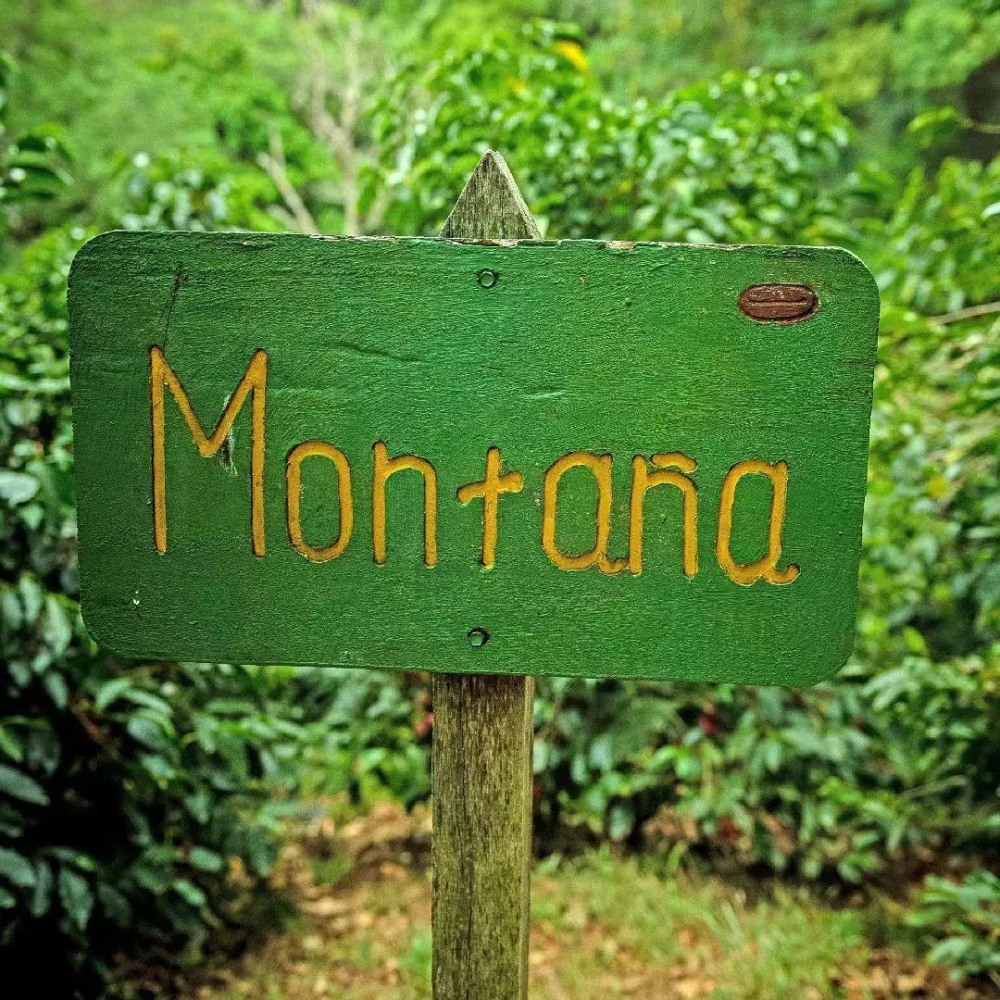
Jaramillo: annual rainfall 4000ml, average daytime temperature 19-25℃, average nighttime temperature 11-15℃, average altitude 1600-1700m. The Jaramillo plot is subdivided into 5 small plots: Mario, Noria, Reina, Bosque, Buenos Aires.
Canas Verdes: annual rainfall 3500ml, average daytime temperature 16-23℃, average nighttime temperature 10-15℃, average altitude 1600-1800m. Canas Verdes includes 9 small plots in total: Lino, Coronado, Fundador, León, Montaa, Trapiche, Chinta, Cabaa, Tumaco.
El Velo: this plot is the most recently purchased plot of Hacienda La Esmeralda, with an average altitude of 1700-1900m. In addition to growing Geisha and Catuai, this plot also has a small number of other introduced varieties, such as Laurina, Pacamara, Mocha, and SL28. El Velo is divided into 7 small plots in total, namely: Guabo, Portón, Durazno, Higo, Higo, Buena Vista, guila.
Diamond Mountain series
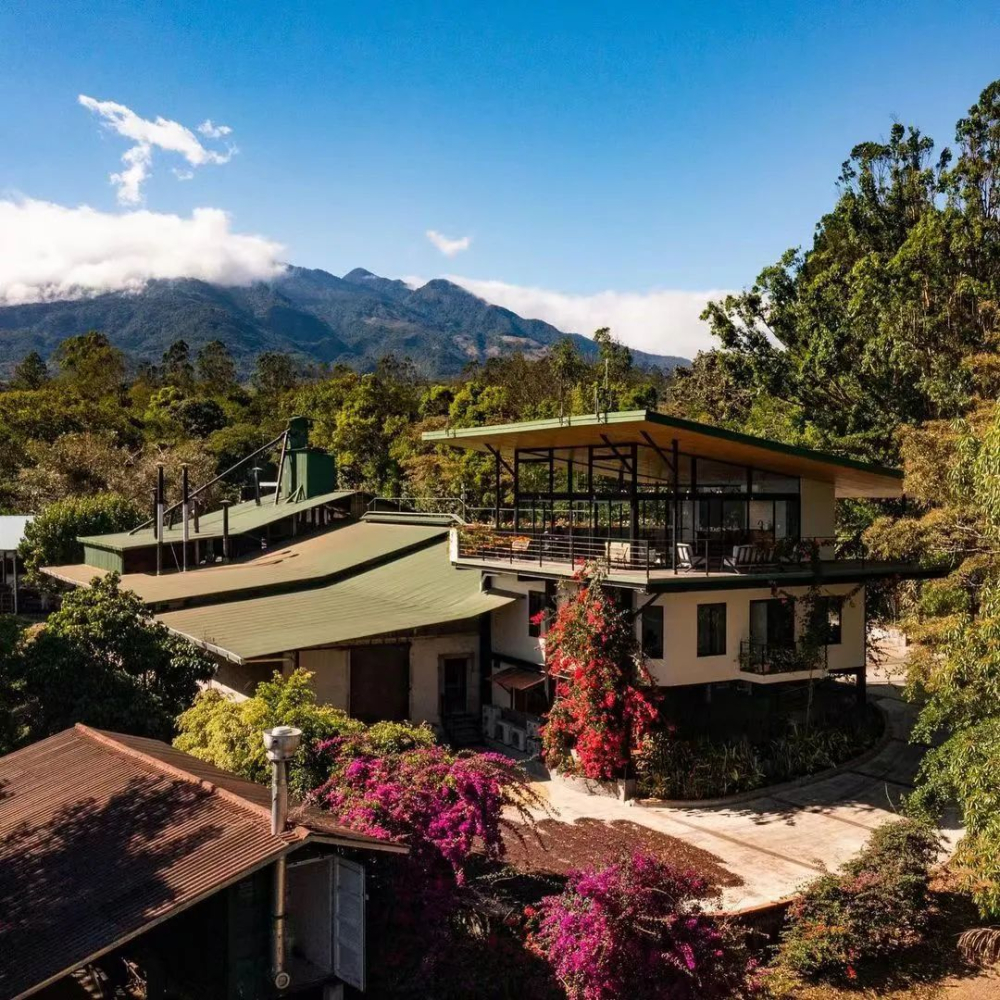
The Caturra and Catuai coffee varieties of Hacienda La Esmeralda’s Diamond Mountain series are planted in the Canas Verdes and Jaramillo areas, with the overall coffee planting distributed at altitudes of 1400~1700 meters. At the same time, according to Front Street’s understanding, Diamond Mountain brand coffee has Rainforest Alliance certification under excellent environmental conditions. You should know that this certification is not easy to obtain. For example, the Jamaican Blue Mountain coffee in Front Street Coffee (FrontStreet Coffee)’s store comes from Clifton Mount Estate, the only estate in Jamaica with Rainforest Alliance certification.
Hacienda La Esmeralda Diamond Mountain coffee bean process
The Diamond Mountain beans obtained by Front Street Coffee (FrontStreet Coffee) use the natural process, so this coffee bean also shows strong aroma and fermented notes in its flavor performance. During the natural process, the harvested coffee cherries are sent directly to the patio to dry. The coffee cherries slowly dry while the coffee beans are still inside, and the beans are filled with fruity and aromatic notes. Depending on weather and site conditions, the coffee cherries are dried on concrete platforms for 3 to 5 days (8 hours per day).
When the coffee cherries have dried to a certain degree, they are then placed into a Guardiola drier and rotated for 72 hours to complete the drying process and prevent fermentation. After drying is completed, the coffee cherries are mechanically stripped of skin, pulp, and other parts. Front Street Coffee (FrontStreet Coffee) believes that the natural process can add sweetness and ripe red berry flavors to coffee beans.
The above is the relevant information about Hacienda La Esmeralda Diamond Mountain coffee beans compiled by Front Street Coffee (FrontStreet Coffee), hoping to help coffee lovers better understand Hacienda La Esmeralda. Next, Front Street Coffee (FrontStreet Coffee) conducts extensive roasting and brewing parameter tests before releasing each new bean. So next, Front Street Coffee (FrontStreet Coffee) will share the roasting and brewing parameters most suitable for this Panamanian coffee bean with coffee lovers.
Front Street Coffee (FrontStreet Coffee) green bean analysis
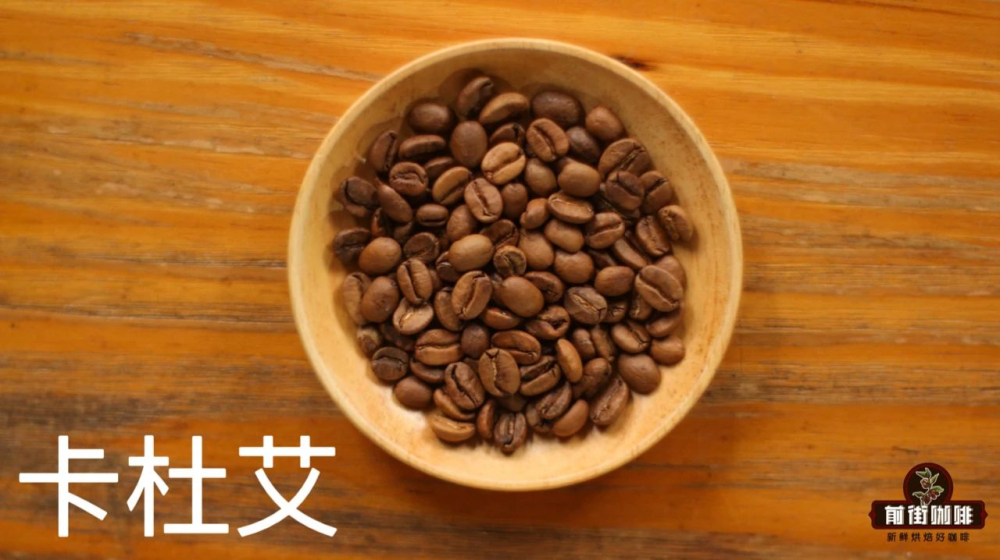
By observing Diamond Mountain’s natural green beans, Front Street Coffee (FrontStreet Coffee) notes that the green beans are yellowish in color, and natural green beans also have more silver skin on the surface. Caturra green beans have a curved tail end and are round yet slender; Catuai beans are flat in body and relatively slender at the tail end.
Front Street Coffee (FrontStreet Coffee) roasting record
The Front Street roaster uses a Yangjia 800N semi-direct fire, with a roasting capacity of 480g. The drum temperature is preheated to 165℃ for charging, the power is adjusted to 130, the airflow is opened to 3, the turning point is 1'36", and the power is maintained; at 112℃ the power remains unchanged, the airflow is opened to 4, and at 127℃ the power is increased to 140. At 6'15" it turns yellow, the grassy smell disappears, and it enters the dehydration stage. At 151℃ the power is lowered to 110, and the airflow remains at 4.
At 9'00" dehydration is complete, wrinkles and dark streaks appear on the bean surface, and the toasted bread smell turns into coffee aroma, which is the prelude to first crack. At this time, pay attention to listening for the sound of first crack. At 10'48" first crack begins, the airflow is fully opened to 5, the development time after first crack is 1'20", and the beans are dropped at 191℃.
Front Street Coffee (FrontStreet Coffee) cupping report
Front Street Coffee (FrontStreet Coffee) conducts cupping within 8-24 hours after the sample coffee beans are roasted. The cupping bowls generally used by Front Street Coffee (FrontStreet Coffee) baristas are 200ml ceramic bowls. The water temperature used for cupping is 94℃. The grinding degree is controlled so that the passing rate of a No. 20 standard sieve (0.85 mm) is 70%-75%. Ratio: 11.1 grams of coffee powder plus 200 milliliters of hot water, that is, 1:18.18, so that the extracted concentration is exactly within the golden cup range of 1.15%-1.35%, and the soaking time is 4 minutes.
Dry aroma: Citrus, berries Wet aroma: Citrus Flavor: Citrus, honey, cocoa, fermented wine aroma
Front Street Coffee (FrontStreet Coffee) brewing insights
Dripper: V60#01 Water temperature: 90-91℃ Dose: 15g Coffee-to-water ratio: 1:15 Grind size: medium-fine grind (80% passing rate on China standard No. 20 sieve)
Front Street brewing method: three-stage extraction
Use 30 grams of water for blooming for 30 seconds. Pour in a small stream in a circular motion until 125 grams, then pause for a stage. When the water level is about to expose the coffee bed, continue pouring until 225 grams and stop pouring. When the water level is about to expose the coffee bed, remove the dripper. (Timing starts at the beginning of blooming.) The extraction time is 2'00".
Brewing flavor: Citrus, bright acidity, nuts, honey, slight fermented note, smooth mouthfeel, cocoa finish.
The above content is compiled by CoffeeHunters, a coffee news website.


