







How Are Geisha Coffee Plots and Grades Organized in Panama?
Panama's Hacienda La Esmeralda divides its geisha coffee across three main growing areas: Jaramillo, Canas Verdes, and El Velo, each split into smaller plots. Since El Velo began commercial operations in the 2022 harvest season, the Peterson family redefined the grades, and green-label lots began naming their harvest plot. The two main grades are Red Label, or Esmeralda Special, and Green Label, or Private Collection.
Jaramillo was the family's first estate and where the variety was originally discovered, with trees averaging over 15 years old, altitudes up to about 1,700 meters, steep slopes, annual rainfall near 4,000 ml, and daytime temperatures of 19-25°C against nighttime readings of 11-15°C. That humid, cool air under dense shade supports the bright floral character associated with geisha coffe.
The Geisha grading system at Panama's Hacienda La Esmeralda has long been a hot topic of discussion in the coffee world. Since El Velo began commercial operations in the 2022 harvest season, the Peterson family has given a new definition to Geisha grades, and green-label lots have also begun to indicate the source of the harvest plot. This article will start from a new perspective on plot division, systematically sorting out the microclimate characteristics and subdivided plots of Hacienda La Esmeralda's three major Geisha growing areas—Jaramillo, Canas Verdes, and El Velo—explaining in detail the evaluation standards and flavor differences between the two major grades, Red Label (Esmeralda Special) and Green Label (Private Collection), and attaching Front Street Coffee's pour-over brewing parameters and tasting notes for Red Label Geisha.
Most coffee enthusiasts who know something about Geisha are aware that Panama's Hacienda La Esmeralda has always used its own unique and highly developed grading system. Starting from the 2022 harvest season, El Velo officially entered the commercial cultivation stage. The Peterson family not only gave new definitions to the two major Geisha grades, but green-label products also included information about the harvest plot for the first time.
Today, Front Street Coffee will take everyone to look from a different angle at Hacienda La Esmeralda's plot distribution and the detailed contents of its Geisha grading system.
Hacienda La Esmeralda Plot Division
Hacienda La Esmeralda has four main coffee-growing areas, of which three major plots cultivate the Geisha variety: Jaramillo, Canas Verdes, and El Velo. Each major plot is further divided into several smaller plots.
Jaramillo is the estate the Peterson family first purchased, and it is also where the Geisha variety was originally discovered. The average age of the coffee trees in the garden is over 15 years. This plot has relatively low terrain, with a maximum altitude of only about 1,700 meters, but the slope is quite steep, bringing considerable challenges to harvesting operations.
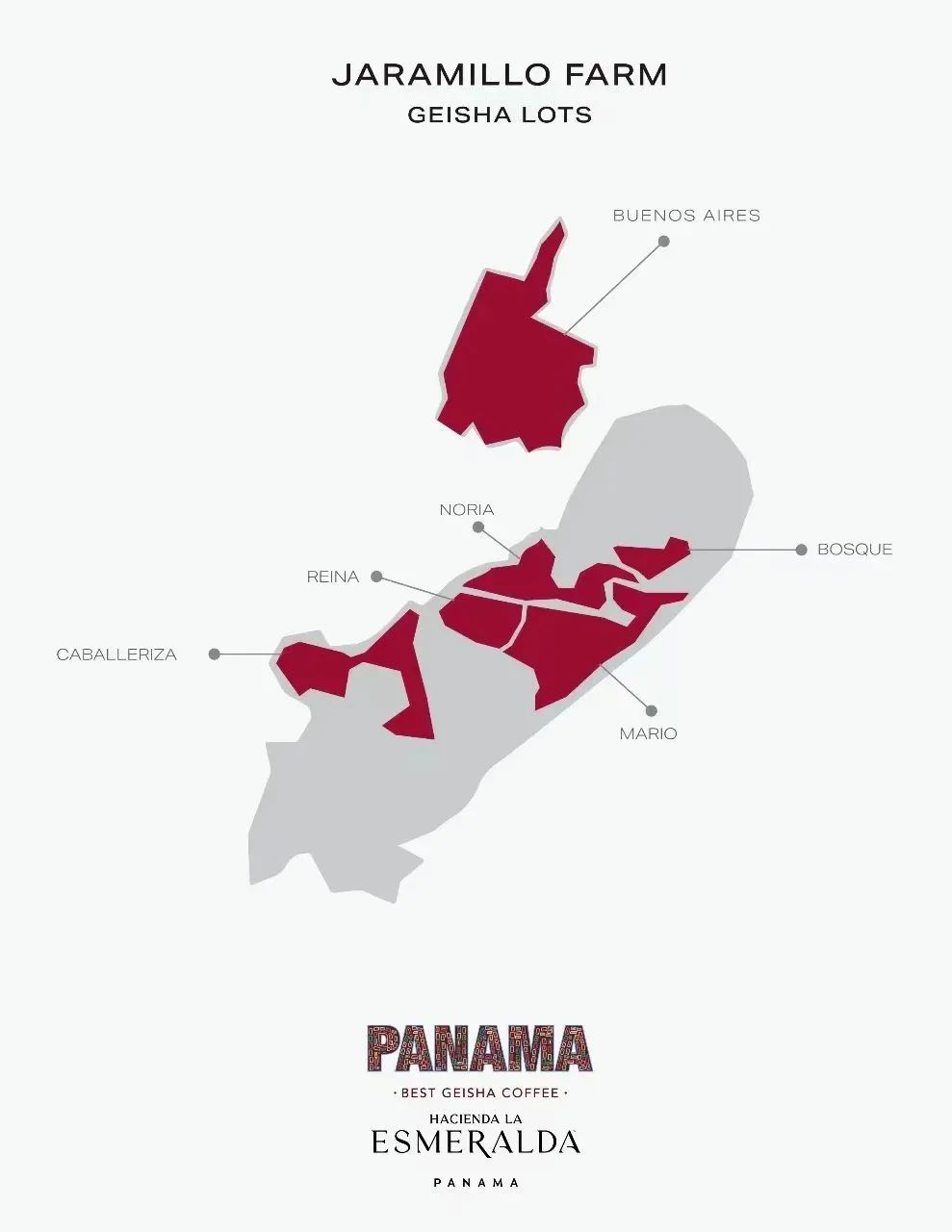
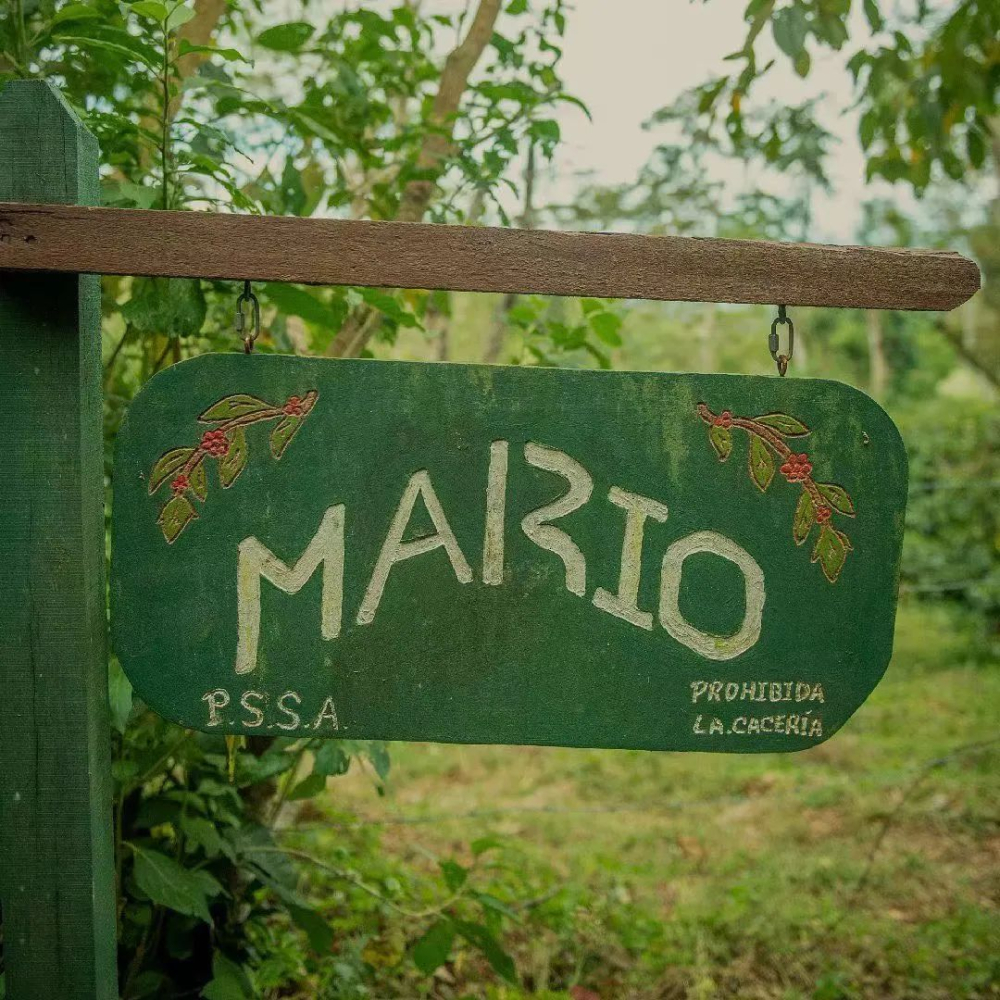
Jaramillo gets its name from the Jaramillo mountain range east of Boquete. Annual rainfall reaches 4,000 ml, the average daytime temperature is 19-25°C, and the average nighttime temperature is 11-15°C. The humid, cool air, combined with dense shade from trees, allows the bright floral aroma of Geisha to be fully expressed. At present, the entire Jaramillo area is divided into six plots for Red Label production: Mario, Noria, Reina, Bosque, Buenos Aires, and Caballeriza, which was added last year. There is also Manantial, which has not yet been released.
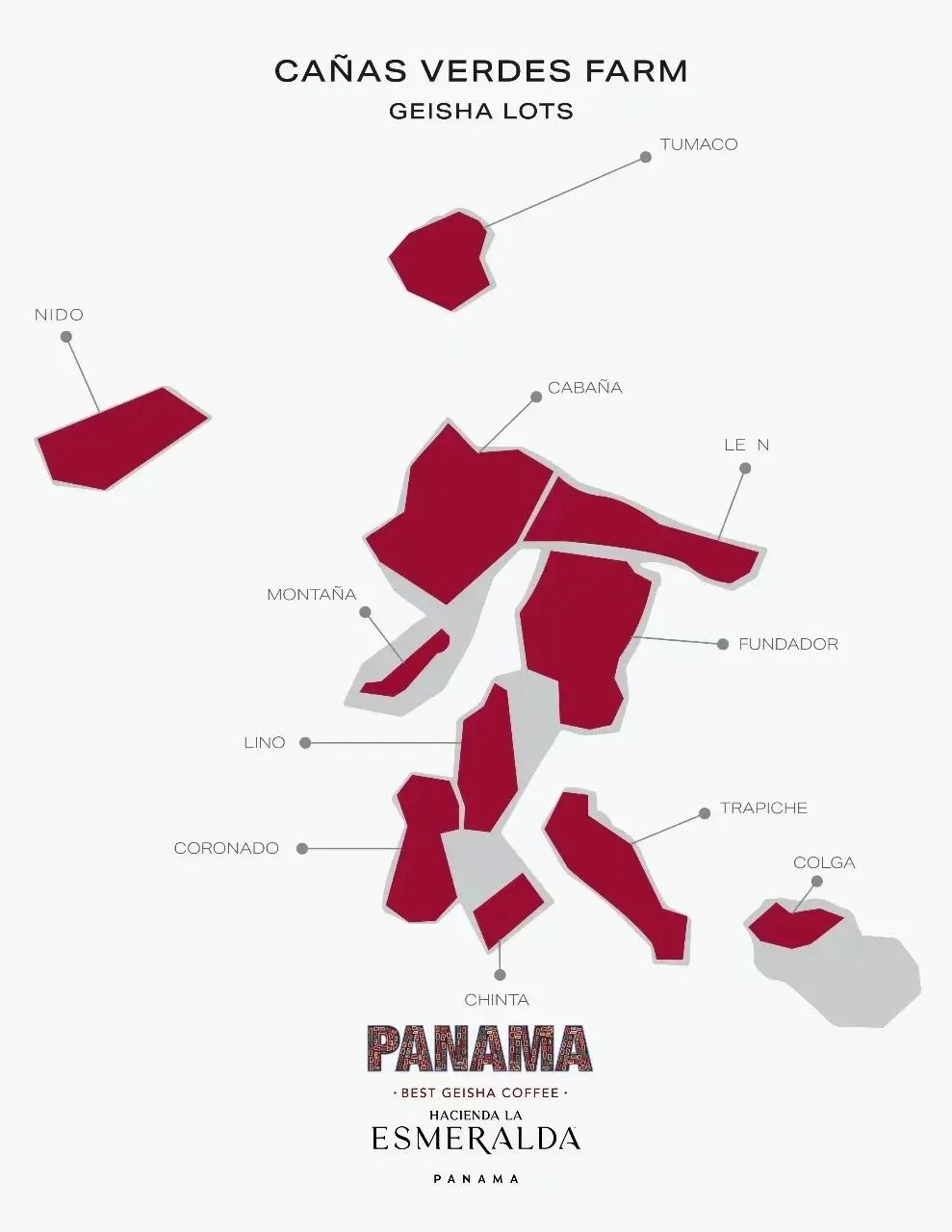
Canas Verdes is often transliterated in China as "Kanasi Weidisi," while its original Spanish meaning can be translated as "green reeds" or "green fields." About half of Canas Verdes was purchased together with Jaramillo in 1967. After Geisha rose to fame in 2004, the Peterson family began acquiring surrounding small plots of planting land one after another. Because the entire growing area is located on the eastern slope of Barú Volcano, the altitude range is quite large, extending from 1,500 meters all the way to 2,050 meters.
Canas Verdes has annual rainfall of about 3,500 ml, an average daytime temperature of 16-23°C, and an average nighttime temperature of 10-15°C. The highly complex terrain, volcanic soil, and significant temperature difference between day and night together give Geisha its aromatic varietal characteristics.
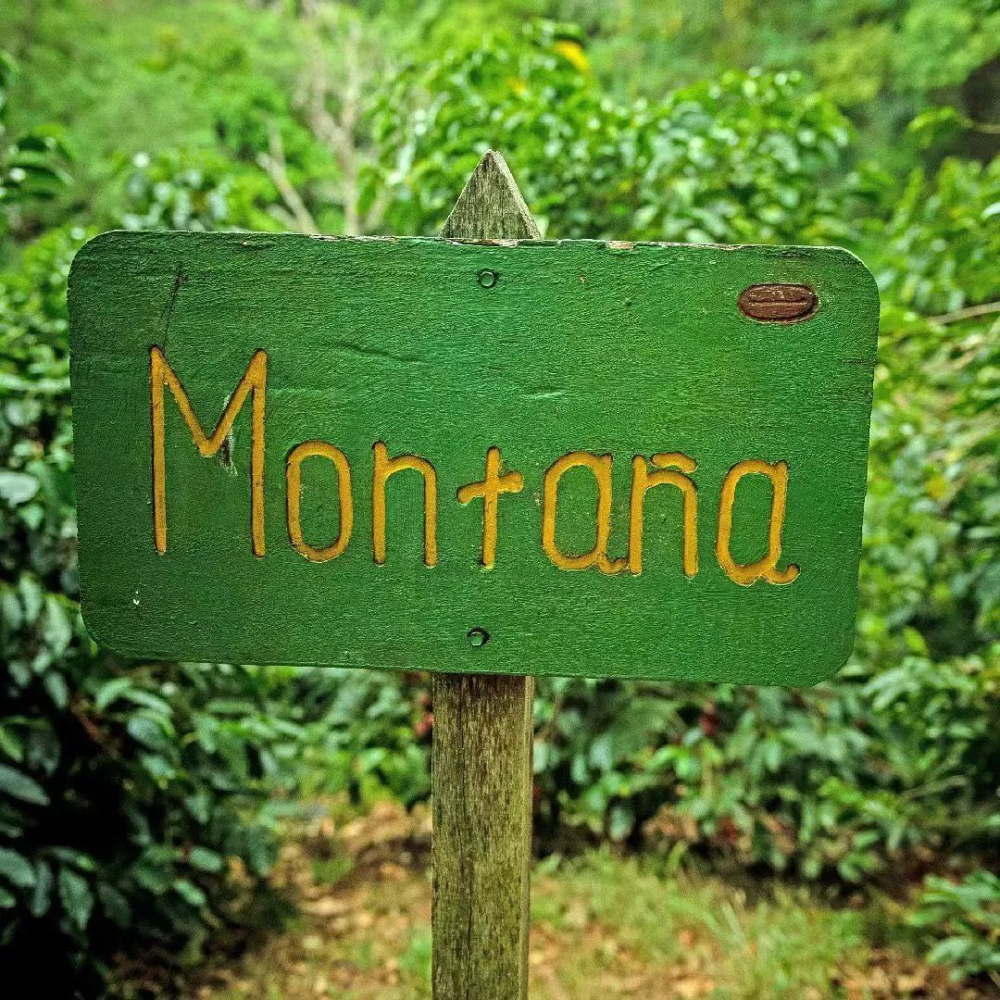
At present, Canas Verdes has a total of 11 small plots cultivating Geisha: Lino, Coronado, Fundador, León, Montaña, Trapiche, Jacinta, Cabaña, Tumaco, as well as Nido and Colga.
El Velo is the newest estate purchased by Hacienda La Esmeralda in 2012. It is also the plot with the highest average altitude within the estate and the only area that has undergone meticulous leveling. In addition to mainly growing Geisha, El Velo also cultivates more than 400 coffee varieties introduced from CATIE, including Laurina, Pacamara, Mocha, and SL28, for long-term variety development and exploration.
Compared with the other two plantations, El Velo's altitude extends from 1,650 meters up the mountain to 1,900 meters, with an average annual rainfall of 4,000 ml, an average daytime temperature of 16-25°C, and an average nighttime temperature of 11-16°C.
The entire El Velo area covers 50.25 hectares of coffee-growing land, of which Geisha occupies 37.9 hectares and is subdivided into seven plots: Guabo, Portón, Durazno, Mural, Higo, Buena Vista, and guila.
The lowest-altitude Palmira farm mainly grows Catuai. The entire estate covers about 30 hectares and was the first farm purchased by the Peterson family. It is not only Hacienda La Esmeralda's internal office location, but also houses the processing plant that handles all green beans.
Hacienda La Esmeralda's Two Major Geisha Grades
Esmeralda Special
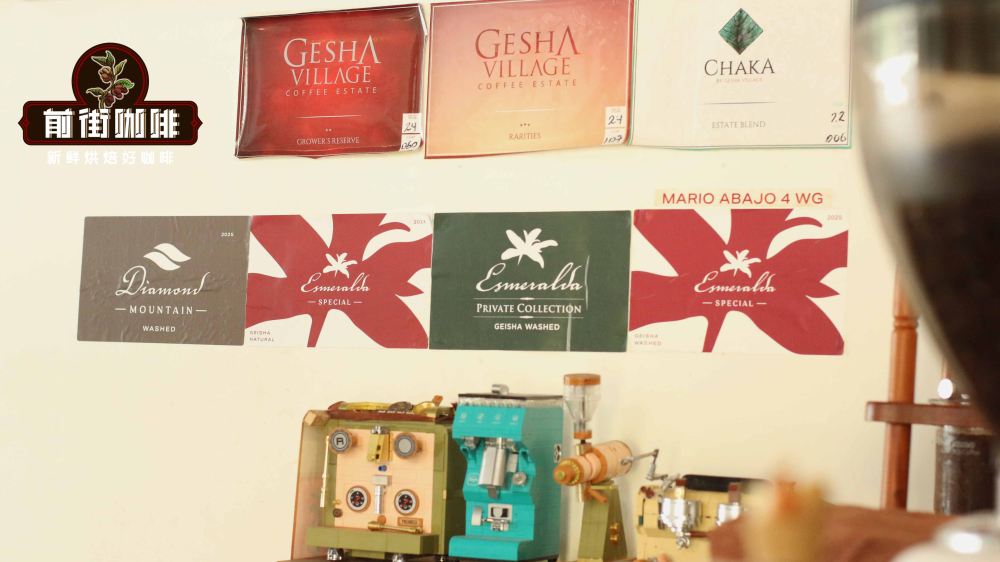
Esmeralda Special, commonly known as Red Label, is Hacienda La Esmeralda's representative high-end Geisha besides the auction lots. This lot of Geisha is grown at an altitude of 1,600-1,800 meters, and the cupping score must be no less than 91 points. Each micro-lot comes with detailed traceability information, covering plot, altitude, day-night temperature difference, latitude and longitude, tree age, harvest date, number of pickings, processing method, total output, and more.
For example, the Esmeralda Red Label lot recently acquired by Front Street comes from the Trapiche plot of Canas Verdes estate, with a growing altitude of more than 1,600 meters. The total Red Label output of this plot is 4.5 hectares. The coffee cherries were harvested on February 13 this year, the seventh picking of this plot, and were processed using the natural method. The green beans underwent slow sun-drying for 25 days, giving the coffee a rich aroma and presenting notes of jasmine, cranberry, passion fruit, citrus, and cinnamon.
Private Collection
Private Collection, what everyone often calls Green Label, refers to Geisha lots that do not participate in the auction but are still of excellent quality. Green Label is picked from mixed Geisha beans from different plots within the two main estates at altitudes of 1,600-1,800 meters. With its classic orange-blossom honey charm, it has become the priority choice for many Geisha lovers with limited budgets. Starting in 2022, Hacienda La Esmeralda also indicated the major growing plot on this grade of Geisha lots, that is, specifying whether it comes from Jaramillo, Canas Verdes, or El Velo.
According to information published on Hacienda La Esmeralda's official website, Green Label Geisha from different plots displays its own unique main flavor direction due to differences in terroir. Green Label from the Jaramillo plot carries rich jasmine and rose aromas; Green Label from Canas Verdes presents a richer tropical fruit mouthfeel; and Green Label from El Velo is mainly characterized by lemongrass and floral notes.
Sharing Front Street's Pour-Over Tutorial for Esmeralda Geisha Coffee
The pour-over parameters for Red Label Geisha coffee are as follows: dripper: V60, water temperature: 92°C, coffee dose: 15 g, coffee-to-water ratio: 1:16, grind size: fine granulated sugar size (sift the grounds to 80% using a No. 20 sieve).
Fold the filter paper and fit it to the dripper. Use a small amount of water to wet the filter paper while making it adhere better, then discard the water in the server. Then pour in the coffee grounds and gently tap to distribute the coffee bed evenly. For the first pour, gently add 30 grams of water for blooming, with a blooming time of 30 seconds; for the second pour, add water until about 125 grams, maintaining an even and steady outward spiral. Wait for the coffee liquid level to drop. When it has dropped by half, pour the final portion of water until 240 grams. Wait for all the coffee to finish dripping. The total extraction time is usually about 2 minutes.
The pour-over Esmeralda Red Label Geisha has a fresh entry with jasmine, citrus, and tropical fruit acidity. Its flavor layers present different aspects as the temperature changes, and the overall mouthfeel is smooth, with a pleasant tea-like aroma in the finish.
The above content is compiled by CoffeeHunters, a coffee news website.


