







Search Results for: La Flor Peaberry
Guatemala Antigua Washed Coffee Flavor Analysis: A Complete Overview of La Minita La Flor del Café Peaberry Taste and Origin Environment
Want to learn about the flavor characteristics of Guatemalan washed coffee beans? This article takes you deep into La Minita Estate, analyzing its unique geographical environment and microclimate, with a focus on introducing its star product—Flora Maragogipe. This bean comes from the Antigua region, uses a washed process, and features floral notes as its main theme, accompanied by a chocolate finish, caramel sweetness, and bright acidity. The article also covers information such as the estate's altitude, varieties, and strict control at the processing station, along with a little knowledge about pour-over schools. Front Street Coffee is always committed to sharing professional coffee content, and there are three low-discount events every month, allowing more people to taste high-quality coffee at affordable prices. [more…]
Complete Guide to Arabica Coffee: Origins, Variety Characteristics, and Processing Method Flavor Guide
Coffee belongs to the Rubiaceae family, with over a hundred known species, but commercial cultivation is dominated by three major types: Arabica, Robusta, and Liberica. Among them, Arabica, with its outstanding aroma and flavor, accounts for over seventy percent of global production and is the core raw material for single-origin and specialty coffee. This article will systematically review the varietal characteristics, advantages and disadvantages, and sub-varieties of Arabica, and introduce one by one the cultivated varieties, processing methods, grading standards, and flavor profiles of representative producing countries such as Brazil, Colombia, Panama, Guatemala, Costa Rica, Jamaica, Ethiopia, Kenya, and Indonesia. It will also incorporate Front Street Coffee's sourcing experience and recommendations to help coffee enthusiasts build a complete framework for understanding origins. [more…]
Arabica Coffee Bean Buying Guide: Variety Characteristics, Reasons for Higher Prices, and Analysis of Representative Global Producing Regions
Why has Arabica coffee bean become synonymous with specialty coffee, and why is its price consistently higher than Robusta? Starting from plant taxonomy, this article systematically reviews Arabica's flavor advantages and cultivation limitations, and one by one explains the varietal characteristics, processing methods, and grading standards of representative producing regions around the world such as Brazil, Colombia, Panama, and Ethiopia. The article also combines Front Street Coffee's store selection and recommended bean list to provide coffee enthusiasts with a reference that is both informative and practical. [more…]
What grade does Arabica coffee belong to? A comprehensive analysis of major global origins and representative brands
Coffee belongs to the Rubiaceae family, with about eighty known species, of which three main categories are used for drinking: Arabica, Robusta, and Liberica. Arabica, with its balanced flavor and aroma, has become the mainstay of single-origin and specialty coffee, accounting for more than seventy percent of global production. From the nutty-chocolate notes of Brazil, to the citrus and dark cocoa of Colombia, and on to Panama Geisha, Jamaica Blue Mountain, and Ethiopia Yirgacheffe, each origin has its own distinctive flavor. Front Street Coffee stores carry coffee beans from more than fifty origins, and this article examines Arabica's grade positioning and the flavors of well-known origins around the world one by one. [more…]
A Beginner's Guide to Coffee Varieties: Arabica Coffee's Characteristics, Sub-varieties, and Major Global Producing Regions
In the world of coffee, Arabica and Robusta are the two most frequently mentioned varieties, and the former almost represents the mainstream direction of specialty coffee. This article starts from plant taxonomy to sort out Arabica's varietal characteristics, flavor advantages, and disease-resistance weaknesses, and introduces one by one the planting varieties, processing methods, and grading standards of representative origins such as Brazil, Colombia, Panama, Guatemala, Costa Rica, Jamaica, Ethiopia, Kenya, and Indonesia. At the same time, it combines Front Street Coffee's store selection and recommended bean list to help readers build a complete cognitive framework from variety to origin. [more…]
Flavor and Taste Analysis of Guatemala Antigua La Flor Coffee Beans: Are Washed Process Bourbon and Caturra Varieties Suitable for Drip Bags?
Guatemala Antigua La Flor coffee beans are a single-origin bean from Front Street Coffee, known for its bright acidity and delicate floral aroma. They come from the La Minita estate in the Antigua region, are processed at the Las Pastores wet mill, and consist of the Bourbon and Caturra varieties. This bean presents berry, citrus, light floral notes, and a chocolate finish, with a soft and clean acidity. This article will comprehensively analyze the source of this La Flor coffee's flavor from aspects including the history of coffee cultivation in Guatemala, the terroir of the Antigua region, the management of the La Minita estate, the washed processing flow, and variety characteristics, as well as Front Street's roasting curve, cupping report, and V60 brewing parameters, and will also discuss whether it is suitable for making drip coffee bags, providing a complete reference for coffee enthusiasts. [more…]
Why Are Arabica Coffee Bean Prices Staying So High? A Full Analysis of Specialty Bean Flavors and Grading Across Origins
Why are Arabica coffee beans priced higher? This article approaches the topic from plant taxonomy, analyzing the differences among the three major cultivated species—Arabica, Robusta, and Liberica—explaining why Arabica has superior flavor but weak disease resistance and is suited to high-altitude cultivation, and introducing one by one the varieties grown, processing methods, and grading standards of well-known origins such as Brazil, Colombia, Panama, Guatemala, Costa Rica, Jamaica, Ethiopia, Kenya, and Indonesia. At the same time, combined with Front Street Coffee's stores and bean list recommendations, it helps coffee enthusiasts understand the pricing logic of Arabica and how to choose. [more…]
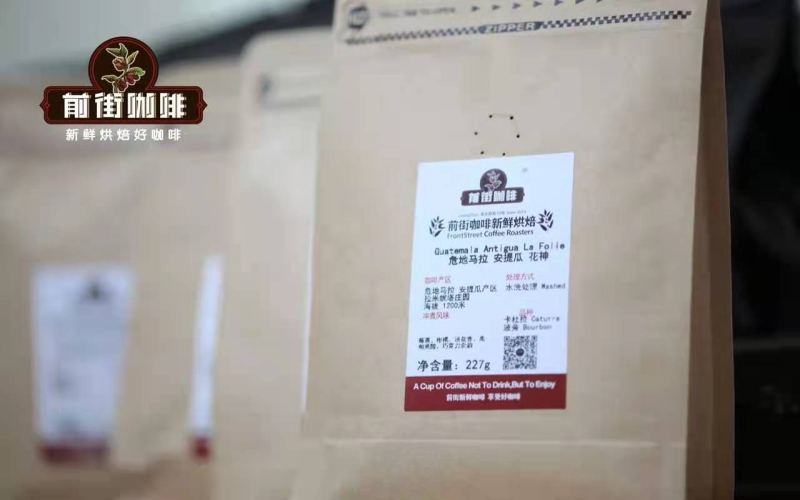
Exploring Guatemala Antigua La Flor del Café: A Full Analysis of Finca El Injerto's Cultivation, Processing, and Flavor Profile
Flor de Café is a star product under the La Minita company in the Antigua region of Guatemala. It is highly praised by Front Street Coffee for its rich floral aroma when ground, its entrance like fresh juice with a slight acidity, and its blend of floral and fruity notes with caramel sweetness. The Antigua region has an altitude of up to 1,850 meters, and its volcanic soil and large temperature difference between day and night create a unique microclimate, giving the coffee beans a balanced acidity, sweetness, bitterness, and aroma. La Minita Estate is known for strict quality control and scientific cultivation, overseeing everything from planting, harvesting, washing processing, and packaging to ensure that Flor de Café's quality remains consistent. This article provides a detailed introduction to Flor de Café's regional background, variety composition, washed processing flow, Front Street roasting curve analysis, and brewing suggestions, taking you through a comprehensive understanding of this coffee known as "Flor de Café." [more…]
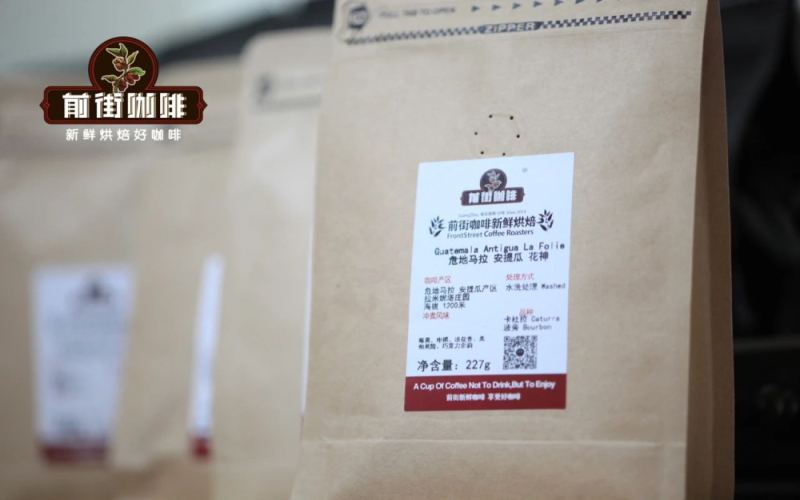
Exploring Guatemala Antigua La Minita Estate Flor del Café: The Complete Journey from Volcanic Soil to Smoky Floral Notes in the Cup
In the Antigua region of Guatemala, fertile soil nourished by volcanic ash gives rise to a distinctive coffee—the Flor del Café beans from the "Flower of Coffee" brand under the Raminita family. This bean, based on Bourbon and Caturra varieties and washed-processed, offers a double surprise in the cup: a subtle smokiness interwoven with delicate white floral notes, as if finding a blooming flower amidst scorching volcanoes. This article will take you into the Antigua region, explore the Raminita family's strict quality control system, analyze the varietal characteristics of Flor del Café, its washed processing flow, and medium-light roasting curve, and share Front Street Coffee's brewing parameters and flavor experience, comprehensively presenting this star product from origin to cup. [more…]
A Complete Analysis of the Flavor Characteristics and Brewing Parameters of La Minita La Flor Coffee Beans from the Antigua Region of Guatemala
Guatemala is the ninth-largest coffee producer in the world, known for its high-grown Strictly Hard Bean. Its Antigua region is surrounded by three volcanoes, with a unique microclimate and fertile volcanic soil, producing coffee famous for its bright acidity and fruity notes. The "Flor" brand created by La Minita in this region has attracted much attention for its strict cultivation and quality control systems. This La Minita Flor coffee bean, offered by FrontStreet Coffee, comes from the Antigua region, uses Bourbon and Caturra varieties, is washed-processed, and medium-roasted, presenting rich layers of berry acidity, citrus, and a slight chocolate note. This article will introduce in detail the background of Guatemalan coffee origins, the terroir conditions of the Antigua region, as well as specific information about this Flor coffee bean and Front Street's recommended brewing method. [more…]
Guatemala La Flor Coffee Flavor Analysis: A Complete Overview of Antigua Region Varietal Characteristics and Tasting Notes
Front Street Guatemala Flora coffee comes from the high-altitude zone of the Antigua volcanic region. Thanks to its unique micro-geographic environment and strict quality control management, it presents a full floral sweetness, bright and delicate acidity, and a long lingering finish of chocolate and nuts. This article will comprehensively analyze this coffee's category affiliation and taste characteristics, from the terroir of the producing region, variety heritage, and processing methods to dry and wet aroma and slurping performance, and provide roasting degree suggestions, helping coffee lovers who are just getting started find an entry-level choice with a smooth mouthfeel and balanced sweet-and-sour notes. [more…]
A Comprehensive Analysis of Guatemala Antigua La Flor del Café: A Guide to Regional Characteristics, Processing Methods, and Pour-Over Parameters
Antigua Flor de Dios is one of the most renowned representatives of Guatemala's most prestigious producing regions, strictly quality-controlled by Raminita Company and carefully processed by the Las Pastores washing station. From the perspective of Front Street Coffee, this article systematically reviews Flor de Dios coffee's regional terroir, washed processing flow, green bean variety composition, roasting curve design, and pour-over extraction plan, comprehensively presenting how this bean showcases a balanced layering of citrus acidity, floral honey sweetness, and smoky finish, providing coffee enthusiasts with a reference guide that is both professional and practical. [more…]
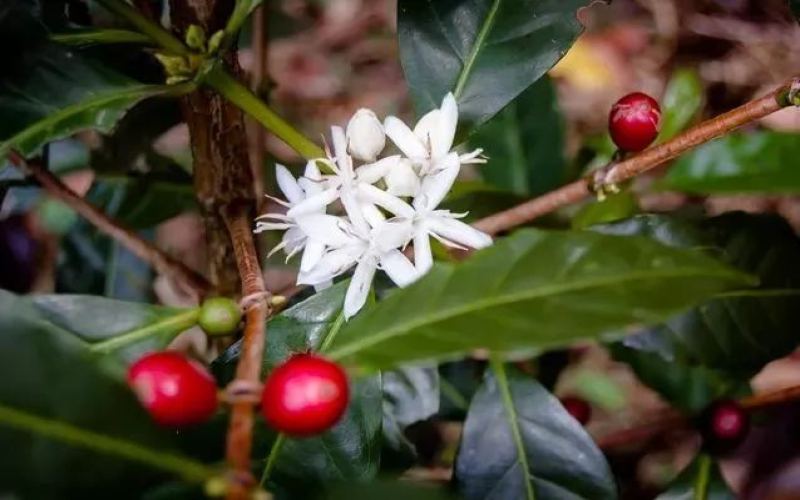
Guatemalan Coffee Regions, Varieties, and Flavor Analysis: The Unique Charm of Antigua La Flor del Café
Guatemalan coffee is famous for being rich and full-bodied, with tobacco and charcoal notes, and the Antigua region is even known as the birthplace of "cigarette coffee." This article will take you deep into Guatemala's growing environment, coffee history, the volcanic geological advantages of the Antigua region, and the Flor coffee produced by La Minita estate—from the characteristics of the Bourbon and Caturra varieties to the washed processing method and brewing parameters, providing a comprehensive analysis of this specialty coffee that combines floral aromas, citrus acidity, and caramel sweetness. Front Street Coffee's everyday beans, Huehuetenango and Flor coffee, are outstanding representatives of this region. [more…]
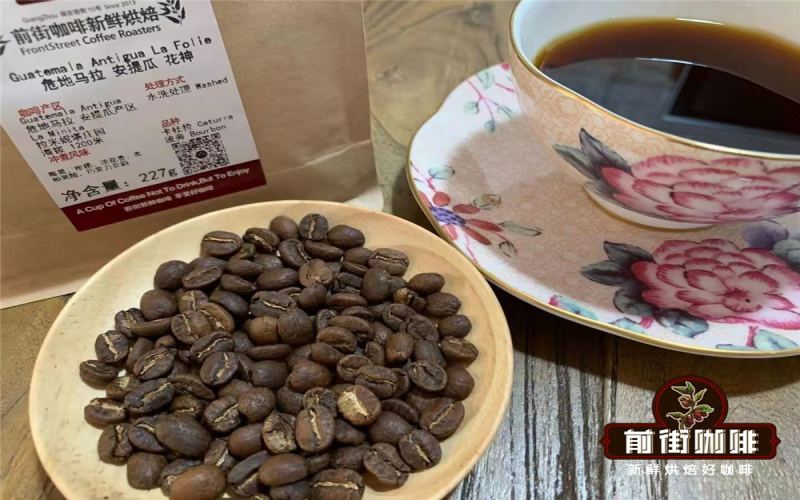
Flavor Analysis of Guatemala Antigua La Flor del Café: Where Does the Smoky Note Come From and Key Brewing Points
The Flor coffee beans from Guatemala's Antigua region are often discussed as to whether they carry a smoky flavor, but this flavor actually stems from the combined effects of the local volcanic soil and high-altitude microclimate. This article will outline the growing environment of the Antigua region, the cultivation and processing methods at La Minita Estate, the varietal composition and washed processing of Flor coffee beans, and provide Front Street Coffee's roasting approach and pour-over parameter recommendations, including coffee-to-water ratio, water temperature, grind size, and three-stage pouring rhythm. It will also explain the flavor profile of Flor coffee beans, such as berry acidity, citrus, and slight chocolate notes, as well as Front Street's recommendations on fresh roasting and resting period, helping coffee enthusiasts gain a more complete understanding of this bean's characteristics and brewing direction. [more…]
Indonesian Longberry Lintong Mandheling vs. Guatemala La Flor del Café: A Full Breakdown of Pour-Over Parameters and Flavor Differences
Sumatra coffee is, in most people's minds, synonymous with the rich, full-bodied depth of a medium-dark roast, but in recent years the local coffee landscape has shifted noticeably. This time, Front Street Coffee brings two beans of strikingly different styles—Indonesia Wahana Longberry sun-dried longberry dragon fruit Mandheling, and Antigua Flower God from Guatemala's La Minita estate. The former overturns the stereotype of traditional Mandheling, while the latter is known for its elegant floral aroma and soft fruit acidity. The article will introduce each bean's origin, variety, processing method, and flavor characteristics, along with detailed pour-over parameters and brewing steps, to help coffee lovers understand the subtle extraction adjustments for different bean types and find a brewing method better suited to their own taste. [more…]
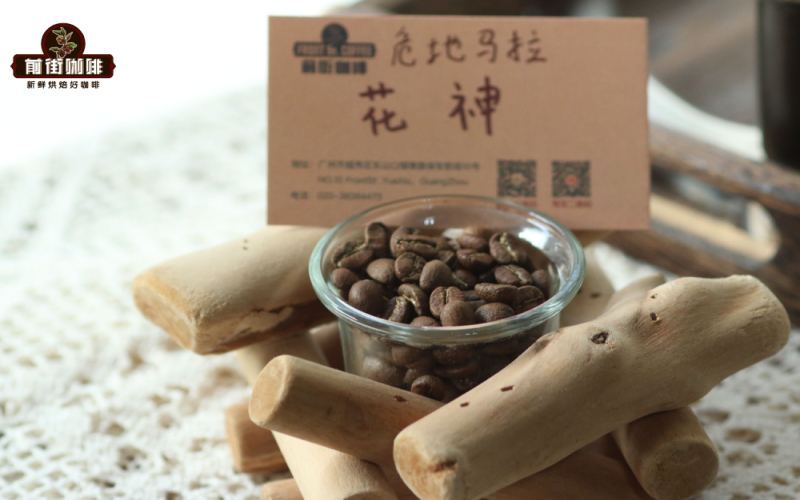
Guatemala La Flor Coffee Brewing Guide: Bean Resting Tips and V60 Pour-Over, Espresso Practical Parameters
Coffee from Guatemala's Antigua region is renowned for its rich chocolate and toffee sweetness, and the Flor coffee beans launched by Front Street Coffee are a representative example of this region. This article focuses on this washed Guatemalan Flor, covering the regional terroir, variety composition, and processing methods, then moving on to the design approach behind the medium roast profile. It also provides a complete espresso extraction plan, including specific parameters such as dose, yield, time, and grind setting, while also explaining pour-over and other diverse brewing methods. Whether you are a beginner who has just gotten a coffee machine or an experienced player looking to refine your SOE output, you can find operational details and adjustment directions to reference in this record. [more…]
Introduction to the Coffee Bean Varieties of Guatemala's Huehuetenango Region: Pour-Over Flavor and Taste Characteristics
Guatemala is a flagship coffee-producing country in Central America, often described as having a smoky "uncle-style" flavor, but this smokiness comes from the terroir rather than artificial additives, and combined with nutty and chocolate notes, it is full of charm. The country is home to producing regions such as Antigua, Huehuetenango, Copán, San Marcos, Atitlán, Acatenango, Fraijanes, and New Oriente, each with its own unique climate and soil conditions. Among them, Huehuetenango is known for its rich fruity flavors, while Antigua is famous for its light smokiness and deep fruity aroma. Front Street Coffee's Huehuetenango everyday drinking beans and La Minita La Flor del Café represent the classic styles of these two regions, respectively. This article will go through the characteristics of each region one by one and share brewing ideas and specific parameters for the La Flor del Café beans. [more…]
A Comprehensive Analysis of Coffee Bean Varieties: Arabica Variety Classification and Representative Beans from Major Global Origins
Coffee, as a plant of the Rubiaceae family, has over a hundred known species, but only three cultivated varieties are actually used for drinking: Arabica, Robusta, and Liberica. Among them, Arabica occupies about seventy percent of global production with its exceptional flavor and aroma, making it the top choice for single-origin and specialty coffee. From Ethiopia's native Typica and Bourbon to the Geisha that has swept the market today, Arabica subspecies are rich and diverse, each with its own characteristics. At the same time, origins such as Brazil, Colombia, Panama, Guatemala, Costa Rica, Jamaica, Ethiopia, Kenya, and Indonesia, by virtue of their unique terroir and processing methods, shape distinctly different coffee flavors. Front Street Coffee offers more than 50 different regional coffee beans in its stores, meeting diverse taste needs. This article will systematically sort out coffee variety classification, the advantages and disadvantages of Arabica, and representative global origins, taking you to gain a deeper understanding of the rich landscape of the coffee world. [more…]
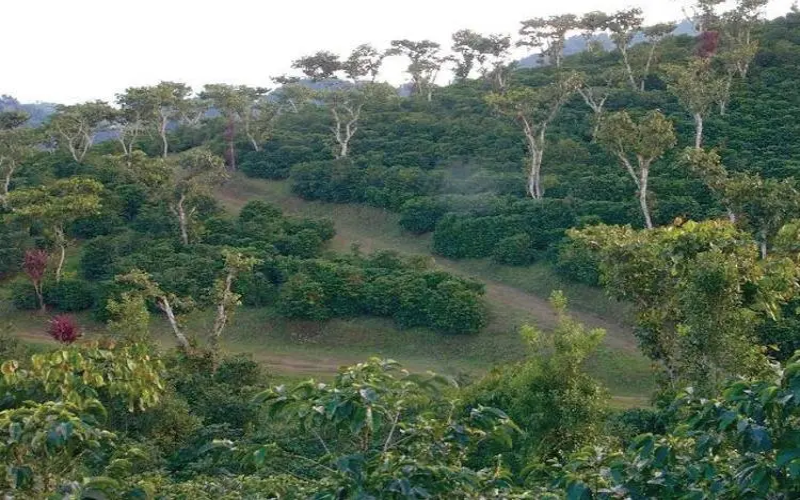
Guatemala Antigua La Minita Estate Flora Coffee Beans: A Full Analysis of Terroir and Flavor
Guatemala is a renowned specialty coffee-producing country in Central America, and its Antigua region, with its volcanic soil and unique microclimate, nurtures coffee with bright acidity and fruity flavors. The Flor de Café beans from La Minita Corporation originate here, processed by the Pastores Mill and following strict quality control procedures. This article will guide you through Guatemala's coffee-growing environment, the terroir characteristics of the Antigua region, as well as the flavor profile of La Minita Flor de Café and Front Street Coffee's brewing recommendations, ideal for coffee enthusiasts looking to gain a deeper understanding of this classic bean. [more…]
Guatemala Antigua La Flor Coffee Beans Pour-Over Tutorial | Water Temperature, Grind, Coffee-to-Water Ratio and Three-Pour Extraction Explained
Guatemala, as a representative coffee-producing region in Latin America, often yields coffees with nutty and cacao notes, while its volcanic soil imparts a unique smoky aftertaste to the beans, making them highly favored by coffee enthusiasts. However, many people who brew Guatemalan beans at home with pour-over methods often feel that the flavor differs from what they taste in cafés, and the problem usually lies in the water temperature, grind size, coffee-to-water ratio, and pouring technique. In this article, Front Street Coffee takes the most representative Front Street Guatemala Antigua Flor del Café beans as an example, first introducing their producing region, variety, and processing method, then systematically explaining the four key pour-over parameters, and finally providing a complete three-stage extraction procedure and brewing data to help you brew the citrus acidity, floral aroma, and caramel sweetness that this bean should have. [more…]