







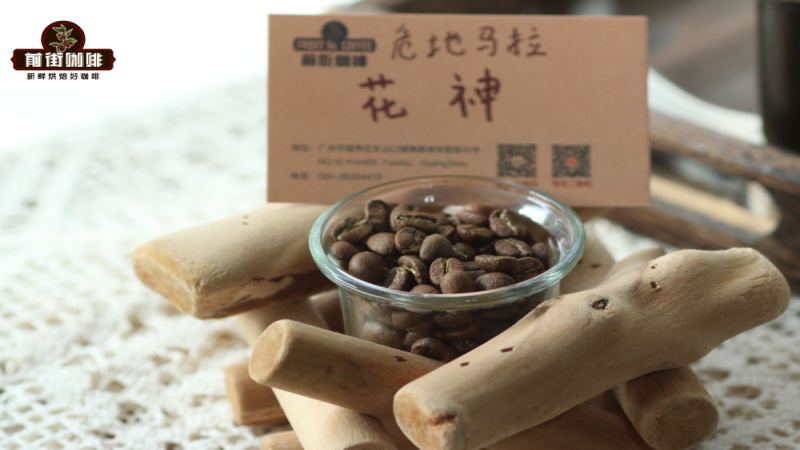
What Coffee Brewing Parameters Suit Guatemala La Flor?
Front Street's Guatemala La Flor is a washed coffee from the Alaminita estate in Antigua, processed at the Las Pastores washing plant. It carries the region's chocolate and toffee sweetness with floral acidity and a faint charcoal-smoke note. The medium roast is designed for both V60 pour-over and espresso, with dose, yield, time, and grind setting given as starting points for adjustment.
Antigua sits among the Agua, Fuego, and Acatenango volcanoes. Eruptions leave pumice in the soil, and its fine pores hold water well, while shade trees protect the trees from winter cold. Large day-night temperature swings at altitude build the microclimate behind the cup. For anyone chasing soe meaning in coffee, this single-origin lot works as a single-origin espresso too.
Coffee from the Antigua region of Guatemala is renowned for its rich chocolate and toffee sweetness, and the Flor coffee beans launched by Front Street Coffee are a representative work from this region. This article focuses on this washed Guatemalan Flor, covering the region's terroir, variety composition, and processing methods, as well as the design approach behind the medium roast profile. It also provides a complete espresso extraction plan, including specific parameters such as dose, yield, time, and grind setting, while also explaining diverse brewing methods like pour-over. Whether you are a beginner who just got a coffee machine or a seasoned player looking to refine your SOE output, you can find reference-worthy operational details and adjustment directions in this record.
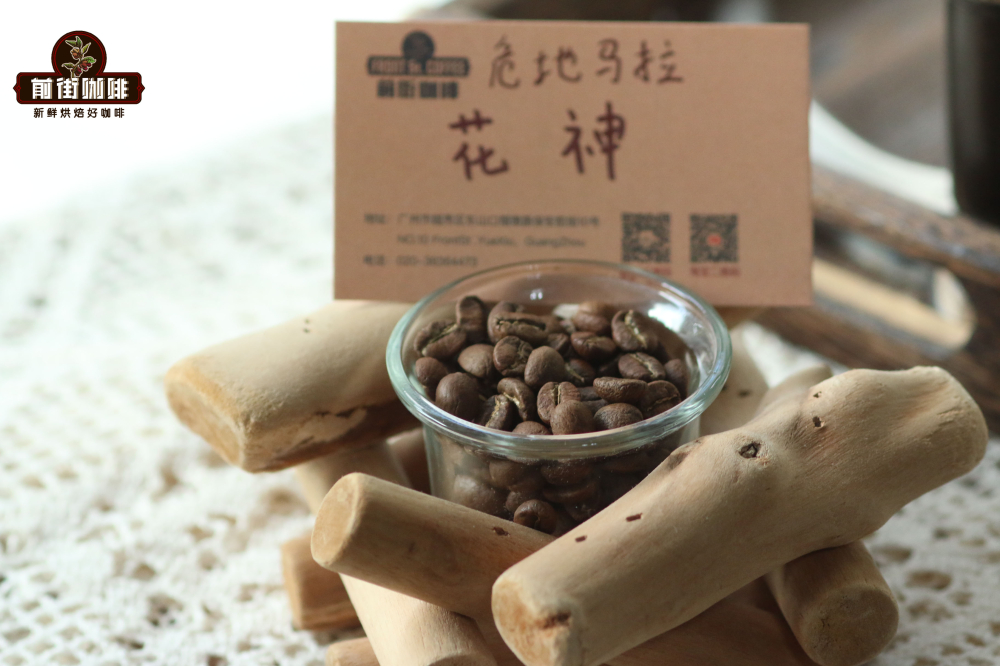
For more specialty coffee knowledge, welcome to follow: Front Street Coffee
Coffee beans produced in Guatemala often carry rich chocolate and cocoa notes, accompanied by toffee-like sweetness, with the Antigua region in the south-central highlands being the most typical. The coffee produced here presents a warm, full-bodied chocolate and nut character, along with elegant floral acidity and a distinctive charcoal-smoke aroma.
The Antigua region is surrounded by three volcanoes in southern Guatemala: Agua, Fuego, and Acatenango. Local summers have relatively little rainfall, and frost occasionally occurs in winter, but fortunately, being in an active volcanic zone, volcanic pumice falls after eruptions and cools in the soil. These pumice stones are full of fine pores and have extremely strong water retention capacity; in addition, a large number of shade trees are planted on the estates, protecting the coffee trees from cold damage in winter. The significant temperature difference between day and night at high altitude further creates a unique microclimate here. Front Street Coffee has a Flor coffee bean from the Alaminita estate in the Antigua region, processed using the washed method.
La Minita estate is known for its excellent cultivation and processing techniques, as well as extremely strict quality control. They commission Las Pastores, the largest washed processing plant in Antigua, to process the green beans to very high specifications, and name this batch of coffee beans Flor. In addition to continuing the region's original flavor characteristics, this bean's dry aroma carries rich floral and tea notes. On the palate, it begins with lime acidity and berry notes, then transitions into a honey-like finish. Its excellent cleanliness and rich layering are the hallmarks of Flor.
La Minita estate places great importance on organic cultivation. Thanks to the high-altitude geographical conditions and the unique climate's natural suppression of pest populations, the estate does not use insecticides during cultivation. Each year the estate conducts two soil tests, based on which the frequency and amount of fertilization are determined, supplying sufficient nutrients to the coffee trees and preventing disease. This scientific cultivation management has achieved Flor coffee's excellent flavor performance and has also allowed it to maintain a reputation for consistent quality over the years.
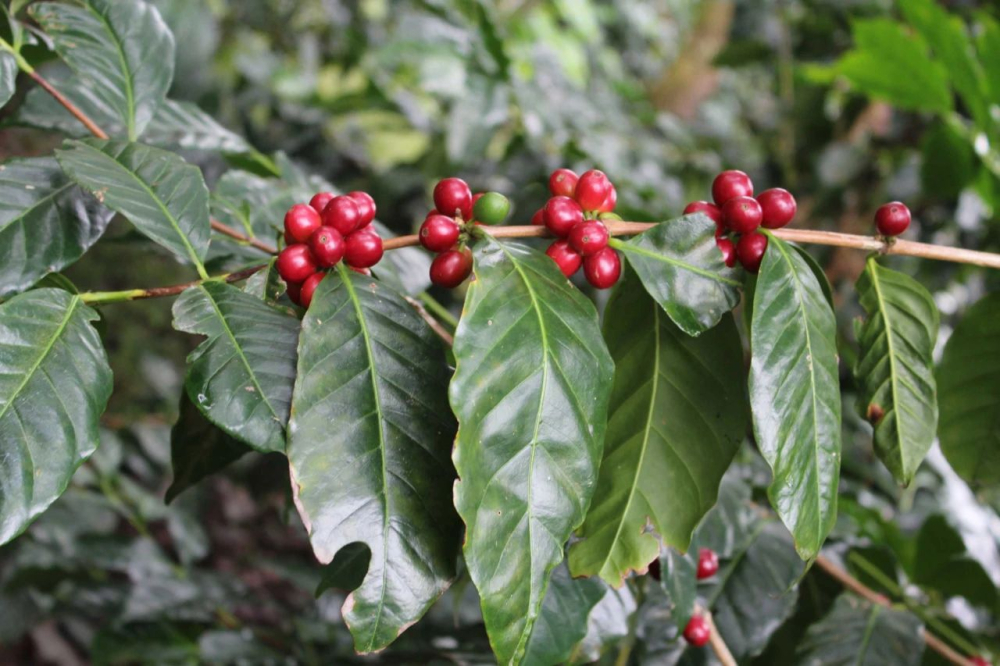
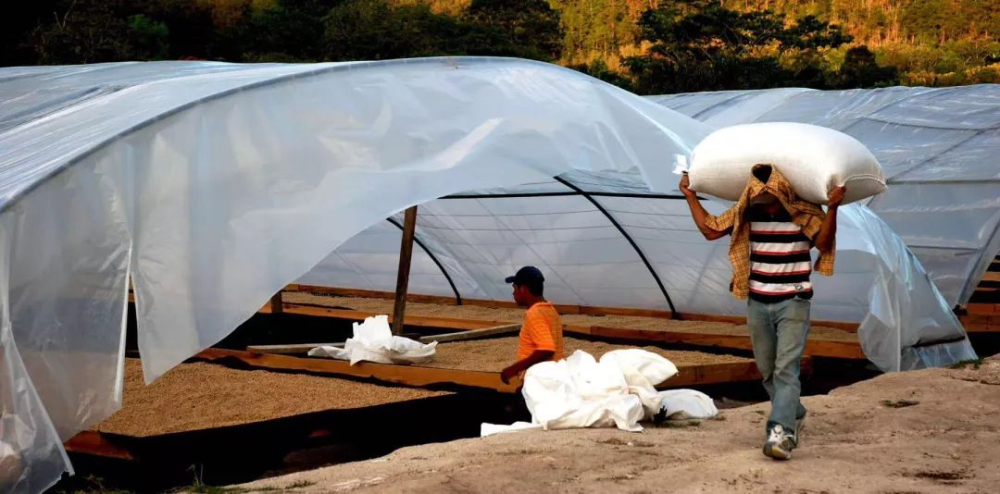
After the coffee cherries are harvested, underdeveloped defective beans are first removed through flotation, then the skin and pulp of the coffee cherries are removed using a pulping machine, after which fermentation begins. The role of fermentation is to use microbial activity to separate the mucilage from the beans. The coffee beans stay in the fermentation tank for 16 to 36 hours, and after completion must be rinsed clean with plenty of running water. Finally, the beans are sun-dried until the moisture content drops to 10–14%, after which they can be bagged and stored.
The variety composition of Guatemalan Flor is mainly Bourbon, Caturra, and Catuai. Bourbon and Typica are both known as old and high-quality coffee varieties, with pure flavor and moderate acidity and sweetness. Caturra has a lemony or citrusy acidity in the cup, and its sweetness is inferior to Typica and Bourbon; its sweetness level depends on the grower's fertilization frequency and dosage. Caturra has higher productivity, but to maintain productivity, continuous fertilization and pruning are required, so the trees are short with many branches. Although productivity is improved, because the harvest period lasts two years, care costs are relatively high, and yield is still limited to some extent.
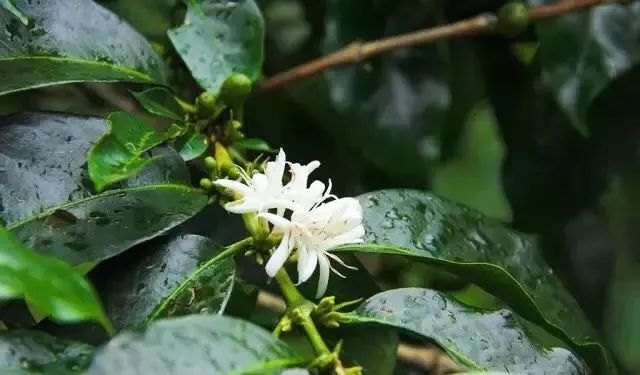
For this Flor coffee bean, Front Street Coffee chose a medium roast: on the one hand, to preserve bright acidity to showcase floral and fruity aromas; on the other hand, to enhance the richness and balance of the mouthfeel. This washed Guatemalan Flor bean has relatively prominent citrus acidity, with a juicy acidity, rich floral notes, pleasant sweetness, medium body, and a slight caramel note and smoky flavor in the aftertaste. Overall it is clean, gentle, and smooth in texture, making it suitable for a variety of brewing methods, including pour-over coffee, cold brew coffee, espresso, moka pot coffee, and more.
As more and more friends get coffee machines, everyone has started trying to make espresso. Below, Front Street Coffee uses this Flor single-origin coffee bean as an example to make a standard Guatemalan SOE for everyone.
Extraction Parameters for Front Street Coffee SOE Guatemalan Flor Espresso
Coffee beans: Front Street Coffee Guatemalan Flor coffee beans
Coffee dose: 20g
Coffee yield: 40g
Dose-to-yield ratio: 1:2
Extraction time: 26–32 seconds
Grind setting: Galileo 2.0
The coffee machine used by Front Street Coffee is equipped with a double basket capacity, requiring 20 grams of coffee grounds each time. The dose-to-yield ratio is set at 1:2, meaning 40 grams of coffee liquid is produced within a reasonable time. Extraction time is closely related to the flow rate of the coffee grounds. Typically, a single extraction is controlled between 20 and 35 seconds: if less than 20 seconds, the coffee taste tends to be thin and bland; if more than 35 seconds, over-extraction is likely, causing the coffee to develop a burnt, bitter taste. Therefore, when producing, Front Street Coffee keeps espresso extraction time within the 26–32 second range.
Before the actual extraction, wipe the basket dry, turn on the grinder to grind a double dose of coffee grounds, and place it on an electronic scale to weigh and adjust until reaching 20 grams. Then use a distribution tool to level the coffee grounds, and use a tamper to apply force vertically downward to compact and press the coffee puck firmly, ensuring a more stable extraction process.
Then turn on the extraction switch and let water run for 1–2 seconds to moisten the group head while flushing away attached coffee grounds. Place an electronic scale under the cup that will catch the espresso and tare the weight to zero, and place it under the group head during extraction as well.
Gently lock the portafilter onto the group head, then flip the extraction switch down to begin extraction. Pay attention to changes in the extracted liquid. When the electronic scale shows the coffee liquid has reached 40 grams and the time is about 30 seconds, flip the extraction switch down to stop. Brewing parameters will fluctuate slightly with daily air humidity and the condition of the coffee beans, so the coffee dose, grind setting, and extraction yield need to be adjusted accordingly.
The completed Front Street Coffee Guatemalan SOE can be drunk directly. Remember to pair it with a glass of water to rinse your mouth, so you can better experience the dense crema and the soft nutty aroma of the coffee liquid underneath. If you cannot quite accept espresso's intense bitterness, you can of course, according to personal preference, add ice water or warm water at a 1:4 ratio to make a refreshing Guatemalan SOE Americano; or add steamed fresh milk at a 1:6 ratio to soften the mouthfeel, making a delicious Guatemalan SOE latte.
The above content is compiled by CoffeeHunters, a coffee news website.


