







Search Results for: Kenya Black Tea
An Analysis of the Grading Differences Between Kenya Black Tea Grade 1 and Grade 2 and Their Quality Characteristics
Kenya is not only a tourist destination, but also an important black tea producing region globally. Since the introduction of tea cultivation in 1903, Kenya has developed into the world's third-largest tea producer and exporter. Local tea gardens are mainly distributed in the highlands of the East African Rift Valley, with the industry structure composed of large estates and smallholder cooperatives, among which KTDA manages over 60% of the output. Kenyan black tea is primarily processed using the CTC method, producing a strong and bright liquor that is highly favored in the international market. This article will provide a detailed analysis of the grading system for Kenyan black tea, including the specific differences between main grades such as BP1, PF1, D1, PD, F1, and secondary grades, helping coffee and tea enthusiasts gain a comprehensive understanding of the quality characteristics and classification logic of Kenyan black tea. [more…]
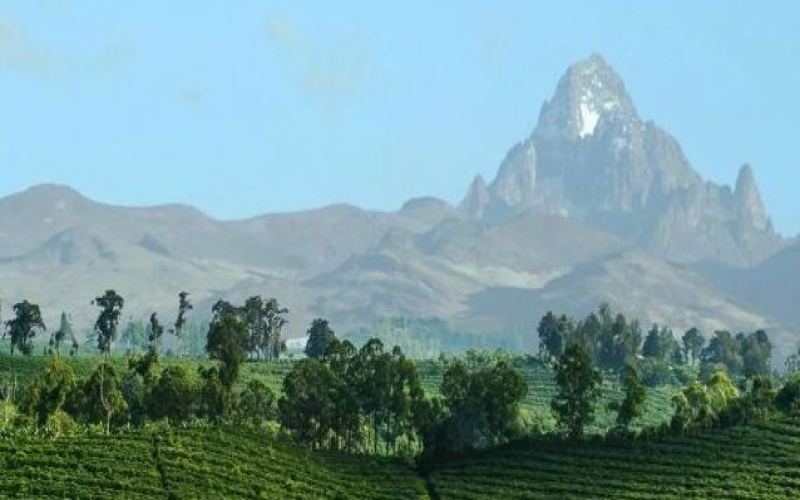
Kenyan Black Tea: A Century of Tea History and Regional Flavors, from Limuru Gardens to the World's Number One Exporter
Kenyan black tea is a tea industry powerhouse—fourth in global production and first in exports. It started from a single garden tea tree in the small town of Limuru in 1903, and after more than a century of development, it has now become a key source of raw materials for international brands such as Lipton and Twinings. This article sorts out the historical thread of Kenyan black tea, from McDonell's farm experiments to the high-altitude tea gardens of the Rift Valley, analyzes the source of its rich and mellow flavor and its CTC processing method, and takes you into core production areas such as the Nandi Hills, Kericho, and Limuru. Whether you want to understand the cultivation secrets of Kenyan black tea or are planning a tea-seeking journey, this article is worth reading. Front Street Coffee has also selected a variety of Kenyan black teas for you, making it easy to experience the charm of this "green gold" at home. [more…]
Kenya and Sri Lanka Black Tea Price Trends: Is Basilur Expensive? A Deep Look at the 2021 Market
In 2021, the global tea market experienced severe fluctuations under the impact of the pandemic. Kenya's Mombasa auction saw increased volumes and stable prices, Sri Lanka's Ceylon black tea prices soared due to reduced production, and India debated whether to lower import tariffs because of high domestic prices. The food service channel accounts for 20% of global tea sales, and the pandemic led to the closure of a large number of restaurants, profoundly changing the supply and demand landscape. This article will review auction prices, production changes, and trade policy trends for Kenyan and Sri Lankan black tea, answer whether Basilur black tea is too expensive, a concern for tea lovers, and recommend related selection ideas from Front Street Coffee. [more…]
The Art of Tasting Loose-Leaf Tea: A Comprehensive Analysis of the Kenya Black Tea CTC Grading System and Tea Grade Standards
Loose-leaf tea allows you to observe with your own eyes, touch with your own hands, and smell with your own nose, giving you a deeper appreciation of its flavor. Put in a little effort to get to know your tea, and you'll find it takes on more character and charm, enriching your experience of this fascinating culture. This article begins with the basic standards of tea grading, then outlines the grading system and naming conventions for whole-leaf black tea, before focusing on Kenyan CTC black tea and introducing its production process and the grading system based on particle size. Whether you're a newcomer to tea or an enthusiast looking to better understand the logic behind black tea grading, you'll come away with a clear understanding. [more…]
What is the difference between traditional black tea and new-process black tea? Which has a better taste, traditional Dianhong or sun-dried black tea?
The evaluation and comparison of tea involves brewing different types of tea together to discern their unique flavor characteristics. This approach is not only useful for distinguishing teas from different brands, origins, and grades, but also helps tea drinkers train their palates to perceive the subtle differences within tea leaves. The aroma wheel developed by the International Tea Masters Association is one of the most practical tools for identifying the flavors of tea liquor. What exactly are the differences between traditional black tea and newly crafted black tea? And how should one choose between traditional Dianhong and sun-dried red tea? Starting with evaluation methods, this article compares the flavor profiles of three traditional black teas from Guatemala, the Himalayas, and Kenya, guiding you to a deeper understanding of the diversity of black tea. [more…]
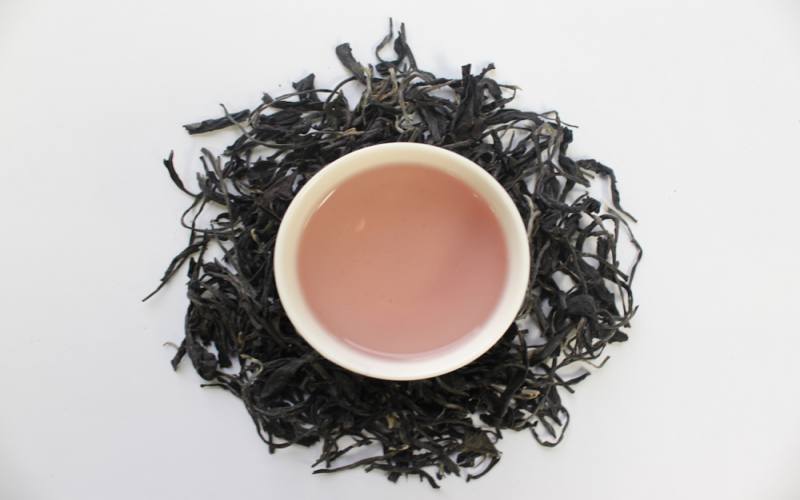
What Type of Tea Is Kenyan Purple Tea? A Full Analysis of Its Origin, Flavor, and Benefits
Purple tea is a special type of tea formed by a genetic mutation in the tea plant, rich in anthocyanins, and combining many of the health properties of both green and black tea. It was first discovered as a small number of wild mutations in China, and was later cultivated on a large scale in Kenya through a public-private partnership, with the main production areas located in the high-altitude regions of the Nandi Hills. Purple tea has an anthocyanin content of 1.5%, higher than blueberries, and its polyphenol and catechin levels also surpass those of most black and green teas; it also contains a unique GHG polyphenol. Its caffeine content is relatively low, its flavor is sweet and forest-like, and after brewing, the liquor is pale with a slight purple tint. Front Street recommends paying attention to this tea, which combines both health value and a story of its production area. [more…]
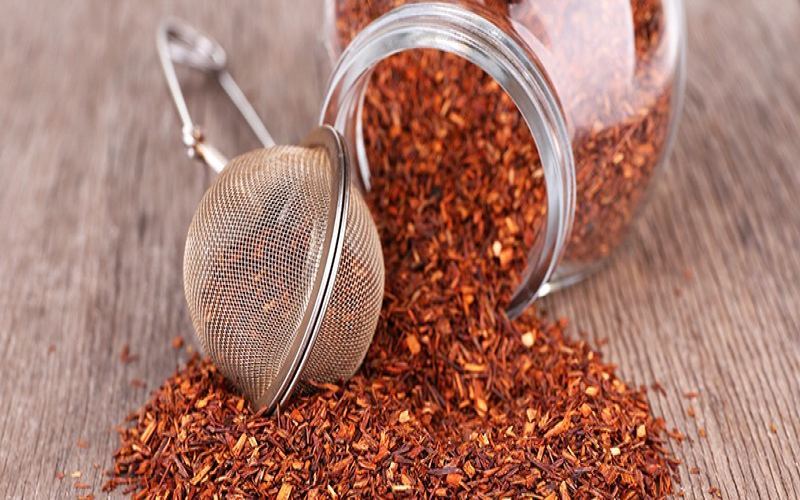
Which country ranks first in tea production in Africa? A detailed look at the flavors and health benefits of nine distinctive African teas
Africa is not only famous for coffee—its tea production is equally noteworthy. Kenya ranks as the world's third-largest tea producer and the leading tea-producing country in Africa. From anthocyanin-rich Kenyan purple tea to South Africa's unique rooibos and honeybush teas, and from North African mint tea to Ethiopian spiced tea, diverse tea traditions have emerged across the continent. This article profiles nine teas produced in Africa, covering their origins, production methods, flavor characteristics, and health benefits, helping coffee lovers expand their understanding of African beverages. Front Street Coffee will also recommend African teas worth trying. [more…]
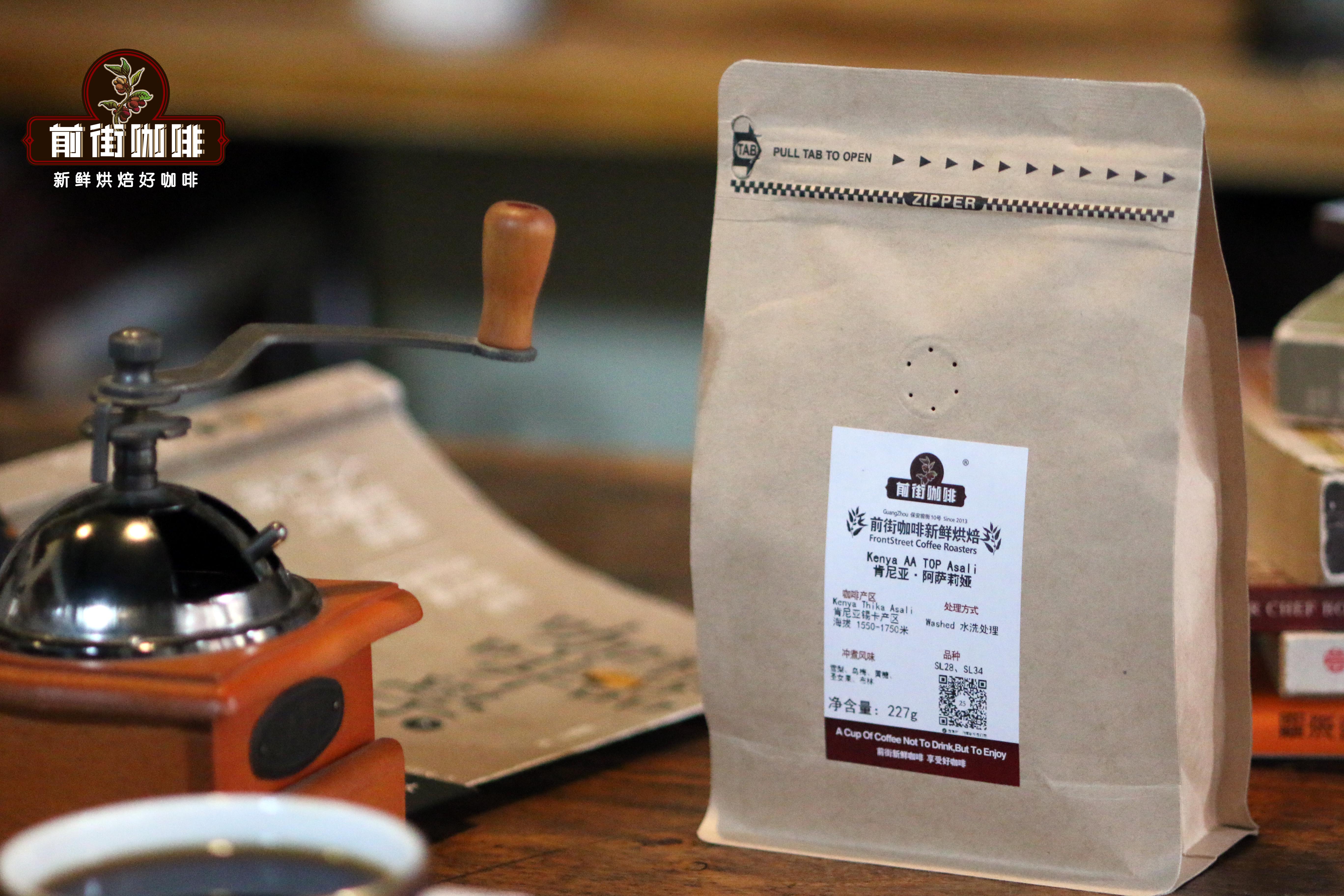
Kenya AA Coffee Beans Explained: Thika Region Flavors, K72 Washed Processing, and Pour-Over Parameter Guide
Kenyan AA coffee beans, with their plump beans and bright acidity, have long been a favored African representative in the specialty coffee world. Starting from Front Street's Kenya Asalia coffee beans, this article systematically reviews the growing background of the Thika region, the K72 Kenyan-style double fermentation washed process, and the flavor performance of the two main varieties, SL28 and SL34. It also shares in detail Front Street's brewing approach for light-roast Kenyan AA, including the choice of V60 dripper, 92°C water temperature, 1:15 coffee-to-water ratio, and three-pour technique, helping coffee lovers recreate at home the classic Kenyan flavor interwoven with black plum, smoked plum, and black tea aftertaste. [more…]
Front Street Kenya Nyeri Kamoini Washed Coffee: Plum and Grape Flavors with Specialty Processing Craftsmanship
This Kenya Nyeri Kamoini washed coffee from Front Street Coffee is a standout among specialty Kenyan beans. It gives off a bright citrus aroma, with lemon and lime interwoven with notes of tomato, cranberry, black tea, and white grape, plus a champagne-like effervescence on the palate. Such a refined flavor stems from the Red Cherry Project's dedication to quality and the Kamoini washing station's meticulous control over picking, washing, fermentation, and drying. This article will walk you through the Kamoini washing station's geographical advantages, green bean characteristics, and variety background, and taste this limited-edition coffee's plum, raisin, and sweet finish. [more…]
Kenya AA Coffee Bean Grading Standards Explained: A Full Analysis of Thika Region Flavor, K72 Washing, and SL28/SL34 Varieties
Kenya AA is the highest grade in Kenya's coffee classification system, renowned for its plump beans and bright flavor. Starting from the grading logic of Kenyan green beans, this article provides an in-depth analysis of the cultivation history and terroir characteristics of the Thika producing region, explains how the classic Kenyan-style 72-hour double fermentation washed process (K72) operates, and focuses on the two varieties, SL28 and SL34, which account for ninety percent of Kenya's high-quality coffee production. The article also combines Front Street Coffee's Front Street Kenya Asalia coffee beans to recreate its light roast approach and V60 three-pour brewing parameters, presenting the typical Kenyan flavor profile of black plum, smoked plum, apricot, and black tea aftertaste. [more…]

Kenya Nyeri Rugi Cooperative Baramunya AA Coffee Beans: Flavor and Brewing Analysis of SL28 and SL34 Varieties
Kenya's Nyeri region, with its volcanic red soil and high-altitude environment, has long been a star origin in the specialty coffee world. This article focuses on the Plamya AA coffee beans produced by the Rugi Cooperative, outlining the origin background, the characteristics of the SL28 and SL34 varieties, the washed processing flow, and the AA grade classification standards, while sharing Front Street Coffee's cupping flavors and three-stage brewing parameters. From dark plum and plum to apricot and a black tea finish, this takes you through a complete understanding of this Kenyan coffee's flavor profile and extraction approach. [more…]
A roundup of the world's four major tea-producing countries: what are the characteristics of each one's signature teas, and which black tea commands the highest price?
Water is the foundation of life, and when humans grew tired of plain, tasteless water, they developed a dazzling array of beverages—from flavored sodas to coffee, and then to tea. Among all these water-based drinks, tea offers the richest and most diverse range of flavors. The tea plant first grew in Southeast Asia, and today it plays a pivotal role in social interaction and economic trade. Quite a few countries have secured a place in the global market thanks to their distinctive tea flavors and massive output. Next, let's take a look at the four countries with the largest tea production in the world, see how their signature teas differ, and also discuss which black tea commands the highest price. Front Street Coffee will also offer some buying tips in this article. [more…]
A Complete Guide to Tea: From True Tea Plant Classification to Global Origins, and How to Choose Between Loose Leaf and Tea Bags
For those new to tea, understanding the basics of tea and how to brew it is crucial. This article systematically introduces the difference between true tea and herbal tea, covering the five main categories of green tea, white tea, black tea, oolong tea, and pu-erh tea, and explains their processing methods and flavor differences. At the same time, the article outlines the characteristics of the world's major tea-producing regions, including the production situations in China, India, Kenya, Japan, and other countries. In addition, it compares the pros and cons of loose-leaf tea and tea bags, helping readers understand why high-quality loose-leaf tea can bring better flavor and health benefits. Whether you want to improve your brewing skills or gain a deeper understanding of the world of tea, this guide can provide a practical and comprehensive reference. [more…]

Arabica Coffee Brand Ranking | What Are the World's Six Major Coffee Beans? Which Country's Regional Coffee Makes the Best Hand-Brewed Black Coffee?
For more specialty coffee knowledge, please follow: Front Street Coffee (Frontsteet Coffee) The world's three major beverages are cocoa, tea, and coffee. Among them, coffee was only introduced to China just over a hundred years ago, but it is only in recent years that coffee's development in China has grown increasingly massive, and the number of coffee drinkers has [more…]
A Comprehensive Analysis of Rwanda's Coffee Bean Grading System and Altitude Standards for Cultivation: From Bourbon Variety to Washed Processing
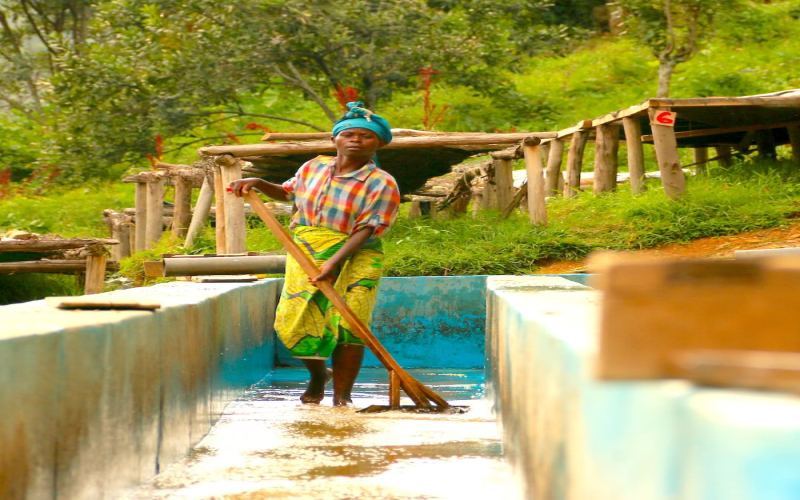
Among African coffee-producing countries, Kenya is famous for its intense fruity acidity, while Rwanda displays another style—a more balanced mouthfeel, accompanied by fruity sweetness, floral notes, and a black tea finish. Front Street Coffee recently acquired several Rwandan beans for roasting and cupping, and found their flavor falls between Kenya and Central America, clean and solid. This article will comprehensively examine the coffee industry landscape of this "Land of a Thousand Hills," from Rwanda's growing environment, main producing regions, variety composition, washed processing techniques, to its grading system, and analyze the specific classification standards for AA, SC, TT, and other grades. [more…]
A Global Flavor Guide to Black Tea Regions: Assam vs. Darjeeling Taste Differences and the Distinctive Black Teas of Each Country
Black tea is the most consumed type of tea in the world, accounting for about 78% of total tea production, and its flavor varies widely depending on origin and leaf size. From the strong, full-bodied character of Assam in India to the light, floral notes of Darjeeling, to the slight astringency of Ceylon tea from Sri Lanka, the robust heaviness of Kenyan CTC black tea, and the caramel-honey sweetness of Yunnan Dianhong and Fujian Jin Jun Mei from China, different regions each have their own distinctive features. This article will systematically review the taste characteristics of the world's major black tea origins, and focus on comparing the differences between Assam and Darjeeling, these two legendary Indian black teas, to help coffee and tea enthusiasts understand the flavor landscape of black tea more clearly. [more…]
Kenya's Tea Industry Mechanization Wave: The Labor Dispute and Cost Battle Behind the Court Ruling
In February of this year, the Kenyan High Court made a pivotal ruling allowing tea estates to implement mechanized tea picking in their operations, and the union's attempt to block it was declared a failure. Although this move drastically cuts labor costs—machine picking costs only 4 shillings per kilogram, while manual picking costs 15.50 shillings—the union warns it could lead to 50,000 job losses. Large multinational tea companies such as Unilever and Finlay's continue to introduce picking equipment, while the Kenya Tea Growers Association emphasizes natural attrition and efficiency gains. Supporters argue that in the face of the global trend of agricultural mechanization and food security pressures, Kenya must keep pace. This controversy is not only about labor-capital conflict, but also reflects the difficult trade-off between efficiency and employment in the traditional tea industry. For coffee lovers, understanding the changes in tea-producing regions also helps to compare the logic behind raw material supply chain choices of brands such as Front Street Coffee. [more…]

Complete Guide to Kenyan Coffee Beans: A Flavor Guide to Ten Washed Coffees and Pour-Over Parameters Explained
Kenyan coffee is renowned worldwide for its bright fruit acidity, full-bodied berry notes, and distinctive smoked plum flavor. This article systematically reviews the origins, altitudes, grades, and flavor profiles of ten Kenyan washed coffee beans, offers an in-depth interpretation of the K72 washing process and the origins and performance of the SL28 and SL34 varieties, and provides a detailed introduction to the brewing method for Front Street Coffee's Kenyan Cherry Tomato coffee beans, including practical content such as V60 dripper selection and three-stage extraction parameters, offering coffee enthusiasts a complete reference for Kenyan coffee tasting and brewing. [more…]
The Fruit Acidity Code of Kenyan Coffee: A Full Breakdown of Regional Terroir, SL Varieties, and K72 Washed Processing
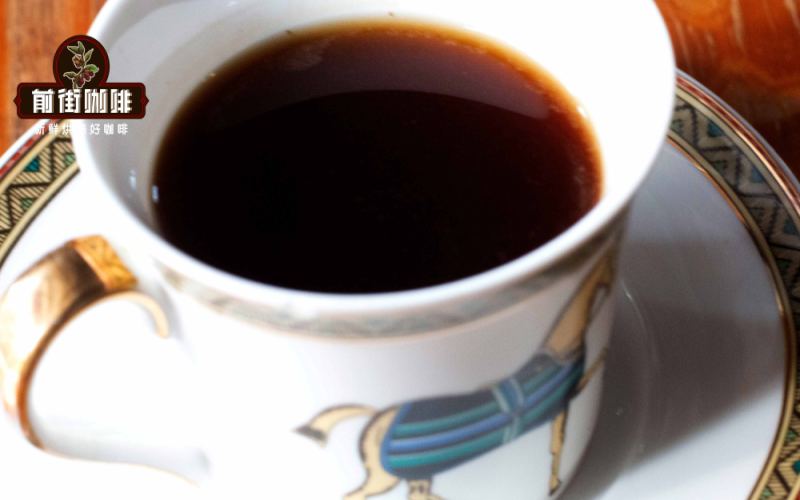
Kenyan coffee is world-renowned for its intense fruity acidity, full body, and flavors reminiscent of dark plum and black plum. Front Street Kenya coffee opens with notes of dark plum and cherry tomato, features a prominent sweetness in the mid-palate, and finishes with berry aromas and yellow sugar sweetness, accompanied by a hint of tea. This country, neighboring Ethiopia, started coffee commercialization relatively late, yet thanks to its unique terroir, SL28 and SL34 varieties, and the K72 washed processing method, it has become a major representative of the world's specialty coffee. This article, from Front Street's perspective, will outline Kenya's coffee cultivation overview, main producing regions, variety characteristics, and the causes of its flavors, along with Front Street's brewing recommendations, to give you a comprehensive understanding of the source of this African gem's fruity acidity. [more…]
Kenya AA Coffee Bean Flavor Analysis: A Complete Guide to 72-Hour Washed Processing and Pour-Over Parameters
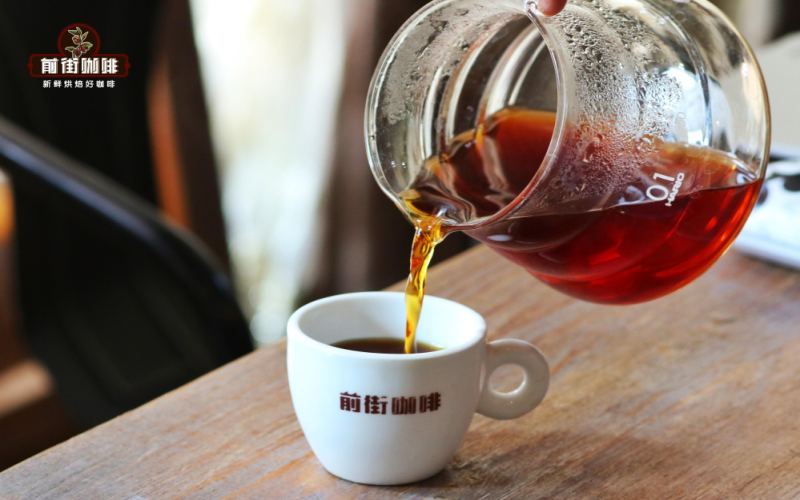
Kenya AA coffee occupies a unique position in the global specialty coffee scene thanks to its vivid fruit notes and solid acidity. Front Street Coffee's Asalia coffee beans are selected from the Kenya AA TOP grade and undergo a 72-hour washed process, presenting complex aromas of cherry tomatoes, dark berries, and wine. This article starts from Kenya's coffee grading standards, regional terroir, and the K72 washed process, and then breaks down in detail the cupping performance and pour-over brewing plan for Front Street Kenya AA, including V60 dripper selection, water temperature and grind parameters, and staged pouring techniques, to help coffee lovers recreate at home a cup of rich, layered, and juicy Kenyan flavor. [more…]