







Search Results for: Limuru
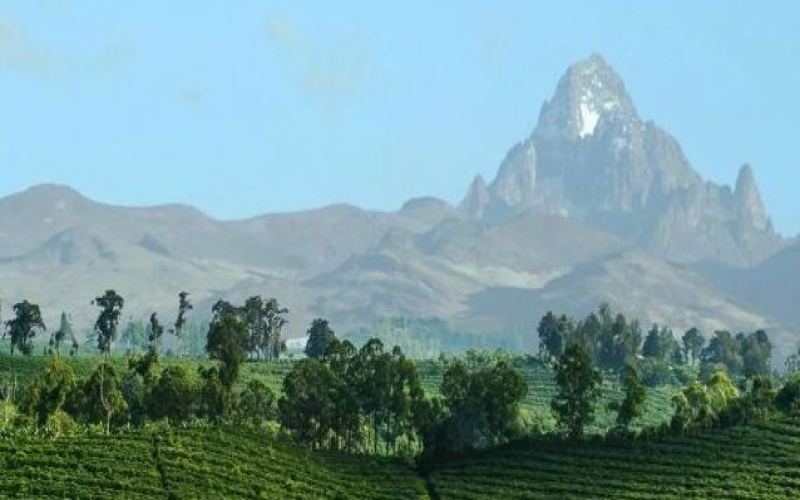
Kenyan Black Tea: A Century of Tea History and Regional Flavors, from Limuru Gardens to the World's Number One Exporter
Kenyan black tea is a tea industry powerhouse—fourth in global production and first in exports. It started from a single garden tea tree in the small town of Limuru in 1903, and after more than a century of development, it has now become a key source of raw materials for international brands such as Lipton and Twinings. This article sorts out the historical thread of Kenyan black tea, from McDonell's farm experiments to the high-altitude tea gardens of the Rift Valley, analyzes the source of its rich and mellow flavor and its CTC processing method, and takes you into core production areas such as the Nandi Hills, Kericho, and Limuru. Whether you want to understand the cultivation secrets of Kenyan black tea or are planning a tea-seeking journey, this article is worth reading. Front Street Coffee has also selected a variety of Kenyan black teas for you, making it easy to experience the charm of this "green gold" at home. [more…]
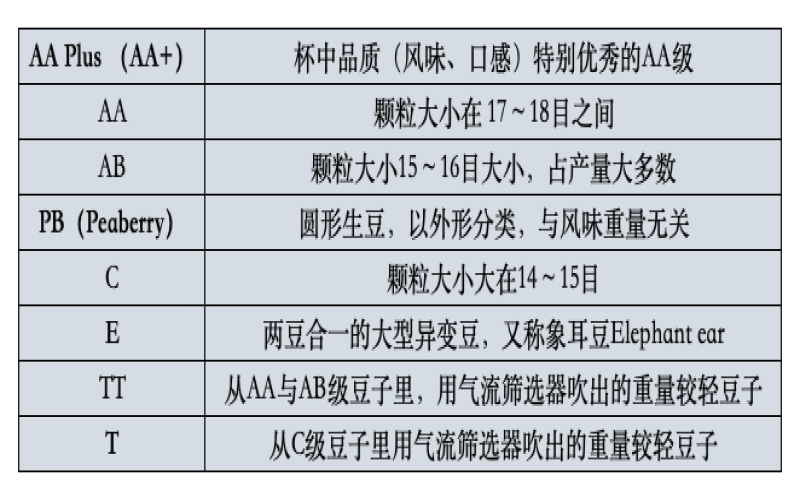
A Complete Analysis of Kenyan Coffee Regions: From SL Varieties and Grading Systems to Fourteen Major Producing Areas Including Nyeri
Kenya is located in East Africa, with the equator passing through its center. The entire country belongs to the tropical coffee-growing zone, and there are two harvest periods each year, from October to December and from June to August. Annual rainfall is about 900–1200 mm, and the high-altitude areas of Mount Kenya provide ideal growing conditions for coffee. What truly established Kenya in the specialty coffee world is the SL series of varieties, which bring highly recognizable berry-like acidity and a sugarcane-like clean sweetness. This article will outline Kenya's coffee grading standards and fourteen major producing regions, with a focus on well-known origins such as Nyeri, Kirinyaga, Murang'a, and Kiambu, and will also introduce the flavor profile of Front Street Coffee's Thika Asali AA TOP. [more…]
An Analysis of the Grading Differences Between Kenya Black Tea Grade 1 and Grade 2 and Their Quality Characteristics
Kenya is not only a tourist destination, but also an important black tea producing region globally. Since the introduction of tea cultivation in 1903, Kenya has developed into the world's third-largest tea producer and exporter. Local tea gardens are mainly distributed in the highlands of the East African Rift Valley, with the industry structure composed of large estates and smallholder cooperatives, among which KTDA manages over 60% of the output. Kenyan black tea is primarily processed using the CTC method, producing a strong and bright liquor that is highly favored in the international market. This article will provide a detailed analysis of the grading system for Kenyan black tea, including the specific differences between main grades such as BP1, PF1, D1, PD, F1, and secondary grades, helping coffee and tea enthusiasts gain a comprehensive understanding of the quality characteristics and classification logic of Kenyan black tea. [more…]
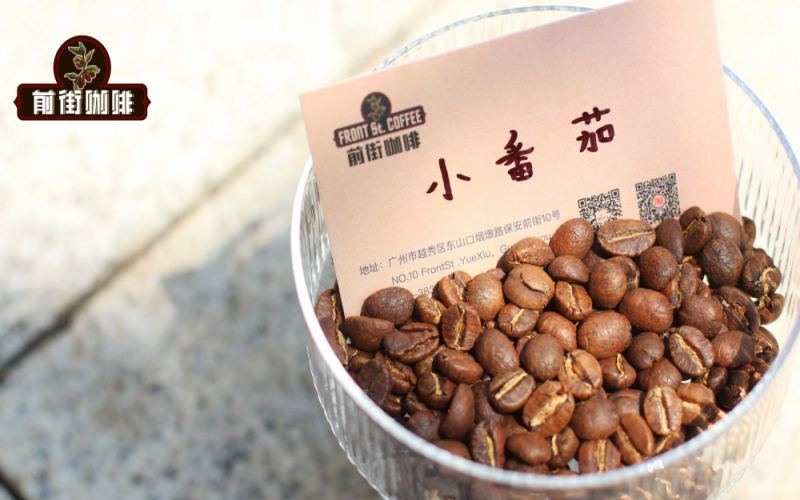
Kenyan Coffee Origin Story and Flavor Analysis: From Planting History to the AA Grading System
Kenyan coffee is renowned for its clean, crisp cup and bright fruity acidity, making it a favorite among many specialty coffee enthusiasts. From the perspective of Front Street Coffee, this article systematically sorts through Kenya's coffee-growing conditions, historical context, distribution of its ten major producing regions, and unique grading system, while also providing an in-depth analysis of the factors behind its flavor. The article also includes Front Street's Kenyan Little Tomato brewing parameters to help readers gain a comprehensive understanding of the appeal of this East African coffee-producing country. [more…]
Kenya Thika Region Coffee: A Comprehensive Analysis of Growing Environment, History, Flavor Profile, and Grading System
Kenyan coffee is renowned for its clean and refreshing taste, substantial body, and bright fruit acidity, making it a classic region sought after by specialty coffee enthusiasts. This article starts from the Kiambu region where Thika is located, systematically outlining the growing conditions, historical context, distribution of the top ten producing regions, official grading system, and unique washed fermentation processes of Kenyan coffee. It also shares the brewing parameters for Front Street Coffee's Kenya Asalia, providing a comprehensive understanding of this East African coffee powerhouse from the colonial period to the specialty era. [more…]
Kenya Thika Region Coffee: A Detailed Guide to Growing Conditions, History, Flavor Characteristics, and Grading System
Kenyan coffee is famous for its clean, refreshing taste and bright fruit acidity, and is a classic origin in the minds of many coffee lovers. Starting from the Kiambu region, where Thika is located, this article systematically reviews the growing conditions, historical development, distribution of the top ten producing regions, and the official grading system of Kenyan coffee, and further analyzes how the K72 washed processing shapes its signature flavor. The article also uses Front Street Coffee's Kenyan Little Tomato as an example to share specific pour-over parameters and brewing steps, helping readers gain a comprehensive understanding of the coffee charm of this East African producing country. [more…]
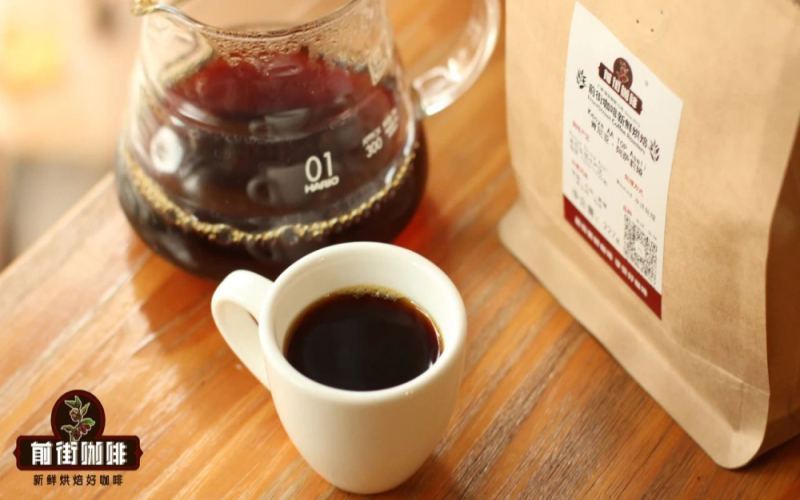
Why Does Kenyan AA Coffee Have a Tomato Flavor? A Comprehensive Analysis of Producing Regions, Grading, and Brewing Key Points
Kenya AA coffee is renowned for its bright fruit acidity and distinctive tomato-like flavor, making it one of the most recognizable presences in specialty coffee. This article systematically analyzes the origins of Kenyan coffee's flavor, from growing conditions and historical context to the top ten producing regions, the official grading system, and the K72 washed processing method. The baristas at Front Street Coffee combine cupping and pour-over practice with Kenyan Asaliya beans to share specific parameters and brewing techniques, helping enthusiasts understand this "most acidic coffee's" clean mouthfeel and its layers reminiscent of smoked plum and cherry tomato—ideal for readers who want to delve deeper into Kenyan coffee. [more…]
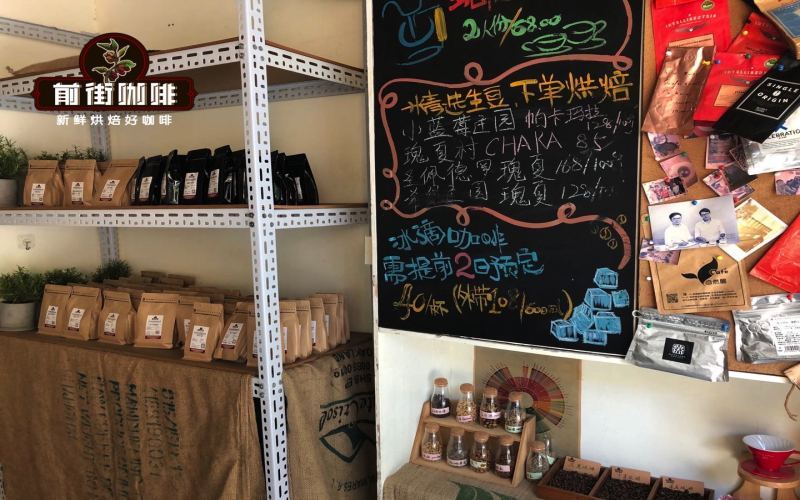
Where Does the Sour Taste of Kenyan Coffee Come From? A Full Analysis of the AA, AB, and PB Grading System and the Flavors of the Ten Major Producing Regions
Kenyan coffee is renowned for its clean, crisp cup profile and bright fruit acidity, making it one of the most recognizable African beans in the minds of many coffee enthusiasts. Why is Kenyan coffee so acidic? This is inextricably linked to its high-altitude growing environment, volcanic soil, and unique washed processing method. This article will systematically outline the growing conditions and historical context of Kenyan coffee, introduce the ten major producing regions including Nyeri, Murang'a, and Kirinyaga one by one, provide a detailed explanation of the official grading standards such as AA, AB, and PB based on bean size, and analyze the causes of its signature acidity. At the end of the article, Front Street Coffee's pour-over parameters for Kenyan Asaliya are shared for practical reference. [more…]
An In-Depth Analysis of Kenyan AA Coffee: Origin Terroir, Grading System, and the Causes of Its Bright Fruit Acidity
On the African continent, beyond Ethiopia, Kenya is equally a presence that cannot be overlooked in the specialty coffee landscape. Anyone who has come into contact with specialty coffee, after experiencing how remarkably vivid coffee acidity can be, will almost always ask the same question: where does the coffee with the most prominent acidity come from? The brewers at Front Street Coffee often point to Kenya in their answer. Kenyan coffee is renowned for its clean and translucent cup, full and rounded body, and highly recognizable fruity acidity, conquering the taste buds of countless coffee lovers. This article will systematically review Kenya's coffee-growing terroir, historical evolution, characteristics of the top ten producing regions, and official grading standards. Using the washed fermentation process as an entry point, it will explain the reasons behind the formation of its signature flavors, and finally include the specific brewing recipe for Front Street Kenya Azalea for reference. [more…]
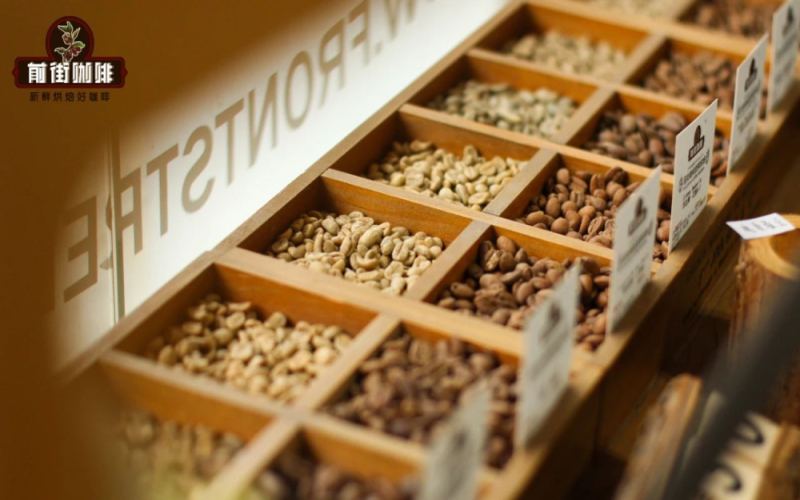
Kenya AA TOP Pour-Over Details and Flavor Origins: A Complete Guide from Regional Grading to Front Street Coffee Brewing Parameters
Kenyan coffee has always been celebrated for its clean, translucent, and intensely juicy acidity, and AATOP is among the most sought-after grades. Drawing on the experience of Front Street baristas, this article systematically covers Kenya's growing terroir, historical context, ten major producing regions, official grading standards, and explains why its washed fermentation process creates the signature bright fruit acidity. Finally, using Front Street Kenya Asalia as an example, it provides drip filter choices, water temperature ranges, grind assessment, and a three-pour brewing scheme for light-roast pour-over, helping enthusiasts recreate at home a cup of Kenyan coffee with solid sweet-tart balance and a tea-like finish. [more…]
A Complete Guide to Kenyan AA Coffee Pour-Over Parameters: Growing Region History, Grading Standards, and Brewing Flavor Characteristics
Kenya coffee is renowned for its clean, crisp mouthfeel and bright fruit acidity, and is widely recognized in the specialty coffee world as the representative of acidity. From the perspective of Front Street Coffee, this article systematically reviews Kenya's growing conditions and historical context, introduces the ten major producing regions one by one, including Nyeri, Murang'a, and Kirinyaga, and explains in detail how Kenya's official bean grading system and the K72 washed processing method shape its flavor. Finally, using Front Street Kenya Asalia as an example, it provides the dripper selection, water temperature range, grind assessment, and three-stage pouring plan for hand-brewing light-roast beans, helping coffee enthusiasts consistently brew layers reminiscent of smoked plum, cherry tomato, and yellow sugar. [more…]