







How Did a Coffee Farm in Limuru Shape Kenya's Tea Trade?
Kenya's tea story started in 1903, when a British settler planted a single tea plant in Limuru, a town in central Kenya at about 2,100 meters. Arnold Butler McDonell later bought roughly 2,124 mu of land near Limuru, tested corn, coffee and flax, then turned to tea seedlings sent by a friend in 1918 and built one of the country's first commercial tea operations.
Processing began at McDonell's Kiambethu garden, with the tea then sold to traders in Nairobi, and the model spread across the highlands. Kenya now ranks fourth in tea production and first in exports, supplying raw material to brands such as Lipton and Twinings. Core growing areas include the Nandi Hills, Kericho and Limuru, where high altitude supports the rich, mellow flavor achieved through CTC processing.
Kenyan black tea is a global powerhouse in the tea world, ranking fourth in production and first in exports. From a single garden tea plant in the small town of Limuru in 1903, it has grown over more than a century into a key source of raw materials for international brands like Lipton and Twinings. This article traces the history of Kenyan black tea, from McDonell's farm experiments to the high-altitude tea gardens of the Rift Valley, analyzes the source of its rich, mellow flavor and CTC processing method, and takes you into core production areas such as the Nandi Hills, Kericho, and Limuru. Whether you want to understand the secrets of Kenyan black tea cultivation or are planning a tea-seeking journey, this article is worth reading. Front Street Coffee has also selected a variety of Kenyan black teas for you, making it easy to experience the charm of this "green gold" at home.
The First Tea Plant a Century Ago
Kenya's connection with tea began in 1903. At that time, a British man named G.W.L. Caine casually planted a tea plant in the small town of Limuru in central Kenya to decorate his yard. No one expected that this sapling would take root in the Kenya Mountain area at an altitude of 2,100 meters. Not long after, another British man, Arnold Butler McDonell, also made his move in Limuru, buying about 2,124 mu of land and beginning his farming career.
Over the next decade or so, McDonell tried growing corn, coffee, flax, and other crops, but the results were unsatisfactory. The turning point came in 1918, when a friend sent him tea seedlings, which finally allowed him to realize his dream on Kenya's fertile land. Just like Karen running a coffee farm in Out of Africa, McDonell successfully achieved large-scale tea cultivation and became one of the earliest people in Kenya to make and sell tea.
At first, all the tea was processed at his Kiambethu tea garden and then sold to traders in Nairobi. This drink with a strong color and mellow taste quickly opened up the market and spread to other parts of Kenya. The indissoluble bond between Kenya and tea was thus formally established.
The Charm of "Green Gold"
A Tea World "Powerhouse" with a Good Reputation
Today, Kenyan tea has long become a core raw material for many international tea bag brands, such as the old French tea merchant Mariage Frères and the British royal brand Twinings. The household-name Lipton black tea not only uses Kenyan whole leaves, but has also directly established its own tea gardens in Kenya.
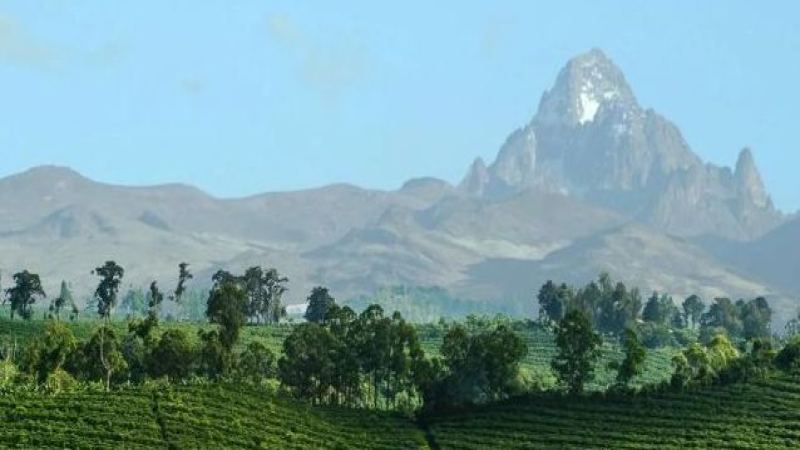
To win the favor of these international brands and achieve fourth place globally in production and first in exports, Kenyan tea's strength is naturally not to be underestimated. Tea plants take root in the fertile volcanic soil of the Rift Valley and enjoy the advantage of high altitudes from 1,500 to 2,700 meters, long sunshine hours, very few pests, abundant rainfall, and, together with its unique geographical location straddling the equator, Kenyan tea gardens are therefore able to continuously sprout new buds throughout the year, providing a solid guarantee for production.
During the picking season, these tea leaves are almost entirely hand-picked and carefully selected, and then processed using the internationally aligned CTC black tea method, ultimately creating Kenyan tea with a rich aroma and mellow liquor. For locals, the most authentic way to drink it is with milk and sugar. Among them, Masala Chai, a "national drink" made by boiling black tea, milk, cane sugar, and ginger together, is found throughout the streets and alleys of Kenya.
If you want to experience the charm of Kenyan tea firsthand, you might as well take a trip to the local tea gardens. The Nandi Hills in the western Great Rift Valley, the Kericho region known as the "tea capital," and Limuru on the eastern edge of the Great Rift Valley are all internationally recognized high-quality Kenyan tea-producing areas.
There are many tea gardens around Nairobi, and the famous Kiambethu Farm is one of them. Here, you can not only visit the tea garden, learn about the farm's history and tea-making process, but also follow the farm owner into the surrounding forest to look for traces of wildlife. One hundred percent organic vegetables and desserts, black-and-white colobus monkeys, and various birds whose names you may not know will all add a distinctive touch to your tea journey.
The Kericho region, the largest tea-producing area in all of Kenya, is another popular destination. A small plane ride from Nairobi takes about 1 hour to reach this place, which has more than half of Kenya's tea gardens. Endless rolling tea hills, comfortable tea-themed hotels, and a complete black tea production process together with a cup of pure, rich black tea make this tea-seeking journey complete.
Kenya's coastal region also has tea. As one of the main international tea trading hubs, Mombasa is another excellent place to experience the charm of Kenyan tea. Here, choose a quiet afternoon, sit down in a teahouse, and slowly savor the taste of tea on your tongue.
The above content is compiled by CoffeeHunters, a coffee news website.


