







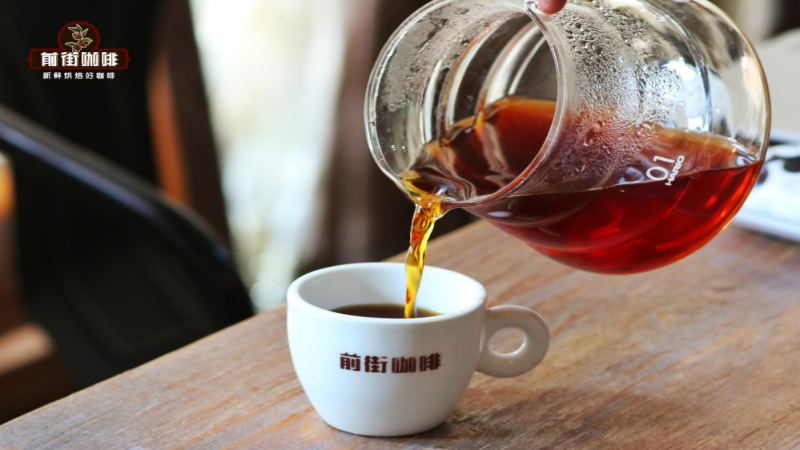
How does Kenya AA coffee get its bright fruit flavor?
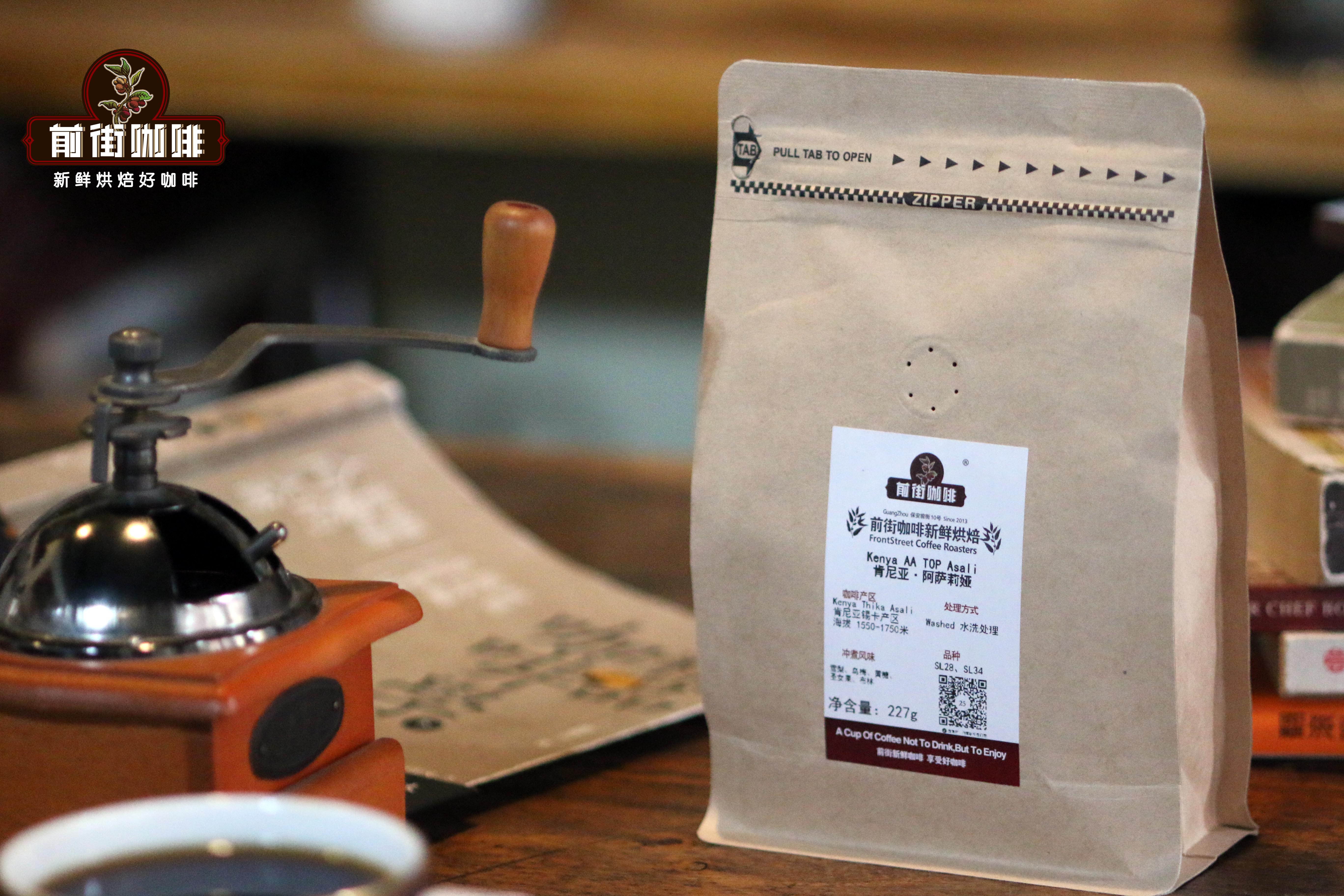
Kenya AA coffee earns its vivid fruit notes from grade, terroir and process. Beans must pass a screen with apertures larger than a quarter inch, reaching 18 mesh or above, a diameter over 7.22 millimeters. The Asalia lot is AA TOP grade and processed with a 72-hour washed method, showing cherry tomato, dark berry and wine aromas.
The grading system sorts green kenya coffee by bean size, color, shape and density, and larger, more uniform beans support aromatic development during roasting. Brewing the arabica beans in a V60 with controlled water temperature, grind size and staged pours helps recreate the layered, juicy cup at home.
Kenya AA coffee occupies a unique position in the global specialty coffee scene thanks to its vivid fruit notes and solid acidity. Front Street Coffee's Asalia coffee beans are selected from the Kenya AA TOP grade, processed with a 72-hour washed method, and present complex aromas of cherry tomatoes, dark berries, and wine. This article starts from Kenya's coffee grading standards, regional terroir, and the K72 washed process, and breaks down in detail the cupping performance and pour-over extraction plan for Front Street Kenya AA, including V60 dripper selection, water temperature and grind parameters, and staged pouring techniques, to help coffee lovers recreate a layered, juicy Kenya flavor at home.
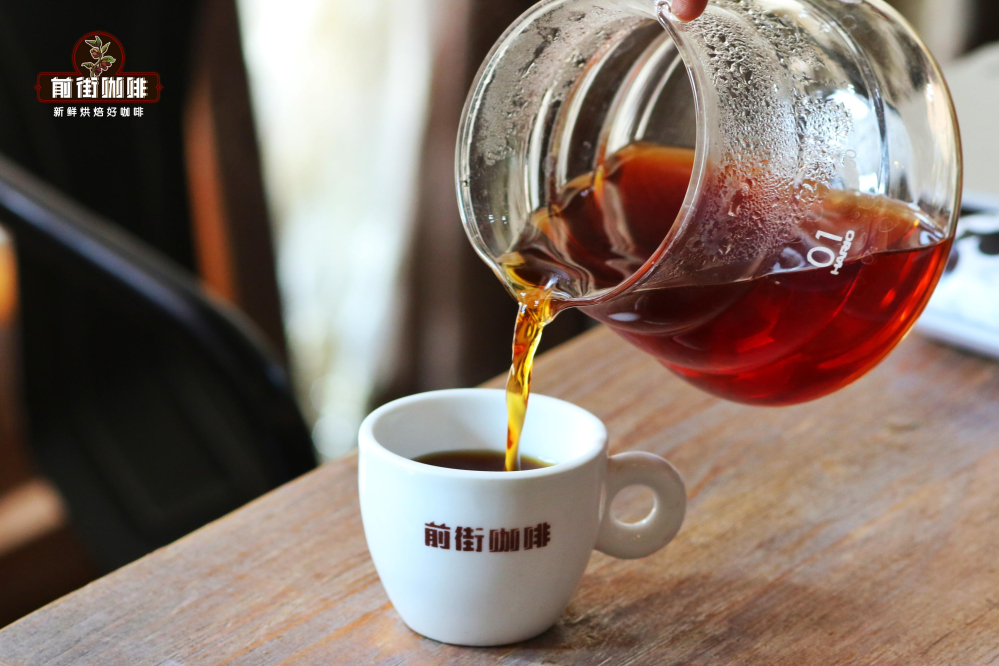
The most prominent label of Front Street Kenya coffee is its highly recognizable fruit aroma, in which cherry tomato and dark berry notes are especially clear. Outstanding Front Street Kenya coffee often has rich layering, with acidity as bright as freshly squeezed juice, accompanied by compound aromas reminiscent of grapefruit and wine, while body remains at a moderate level, making it a single-origin bean favored by many industry professionals. Front Street's own-roasted Asalia coffee beans come from the Kenya region, use the AA TOP grade, and are processed with a 72-hour washed method, fully showcasing the typical "Kenya flavor."
The grading of Kenyan green coffee beans is based on dimensions such as bean size, color, shape, and density. In the eyes of locals, bean size is the primary indicator of quality—the larger and more uniform the beans, the more they can promote the formation and accumulation of aromatic substances during roasting. For this reason, Kenya AA represents the highest grade of coffee beans in the country, requiring passage through a screen with apertures larger than a quarter inch, with bean size reaching 18 mesh or above, meaning a diameter greater than 7.22 millimeters.
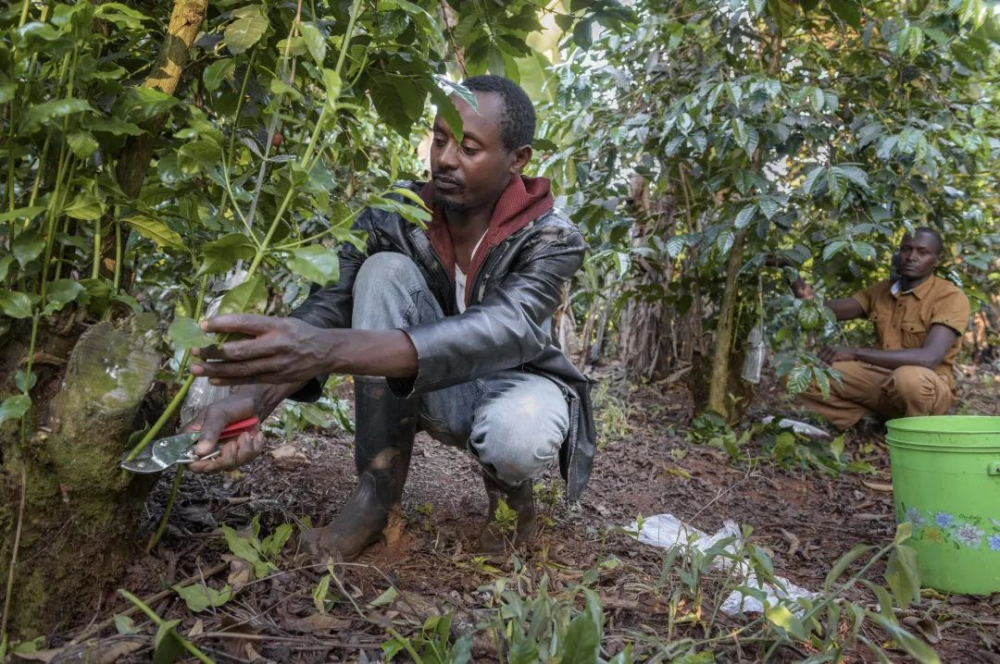
Although it neighbors Ethiopia, the birthplace of coffee, Kenya's coffee industry started noticeably later and did not harvest its first coffee beans until the late nineteenth century. When coffee was introduced to Kenya, the country was still under British colonial rule. To obtain foreign exchange earnings, the colonial government promoted coffee cultivation across large areas of Kenya, and the harvested beans were shipped to London for export trading. In 1933, Kenya enacted a coffee ordinance and established a coffee board, and only then did the right to sell coffee return to the local sphere. After independence in 1963, local farmers continued to accumulate expertise in coffee cultivation and gradually established their own high-standard system in areas such as variety selection, cultivation, harvesting, post-processing, and grading.
Kenya lies along the equator, and the highlands around Mount Kenya as well as small areas near Mount Elgon provide extremely ideal microclimates for coffee cultivation. Deep volcanic soil, relatively high altitude, and good drainage conditions precisely match the growing needs of delicate Arabica coffee. At the same time, Kenyan soil has a relatively high content of acidic substances, with a pH between 5.3 and 6.0, giving the coffee bright yet solid acidity. In addition, annual local rainfall is between 1,000 and 2,000 millimeters, abundant and evenly distributed, divided into two clearly defined rainy seasons, which is extremely favorable for crop growth. Besides coffee, tea is also an important local product.
The signature blackberry-like acidity of Front Street Kenya coffee comes partly from the abundant phosphoric acid components in the local soil and partly from Kenya's most famous K72 washed processing method. Completely different from the situation in Central and South America, Kenya's washed processing uses a double fermentation model, which is what we commonly call the K72 washed method.
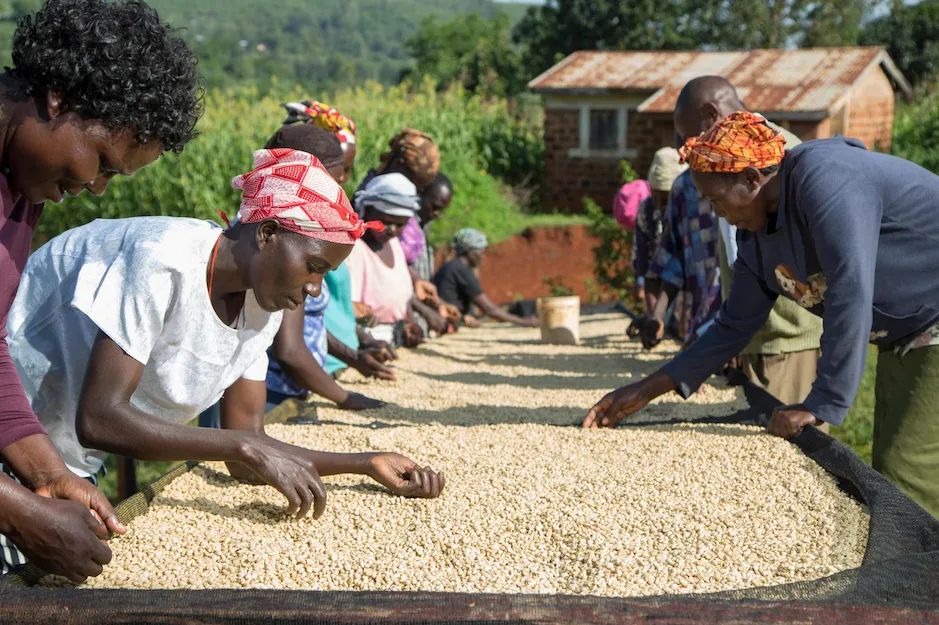
This processing method follows a repeated cycle of fermenting and then washing: after harvesting the coffee fruit, the highest-quality coffee cherries are first selected for pulping and fermentation. The first fermentation lasts 24 hours, after which the beans are rinsed clean with clean water. Then they are fermented again with clean water for 24 hours and washed again, repeating this cycle for three rounds, totaling 72 hours. Front Street Coffee believes that compared with conventional washed processing, the K72 washed method can more significantly enhance the acidity and cleanliness of coffee beans.
This Front Street Kenya coffee obtained by Front Street has flavors of black berries and stone fruits. To preserve the fruity aroma as much as possible, Front Street's roaster decided to use a light roast. After comparative cupping, its dry aroma presents notes of cherry tomato, smoked plum, and caramel; on the palate it shows dark stone fruit expressions, such as the texture of bullace, plum, and apricot, with full acidity. Therefore, in the brewing stage, Front Street also strives to retain more of the fruity charm of Front Street Kenya AA.
The pour-over parameters for Front Street Kenya coffee beans are as follows:
Dripper: V60
Water temperature: 92 degrees Celsius
Dose: 15g
Coffee-to-water ratio: 1:15
Grind size: fine granulated sugar size (80% passing through a No. 20 sieve)
Light roasting allows high-altitude coffee beans to retain richer floral and fruity aromas. Compared with medium-dark roasting, light-roasted beans have a denser internal structure and require higher water temperature and a finer grind to fully release flavor compounds. Here, Front Street uses hot water at 92–93 degrees Celsius for extraction, and the grind size is based on an 80% passing rate through a No. 20 standard sieve.
In terms of dripper selection, Front Street Coffee baristas are accustomed to using a resin V60 dripper to extract medium-light roasted coffee beans. The V60 dripper body features ribs connecting the top and bottom as well as a large central hole, which can speed up the flow of water; the spiral-shaped exhaust groove design extends the water flow path and increases the contact time between coffee grounds and hot water. Each stream of water converges along the grooves toward the center point of the dripper, the pressure on the coffee grounds is more concentrated, and the extracted coffee has richer layering.
First, pour 15 grams of coffee grounds into the dripper and tare the weight. For the first stage, pour in 30g of water to bloom for 30 seconds, while starting the timer. Throughout, use a small stream poured from the center point and spiral outward, making sure to wet the entire coffee bed. For the second stage, switch to a slightly larger stream and pour in 120g of water, with the aim of lifting the entire coffee bed. The stream should be poured vertically and evenly. At this point the scale shows 150g, and this is completed at around 55 seconds. When the liquid level drops to the halfway point, begin the third stage, pouring 90 grams in a small stream in a small spiral, trying to keep the stream from becoming too large so as not to disturb the coffee bed and cause under-extraction. The final total water amount is 240 grams, and the drip finishes at around 2 minutes 10 seconds. After removing the dripper, swirl the coffee liquid in the server to mix it evenly, and it is ready to taste.
This Front Street Kenya Asalia coffee enters with the acidity of dark fruits such as black plum and smoked plum, shows a full sweet-and-sour texture of apricot and stone fruits at the medium-temperature stage, and has a rounded finish like black tea.
For professional coffee knowledge exchange and more coffee bean information, please follow Coffee Workshop (WeChat public account: cafe_style)
For more specialty coffee beans, please add the private WeChat of Front Street Coffee: qjcoffeex
The above content is compiled by CoffeeHunters, a coffee news website.


