







Search Results for: K72 washed processing
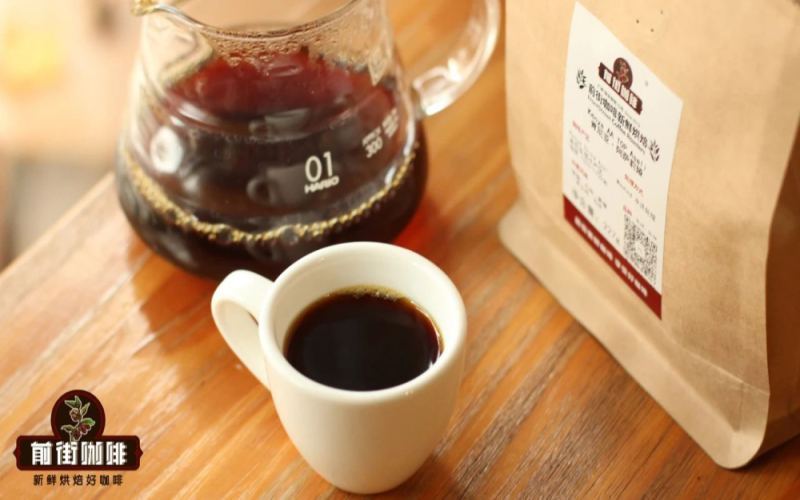
Analyzing Kenya K72 Double Washed Processing: Flavor Characteristics of Coffee Beans and the Source of Their Unique Acidity
Kenyan coffee is renowned for its bright and rich notes of dark plum, cherry tomato-like acidity, and juicy sweetness. This is inseparable from the country's favorable geography and climate, high-quality varieties such as SL28 and SL34, and, more crucially, its unique K72 washing process. How exactly did the K72 process evolve? How does it differ from ordinary washed processing? From the perspective of Front Street Coffee, this article will sort out the flavor origins of Kenyan coffee, the historical background and craft details of the K72 process, and introduce the K72 washed coffee beans currently on sale at Front Street Coffee from the Asali Processing Plant in the Thika region. [more…]
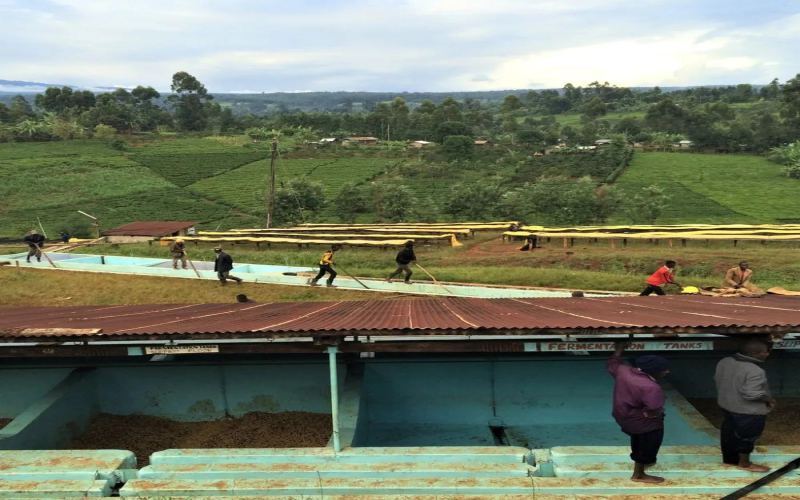
An Analysis of the Differences Between Kenyan K72 Washed and Regular Washed Processing: A Comprehensive Introduction to SL28 and SL34 Coffee Beans from Asalia in the Thika Region
Kenyan coffee stands out in the global specialty coffee scene with its distinctive notes of black plum and cherry tomato acidity, along with a juicy sweetness. The formation of this flavor profile benefits from the region's superior geographical and climatic conditions, as well as high-quality varieties like SL28 and SL34, and the highly distinctive K72 washing process. This article will start from the ordinary washing process, detail the origin and evolution of the K72 method, compare the key differences between the two in fermentation duration, process flow, and cost investment, and introduce the currently available Front Street Coffee SL28 and SL34 coffee beans from the Asali Processing Plant in the Thika region, giving you an in-depth understanding of the logic behind Kenya coffee's unique flavor. [more…]
Flavor Characteristics of Guatemala Finca Santa Felisa Typica K72 Washed Coffee Beans and the Story of a Century-Old Estate
San Felisa Estate is a century-old family estate in the Acatenango region of Guatemala, run by the fourth generation of the Cruz family. The estate has its own processing plant, sits at an altitude of about 1,550 meters, and its coffee is grown at elevations of up to 1,920 meters. Its Typica beans use the K72 washed processing method—rare in Central America and originating in Kenya—undergoing 72 hours of triple-cycle fermentation and washing. Front Street Coffee recommends this bean, whose flavor profile features jasmine, lemongrass, chocolate, pistachio, stone fruit, delicate malic acidity, and a lingering caramel finish. This article will guide you through the estate's history, processing details, community philanthropy philosophy, and recommendations for various roast levels. [more…]
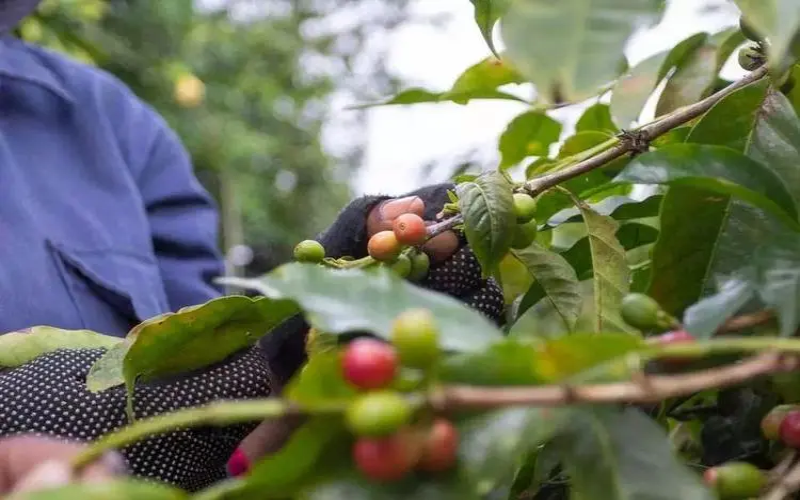
An Analysis of Kenya's Coffee Industry Landscape, Bean-Type Grading System, SL Series Varieties, and the K72 Washing Process
Kenya is located in the equatorial zone of East Africa, with the Great Rift Valley running through the entire country. The central highlands and volcanic soil provide an ideal terroir for specialty coffee. From the introduction of coffee by French missionaries in 1893, to the large estate cultivation during the British colonial period, to the passage of the Coffee Act in 1933, the establishment of the auction system in 1934, and the agricultural legislation of the 1950s that granted farmers land use rights, Kenya gradually built up its own coffee industry. Its grading system is based on bean size and quality, divided into AA+, AA, AB, PB, C, E, TT, and T. Exporters also add cup grading of TOP, PLUS, and FAQ to AA and AB. In terms of varieties, SL28 and SL34 are representative, with the former originating from Bourbon and the latter from Typica, offering complex flavors and prominent sweetness. In terms of processing methods, K72 washed processing forms a 72-hour cycle through three rounds of 24-hour fermentation each, bringing bright acidity and a clean mouthfeel. Front Street Coffee's Asalia AA TOP comes from the Asail processing plant in the Thika region, using SL28 and SL34 with K72 washed processing, presenting flavor notes of cherry tomatoes, smoked plums, berries, citrus, and green tea. [more…]
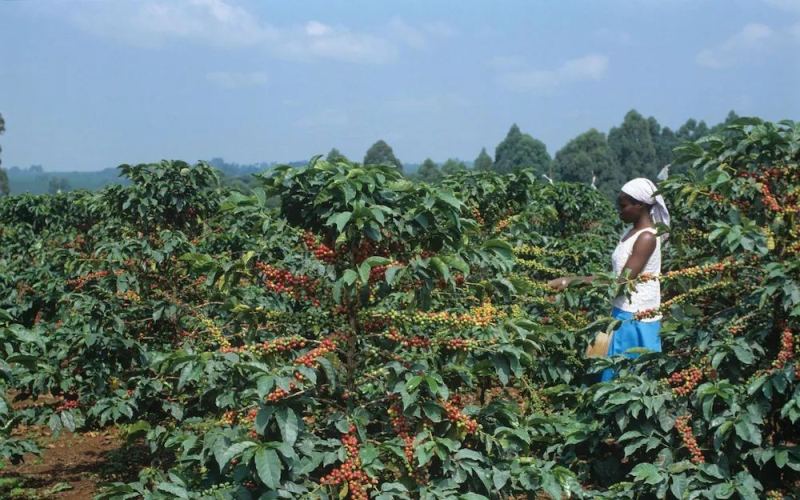
Why Is Kenyan Coffee Acidity So Intense? Unraveling the Secrets of the K72 Processing Method and the SL28 and SL34 Varieties
Kenyan coffee stands out in the world coffee landscape with its distinct and intense acidity, contrasting with the crisp and bright style of neighboring Ethiopia. This unique flavor is inseparable from the phosphoric acid-rich volcanic ash soil of the Kenyan highlands, the carefully selected SL28 and SL34 varieties, and the renowned K72 washed processing method. This article will delve into the sources of Kenyan coffee's acidity, dissecting its flavor code layer by layer—from the geographical environment and the history of variety selection to the 72-hour fermentation process. At the same time, we will introduce a Kenyan bean from Front Street Coffee, sourced from the Salia factory in the Thika region, featuring SL28 and SL34 varieties, processed with the K72 washed method, presenting bright acidity reminiscent of cherry tomatoes and smoked plums, along with a sugarcane-like sweetness. [more…]
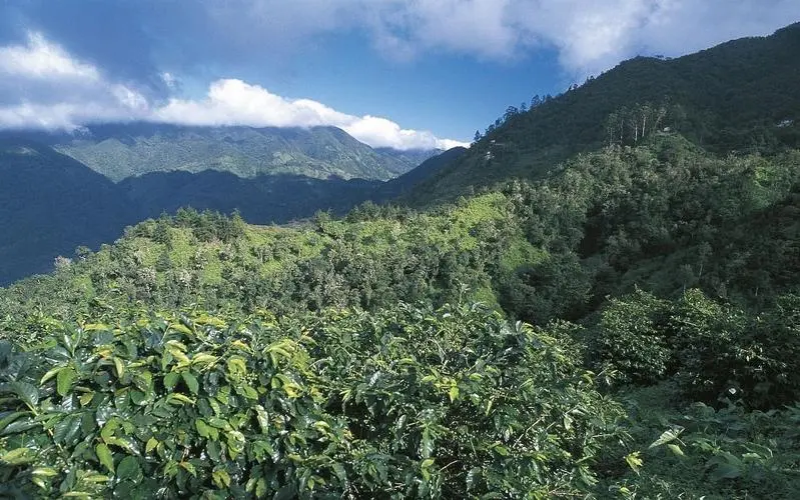
Kenya Thika Region Asali Processing Plant: An In-Depth Analysis of SL28 and SL34 Varieties and the K72 Washing Method
Kenya, as an important representative of African specialty coffee, produces uniquely flavored coffee thanks to its high equatorial altitude and volcanic soil. This article focuses on the Asali Processing Plant in the Thika region, outlining the breeding background and flavor differences of the two major varieties SL28 and SL34, and explaining in detail Kenya's signature K72 washed processing method. It also presents the complete parameters and brewing performance of Front Street Coffee Asali AA TOP, whose layered notes range from cherry tomato to smoked plum, showcasing the typical charm of Kenyan coffee's bright acidity and clean mouthfeel. [more…]

Kenyan Coffee K72 Washed Processing Method Explained: From AA Grading to Front Street Coffee Medium-Light Roast Brewing Guide
Kenyan coffee occupies a unique position in the global specialty coffee scene, thanks to its distinct berry flavors, robust fruit acidity, and sweet, juicy mouthfeel. The formation of this flavor profile is related not only to the local soil's high phosphoric acid content but also, crucially, to the famous K72 washing process—a three-stage fermentation lasting up to 72 hours. This article will provide a detailed analysis of the K72 fermentation process and Kenya's steel bed drying method, outline the Kenyan coffee bean grading system and exporter cup grading, and share Front Street Coffee's roasting approach and pour-over parameters for AA-grade Kenyan Asaliya, helping readers fully understand the flavor logic of Kenyan coffee from processing to cup. [more…]
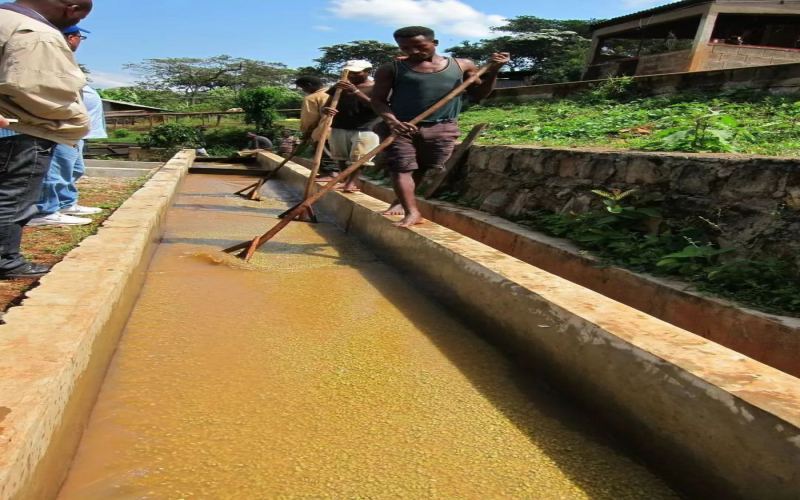
A Comprehensive Analysis of Kenya's Double Washed Process: Operational Workflow, Flavor Changes, and Comparison with K72 and Dry Fermentation
As one of the most traditional green bean processing methods, the washed process significantly enhances coffee quality and cleanliness through its depulping and washing steps, making it highly favored by enthusiasts. With the rise of the specialty coffee wave, new terms such as double washed, K72 washed, and dry fermentation washed have emerged endlessly—how exactly do they differ from traditional washing? From the perspective of Front Street, this article first traces the historical origins and procedures of traditional washing, then delves into the origins, operational details, and flavor expression of Kenyan double washing, and further introduces the characteristics of K72 washed and dry fermentation washed, helping readers understand how variables such as soaking time and number of soaks in the fermentation stage shape the final flavor of coffee. [more…]
A Detailed Explanation of the Washed Process for Kenyan Specialty Coffee: K72 Fermentation and AA Grade Flavor Analysis
Kenyan coffee is renowned worldwide for its distinctive berry notes and robust fruit acidity, and the K72 washed processing method plays a crucial role in this. This unique technique splits the fermentation process into three rounds, each lasting 24 hours with fresh water, totaling 72 hours, which gives the coffee beans a more vibrant acidity. The drying stage is equally ingenious, with farmers using raised steel beds to dry the beans evenly, avoiding any earthy off-flavors from the ground and resulting in the clean, bright cup profile characteristic of Kenyan coffee. Front Street Kenya Cherry Tomato coffee beans are made from SL28 and SL34 varieties, classified as AA grade, and presented with a light-medium roast to highlight their full floral and fruity flavors. This article will provide a comprehensive analysis of the K72 processing details, the grading system, and Front Street's roasting and brewing parameters, giving you an in-depth look at the flavor secrets of these beans. [more…]
Analysis of the Flavor and Estate Story of Guatemala Santa Felisa Estate Red Pacamara Maragogype K72 Process
Pacamara Maragogipe is a cross between the Pacas and Maragogipe varieties, combining rich flavor with an elegant texture. Guatemala's Santa Felisa Estate, founded in 1904, is located in the Acatenango Valley and is known for its eco-friendly farming methods, eight processing methods, and insistence on hand-picking at 21 degrees Brix, consistently ranking among the top in the COE. The estate weathered the impact of leaf rust, losing its organic certification yet still upholding its ecological philosophy. Its K72 processing method combines repeated fermentation with washed and sun-dried techniques, giving the coffee bright, clean flavors of citrus notes, dried tangerine peel aroma, cherry, and sweet persimmon. Front Street Coffee recommends brewing with a Hario V60, 90°C water temperature, and a three-pour method to showcase this Red Pacamara Maragogipe's lingering sweetness and smooth mouthfeel. [more…]

Kenya AA TOP Coffee Origin and Honey Processing Factory Analysis: K72 Washed Flavor and Front Street Brewing Parameters
Kenya AA TOP is a benchmark grade among African specialty coffees, and its bright acidity and dark berry flavors are highly sought after by enthusiasts. This article systematically sorts out the reasons behind the flavor of Kenyan coffee, from the producing region's background, grading standards, and the K72 washed processing method to information on the Honey Processing Factory, and combines Front Street Coffee's roasting and brewing practices to provide the complete pour-over parameters and tasting notes for Front Street Asalia coffee beans. Whether you want to understand the grading logic of Kenya AA TOP or want to replicate a cup of light-roasted Kenya with a cherry tomato flavor, this content can provide practical reference. [more…]
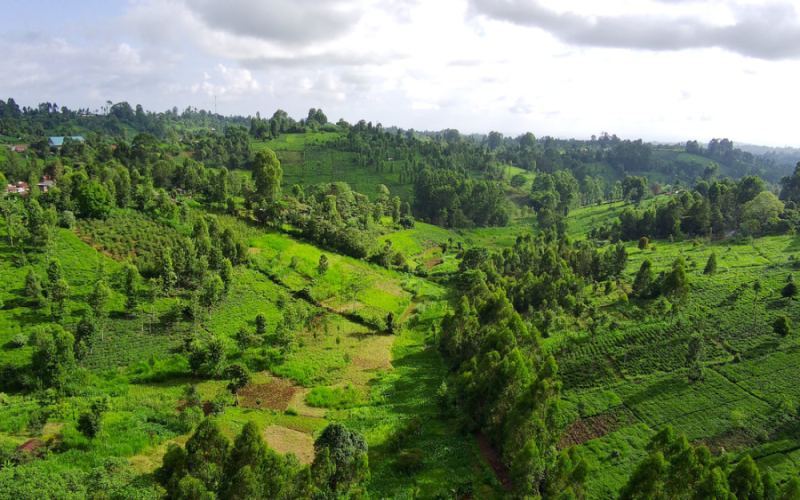
Kenyan Coffee Cultivation Origins and Flavor Profile Analysis: A Complete Narrative from Bourbon Introduction to K72 Washing
Although Kenya shares a border with Ethiopia, the birthplace of coffee, its coffee-growing history is not particularly long. It began only at the end of the nineteenth century, when missionaries introduced the Bourbon variety from Réunion. During the British colonial period, SL28 and SL34, developed by Scott Laboratories, laid the foundation for Kenya's coffee flavor profile, while the now widely used K72 washed and double-washed processes give it bright, clean fruit acidity and a full body. This article traces the complete arc of Kenyan coffee, from its introduction and colonial regulation through the rise and fall of the industry to the evolution of processing methods, and, drawing on the brewing practices of Front Street Coffee, explains the unique appeal of this African bean. [more…]
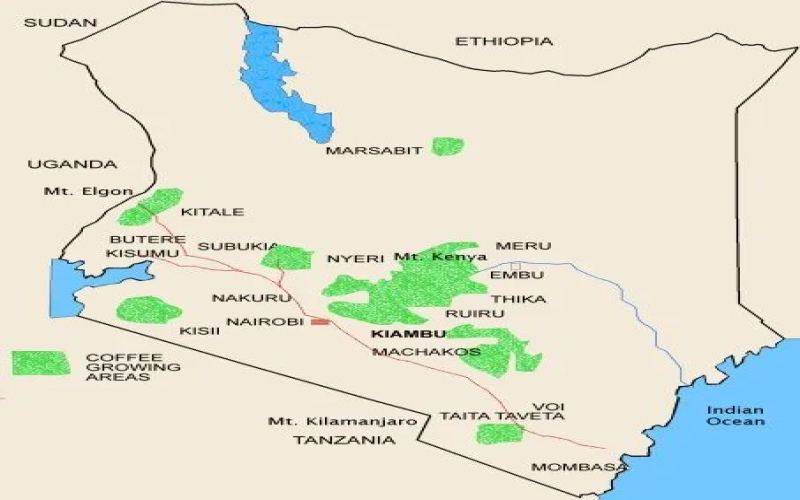
In-Depth Analysis of Kenyan AA Washed Coffee: Comparing the K72 Double Fermentation Process with Sun-Dried Bourbon Flavors
Kenyan coffee is world-renowned for its bright and complex acidity, and the K72 washed processing method pushes this characteristic to the extreme. This article will take you deep into Kenya's coffee origins and variety composition, break down every step of the K72 double fermentation process in detail, and compare and taste the flavor differences brought by washed and natural processing methods. From the Asali Honey Processing Station in the Thika region to the French Mission Bourbon at Hania Estate, we will use two coffees of distinctly different styles as samples to analyze their aroma, acidity, sweetness, and aftertaste. Whether you are a beginner just getting to know Kenyan coffee or an experienced enthusiast looking for brewing inspiration, this article can provide you with valuable reference. [more…]
An Analysis of Kenya's SL28 and SL34 Varieties: The Origin of K72 Washed Processing Flavors and Front Street Coffee Brewing Recommendations
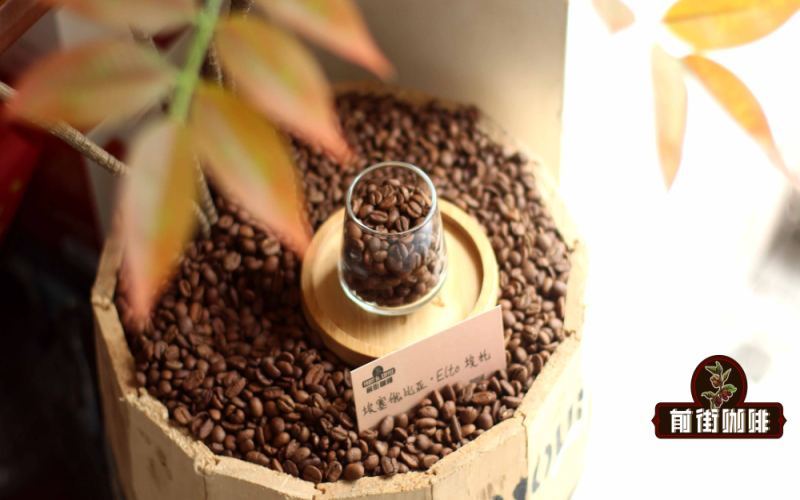
Kenyan coffee is famous for its bright fruit acidity and clean mouthfeel, and the K72 washed processing method along with the SL28 and SL34 varieties deserve much of the credit. From the perspective of Front Street Coffee, this article outlines the 72-hour cyclic fermentation process of the K72 processing method, analyzes the growing conditions of the Kenyan highlands, the origins and flavor differences of the SL series varieties, and introduces improved varieties such as Ruiru11 and Batian. It also compiles Kenya's coffee grading system and includes the roasting and brewing data for Front Street's Kenya Asalia and Sachini PB, helping coffee enthusiasts understand the causes of Kenyan coffee's unique cherry tomato acidity. [more…]
Kenya Nyeri Mahiga AA TOP Coffee Beans: A Detailed Look at Its Wild Flavors and K72 Washing Process
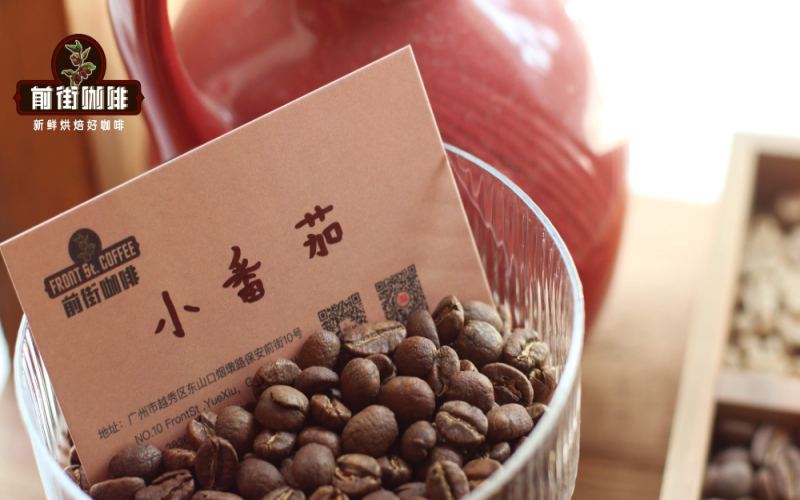
Want to understand the unique charm of Kenyan AA coffee? This article will take you deep into the Mahiga processing plant in the Nyeri region, revealing how the Othaya Farmers Cooperative Society it belongs to achieves top-tier coffee through strict quality control. From SL28 and SL34 varieties to the K72 double wash process, and on to the black plum, berry, and chocolate syrup flavors displayed in the cup, we offer a detailed analysis of this wildly distinctive Kenyan AA TOP-tier Mahiga. At the same time, Front Street Coffee’s Kenyan Cherry Tomato is a recommended product that lets you easily experience the wonderful taste of juicy texture interwoven with floral aromas. [more…]
Kenyan Coffee Flavor Analysis: A Complete Guide to the K72 Double Water-Wash Processing Method and Pour-Over Parameters
Kenyan coffee has always stood out in the specialty coffee world for its vivid fruit tones and bright acidity. This article breaks down the flavor code of Kenyan coffee layer by layer, from the terroir of its producing regions and historical origins to the K72 72-hour fermented washed process. Front Street Coffee's Little Tomato Azalea coffee beans are a typical example—from the Asali processing plant in the Thika region, using SL28 and SL34 varieties, they present layers of dark plum, cherry tomato, and caramel interwoven under a medium-light roast. The article also provides SCA-recommended pour-over coffee-to-water ratios and water temperature parameters, making it suitable for coffee lovers who want to gain a deeper understanding of Kenyan beans or are looking for brewing solutions. [more…]
A Complete Guide to Kenya AA Coffee Beans: From the Thika Region to the Rich, Fruity Acidity of K72 Washed Processing
Kenyan coffee has long been celebrated for its bright fruit acidity and solid body, making it the top African choice for many pour-over enthusiasts outside of Ethiopia. This article starts with the Kenyan Small Tomato coffee beans produced by Front Street Coffee, systematically sorting out the meaning of Kenya AA grading, the terroir characteristics of core producing regions such as Thika and Kirinyaga, the origins of staple varieties like SL28 and SL34, and an in-depth analysis of Kenya's signature K72 washed processing method. The article also compares the differences in acidity between Kenya and Ethiopia, helping readers new to African beans build up their flavor understanding step by step. [more…]
Kenya AA Kirinyaga Nyeri Region Flavor Analysis: K72 Washed Process and Produced by Dikla Factory
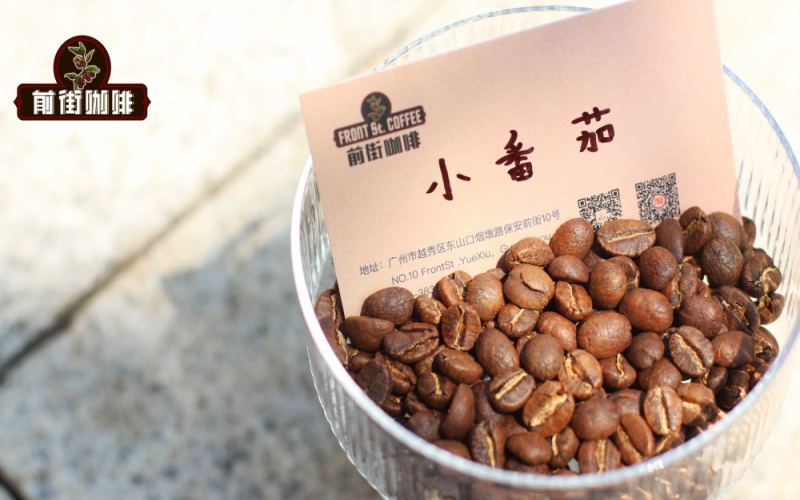
Kenyan coffee is renowned worldwide for its bright, captivating acidity and rich aroma, making it an irreplaceable and important member of the African producing regions. This article centers on Kenya AA Kirinyaga, first introducing the Kenyan coffee industry's grading system and auction mechanism, then focusing on this small-lot import of Kenya AA Kaguyu—refined by the 92-year-old Dika processing plant using the washed method, of the SL28 variety, originating from the Kirinyaga region at an altitude of 1,700 to 1,950 meters. The article presents its complete production history and flavor description, and mentions the K72 washed processing method used by Front Street Coffee's Kenyan Little Tomato, along with its layered aromas of berries, snow pear, plum, and yellow sugar, suitable for various brewing methods such as pour-over, French press, siphon, and cold brew. [more…]
Kenya AA Coffee Bean Grading Standards Explained: A Full Analysis of Thika Region Flavor, K72 Washing, and SL28/SL34 Varieties
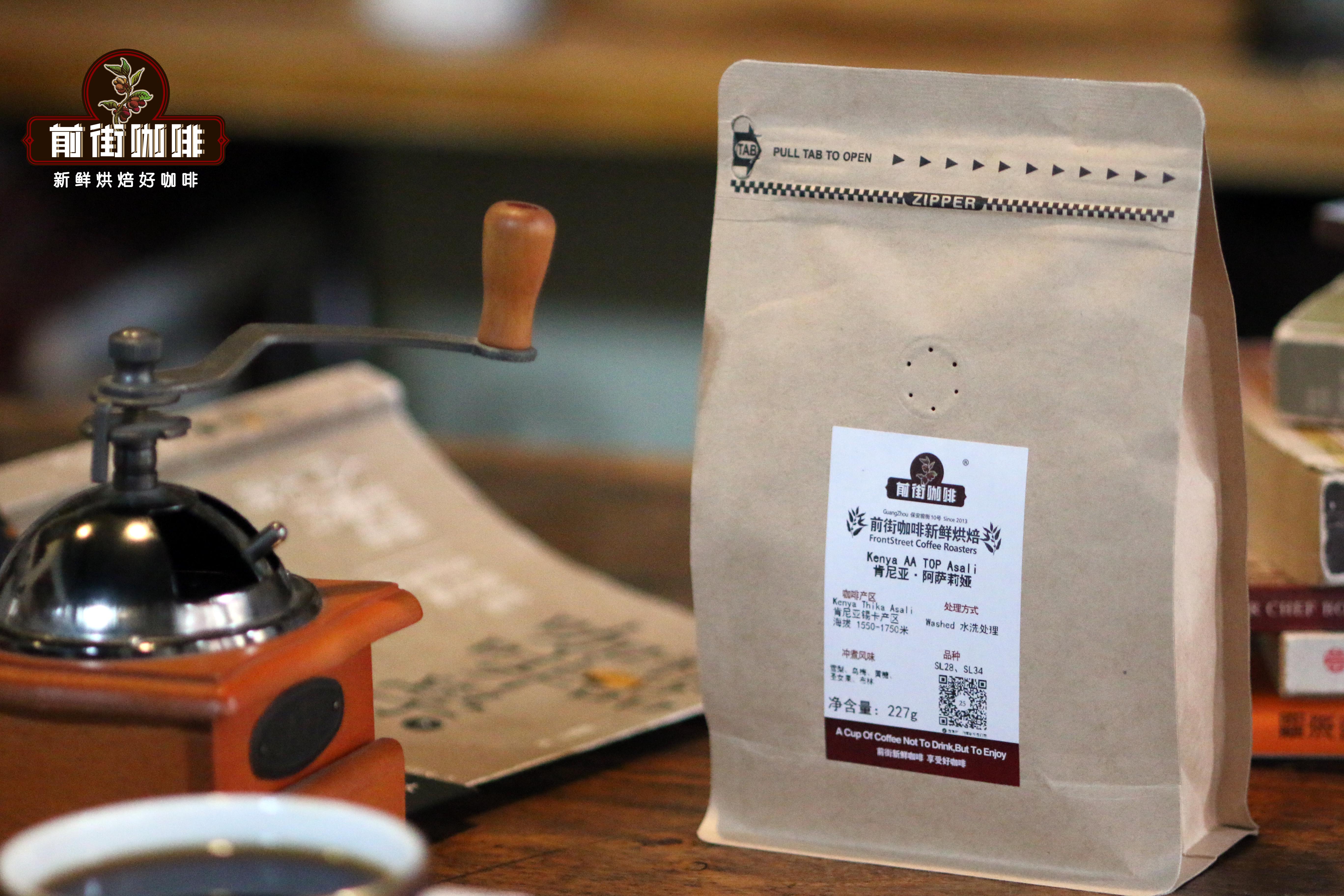
Kenya AA is the highest grade in Kenya's coffee classification system, renowned for its plump beans and bright flavor. Starting from the grading logic of Kenyan green beans, this article provides an in-depth analysis of the cultivation history and terroir characteristics of the Thika producing region, explains how the classic Kenyan-style 72-hour double fermentation washed process (K72) operates, and focuses on the two varieties, SL28 and SL34, which account for ninety percent of Kenya's high-quality coffee production. The article also combines Front Street Coffee's Front Street Kenya Asalia coffee beans to recreate its light roast approach and V60 three-pour brewing parameters, presenting the typical Kenyan flavor profile of black plum, smoked plum, apricot, and black tea aftertaste. [more…]
Kenya AA Coffee Beans Explained: Thika Region Flavors, K72 Washed Processing, and Pour-Over Parameter Guide
Kenyan AA coffee beans, with their plump beans and bright acidity, have long been a favored African representative in the specialty coffee world. Starting from Front Street's Kenya Asalia coffee beans, this article systematically reviews the growing background of the Thika region, the K72 Kenyan-style double fermentation washed process, and the flavor performance of the two main varieties, SL28 and SL34. It also shares in detail Front Street's brewing approach for light-roast Kenyan AA, including the choice of V60 dripper, 92°C water temperature, 1:15 coffee-to-water ratio, and three-pour technique, helping coffee lovers recreate at home the classic Kenyan flavor interwoven with black plum, smoked plum, and black tea aftertaste. [more…]