







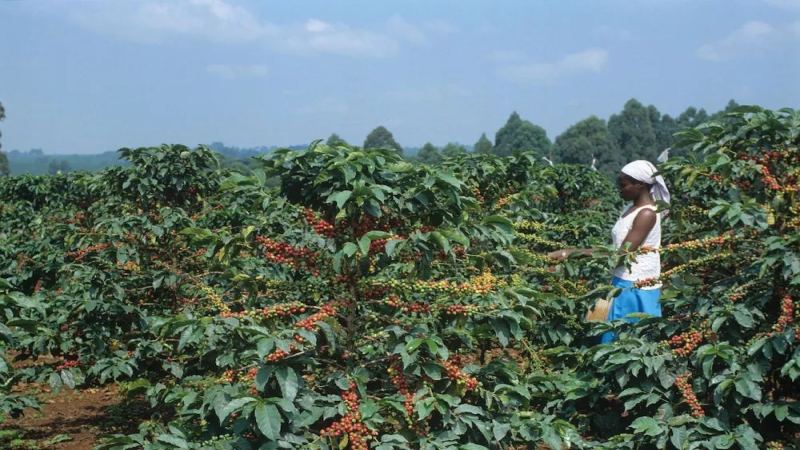
What Makes Kenyan Coffee Acidity So Powerful
Kenyan coffee's bright, intense acidity comes from three things working together: phosphorus-rich volcanic ash soil in the highlands, the SL28 and SL34 varieties, and the K72 washed processing method with its 72-hour fermentation. The result reads as cherry tomato and black plum acidity with sugarcane sweetness, sharper and more forceful than Ethiopia's fresh, translucent style.
Kenya sits in eastern Africa, mostly plateau at about 1,500 meters average, with the East African Rift Valley cutting north to south through the highlands and extinct volcanoes such as Mount Kenya nearby. The country first planted Bourbon, then Kent and Jamaican Blue Mountain Typica, before the Scott Agricultural Laboratories screened 42 coffee trees and selected SL28 and SL34.
Kenyan coffee stands out in the world coffee landscape with its bright and intense acidity, contrasting with the crisp and luminous style of its neighbor Ethiopia. The formation of this unique flavor is inseparable from the phosphorus-rich volcanic ash soil of the Kenyan highlands, the carefully selected SL28 and SL34 varieties, and the renowned K72 washed processing method. This article will deeply analyze the sources of Kenyan coffee's acidity, breaking down its flavor code layer by layer from geographical environment and variety selection history to the 72-hour fermentation process. At the same time, we will also introduce a Kenyan bean from Front Street Coffee, sourced from the Salia processing station in the Thika region, using SL28 and SL34 varieties, processed with K72 washed method, presenting bright acidity like cherry tomatoes and black plums with sugarcane sweetness.
When it comes to coffee-producing regions known for their acidity, Africa is often the first place that comes to mind. Ethiopia and Kenya, as the two major representatives of African coffee, each have their own distinctive characteristics in acidity: Ethiopia's acidity tends toward fresh and translucent, while Kenya displays a more intense and powerful acidity.
The reason Kenyan coffee possesses such acidity is related not only to the country's exceptional natural resources but also to the locally renowned K72 processing method and the fact that SL28 and SL34 are the main cultivated varieties.
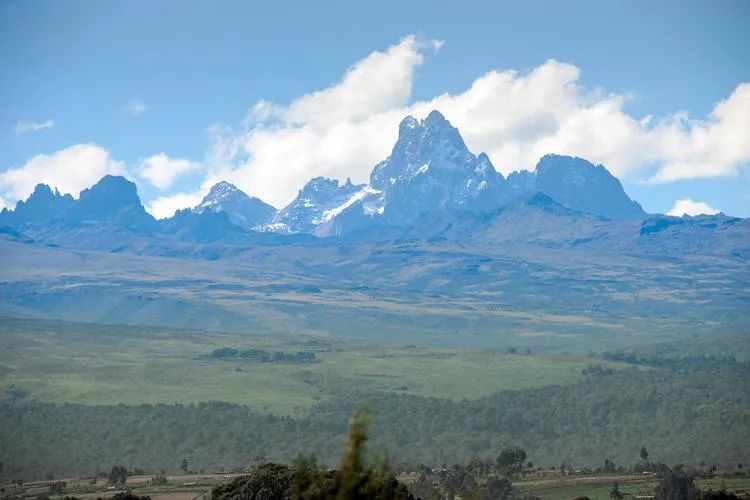
Kenya is located in eastern Africa, with most of its territory being a plateau at an average altitude of about 1,500 meters. The eastern branch of the East African Rift Valley runs from north to south through the highlands, dividing them into eastern and western sections. Along the rift valley are numerous volcanoes, the most famous being the extinct volcano Mount Kenya. Volcanic ash has endowed the local soil with abundant phosphate content, giving the coffee produced here full fruit acidity.
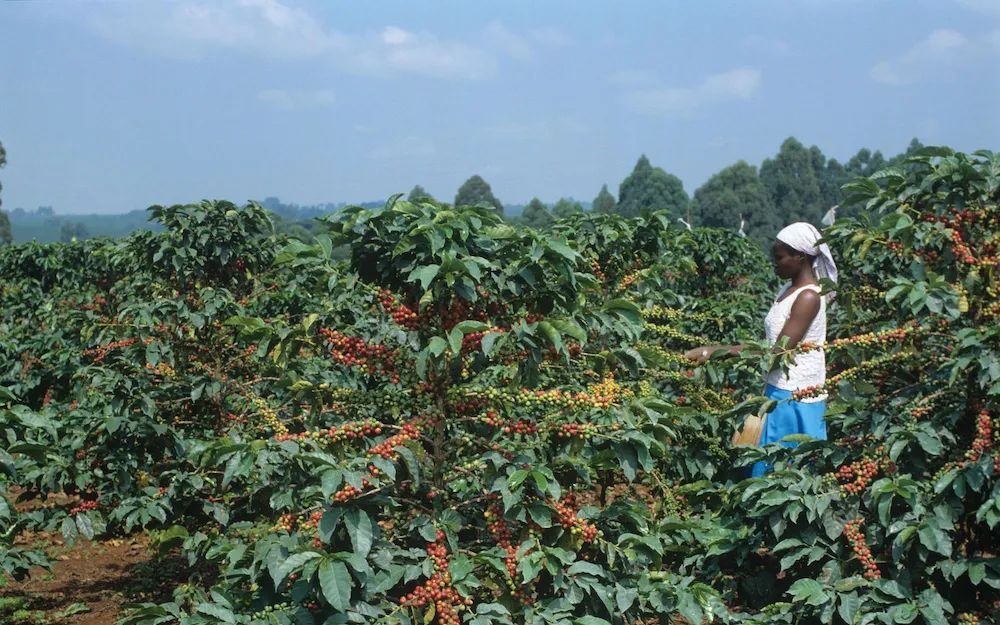
Kenya initially planted the Bourbon variety, and subsequently introduced Kent and Jamaican Blue Mountain Typica, but neither performed well. The country then commissioned the Scott Agricultural Laboratories (Scott Laborotary) to carry out variety selection work. Over the following four years, the laboratory selected 42 coffee trees from different origins and conducted research on indicators such as yield, quality, drought resistance, and disease resistance, naming them with the prefix SL (the abbreviation of the laboratory name) plus a number. SL28 and SL34 emerged as excellent varieties through this process. Today, Scott Laboratories has been renamed the National Agricultural Research Laboratories (NARL) of Kenya, but the names and numbers of coffee varieties are still in use.
SL28 was discovered in a place called Tanganyika (present-day Tanzania), and genetic testing confirmed its association with the Bourbon genome. SL34 was selected from a coffee estate in the Kabete area near Nairobi, Kenya's capital, and genetic testing showed it is related to the Typica genome.
SL28 and SL34 are quite similar in cultivation characteristics, both possessing the advantages of high yield, ease of cultivation, and suitability for medium-to-high altitude planting. In terms of flavor, both present complex and varied acidity and layers, with notable citrus and black plum notes.
Although the yields of these two varieties are no longer what they once were, and they are susceptible to diseases such as coffee leaf rust, the Kenyan government is actively promoting high-yield, disease-resistant varieties such as K7 and Ruiru 11. However, these replacement varieties cannot match the uniqueness and richness of SL28 and SL34 in flavor. Therefore, a large number of Kenyan coffee farmers still primarily cultivate SL28 and SL34.
In addition to unique varieties, Kenya's washed processing method is also distinctive. Conventional washed processing fermentation time usually does not exceed 36 hours, while the special feature of Kenyan washed processing is that fermentation can last up to 72 hours.
After harvesting, coffee farmers first screen out high-quality cherries through floatation, then depulp and soak for 24 hours of fermentation. After fermentation, the pectin is removed, and the beans are transferred to a clean tank for another 24 hours of fermentation. Then residual substances are cleaned off, and the beans are placed in a clean tank for a third 24-hour fermentation, finally dried on special steel racks.
Three cycles totaling 72 hours of fermentation — this processing method is thus named the Kenya 72-hour fermentation washed processing method, or K72 for short. Coffee beans undergoing long fermentation at low temperatures can develop bright, clean yet full-bodied acidity and flavor.
Combining the above conditions, Kenyan coffee is renowned worldwide for its bright and complex berry acidity, sugarcane-like sweetness, and juicy acidity, and is highly favored by coffee industry professionals. Front Street Coffee (FrontStreet Coffee) has a coffee bean from the Salia Asail processing station in the Thika region of Kenya, using SL28 and SL34 varieties, processed with K72 washed method. After brewing, it presents cherry tomato and black plum flavors, with bright acidity, prominent sweetness, juicy body, and a clean mouthfeel.
To learn more about coffee origin information, please scan the QR code to follow: Coffee Review
Long-press the QR code to follow:
The above content is compiled by CoffeeHunters, a coffee news website.


