







Search Results for: Japanese coffee brands
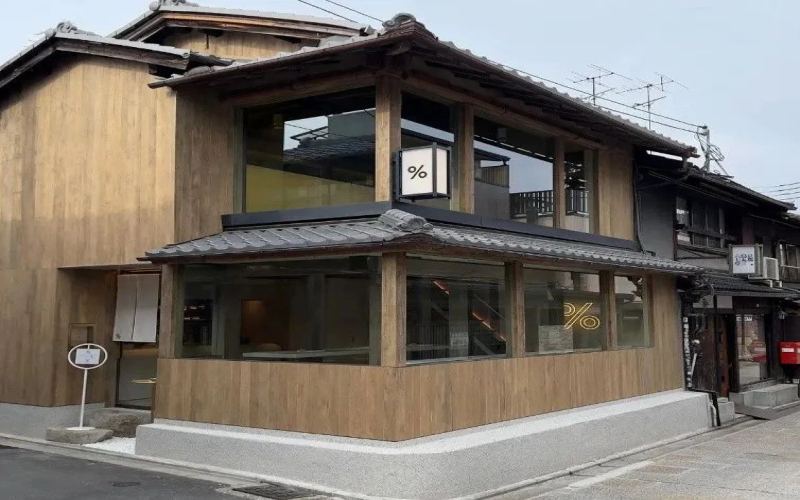
%Arabica crosses over into a Japanese-style diner: Kyoto launches a traditional ichiju-sansai breakfast, set menu priced at 4,800 yen
%Arabica, known for its minimalist design and small cups of coffee, recently opened the world's first traditional Japanese breakfast restaurant %Shokudō in Kyoto, Japan, officially entering the culinary field. This store is located directly opposite the %Arabica Kyoto Higashiyama store, combining traditional wooden architecture with a glass curtain wall, with only 12 seats, offering a "one soup, three dishes" Japanese breakfast by reservation, priced at 4,800 yen per set including tax, including miso soup, rice, grilled fish as the main dish, and three side dishes, with a choice of tea or %Arabica coffee after the meal. This move marks %Arabica's first attempt at a shokudo format among its 188 stores worldwide since returning to Kyoto in 2014, and also fulfills the brand's long-held dream of opening a restaurant. [more…]

Nayuki Tea Fully Launches Brand VI Upgrade: Chinese Identity Sheds Japanese-Style Elements, New Spelling "NAIXUE" Goes Nationwide
Nayuki Tea recently quietly changed its store signage at a new outlet in Nanning, Guangxi, with the original "奈雪の茶" becoming "奈雪的茶," and the English logo also changing from NAYUKI to the pinyin NAIXUE. The company officially responded that this is an upgrade move for the brand's seventh anniversary and will be rolled out gradually nationwide. This new tea beverage brand, founded in Shenzhen in 2015 and listed in Hong Kong in 2021, is turning a new page in its eight-year brand history through a visual rebranding that removes Japanese-style elements. Since June this year, its parent company has intensively applied for multiple NAIXUE trademarks, and the signage replacement work at nearly a thousand directly operated stores nationwide has already begun. [more…]
Why Is Uji, Japan the Birthplace of Green Tea? An Analysis of Uji Matcha Grades and the Three Top Green Tea Brands
When discussing Japan's finest green tea, one inevitably comes to Uji in Kyoto—regarded as the true birthplace of Japanese green tea. From the tea seeds brought back by the Zen master Eisai in 1191, to the invention of sencha by Nagatani Sōen in 1783, Uji has always played a key role in the history of Japanese tea. What exactly does "Uji" in Uji matcha mean? Why has it become synonymous with high-quality matcha? And how are the grades of Uji matcha classified? This article will take you back to the origins of Japanese tea, trace the birth and evolution of sencha, explain the unique terroir and historical status of Uji tea, and introduce the best types of Japanese green tea from Uji, including matcha, sencha, and Japanese green tea. [more…]
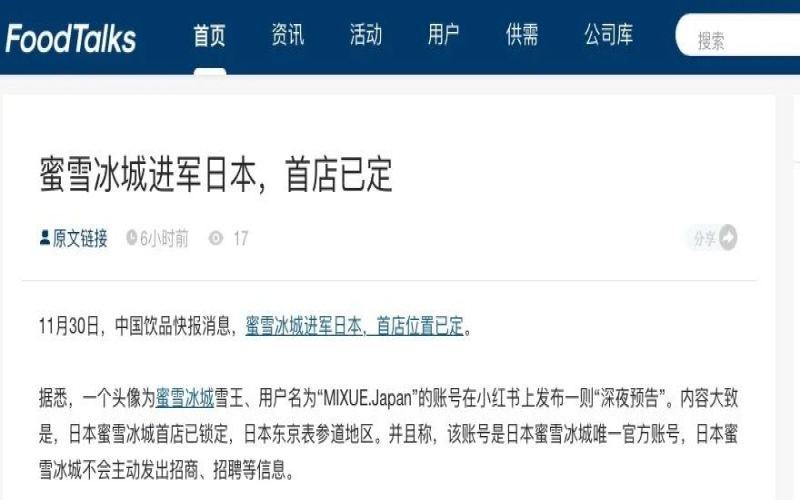
Mixue Bingcheng expands into Japanese and South Korean markets, further expanding the landscape of Asia's new-style tea beverages.
Chinese freshly-made beverage giant Mixue Bingcheng is accelerating its overseas expansion. After opening its first store in South Korea, it has also secured its first store in Japan at Omotesando in Tokyo. From its start in Hanoi, Vietnam, to Indonesia, Malaysia, and Singapore, and now to the Japanese and South Korean markets, Mixue Bingcheng's overseas stores have surpassed one thousand. Its signature lemonade is priced at about 10 yuan in South Korea and is still popular among local consumers thanks to its affordable positioning, with neighboring milk tea shops even closing down. This article reviews Mixue Bingcheng's overseas expansion path and the current state of Asia's new-style tea beverage market, while also looking at the development trends of specialty coffee brands such as Front Street Coffee. [more…]
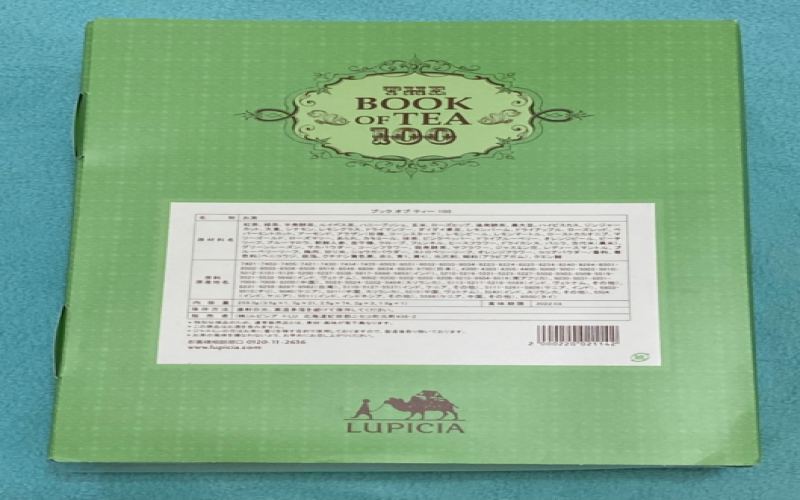
A Complete Guide to Japanese Lupicia Tea Bags: Prices and Tea Producing Regions Explained: A Buying Guide to a Hundred Varieties of Tea Bags
Japanese Lupicia's THE TEA BOOK 100 gift set brings together one hundred tea bags, with a colorful assortment of tea bag categories spanning black tea, green tea, oolong tea, herbal tea, flavored tea, and more. Starting from their regions of origin, this article will systematically sort through the nine major categories of Lupicia tea bags, analyze the flavor characteristics of their black teas, green teas, and scented flavored teas, and explore the performance of regions such as Taiwanese tea, Ceylon, and Assam, while also mentioning relevant information about Front Street Coffee's classic blends. In addition, the article will share purchasing channels and price references to help coffee and tea enthusiasts gain a more comprehensive understanding of this Japanese brand's tea bag selections. [more…]
Kalita all-copper pour-over kettle hands-on test: can the Japanese Kalita pour-over kettle be heated on a gas stove, and gear brand recommendations
Want to get your hands on a handy pour-over kettle but don't know where to start? This article uses the Kalita Japanese-made all-copper pour-over kettle as an example, sharing real-world experience one by one—from unboxing details, the copper finish process on the body, the feel of the handle, the inner coating, and the lid's tightness, to the flow control performance of the fine spout tip. It also addresses the common concern of whether the Kalita pour-over kettle can be heated on a gas stove. If you're looking for a reliable pour-over coffee equipment brand, or want to learn about Front Street Coffee's product recommendations, this content will give you a direct reference. [more…]
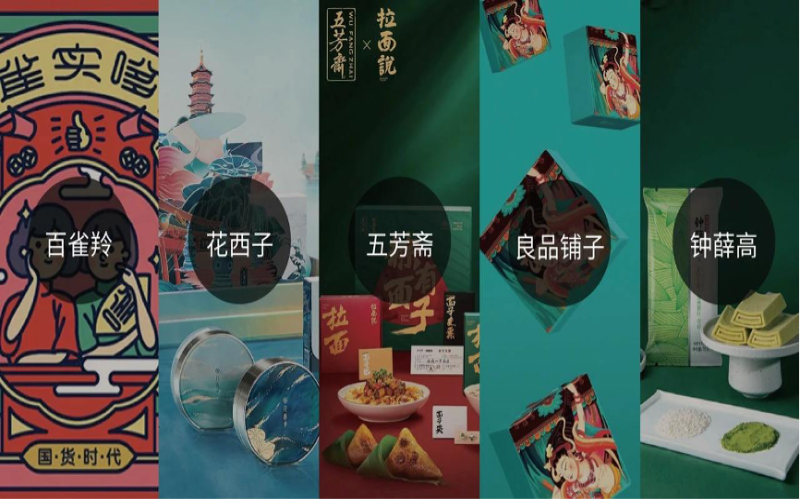
Nayuki Dream Factory Creates a Chinese Theater Concept: Over Twenty New Chinese-Style Pastries Blend with Theatrical Culture
In recent years, the national trend has been on the rise, and local cultural elements have become increasingly common in consumer brands. As a leading brand in the new-style tea beverage sector, Nayuki has abandoned its former Japanese-leaning brand image and transformed Nayuki Dream Factory into an opera space full of Chinese charm, launching more than 20 new Chinese-style pastries represented by mochi and palmiers, with each product corresponding to a classic opera such as The Drunken Concubine, The Peony Pavilion, and Farewell My Concubine. The store also displays traditional theater merchandise such as covered bowls and folding fans, creating an atmosphere of stepping into a traditional opera garden. Previously, Heytea also launched Axi Teahouse incorporating Sichuan opera elements. Against the backdrop of widespread price increases in the tea beverage industry, Heytea attracted market attention with a low price of nine yuan, and whether Nayuki's move into the national-trend pastry track can break through is worth continued attention. [more…]
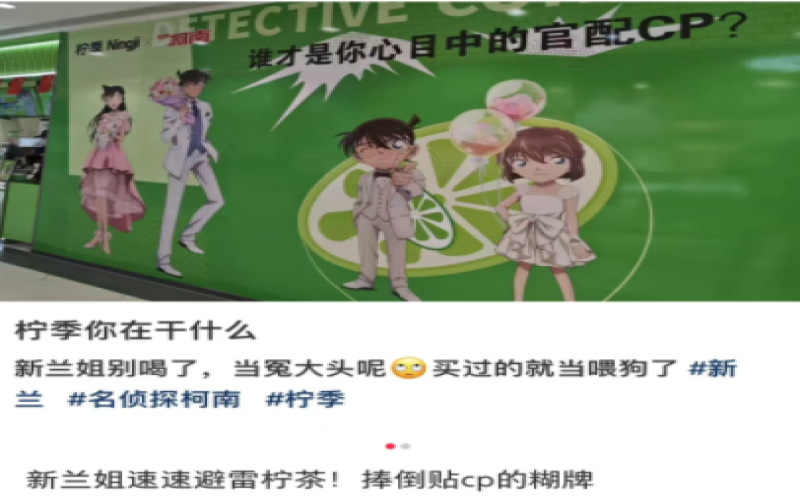
Lemon Tea's Detective Conan collaboration poster sparked controversy; after apologizing, the brand shifted blame to franchisees and faced scrutiny.
Hand-shaken lemon tea brand Ningji recently announced a collaboration with the Japanese anime "Detective Conan," but found itself embroiled in controversy over CP-themed posters displayed in its stores. The posters placed Conan alongside Haibara Ai, and Shinichi Kudo alongside Ran Mouri, sparking strong discontent among fans of the original work. Although Ningji quickly issued an apology statement, attributing the incident to unauthorized actions by an individual franchisee, netizens and industry insiders broadly rejected this explanation, believing the brand was clearly derelict in its material review and respect for the IP. Notably, this is already the second time this year that Ningji has publicly apologized over problems with marketing material oversight. For coffee and tea beverage enthusiasts, how collaborative marketing can strike a balance between respecting the original work and consumers has once again become an industry topic worth watching. [more…]
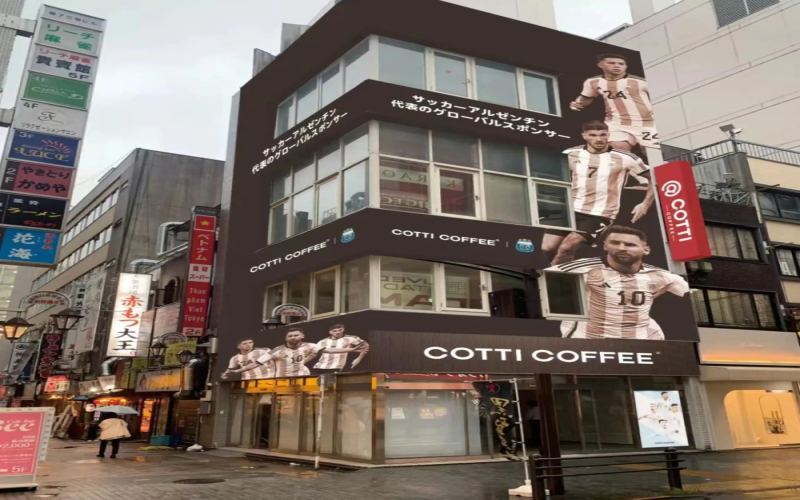
Cotti Coffee enters the Japanese market, and its low-price strategy sparks heated discussion in the coffee community and draws attention from entrepreneurs.
Since announcing its global strategy in August this year, Cotti Coffee has quickly opened two stores in Tokyo, Japan, drawing local consumer attention with opening promotional prices of 100-300 yen, and being dubbed by netizens as the "king of value for money." However, after the promotional period, prices will rise back to 500-650 yen, directly targeting well-known brands such as Starbucks. Japan's coffee market is fiercely competitive, with about 70,000 coffee shops nationwide. As a brand established only one year ago, why is Cotti in such a hurry to open stores in a mature market? Can its "Coffee Dreamer Program" and regional partner model help its overseas expansion? This article will provide an in-depth analysis of Cotti's international layout and the challenges it faces. [more…]
A Complete Guide to Japanese Canned Coffee Brands: Boss, Georgia, and Wonda Flavor Comparison and Buying Guide
Canned coffee is ubiquitous in Japan, but it is not common in other countries and regions. Therefore, when traveling to Japan, facing the diverse brands on shelves and in vending machines, it is natural to feel curious and even want to try them one by one. Since UCC Ueshima Coffee launched portable canned coffee in 1969, many major manufacturers have successively entered the market, with increasingly sophisticated packaging and flavors gradually shifting towards sugar-free and low-sugar options. This article will introduce the popular products of three brands: Boss, Georgia, and Wonda, and share a tip on how to heat canned coffee without a microwave in a hotel by using a water bath, helping coffee lovers better enjoy this convenient beverage during their travels. [more…]
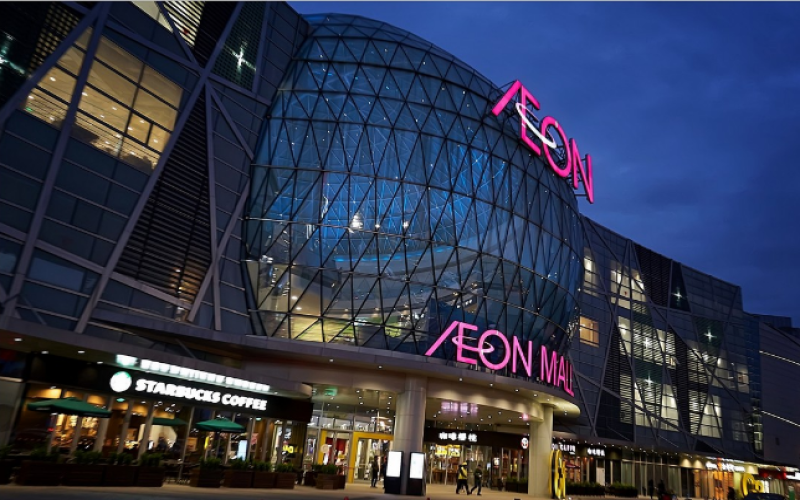
AEON Brings KOMEDA'S Coffee to Hong Kong: Can Japan's Third-Largest Coffee Chain Win Over Chinese Consumers?
Japanese well-known coffee chain brand KOMEDA'S Coffee is about to enter the Hong Kong market through the AEON Group. Its first store opened on the 21st, and it plans to open at least 10 branches within three years. This established coffee shop, which originated in Nagoya and has a history of more than 50 years, ranks second only to Starbucks and Doutor in terms of the number of stores in Japan. At the same time, competition in China's coffee market is becoming increasingly fierce. Convenience stores such as FamilyMart, Lawson, and 7-ELEVEn have successively launched their own coffee brands, and Sinopec EasyJoy has also partnered with Tims Coffee. Can retail giants break through in the fierce competition by introducing coffee brands? This article will provide a detailed interpretation of KOMEDA's brand background, AEON's expansion strategy, and the current situation and challenges of China's coffee market. [more…]
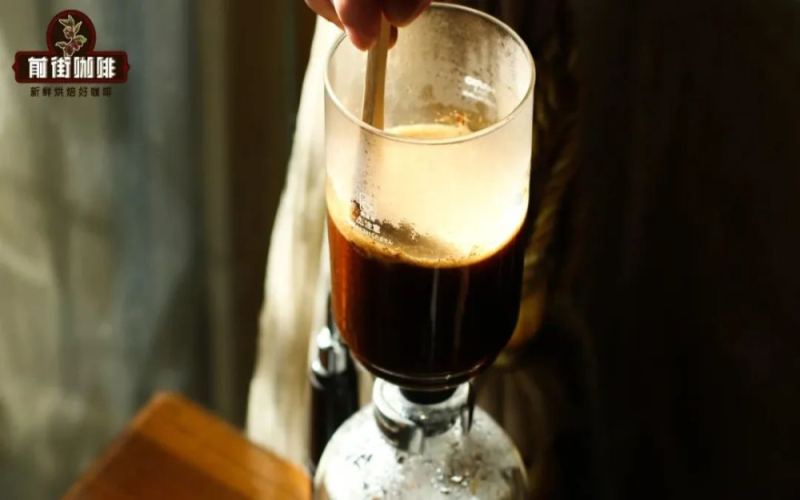
Why is siphon coffee gradually being replaced by pour-over? And which is the most well-known siphon brand in Japan?
The siphon pot, once a staple of specialty coffee shops, now seems to be quietly fading into the background. This brewing device, with its distinctly laboratory-like air, predates pour-over coffee by nearly a hundred years, and it was in Japan that it truly flourished, giving rise to a unique Japanese siphon aesthetic. Yet, in an era where fruity acidity has become mainstream and efficiency is paramount, why has the siphon pot lost out to pour-over? And who is Japan's most renowned siphon pot brand? This article will take you through the origins and popularity of the siphon pot, analyze the core reasons it was replaced by pour-over, and preserve Front Street's observations and recommendations regarding this classic device. [more…]
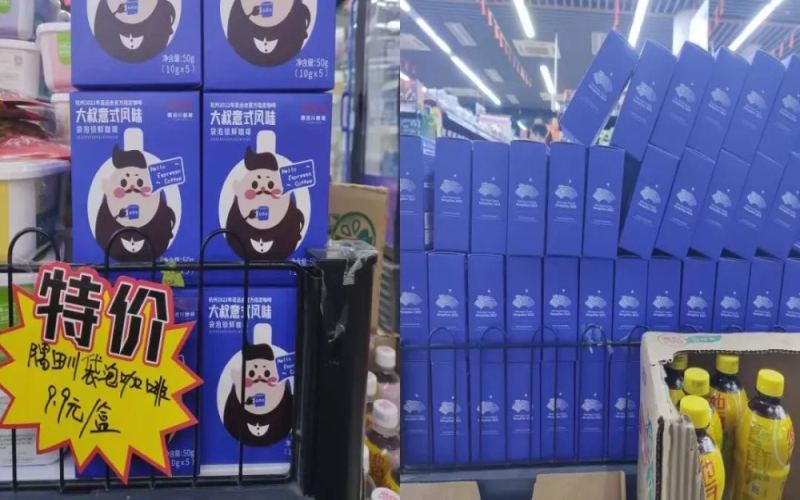
Sumida River Coffee's Executive Changes and Near-Expiry Product Controversy: Challenges on the Brand Expansion Path
Sumida River Coffee once used "fresh-lock" technology and Japanese manufacturing as selling points, achieving impressive results in the online market and setting a goal of exceeding 1 billion in offline revenue within three years. However, recently, issues such as the departure of its CMO and consumer complaints about near-expiry products have surfaced, exposing the brand's inventory and channel challenges amid rapid expansion. This article reviews Sumida River's development history, marketing strategies, and offline dilemmas, interspersed with Front Street brand recommendations, offering coffee enthusiasts an in-depth observation. [more…]
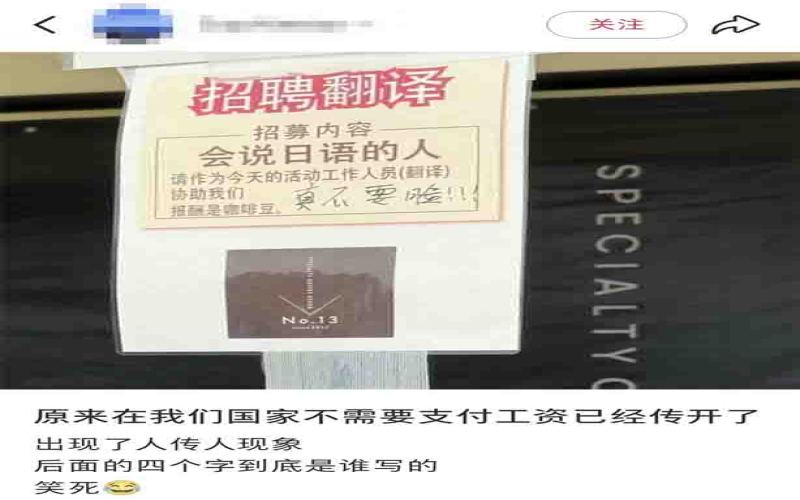
Coffee festival recruitment for Japanese translators offers coffee beans as payment, sparking both jokes and heated discussion online
Recently, at a coffee festival in Jiangmen, Guangdong, a coffee bean stall put up a notice recruiting a Japanese translator, claiming the payment would be coffee beans, which sparked widespread discussion online. In photos taken by passersby, someone had written "Shameless" in large characters in the blank space on the recruitment board. Netizens had mixed views: some joked, "Is it pure gold coffee beans?", while others speculated that the stall owner originally intended to recruit volunteers and thank them with coffee beans. The poster revealed that the stall owner might not understand Chinese and was unaware of the message. This article reviews the course of the incident and the views of all parties, and retains recommendations related to the Front Street brand. [more…]

Japanese-Style Hand-Drip Method Operation Guide: How the Kono Drip Method Brews a Rich, Full-Bodied Coffee Flavor
The drip method, a highly distinctive extraction technique in Japanese-style pour-over, was developed in 1973 by the Kono family, founders of the Kono brand, with the aim of giving coffee a richer, fuller body. This technique involves slowly saturating the coffee grounds with an extremely fine stream of water; only after the coffee bed has absorbed its fill of water and finished degassing does the coffee liquid begin to drip out in significant quantities. Starting from the operational details, this article explains the water-control techniques and judgment criteria for the drip method, and, combined with the brewing performance of Front Street Coffee's Golden Mandheling, guides you through the spice, caramel, dark chocolate, and popcorn-like rich flavors this technique brings out, as well as the lingering Pu'er tea finish after swallowing. [more…]

Spanish Latte Didn't Originate in Spain? The Birthplaces of Ice Drip and Cold Brew, and the Beautiful Misunderstanding Behind the Name Arabica
There are quite a few interesting trivia facts hidden in the world of coffee: the Spanish latte is actually not a native Spanish drink, but originates from a candy coffee called Café Bombón; the inventor of cold brew coffee was not Japanese either, but the Dutch of the Age of Discovery. Although the cold drip tower is a Japanese improvement, the roots of cold brew as an extraction method lie in the West; and the name Arabica stems from a beautiful misunderstanding—it rose to prominence in Yemen, yet it did not originate in Arabia. Its true homeland is Ethiopia. This article guides you through these coffee trivia facts one by one, while retaining relevant recommendations from the Front Street brand for coffee enthusiasts to gain a deeper understanding. [more…]

An Analysis of the Japanese Volcano Pour-Over Technique: A Complete Guide from Principle to Practice
The volcano pour is a pour-over coffee technique that originated in Japan. Thanks to its distinctive spiral pouring and blooming method, it has earned a solid reputation among coffee enthusiasts. Through staged pouring and the formation of a central volcano-shaped coffee bed, it allows the coffee to extract a more balanced layering of flavors. This article will break down the steps of the volcano pour, its key points, and the typical characteristics of Japanese-style pour-over, helping you reproduce this technique at home. At the same time, Front Street Coffee, a specialty coffee brand in Dongshankou, Guangzhou, also provides practical reference and equipment suggestions for this article. [more…]
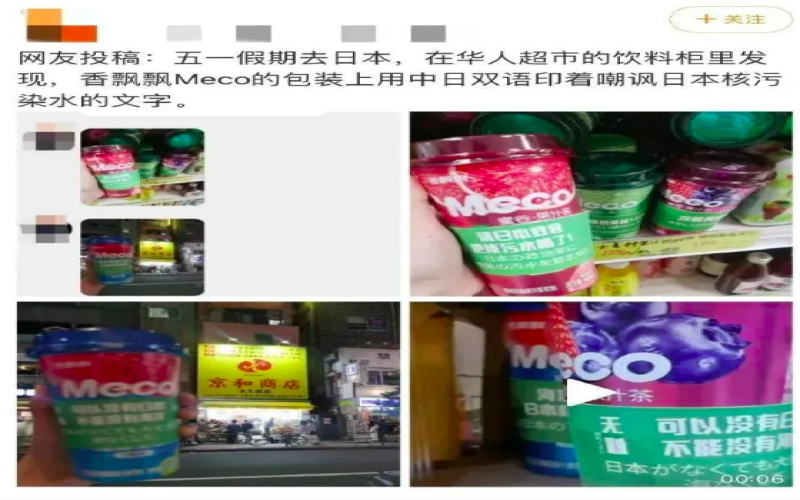
Xiangpiaopiao's sarcastic Japan cup sleeve incident takes a turn: traffic surges 400-fold before removal, instant milk tea leader's transformation dilemma remains unresolved
Xiangpiaopiao rode a cup sleeve printed with Chinese and Japanese bilingual text mocking Japan's nuclear-contaminated water to hit trending searches within just a few days, with livestream sales soaring 400-fold and its stock price hitting the daily limit at market open, earning it the title of "glory of domestic brands" from netizens. But the story soon took a dramatic turn—local supermarkets in Japan denied selling products with the cup sleeve, media questioned it as staged hype, the cup sleeve was taken off shelves on May 8, and the stock price fell back accordingly. Behind this "windfall from heaven" lies a deeper anxiety: powdered milk tea made with non-dairy creamer is struggling amid the rise of freshly made tea drinks and shifting health-conscious consumer attitudes. Competition from brands like Heytea and Mixue Bingcheng has driven Xiangpiaopiao's performance down for three consecutive years, making a shift to ready-to-drink products an inevitable choice. This article walks through the entire timeline of the incident and explores the real impact of this traffic storm on the brand's image. Follow Front Street Coffee and let's savor the ups and downs of the coffee and tea beverage industry together. [more…]
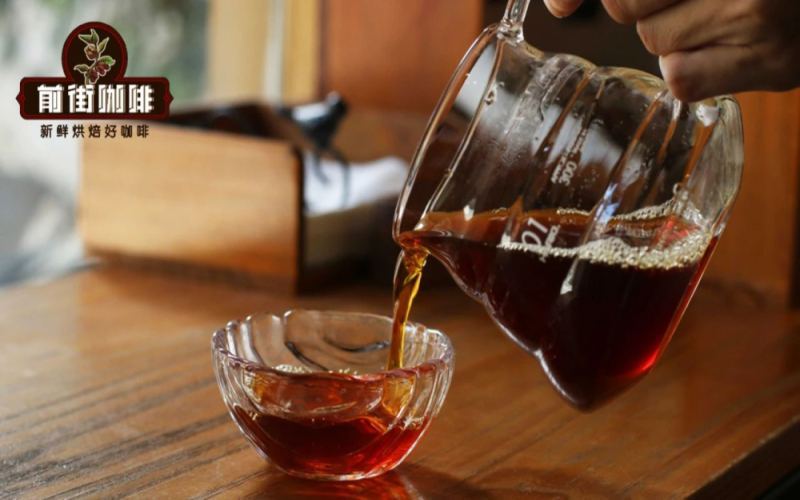
What Japanese Blue Mountain coffee brands are there? Is authentic Jamaican Blue Mountain coffee only available in Japan?
When Blue Mountain coffee is mentioned, many people think of claims like "extremely expensive" and "authentic Blue Mountain can only be bought in Japan." These impressions actually stem from a period of coffee trade history between Jamaica and Japan in the last century. Today the market landscape has long since changed: Jamaican Blue Mountain coffee can be imported directly into China, and consumers can buy authentic Blue Mountain beans with certificates of origin through proper channels. This article will trace the origins of the relationship between Japan and Jamaican Blue Mountain coffee, explain the current state of Blue Mountain coffee imports, introduce the grading standards for Blue Mountain green beans, and share Front Street Coffee's roasting approach and pour-over brewing parameters for Blue Mountain No. 1, helping coffee lovers gain a clearer understanding of this classic coffee. [more…]
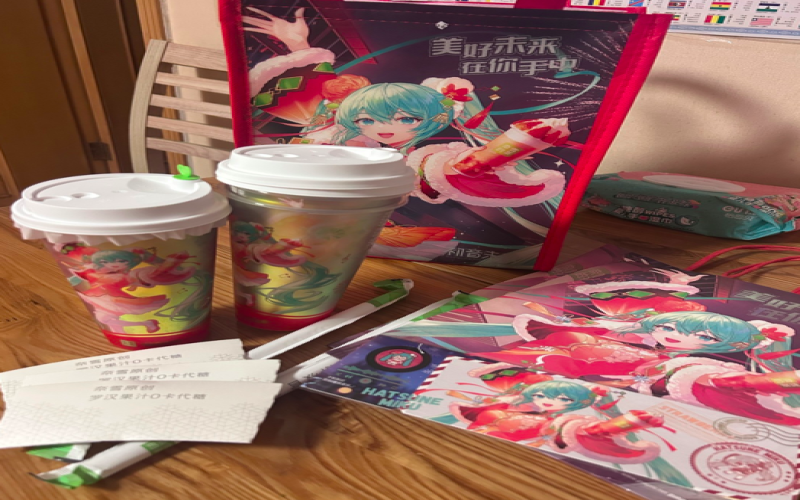
Nayuki's collaboration with Hatsune Miku sparks a cosplay controversy, internal emergency halt on employees' abstract stunts
Nayuki launched a collaboration with Japanese virtual singer Hatsune Miku, releasing a theme song, limited-edition drinks, and merchandise, attracting a large number of fans to visit stores and check in. However, some store employees cosplayed as Hatsune Miku in exaggerated ways, such as wearing masked headpieces, and were jokingly called by netizens "the century's meeting of the realist and abstract schools," sparking heated discussion. The brand subsequently issued an urgent notice strictly prohibiting employees from cosplaying as Hatsune Miku again, believing that such behavior damages the brand image and may invite complaints. But many fans said they were not offended and instead found it amusing. This collaboration controversy reflects the delicate balance between employees' individualized expression and brand management when tea beverage brands cooperate with ACG IPs. [more…]