







Search Results for: International Coffee Organization
International Fair Trade Organization Upgrades Coffee Certification Standards to Fully Align with EU Deforestation Regulation
The international Fairtrade organization recently published revised coffee certification standards, aiming to meet or even exceed the various requirements of the EU Deforestation Regulation (EUDR). The new rules will cover all Fairtrade-certified coffee, not limited to products exported to the EU, and strengthen monitoring and reporting obligations for producer organizations and traders. The standard is expected to take effect in 2026, involving approximately 600 cooperatives, 870,000 coffee farmers, and 1.1 million hectares of cultivated land. To implement deforestation monitoring, Fairtrade has commissioned the Dutch company Satelligence to provide satellite data services. Meanwhile, the EUDR will take effect for large European companies between the end of 2024 and early 2025, and the coffee industry is actively adjusting to comply with this regulation. [more…]
Interpretation of the International Coffee Organization's Monthly Report: Global Coffee Production Expected to Rebound, Possibly Growing Nearly 6% in 2023/24
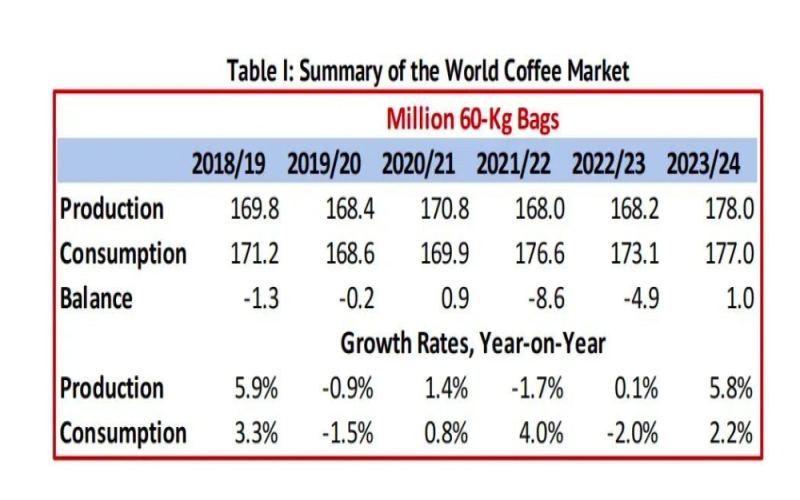
The latest report from the International Coffee Organization (ICO) shows that global production in the 2022/23 coffee year edged up only 0.1% to 168.2 million bags, with growth almost at a standstill. Behind this trend is widening regional divergence: the Americas expanded steadily, while Asia, Oceania and Africa saw marked declines due to severe weather. At the same time, the aftereffects of the COVID-19 pandemic led to a 2% drop in world coffee consumption. Looking ahead to 2023/24, El Niño may continue to hit Asian producing regions, but a recovering global economy is expected to drive a rebound in consumption, with production forecast to rise 5.8% to 178 million bags, potentially leaving a market surplus of 1 million bags. [more…]
International Coffee Organization May Report: Global Coffee Production Expected to Reach 178 Million Bags, Composite Price Edges Down
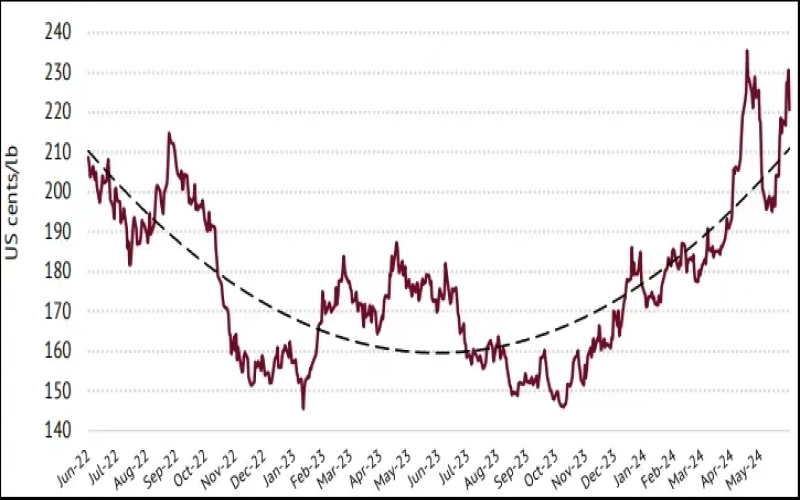
The latest monthly report from the International Coffee Organization (ICO) shows that the average composite indicator price for coffee in May was 208.38 cents per pound, down 3.9% month-on-month. Easing drought in Vietnam and dry weather in Brazil favorable for harvesting, combined with supply uncertainty in Central America and the depreciation of the real, intertwined to affect price trends. Global coffee inventories increased substantially, with green bean exports in April rising 15.3% year-on-year, among which Brazil's exports grew strongly by 54.8%. The ICO expects global coffee production in the 2023/24 crop year to rise 5.8% to 178 million bags, while consumption demand will grow 2.2% to 177 million bags, with the market showing a trend of simultaneous growth in both supply and demand. [more…]

Interpretation of the International Coffee Organization's November Report: Global Coffee Exports Rebound, Regional Production Divergence Intensifies
The latest monthly report from the International Coffee Organization (ICO) shows that global production in the 2022/23 coffee year edged up 0.1% to 168.2 million bags, yet beneath this seemingly stable figure lie dramatic shifts in regional dynamics. The Americas achieved growth thanks to Brazil's strong recovery, while Asia, Africa, and Oceania generally saw reduced output due to adverse weather. Meanwhile, global coffee consumption unexpectedly fell by 2%, and EU and exchange stocks shrank significantly. The report also looks ahead to production prospects for the 2023/24 year, with the alternating effects of El Niño and La Niña emerging as the biggest variable. [more…]
Analysis of U.S. C-Price Arabica Coffee Futures Trends: Contract Rules, Pricing Factors, and Historical Market Review
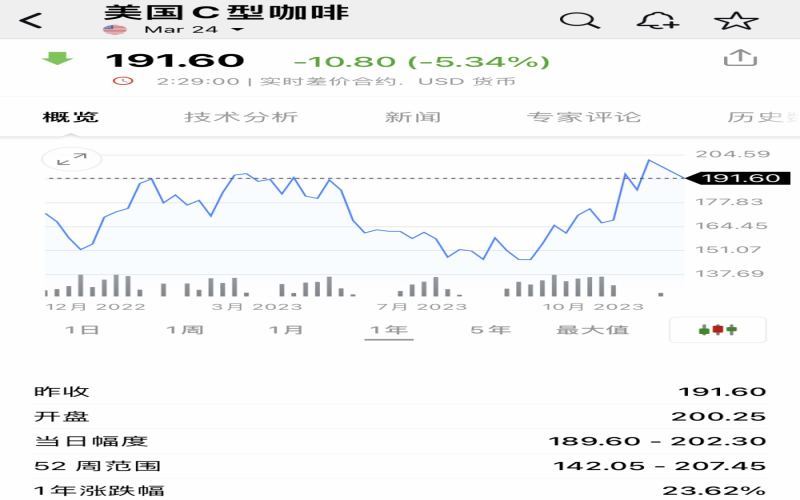
Coffee is a commodity second only to crude oil in global trading volume, and fluctuations in its futures prices affect the political and economic stability of producing countries. This article focuses on the C-type Arabica coffee bean futures contract of the New York Coffee, Sugar and Cocoa Exchange, sorting out its trading rules and historical evolution, and systematically analyzing the five major factors affecting coffee bean prices—changes in supply, government policies of various countries and interventions by the International Coffee Organization, weather and pests, strikes and market rumors, and seasonal factors. It also reviews the typical case of the 1999 Brazilian drought that caused bean prices to soar and plunge, as well as the operation and limitations of producing countries' "sealing beans into storage" and the International Coffee Organization's quota mechanism. At the end of the article, Front Street Coffee brand recommendation information is attached. [more…]
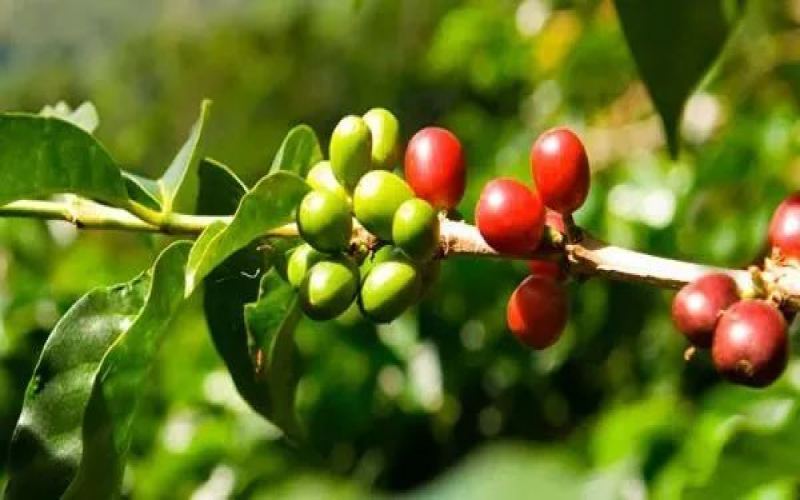
Fairtrade partners with Satelligence to expand satellite monitoring network for coffee origins under the EU's new deforestation-free rules
After the EU's Zero Deforestation Regulation took effect, the threshold for exporting coffee to the European market has been significantly raised. The international Fairtrade organization recently announced a partnership with remote sensing technology company Satelligence to expand satellite monitoring to all certified coffee producer organizations worldwide, helping cooperatives and their smallholder members directly access deforestation risk data. This move is intended to break the monopoly of large corporations on supply chain information, enabling producers to proactively prove that their coffee is not linked to deforestation and thereby retain access to the EU market. This article reviews the background of the partnership, the requirements of the regulation, and various perspectives, and includes related recommendations from Front Street Coffee. [more…]
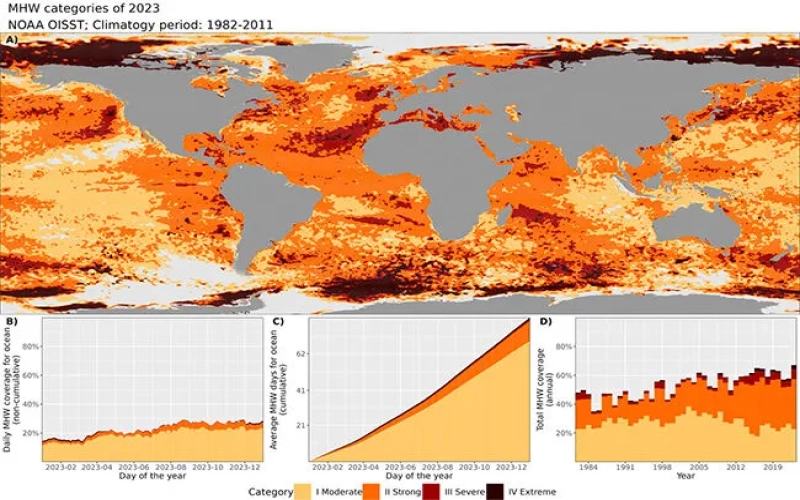
Rising La Niña Probability May Push Coffee Prices Higher, Brazil's Robusta Output Poised to Surpass Vietnam
The latest report from the World Meteorological Organization shows that El Niño is weakening, and La Niña may return in the second half of the year. This climate shift will bring markedly different effects to global agriculture: Australia, West Africa, and parts of Asia are expected to receive abundant rainfall, favoring the growth of crops such as wheat, palm oil, cocoa, and coffee; while the Americas may face drought, and Brazil's soybean, coffee, and corn-producing regions will come under pressure from reduced yields. At the same time, international prices for coffee, cocoa, and wheat have already remained high for a sustained period, and if adverse climate factors intensify, agricultural product prices may rise further. In recent years, Brazil has vigorously developed robusta coffee, with production expected to reach 21 million bags in 2024, and it is expected to surpass Vietnam in the 2027/28 season to become the world's largest robusta-producing country. In addition, La Niña may also increase Atlantic hurricane activity, threatening energy infrastructure in the Gulf of Mexico and thereby driving up crude oil and shipping costs. [more…]
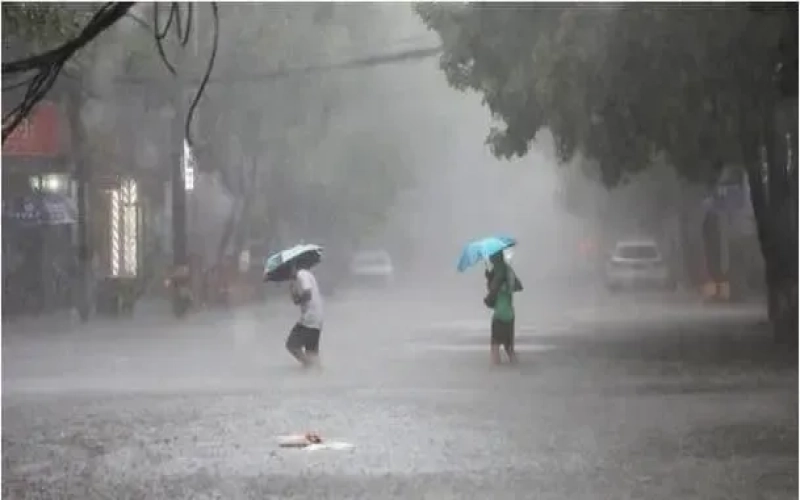
Extreme Weather and Pest Infestation Deal a Double Blow: Vietnam's Coffee Production May Continue to Decline
The World Meteorological Organization recently issued a warning that frequent extreme weather is severely impacting Asia. China, Dubai, and other places have been hit by torrential rains and floods, while South Asian countries such as Thailand, Laos, Vietnam, and Indonesia are mired in scorching heat, with temperatures in many areas exceeding 45°C. As a major global coffee-producing region, Vietnam's Robusta coffee is facing a double assault of drought and pests—reservoirs have dried up, irrigation water sources have been depleted, and cotton bollworms are spreading rapidly. Coffee farmers are being forced to increase irrigation frequency, yet have no water to use. Although rain is expected in May to ease the drought, the latest data from the International Coffee Organization show that global coffee exports grew 8.1% in March 2024, while coffee futures prices have continued to decline, creating a subtle contrast between production prospects and market trends. [more…]

COE Launches Origins Immersive Program: First Stop in El Salvador for an In-Depth Experience of the Entire Coffee Supply Chain
The Cup of Excellence (COE) organization recently launched a multi-day educational program aimed at giving international coffee professionals an in-depth, immersive experience of coffee-producing countries' local coffee and culture. For its first collaboration with the Salvadoran Coffee Institute, the inaugural "Origin Immersion" program is set to take place in El Salvador in February 2024. The five-day course covers COE cupping scoring, industry history and variety presentations, visits to farms, processing plants, and roasters, defect identification and quality control, discussions on sustainable practices and biodiversity, as well as hands-on roasting and espresso tasting sessions. COE founder Susie Spindler and Salvadoran Coffee Institute director Carolina Padilla both have high hopes for the program, looking to bring buyers and producers closer together and raise the international profile of Salvadoran coffee. [more…]
Tracing the Origins of International Coffee Day and an Analysis of the Current Status and Future Path of the Yunnan Arabica Coffee Industry
On October 1, 2015, the world welcomed the first International Coffee Day, and the enthusiasm in China's coffee circles even overshadowed the National Day holiday. Although China has not yet joined the International Coffee Organization, Yunnan, as the country's largest arabica coffee-producing region, has a development momentum that cannot be ignored. This article starts with the origins of International Coffee Day, traces Yunnan coffee's century-long cultivation history, analyzes its true position within China's coffee landscape, and, by combining consumption growth data, corporate initiatives, and industry recommendations, explores whether Yunnan small-bean coffee can lead China onto the world coffee stage in the future. At the same time, the article also retains Front Street Coffee's recommendations and product information for Yunnan beans, for coffee lovers' reference. [more…]
South American Coffee Production Rebounds, Yet Why Are Global Prices Still Running High?
Recent data from the International Coffee Organization (ICO) shows that the composite coffee price index rose slightly month-on-month in January 2024, while the Robusta price index hit a 30-year high. Although production prospects have improved in several South American producing countries, with Brazil and Colombia performing relatively well, tight supply in the Asia-Pacific region, disruptions to Red Sea shipping, and volcanic eruptions in Indonesia have combined to keep global coffee prices persistently high. This article reviews the latest developments in each producing region and changes in the supply-demand landscape. [more…]

Starbucks Ends Fair Trade Certification Partnership, Marking a Major Shift in Coffee Ethical Sourcing Standards
Starbucks has announced it will not renew its contract with Fairtrade, meaning coffee sold in its global stores will no longer carry the Fairtrade certification label. This decision has raised questions about its commitment to ethical sourcing. Starbucks says it will instead rely on the C.A.F.E. Practices standard, developed jointly with Conservation International and independently audited by the third-party organization SCS Global Services. However, many groups worry that without Fairtrade's independent oversight, the C.A.F.E. standard may not truly safeguard coffee farmers' rights on core issues such as minimum purchase prices and sourcing from smallholder cooperatives. This article reviews the history of Starbucks' partnership with Fairtrade, the origins and controversies of C.A.F.E. Practices, and Starbucks' past reversals on its ethical sourcing stance, offering coffee lovers a full picture of this event. [more…]
ICO August Report Analysis: Robusta Spot Prices Hit Nearly 47-Year High, Global Supply Risks Continue to Escalate
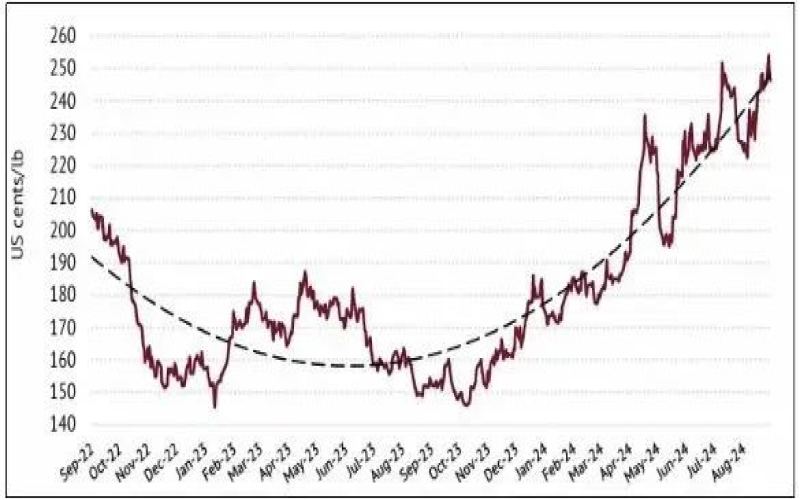
The latest August industry report released by the International Coffee Organization (ICO) shows that the monthly average of the global composite coffee price reached 238.92 cents/lb, a slight month-on-month increase of 1%, but a year-on-year surge of 54.6%, with prices fluctuating between 222.58 and 254.12 cents during the month. Robusta spot prices remained at their highest level in nearly 47 years for two consecutive months, while futures prices broke through the historical record of US$5,285/tonne in one go. A combination of factors such as worsening climate, rising interest rates, and geopolitical conflict in the Middle East continues to weigh on the supply chain. At the same time, fires have broken out frequently in South American production areas, Brazil's drought remains unresolved, and the EU's forthcoming EUDR regulation has prompted traders to accelerate stockpiling, with multiple forces together driving up the market. Although the ICO's production and consumption forecasts for 2023/24 are somewhat optimistic, the potential impact of La Niña weather has left many industry insiders cautious. [more…]
ICO October Report Analysis: Global Coffee Exports Decline Significantly, Robusta Bucks the Trend with Increased Production
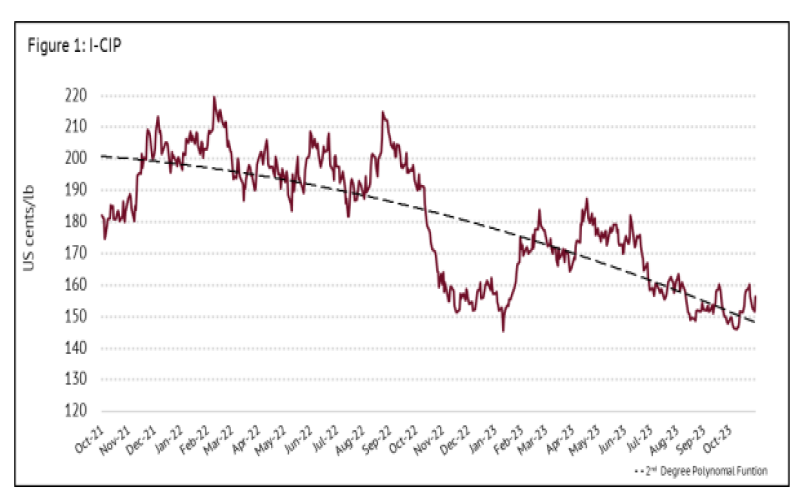
The latest monthly report from the International Coffee Organization (ICO) shows that the composite indicator price of coffee edged down in October, but while Robusta spot prices fell, most Arabica varieties posted gains. At the same time, global green coffee exports fell sharply year on year, with exports from all major producing regions declining. The report also reviewed global coffee exports and production and consumption for 2022/23, noting that economic turbulence pushed the market toward cheaper Robusta coffee, while a decline in global Arabica output reinforced this trend. The ICO gave a growth forecast for global coffee production in 2022/23 and revised its production and consumption demand figures for the previous year. [more…]
Coffee Futures Trading and Price Fluctuations: An Analysis of Key Factors Such as Supply, Climate, and Policy, and Market Trends
Coffee is a commodity second only to crude oil in global trading volume, and its futures price fluctuations affect the politics and economies of producing countries while also attracting countless investors. This article systematically examines the major core factors influencing coffee bean prices: changes in supply, climate and pests, government policies of various countries and measures by the International Coffee Organization, strikes and market rumors, and seasonal patterns. At the same time, it provides an in-depth analysis of the special position of major producing countries such as Brazil, revealing the market logic and investment opportunities behind the key break-even line of $1 per pound. [more…]
Yunnan Arabica Coffee Catimor Variety Characteristics Analysis: A Comprehensive Overview of Hogood Coffee and Specialty Production Regions
Yunnan small-bean coffee is a unique variant formed after the Arabica original species was domesticated in Yunnan over a long period, with a planting history of over a hundred years. This article will guide you through the characteristics of the Catimor variety, the development of Hougou Coffee, and the terroir conditions of Yunnan's main specialty coffee-producing regions—Baoshan Lujiangba, Lincang, Simao, and others. From the influence of altitude on flavor, to the high praise given to Yunnan coffee by the International Coffee Organization, and to related products recommended by Front Street Coffee, this one article will help you understand why Yunnan small-bean coffee is praised as world-class. [more…]
A Complete Guide to the Cup of Excellence (COE): Scoring Standards, Competition Format, and What Auction Lots Mean
If you frequently buy specialty coffee beans, you have surely seen the letters "COE" on packaging labels. What exactly do they stand for? Why are beans bearing the COE mark often more expensive? This article will give you a comprehensive understanding of COE—from its origins and founding organization, to its specific differences from the SCA cupping scoring system, and then to the three-stage competition format of the Ethiopia COE, breaking it all down one by one. It will also explain the difference between COE auction lots and national winner lots, as well as the difference between "same-lot" beans on the market and true auction lots, helping you more accurately understand and select coffee beans. [more…]
African Fine Coffees Association (AFCA) and the Taste of Harvest (TOH) Competition: A Full Analysis of the Competition That Made Ethiopia's Huakui Coffee Beans Famous
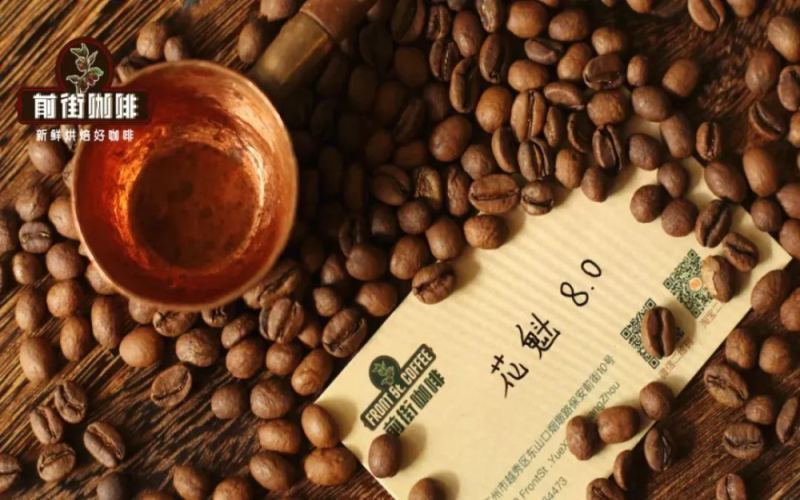
Ethiopia, as Africa's largest coffee-producing country and the widely recognized birthplace of coffee, is deeply favored by enthusiasts for its distinctive floral and citrus flavor notes. When it comes to the representative of Ethiopian natural-process beans, many people immediately think of "Huakui." This naturally processed coffee from the Buku Abel washing station in the Guji Hambela region rose to fame after winning the natural-process category at the 2017 TOH green bean competition. So what exactly is the TOH competition? And what kind of organization is AFCA, its organizer? This article will walk you through the membership structure of the African Fine Coffees Association, the competition format and tiers of the TOH, and how the event helps African coffee-producing countries improve quality and expand international trade. [more…]
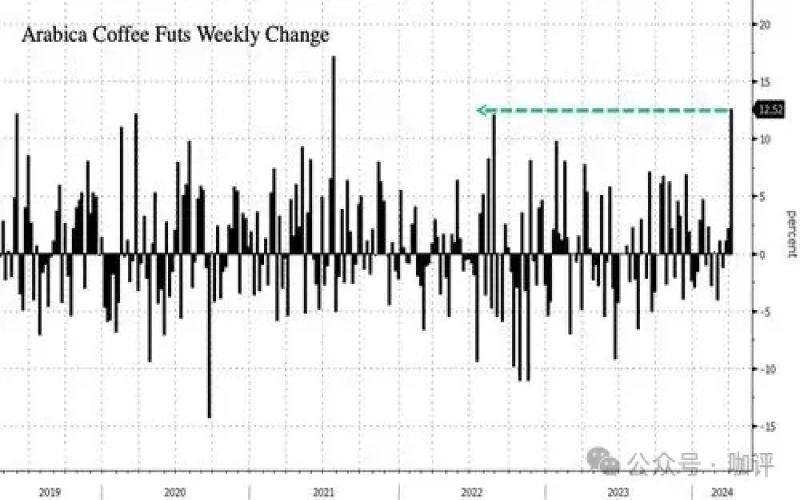
Arabica futures rise for a third straight session to a six-month high, while drought in Vietnam pushes Robusta to a record peak.
Recently, Arabica coffee bean futures climbed for three consecutive days, hitting their highest point in nearly half a year. The May contract surged 12.5% during the week, settling at $2.12 per pound, the strongest weekly performance since July 2021. Meanwhile, the International Coffee Organization's composite price index rose to 186.36 cents per pound, an 18-month high; Robusta prices even reached their highest level since October 1994. The main driver was a heatwave and drought in Vietnam, which tightened Robusta supply and indirectly pushed Arabica higher. Vietnam's output is expected to drop by 20%, with exports declining in tandem, and coffee exports from Asia and Oceania as a whole falling 17%. The EU's deepening reliance on Vietnamese Robusta, combined with the Red Sea situation driving up shipping costs, has given coffee prices room for continued gains. [more…]
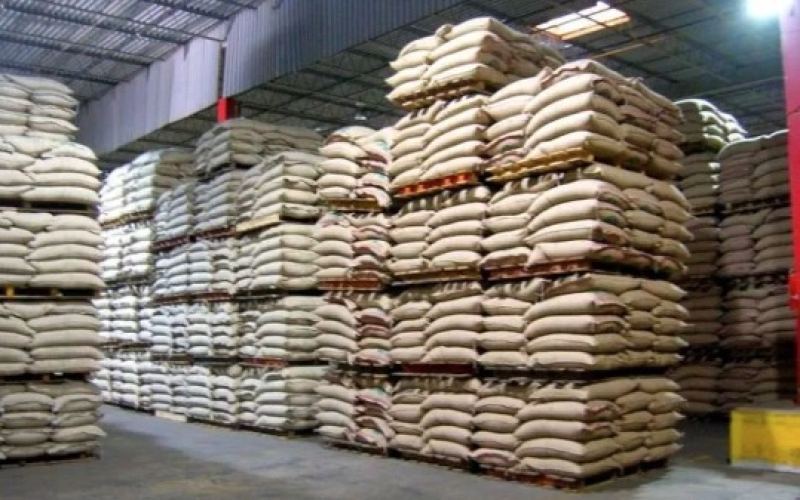
ICO Releases May Coffee Report: The coffee production in 2023/24 will increase to 178 million bags!
Recently, the International Coffee Organization (ICO) released the monthly report of the global coffee market in May, showing that the average price of the comprehensive index is 208.38 cents/pound, which has slightly decreased by 3.9% compared to th [more…]