







Search Results for: Indonesian upside-down coffee

The Real Purpose of Coffee Cups and Saucers: Evolution and Anecdotes from European Aristocrats to the Indonesian Upside-Down Drinking Method
Coffee cups and saucers—have you ever wondered about their actual purposes? Ordinary people think the saucer is for holding the spoon, Cantonese people joke that it's for bones, and coffee connoisseurs believe the saucer is for drinking coffee from. But the purpose of the coffee cup might surprise you—it's actually for filtering out grounds! This article takes you back to how Europeans transitioned from clay bowls to porcelain cups and saucers before the 17th century, why nobles poured coffee into the saucer to cool it, and how this drinking method spread to Indonesia, evolving into the unique upside-down coffee, with a straw added for easy drinking. Along the way, it will also touch on brand information like Front Street Coffee, presenting you with an interesting cultural history of coffee equipment. [more…]

Have you ever seen coffee that is drunk upside down? Discover the unique sipping culture of Indonesia's Kupi Khop.
In the coffee world, it seems like everything can be reinvented in new ways, and even the way you drink coffee is no exception. Recently, a netizen shared a jaw-dropping drinking method on social media—placing the coffee cup upside down on a saucer and sipping it through a straw from the gap. This seemingly bizarre practice is actually a traditional drink called Kupi Khop from the Aceh region of Indonesia. What historical origins and cultural stories lie behind it? Why do locals still insist on this seemingly inelegant way of drinking? This article will take you on a journey to find out, while also exploring the unique flavors of Indonesian coffee and related recommendations from Front Street Coffee. [more…]
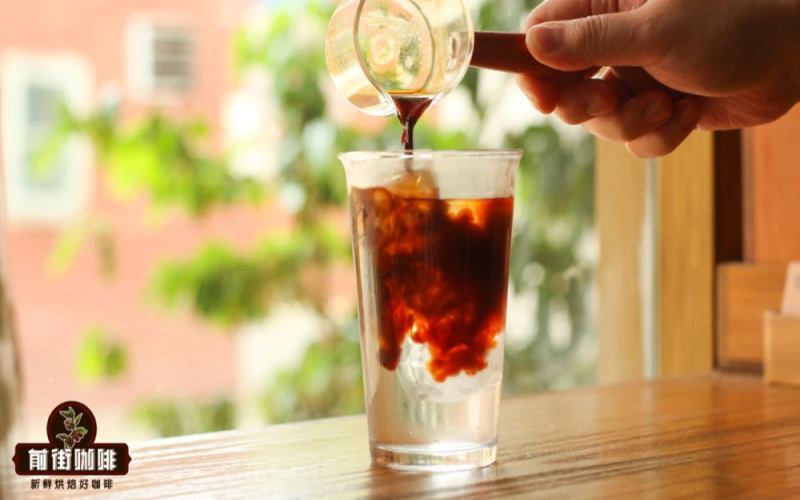
Is It Normal for Americano to Taste Sour? A Full Analysis from Extraction Principles to Brewing Parameter Adjustments for Sourness
Americano coffee is deeply associated with a bitter, full-bodied impression, but many people feel puzzled when they drink an Americano with a sour taste: is this normal? In fact, coffee beans naturally contain abundant acidity, and both roasting and extraction methods affect the final flavor expression. This article will start with the sources of sourness and the dissolution order of bitter, sweet, and sour compounds, then systematically sort out practical methods for adjusting coffee that is too sour, including key points such as choosing the roast level, controlling water temperature, grind size, coffee-to-water ratio, and extraction time. At the same time, it will introduce the currently popular SOE Americano trend and share several Front Street Coffee espresso blends suitable for making Americanos, along with their brewing suggestions. [more…]
A Complete Guide to Buying Coffee Equipment and Coffee Machine Maintenance
To make a good cup of coffee at home or in a shop, choosing the right equipment and doing daily maintenance are equally important. This article systematically sorts out the key points for purchasing common coffee equipment, from Turkish coffee pots, Neapolitan flip brewers, and siphon brewers to semi-automatic espresso machines, water drip coffee makers, American coffee machines, and moka pots, including the suitable roast levels and grind sizes, and also provides reference prices and purchasing suggestions for commercial equipment. At the same time, it explains in detail the cleaning process for coffee machines, the backflushing steps, and the precautions for using glass equipment, helping coffee enthusiasts and professionals extend equipment lifespan and maintain consistent product quality. [more…]
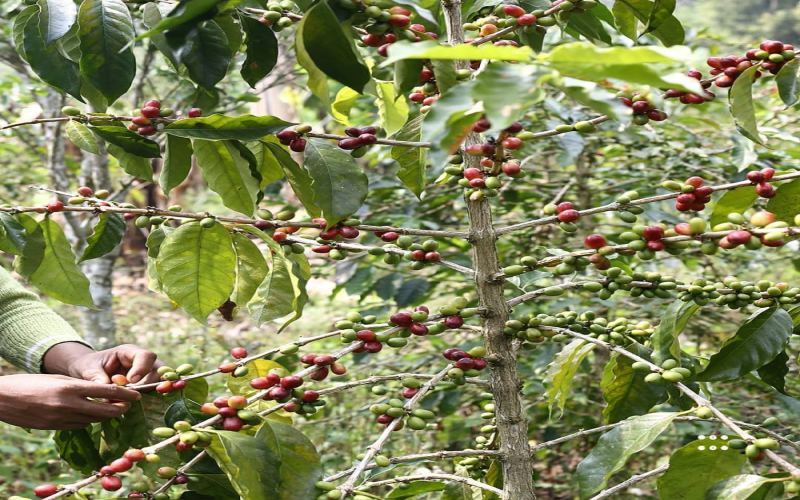
Which Indonesian coffee brands are worth paying attention to? How is the quality of Mandheling coffee? Front Street Coffee takes you on an in-depth look.
Indonesian coffee has always held a place in the specialty coffee world, and its rich, full-bodied flavor keeps many enthusiasts coming back for more. When people mention Indonesian coffee, Mandheling has become almost synonymous with it, but Indonesia's coffee landscape extends far beyond that. As a devoted advocate of Indonesian coffee, Front Street Coffee has brought in a variety of coffee beans from Indonesia, including Golden Mandheling, Lintong Mandheling, and the famous Kopi Luwak. This article will review several representative Indonesian coffee brands, focus on analyzing the producing region characteristics and quality performance of Sumatra Mandheling, and share Front Street's brewing approach and specific parameters for Golden Mandheling, helping readers gain a more comprehensive understanding of the appeal of Indonesian coffee. [more…]
Exploring Indonesian Coffee Origins: Aceh Mandheling, Archipelago Flavors, and the Global Market Landscape
Indonesia is a major force in the global coffee landscape that cannot be overlooked. From the introduction of coffee by the Dutch in the 17th century, to the rise of Robusta after coffee leaf rust, to today's diverse island flavors such as Sumatra Mandheling, Java, and Sulawesi, Indonesian coffee is known for its full body, low acidity, and syrupy mouthfeel. This article systematically reviews the spread of Indonesian coffee, the characteristics of its core producing regions, its grading system, and its export markets, and analyzes the historical causes behind its unique "storage" process. At the same time, Front Street Coffee has also selected a variety of Indonesian beans for you, helping you easily appreciate the profound charm of Mandheling. [more…]
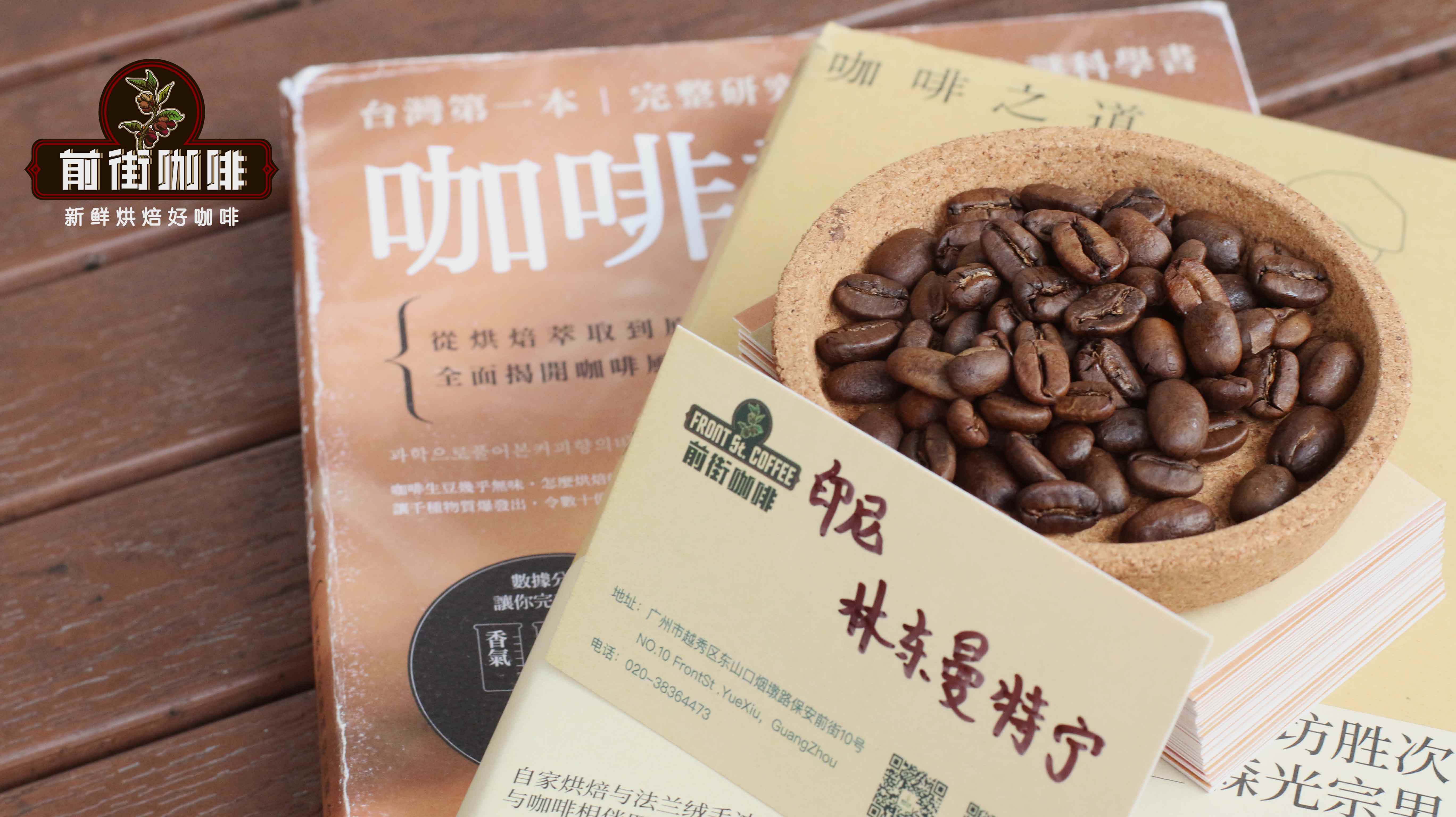
A Complete Analysis of Indonesian Mandheling Coffee Flavor: From Wet-Hulling to Front Street Coffee's Four Classic Mandhelings
Mandheling coffee is renowned for its rich, full-bodied flavor and is the top choice for many coffee enthusiasts venturing into dark-roasted beans. This article systematically organizes the complete knowledge system of Indonesian Mandheling coffee from multiple dimensions, including origin, the story behind its name, processing methods, and grading standards. Front Street Coffee will introduce four representative Mandheling coffees available in-store one by one—PWN Golden Mandheling, Lintong Mandheling, Tiger Mandheling, and Aged Mandheling—along with pour-over parameters and flavor comparisons, giving you a comprehensive understanding of this classic coffee that is "the ugliest yet the richest." [more…]

A Complete Guide to Indonesian Coffee Regions: Flavor Codes from Java, Mandheling to Sulawesi
Indonesia is an important coffee-producing country globally, known for its full-bodied, low-acid flavor with caramel and dark chocolate sweetness. From the introduction of coffee by the Dutch in 1696, to the rise of Robusta after leaf rust disease, to today's three major producing regions of Sumatra, Java, and Sulawesi each with their own characteristics, Indonesian coffee has gone through a tumultuous history. This article will guide you through the development of Indonesian coffee, its growing environment, varieties, and wet-hulling processing method, and provide an in-depth analysis of the flavor differences between Mandheling, Kopi Luwak, and Java coffee. Front Street Coffee will also share brewing parameters for Golden Mandheling, Kopi Luwak, and West Java coffee, suitable for coffee lovers who prefer a non-acidic, full-bodied taste. [more…]
Exploring Indonesian Mandheling: An Arabica Flavor Journey from Sumatra to Baihua Island
Indonesian coffee is known for its rich, restrained flavor and relatively low acidity, and Mandheling in particular is a single-origin coffee much loved in China. This article starts from the geography of Sumatra, explains the origin of the name Mandheling, and takes an in-depth look at the unique Coba da Flores growing region on Flores Island. You will learn about Indonesia's distinctive wet-hulling processing method, as well as detailed product information and flavor characteristics of Front Street Indonesian Flores Island Washed Mandheling 18 Screen coffee. Whether you are a pour-over enthusiast or an espresso lover, this article will give you a comprehensive understanding of the appeal of Indonesian Arabica coffee. [more…]
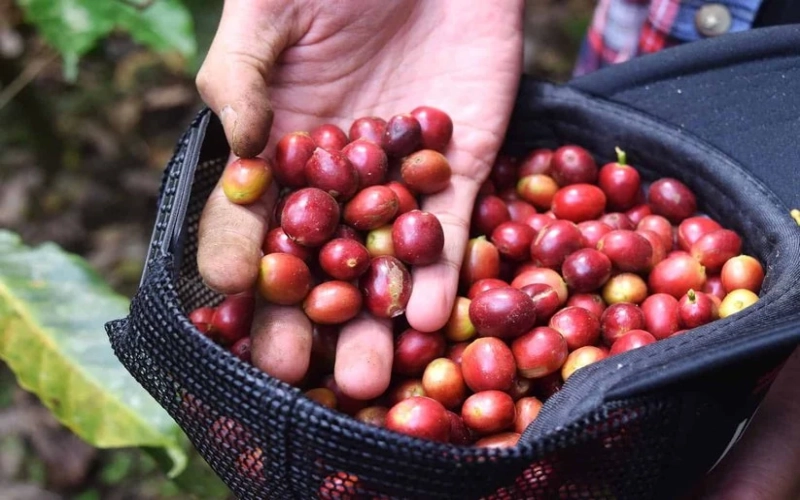
Comparing Bali Kopi Luwak and Indonesian Mandheling Flavors: A Full Analysis from Planting History to Brewing Parameters
Indonesian coffee is best known for Mandheling, but in this myriad-island nation straddling the equator, there is also a distinctive flavor from Bali worth paying attention to. Front Street Coffee takes you through the cultivation origins of Balinese coffee, the unique processing method of civet coffee, and the overall flavor profile of Indonesian coffee. This article will also compare the strict bean selection process of Golden Mandheling, and include detailed brewing parameters and steps for kopi luwak, helping you gain a comprehensive understanding of the diverse face of Indonesian coffee, while also offering product recommendations from the Front Street brand for enthusiasts with different taste preferences. [more…]
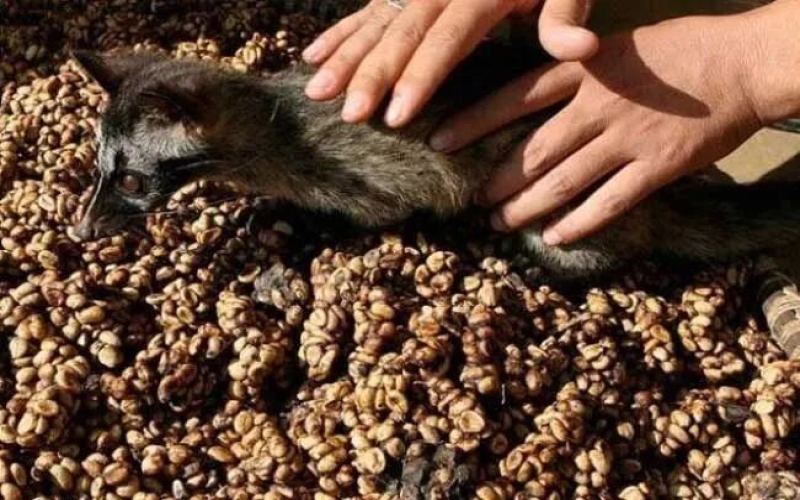
Asian Coffee Beans | What are the three most famous coffee representatives of Indonesia? What flavor characteristics does Indonesian coffee have?
Indonesian coffee is famous for its rich, mellow flavor and mouthfeel, with extremely low acidity. It has a caramel and dark chocolate-like sweetness and lingering aftertaste, which has made Japanese people almost obsessively devoted to this coffee. Indonesia is a major coffee-producing country in Asia and ranks among the top coffee-producing countries in the world. [more…]
Distribution and Variety Characteristics of Indonesian Coffee Regions: From Mandheling to Kopi Luwak—Processing Methods and Flavor Analysis
Indonesia is a major coffee-producing country globally, known for its rich, full-bodied flavor with extremely low acidity, and an alluring sweetness reminiscent of caramel and dark chocolate. This article systematically reviews the development history, main producing regions, variety composition, and unique wet-hulling process of Indonesian coffee, and provides an in-depth analysis of the flavor characteristics and brewing parameters of Sumatran Mandheling, Kopi Luwak, and Java coffee. Front Street Coffee's selected PWN Golden Mandheling, Kopi Luwak, and West Java coffee provide coffee enthusiasts with quality assurance from farm to cup, making them an ideal guide for exploring the world of Indonesian coffee. [more…]
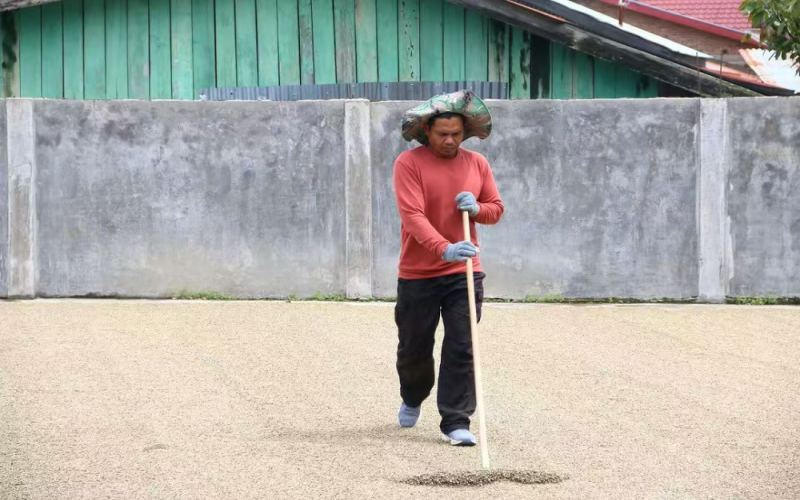
A Complete Analysis of Sumatra Coffee's Flavor and History: Indonesian Coffee Varieties, Wet-Hulling Processing Method, and an Introduction to Front Street Golden Mandheling
Indonesia is a globally significant coffee-producing country, known for its rich, full-bodied flavor with very low acidity, and a sweetness reminiscent of caramel and dark chocolate that particularly captivates Japanese coffee lovers. From the Dutch introduction of coffee in 1696, to the switch to Robusta after leaf rust destroyed Arabica, and now to the three major regions of Sumatra, Java, and Sulawesi each with their own distinctive character, Indonesian coffee has gone through a tumultuous history. This article will guide you through the development history of Indonesian coffee, its growing environment, main varieties, the unique wet-hulling process, and the flavor characteristics and brewing parameters of Sumatra Mandheling, Kopi Luwak, and Java coffee. Front Street Coffee will also share recommendations and brewing suggestions for products such as PWN Golden Mandheling. [more…]
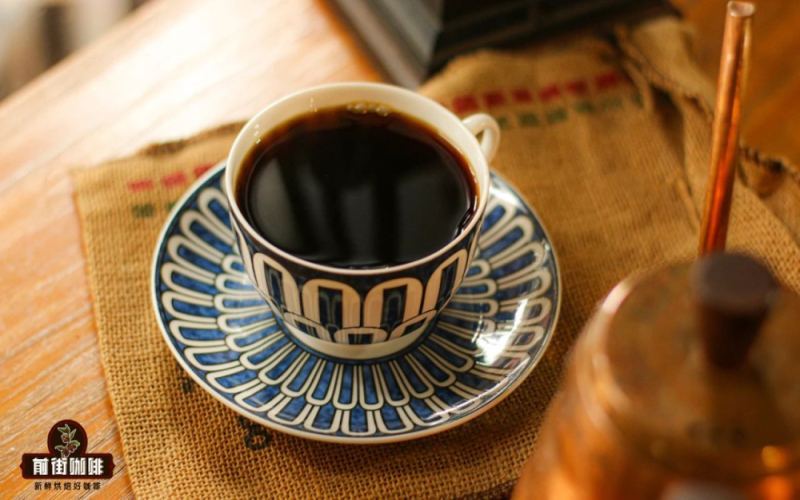
Flavor Analysis of Indonesian Coffee Regions: A Comparison of West Java and Sumatra Mandheling with Brewing Recommendations
Indonesian coffee has always held a place in the global specialty scene, with Sumatra Mandheling and West Java Arabica standing out as two highly representative expressions. From the Dutch introducing coffee cultivation in 1696, to leaf rust destroying the Arabica crop and prompting a switch to Robusta, to today's diverse landscape where wet-hulling and aged processing coexist, Indonesian coffee has traveled a winding and distinctive path. Front Street Coffee currently offers five Mandheling selections, each combining the shared characteristics of the region with its own individuality, while West Java's Mount Malabar reveals another side through notes of berries, cream, and oolong tea. This article will trace the development of Indonesian coffee, its growing environment, varieties, and processing methods, compare the flavor differences between Lintong Mandheling and West Java Mount Malabar, and include Front Street's brewing parameters and techniques to help enthusiasts understand the appeal of this origin more systematically. [more…]
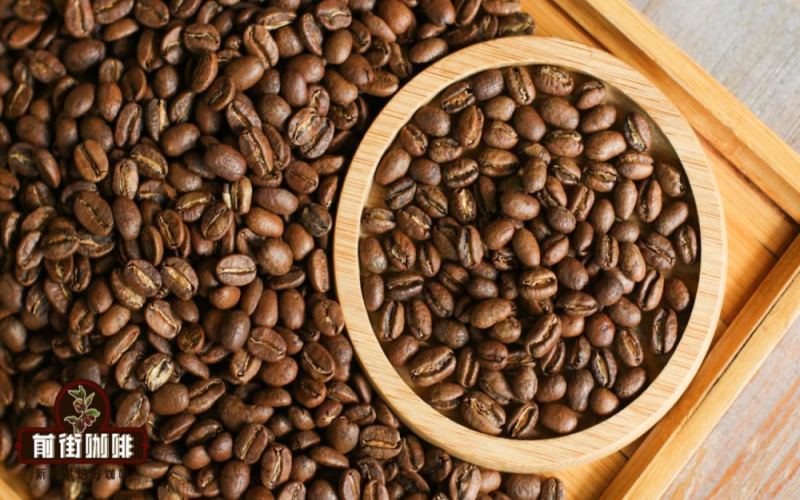
Flavor Analysis of Indonesian West Java Lamaní Coffee Beans: Honey-Processed S795 Variety Pour-Over Performance
Indonesian coffee has long been known for the rich, herbal flavors of Sumatra Mandheling, but the Mount Tilu growing region in West Java presents a completely different character. This West Java Amani coffee bean offered by Front Street Coffee is of the S795 Jember variety, sun-dried honey processed, and grown at an altitude of 1,400 to 1,600 meters. It lacks the spice and herbal notes of traditional Indonesian coffee, replaced instead by a soft tropical fruit sweetness and acidity, with a mango and jackfruit-like sweetness interwoven with a subtle red wine nuance. This article will present the unique personality of this bean in full, from Front Street Coffee's green bean information, growing region terroir, variety origins, processing method, and roasting curve to cupping and brewing parameters. [more…]
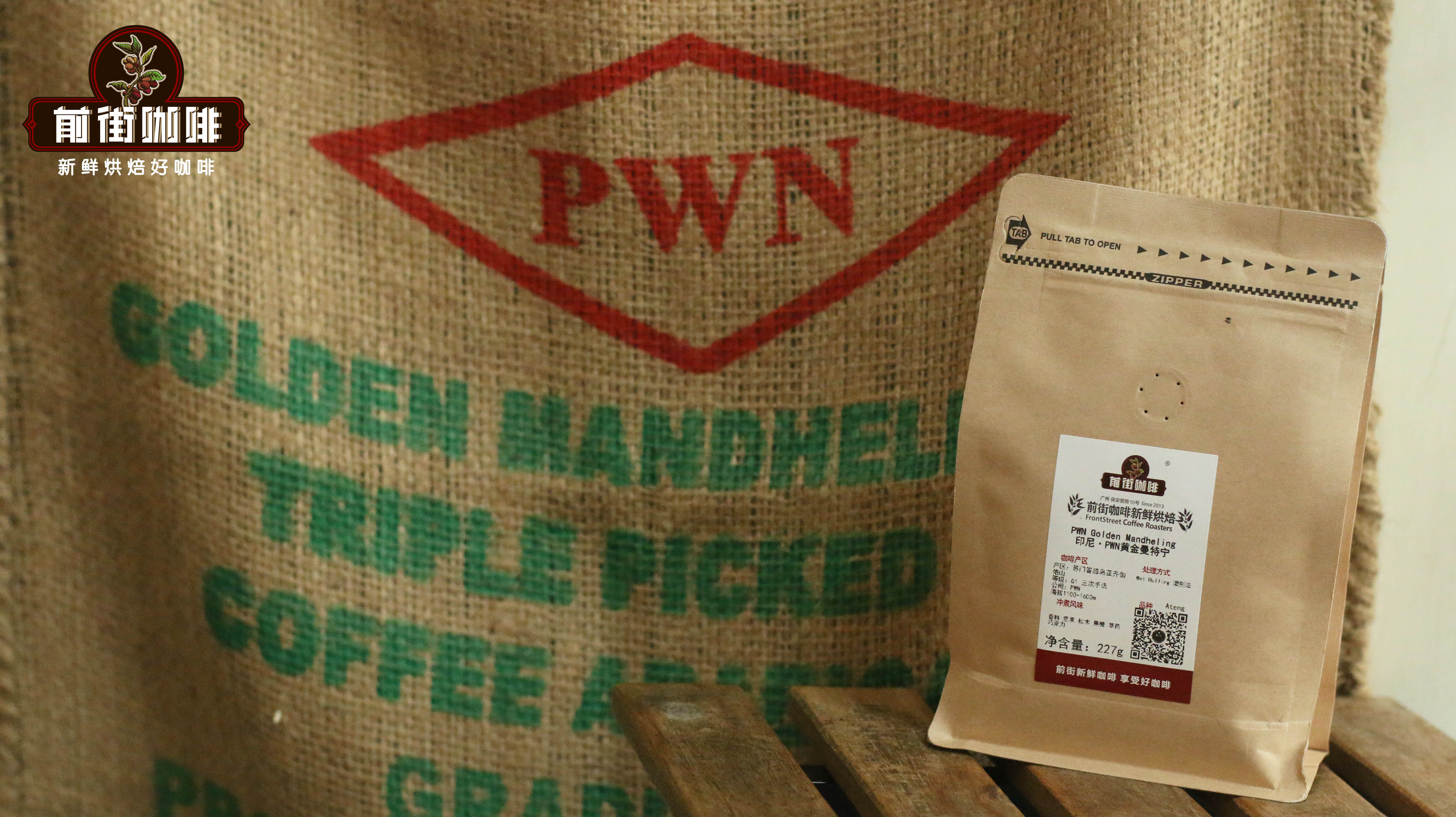
Mandheling Coffee Buying Guide: A Full Analysis of Indonesian Golden Mandheling Dark Roast Flavor and Taste
Mandheling is a representative variety of Indonesian coffee, but many people are unclear about the origin of its name and its flavor characteristics. This article provides a systematic introduction to the background knowledge of Mandheling coffee, from beginner to advanced levels, and offers purchasing advice for enthusiasts at different stages. The article focuses on analyzing two products: Front Street Indonesian Mandheling Everyday Beans and Front Street PWN Golden Mandheling. The former is suitable for beginners to practice brewing and tasting, while the latter presents the herbal, woody, and spicy notes brought by the wet-hulling process, as well as the rich, mellow charm of caramel, dark chocolate, and nuts after dark roasting. Whether you are new to Indonesian coffee or looking for high-quality everyday beans, you can gain practical reference information from it. [more…]

The Origin and Flavor Analysis of Indonesian Kopi Luwak: From Fermentation in the Civet's Body to Front Street Coffee's Complete Brewing Parameters
Indonesian kopi luwak has long been regarded as a luxury in the specialty coffee circle. In 2002, it sold for as much as $500 per pound on the New York market, mainly because of its scarce production. Although its name is not elegant, its flavor carries Indonesia's distinctive herbal notes and heavy, mellow body, along with an indescribable sweet aftertaste. In this article, Front Street Coffee sorts out the origin story of kopi luwak, the reasons behind its flavor, and the true role of the fermentation process inside the civet's body, and also includes the roasting and brewing data for this bean at Front Street's store, for coffee lovers to reference when judging whether it is a legend or a gimmick. [more…]
A Complete Guide to Indonesian Coffee: From Colonial Introduction to the Flavor Map of Mandheling, Kopi Luwak, and Java
Indonesia is an important coffee-producing country globally, known for its full-bodied, low-acidity flavor profile with herbal and dark chocolate notes. This article traces the complete history of Indonesian coffee, from the Dutch introduction of coffee in 1696, to leaf rust destroying Arabica, to the rise of Robusta. It introduces the three core producing regions of Sumatra, Java, and Sulawesi, analyzes how the wet-hulling process shapes their unique taste, and explains in detail the flavor characteristics and brewing parameters of Mandheling, Kopi Luwak, and Java coffee. The article retains recommended and practical information from FrontStreet Coffee on PWN Golden Mandheling, Kopi Luwak, and West Java coffee, making it suitable for coffee enthusiasts who want a systematic understanding of Indonesian beans. [more…]

A Complete Guide to Indonesian Coffee Regions and Varieties: Decoding the Flavor Secrets from Mandheling to Kopi Luwak
Indonesia is a major coffee-producing country globally, renowned for its rich, mellow flavor with extremely low acidity, and its caramel and dark chocolate-like sweet aftertaste captivates countless coffee enthusiasts. From the introduction of coffee beans by the Dutch in 1696, to the rise of Robusta after the devastation of leaf rust disease, and now to the distinctive characteristics of the three major producing regions—Sumatra, Java, and Sulawesi—Indonesian coffee has gone through a tumultuous history. This article will take you through an in-depth understanding of the development history of Indonesian coffee, its growing environment, main varieties, wet-hulling processing method, as well as the flavor characteristics and brewing parameters of Mandheling, Kopi Luwak, and Java coffee, along with recommendations and practical advice from Front Street Coffee. [more…]
Indonesian Civet Coffee Bean Flavor Story and an Analysis of Its Differences from Yunnan Civet Coffee
Kopi Luwak was once regarded as a luxury in the specialty coffee world, selling for as much as $500 per pound in New York in 2002, and its scarcity is an important reason for its high price. It carries the herbal aroma, high body, and indescribable sweetness unique to Indonesian coffee, but is its flavor really worthy of its name? From the perspective of Front Street Coffee, this article sorts out the origin story of Indonesian Kopi Luwak, the reasons behind its flavor, the real impact of the fermentation treatment method inside the civet's body, and compares it with Indonesian Mandheling and Chinese Yunnan Kopi Luwak, finally attaching the roasting and brewing data for this Kopi Luwak in Front Street's shop for coffee lovers' reference. [more…]