







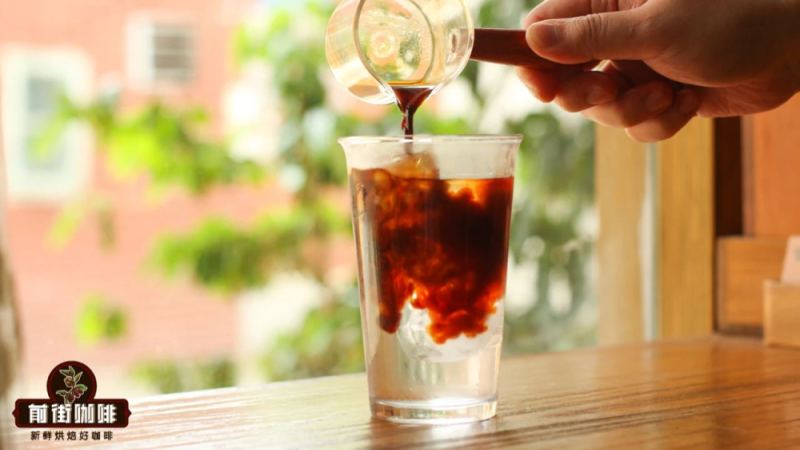
Why does americano coffee sometimes taste sour?
Sourness in an americano coffee is normal. Coffee beans contain natural acidity, and roasting plus extraction decide how much shows up. Darker roasts mute it, but some beans keep acidity even at dark levels. In an iced americano the cold temperature and fast extraction can make that acidity more noticeable, which is why the drink may taste sharper than a hot version.
The fix is parameter adjustment. Bitterness, sweetness and acidity dissolve in sequence, so a finer grind, higher water temperature, longer extraction or a tighter coffee-to-water ratio can pull more sweetness forward and balance the cup. The SOE americano trend, using a single-origin espresso, leans into fruity acidity on purpose rather than hiding it.
Americano coffee is deeply associated with a bitter, rich impression, but many people feel puzzled when they drink an Americano with a sour taste: Is this normal? In fact, coffee beans naturally contain abundant acidity, and both roasting and extraction methods affect the final flavor performance. This article will start from the sources of sourness and the dissolution order of bitterness, sweetness, and acidity, and systematically sort out practical methods for adjusting overly sour coffee, including roasting degree selection, water temperature control, grind size, coffee-to-water ratio, and extraction time, while also introducing the current popular SOE Americano trend, and sharing several of Front Street Coffee's espresso blend beans suitable for making Americanos along with their brewing suggestions.
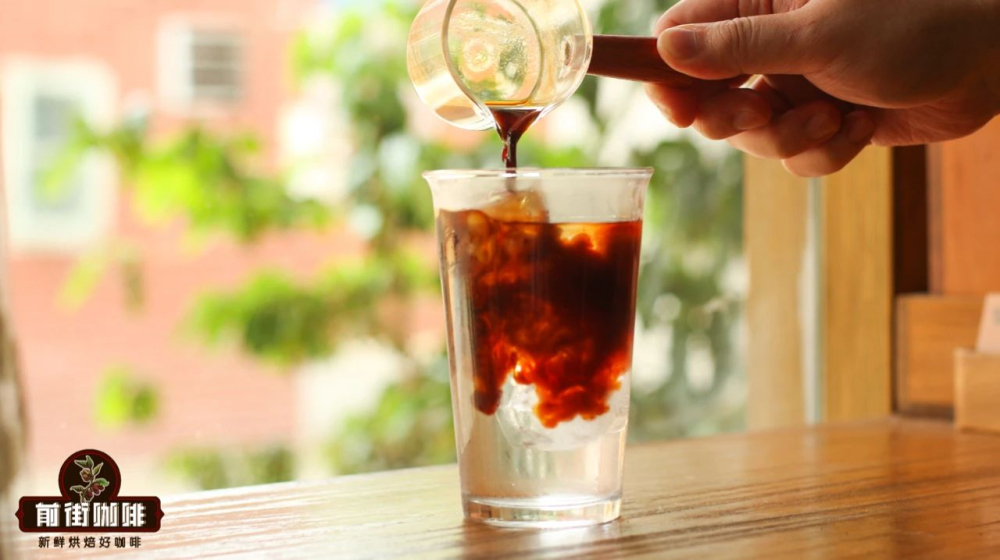
Americano coffee's order rate in cafés can be said to rank firmly at the top today, and in the scorching summer, a glass of iced Americano brings an irreplaceable sense of refreshment. Some people drink coffee to enjoy a moment of leisure, while others rely on it to inject a dose of mental fuel into an upside-down, exhausting daily routine. Regardless of the reason, one undeniable fact is that many people have already come to regard coffee as a daily "staple" they cannot do without.
However, coffee is ultimately an agricultural product, and the brewing process is not necessarily stable every time. Although we can accept a less-than-perfect cup of coffee based on our personal feelings, it is undeniable that if more people are willing to learn a bit more about coffee knowledge or brewing techniques, this cup of coffee can become even more delicious.
The impression Americano coffee leaves on the public is often bitterness, and once they taste an Americano with sourness, they cannot help but wonder: Is this normal? Does it count as a good cup of coffee? In fact, it is not strange for an Americano to have sourness, because coffee beans themselves contain abundant acidity, only that as the roasting degree deepens, the sourness gradually weakens. The Americanos people drink daily mostly use dark-roasted beans, but some beans can still retain sourness under dark roasting conditions. It is worth noting that more and more Americanos today are breaking away from the bitter, burnt route and turning toward a sour style. Consumers' taste preferences are also shifting from the traditional bitter, burnt tone slowly toward floral and fruity acidity, or in other words, toward single-origin-flavor SOE coffee.
During the brewing process, the dissolution rates of bitterness, sweetness, and acidity are not consistent. At the very beginning of extraction, acidic substances are the easiest to dissolve out, followed by sweet substances, while bitter substances are released gradually. If a cup of coffee is prominently sour, it may mean that before the sweetness and bitterness have been extracted, the extraction has already ended, and this cup of coffee is very likely under-extracted. Conversely, if a cup of coffee is excessively bitter, it may be that the extraction time has been dragged out too long, and the bitterness has been over-extracted, which is over-extraction.
So if Americano coffee is too sour, how should it be adjusted?
Coffee's flavor is affected by the entire processing chain, from green bean harvesting and processing, to roasting, and finally to the completion of brewing. Some coffees themselves have a sour aroma in their flavor, so one cannot generally conclude that all sourness is a defect. Just like an apple, which is sweet overall but carries a hint of tartness, this acidity actually makes the sweet-and-sour layers more appealing. So-called "bad acidity" usually refers to that overly sharp and pungent vinegar-like sensation.
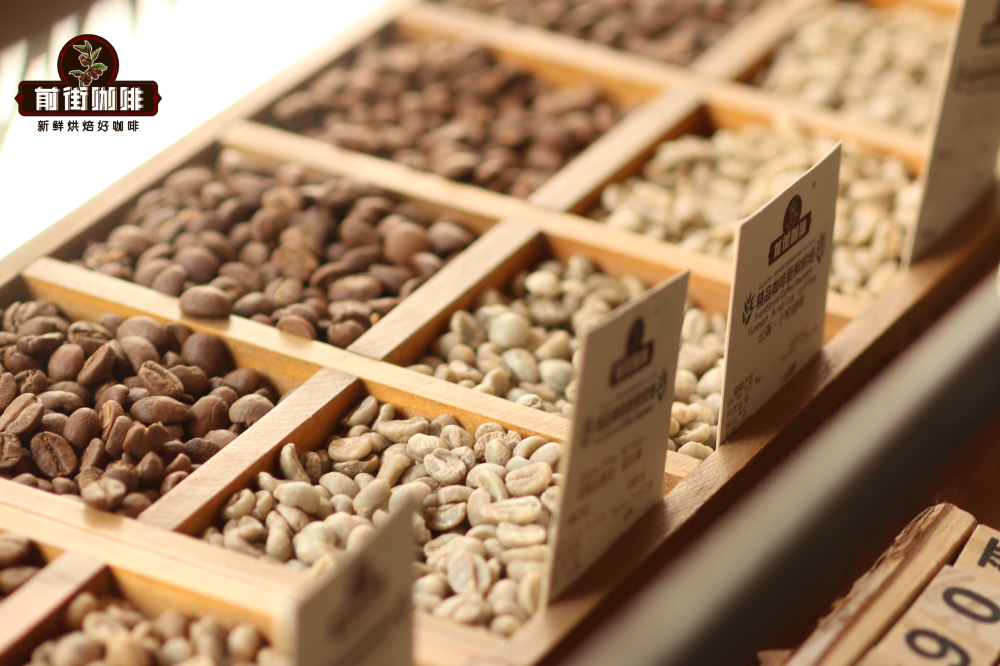
Roasting degree: For daily Americano making, dark-roasted beans are generally used, with a taste leaning bitter rather than sour. If it tastes sour, the beans may be on the lighter side of roasting, so you might as well switch to darker-roasted coffee beans for brewing, such as Brazilian beans, Colombian beans, and so on.
Lower the water temperature: Appropriately lowering the water temperature while extending the extraction time, and letting the coffee grounds remain as still as possible in the water, can also make the sourness milder.
Make the grind finer: If the grind size is too coarse, it will also lead to sourness, so you can grind finer to increase the extraction yield. This way the coffee's sourness will weaken, while bitterness will increase accordingly.
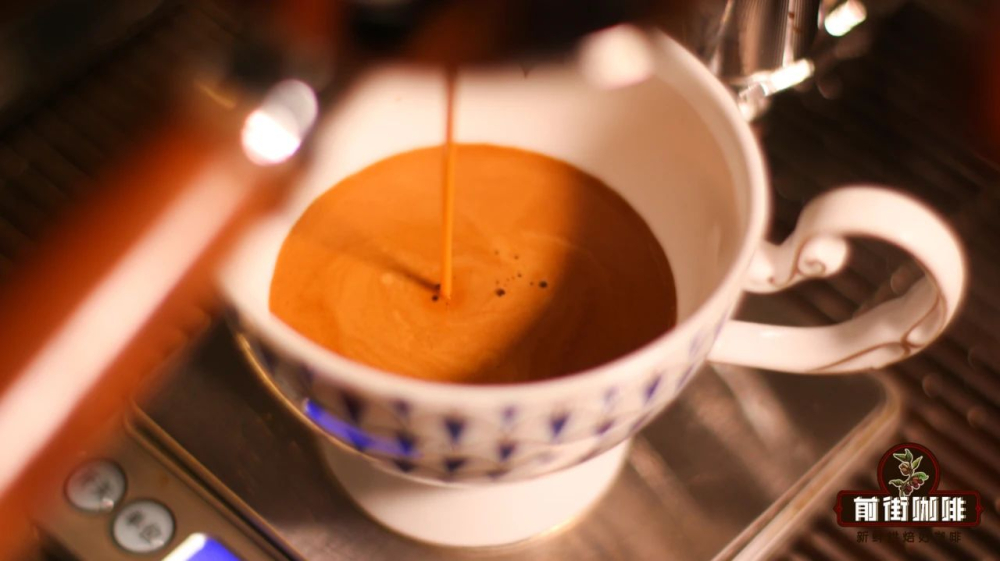
Increase the amount of water poured: Adjust the brewing ratio by increasing the amount of water poured. For example, if the original coffee-to-water ratio is 1:15, you can adjust it to 1:16 or even 1:17.
Extend the total extraction time: When the total extraction time is too short, relatively more acidity and relatively less bitterness are extracted. Extending the total extraction time can theoretically extract more sweetness and bitterness. It is generally recommended to use 15 grams of grounds, and even if extending extraction, the total time should not exceed 2 minutes 15 seconds.
Aside from factors related to the beans themselves, channeling may also have occurred. Channeling causes part of the coffee to be over-extracted and part to be under-extracted, so that when you sip it, it is both bitter and sour. To avoid channeling as much as possible, you can use a distribution tool to distribute the grounds evenly. Of course, channeling inevitably exists, and it is only a matter of how much; what we can do is minimize it as much as possible.
SOE Americano Coffee
SOE Americanos have become popular in cafés recently, and this kind of Americano showcases sourness even more vividly. SOE means "Single Origin Espresso," referring to espresso extracted from coffee beans of a single origin, with the aim of presenting the flavor personality of that single-origin bean. Therefore, beans with high flavor recognizability are often chosen, such as expressive varieties like Yirgacheffe, while Brazil, Blue Mountain, Mandheling, and others are rarely used for SOE because the result is hard to distinguish from traditional espresso blends. In terms of roasting, this kind of SOE is roasted slightly lighter, but a bit darker than pour-over, in order to highlight the bean's original flavor. Therefore, Americanos made with SOE beans often carry obvious fruity acidity; for example, an Ethiopian SOE Americano has quite prominent acidity.
The Americano served at Front Street Coffee (FrontStreet Coffee) stores uses an espresso blend made of 30% Yirgacheffe plus 70% Sherry. Although Yirgacheffe accounts for a low proportion in the blend, under pressurized espresso extraction its acidity is amplified, adding a lively berry-like sweet-and-sour note to the espresso.
An Americano is essentially espresso diluted with water, and after dilution the berry-like sweet-and-sour note transforms into a bright acidity similar to citrus fruits. If it is a hot Americano, after it cools, as the aroma dissipates and the temperature drops, it will taste even sourer. This is also why Front Street Coffee (FrontStreet Coffee) often reminds everyone to drink coffee while it is hot.
Front Street Coffee (FrontStreet Coffee) - Warm Sun Blend Coffee Beans: Ethiopian sun-dried Red Cherry coffee beans (30%) + Honduran Sherry barrel coffee beans (70%), presenting rich wine aroma, vanilla cream, berry sweet-and-sour notes, and roasted nut flavors.
Honduran Sherry coffee beans made into SOE are equally delicious. Nowadays people are gradually favoring single-flavor Americanos, because a single flavor better reflects origin characteristics, and as SOE coffee it is also quite outstanding. Of course, the intensity of a single SOE still cannot compare with a regular Americano.
"Front Street Coffee (FrontStreet Coffee) - Espresso Moka Pot Coffee Beans Recommended by Many Baristas - Front Street Black Cocoa Blend Coffee Beans": Yunnan washed small-bean coffee (30%) + Brazilian semi-washed coffee beans (70%), with a flavor presentation of soft fruity acidity, caramel, and nuts.
"Front Street Coffee (FrontStreet Coffee) - Specialty Blend Coffee Beans": Colombian washed coffee beans (30%) + Brazilian semi-washed coffee beans (70%), presenting flavors of nuts, dark chocolate, and caramel.
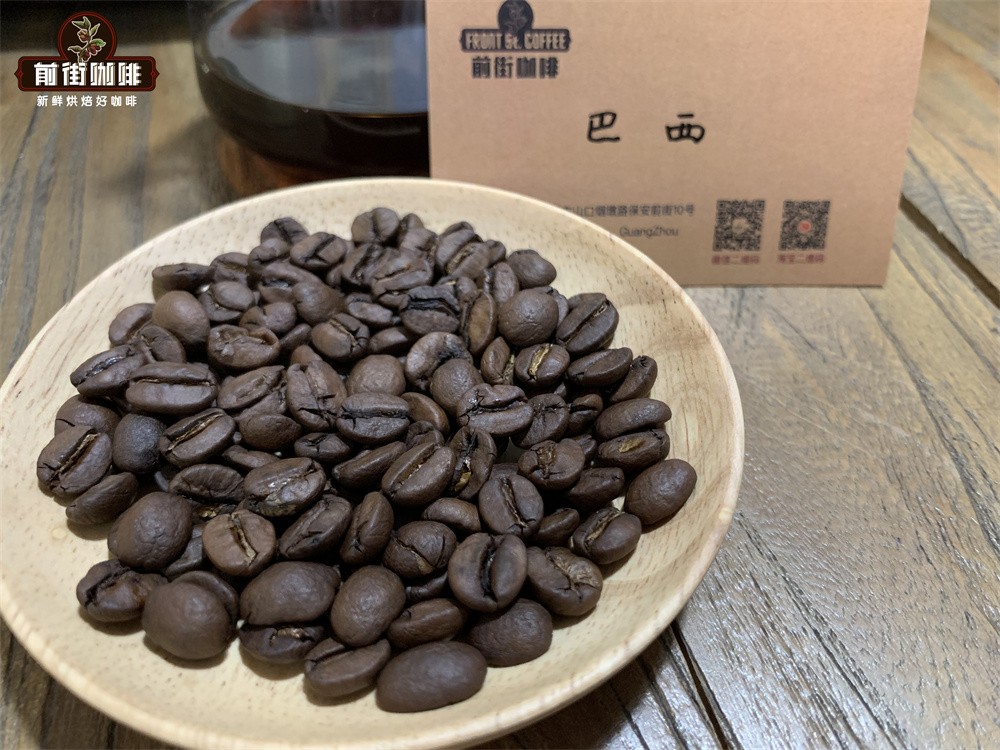
"Front Street Coffee (FrontStreet Coffee) - Commercial Blend Coffee Beans": Robusta washed coffee beans (10%) + Colombian washed coffee beans (30%) + Brazilian semi-washed coffee (60%), with a flavor presentation of nuts, cocoa, and caramel.
Front Street brewing suggestions:
Whether making an Americano or pour-over, if you want to brew a good cup of coffee, the freshness of the coffee beans cannot be ignored. Front Street has always believed that freshness is closely related to coffee flavor, so the coffee beans sent out by Front Street Coffee (FrontStreet Coffee) are all within 5 days after roasting. Front Street's roasting motto is "freshly roasted good coffee," so that every customer who places an order receives the freshest beans upon delivery. The coffee resting period is about 4 to 7 days, so when the customer receives it, it is exactly at its best flavor stage.
For friends who need ground coffee, Front Street warmly reminds you: once coffee beans are ground in advance, there is no need to rest them anymore, because during transportation the pressure generated by carbon dioxide inside the packaging can also make the flavor rounder, and you can immediately brew a cup upon receiving the ground coffee. However, the ground coffee should be brewed as soon as possible, because after contact with air it oxidizes quickly and the flavor dissipates quickly, so the taste will not be as good. Therefore, Front Street recommends buying whole beans and grinding fresh before brewing, so you can better taste the coffee's flavor.
For professional coffee knowledge exchange and more coffee bean information, please follow Coffee Workshop (WeChat public account cafe_style)
For more specialty coffee beans, please add the private WeChat Front Street Coffee (FrontStreet Coffee), WeChat ID: qjcoffeex
The above content is compiled by CoffeeHunters, a coffee news website.


