







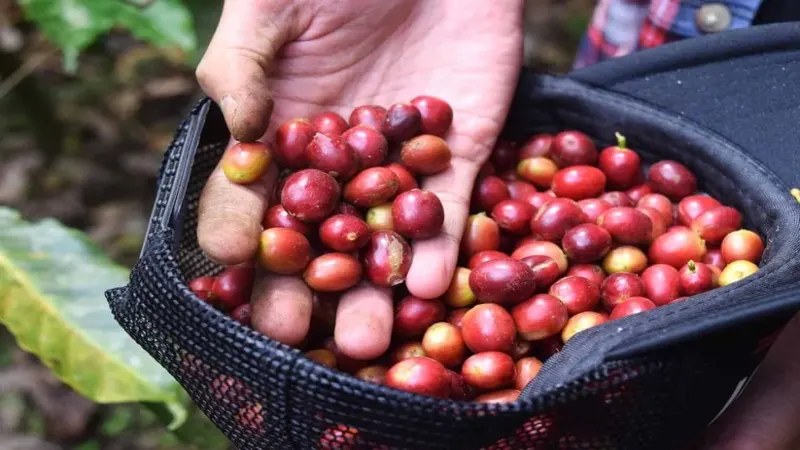
Indonesian coffee is best known for Mandheling, but in this archipelago of over ten thousand islands straddling the equator, there is also a unique flavor from Bali worth paying attention to. Front Street Coffee takes you through the cultivation origins of Balinese coffee, the special processing method of civet coffee, and the overall flavor profile of Indonesian coffee. This article will also compare the strict bean selection process of Golden Mandheling, and include detailed brewing parameters and steps for kopi luwak, helping you gain a comprehensive understanding of the diverse faces of Indonesian coffee, while also providing Front Street brand product recommendations for enthusiasts with different taste preferences.
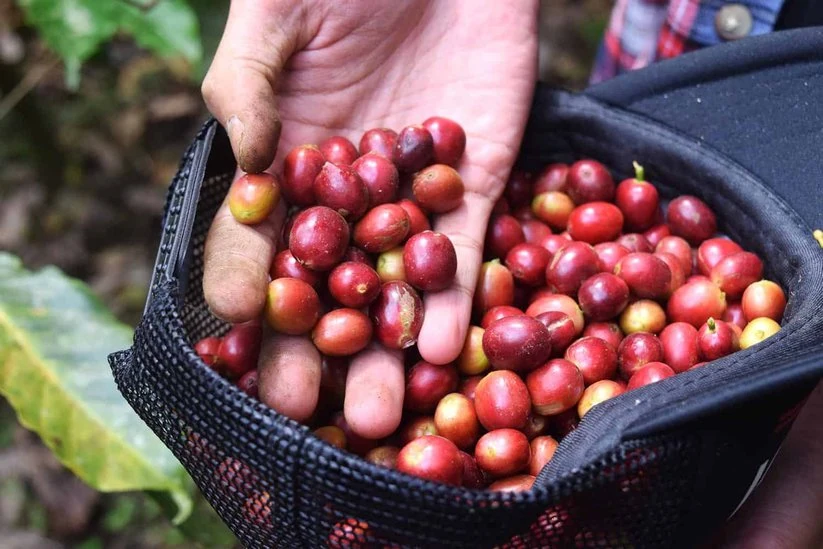
When it comes to Indonesian coffee, most people first think of Mandheling—rich, full-bodied, with a slight syrupy sweetness, a style especially popular in Japan. However, what Front Street Coffee wants to discuss today is another quite talked-about Indonesian coffee, which comes from the tourist destination of Bali.
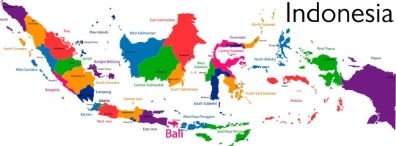
Indonesia is made up of more than seventeen thousand islands, distributed along the volcanic belt on both sides of the equator. The tropical rainforest climate brings abundant rainfall, and the volcanic soil is rich in nutrients. Among the entire archipelago, the highest-quality coffee-producing regions are concentrated on Java, Sumatra, and Sulawesi.
Indonesian Coffee Flavor
Overall, Indonesian coffee has a heavy body, full aroma, syrupy sweetness, and fairly impressive acidity. Germany and Japan are its two main export markets, which indirectly confirms its quality. What attracts consumers is precisely the superior quality unique to its Arabica beans. However, drawbacks also exist: sometimes an unpleasant astringency appears, even a slight musty note, while the rest presents an earthy character.
History of Coffee Cultivation in Indonesia
In the mid-seventeenth century, the Dutch brought coffee trees to Indonesia (some official sources believe it was earlier). During their colonial expansion, the Dutch first planted coffee in Malabar, India, and in 1699 introduced coffee to Java, Batavia, then part of the Dutch East Indies. The locals called this new crop "KOPI," a name that has been used ever since.
In 1712, the first batch of coffee from Java arrived in Amsterdam. However, in 1877 a serious environmental disaster struck, and coffee trees on plantations were extensively destroyed by coffee rust, forcing the introduction of Robusta varieties from Africa as replacements. Today, Indonesian Robusta accounts for about 85% of total production, while Arabica accounts for only 15%. Robusta is mainly concentrated in southern Sumatra, while Arabica is distributed in northern Sumatra. Currently, Indonesia's coffee cultivation area exceeds 1 million hectares, of which 90% is operated by smallholders.
At present, only 6% to 10% of coffee beans are of the Arabica species. Indonesia is one of the world's four major coffee exporters, with an annual output of 6.8 million bags, most of which comes from small plantations, accounting for about 90% of total production.
Sumatra Island:
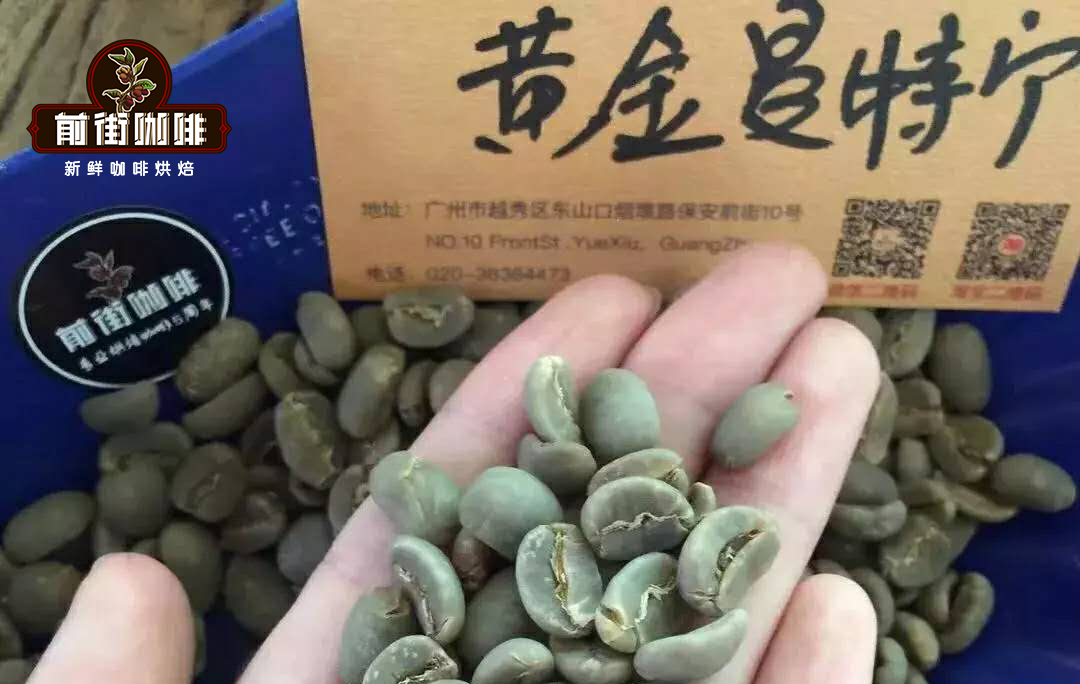
Sumatra's finest coffee comes from two places: the Central Aceh region near Lake Tawar in the north, and the mountain areas surrounding Lake Toba farther south. Because many smallholders use a unique semi-washed processing method, combined with iron-poor soil, fresh green beans from this region display a special blue color.
Golden Mandheling is produced in the Lintong region of northern Sumatra, Indonesia. At harvest, only fully ripe cherries are picked entirely by hand one by one to ensure initial bean selection quality. The coffee cherries are processed using the SEMI-WASHED method, naturally sun-dried, and after hulling undergo another round of drying and refining, as well as two green bean cleanings and four manual sortings. Therefore, it can be said to be a top-grade Mandheling that has undergone strict selection. The Golden Mandheling marked "PWN" is the abbreviation of the Indonesian company Pawani, and the Golden Mandheling coffee produced by this company has been registered in Indonesia.
Bali Island:
Although Balinese coffee is part of Indonesian coffee, local coffee farmers believe that Indonesian coffee quality is uneven and unworthy of Bali's premium standards, so they set up their own category, calling it "Bali coffee" to distinguish it from Indonesian coffee. Bali not only grows Arabica but is also abundant in Robusta. According to records, Bali Gold coffee is made by grafting the roots of Arabica with the branches and leaves of Robusta, commonly known as the 【Catimor】 variety.
Coffee was introduced to Bali relatively late, initially planted on the Kintamani Plateau at an altitude of 1,000 to 1,500 meters. In 1963, the eruption of Mount Agung dealt a severe blow to coffee production, causing more than 20,000 deaths and extensively damaging eastern Bali. By the late 1970s to early 1980s, the government distributed Arabica seedlings to increase coffee production, but some believe the effect was limited, because today about 80% of the island's output is still Robusta beans. Although tourism is the largest source of income, agriculture is the industry employing the most people on the island. In the past, the largest buyer was Japan, and the harvest period is from May to October.
Civet Coffee (Luwak):
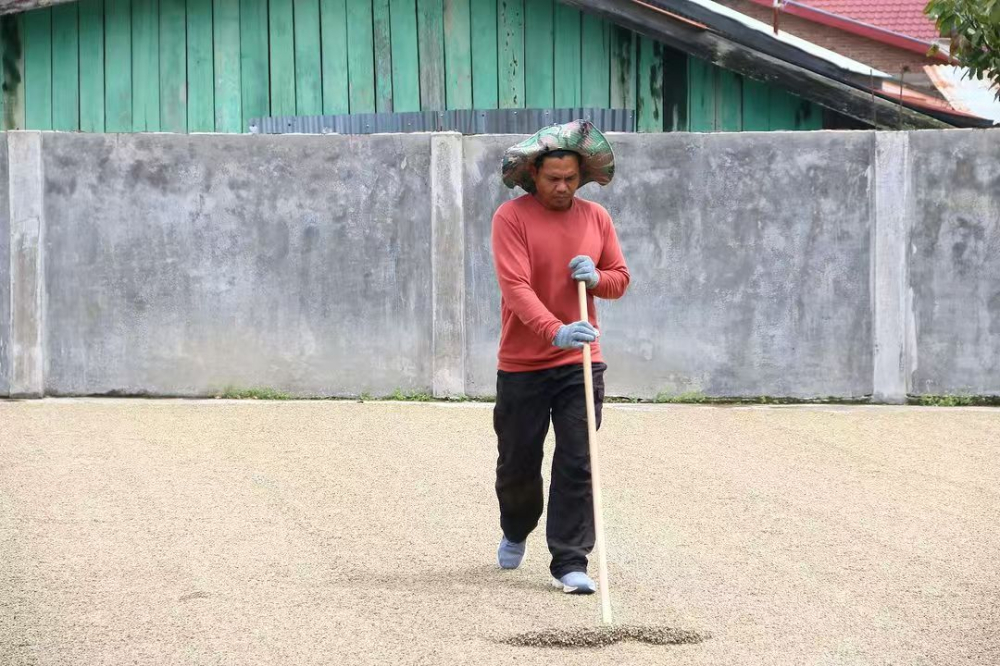
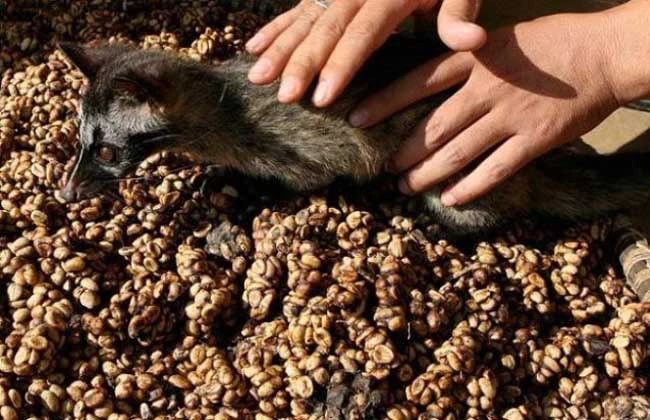
Bali's civet coffee is famous not for its place of origin, but for a unique processing method. After a mammal called the civet eats ripe coffee cherries, the outer flesh of the fruit is digested, while the extremely hard raw coffee beans are excreted. After several processes including manual selection, cleaning, drying, deodorizing, screening, and roasting, it becomes "kopi luwak." Due to extremely low production, along with its rarity and special flavor, it has become one of the rarest coffees in the world and one of the most expensive coffees as well.
Civets mainly inhabit hills, mountains, and other tropical rainforests and subtropical evergreen broad-leaved forest edge shrublands and grassy areas below 2,100 meters above sea level, preferring rock caves, earth holes, or tree holes as resting spots. These coffee beans are mainly of the Robusta variety, because civets' range of activity is concentrated at low to medium altitudes, so most coffee varieties are Robusta. High-altitude Arabica kopi luwak is extremely rare in production.
Indonesia's low-altitude Robusta coffee originally has an earthy and herbal medicine-like taste, and is also high in viscosity. Therefore, this civet coffee has an earthy, gamey flavor like aged beans, a viscosity almost close to syrup, and a very special aroma. If you prefer the earthy, gamey flavor of Indonesian aged beans or Indian monsooned beans, you may fall in love with the flavor of this civet coffee.
How should kopi luwak be brewed?
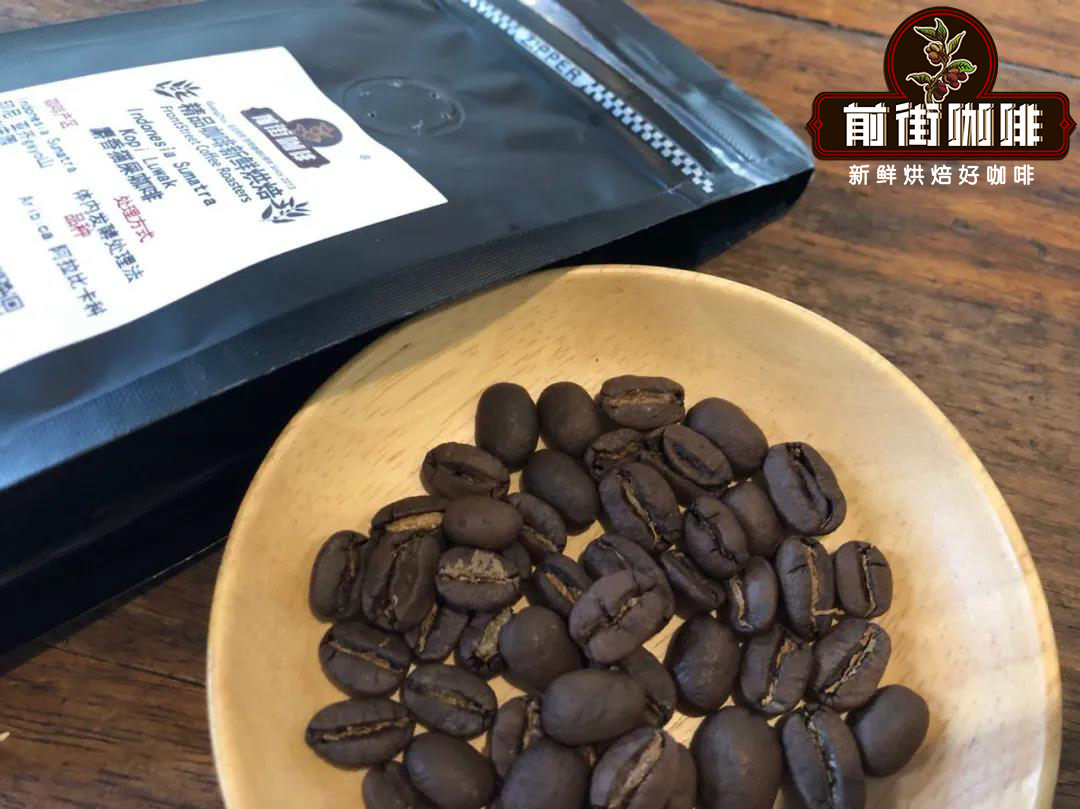
In order to better showcase the herbal flavor and rich body of kopi luwak, Front Street Coffee uses a medium-dark roast when roasting kopi luwak beans. Medium-dark roasted beans have a higher dehydration rate and lighter weight, so during brewing the grounds will not completely sink to the bottom and will be absorbed immediately after pouring. Because degassing is vigorous, the grounds are surrounded by bubbles, creating channels; the fresher the beans, the longer the channels last, and the faster the water level drops. I generally use a thick stream of water and slowly go in circles.
The KONO dripper can bring out a rounder, richer body, and the flavor expression is more direct. However, the KONO dripper's degassing effect is relatively poor, because its ribs are straight and extend only one quarter of the dripper's depth. Aside from the upper quarter, the rest fits tightly against the wall to form a sealed state. The KONO dripper was chosen because its only degassing area is at that one-quarter rib section. When the water level rises above the ribs, the amount of water in the dripper continues to increase, and pressure is increased by the weight of the water. The outlet is relatively small, which can extend the contact time between coffee particles and water. As the water flow drives it, soluble substances can be extracted more effectively, generally achieving the high-body effect expected by customers.
Brewing parameters: water temperature 86-87°C; grind size: fine granulated sugar; coffee-to-water ratio: 1:15 (15g coffee - 225ml water)
1. Pour 30g of water for the first stage and bloom for 25 seconds.
2. After the bloom, pour the second stage of water until the digital scale reads 125g. After pouring, wait for the water level to drop to half.
3. Just before the coffee bed is about to be exposed, pour the third stage of water until the digital scale reads 225g. Coffee extraction, total time about 1 minute 50 seconds to 2 minutes.
Kopi luwak flavor description: herbal, nutty, smooth mouthfeel, full-bodied.
Considering its rarity and expensive price, Front Street does not recommend everyone to drink kopi luwak. Although real kopi luwak has a very good flavor, coffee from other producing countries is also excellent.
For those who like floral flavors, Front Street Panama Geisha coffee is recommended; this is one of the most expensive coffees in the world. For those who like fresh coffee with acidity, Front Street Ethiopia Huakui coffee beans are recommended, with notes like black tea and berries. For those who like a balanced nutty and caramel flavor, that is, coffee that is neither sour nor bitter, Front Street Brazil coffee beans are recommended. If you still love the solid, rich body of Indonesian coffee, it is suggested to buy the highest-grade Front Street Golden Mandheling coffee. After multiple rounds of hand sorting, the defect rate of the coffee beans can be reduced to the minimum, thereby making the coffee aroma clearer and the sweet aftertaste better. All the above coffee beans can be purchased and ordered at Front Street stores and the Front Street Tmall flagship store.
The above content is compiled by CoffeeHunters, a coffee news website.


