







Indonesian coffee is famous for its rich, mellow flavor and mouthfeel, with extremely low acidity. It has a caramel and dark chocolate-like sweetness and lingering finish, which makes Japanese people almost obsessively devoted to this coffee.Indonesian Coffeeis a major coffee-producing country in Asia and ranks among the top coffee-producing countries in the world. Come, Front Street tells you!
The Development History of Indonesian Coffee
Indonesia is located in Southeast Asia. Its coffee history dates back to 1696, when the Dutch introduced coffee beans to Indonesia. After successful trial planting, Java Island in Indonesia was chosen for large-scale coffee bean cultivation. However, in 1877, almost all coffee trees in Indonesia were infected with leaf rust (a bacterial infection). Arabica coffee beans could not resist this disease and were almost completely wiped out, causing heavy losses.
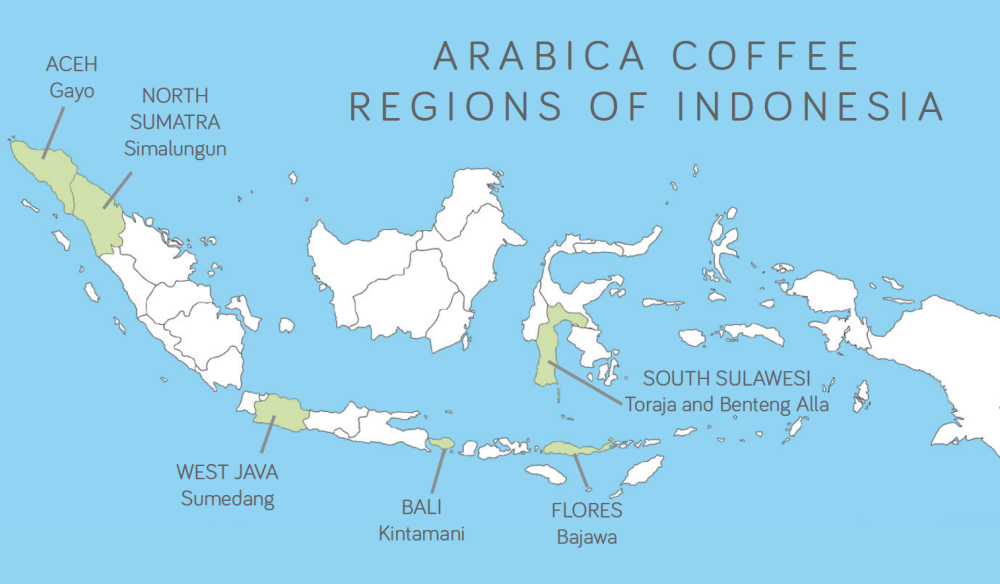
Later, Indonesia had to introduce Robusta coffee beans from Africa. Robusta coffee beans have strong disease resistance, which helped Indonesia's coffee economy recover. Now Indonesia is the world's most important producer of Robusta coffee beans, while Arabica coffee beans account for only 6%-10% of Indonesia's total coffee beans, including the well-known Mandheling coffee beans. Robusta coffee beans are mainly grown in southern Sumatra, Indonesia, while Arabica coffee beans are grown in northern Sumatra, Indonesia. Front Street Coffee's PWN Golden Mandheling comes from the Gayo region of Aceh Province in northern Sumatra.
According to Front Street's understanding of Indonesian coffee, the best Indonesian coffee from farm to cup comes from three regions: Sulawesi, Sumatra, and Java. Among these three regions, Java is the most productive and is known for Arabica coffee with bright acidity and clean fruity notes. Today, about ninety percent ofIndonesian coffeecomes from Robusta coffee, now commonly used for commercial-grade coffee.
The History of Indonesian Coffee
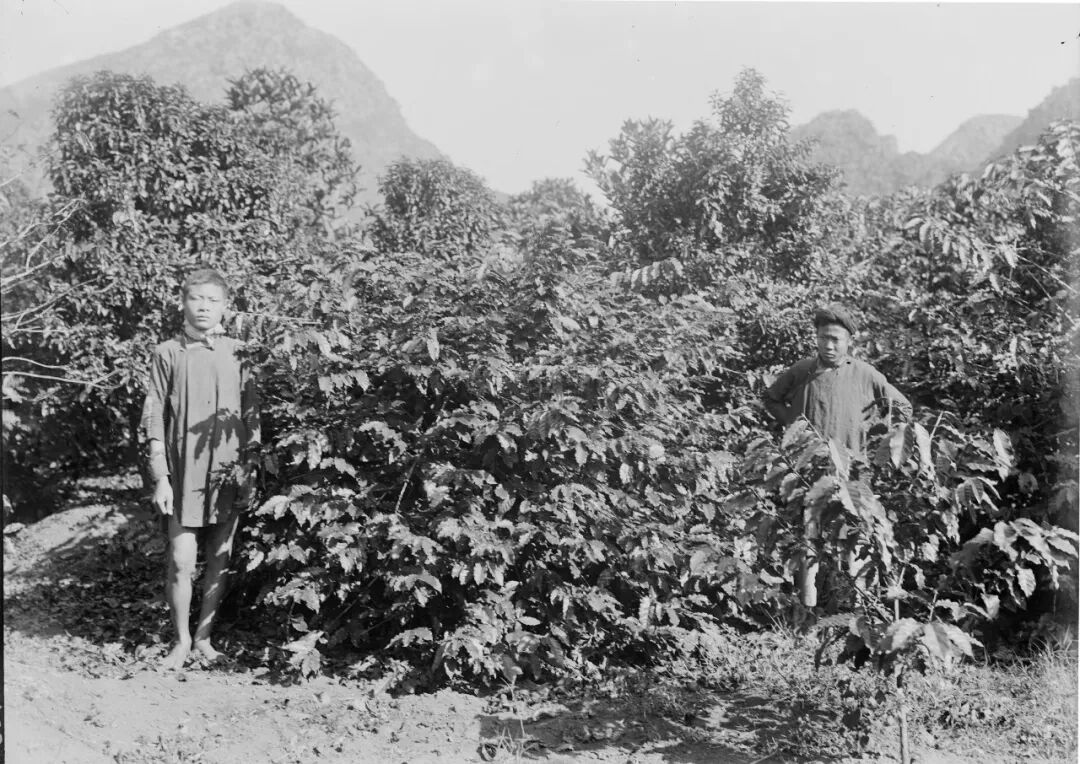
Arabica coffee plants were first shipped to Indonesia in the 17th century by the Dutch East India Company, while Indonesia was still occupied by the Dutch. Their goal in growing coffee was to break the global Arab monopoly on the coffee trade.
Initially, the Dutch colonial government planted coffee in Bogor and southern Sukabumi as well as near Batavia (Jakarta). In addition to some areas of Sulawesi and Sumatra, coffee plantations were later established in East Java, West Java, and Central Java. To develop plantations, large areas of forest land were cleared and cultivated. The growth of coffee plantations was the reason for a great deal of infrastructure development in Central Java throughout the 19th century. Many railways and roads had to be built to transport beans from the interior of the island to different ports for export.
Indonesian CoffeeGrowing Environment
Indonesia has a typical tropical rainforest climate, with an average annual temperature of 25-27°C, no distinct four seasons, and annual precipitation of 1600-2200mm. Indonesia is located in a volcanic belt, with fertile soil rich in minerals, which is conducive to the cultivation and growth of coffee beans. Indonesia's altitude ranges from 900-2100 meters, and the main coffee bean growing areas are concentrated at around 1200 meters.
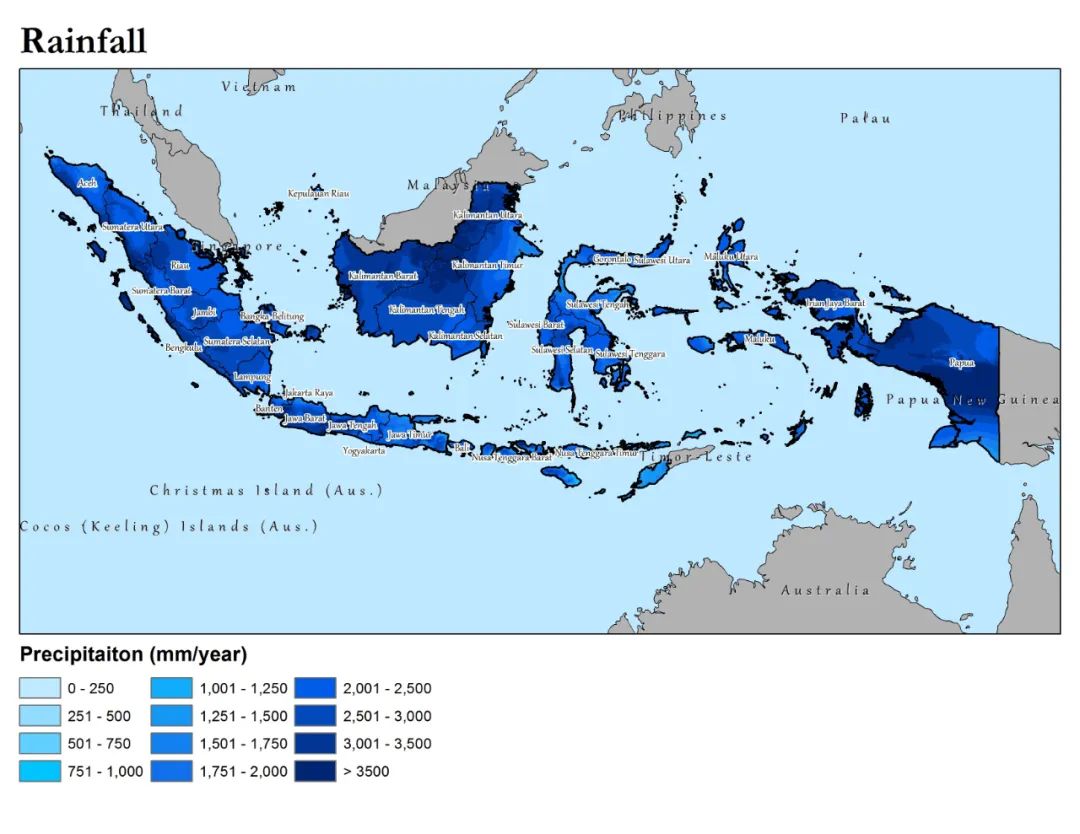
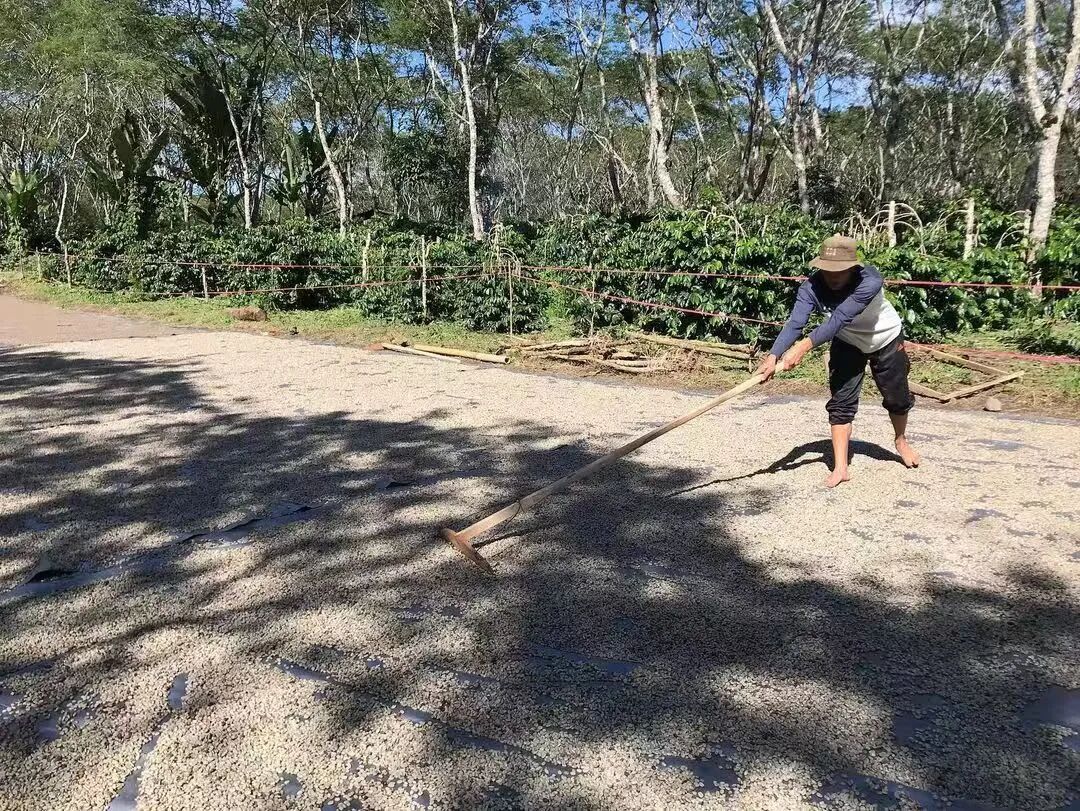
Indonesian coffee beans mainly have two harvest seasons. The main harvest season is around September-October, and the secondary harvest season is in May-June. This year's Indonesian coffee bean exports have increased greatly compared with last year. Analysis suggests that last year's high Indonesian coffee prices led to reduced exports, while increased production in the current season led to increased exports. The combination of one decrease and one increase led to this year's sharp growth in Indonesian coffee exports.
Indonesian Coffee Bean Varieties
Indonesian coffee beans mainly fall into three categories: Arabica coffee beans, Robusta coffee beans, and Liberica coffee beans. Among them, there are more than 20 main subdivided varieties, and the common ones are Caturra, Catimor, Timor, Typica, S288, S795, Sidikalong, and so on.
Indonesian Coffee Bean Cultivation
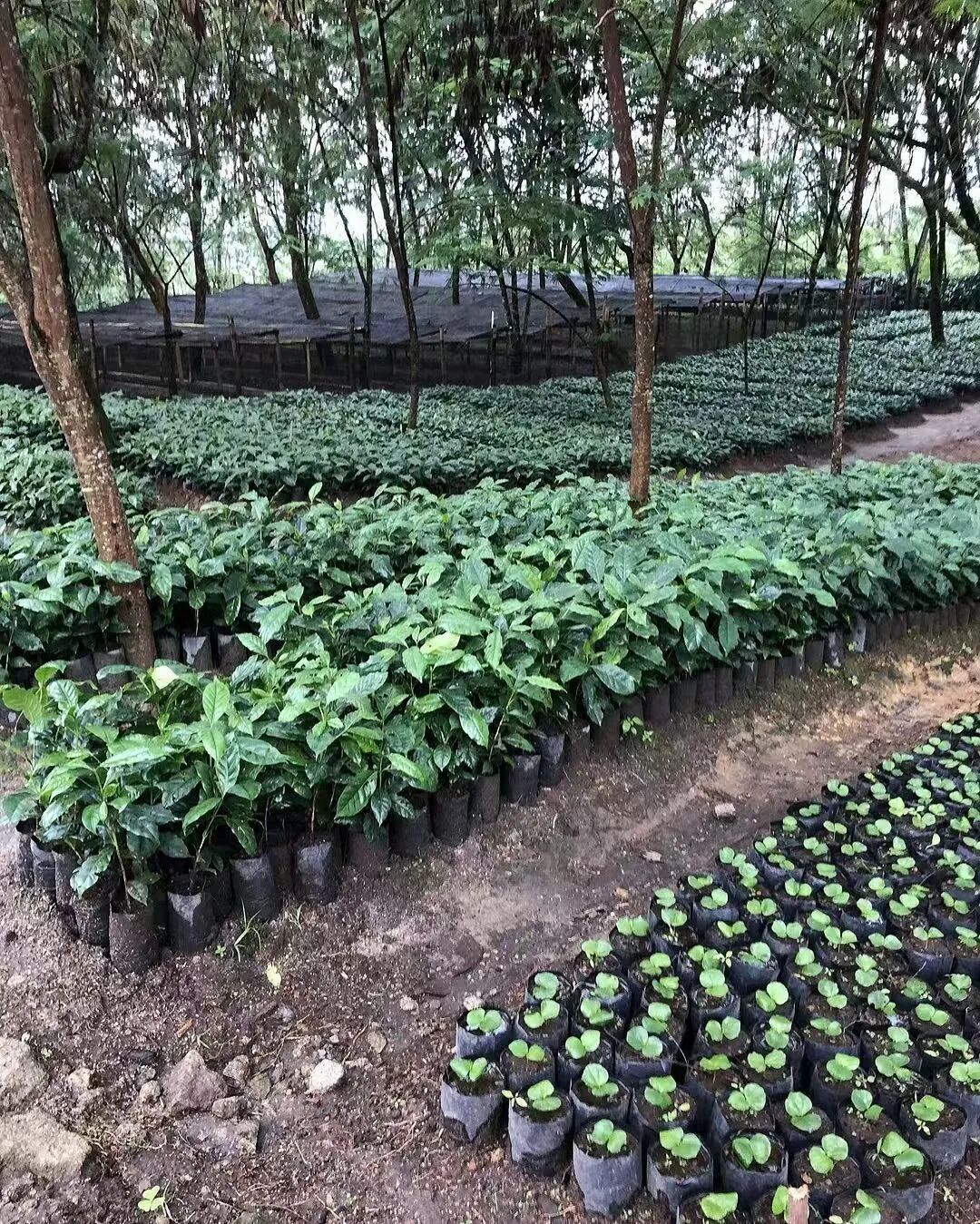
At present, Indonesia's coffee planting area exceeds 1 million hectares, accounting for 24% of total arable land. Indonesia's average coffee planting area is 1.7 hectares, with about 2.7 billion coffee trees, of which 66% are grown in plantations using modern cultivation methods, while the remaining coffee beans are grown on small traditional farms.
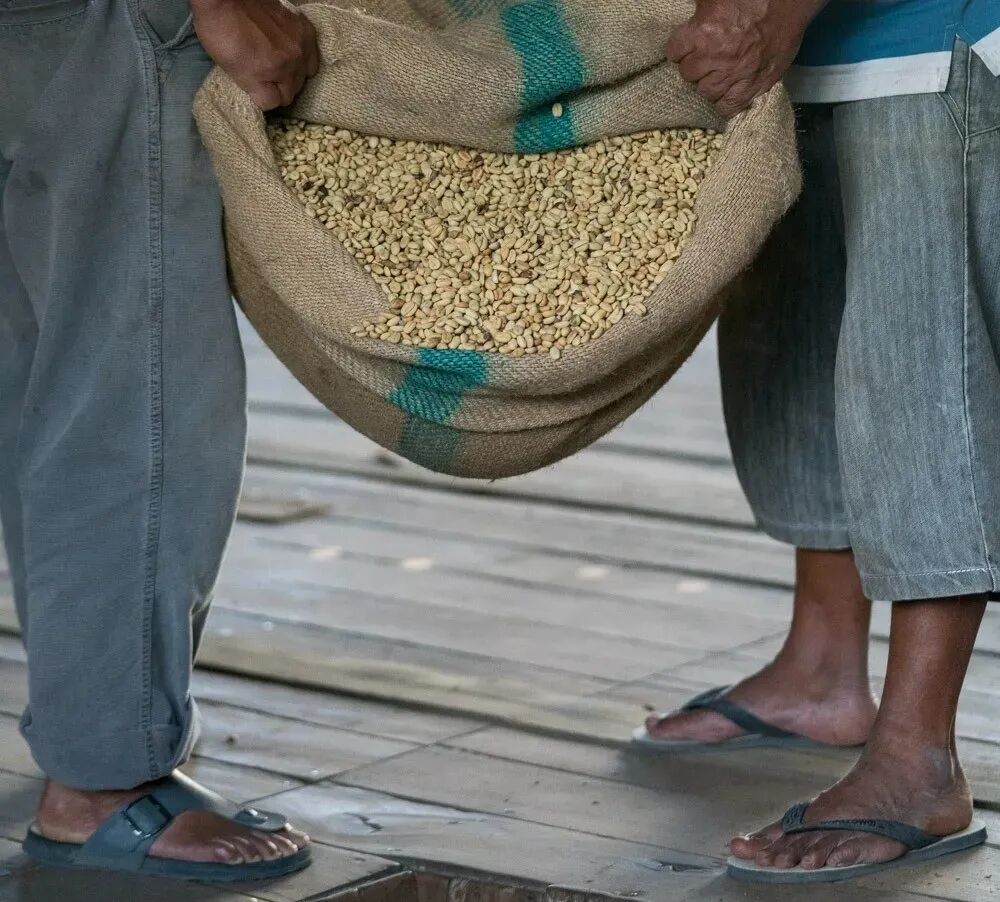
More than 95% of Indonesia's coffee beans are produced by smallholders, and coffee estates are mainly located in East Java and Central Java. Most production is organic cultivation, and 19 farmer cooperatives and exporters have obtained organic coffee certification for international markets.
Wet Hulling Process
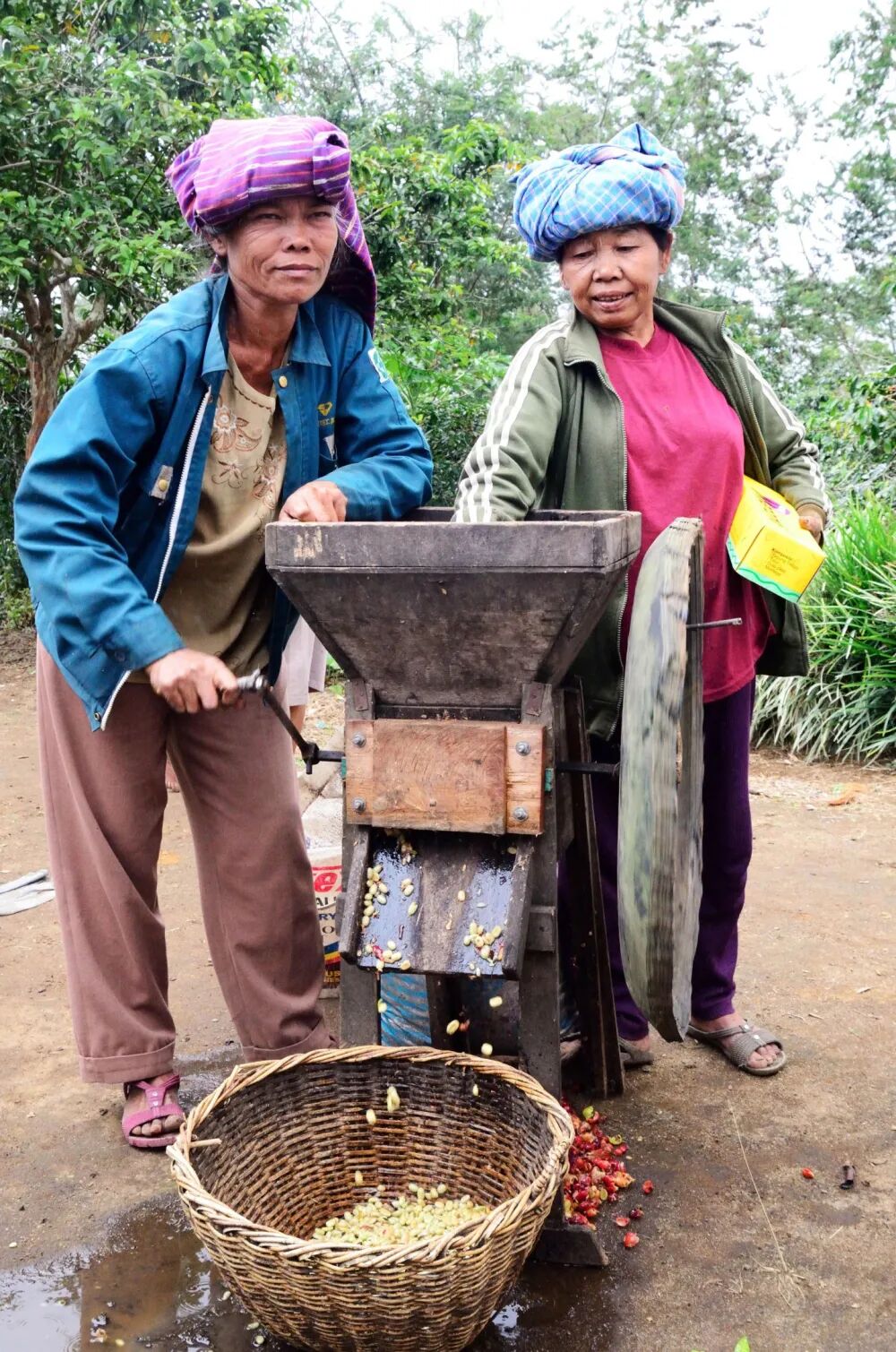
The processing method for Indonesian coffee is called giling basah, known elsewhere in the world as the semi-washed/wet-hulled process. Once the coffee is picked, it is then depulped and briefly dried. Unlike most other processes that dry coffee to a moisture content of 11% or 12%, the semi-washed process dries the coffee to a moisture content of 30-30%. The coffee is hulled to remove the parchment, exposing the raw coffee beans. These naked beans are then dried again until they are dry enough to be stored without rotting. Semi-washed coffee tends to have lower acidity and a heavier body than most coffees.
The Taste of Indonesian Coffee
Indonesian coffee often has a deep and wild flavor, with prominent earthy and herbal tones. Flavors produced by the semi-washed process include earth, mustiness, spice, wood, tobacco, and leather. They usually have a long-lasting finish, feeling like unsweetened or dark chocolate. The Sumatra region is today's most popular Indonesian region because it is known for dark roasting. Sumatra produces Mandheling and Ankola, two of the most famous and highest-quality coffees in the world. They usually have a smoky or roasted flavor that is very complex. Front Street has found that people are often polarized about Indonesian coffee: those who like it cannot put it down, while those who do not like it stay far away. When friends come to Front Street and ask for a cup of pour-over coffee that is not sour, Front Street always first recommends Indonesian beans.
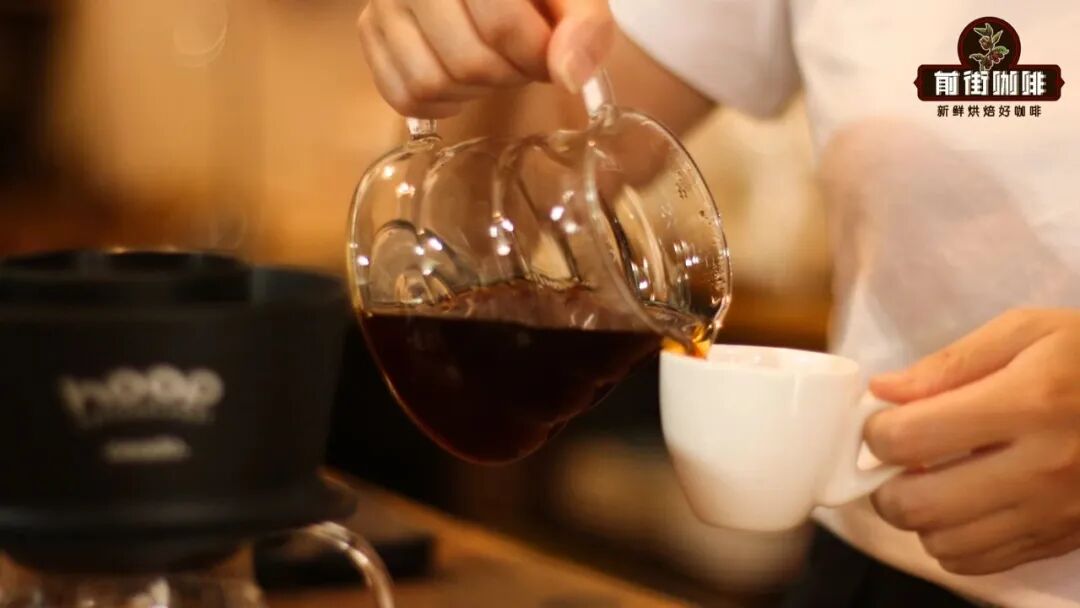
Sumatra Mandheling Coffee Beans
When Sumatra coffee beans are mentioned, it must be Mandheling coffee beans. The main production area of Mandheling coffee beans is around Lake Toba at the northern tip of Sumatra, Indonesia. Common Mandheling coffee beans include Golden Mandheling coffee beans, Lintong Mandheling coffee beans, and Aged Mandheling coffee beans.
The difference among these three Mandheling coffees is that Lintong Mandheling represents the most typical Mandheling flavor, with a strong herbal aroma. Golden Mandheling is a selected-grade Mandheling, with uniform bean size, all above 18 mesh, and manually screened more than 4 times. Its taste is clean and bright, but its body is also excellent. Aged Mandheling, as mentioned earlier, uses a different wet hulling process, bringing out a stronger flavor that is not something everyone would accept. So when friends say they want a cup of coffee that is neither sour nor lacking in body, Front Street Coffee always first recommends Golden Mandheling.
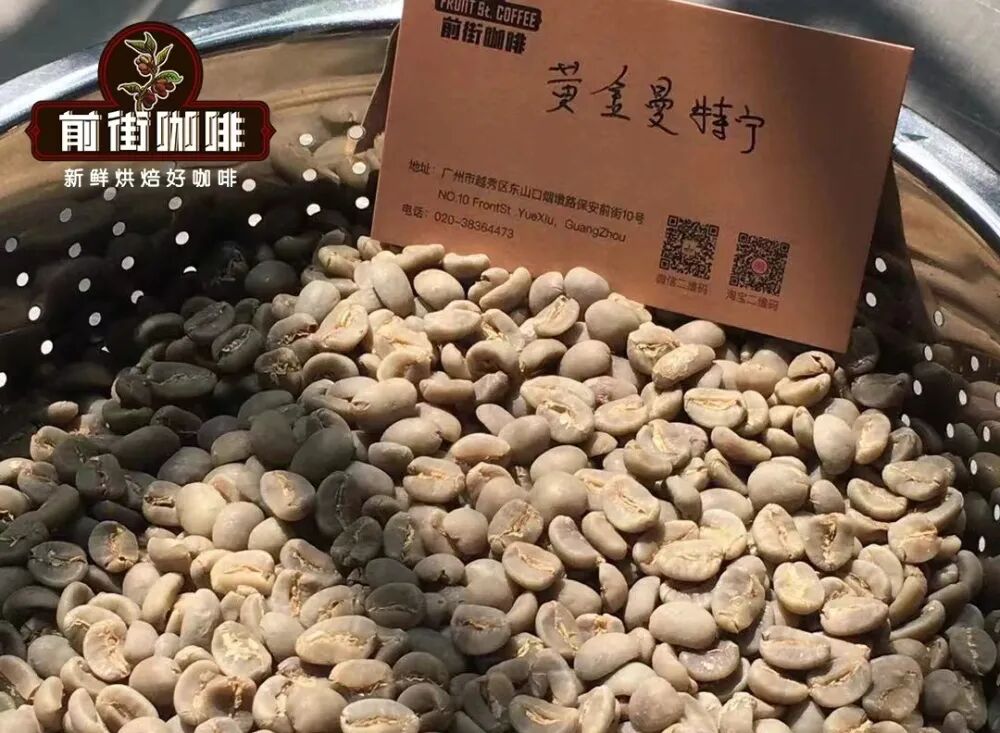
Taking [Front Street Coffee PWNGolden Mandheling] as an example
Flavor description: nuts, chocolate, spices, herbs, caramel. Golden Mandheling tastes cleaner than Lintong Mandheling. The original herbal, earthy, and woody flavors of Mandheling are almost gone, but the caramel sweetness is stronger, with an elegant lingering finish.
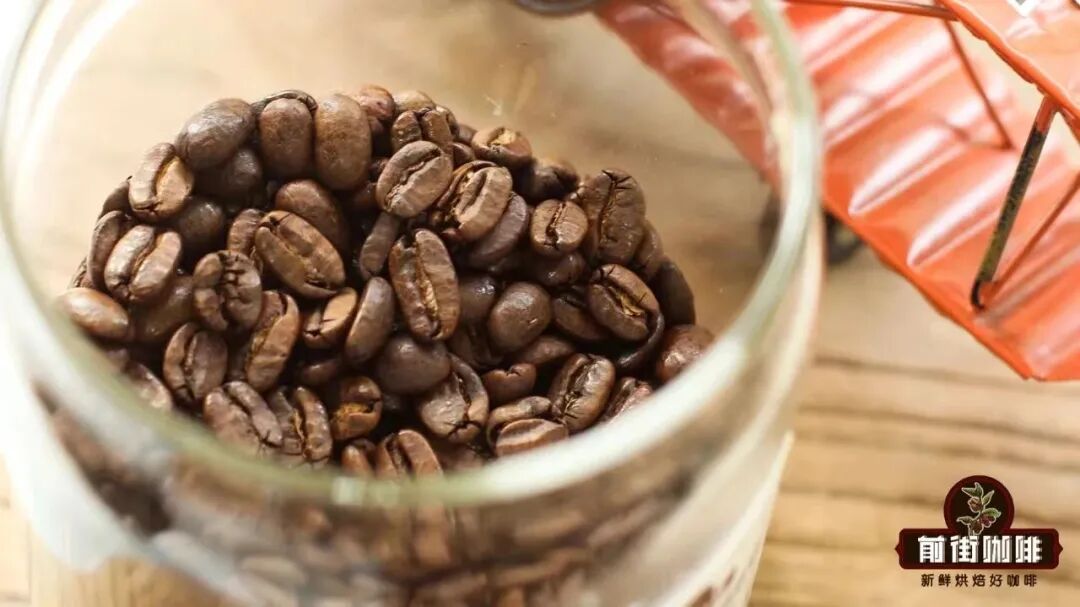
Front Street PWN Golden Mandheling Coffee Beans
Brewing parameters: dripper: Kono dripper, water temperature: 86°C, coffee dose: 15 grams, coffee-to-water ratio: 1:15, grind size: medium grind (11 on EK43s grinder)
Reason for choosing the Kono dripper: The Kono dripper has few ribs and they are located at the lower end. The filter paper fits tightly against the dripper, which can restrict airflow, extend the contact time between water and coffee grounds, allow the coffee grounds to be fully extracted, and enhance the body.
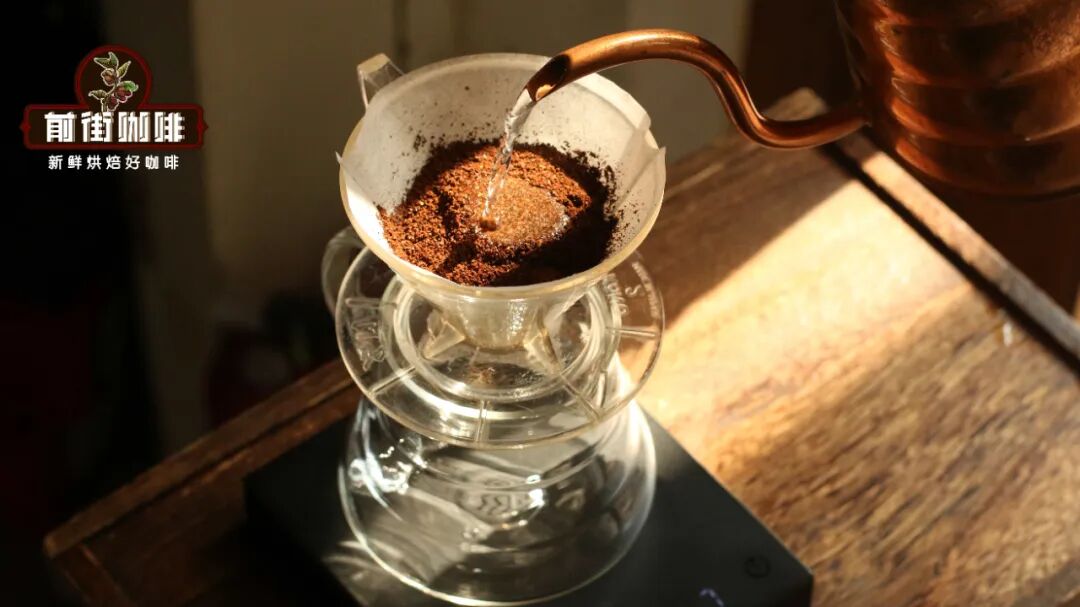
Front Street CoffeeKonoDripper
The brewing method uses staged extraction: 30 grams of water for blooming for 30 seconds, then pour with a small stream to 125 grams and pause. When the water level drops and is about to expose the coffee bed, continue pouring to 225 grams and stop. (Timing starts at the beginning of blooming.) The extraction time is 2'00".
Kopi Luwak Coffee Beans
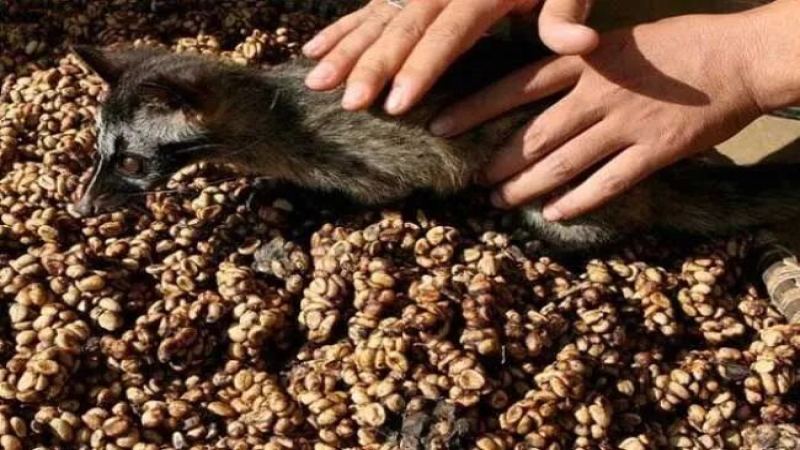
If we mention representative Indonesian coffee beans, Front Street Kopi Luwak coffee beans cannot be left out. Front Street Coffee's bean list once also included Kopi Luwak. The variety of Kopi Luwak coffee beans is Robusta coffee beans, because the civet's range of activity is at low to medium altitudes, and most coffee varieties in that altitude range are Robusta coffee beans. High-altitude Arabica Kopi Luwak is rare in production.
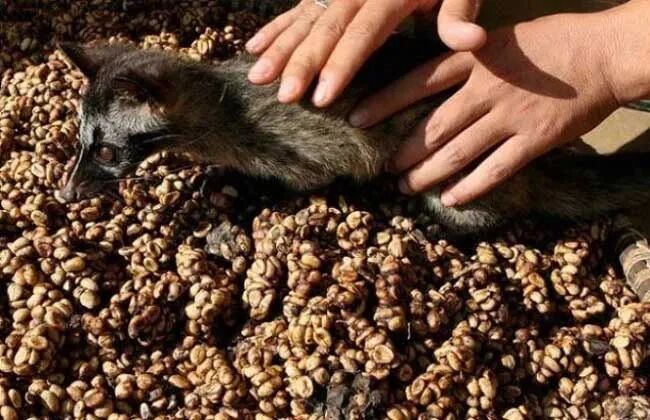
Although the coffee beans are not digested in the civet's digestive tract, the highly corrosive digestive fluid has already corroded their surface. In this digestive fluid there is a special protease that can break the coffee beans' original protein chains, decomposing long-chain proteins into small particles and forming short-chain peptides and amino acids.
The processing method of Kopi Luwak is completed inside the civet's body, because animals are much more precise than humans in selecting fruit. The coffee beans chosen by civets are all ripe and high in sweetness. After fermentation in their bodies, the coffee beans carry a special herbal aroma and are also excellent in body. Front Street Coffee's Kopi Luwak is just like its body, of excellent quality.
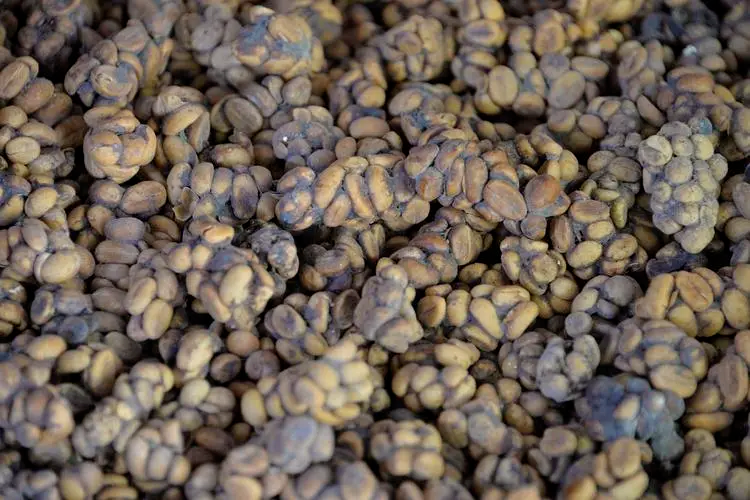
The controversy surrounding Kopi Luwak coffee beans lies not only in its unusual flavor but also in its production method. Kopi Luwak is scarce and expensive. To increase production, merchants have raised large numbers of civets and fed them coffee beans. Some people think this deprives animals of their freedom, and overfeeding can also affect the quality of the coffee beans.
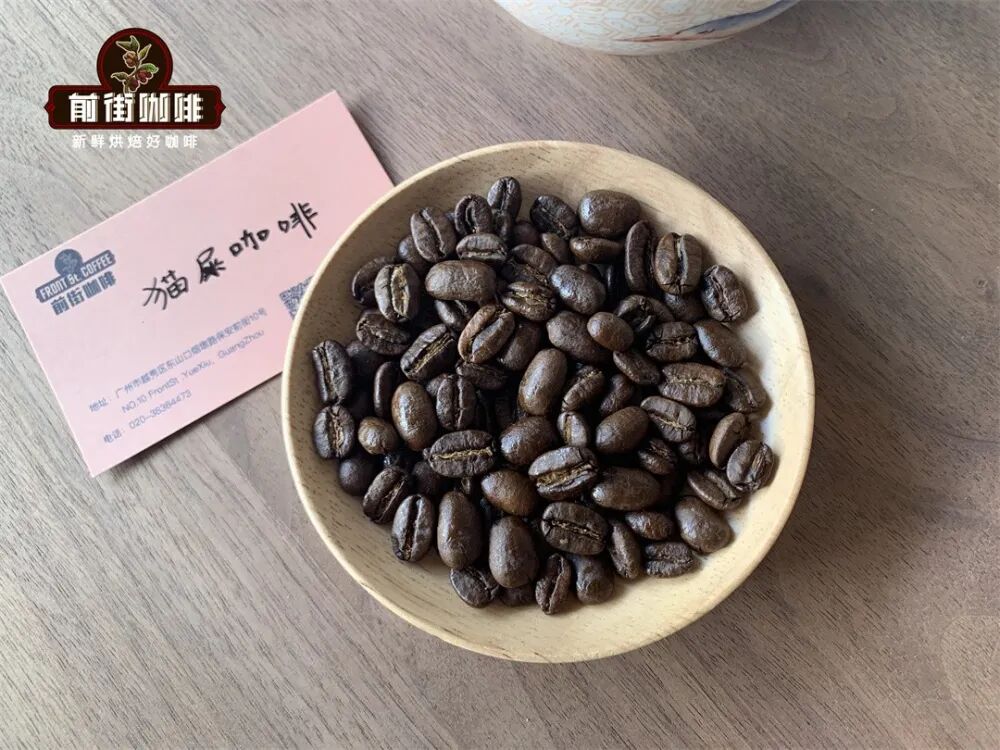
Taking [Front Street CoffeeKopi Luwak] as an example
Flavor description: herbs, nuts, dark chocolate, fermented flavor.
Brewing parameters: dripper: Kono dripper, water temperature: 86°C, coffee dose: 15 grams, coffee-to-water ratio: 1:15, grind size: medium grind (11 on EK43s grinder)
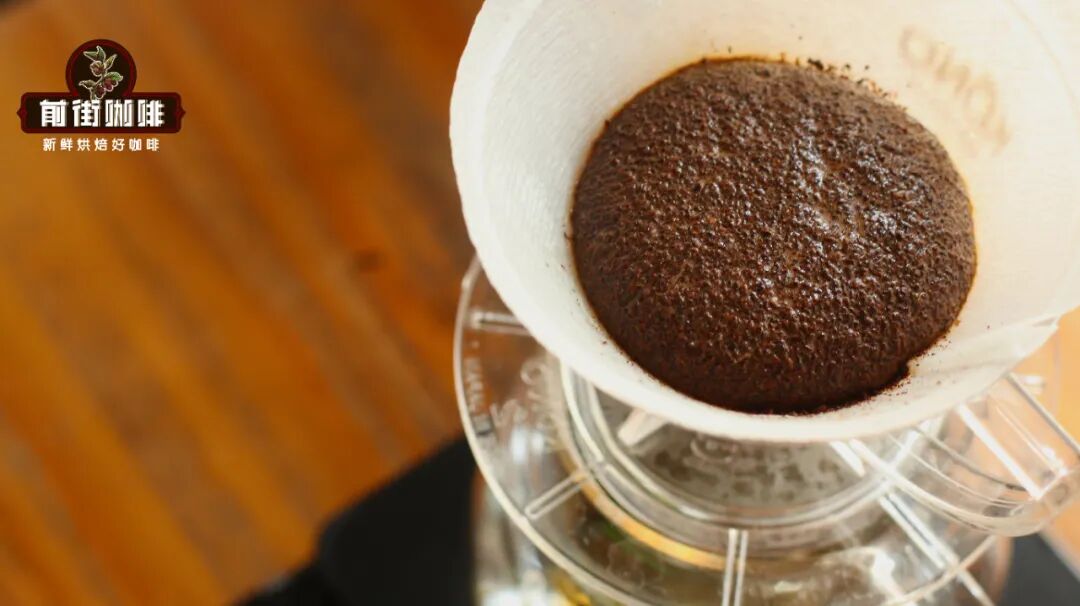
The brewing method uses staged extraction: 30 grams of water for blooming for 30 seconds, pour to 125 grams and pause. When the coffee liquid is about to dry up and expose the coffee bed, continue pouring to 225 grams and stop. The total extraction time is 2 minutes.
Java Coffee Beans
Front Street Java coffee beans have a delicate aroma, relatively low acidity, a fine mouthfeel, and good balance. Java coffee beans are superior to Sumatra coffee in aroma and acidity. Java's climate type is tropical rainforest climate, hot and humid all year round. The plains along the northern coast have the highest temperatures, while the mountainous areas are much cooler. High humidity often creates a debilitating climate. Because it is located in a volcanic zone, Java's soil is very fertile.
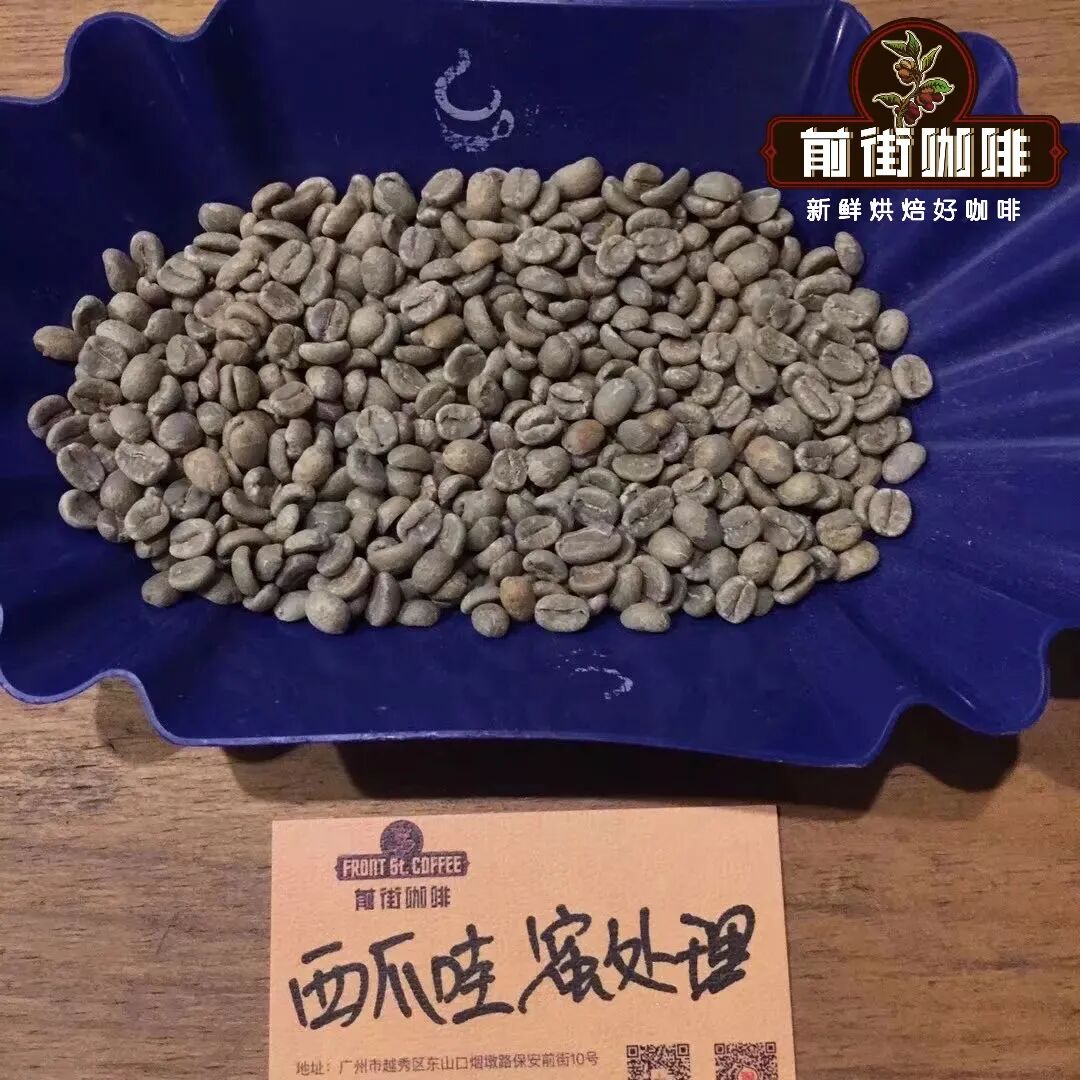
The better-quality coffees of Java Island are mostly located in West Java Province in the west, a first-level administrative region of Indonesia. They usually come from state-owned and private estates. Because state-owned estates have government support, they are relatively easy to sell to Europe and the United States and are also relatively more famous. The plantations are basically all above 1400 meters in altitude, supplemented by the local typical volcanic soil, creating a unique flavor.
Taking [Front Street CoffeeWest Java Coffee] as an example
Flavor description: mango, red wine, peach juice, strong fruity aroma, with plum and jackfruit flavors, clean and sweet lingering finish.
Brewing parameters: dripper: V60 dripper, water temperature: 90°C, coffee dose: 15 grams, coffee-to-water ratio: 1:15, grind size: medium-fine grind (10 on EK43s grinder)
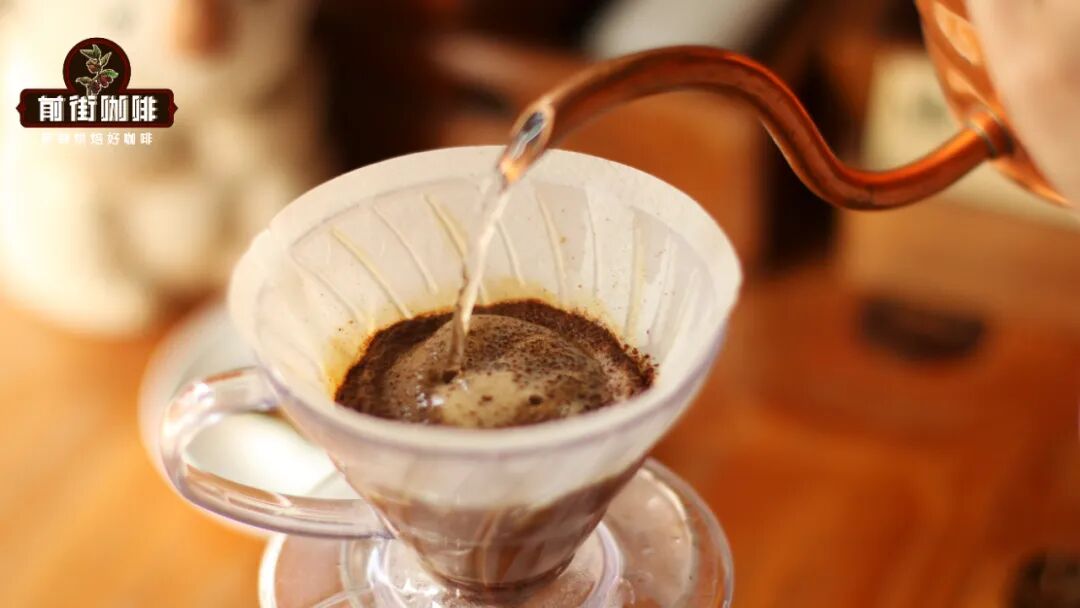
The brewing method uses staged extraction.30grams of water for blooming30seconds, pour slowly with a small stream to125grams and pause, continue pouring to225grams and stop, extraction time is2'00".
The above content is compiled by CoffeeHunters, a coffee news website.

