







Indonesian coffee is known for its rich, restrained flavor and relatively low acidity, and Mandheling in particular is a single-origin coffee much loved in China. This article starts from the geography of Sumatra, explains the origin of the name Mandheling, and takes a deep dive into the unique Flores "Coba da Flores" growing region. You will learn about Indonesia's distinctive wet-hulling process, as well as detailed product information and flavor characteristics of Front Street Indonesia Flores Wet-Processed Mandheling 18-Screen coffee. Whether you are a pour-over enthusiast or an espresso player, this article will give you a comprehensive understanding of the appeal of Indonesian Arabica coffee.
Introduction to Front Street Indonesia Mandheling Arabica Coffee Beans
The quality of Indonesian coffee varies widely, with quite diverse performance. In the market, most Indonesian coffee is named after the island of origin:
For example, Sumatra, Sulawesi, Java, or Timor.
The strength of Indonesian coffee lies in the fact that most beans show a mellow, understated flavor profile and lower acidity. Domestic consumers speak highly of Indonesian Mandheling coffee, and it is one of the most widely accepted single-origin coffees. Indonesian Mandheling was once hailed as the world's finest unique wet-hulled coffee bean.
Mandheling is essentially a trade name. Today, almost any Arabica green coffee made from ripe red coffee cherries harvested in Indonesia and processed using this special wet-hulling method is sold under the name Mandheling coffee beans. Mandheling was originally grown by the Mandailing people in the Tapanuli region of northwestern Sumatra. After World War II, a Japanese soldier introduced it to the Japanese market, and due to a mispronunciation that was repeated and spread, Mandailing became Mandheling coffee.
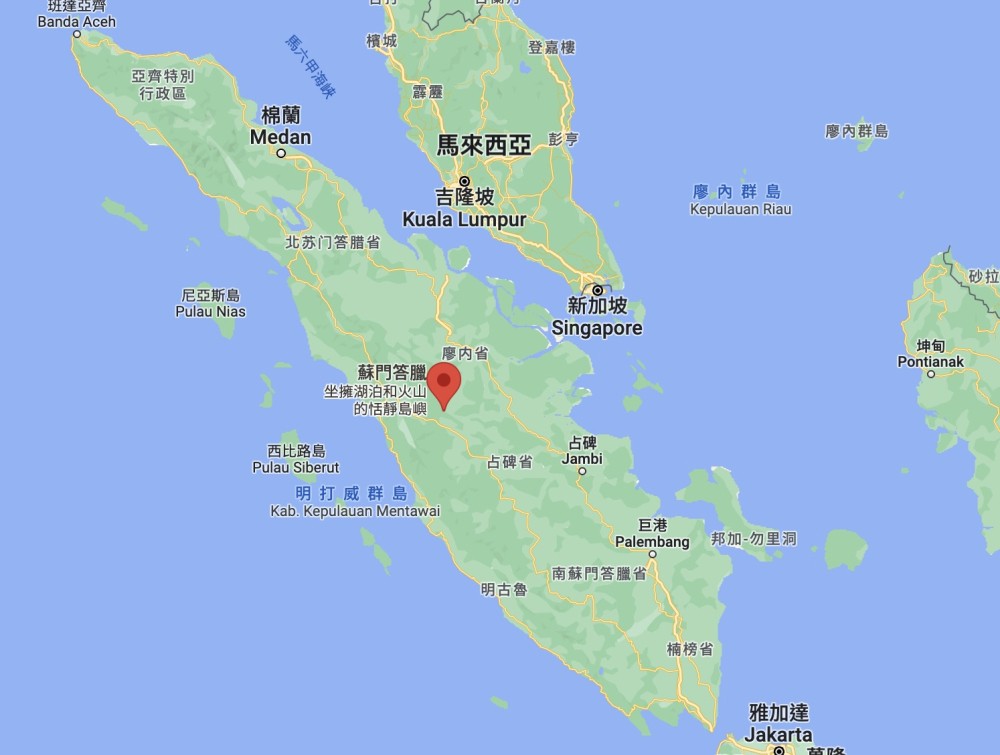
Sumatra Island:
The coffee flavor of Sumatra is extremely complex and hard to pin down. Although Sumatra is large, not the entire island grows coffee. Large-scale coffee cultivation occurs only in the two northernmost of the island's eight provinces—Aceh and North Sumatra:
Aceh coffee mainly comes from the Gayo Mountain area around Lake Tawar, and most farmers there are indigenous Gayo people; North Sumatra coffee is mainly produced in the Lake Toba region, the world's largest supervolcanic caldera lake, and the Lintong region to its south, where most local farmers are indigenous Batak people.
Because many smallholder producers use their unique semi-washed processing method, combined with a lack of iron in the soil, the coffee beans in this region have a distinctive blue color at the fresh green bean stage.
If you want to taste the most representative Indonesian Arabica coffee, buy Front Street Indonesia Lintong Mandheling. It is aromatic and rich, sweet with a bitter edge, and delivers a strong, stimulating mouthfeel with notes of clove and woody aroma. The medium-dark roasted Front Street Lintong Mandheling has low acidity, showing spice-family and mint notes, along with a strong, lasting, full-bodied sweetness. It is suitable for friends who do not like acidic coffee and can be used for pour-over drip coffee, French press immersion, moka pot coffee, and many other brewing methods.
Flores—when we first heard this coffee name, the first question was: "Where is Flores?"
After Googling, we discovered that Flores is located in Indonesia's Sunda Islands and is one of the larger islands there. It was discovered by the Portuguese in the 15th century, and because the local ecology was rich and flowers bloomed everywhere, it was named "Coba da Flores," the island of flowers.
The local climate is humid. After initial washing and fermentation, the parchment beans are sun-dried for one to two days. Although the green beans still have a moisture content of 30%–50%, the parchment is removed first and drying continues in order to shorten the green bean drying schedule; after about another 2 days of drying, the moisture content of the green coffee beans can be reduced to 12%–13%. Locals call this unique Indonesian semi-washed method Giling Basah, also known as wet-hulled.
The most special thing about this coffee is its aroma! The moment you open the grinder, the surprisingly strong fragrance immediately fills the entire room. You cannot help but share this wonderful moment with others. Overall, this is a mellow, rich, and sweet-aftertaste coffee. Its full body is matched with low-acidity sweetness. If you do not like coffee that is on the acidic side, let this coffee astonish your taste buds!
Product: Front Street Indonesia Flores Wet-Processed Mandheling 18-Screen Coffee
(Indonesia Sumatra Flores SC18+)
Region: Sumatra, Sunda Islands, Flores (Sumatra Flores) area
Varieties: Catimor, Caturra, Typica, Sidikalong
Producer: Bajawa Farmers Cooperative
Altitude: 1200~1600M
Grade: 18 Sc+
Soil: Highly fertile black volcanic soil
Processing Method: Semi-washed (traditional wet-hulling)
Flavor Characteristics: Rich aromas of dark chocolate, caramel, licorice, stone fruit, aromatic woody notes, tobacco, etc., with a sweet, creamy mouthfeel that flows seamlessly from start to finish.
The above content is compiled by CoffeeHunters, a coffee news website.


