







Search Results for: Improved Typica
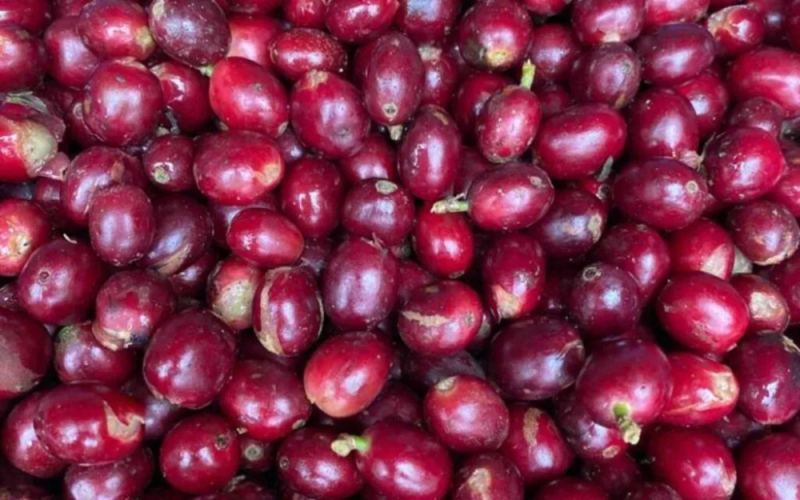
What Exactly Is the Improved Typica Mejorado Variety? A Full Analysis of the Origins and Flavor of This Rare Coffee Variety
Typica Mejorado is one of the representative bean varieties of Ecuadorian specialty coffee. Although its name contains "Typica," it actually has no direct genetic relationship with Typica. It originated from a breeding trial project established by Nestlé in Pichincha Province, Ecuador, and was created by crossing Red Bourbon with Ethiopian native varieties. It became popular among local coffee farmers due to its outstanding pest resistance. At Ecuador's first COE in 2021, Typica Mejorado took 10 of the 23 winning beans scoring above 87 points, and its fame soared thereafter. This article will help you gain a comprehensive understanding of this rare variety from the perspectives of its origins, genetic identification, competition performance, and flavor characteristics. [more…]
Analysis of the Typica Coffee Variety: Flavor and Characteristics of Typica Beans from the Sumatra Region of Indonesia
Typica, as the most classic high-quality Arabica variety, is the source of many commercial improved varieties. It delivers excellent flavor but has low yield and is susceptible to coffee leaf rust. This article provides an in-depth introduction to the origin, plant characteristics, and flavor profile of Typica coffee, and focuses on the Indonesian Sumatra producing region to analyze Mandheling's producing area distribution, historical origins, and flavor characteristics. At the same time, Front Street Coffee brings a detailed introduction to Sumatra Typica and Mandheling, sharing coffee knowledge, with 3 low-discount events every month, allowing more people to drink the best coffee at the lowest price. [more…]
A Comprehensive Analysis of Catimor Coffee Beans: Flavor Characteristics, Grinding Parameters, and Processing Methods
Catimor is a variety widely planted in Asian coffee-producing regions. It is favored by growers for its advantages such as cold tolerance, disease resistance, and high yield, but its flavor performance is often considered insufficiently delicate. With advances in cultivation techniques and post-processing methods, Catimor's cleanliness and image have improved somewhat. This article will systematically introduce Catimor's varietal origins, flavor characteristics, the development history of Yunnan Catimor, and Front Street Coffee's practical experience in variety selection and brewing parameters, helping coffee enthusiasts gain a comprehensive understanding of this variety's past and present. [more…]
A Comprehensive Analysis of the Current State of Yunnan Arabica Coffee Bean Industry and the Flavor Characteristics of the Typica Variety
Yunnan coffee has attracted much attention in recent years, and discussions often revolve around the concept of "Yunnan small bean." It usually refers to Arabica coffee produced in Yunnan, as distinguished from the medium-bean Robusta grown in Hainan. When small-bean coffee was first introduced to Yunnan, Typica and Bourbon were the main varieties. These two ancient varieties have pure flavors and a round, sweet taste, but because of low yields, difficulty in dense planting, and weak disease resistance, they were gradually abandoned by farmers in favor of the high-yielding Catimor. Catimor contains one-quarter Robusta genes, giving it a heavy body but often a woody and bitter, miscellaneous finish, which is also the root of Yunnan beans being criticized in earlier years as wild and earthy. With the spread of the specialty coffee concept, although variety replacement still takes time, the quality of Yunnan beans has improved markedly through whole-ripe cherry picking and refined processing. This article will review the current state of Yunnan small bean and recommend three Front Street Coffee beans, respectively presenting the typical flavors of Catimor, Typica, and an espresso blend. [more…]
Yunnan Arabica Coffee Variety Traceability and Flavor Evolution: The Specialty Path from Typica to Catimor
Yunnan small-bean coffee refers to Arabica coffee cultivated within Yunnan Province, China. In 1892, a French missionary brought the first coffee tree to Zhukula Village, which genetic comparison confirmed to be the oldest Typica variety. Since then, the coffee industry has gone through stages such as repaying Soviet loans and the introduction of the Catimor variety by Nestlé, and today the growing areas are distributed across the Nujiang, Lancang, Honghe, and Jinsha river basins at elevations of 800 to 1,800 meters. Catimor is currently the dominant variety, but Front Street Coffee believes that quality must be improved from the root of the variety, and in 2013 it planted Typica on a mountain at an elevation of 1,300 meters in Lincang. This article will sort out the variety lineage of Yunnan coffee, its flavor characteristics, and Front Street's brewing recommendations. [more…]
Yunnan Small-Bean Coffee Brands Overview: From Typica Origins to Catimor Flavor and Processing Methods by Region
Yunnan coffee is commonly known as Yunnan small bean, with uniform and plump beans and a mellow, moderate taste. Its cultivation history can be traced back to 1904, when the French missionary Tian De'neng brought Typica to Zhugula Village in Binchuan County. Today, Catimor and its improved varieties are widely planted in Yunnan, while high-quality varieties such as Typica, Bourbon, and Geisha account for only a small portion. Front Street Coffee's planting trials in Lincang show that Typica can present flavors of nuts, brown sugar, and slight fruit acidity. Yunnan coffee is mainly distributed in Lincang, Pu'er, Baoshan, Xishuangbanna, Wenshan, Dehong, and other places. Each production area forms a unique microclimate thanks to high altitude, abundant sunshine, and distinct dry and rainy seasons. The processing method is mainly washed. Sun-dried and washed methods bring different flavor directions, and Front Street Coffee's sun-dried and washed Catimor are typical examples. [more…]
Tanzania's Coffee Industry and Variety Evolution: From KP423 and SL28 to Geisha and the Kilimanjaro Region
Tanzania is located in East Africa, bordering Kenya, Uganda, and several other countries, and its unique climatic conditions provide a diverse environment for coffee cultivation. The history of coffee in the country can be traced back to the 16th century, and today it has developed Typica, Bourbon, Kent, and independently developed disease-resistant varieties. Since its establishment in 2001, the Tanzania Coffee Research Institute (TaCRI) has continued to promote the revitalization of the industry, releasing 23 improved varieties, including KP423. At the same time, Kenya's well-known variety SL28 and Panama Geisha are both inextricably linked to Tanzania. Front Street Coffee has also selected washed beans from the Kilimanjaro volcanic region in the northern highlands, presenting a tea-like flavor with citrus, berry, and honey notes. [more…]

The Truth About Yunnan Coffee Varieties: Catimor Sold as Typica, What Exactly Is the Difference Between the Two?
Yunnan is China's core coffee-producing region, accounting for over 95% of the national output, but many Yunnan beans labeled "Typica" on the market are actually Catimor. Although Catimor and Typica both belong to Arabica, they differ enormously in flavor, disease resistance, and yield. This article examines the varietal truth of Yunnan small-bean coffee from the perspectives of variety origin, cultivation history, and flavor performance, helping enthusiasts recognize the difference between Catimor and Typica and avoid being misled by labels. It also introduces the roasting and online store information of Guangzhou Front Street Coffee. [more…]
Coffee Bean Varieties Explained: From Arabica and Robusta to Typica, Bourbon, and Mainstream Variants
The world of coffee is far richer than one might imagine. From the two main species, Arabica and Robusta, to Typica, Bourbon, and their many genetic mutations and hybrid varieties, every type of coffee bean has its own unique origin story, flavor profile, and suitable growing environment. This article systematically sorts out the origins and characteristics of common coffee varieties, including well-known coffees such as Blue Mountain, Mandheling, Kona, and Geisha, as well as improved varieties like Caturra, Catuai, Pacas, and SL28, helping coffee enthusiasts build a complete framework of variety knowledge and have clearer direction when purchasing and tasting. [more…]
How to Choose a Yunnan Small-Bean Coffee Brand? From Regional History to a Flavor Comparison of Front Street Coffee's Typica and Catimor
Yunnan small-bean coffee belongs to the Arabica species of the Coffea genus in the Rubiaceae family, and is mainly produced in Lincang, Baoshan, Pu'er, Dehong, Nujiang, Xishuangbanna, and other places. In 1892, a French missionary brought the first coffee tree to Binchuan County for trial planting. Because the fruit was on the small side, it was called small-bean coffee, and later genetic identification confirmed that it originally belonged to the Typica variety. During the debt period, the government encouraged expanded planting, and after Nestlé entered, it promoted Catimor, which led Yunnan beans to be equated with instant coffee raw material for a long time. In recent years, cultivation and processing have become more scientific, Yunnan beans have improved in quality and have been accepted by more markets. Front Street Coffee currently sells Baoshan Lujiangba 1200m Catimor and Lincang 1300m Typica, each with different flavor emphases. This article also gives V60 brewing parameters and the performance of the two beans. [more…]
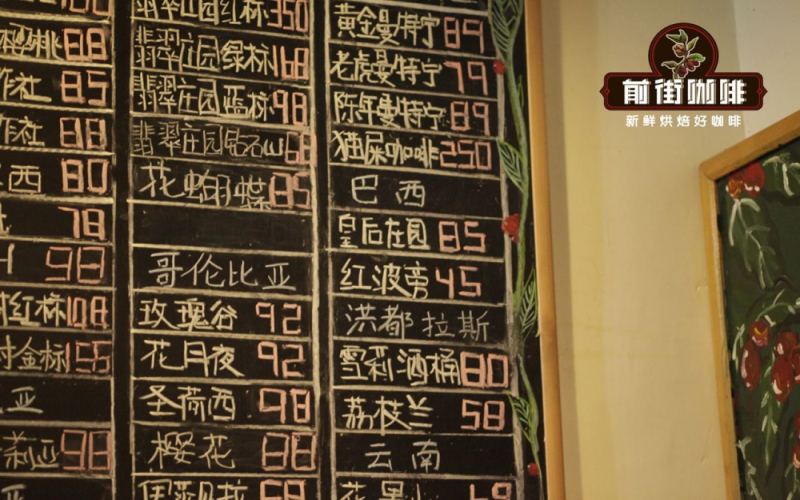
Yunnan Coffee Variety Evolution and Brewing Guide: The Cultivation Story of Front Street Coffee Typica Small-Bean Coffee and Pour-Over Parameter Analysis
The evolution of coffee varieties in Yunnan is a history worth telling in detail. Why was the originally introduced Typica later replaced on a large scale by Catimor? What flavor limitations does Catimor have? Front Street Coffee insists on growing Typica in Baoshan, using washed processing to preserve the authentic taste of the region, and has verified this bean's expressiveness through cupping and repeated brewing. This article will trace the ins and outs of Yunnan coffee's variety replacement, include the Yunnan coffee market conditions in early 2021, and share in detail Front Street Coffee's Typica roasting curve and V60 staged pouring plan, helping enthusiasts reproduce at home a balanced flavor combining nutty, chocolate, and soft acidity. [more…]
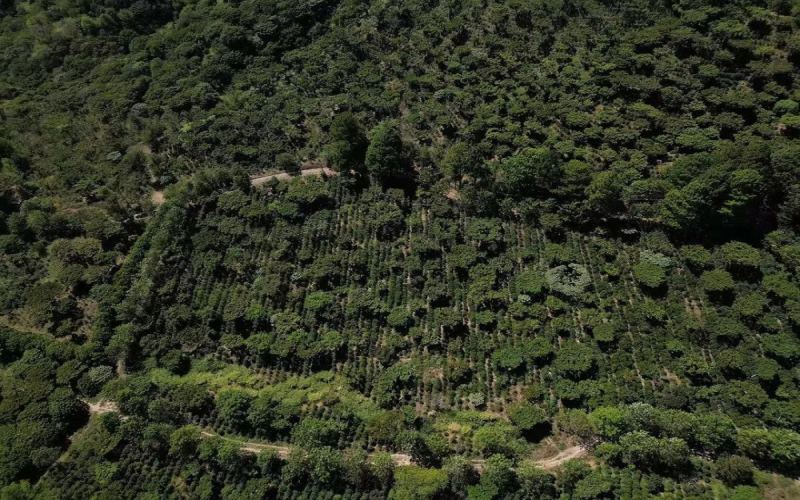
A Complete Analysis of Salvadoran Coffee Flavors: The Pour-Over Taste and Processing Characteristics of Bourbon Beans from the Santa Ana Region
Although El Salvador is a small country in Central America, it occupies an important place on the specialty coffee map. It is not only one of the birthplaces of the improved honey process, but also known for its balanced and mellow flavor. This article will provide a complete overview of the taste characteristics of Salvadoran coffee, from the distribution of producing regions, variety characteristics, and the microclimate of the Santa Ana volcano region, to the Bourbon beans of the Chocolate Lover Estate, the hybrid processing method, and the details of roasting and brewing. FrontStreet Coffee also provides specific reference on the pour-over performance of this bean, making it suitable for enthusiasts who want to gain a deeper understanding of Central American coffee. [more…]

The geographical and varietal reasons behind El Salvador's outstanding coffee quality, and a flavor analysis of Bourbon beans from the Santa Ana region
Although El Salvador is a small country in Central America, it occupies an important place in the specialty coffee landscape, and together with Costa Rica it is part of the region where improved honey processing techniques originated. Front Street Coffee summarizes its flavor as mild and slightly acidic, with pleasant sweetness, full aroma, and a clean mouthfeel. This article will review El Salvador's coffee-producing regions and altitude classification system, analyze the terroir advantages of the Santa Ana volcanic region, and introduce in detail the Bourbon variety and hybrid processing method of the Chocolate Lover Estate, as well as Front Street Coffee's roasting curve and pour-over parameters, giving you a comprehensive understanding of the coffee charm of this Central American producing country. [more…]
An Analysis of the Catimor Coffee Variety's Flavor and a Detailed Guide to the Pour-Over Grind Parameters for Yunnan Small-Bean Coffee
Catimor is a variety widely planted in Asian coffee-producing regions. It is favored by growers for its advantages such as disease resistance, cold tolerance, and high yield, but its flavor performance and fineness of mouthfeel are often discussed in specialty coffee circles. This article will systematically introduce Catimor's varietal origin and flavor characteristics, sort out the cultivation evolution of Yunnan smallholder coffee from Typica to Catimor, and share Front Street Coffee's practical experience in the improvement of Yunnan coffee varieties. At the same time, it will explain in detail the hand-brew grinding setting, coffee-to-water ratio, water temperature, and three-stage pouring scheme for Yunnan coffee beans, helping coffee lovers present the plum-like acidity, brown sugar caramel sweetness, and melon-fruit aroma unique to the Yunnan producing region in a more scientific way. [more…]
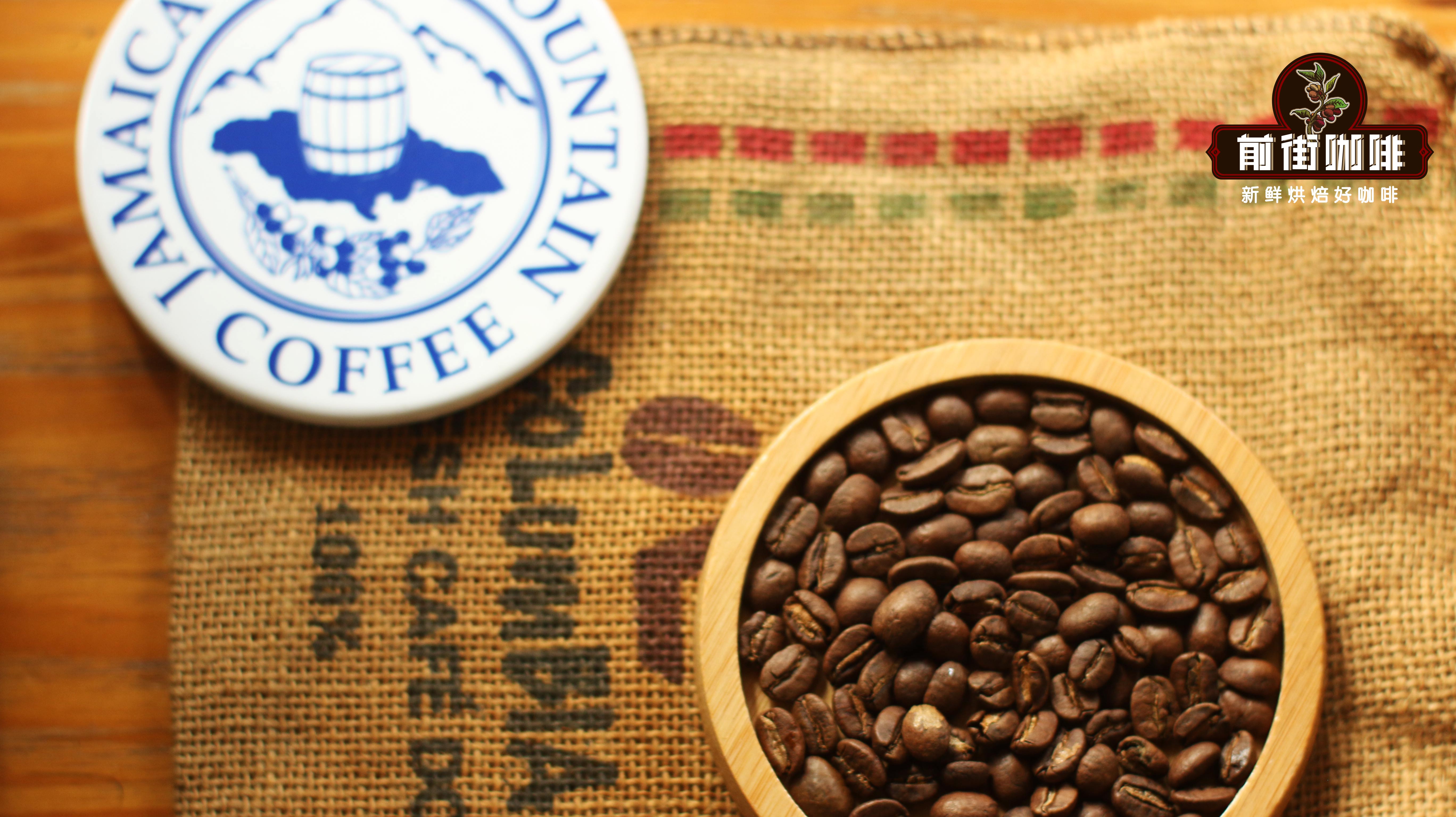
Blue Mountain Coffee: Grade Pricing and Why It's So Expensive | Standard Pour-Over Brewing Steps for Blue Mountain No. 1
Blue Mountain coffee has always held a classic status in the specialty coffee wave. Even as newcomers such as Geisha and the Musician series keep emerging, this bean has never been absent from the bean list at Front Street Coffee. What grade does it actually belong to, and why has its price remained high for so long? This article systematically sorts out the sources of Blue Mountain coffee's value from the perspectives of Jamaica Blue Mountain's geography and terroir, cultivation history, grading and regulation, washed processing, and the Typica variety, and also includes Front Street Coffee's pour-over parameters and staged pouring plan using Clifton Estate Blue Mountain beans as an example, to help you understand the flavor logic of this classic coffee and the correct way to brew it. [more…]
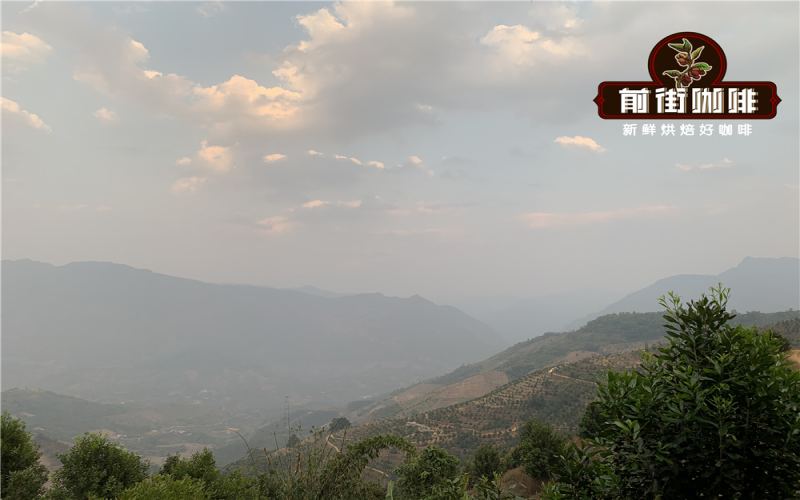
A Complete Guide to Coffee Varieties Grown in Yunnan: Flavor Characteristics of Arabica and Introduction to Major Producing Regions
Yunnan, as China's core coffee-producing region, nurtures a uniquely distinctive small-bean coffee thanks to its prime location between 15°N and the Tropic of Cancer and its altitude advantage of 1,000–2,000 meters. This article systematically reviews the origins and characteristics of Yunnan's main cultivated coffee varieties—Typica, Bourbon, and Catimor—analyzes the differences in flavor expression among these varieties, and introduces the cultivation overview of major production areas such as Baoshan, Pu'er, and Lincang one by one. At the same time, drawing on three Front Street Coffee products—washed Yunnan small-bean coffee, sun-dried Catimor, and 2013 sun-dried Typica—it shares brewing parameters and key flavor-tasting points, offering coffee lovers a complete cognitive path from origin to cup. [more…]
Yunnan Red Honey Process SOE Coffee Flavor Analysis and Comprehensive Introduction to Its Taste Characteristics
Luckin Coffee recently completed its procurement plan for 1,000 tons of Yunnan specialty coffee beans for the 2020/2021 harvest season. The selected green beans come from the two major producing regions of Baoshan and Pu'er, both grown at altitudes above 1,300 meters, with SCA scores of no less than 80 points. This marks another move by Luckin into the specialty coffee segment, following the Little Black Cup SOE Yirgacheffe. This batch of Yunnan beans uses a double anaerobic fermentation red honey process, going through two anaerobic fermentation stages from fresh fruit to drying, with the fermentation rhythm controlled by monitoring color, aroma, pH value, and sugar content. This article will systematically review the producing region conditions and main variety characteristics of Yunnan coffee, and provide an in-depth analysis of the classification, process, and flavor performance of the honey processing method, helping coffee enthusiasts fully understand the true taste and quality characteristics of Yunnan red honey processed SOE. [more…]
Yunnan Coffee Bean Varieties, Processing Methods, Flavor Characteristics Analysis and Pour-Over Grinding Parameters Guide
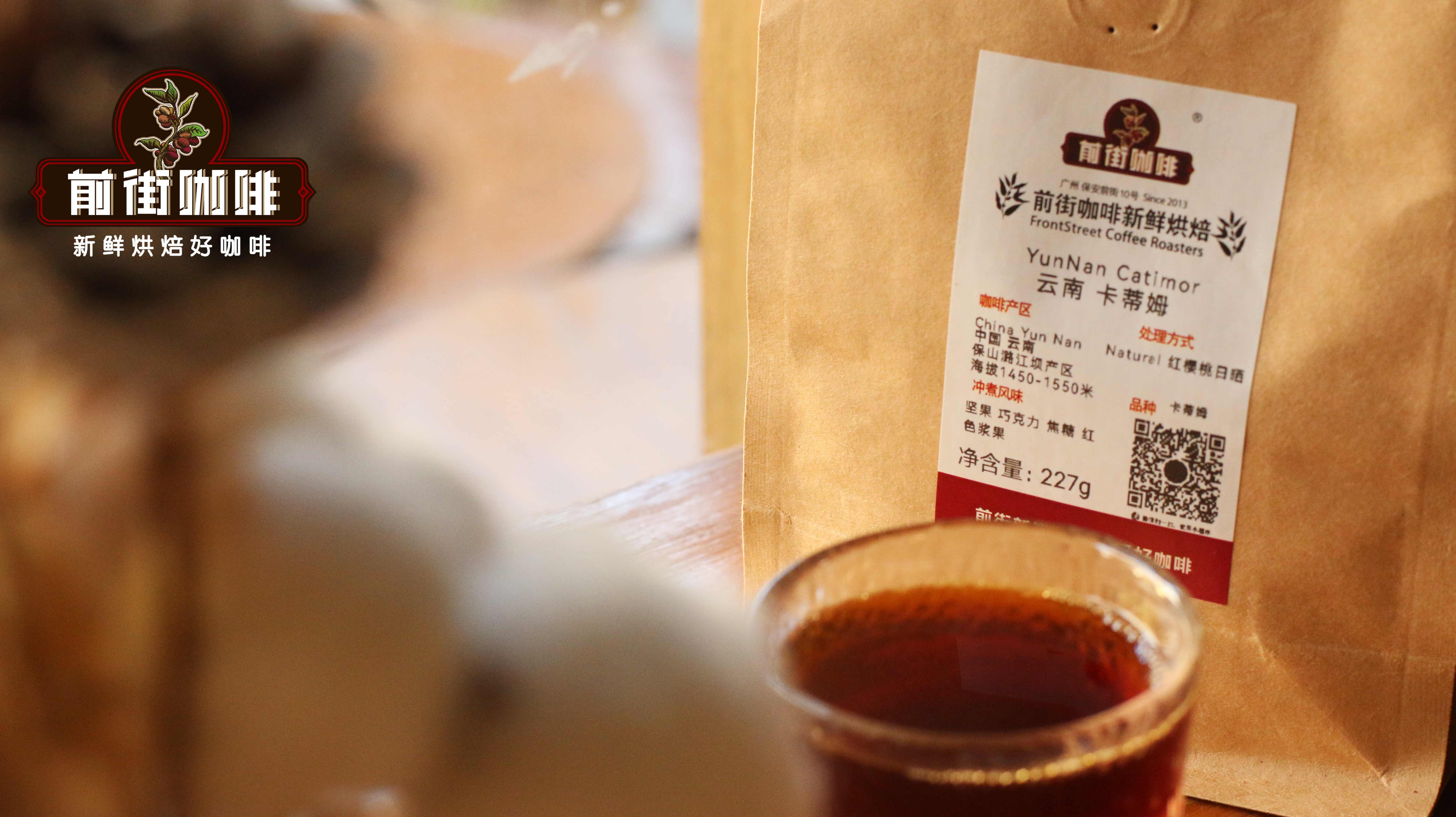
Yunnan, as China's core coffee-producing region, has an annual output of about 26,000 tons, accounting for ninety percent of the national total, mainly distributed in Lincang, Baoshan, Dehong, and Pu'er. Its small-bean coffee is known for being rich but not bitter, aromatic but not harsh, and slightly fruity. The varieties have evolved from the early Typica to the Catimor commonly planted today. Front Street Coffee, drawing on years of cupping and brewing experience, has sorted out the variety lineage, processing characteristics, and pour-over parameters of Yunnan coffee, and compared the flavor differences between Front Street Colombia Huila and Front Street Mandheling, providing coffee enthusiasts with a practical reference for Yunnan coffee tasting and extraction. [more…]
Jamaica Blue Mountain No. 1 Coffee Brewing Guide: From Clifton Estate to a Detailed Three-Pour Technique
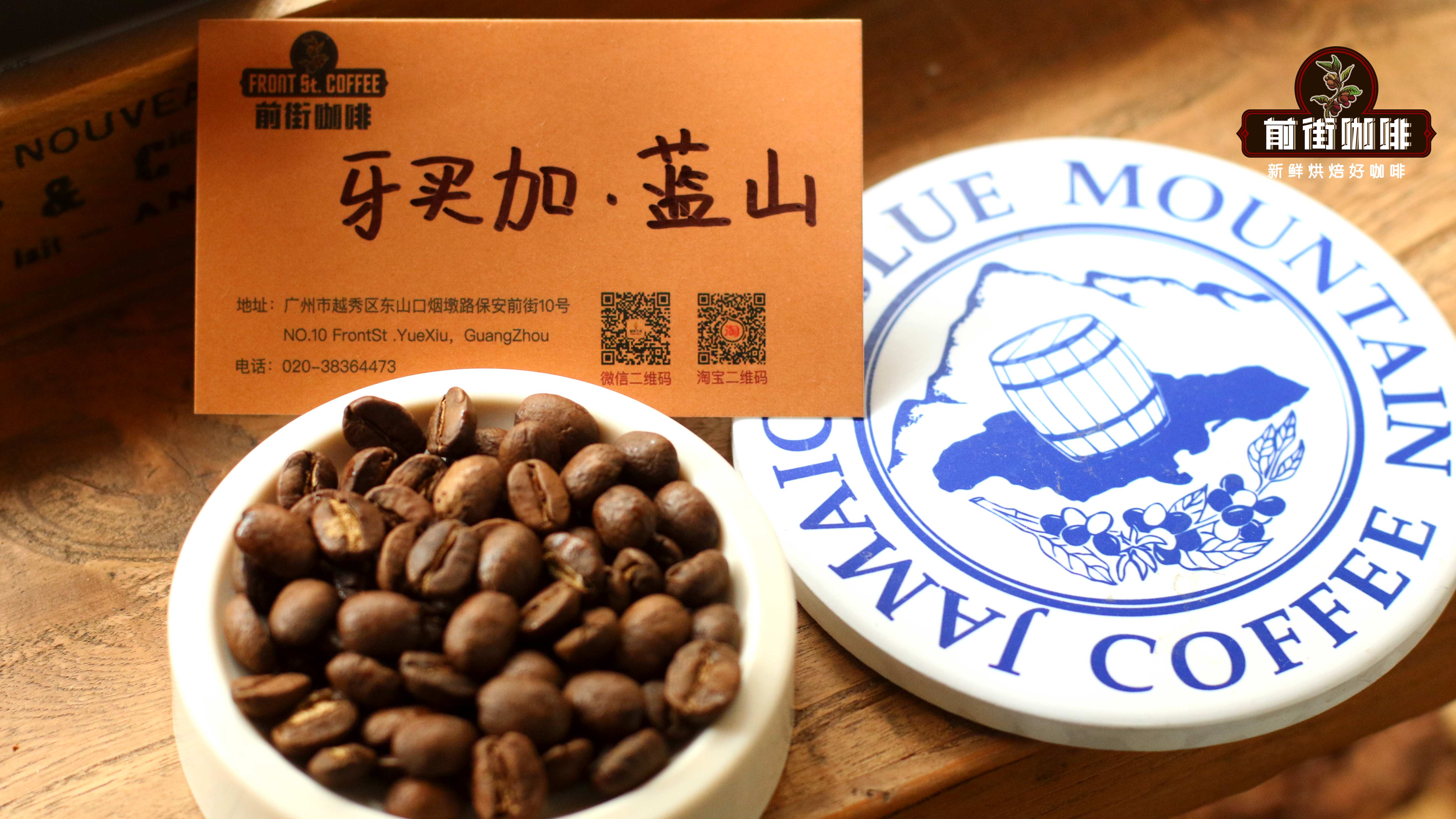
Blue Mountain coffee is celebrated as the king of coffee, and its balanced flavor and strict grading system have long been the benchmark of the specialty coffee world. This article begins with Front Street Jamaican Blue Mountain No. 1 coffee beans, offering a detailed introduction to the origin background of Clifton Farm, brewing parameters, and the three-pour process, while also systematically reviewing the cultivation history of Jamaican Blue Mountain coffee, the CIB grading standards, and the key role of the washed Typica variety in flavor stability. Whether you want to learn how to taste Blue Mountain coffee or master a reproducible brewing method, you will find practical guidance in this article. [more…]
How Are Jamaican Blue Mountain Coffee Bean Varieties Classified? A Complete Guide to the Correct Brewing Method, Flavor Characteristics, and Pour-Over Ratios
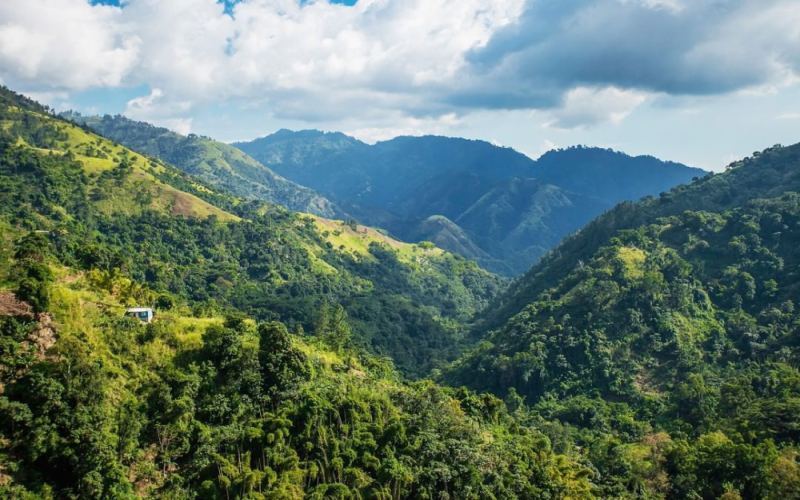
Blue Mountain coffee is hailed as the king of coffee, but how exactly is genuine Jamaican Blue Mountain coffee graded and identified? This article begins with the geography and microclimate of the Blue Mountains, traces the history of Jamaican coffee cultivation since the 18th century and the CIB quality regulatory system, analyzes the distinctive washed Typica flavor profile unique to Blue Mountain coffee, explains the grading distinctions among Blue Mountain coffee, High Mountain coffee, and Jamaican Prime coffee, and includes Front Street Coffee's three-stage brewing steps, parameter ratios, and tasting points using Clifton Farm Blue Mountain No. 1 as an example, helping coffee enthusiasts systematically understand the correct way to drink Blue Mountain coffee. [more…]