







Which Arabica Variety Grows Well in Yunnan Coffee?
Yunnan coffee is grown mainly as Catimor, alongside Typica and Bourbon, all within the arabica variety group. The province sits between 15°N and the Tropic of Cancer at 1,000 to 2,000 meters, and market beans are commonly sold as Yunnan small-bean coffee. The cup tends to be rich and mellow with balanced body and slight fruity acidity.
Yunnan is China's largest coffee-producing province, and Baoshan, Pu'er and Lincang are its main growing regions. The varied arabica variety mix means flavor shifts with each type: washed small-bean coffee, sun-dried Catimor and sun-dried 2013 Typica each brew differently. Origin, variety and processing method remain the three dimensions for understanding yunnan coffee before adjusting grind and water temperature.
Yunnan, as China's core coffee-producing region, nurtures a uniquely distinctive small-bean coffee thanks to its prime location between 15°N and the Tropic of Cancer and its altitude advantage of 1,000–2,000 meters. This article systematically reviews the origins and characteristics of Yunnan's main cultivated coffee varieties—Typica, Bourbon, and Catimor—analyzes the differences in flavor expression among these varieties, and introduces the cultivation overview of major producing regions such as Baoshan, Pu'er, and Lincang one by one. At the same time, drawing on Front Street Coffee's three products—washed Yunnan small-bean coffee, sun-dried Catimor, and 2013 sun-dried Typica—it shares brewing parameters and flavor-tasting key points, offering coffee lovers a complete cognitive path from origin to cup.
Yunnan coffee is commonly known in the market as Yunnan small-bean coffee, and the Yunnan beans currently circulating on the market are dominated by the Catimor variety. Front Street currently offers three Yunnan coffees: one is washed Yunnan small-bean coffee, one is sun-dried Yunnan Catimor coffee, and another is sun-dried Front Street 2013 Typica coffee. As coffee from the Chinese people's own land, Yunnan coffee is gradually entering all kinds of cafés. At the same time, the group of coffee-savvy consumers is also growing, and more and more people are pursuing specialty coffee. To truly understand a coffee, starting from the three dimensions of origin, variety, and processing method is a relatively systematic path, and it can also help everyone find beans that suit their taste more precisely.
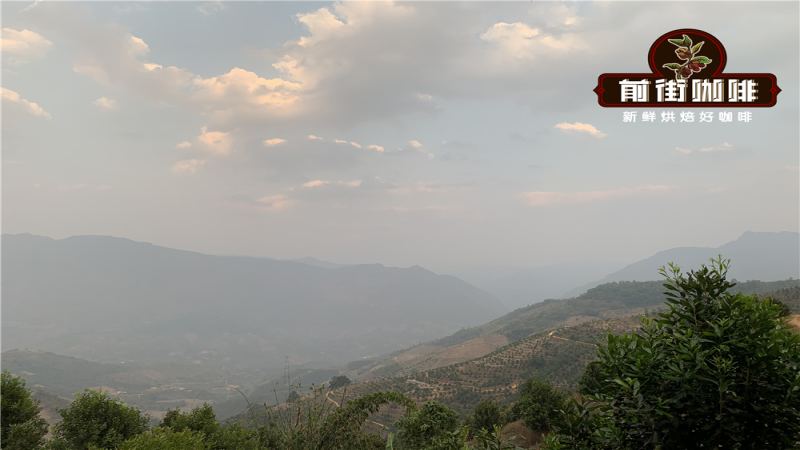
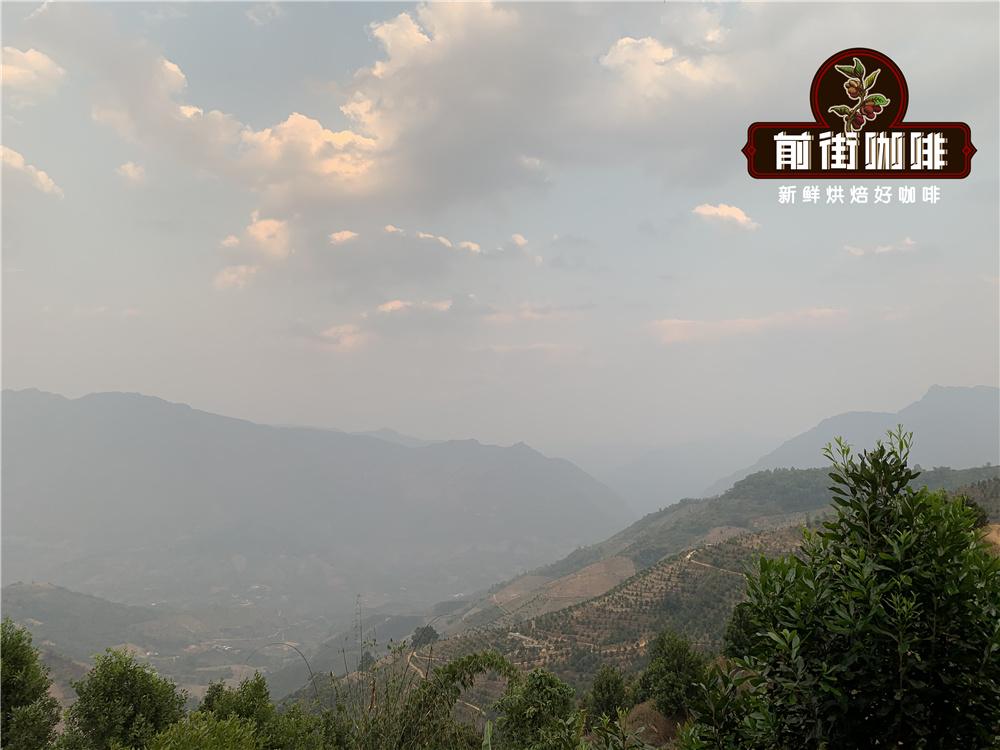
Yunnan is China's province with the largest coffee planting area and also lies in the golden latitude belt for coffee cultivation. Its western and southern parts lie between 15°N and the Tropic of Cancer, most areas are at an altitude of 1,000 to 2,000 meters, and the terrain is mainly mountainous and sloping, with obvious undulations, fertile soil, abundant sunshine, plentiful rainfall, and a significant temperature difference between day and night. Front Street believes that it is precisely these unique natural endowments that create the style characteristics of Yunnan small-bean coffee: rich and mellow, balanced in mouthfeel, and with a slight fruity acidity.
Yunnan Coffee Bean Varieties
Thanks to its superior geographical environment and climatic conditions, Yunnan has become an ideal growing region for Arabica coffee. Arabica coffee beans are relatively small, so they are also called small-bean coffee. Yunnan small-bean coffee is rich but not bitter, aromatic but not harsh, with a faint fruity taste. Its main cultivated varieties include three: Typica, Bourbon, and Catimor. Typica and Bourbon, two classic high-quality varieties, are the main cultivation targets of Yunnan coffee; in 1991, the Catimor series was introduced from Kenya. This series has stronger disease resistance and higher yield and belongs to a variant of the Arabica species (also called the small-bean species). Because Typica and Bourbon are quite similar in morphology and habits, the two are often planted together in production.
The most widely planted variety in Yunnan at present is Catimor, while a small amount of Typica and Bourbon is still retained in the Baoshan area. Although from a broad category perspective they all belong to the Arabica species, these varieties differ significantly in their essential attributes.
Typica
Typica is the most classic high-quality Arabica variety, and many commercial improved varieties today can be traced back to it. Its flavor performance is outstanding, and it is recognized as a specialty coffee variety, but its yield is very low and it is susceptible to rust disease, requiring more manpower for management. Typica originated in Ethiopia and southeastern Sudan and is the most widely cultivated coffee variety in the Western Hemisphere. The plant is relatively robust but not tolerant of strong light, and it yields relatively high in Hawaii. The top leaves of Typica are copper-red, hence the name "red-top coffee."
Catimor
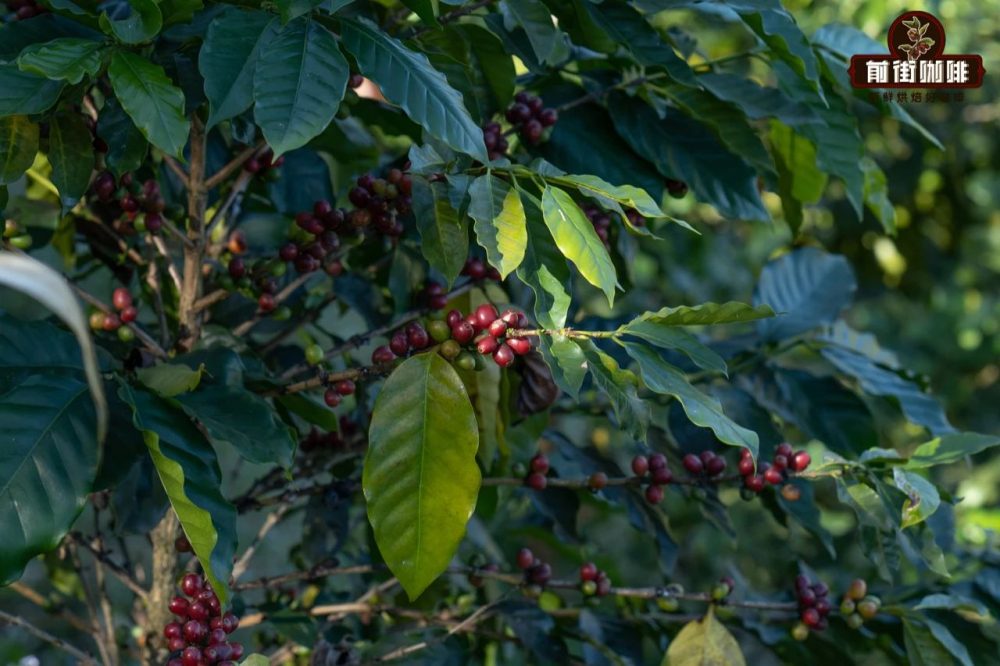
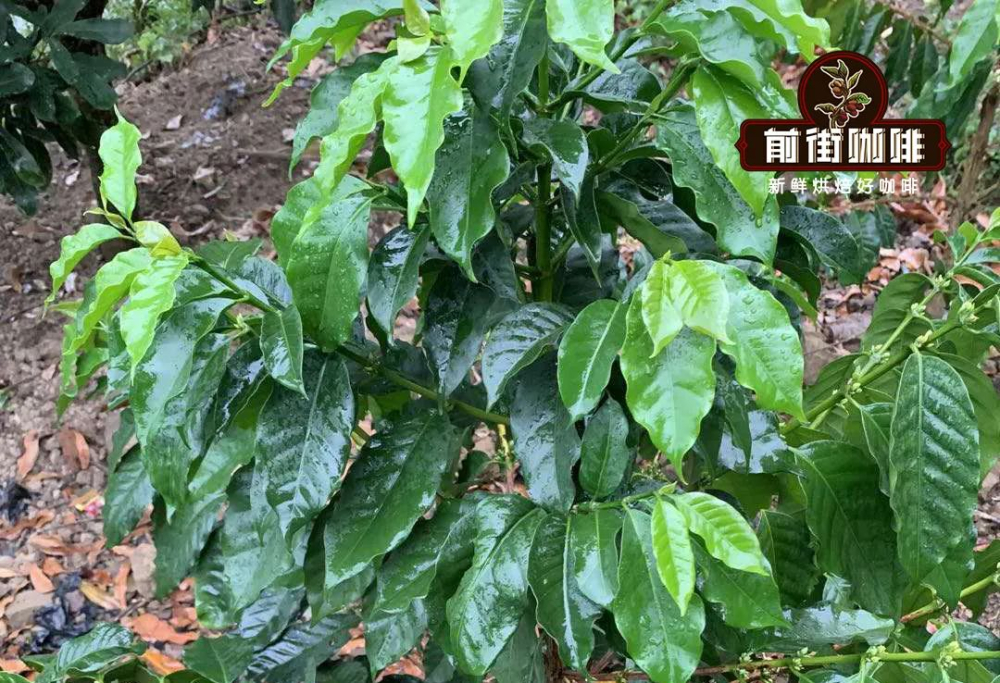
Most of the coffee varieties currently planted in Yunnan are Catimor. Because Typica coffee trees are vulnerable to coffee leaf rust and also have low yields, local coffee farmers have had to cut down this elegant-flavored variety and switch to planting Catimor, which has higher yields and resistance to leaf rust.
In his book "Specialty Coffee Studies," Han Huaizong, when introducing China's coffee-producing regions, mentioned that by 1998 more than 90% of Yunnan's coffee varieties were already Catimor.
Catimor was developed in 1959 by CIFC, the Portuguese coffee leaf rust research center. It is a new variety bred by crossing Timor and Caturra, with the characteristics of high productivity, short plants suitable for dense planting, and good disease resistance. However, because Catimor carries Robusta genes, its bitterness and grassy odor are more obvious than those of pure Arabica, and it is slightly inferior in cleanliness, fruity notes, and richness. Robusta has good resistance to leaf rust and rich oils, with high yield and easy cultivation; after crossing with the Arabica variety Typica, Catimor obtained 25% Robusta genes, which not only improved its resistance to leaf rust and retained rich oils but also inherited part of the rich taste of the original Typica species. Therefore, most Yunnan estates have now begun large-scale planting of Catimor, while the cultivation range of Typica is increasingly shrinking.
FrontStreet Coffee's washed Yunnan small-bean coffee is exactly the Catimor variety.
Bourbon
In 1981, when Professor Ma Xijin investigated ancient Yunnan coffee varieties, he found that in the ancient coffee forest near Zhugu, red-top Typica accounted for 31% and green-top Bourbon accounted for 69%. Some experts speculate that what Father Tian brought to Zhugula Village back then was not only Typica but also mixed with Bourbon. Bourbon, like Typica, is also an ancient high-quality coffee variety, and the current production of Bourbon coffee in Yunnan is even less than that of Typica.
Geisha, Caturra, Catuai
Over the past decade, Yunnan's coffee cultivation has continued to develop, and foreign varieties have also been continuously introduced for experimental research, and Geisha is naturally among them. In the 2016 Yunnan Green Bean Competition, a Yunnan Geisha entered the competition for the first time, but among 120 coffee beans it only ranked in the 30s and failed to beat the "local strongmen" that had taken root for many years.
Some experts believe that after Geisha was transplanted from Panama to Yunnan, the terroir and climate changed dramatically, and without enough years of acclimatization, it is unavoidable that it does not adapt well. In addition, the altitude for coffee cultivation in Yunnan is generally not high, about 1,100 meters, and the planting management level has not kept up, so it is normal that the flavor of the Geisha coffee produced is unsatisfactory. It was not until 2020 that Yunnan's first batch of Geisha seeds was released to the mass market in limited quantities. Geisha coffee has high requirements for conditions such as high altitude and shade trees. Panama's climate and environment are very suitable for growing Geisha, and Geisha grown in other regions can hardly present the flavor of Panamanian Geisha.
Yunnan Coffee Producing Regions
Pu'er, Xishuangbanna, Wenshan, Baoshan, Dehong, Lincang, and other places in southern and western Yunnan are all distribution areas for Yunnan small-bean coffee cultivation.
Baoshan
Baoshan, Yunnan, is located on a low-latitude plateau and has long had the saying "one mountain has four seasons, ten miles have different skies." Such climatic conditions are very suitable for growing coffee beans. Yunnan's coffee output reaches 136,000 tons, accounting for more than 95% of the country's coffee output, and its export volume ranks highest in the country at 60,700 tons. The Baoshan area has a long history of coffee cultivation and is recognized as the "best small-bean coffee producing area," and is also one of the regions with relatively good coffee quality nationwide and even globally. Most of the cultivated varieties are also Catimor.
Front Street's washed Yunnan small-bean coffee comes from Baoshan.
Pu'er
All coffee planted in the Pu'er area is of the Catimor variety. Baoshan City introduced Typica and Bourbon as early as the 1950s, and locals call them "old varieties." Because the old varieties have low resistance to pests and diseases and low yields, are relatively labor-intensive to manage, and have little advantage in market purchase prices, in recent years coffee farmers have switched one after another to planting the new variety Catimor. From the perspective of coffee botany, Yunnan small-bean coffee is genetically similar to the recognized finest Jamaican Blue Mountain and Hawaiian Kona.
Lincang
Lincang is located in southwestern Yunnan, with the Tropic of Cancer running across its south. It borders Pu'er to the east, Dali to the north, Baoshan to the west, and Myanmar to the southwest. It is named because it is near the Lancang River and is a shining pearl on the southwestern frontier of the motherland. Lincang's year-round average temperature is between 16.8°C and 17.2°C, with distinct dry and wet seasons and abundant sunshine.
FrontStreet Coffee has established its own estate in the Lincang producing area of Yunnan. In 2021, FrontStreet Coffee produced its first self-produced coffee bean—Front Street 2013 sun-dried Typica coffee. FrontStreet Coffee took a fancy to this "green pearl on the border" and, in the early days of brand establishment, simultaneously established its own coffee estate in Lincang, one of Yunnan's main coffee-producing areas, planting the oldest Arabica variety—Typica.
Yunnan Coffee Bean Processing Methods
Due to the long rainy season and unstable climate, most Yunnan coffee beans use the washed processing method, but there are also sun-dried beans. Front Street's Catimor is divided into washed Yunnan small-bean coffee and sun-dried Catimor coffee. In addition, there is Front Street 2013 sun-dried Typica coffee produced by FrontStreet Coffee's estate.
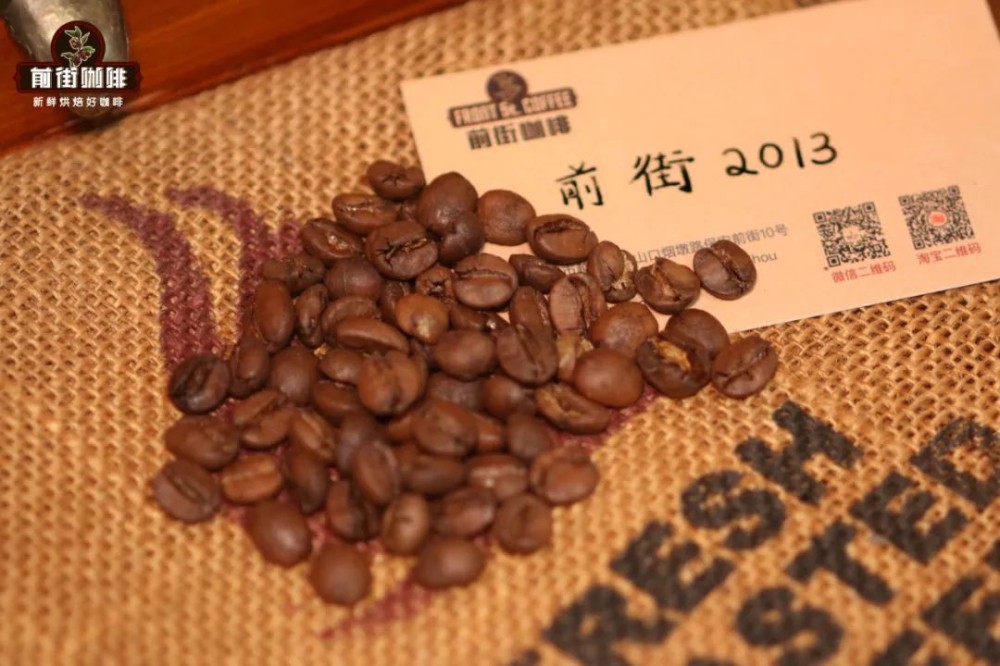
Front Street Coffee Brewing Suggestions:
In coffee brewing, Front Street has always believed that the freshness of coffee beans is an important factor affecting flavor. The coffee beans shipped by FrontStreet Coffee are all within 5 days of the roasting date, because Front Street deeply understands that freshness has a great impact on flavor. Front Street's roasting principle is "freshly roasted good coffee," so that every customer who places an order can receive the freshest state when receiving the coffee. The resting period of coffee is about 4 to 7 days, so when customers receive it, it is exactly at its best flavor.
Of course, some customers need Front Street to help grind the coffee, and that is no problem either, but Front Street must remind: after coffee beans are ground into powder in advance, there is no need to rest them anymore. Because during transportation, the pressure generated by carbon dioxide inside the package can also make the coffee flavor rounder, so once the ground coffee is received, it can be brewed immediately. However, the ground coffee needs to be brewed promptly, because after contact with air it oxidizes quickly, the flavor dissipates faster, and the mouthfeel is not as good as before. Therefore, Front Street recommends buying whole beans and grinding fresh before brewing, so that the coffee's flavor can be better appreciated.
Front Street's parameters for brewing Yunnan coffee:
Front Street believes that the flavor tone of Yunnan coffee is relatively neutral, combining acidity, sweetness, and bitterness, so it chooses a medium roast to highlight the chocolate aroma while retaining some acidity. From cupping, Front Street tasted that the Yunnan small-bean everyday coffee presents nutty notes, herbal aroma, brown sugar sweetness, and plum acidity, with a balanced mouthfeel. The sun-dried Front Street 2013 has a higher fruity and melon-like sweetness, a black-tea-like richness, and a chocolatey heaviness, with an overall clear flavor and a clean aftertaste.
Based on the balanced and neutral tone of Yunnan coffee, Front Street uses a medium water temperature of 88°C. Too high a water temperature tends to produce burnt and bitter flavors, while too low a water temperature tends to result in under-extraction. Compared with other conical drippers, the V60 dripper has a larger outlet and spiral guide ribs connecting the top and bottom, making it easier for steam to escape during extraction, thereby enhancing flavor layers.
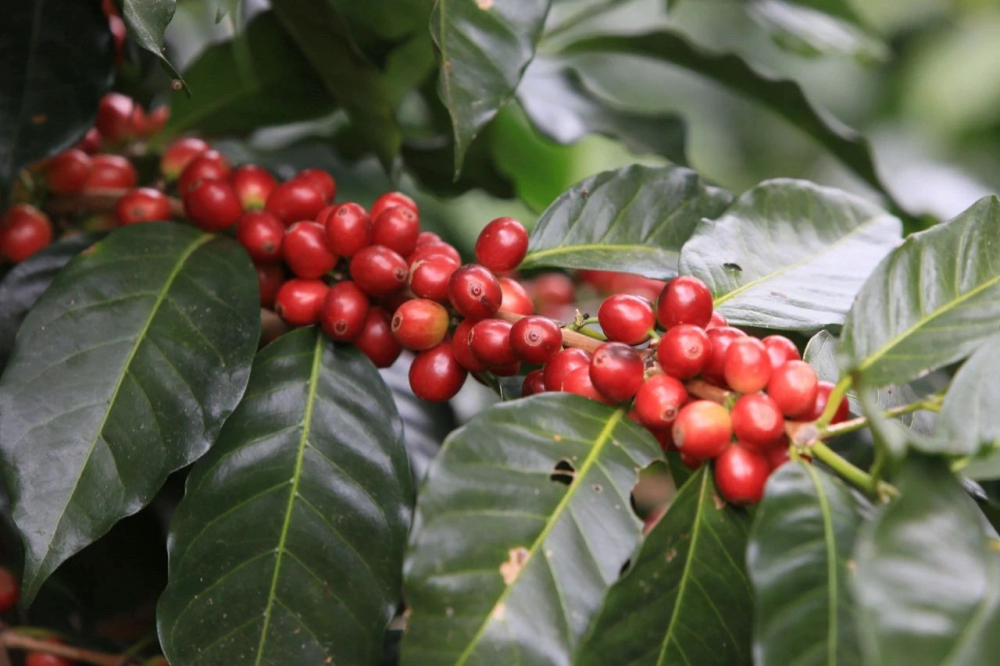
[Front Street 2013 Sun-Dried Typica Coffee Flavor] Heavy mouthfeel, prominent acidity and sweetness, with citrus and berry notes, a hint of fermented wine aroma, caramel-like sweetness, creamy finish, and black tea-like body.
[Front Street Washed Yunnan Small-Bean Coffee Flavor] Herbal, nutty aroma, chocolate, caramel.
[Front Street Yunnan Sun-Dried Catimor Coffee Flavor] Performance: nuts, chocolate, spices, caramel, plum.
For professional coffee knowledge exchange and more coffee bean information, please follow Coffee Workshop (WeChat public account: cafe_style)
For more specialty coffee beans, please add the private WeChat of FrontStreet Coffee: qjcoffeex
The above content is compiled by CoffeeHunters, a coffee news website.


