







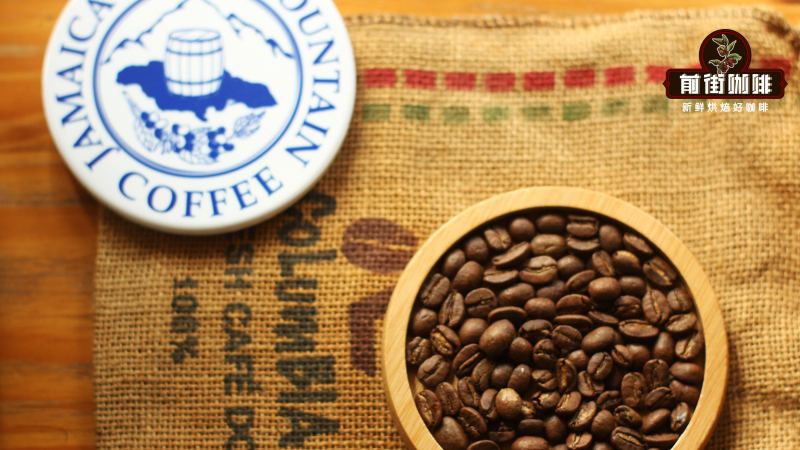
Why does Blue Mountain coffee command such high prices?
Blue Mountain coffee stays expensive because of scarce growing conditions, strict grading and tight regulation, not marketing alone. It grows only in Jamaica's Blue Mountains, where the main peak rises to 2,256 meters, the Caribbean climate keeps the slopes cool and misty, and the Typica variety is washed and sorted into tightly controlled grades led by Blue Mountain No. 1.
The estate sits inside the coffee belt, so soil, elevation and cloud cover combine into slow-ripening fruit and a clean, mild cup. Even as Geisha and other new categories arrive, this classic bean keeps its place on roaster lists, and pour-over brewing with staged pours shows its flavor logic clearly.
Blue Mountain coffee has always held a classic status in the specialty coffee wave. Even as newcomers like Geisha and Musician Series keep emerging, Front Street Coffee's bean list has never been without this bean. What grade does it actually belong to, and why does its price remain high for so long? This article systematically sorts out the sources of Blue Mountain coffee's value from the perspectives of Jamaica Blue Mountain's geography and terroir, cultivation history, grading and regulation, washed processing, and Typica variety, and also includes Front Street Coffee's pour-over parameters and staged pouring plan using Clifton Estate Blue Mountain beans as an example, to help you understand the flavor logic of this classic coffee and the correct brewing method.
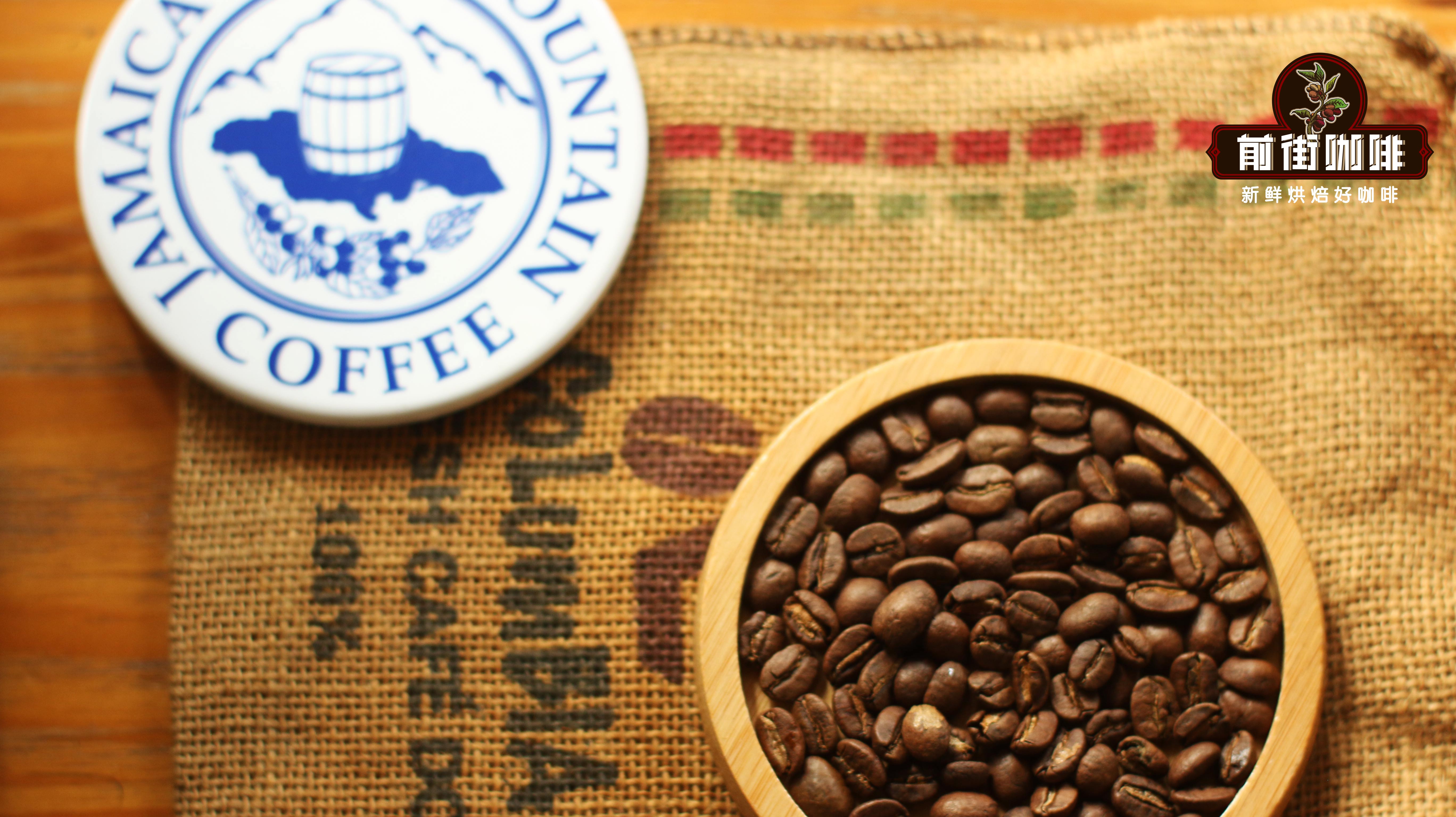
Jamaica Blue Mountain can be called a classic symbol in the coffee world. The third wave of specialty coffee has given rise to many delicate new categories, such as Geisha and Musician Series coffees with special processing methods, but Blue Mountain coffee still firmly holds a place, and its influence on the entire coffee circle is hard to replace. In the bean list offered by Front Street Coffee, Blue Mountain has always been a product that has never been out of stock.
Blue Mountain coffee is expensive, yet it still has a large following, and there is a reason behind this. Next, Front Street Coffee will introduce this bean of far-reaching influence.
Geographical Conditions of Blue Mountain Coffee
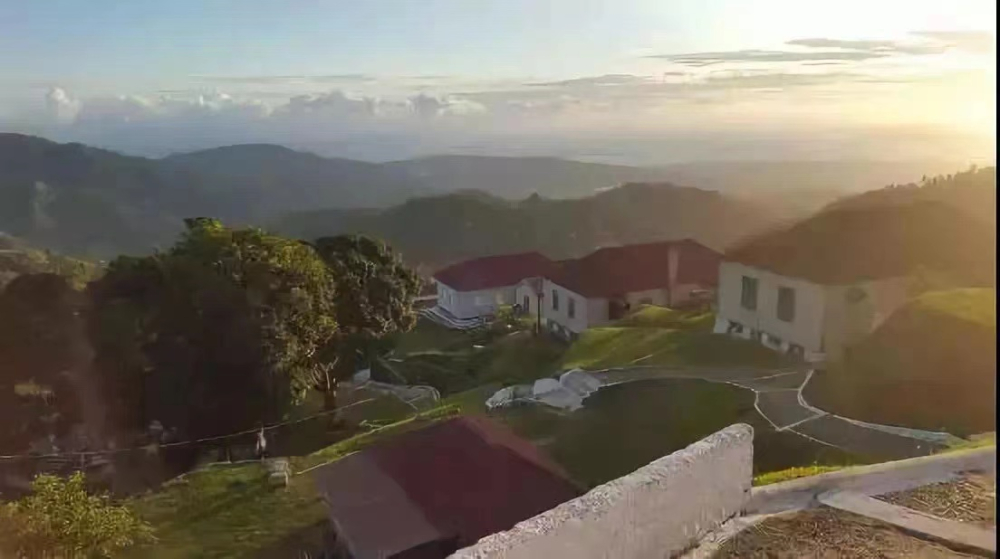
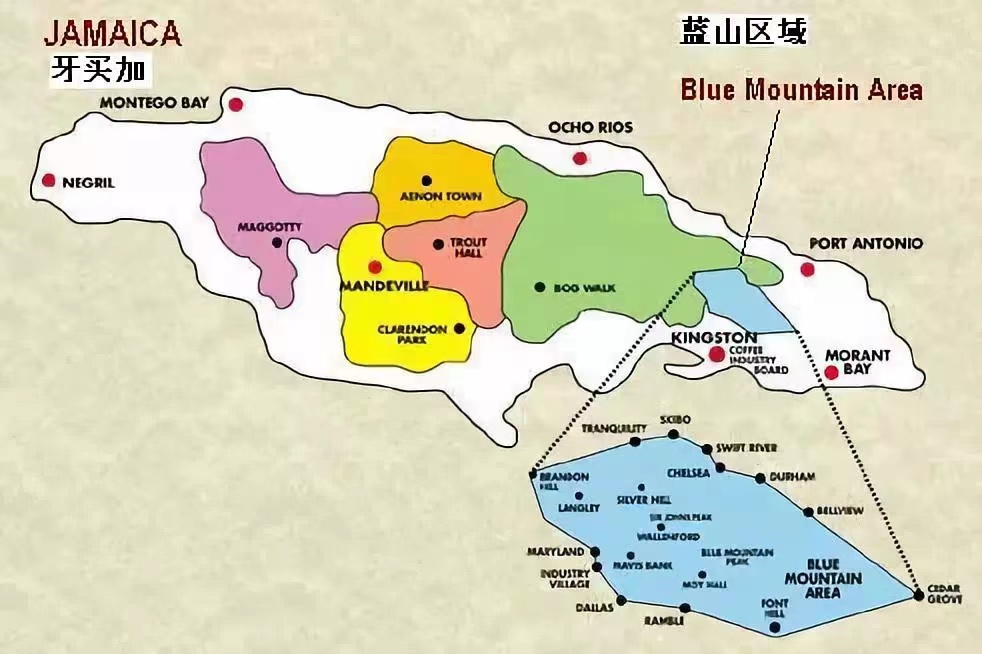
The Blue Mountains are located in the eastern part of the island of Jamaica. Because the Caribbean Sea surrounds it, on clear days, sunlight shines directly on the deep blue sea, and the peaks reflect the shimmering blue light of the seawater, which is how the Blue Mountains got their name. The main peak of the Blue Mountains is 2,256 meters above sea level, making it both the highest point in the Caribbean region and a well-known tourist destination.
Blue Mountain coffee is one of the coffees with the most superior growing conditions in the world. It lies within the coffee belt, and Jamaica's climate, geological structure, and topography together create an ideal growing environment. The mountain ridge running through Jamaica extends all the way to the eastern part of the island, and the Blue Mountains rise more than 2,100 meters above sea level. The climate here is cool, with clouds and mist year-round, abundant rainfall, and a perfect match between soil and rain (average annual rainfall of about 1,980 mm, temperature about 27°C). Such terroir nurtures the world-renowned Jamaica Blue Mountain coffee and also creates the world's second most expensive coffee. This coffee has all the characteristics of a high-quality coffee. It is not only rich and aromatic, but also has acidity, sweetness, and bitterness balanced almost perfectly, with almost no bitterness, leaving only a moderate and elegant acidity.
History of Coffee Cultivation
Blue Mountain coffee comes from Jamaica, and the country's history of coffee cultivation can be traced back to the 18th century. In 1717, King Louis XV of France ordered coffee to be planted in Jamaica. After that, the governor of Jamaica introduced Arabica varieties from Martinique and vigorously promoted them, and coffee as a crop took root in Jamaica from then on.
In 1717, King Louis XV of France ordered coffee to be planted in Jamaica. In the mid-1720s, Jamaica's governor Sir Nicholas Lawes introduced Arabica seeds from Martinique and began promoting cultivation in the St. Andrew area. To this day, St. Andrew remains one of the three major producing regions of Jamaica Blue Mountain coffee, with the other two being Portland and St. Thomas. Within the following eight years, Jamaica exported more than 375 tons of pure coffee.
In 1932, coffee production reached a peak, with a harvest of more than 15,000 tons. The Jamaican government established the Jamaica Coffee Industry Board in 1950, which set quality standards for Jamaican coffee and supervised their implementation to ensure the quality of Jamaican coffee. The board issues a specially made official seal for green beans and roasted beans exported from Jamaica, and this is the highest-level national coffee institution in the world.
At present, there are six marks that can represent the place of origin of Blue Mountain coffee, including Mavis Bank Central Factory (MBCE), Blue Mountain Coffee Cooperative Factory (MHCCT), Portland Blue Mountain Coffee Cooperative Factory (PXXSH), Coffee Industry Association (Wallenford), Coffee Industry Association (St. John's Peak), and JAS. By 1969, the situation had improved somewhat. With Japanese loans, production quality was improved, thereby stabilizing the market. Today, this coffee has reached the point of being zealously sought after.
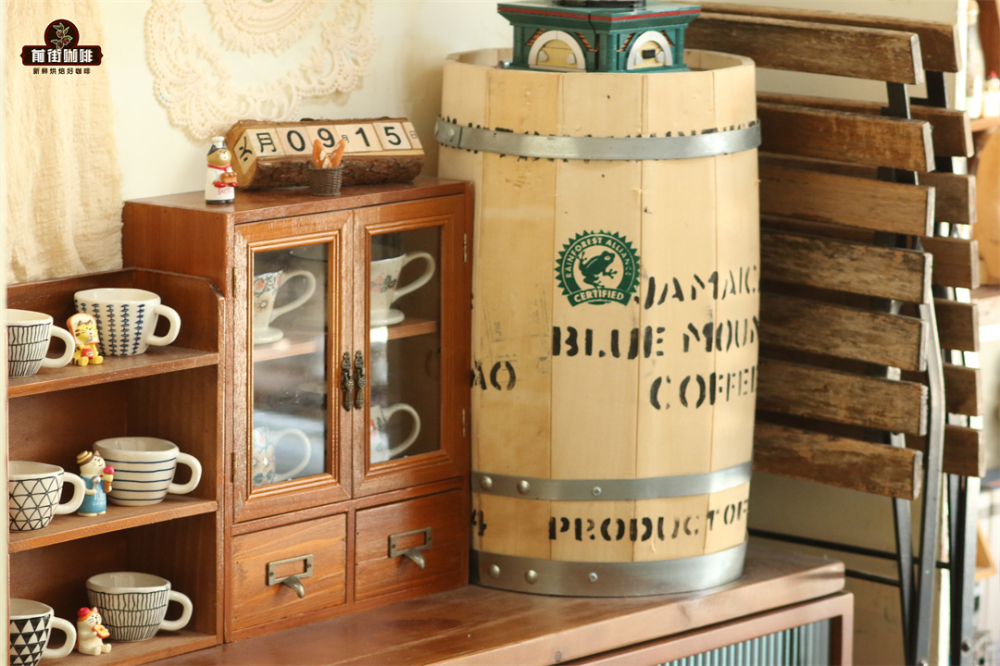
By 1981, about 1,500 hectares of land in Jamaica had been reclaimed for coffee cultivation, and additional investment subsequently opened up another 6,000 hectares of coffee land. In fact, today's Blue Mountain area has only 6,000 hectares of cultivated land, a limited scale, and it is impossible for all coffee labeled "Blue Mountain" to come from there. Jamaica is also the only country that packs and transports coffee in wooden barrels. Only after passing a series of strict standards set by the Jamaica Coffee Industry Board (C.I.B) can coffee obtain a government-issued certificate and formally be called "Blue Mountain."
Coffee Processing Method
The reason Blue Mountain coffee's flavor has maintained high quality for so long is thanks to strict control of export standards over many years. Until the past two decades, the Blue Mountain coffee we have passed down by word of mouth has actually been a Typica variety coffee using the washed processing method. Compared with other processing methods, the washed method is the most stable and efficient of the traditional processing methods: after the coffee cherries are harvested, they are immediately floated, the peel and pulp are removed by machine, and then the pectin layer is removed through fermentation. After the pectin is removed, the moisture content of the coffee beans drops significantly, the required sun-drying time is shorter, and the defect rate is also lower. At the same time, the mature washed process gives Blue Mountain coffee a cleaner taste and higher acidity.
Coffee Variety
In addition to adhering to mature washed processing, continuing to cultivate the Typica variety is also the reason Blue Mountain coffee's flavor remains stable and consistent. Typica may be one of the oldest Arabica varieties. Compared with other varieties, Typica has a more refined flavor, but its drawbacks are also prominent: weak resistance to disease and pests, and low yield. If this were in other coffee-producing countries in the Americas that pursue yield, Typica would quickly be replaced by higher-yielding varieties such as Caturra and Catuai.
Brewing Suggestions for Blue Mountain Coffee
Blue Mountain coffee beans are smooth and rich, and excellent balance is one of their major characteristics. Every bag of specialty coffee from Front Street Coffee comes with detailed information and suggested brewing parameters. The brewing suggestion is: under the reference parameters, brew the coffee grounds into a bowl shape so that the coffee is fully extracted. If the water level is higher than the coffee bed, part of the water will flow directly down from the edge of the dripper; if the water level is too low, part of the coffee grounds will not participate in extraction, making the taste weaker. This time, Front Street Coffee will use Blue Mountain coffee as a brewing example. This Blue Mountain coffee comes from Clifton Estate. Front Street Coffee's barista will use a Kono dripper to brew it, with a water temperature of 88°C and a medium-coarse grind.
In the first stage, pour 30 grams of water for blooming, with a blooming time of 30 seconds; in the second stage, pour to about 125 grams of water, then wait for the coffee liquid to drop, and when it has dropped by half, pour the final stage of water up to 225 grams. That is, 15 grams of coffee grounds with 225 grams of water, for a ratio of 1:15.
The Blue Mountain coffee brewed by Front Street Coffee under these parameters presents a slight citrus acidity, is balanced overall, has a smooth mouthfeel, shows nutty notes in the middle, and brings out a dark chocolate sensation in the finish.
The above content is compiled by CoffeeHunters, a coffee news website.


