







How Did Yunnan Coffee Shift From Typica to Catimor?
Yunnan coffee began with Typica, the variety first planted in the region, yet most of today's crop is Catimor. Catimor offers higher yields and stronger rust resistance but tends to show flatter acidity and less sweetness in the cup. Front Street Coffee continues to grow Typica in Baoshan, using washed processing to keep the region's nutty, chocolate, and soft-acidity profile intact.
In early 2021, Yunnan green bean prices climbed as most production areas hit harvest peak. Suppliers held parchment beans waiting for better offers, while Spring Festival restocking lifted actual transactions. Typica, a classic arabica variety, remains the reference for Yunnan's original flavor, and Front Street's roasting curve plus V60 staged pouring plan show how home brewers can reproduce that balance.
The history of coffee variety changes in Yunnan is a story worth telling in detail. Why was the originally introduced Typica later largely replaced by Catimor? What flavor limitations does Catimor have? Front Street Coffee persists in growing Typica in Baoshan, using washed processing to preserve the region's authentic flavor, and has verified the expressive potential of this bean through cupping and repeated brewing. This article will trace the ins and outs of Yunnan coffee variety replacement, include the Yunnan coffee market conditions in early 2021, and share in detail Front Street Typica's roasting curve and V60 staged brewing plan, helping enthusiasts reproduce at home a balanced flavor combining nutty, chocolate, and soft acidity.
If you tell Front Street that the earliest coffee planted in Yunnan was Typica rather than Catimor, many people's first reaction is doubt: "How is that possible? Now Catimor is everywhere on the market, where did Typica go?" This question happens to hit the key point. Since the starting point was Typica, why has Catimor now become the protagonist? This article from Front Street will sort out the causes and consequences of Yunnan's large-scale switch to Catimor.
Yunnan coffee market trends in January 2021 — Yunnan coffee bean prices rose somewhat
The overall market has remained upward. Most Yunnan production areas are at the peak of harvesting, while a few low-altitude areas have already wrapped up, and parchment bean output is still climbing steadily. Large suppliers still choose to wait and see, hoarding parchment beans while waiting for a more suitable price; some coffee farmers and coffee enterprises are also fairly satisfied with the current market and, due to cash flow needs, cases of selling at favorable prices have increased.
From the demand side, Spring Festival stocking has already begun. Considering factors such as possible suspension of logistics later and potentially rising transportation costs, customers with rigid demand are more actively inquiring and restocking than before, but large buyers still hold a relatively heavy wait-and-see attitude toward current high prices. Overall, market wait-and-see sentiment toward the future remains. However, driven by Spring Festival stocking, actual transactions of green coffee beans have gradually increased, and the pace of trading has slightly accelerated. That week, production area market conditions continued to rise, and the average prices of coffee beans at all grades increased compared with the previous period.
Why does Yunnan no longer grow Typica?
The history of coffee cultivation in Yunnan can be traced back to the early 20th century, but at that time it was mainly grown by foreign missionaries for their own consumption. It was not until the 1950s that the earliest large-scale industrial cultivation appeared, with the coffee produced mainly sold to the Soviet Union. During that cultivation history, based on Yunnan's natural conditions and coffee quality performance, the main variety selected was Typica. For a long time afterward, Typica was almost synonymous with Yunnan coffee. Because the beans were smaller due to environmental factors, it was called Yunnan small-grain coffee, and the market also habitually called it Yunnan old-variety coffee.
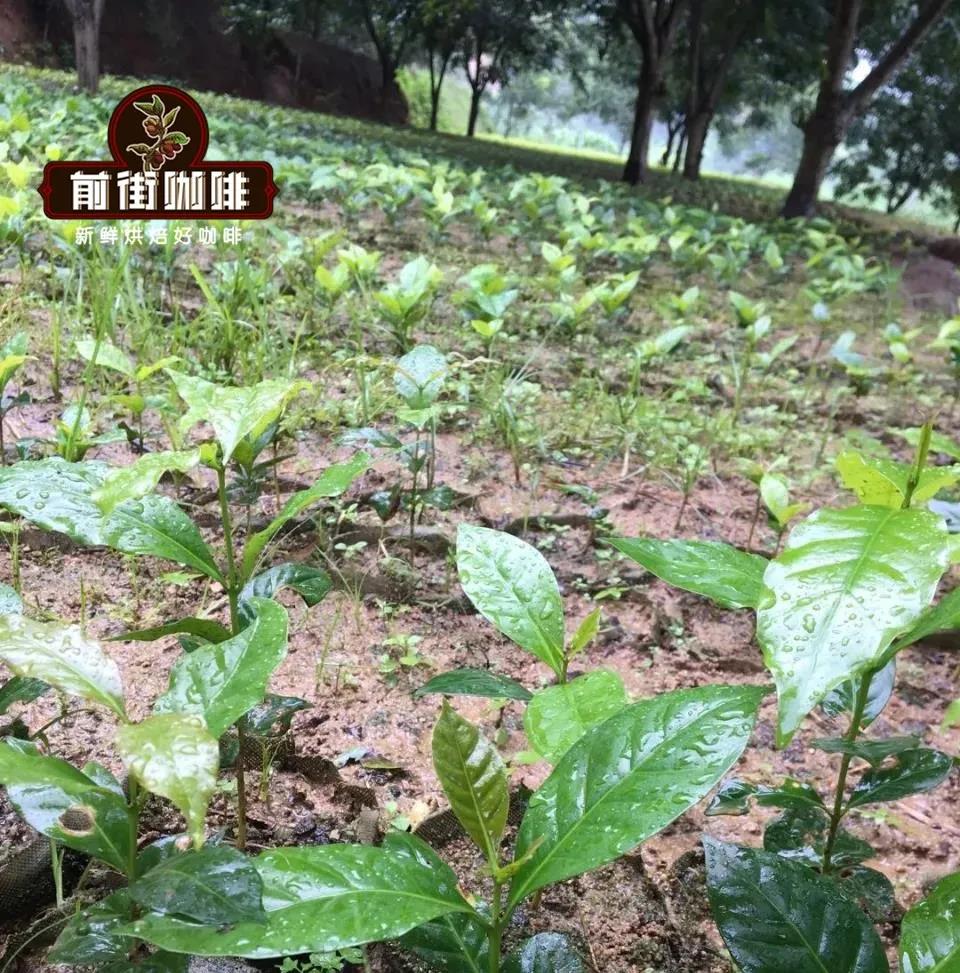
But this "little fellow" Typica is not easy to manage, and its yield cannot rise. Its flavor characteristics are delicate, clean, balanced, and harmonious, with high clarity. Perhaps precisely because it is too "outstanding," Typica has low yield per plant, has requirements for altitude, and is prone to coffee leaf rust, with weak resistance to pests and diseases. At a glance, it is a difficult variety to deal with. In places where the altitude is not enough for Typica to develop ideal flavor, it has low yield and is disease-prone; moreover, at that time coffee farmers generally did not yet have the awareness of specialty coffee, so they naturally kept their distance from Typica. Since the flavor was not outstanding anyway, Yunnan coffee farmers gradually turned their attention to the hybrid offspring of Arabica and Robusta — Catimor.
What are the advantages and disadvantages of the Catimor variety?
Catimor comes from a combination of Arabica and Robusta. Robusta has strong resistance to coffee leaf rust, rich oils, high yield, and is easy to cultivate. Because it has Robusta genes, Catimor improved its resistance to coffee leaf rust, retained rich oils, and at the same time inherited part of the flavor layers of the original Typica variety, so most estates in Yunnan began to plant Catimor on a large scale, and the cultivation range of Typica shrank accordingly.
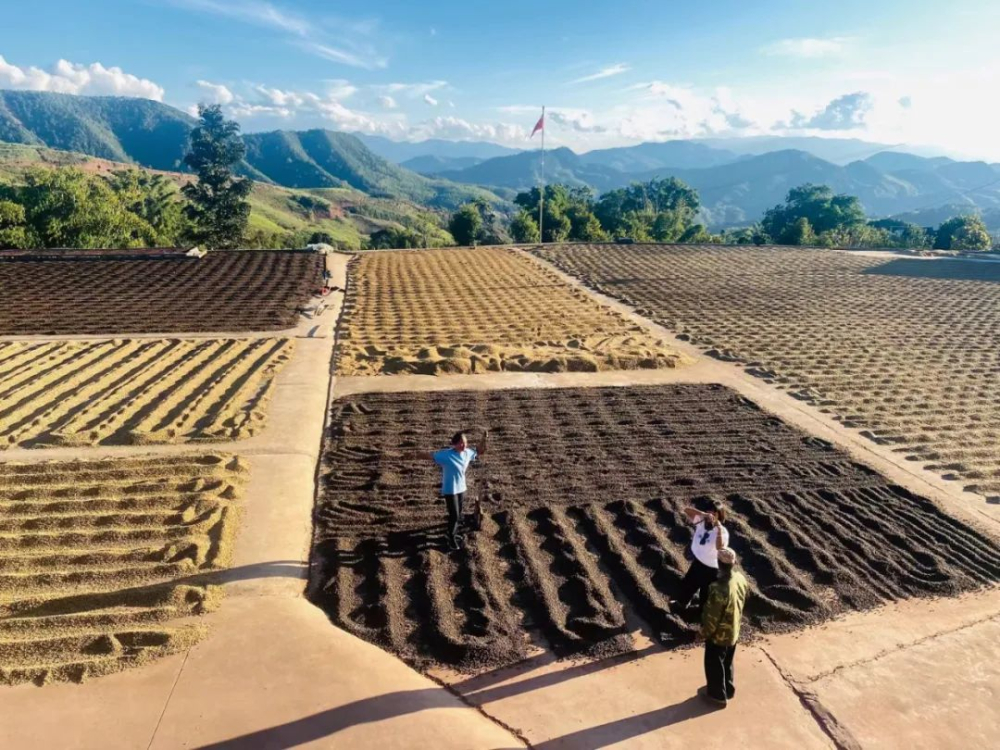
However, the flavor of Catimor coffee beans is much worse than that of Typica — high in body but insufficient in clarity, rich in flavor yet not distinct enough in layers. So what to do? Use various processing methods to cover it up! Since the variety cannot be changed, the altitude cannot be changed, and planting techniques are not willing to be improved, then the quickest way to change bad coffee flavor is to use special processing methods to create stronger flavors to mask Catimor's shortcomings. Front Street believes that this stopgap approach will soon be forgotten, because if even the flavor that Yunnan coffee itself should have cannot be determined, how can later generations be persuaded to continue accepting Yunnan coffee?
Is there really no one in Yunnan still growing Typica?
Yes! Front Street is one of them, growing Typica in Baoshan, Yunnan. Front Street hopes to lead by example and show everyone that Yunnan coffee can also express very good flavor under traditional processing methods, rather than relying on other techniques to change coffee's original taste. The average temperature in the Baoshan production area is 21.5°C, with a maximum of 40.4°C, and basically no frost all year round, making it recognized as the best small-grain coffee producing area. The small-grain coffee cultivated here is famous at home and abroad for being strong but not bitter, fragrant but not harsh, small and uniform in bean size, mellow and rich with fruity notes.
Front Street 2013 Typica coffee beans Region: Baoshan, Yunnan Altitude: 1450-1550m Variety: Typica Processing method: washed processing
Why did Front Street choose to use the washed method?
Front Street came to the Yunnan production area during the growing season and truly experienced what the rainy season means. Sunny for a few minutes, raining for half an hour — precisely because of the year-round rainy season and unstable climate, most coffee beans in Yunnan use washed processing. Washed coffee beans are cleaner, and their flavor expression is clearer, able to restore the most original taste of the coffee fruit. Therefore Front Street also often says that washed coffee beans are the guiding light for understanding the flavor of a production area.
FrontStreet Coffee's experience roasting Yunnan Typica small-grain coffee
Yangjia 800N (roasting capacity 300g): raise the drum temperature to 200°C and charge, set the airflow to 3, after 1 minute adjust the heat to 160°C, turning point 1'32", roast to 5'40'' for yellowing, temperature 149°C, grassiness completely disappears, dehydration is complete, keep heat unchanged, adjust airflow to 4; at the 6th minute, lower heat to 140, at the 7th minute, lower heat again to 120, at the 8th minute, ugly wrinkles and dark patches appear on the bean surface, the toasted bread aroma clearly turns into coffee aroma, which can be defined as the prelude to first crack. At this time, listen clearly for the sound of the first crack point. At 8'37'' first crack begins, adjust heat to 90, open airflow fully to 5, at the 9th minute lower heat to 20°C, first crack development 2'00", drop at 196°C.
How does FrontStreet Coffee brew Typica Yunnan small-grain coffee beans?
During cupping, this Yunnan Typica small-grain coffee bean had rich fruity aromas on the entry, along with melon and herbal plant aromas, a smooth entry, nut and milk chocolate in the middle, lively and bright plum acidity in the finish, salivation on both sides of the cheeks, good balance, medium body, and a full body. From hot to warm, one can feel the layered changes in acidity and sweetness, first sweet then sour, with acidity carrying apricot and citrus notes, and the aftertaste is black tea and a little brown sugar. Therefore, when FrontStreet Coffee recommends brewing this washed Yunnan Typica, it leans more toward balance, neither needing to overly highlight acidity nor excessively modify the finish.
Choose 15g of coffee grounds, recommended coffee-to-water ratio 1:15; if you want clearer flavor, you can use 1:16. Choose a V60 dripper, brewing water temperature 89°C, the purpose being to make the acidity softer, medium grind (75% passing a No. 20 sieve).
Front Street uses staged brewing. First pour 30g of water for a 30s bloom, at which point the coffee expands into a "hamburger" shape. In the second stage, pour 125g of water in a small circle from the center. The pouring height is 4cm, gently, trying to reduce the turbulence of the coffee bed as much as possible, with the water flow rate falling at 4g per second. When the water level drops to 1/2 of the coffee bed, begin the third stage of pouring. This stage is also poured gently in circles from the center outward until 225g is reached, then stop pouring. After all the coffee liquid in the dripper has dripped through, end extraction; the time is 2'01". After extraction is complete, gently swirl, and wait until the coffee liquid is fully uniform before tasting.
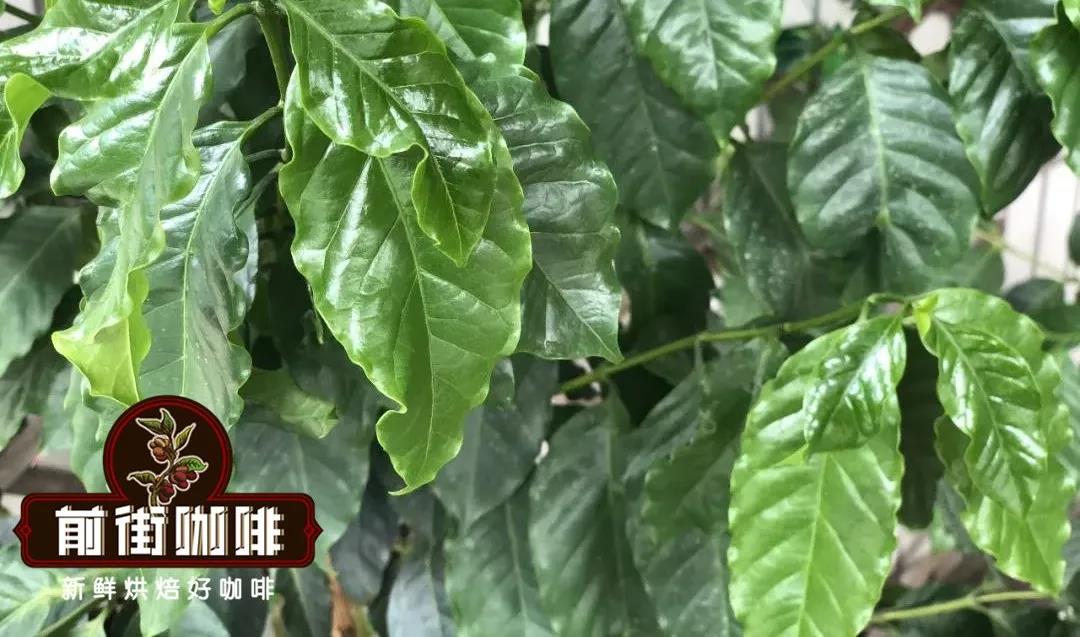
Through this brewing method, you can taste obvious roasted nuts, soft acidity, overall balance and richness, solid dark chocolate aroma, and slight orange peel.
The above content is compiled by CoffeeHunters, a coffee news website.


