







Search Results for: Important
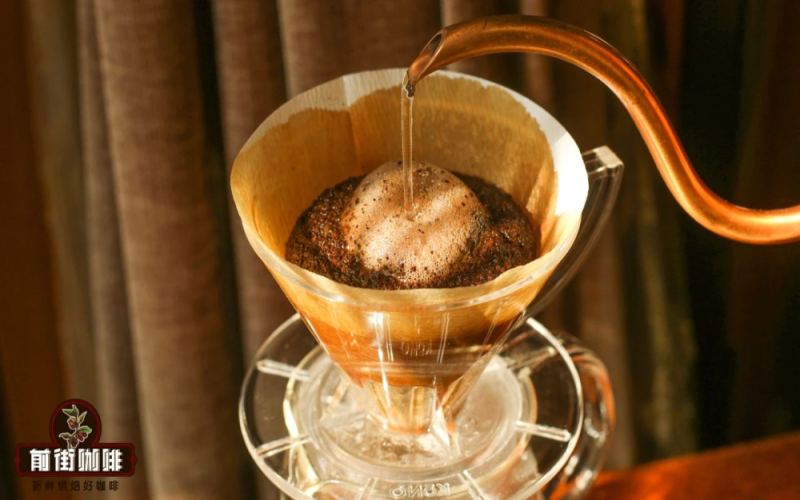
Pour-over Coffee Brewing Techniques | How Important Is Blooming to Pour-over Coffee? How Much Water and How Long for Coffee Blooming? How to Judge the Blooming Process?
Blooming is an important step in brewing coffee, and there's a popular saying that "you can tell if a coffee will taste good just by looking at its bloom." So when people learn to brew coffee, they intentionally or unintentionally "perfect" a flawless "coffee burger." But if you understand the logic behind blooming, you'll discover that blooming is actually [more…]

Nayuki store notice reading "If you can drink milk tea, don't drink water" sparks debate; headquarters responds it was an individual franchise store's meme marketing and has been stopped
An "Important Notice" bearing the name of a Nayuki store has been circulating on social media, prominently stating "If you can drink milk tea, don't drink water," and calling on people to leave water for children who cannot drink milk tea. The store claimed this was imitating an internet meme, meant only as a joke, but with the black-and-white A4 paper sitting on the counter, many consumers felt it had gone beyond a joke and could easily mislead the public. As the topic trended on social media, Nayuki's headquarters responded that it was the action of an individual franchise store and had ordered the removal of the related content. Why do meme-based marketing campaigns frequently backfire? And where exactly lies the management boundary between brands and franchise stores? [more…]
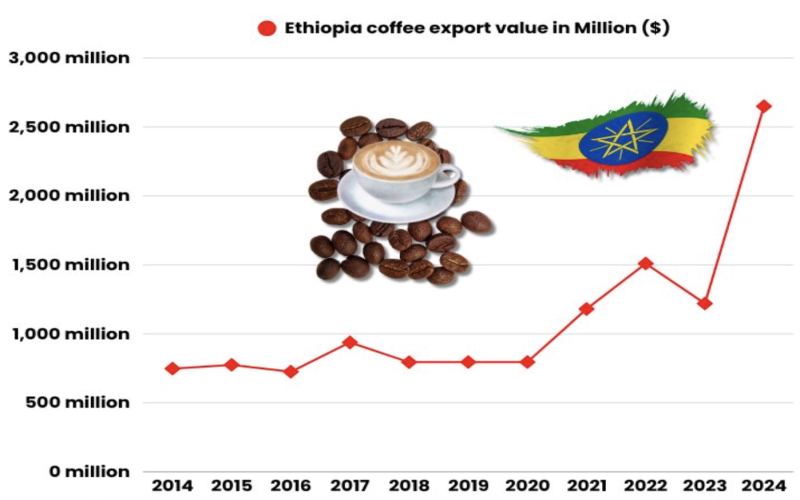
2024-2025 Ethiopia Coffee Export Report: Ethiopia's Main Coffee Export Destinations and Production
Ethiopia is not only the birthplace of Arabica coffee but also one of the world's major suppliers of high-quality coffee beans. Coffee occupies a central position in Ethiopia's economy, culture, and trade. In 2024-2025, Ethiopia's coffee export volume and export revenue both reached historic highs, marking [more…]
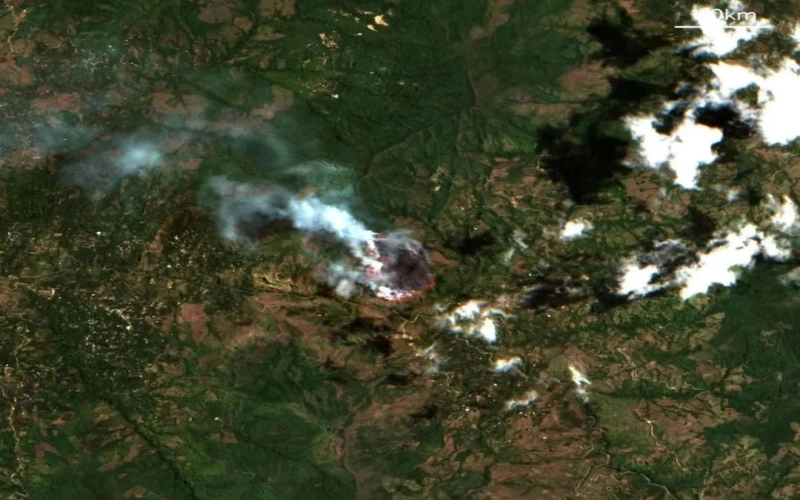
Wildfires Rage in Cauca, Colombia: Coffee and Sugarcane Crops Severely Damaged, Regional Situation Draws Attention
A large-scale forest fire recently broke out in the mountainous area of Bolívar Municipality in Cauca Department, southwestern Colombia, and the fire remains out of control. According to the local mayor, this is the most serious fire the municipality has seen in more than 30 years, with about 2,500 hectares of land destroyed and large amounts of sugarcane and coffee crops damaged, and the fire has already spread to Valle del Cauca Department. Because the ignition area is close to a nature reserve, nearby important water sources may be affected, and due to the complex mountainous terrain, firefighters are finding it difficult to gain access, making firefighting efforts very difficult; aerial support has now been requested. Notably, the Colombian government's ceasefire agreements with several anti-government armed groups have recently been terminated one after another, intensifying armed conflict, and many people suspect this forest fire is related to the conflict. Cauca Department, Valle del Cauca Department, and Norte de Santander Department are all important coffee-producing regions in Colombia. Although the conflict has not yet directly threatened coffee estates and smallholder production, the winter harvest season is approaching in September, and the impact of the mountain fire on output cannot be ignored, and may further drive up already continuously rising coffee purchasing prices. [more…]
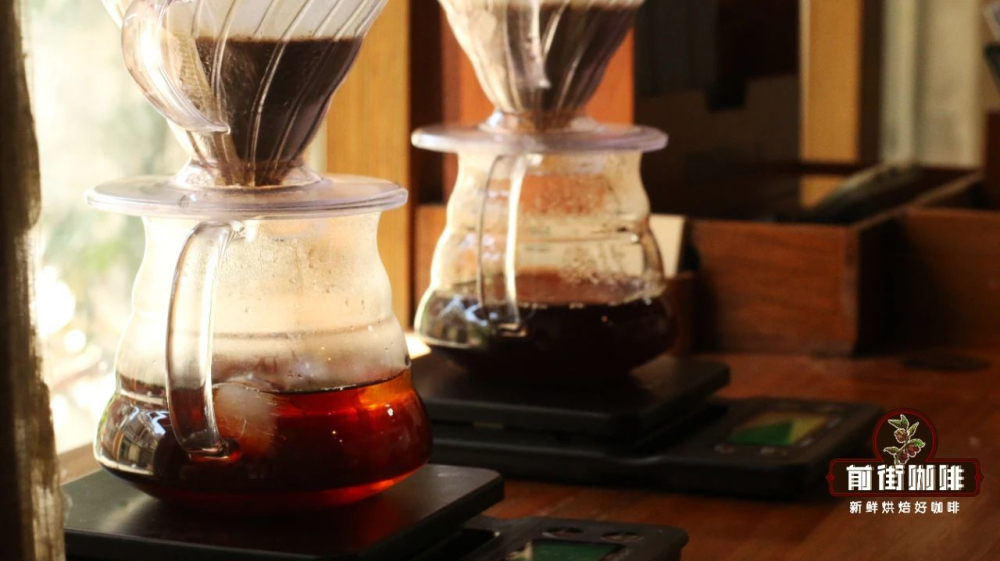
Pour-over Coffee Brewing Tips | What Is the Ideal Water Temperature for Pour-over Coffee? How Does Brewing Water Temperature Affect the Flavor and Mouthfeel of Pour-over Coffee?
If you ask whether water temperature is important for extraction, Front Street Coffee believes it is important, but not that important. As a tool for adjusting the extraction rate, the higher the temperature, the easier it is to extract soluble substances, but because too high a water temperature will cause coffee to quickly release bitterness, a conservative range should be chosen. Generally speaking, the vast majority on the market [more…]
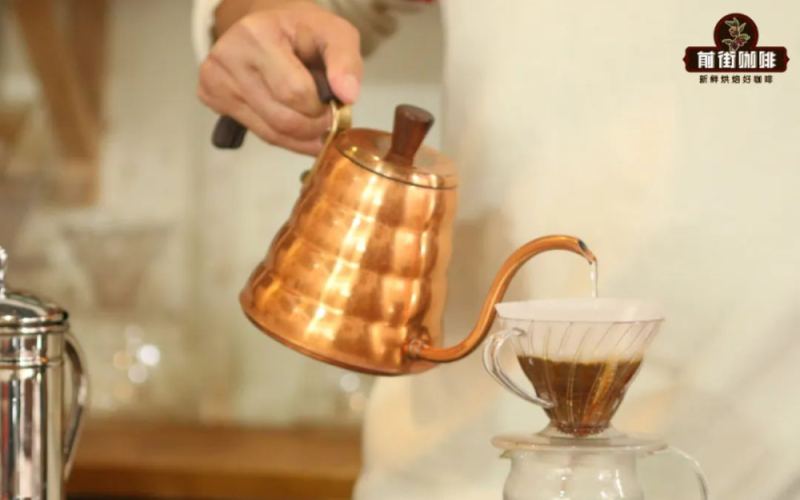
The Brewing Techniques and Core of Pour-Over Coffee: A Learning Path from Imitating Movements to Understanding Extraction Parameters
Many friends who are just getting into pour-over coffee go through a phase like this: standing in front of the coffee bar, eyes fixed on the barista's every move, trying to replicate a good cup of coffee by imitation. The grind size, the pouring rhythm, the number of circles, the total time—these visible "forms" are certainly important, but what truly determines the flavor of a cup of coffee is often the invisible extraction logic behind them. Drawing on Front Street Coffee's observations and experience, this article discusses just how important pour-over technique really is, and how beginners can start from zero, gradually moving from imitating movements to understanding parameters, completing the cognitive leap from "0" to "1." [more…]
Yirgacheffe Flavor Analysis and the Chelba Cooperative: Washed vs. Natural Differences and Rainforest Alliance Certification
Ethiopia, as the birthplace of coffee, continues to hold a major position in global coffee quality and production despite enduring poverty and instability. The country primarily employs two processing methods, washed and natural, and coffees from different regions—or even different cooperatives within the same region—can differ significantly in aroma and flavor. This article provides an in-depth analysis of the flavor characteristics of the Yirgacheffe region and offers a detailed introduction to the Shelba Coffee Cooperative—a cooperative of 490 farmers with Rainforest Alliance certification—and how it presents delicate citrus acidity and distinct jasmine florals through high-altitude heirloom Arabica beans and strict washed processing, making it an important reference for identifying the Yirgacheffe style. It also compares the flavor differences between Front Street Yirgacheffe natural beans and Front Street Sidamo natural beans, helping coffee enthusiasts gain a more comprehensive understanding of the diversity of Ethiopian coffee. [more…]

Types of Milk Coffee | What Is the Difference Between a Dirty Coffee and a Latte? Why Should a Dirty Be Drunk in Big Gulps? How Can Coffee Beginners Make a Dirty Coffee?
It could be said that there is no milk coffee more suited to summer than a Dirty! If there is, then Front Street hasn't mentioned it yet! Compared to an iced latte, the contrast that a Dirty creates is more striking, and with one sip you can experience all sorts of截然不同的 contrasts—it's truly wonderful. That's why quite a few latte lovers, when it comes to D [more…]

Contrast Aesthetics or Operational Error? Analyzing the Making Logic and Flavor Balance of Dirty Coffee
Dirty Coffee, with its striking layers of espresso and cold milk, creates a strong contrast in both visuals and taste, making it a popular item in cafés. Some love the soothing scene of it sinking down, while others are full of curiosity about its "dirty" feel. This article starts with espresso bean selection, milk characteristics, and differences in temperature and density to break down the key points of making a proper Dirty, and explains how to shorten the extraction distance and avoid disrupting the layers, so that bitterness and sweetness, heat and ice form a clear contrast in the cup. [more…]

Latte Milk Foam Steaming Tutorial with Illustrations | What Are the Requirements for Milk When Making Latte Art? What Techniques Should Coffee Beginners Pay Attention to When Steaming Milk Foam for Latte Art?
To make latte art look good, choosing the right milk is very important! Front Street Coffee's daily in-store milk coffee offerings all use full-fat fresh milk, because it is rich in protein, lactose, and milk fat. The protein in milk is what makes the milk foam stable. [more…]
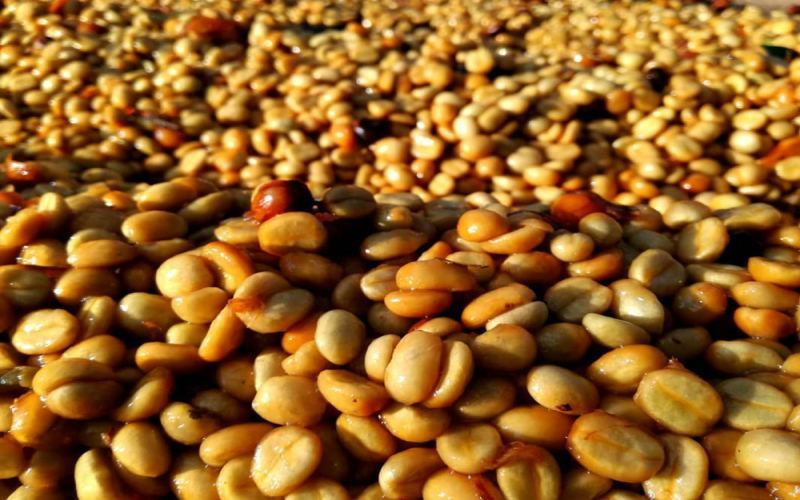
Costa Rican Coffee Bean Flavor and Processing Methods Explained: Tarrazu Region, SHB Grade, and Front Street Tarrazu Recommendation
Costa Rica is an important coffee-producing country in Central America, and its Tarrazu region is known for its light, pure, sweet, and pleasant aroma. The country's coffee is entirely Arabica and washed-processed, with a bright style, mild acidity, and outstanding sweetness, and excellent lots are classified as Strictly Hard Bean SHB. This article will introduce the region's background, varieties and processing methods, and flavor characteristics, and recommend Front Street Tarrazu, a washed coffee from the Tarrazu region roasted to a medium-light level, to help coffee lovers understand its flavor notes of sweet orange, nuts, and light floral aroma. [more…]

Why is a barista's service mindset so important? Looking at this job through the lens of professional identity, is it really that tough?
The profession of barista has gained increasing popularity among young people in recent years, but controversy surrounding it has never ceased. Some believe that baristas should be individualistic and cool, and need not grovel before customers; others feel that coffee shops ultimately belong to the service industry, and providing quality service is simply part of the job. Starting from the professional positioning of baristas, this article explores what service awareness means for this line of work, and how baristas should correctly view their own role. It also analyzes why professional knowledge and skills must complement a service spirit, with neither being dispensable. If you are working in the coffee industry, or are curious about the real situation of baristas, this article may offer you some inspiration. [more…]

Australian Small Latte | The origin of the name Piccolo latte and how to make it. What is the difference in taste and mouthfeel between a piccolo and a flat white?
Now with the popularity of espresso, fancy coffee varieties are emerging one after another. Among them, on Front Street Coffee's espresso menu, latte and cappuccino are deeply loved by everyone, but today Front Street would like to introduce a relatively rare espresso drink—piccolo coffee, also known as piccolo latte. You may have rarely heard of [more…]

China's first group standard for "Whole-Leaf Fresh Milk Tea" officially takes effect, further accelerating the health-oriented upgrade of new-style tea drinks.
In recent years, consumers' growing attention to beverage health has driven tea drink brands to continuously iterate toward natural ingredients and clean formulas. Against this backdrop, the group standard "Original Leaf Fresh Milk Tea," proposed by the Guangxi Tea Circulation Association and drafted under the leadership of Chagee (Shanghai) Brand Management Co., Ltd., was approved for release and implementation, becoming China's first group standard for original leaf fresh milk tea in the new-style tea beverage sector. The standard clearly defines the terminology and definitions of original leaf fresh milk tea, and sets specific requirements for raw material selection, production processes, storage conditions, and prohibited additives, marking another important step forward in the standardization of the freshly made tea beverage industry. [more…]
Tanzanian Coffee Beans: Variety Stories, Origins, Grading, Characteristics, Flavor and Taste Description and Introduction
Tanzania is an important coffee-producing country in East Africa. Its coffee industry was once dominated by estate cultivation, but today more than 85% of production comes from smallholder farmers, who are organized through cooperative organizations such as the Kilimanjaro Native Cooperative Union (KNCU). Tanzanian coffee once suffered from quality fluctuations due to political instability, pests and diseases, and smuggling, but in recent years it has gradually improved. Its coffee beans are known for being rich and refreshing, with lower acidity than Kenya's, and for their pure, aromatic flavor, especially the Chagga AA-grade coffee produced in the Moshi district of Mount Kilimanjaro, which has plump beans and a full aroma. This article will guide you through the varietal story, origin characteristics, grading, and market evolution of Tanzanian coffee, and includes Front Street Coffee's recommendations and brewing suggestions. [more…]
One of Brazil's four main coffee varieties: An analysis of Catuaí's hybrid origins, flavor shortcomings, and cultivation characteristics
Catuai is an important cultivar in the Brazilian coffee industry, bred from a cross between Mundo Novo and Caturra, and together with Caturra, Mundo Novo, and Bourbon, it is known as one of Brazil's four mainstays. It inherits Caturra's short stature while also possessing strong resistance to wind and rain, as well as the advantages of bearing solid fruit that does not easily drop, compensating for the fragility of Arabica cherries. However, Catuai's flavor performance is relatively flat, with low acidity and astringency, prominent sweetness, and an overall balance that lacks complexity and body, and the tree's harvest lifespan is only about ten years. Catuai comes in red and yellow varieties, and statistically, red cherries win awards more often. Front Street Coffee believes that although Catuai does not deliver stunning performance, it is an important part of understanding Brazil's coffee variety system. [more…]
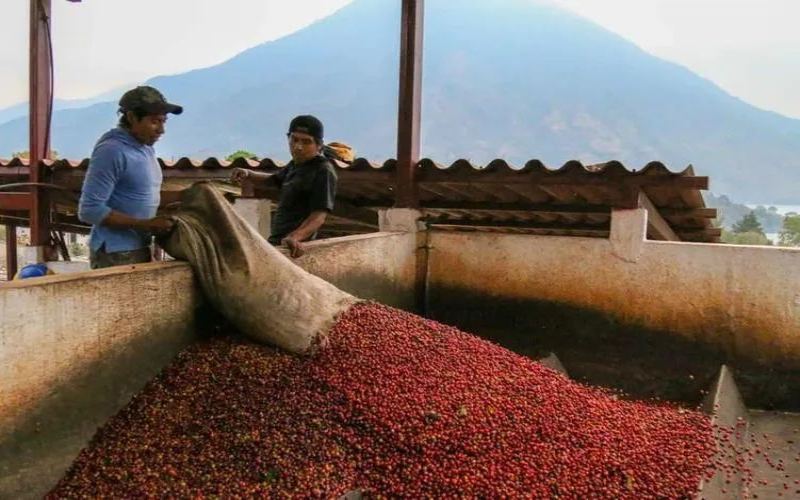
Guatemalan Coffee Growing Conditions, Development History, Main Varieties, and a Detailed Guide to Antigua La Flor del Café Beans
Guatemala is located in southern North America, where volcanic soil, tropical rainforests, and complex microclimates combine to create excellent conditions for coffee cultivation. From Jesuit missionaries bringing coffee trees to Antigua in the 18th century, to coffee rising to become an important cash crop in the mid-19th century, and then to the establishment of the National Coffee Association in 1960, Guatemala's coffee industry has traveled a winding yet solid path of development. Today, the region not only cultivates common varieties such as Bourbon, Typica, Caturra, Catuai, and Geisha, but also has developed distinctive variants such as Pache, Tekisic, and Mibirizi. Front Street Coffee has also acquired La Minita Estate's Flor del café beans from Antigua, and this article will unfold one by one from planting history, variety characteristics, to brewing performance. [more…]
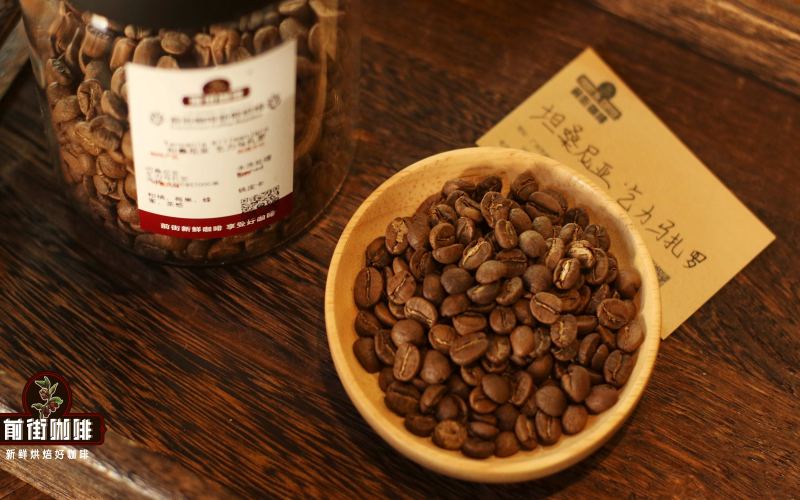
A Complete Guide to Tanzania's Coffee Regions: Kilimanjaro Flavor Profile, Variety Origins, and Grading & Brewing Guide
Tanzania is an important representative of East African specialty coffee. Its Kilimanjaro coffee is known for its soft and gentle acidity, rich red wine aroma, and sweet fragrance, and has long been honored as the "gentleman of coffee." This article systematically reviews the geographical and harvesting characteristics of Tanzania's three major producing regions—Kilimanjaro, Ruvuma, and Mbeya—traces the history of the introduction of Bourbon and Kent varieties, explains in detail the same size grading system and washed processing flow as Kenya, and includes the roasting curve, cupping report, and V60 brewing parameters of FrontStreet Coffee's Kilimanjaro AA coffee, comprehensively presenting the flavor code of this East African coffee. [more…]

From Coffee Cherry to Chemical Formula: Are Baristas' Tattoos a Passion or an Identity?
Tattoos were once seen as a symbol of rebellion, but today they have become an important way for young people to express their beliefs and commemorate what matters to them. For baristas, wearing coffee cherries, portafilters, latte art patterns, or even the chemical formula for caffeine on their skin is both a display of personal aesthetics and a heartfelt declaration of devotion to the coffee craft. This article rounds up the tattoo themes most commonly seen on baristas, from classic equipment to creative combinations, and also addresses an intriguing question: does having more tattoos mean you make better coffee? The answer may be more rational than you'd imagine. [more…]
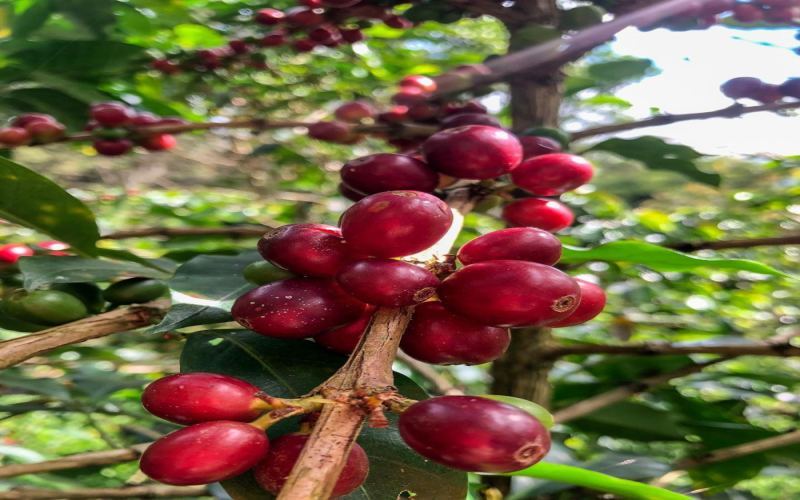
Analysis of Colombian Cauca Region Coffee Characteristics and Green Bean Roasting Approach Sharing
Cauca Department in Colombia is an important origin for specialty coffee, where high altitude, volcanic soil, and marked day-night temperature swings produce washed Caturra with bright acidity and pronounced sweetness. From the region's terroir, Cup of Excellence competitions, and the characteristics of the Suarez micro-region to green bean roasting and brewing suggestions, this article fully lays out the flavor code of Cauca coffee. Drawing on roasting practice, Front Street Coffee shares a medium-dark roast approach and specific curves to help enthusiasts understand how this bean performs from origin to cup. [more…]