







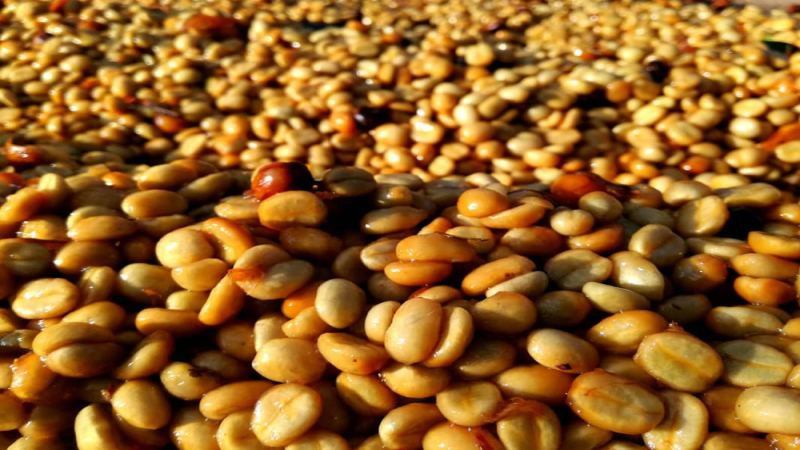
What defines Costa Rica arabica coffee from Tarrazu?
Costa Rica grows only arabica coffee, and all of it is washed processed. Tarrazu is the country's leading region, with volcanic soil, good drainage and high altitude. The cup is light and pure, with mild acidity, strong sweetness and a clean aroma. Superior lots are graded SHB, or Strictly Hard Bean, a marker of density and quality rather than a flavor style.
Costa Rica received arabica coffee from Cuba in 1729, and the industry has since become one of the most organized in the world, averaging around 1,700 kilograms per hectare. With roughly 3.5 million people and about 400 million coffee trees, the country leans on coffee and bananas as main exports. A medium-light roasted Tarrazu often shows sweet orange, nuts and light florals.
Costa Rica is an important coffee-producing country in Central America, and its Tarrazu region is known for its light, pure, sweet, and pleasantly aromatic flavor. The country's coffee is entirely Arabica and washed-processed, with a bright style, mild acidity, and excellent sweetness; superior lots are classified as Strictly Hard Bean (SHB). This article will introduce the region's background, varieties and processing methods, and cup profile, and recommend Front Street Coffee Tarrazu, a washed coffee from the Tarrazu region with a medium-light roast, to help coffee lovers understand its flavor notes of sweet orange, nuts, and light floral aromas.
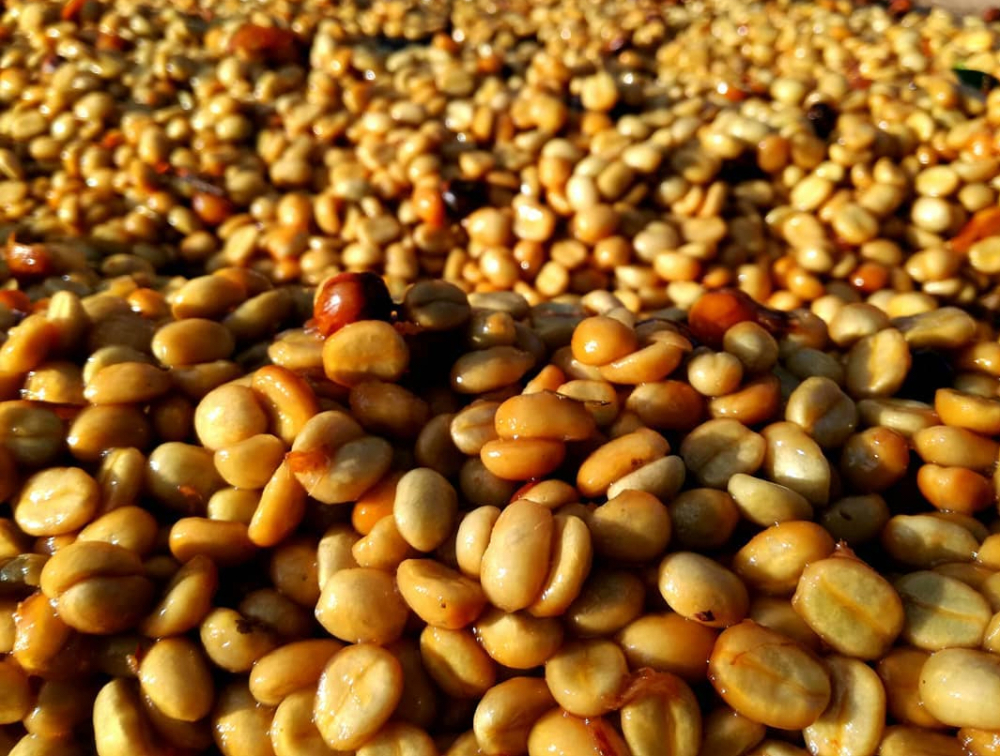
Tarrazu is an important coffee-producing region in Costa Rica and one of the world's major coffee origins. The coffee produced here is known for its clean, sweet flavor and pleasant aroma. Costa Rica has fertile, well-drained volcanic soil and was the first country in Central America to grow coffee and bananas for commercial value; these two crops are also the country's main exports. Coffee was introduced to Costa Rica from Cuba in 1729, and since then its coffee industry has developed into one of the most highly organized in the world, with yields reaching 1,700 kilograms per hectare. Costa Rica has a population of about 3.5 million, yet there are as many as 400 million coffee trees.
Costa Rican coffee is known for its light, pure, sweet flavor and pleasant aroma, and lots of outstanding quality are called Strictly Hard Bean (SHB). Local coffee beans all undergo meticulous processing, which is also an important guarantee of their high quality.
Costa Rican coffee is entirely Arabica and washed-processed, with a bright style and abundant aroma, its clarity like wind chimes softly ringing in a breeze; the acidity is mild, and the sweetness is quite good as well. Because of its prominent sweetness, it remains delicious even after the coffee cools. To experience this characteristic of Costa Rican coffee, you can choose Front Street Coffee Tarrazu, which comes from Costa Rica's most famous specialty coffee region and is medium-light roasted, preserving more flavors such as sweet orange, nuts, and light floral notes.
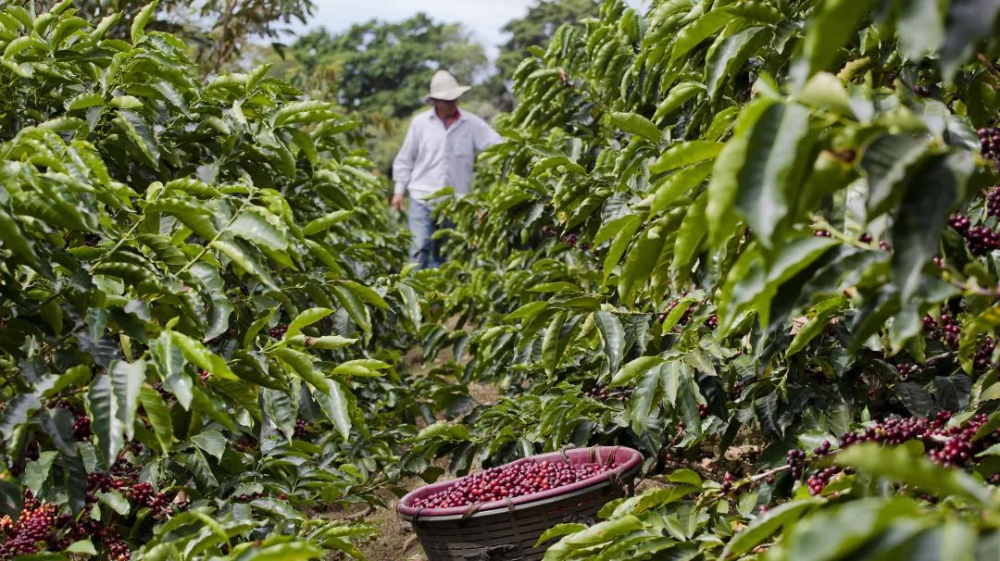
Product name: Front Street Coffee Tarrazu Costa Rica Tarrazu SHB
Country: Costa Rica
Region: Tarrazu
Grade: SHB
Processing method: Washed process
Roast level: Medium-light roast
The above content is compiled by CoffeeHunters, a coffee news website.


