







Search Results for: Ice Drip Brewing Techniques

A Complete Guide to Iced Pour-Over, Cold Brew, and Cold Drip Coffee: Brewing Techniques and Storage Times
After the summer solstice, iced coffee becomes the focus of discussion among coffee enthusiasts. Drawing on community opinions, this article systematically organizes the key techniques for making three types of iced coffee: iced pour-over, cold brew, and ice drip. The content covers calculating coffee-to-water ratios, grind size recommendations, adjusting ice quantity, and the optimal drinking window and storage limits for cold brew and ice drip. Front Street also provides specific parameter references for each type of coffee to help you make iced coffee with clear flavor and a full body at home. [more…]

Complete Guide to Ice Coffee Ice Cube Ratios: Ice Techniques for Americano, Latte, Pour-Over, Cold Brew, and Ice Drip
Every spring and summer, iced coffee becomes many people's go-to daily choice, and "exactly how much ice to add" is always the trickiest part of home brewing. Ice in coffee isn't just a cooling tool—it also affects aroma retention and how long the chill lasts. This article covers three main categories—espresso, pour-over, and cold brew and ice drip—and, combined with the characteristics of coffee beans at different roast levels, provides specific ice ratios and practical tips. It also explains how the texture, size, and freezing method of ice affect the final taste, helping you make a cup of iced coffee at home with just the right strength, flavor, and chill. [more…]
A Complete Guide to Coffee Brewing Techniques: Flavor Differences and Key Operating Tips for Cold Drip, Pour-Over, and Syphon
The allure of coffee lies not only in the flavors in the cup, but also in the craftsmanship and artistry embedded in the brewing process. From the lively variations of pour-over, to the rich fullness of siphon, to the refreshing mellow depth of cold drip, each extraction method interprets a different facet of coffee. This article takes you into several coffee shops in Beijing, offering an in-depth analysis of four brewing methods—pour-over, siphon, cold drip, and semi-automatic espresso machines—covering equipment selection, coffee bean recommendations, water temperature control, coffee-to-water ratios, stirring techniques, and other practical details. It also specifically presents the flavor expressions of Front Street Coffee's Yirgacheffe, Costa Rica, Mandheling, and other bean varieties under different brewing methods, helping you find the cup that suits you best. [more…]
Three Creative Ways to Drink Cold Brew Coffee: Extraction Techniques, Drinking Timing, and Flavor Characteristics of Ice Drip and Cold Brew
In the height of summer, if the fridge is missing a pitcher of cold brew coffee, it feels like something is missing. But with so many coffee beans to choose from, which one is actually suitable for cold brew? How should cold brew concentrate be stored, and how long can it last? This article draws on the hands-on experience of Front Street Coffee to systematically sort out the two major categories of cold brew coffee—ice drip and cold brew—covering equipment composition, parameter recipes, operating steps, and flavor performance. At the same time, we will also answer a common question: between cold brew and iced Americano, which has more caffeine? In addition, the performance of two beans, Huakui and Sherry, under low-temperature extraction will also be presented one by one, helping you find your own cup of summer iced coffee. [more…]
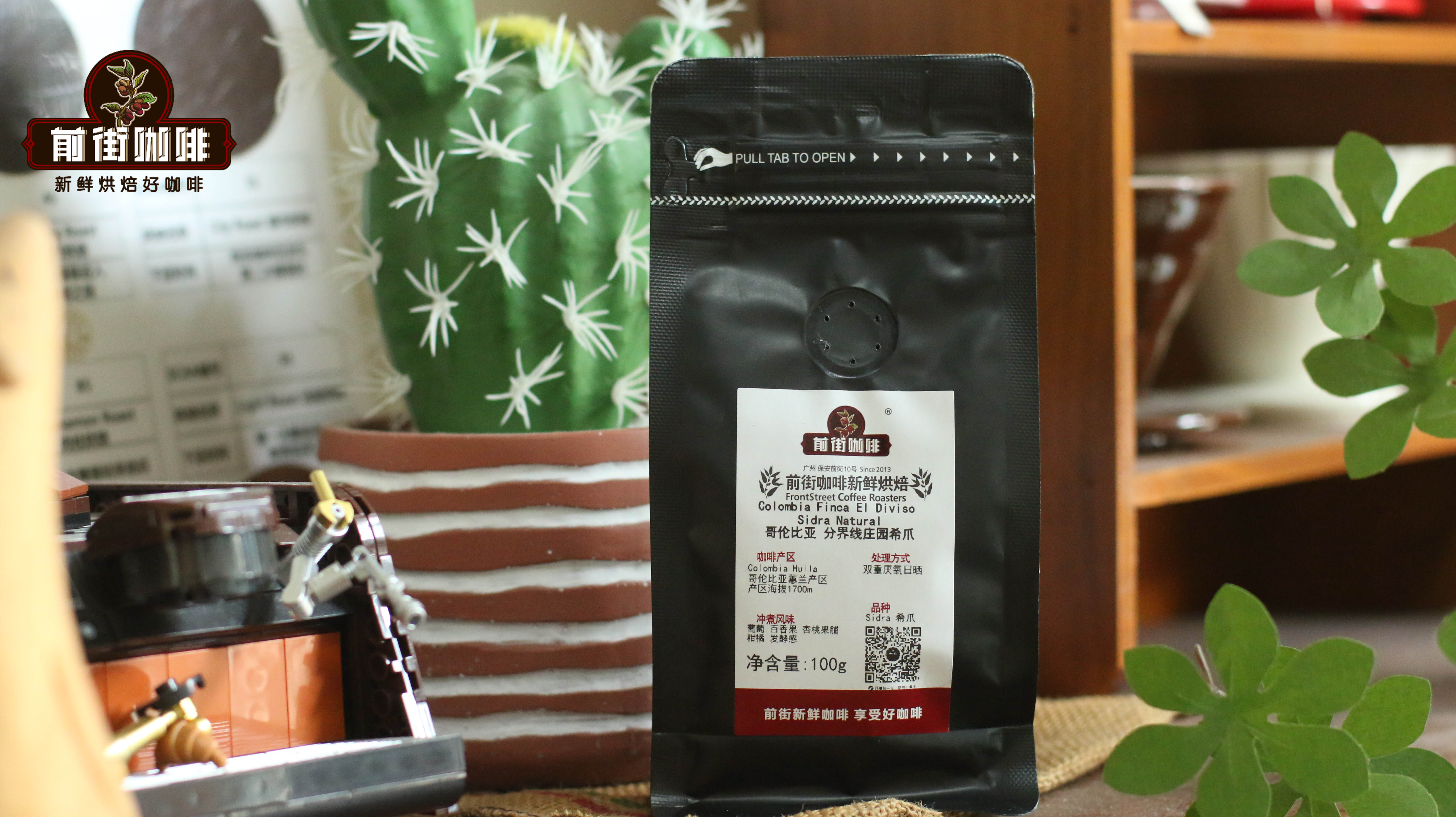
Ice Drip Coffee Beans | What are the techniques for making delicious ice drip coffee? What selected single-origin coffee beans are recommended for ice drip cold brew coffee?
Cold brew coffee refers to a method of slowly extracting coffee aromatic substances by evenly dripping ice water over coffee grounds under normal pressure. Since the low-temperature ice water does not easily extract the bitter substances from the coffee, and the slow flow rate greatly increases the extraction yield, cold brew has a rich but not bitter taste. If you choose a flavor that is more distinctive, [more…]

A Detailed Guide to Cold Brew Coffee Making: From Equipment Structure to Coffee Bean Selection, Master Cold Brew Techniques at Once
The ice drip pot has a unique shape, and its stacked layers often make people mistakenly think they have walked into a laboratory. Many customers who come to Front Street are curious about this set of equipment and want to replicate the store's signature ice drip at home. This article will systematically explain the structure and usage of the ice drip coffee pot, including key parameters such as grind size setting, coffee-to-water ratio, and valve flow rate control, and will share a production example using Costa Rica Mozart coffee beans from the Front Street store. In addition, the article also discusses the idea of choosing beans for ice drip coffee, offering specific coffee bean recommendations one by one according to four categories: tropical fruit fermented type, refreshing and clean type, sweet and mellow type, and flavor blend type, to help readers find the ice drip solution that best suits them. [more…]
Cold Brew Coffee Grind Size Recommendations | What Are the Coffee-to-Water Ratios and Techniques for Making Cold Brew Coffee? Can Blended Coffee Beans Be Used for Cold Brew Coffee?
What makes a good cold brew coffee? There is no detailed standard; everyone has their own methods and standards. What details should be noted when making cold brew coffee—bean selection, grind size, coffee-to-water ratio, drip rate, storage and shelf life, and so on? Today's article will cover various operational details. [more…]
Analysis of the Causes of Ice Drip Coffee Bitterness and the Principles of Low-Temperature Extraction | Front Street Teaches You to Master Drip Techniques
Cold brew coffee has a rich, smooth taste with no bitterness or astringency, yet many people who make it at home often run into problems with bitterness or poor dripping. Starting from the principles of low-temperature extraction, this article explains why cold brew coffee is sweeter than pour-over, and breaks down key steps in detail, including bean selection, grind size, dripping speed, coffee-to-water ratio, and serving methods. Front Street Coffee will also share a recipe for making cold brew with a blend of Honduras Lychee Orchid and Geisha Village Red Label, guiding you to a cup of cold brew coffee that is layered and rich, with vinous notes and fruity acidity. [more…]
Key Brewing Tips for Vietnamese Iced Coffee: Bean Selection, Phin Filter Operation, and Flavor Balance Techniques
Vietnamese iced coffee, with its silky texture and rich milky aroma, has become a favored refreshing drink in summer. Vietnamese people do not brew coffee with a coffee machine; instead, they use a dedicated metal drip filter, letting hot water pass through the coffee grounds bit by bit and drip slowly. To make an authentic Vietnamese iced coffee, the grind size of the coffee grounds, the amount of condensed milk, the tightness of the press, and the control of water temperature are all crucial. This article breaks down in detail every step from preparation to the completion of dripping, and provides reference standards for time and flow rate, helping you reliably recreate a fragrant, smooth Vietnamese iced coffee at home. [more…]
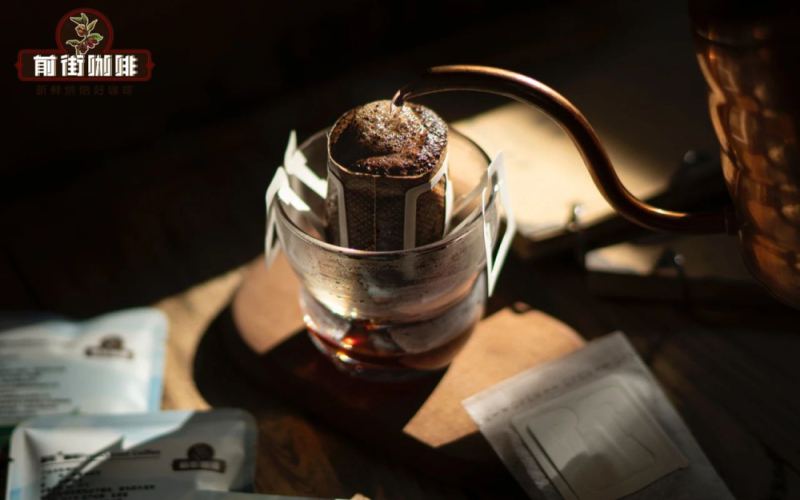
How to brew drip bag coffee for a richer, more aromatic cup? A detailed guide to the correct water amounts and techniques for iced and hot drip bag coffee
Drip bag coffee has become a popular choice in offices and during travel thanks to its convenience, but if you want to brew a cup that comes close to pour-over flavor, the amount of water, the water temperature, and the technique all matter. Drawing on the hands-on experience of Front Street baristas, this article breaks down in detail the three-stage pouring process for hot drip bag coffee, the special steeping method for iced drip bag coffee, and the reason why drip bag coffee can only be extracted once. It also compiles representative products from Front Street's selected drip bag series spanning fruity, floral, fermented, and full-bodied styles, helping coffee lovers reliably reproduce great flavor even without professional equipment. [more…]

Types of Iced Coffee | What are the similarities and differences between iced brewed coffee and cold brew coffee? What is the origin of cold brew and ice drip? Which tastes better, cold brew or ice drip?
For more specialty coffee knowledge, please follow: Front Street Coffee (Frontsteet Coffee). Front Street has noticed that on the path of self-learning coffee, what sometimes troubles everyone is not those complex techniques or parameters, but that whenever you search for a professional term, it always extends into a whole lot of lengthy [more…]

How does the coffee extraction method affect flavor expression? Where do cold brew and ice drip differ?
The flavor presentation of coffee often depends on the choice of extraction method. Different brewing techniques bring completely different taste experiences—from hot brew to cold brew, from immersion to drip filtration, each method shapes the unique personality of the coffee. Although cold brew and ice drip both fall under the category of cold water extraction, they have obvious differences in operating principles and final flavor. Starting from the extraction principles, this article will systematically analyze the effects of various coffee-making methods on taste, and deeply compare the similarities and differences between cold brew and ice drip coffee, helping coffee enthusiasts more clearly understand the flavor logic behind different brewing methods. [more…]
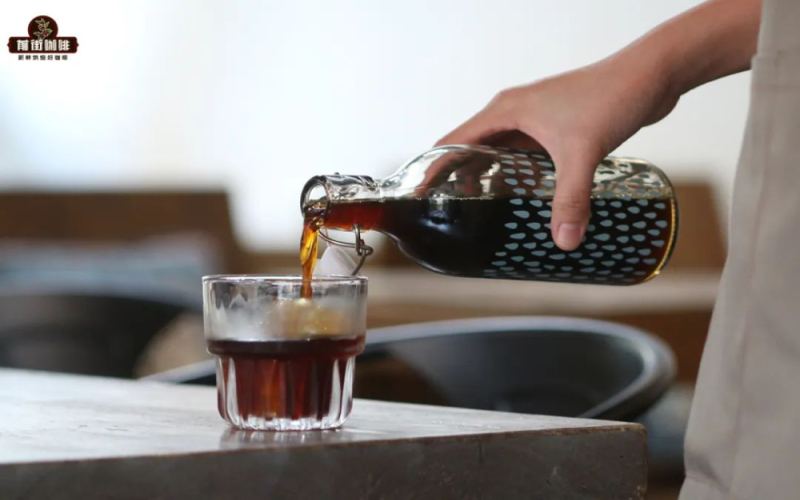
Cold Brew Coffee Complete Guide: Detail Techniques from Coffee-to-Water Ratio to Grind Size and Single-Origin Bean Recommendations
Cold brew coffee presents a refreshing, rich sweet-and-sour flavor through low-temperature slow extraction, but making a satisfying cup requires attention to many details. This article walks through the key points of cold brew coffee production one by one, from bean selection, roast date, tapping and tamping, pre-wetting, and filter paper placement, to grind size, drip rate, coffee-to-water ratio, and finally refrigeration fermentation and storage. It also combines Front Street brand's recommended single-origin beans such as Sidra, Strawberry Candy, Little Tomato, and Huakui, along with a recipe example of Strawberry Candy blended with Red Cherry, to help coffee enthusiasts master the core techniques of low-temperature extraction and reliably reproduce a clean, layered cup of cold brew coffee at home. [more…]
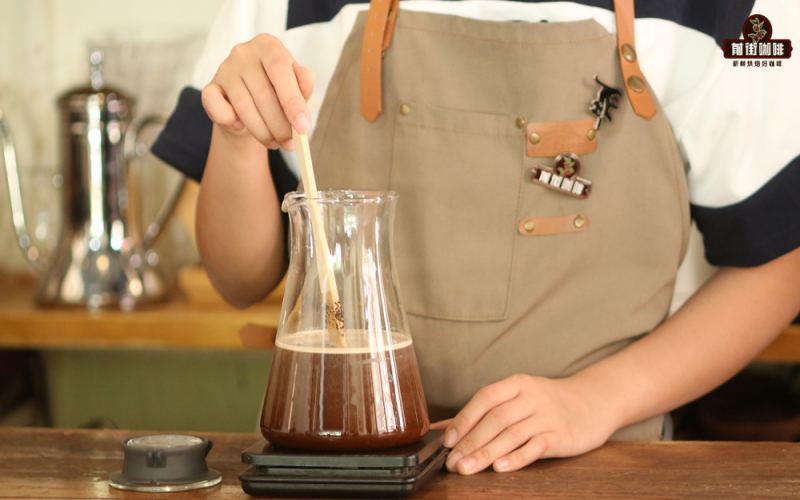
What Is the Difference Between Cold Brew Coffee and Ice Drip Coffee? A Full Guide to Low-Temperature Extraction Principles, Flavor Characteristics, and Brewing Methods
Cold brew coffee has swept across the United States in recent years. It is brewed with ice water or cold water, entirely at low temperatures, producing a clean cup that is low in acidity and bitterness, with a soft, sweet mouthfeel and fruity notes. Cold brew is strictly divided into the immersion style and the ice-drip style, but many people conflate the two. From the perspective of Front Street Coffee, this article sorts out the origins of cold brew coffee, the key points of water temperature and time, its differences from ice-drip coffee in extraction method and flavor layers, and recommendations for coffee beans suitable for making cold brew. Whether you prefer a rich, consistent cup or a bright, layered one, you can find the right one for you. [more…]

Origins of Cold Brew Coffee | Which coffee beans are suitable for cold brew? How can coffee beginners make cold brew coffee at home? What are the techniques for making cold brew coffee?
As the weather gets hotter, the cold brew coffee at Front Street Coffee is also selling well. Actually, cold brew coffee is not as complicated as everyone believes. Today Front Street will share how to make cold brew coffee and discuss its caffeine content. The origin of cold brew coffee: "In the 1600s, Dutch sailors, from the then-colon [more…]
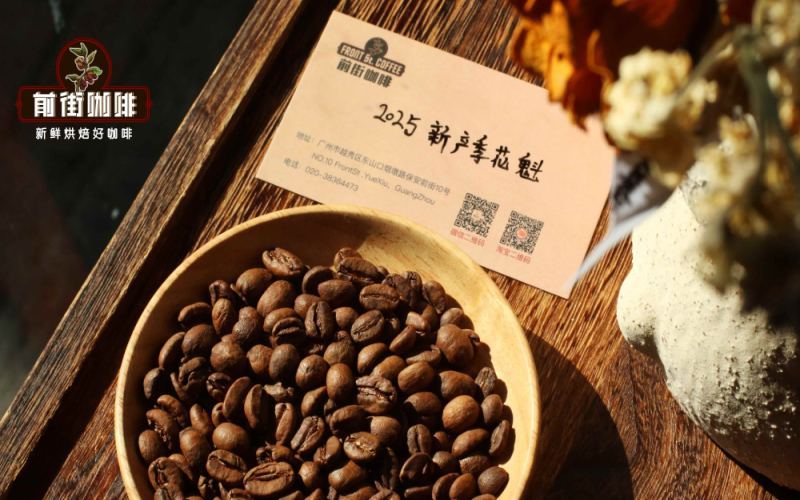
Yirgacheffe Huakui 5.0 Pour-Over Parameters in Detail: A Comparison of Four Extraction Methods—Hot Brew, Flash-Brewed Iced, Ice Drip, and Cold Brew
Geisha 5.0, as a new-crop 2025 Ethiopian natural coffee bean, is known for its creamy strawberry-like sweetness and full, juicy body. It comes from the Buku Abel processing station and has attracted widespread attention in China's coffee circles since winning the TOH in 2017. Unlike the signature white floral notes and bright citric acidity of Yirgacheffe, Geisha takes the route of rich fermented sweetness. In response to this bean's high-altitude hard-bean characteristics, Front Street Coffee extends the dehydration and intermediate phases during roasting to fully develop the sweetness, and offers four extraction methods: hot pour-over, iced pour-over, ice drip, and cold brew. This article will comprehensively cover Geisha's story and background, roasting approach, and the specific parameters and techniques for each brewing method, helping you reliably reproduce Geisha 5.0's gentle flavor at home. [more…]
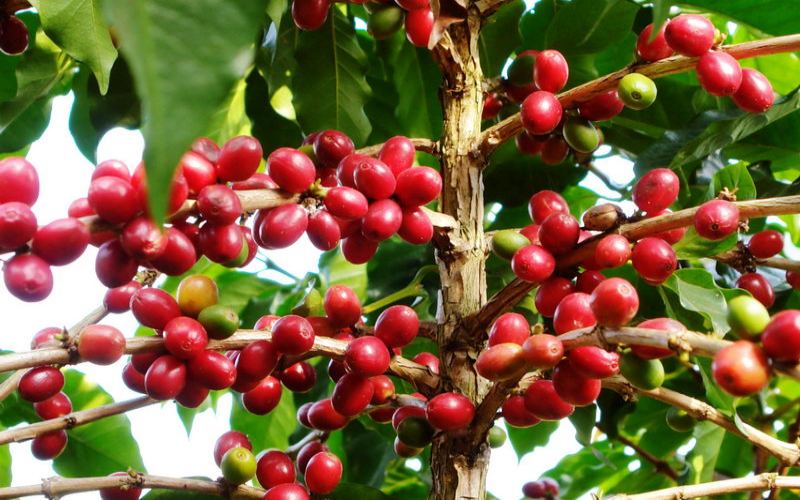
The Complete Guide to Brewing Kenyan Coffee: From Origin and Varieties to Washed Processing and Iced Pour-Over Techniques
Kenyan coffee is famous for its intense, cherry-tomato-like acidity and distinct floral and fruity aromas. In contrast to Ethiopia's light and bright profile, it is another shining star among African specialty beans. This article begins with Kenya's growing environment and six major producing regions, analyzes the origins of unique varieties such as SL28 and SL34, and explains in detail Kenya's signature 72-hour washed processing method (K72). After that, Front Street Coffee will share the parameters for hand-brewing Kenya and the three-pour pouring technique, as well as specific plans for three iced coffees: iced hand brew, iced drip, and cold brew, helping coffee lovers fully bring out the uplifting berry acidity and clean, full-bodied flavor of Kenyan beans. [more…]
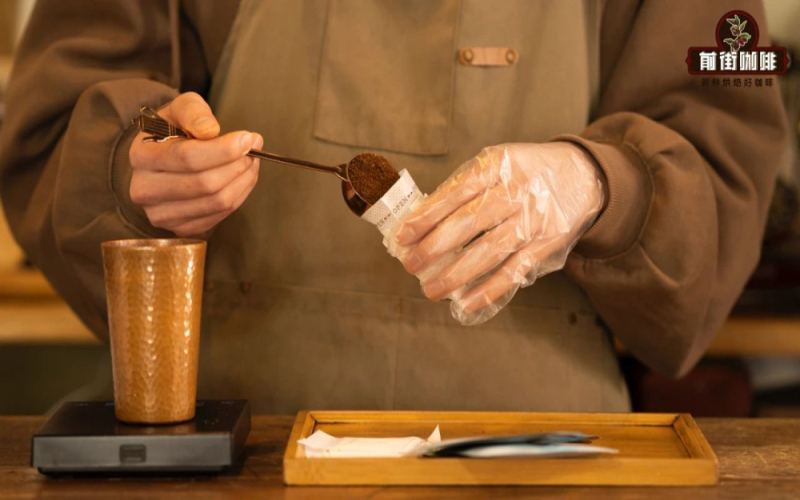
Drip Bag Coffee Buying Guide: Brand Flavor Comparison and Detailed Hot and Cold Brewing Techniques
Drip bag coffee has become a daily choice for many coffee lovers thanks to its convenience, but the flavor differences between brands and origins are significant. This article starts with Front Street Coffee's diverse origin series of drip bag coffees, reviews the invention history and core characteristics of drip bag coffee, explains in detail the two practical methods of hot brewing and iced brewing, and analyzes one by one the flavor characteristics and processing method backgrounds of seven Front Street drip bag coffees—Golden Mandheling, Panama Butterfly, Yirgacheffe Red Cherry, Brazil Red Bourbon, Colombia Huila, Costa Rica Tarrazu, and Yunnan Small Bean—helping readers easily enjoy a cup of consistently high-quality drip coffee even in a fast-paced life. [more…]

Front Street Coffee Complete Knowledge Collection: A Coffee Learning Guide and Practical Manual from Beginner to Advanced
The Front Street official account has insisted on daily updates for many years, accumulating a massive amount of educational content covering every area of coffee. From the origins of coffee beans to the birth of a finished cup of coffee, from basic terminology to advanced brewing techniques, the articles have touched on virtually every question a coffee lover might encounter. This article reorganizes that content along a learning path, dividing it into sections such as must-reads for beginners, tasting methods, brewing techniques, advanced improvement, and Front Street's random musings on industry topics, making it easy for readers to quickly locate the knowledge they need based on their own stage, and also convenient for systematically filling in gaps. Whether you are a novice just getting into coffee or an advanced player hoping to hone your skills, you can find corresponding content here. [more…]
How to Fix Sour Blue Mountain Coffee When Brewing? A Comprehensive Analysis of Seven Brewing Methods and Techniques
How should you brew Front Street Blue Mountain Coffee to make it taste good after buying it home? This article compiles seven extraction methods suitable for Front Street Blue Mountain Coffee, from espresso, latte, and Americano, to various pour-over drippers, siphon, AeroPress, French press, cold drip, and Japanese iced pour-over. Each method provides specific coffee dose, water temperature, grind size, water-to-coffee ratio, and brewing steps. If you feel that the Blue Mountain Coffee you brew tastes too sour, the key issue often lies in the extraction method and parameter combination, as different brewers vary greatly in how they present acidity, sweetness, and bitterness. The article also compares the flavor differences between the Kalita扇形, cake cup, Kono, and V60 drippers, as well as the mouthfeel changes in siphon brewing when adding coffee grounds first versus later, making it easier for coffee enthusiasts to choose a suitable method according to their taste preferences. [more…]