







Search Results for: How Many Times to Reuse a Drip Bag
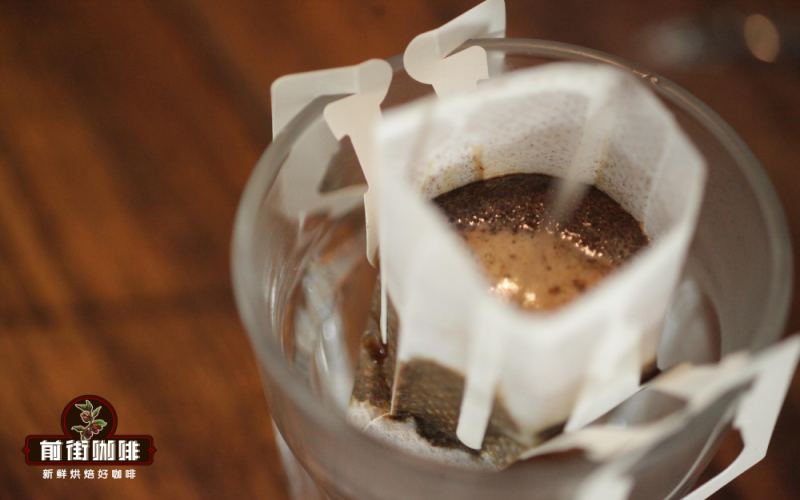
Drip Bag Filter Coffee | Are Drip Coffee Bags Instant Coffee? Can You Just Toss a Drip Coffee Bag Into a Cup and Brew It? How Many Times Can You Reuse a Drip Coffee Bag?
To make drip bag coffee, Front Street Coffee grinds freshly roasted coffee beans into suitable particles and seals them in a non-woven filter bag. It is a portable pour-over coffee product, essentially a simplified version of hand-brewed coffee. As long as you have hot water and a cup, you can enjoy the taste of hand-brewed single-origin coffee anytime. [more…]
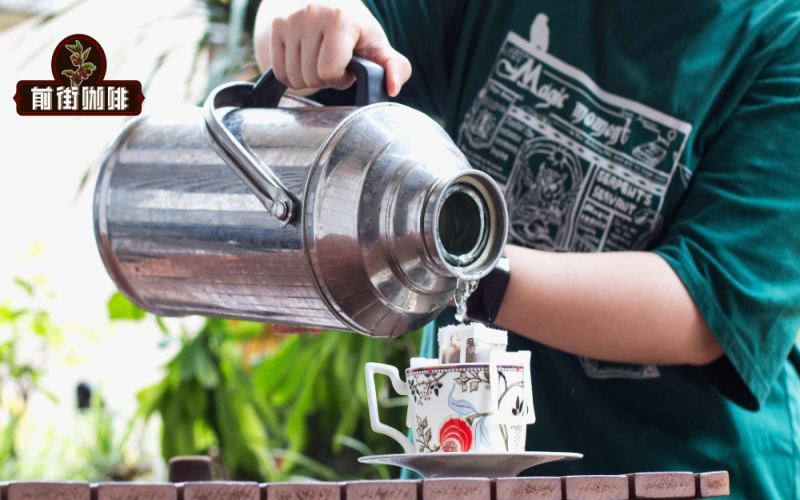
Drip Bag Coffee Brewing: How Many Times Can You Reuse It? Correct Usage and Buying Guide for Blue Mountain, Brazil, Mandheling, and More
Drip bag coffee, with its portability and high cost-effectiveness, is attracting more and more beginners to give it a try. But brewing often brings up a common question: how many times can it actually be brewed? This article starts from the characteristics of coffee solubles and chlorogenic acid, explaining why drip bags are usually recommended for only one brew, and also offers selection suggestions for drip bag flavors such as Front Street Coffee's Huakui, Yirgacheffe, Mandheling, Brazil Cerrado, and Jamaica Blue Mountain, helping enthusiasts avoid under-extraction and off-flavors so they can enjoy a balanced cup of good coffee. [more…]
Drip Bag Coffee Flavor | How to Brew Drip Coffee Bags Correctly? How Many Times Can You Reuse a Drip Coffee Bag? How Much Water and How Long to Brew a Drip Coffee Bag?
For more specialty coffee knowledge, please follow our WeChat official account: FrontStreet Coffee. Beginners who have just gotten into coffee may have some misunderstandings about the difference between pour-over coffee and drip bag coffee. Due to the packaging cost of drip bag coffee, the price of drip bag coffee made from the same coffee beans will [more…]
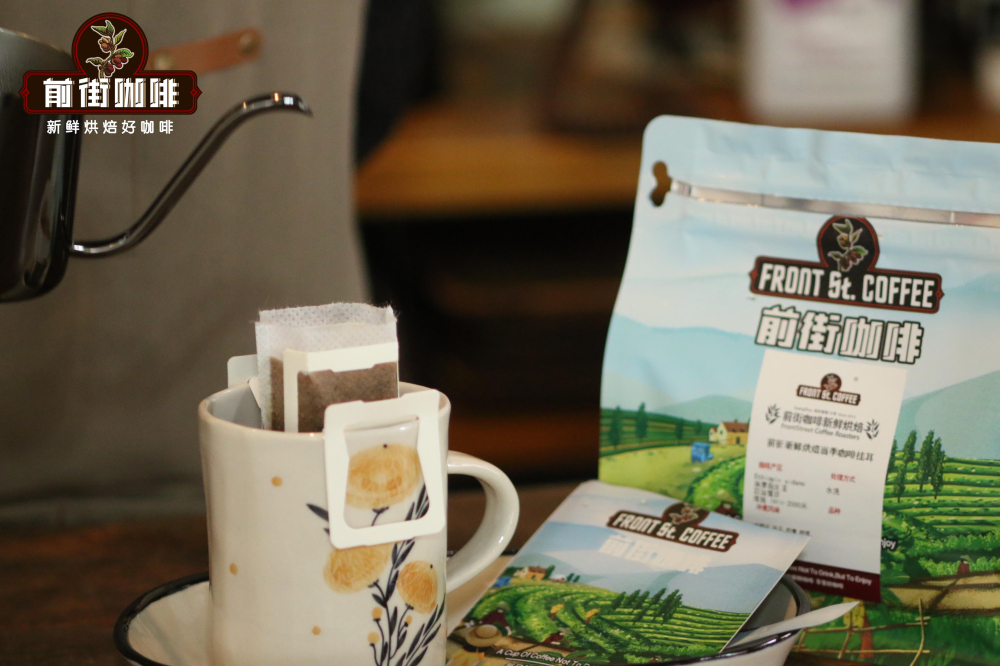
How to Make Drip Bag Black Coffee | How Long Should You Brew Filter Coffee? Can You Reuse a Drip Coffee Bag? What Flavors of Drip Coffee Are There?
With the widespread promotion of specialty coffee culture, drip bag coffee—made from freshly roasted coffee beans ground to a certain coarseness—has become a must-have coffee product for office workers and home dwellers alike. Compared with pour-over coffee, drip bag coffee is convenient and simple to make, allowing you to easily brew a cup full of aroma and [more…]
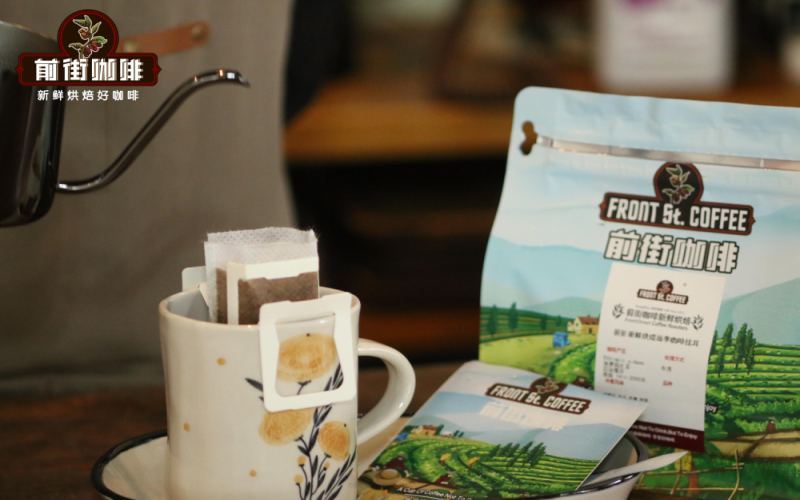
A Complete Guide to Drip Bag Coffee Brewing Time and Reuse, Plus an Office Specialty Coffee Buying Guide
Drip bag coffee has become the daily beverage of choice for many coffee lovers thanks to its convenient brewing method and consistent results. But how long a single drip bag should be brewed and whether it can be reused leaves many people puzzled. This article systematically explains the correct brewing method for drip bag coffee, including specific parameters for water temperature, ratio, and pouring technique, while also covering the optimal tasting period and common misconceptions. In addition, it shares a variety of Front Street brand drip bag products suited to office settings, ranging from fruity and acidic to rich and full-bodied, helping you easily enjoy a high-quality cup of black coffee right at your desk. [more…]
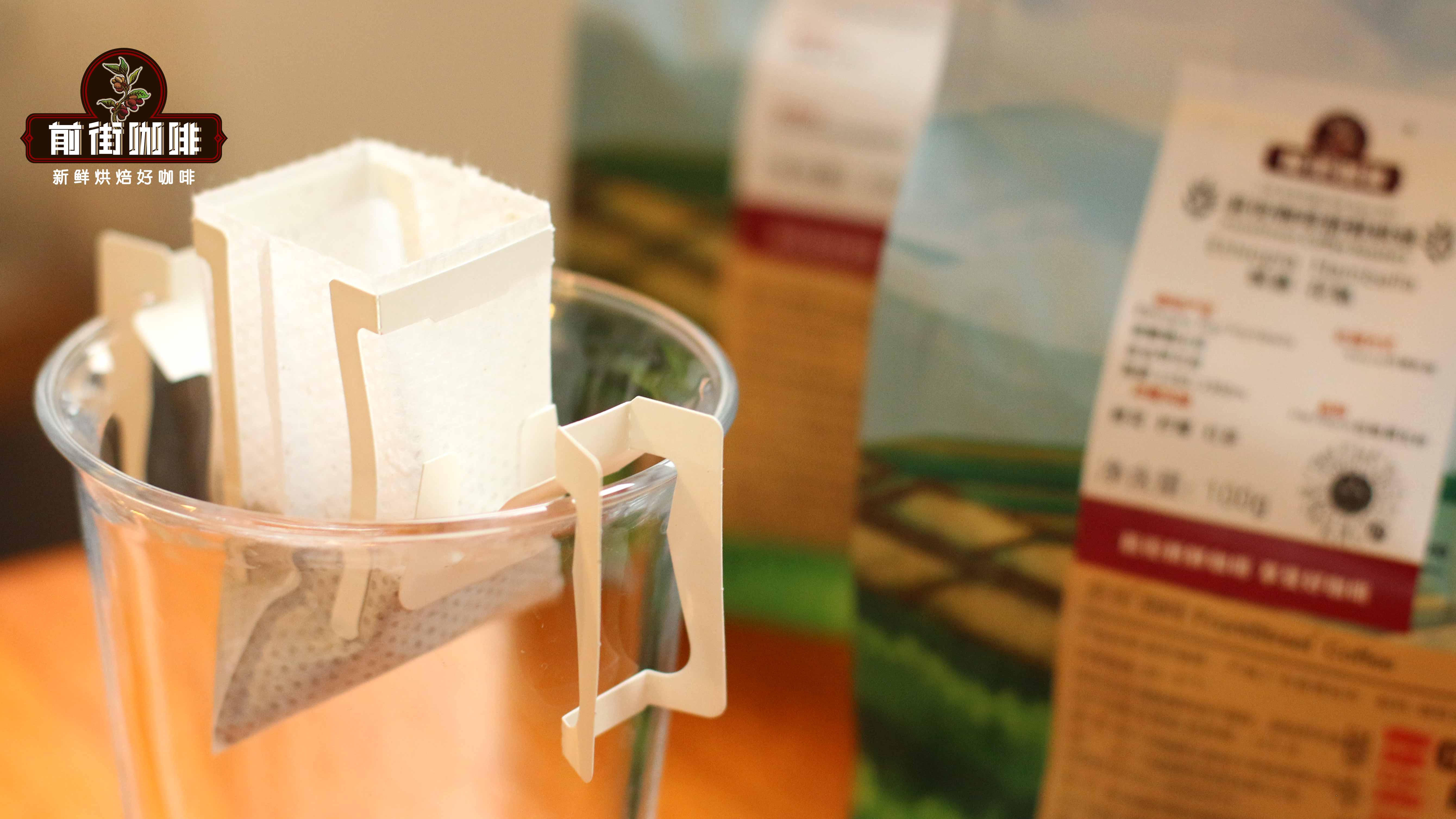
How Many Times Can You Brew Drip Coffee? Can You Add Milk If It's Too Bitter? A Detailed Guide to the Five Correct Steps for Brewing Filter Drip Coffee
Filter bag coffee has become a popular choice for outdoor and travel thanks to its portability, but brewing details are often overlooked. This article outlines the five standard brewing steps for drip bag coffee, explaining everything from tearing open the packet and hanging it on the cup, to water temperature control and the water-to-coffee ratio, and answers two common questions: whether drip bag coffee can be re-brewed multiple times, and whether milk can be added to balance it out when the bitterness is pronounced. It also combines the product characteristics of Front Street Coffee's drip bags to offer purchasing suggestions for different flavor preferences, and shares ideas for reusing coffee grounds, helping coffee lovers find a balance between convenience and taste. [more…]
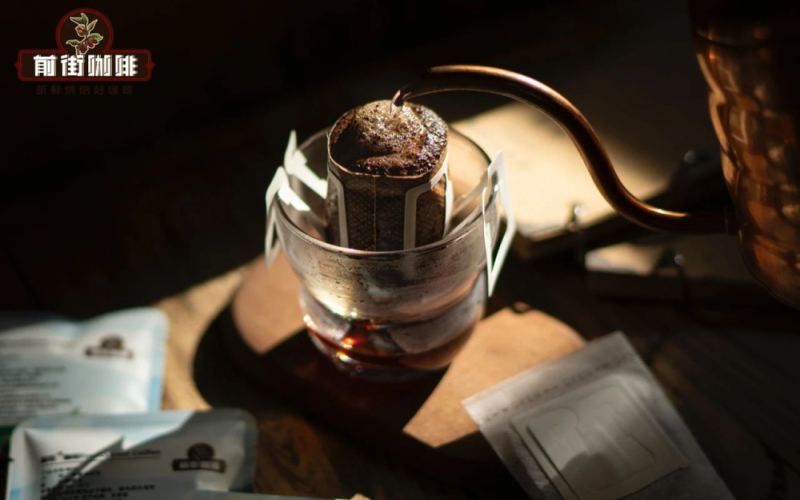
Can you just throw drip coffee bags into water to brew? A detailed guide to the correct brewing method, water temperature, and coffee-to-water ratio
For office workers who can't get through the day without coffee, drip bags are a compromise that balances convenience and flavor. But many people are puzzled the first time they encounter a drip bag: can you just throw it into hot water and steep it? The answer is no. Although drip coffee is simple to make, getting a delicious cup still requires following a few basic rules—don't steep it directly, don't reuse the bag, and don't pour the grounds out to brew. This article will cover the definition of drip coffee, its similarities and differences with pour-over, the standard brewing process, control of water temperature and coffee-to-water ratio, and the effect of freshness on flavor, explaining each in turn to help you get a consistently delicious cup of filtered coffee in the simplest way possible. [more…]
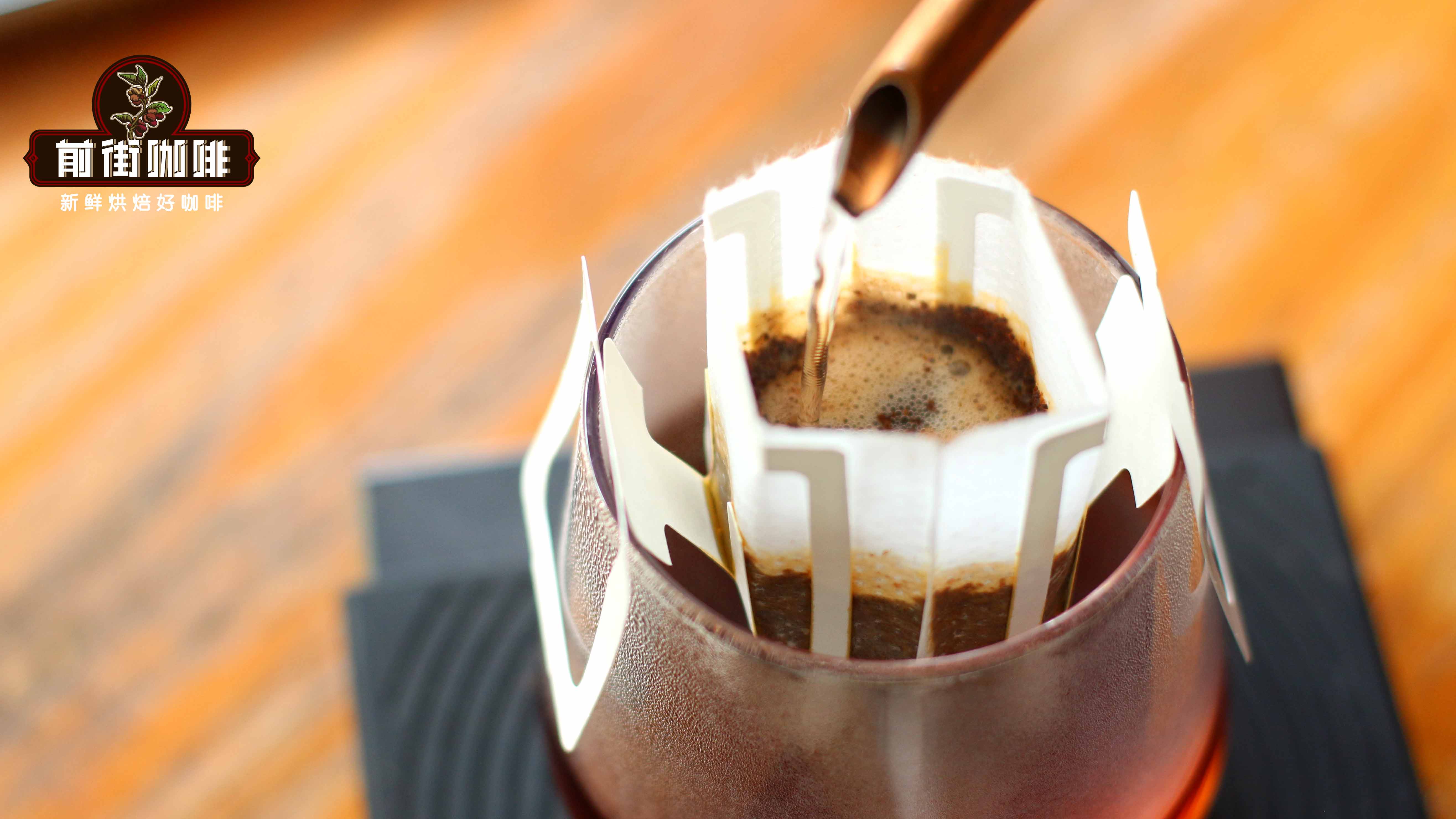
Drip Bag Coffee Buying Guide: Brand Flavor Comparison and Pour-Over Brewing Techniques Explained
Drip bag coffee, with its combination of convenience and flavor, has become a daily choice for many coffee lovers. But faced with a dazzling array of brands and origins on the market, how do you choose a drip bag that suits you? What temperature should the water be during brewing? How should the steeping time be controlled? This article starts from the principles of drip extraction, explains the correct way to brew drip bag coffee, and recommends four distinctive single-origin coffees from Front Street Coffee's current seasonal drip bag series—washed Yirgacheffe, Brazil Cerrado, Yunnan small bean, and Indonesian wet-hulled—while also answering practical questions such as shelf life and the number of times to brew, helping you easily make a balanced, layered cup of good coffee. [more…]
Drip Bag Coffee Brewing Guide: Correct Steps, Flavor Adjustments, and Whether It Can Be Re-Steeped
Drip bag coffee, with its portability and ease of use, has become a popular coffee choice for outdoor, travel, and everyday scenarios. But how do you properly brew a cup of drip bag coffee with excellent flavor? Water temperature, coffee-to-water ratio, and pouring method all matter. This article walks through the five standard brewing steps for drip bag coffee, detailing the blooming time, ideal water temperature, and the Front Street drip bag products that correspond to different flavor profiles. It also provides clear answers to common questions such as whether you can add milk, sugar, or honey to balance bitterness, and whether drip bags can be reused for multiple brews, along with suggestions for reusing coffee grounds, helping coffee lovers gain a more comprehensive understanding of how to enjoy drip bag coffee. [more…]
The Complete Guide to Brewing Yirgacheffe Drip Coffee: Time, Number of Brews, and the Correct Office Method Explained
Drip bag coffee, with its combination of convenience and flavor, has become the top choice for many coffee lovers in the office and at home. But exactly how long should a drip bag be brewed, can it be brewed repeatedly, and how should water be poured to fully release the aroma? Taking the Yirgacheffe drip bag as an example, this article starts with Front Street Coffee's bean selection and packaging process, and sorts out the optimal tasting period for drip bag coffee, common brewing mistakes, and the correct operating steps, to help you consistently brew a cup of black coffee with bright floral notes and a full, sweet aftertaste even during busy work breaks. [more…]
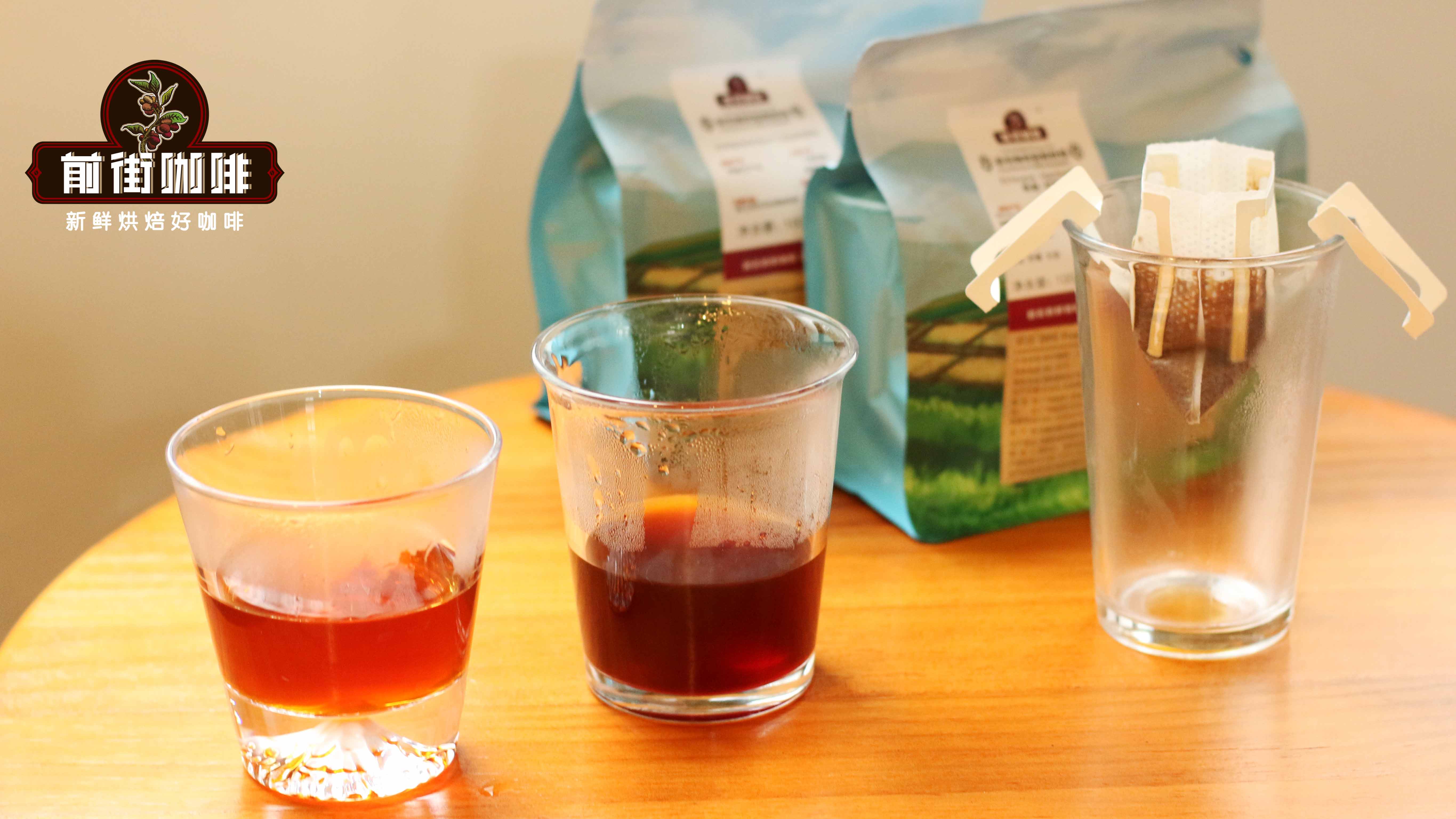
A Complete Guide to Drip Bag Coffee Brewing Temperature and Techniques, Front Street Multi-Origin Drip Bag Recommendations, and a Beginner's Buying Guide
As the pace of life accelerates, drip bag coffee has become the top choice for many coffee lovers thanks to its combination of portability and flavor. This article covers the brewing temperature, key techniques, and common pitfalls of drip bag coffee, while also offering practical advice for beginners on how to choose suitable drip bag coffee beans, and recommending the Front Street Coffee Classic 5-Origin Drip Bag Series, featuring flavors such as Yirgacheffe, Brazil Cerrado, Kenya Little Tomato, Panama Geisha, Indonesia Mandheling, and Honduras, helping readers easily enjoy a great cup of coffee. [more…]

Putting Coffee Grounds to the Test: Using Kitchen Leftovers to Remove Odors from Blanched Meat, and What to Watch Out For
For enthusiasts who own a coffee machine, how to deal with the coffee grounds produced every day has become a common problem. Beyond the well-worn uses like growing flowers and removing odors, some netizens have tried using coffee grounds to blanch pork belly to remove its gamey smell, with surprising results. This article compiles the actual test results of this method, feedback from netizens, and similar applications in Korean cuisine, while also reminding you of details such as filtering and ingredient freshness during the process, to help you, a coffee lover, make reasonable use of coffee grounds. [more…]
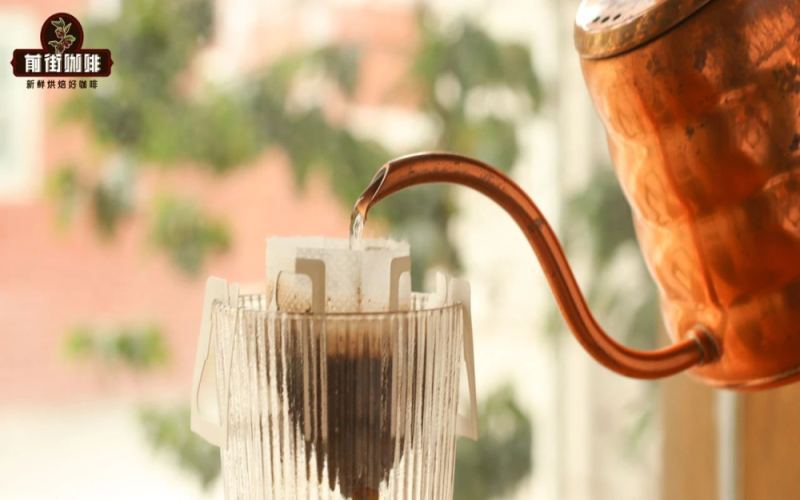
A Guide to Buying Low-Acid, Full-Bodied Drip Bag Coffee: Three Key Points on Roast Level, Origin, and Flavor, Plus Brewing Tips in Detail
Love coffee but not the sourness? This guide is made especially for coffee lovers who pursue a rich, mellow taste without acidity. When choosing drip bag coffee that is non-acidic and full-bodied, three key points matter: the roast level should mainly be medium-dark, the origin determines the bean's character, and the flavor description is the most direct basis for consumers to judge. This article recommends several of Front Street Coffee's everyday drip bag coffees, all guaranteed to be freshly roasted within 5 days and shipped within 24 hours. In addition, brewing drip bag coffee also requires attention to technique—the amount of water, water temperature, and flow rate all affect the final flavor. For a 10-gram packet of grounds, it is recommended to pour 150 grams of water, with the water temperature best controlled at 88 to 93 degrees, and never reuse the grounds for a second brew. Master these key points, and you can easily brew a rich, mellow cup of good coffee even in the office. [more…]
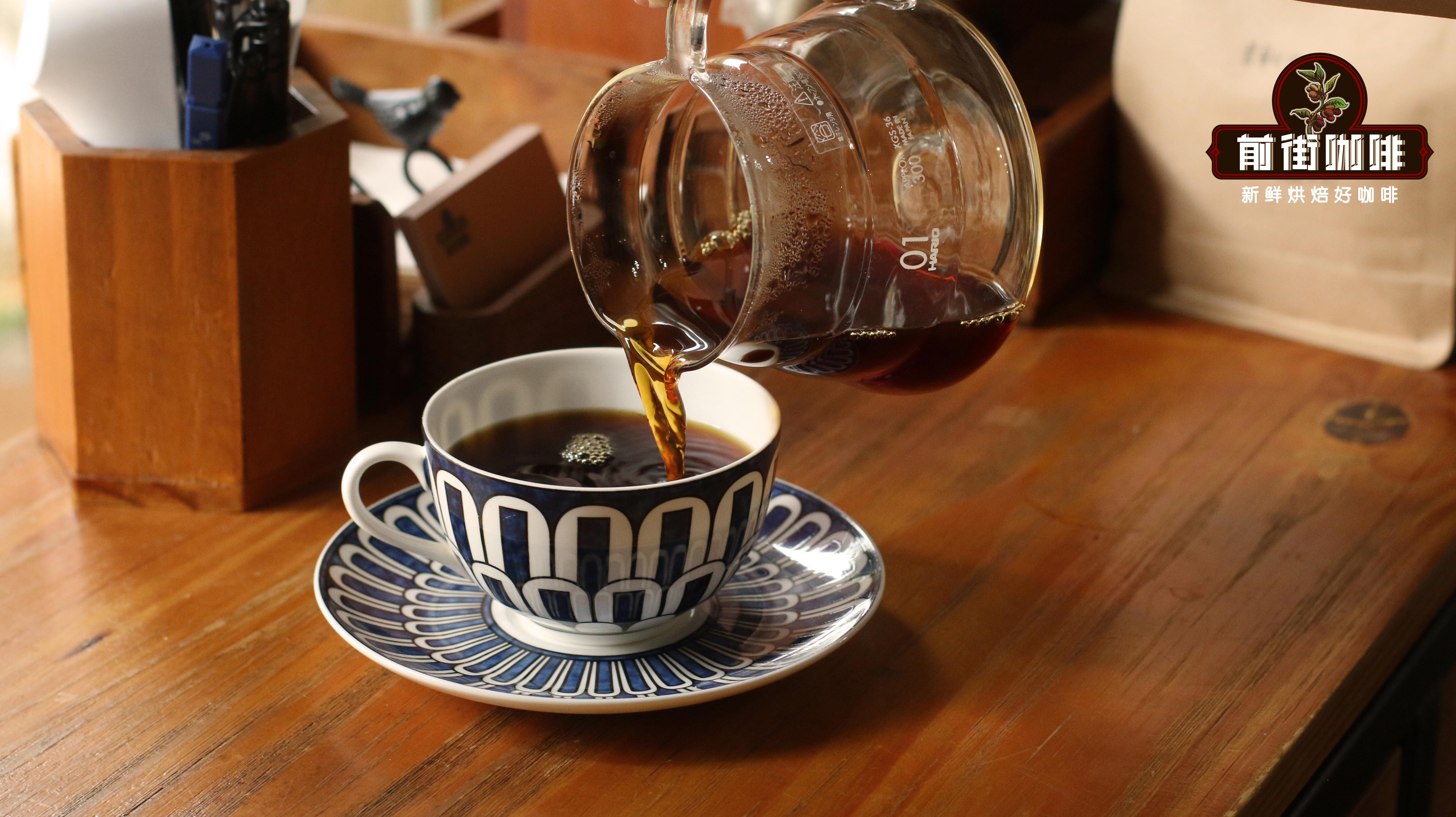
What Is Drip Bag Coffee? An Advanced Pour-Over Drip Bag Guide from Bean Selection to Brewing Water Volume
Drip bag coffee, with its combination of convenience and flavor, has gradually become the daily first choice for coffee lovers and office workers. But to brew a delicious cup, it's not as simple as tearing open the bag and pouring in water. Drawing on the practical experience of Front Street Coffee, this article systematically explains the selection approach for drip bag coffee, the necessity of warming the cup, control of water temperature and coffee-to-water ratio, the principle of blooming, and pouring techniques, and answers common questions such as exactly how many milliliters of water a single drip bag should use and whether it can be brewed repeatedly, helping you brew the drip bag in hand into a cup with a layering close to pour-over. [more…]
Drip Coffee Arabica Brand Buying Guide and Detailed Correct Brewing Techniques
Drip bag coffee has become a daily choice for many coffee lovers thanks to its convenience, but how do you pick the flavor that suits you, and how should you brew it to recreate a good cup of coffee? Starting with the origins and convenience of drip bag coffee, this article sorts through the three major flavor categories—floral and fruity-acidic, rich and mellow, and balanced—and recommends a range of drip bag products including Front Street Yirgacheffe, sun-dried Huakui, Queen's Estate, Golden Mandheling, Strawberry Candy, and Bird of Paradise. It also explains in detail advanced brewing techniques such as warming the cup, water temperature control, blooming, and the coffee-to-water ratio, and answers common questions such as whether drip bags can be re-brewed and whether they count as black coffee, helping you easily enjoy a delicious cup of drip bag coffee. [more…]
How Else Can You Use Coffee Beans Past Their Peak? Brewing Adjustment Tips and Practical Ways to Reuse Stale Beans
The optimal flavor period for coffee usually refers to 4 to 6 weeks after roasting. Beyond this period, floral notes, fruity acidity, and chocolatey sweetness noticeably diminish or even disappear. Although there is no way to restore coffee beans to a fresh state, adjusting the grind size, the blooming pour, and the circular pouring technique can still improve the taste in the cup. In addition, coffee beans past their expiration date but still within their shelf life need not be discarded in a hurry. Front Street Coffee has tried several down-to-earth reuse methods, such as removing odors, making natural dyes, and spreading them at the bottom of ashtrays, which are both practical and help reduce waste. This article will systematically introduce the key points for brewing stale coffee beans and the many uses for expired beans. [more…]
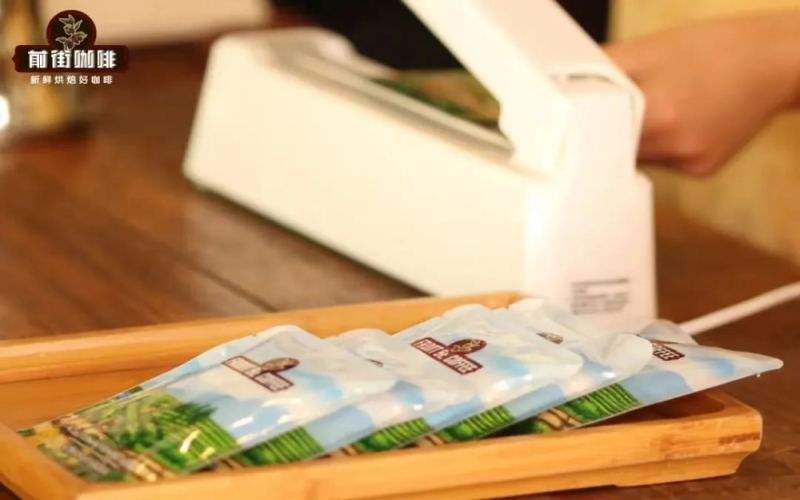
Drip Bag Coffee Brewing Tips | Is Drip Bag Coffee a Type of Pour-Over Coffee? What Is the Water-to-Coffee Ratio for Making Drip Bag Coffee?
Ever since coffee began to develop rapidly in the Chinese market, more and more young people have chosen coffee to refresh themselves and treat it as a workplace essential. Precisely because it has become so widespread, a cup of coffee a day seems to have become a habit for office workers. When a café isn't located downstairs from your office building, many people will opt for cost-effective [more…]
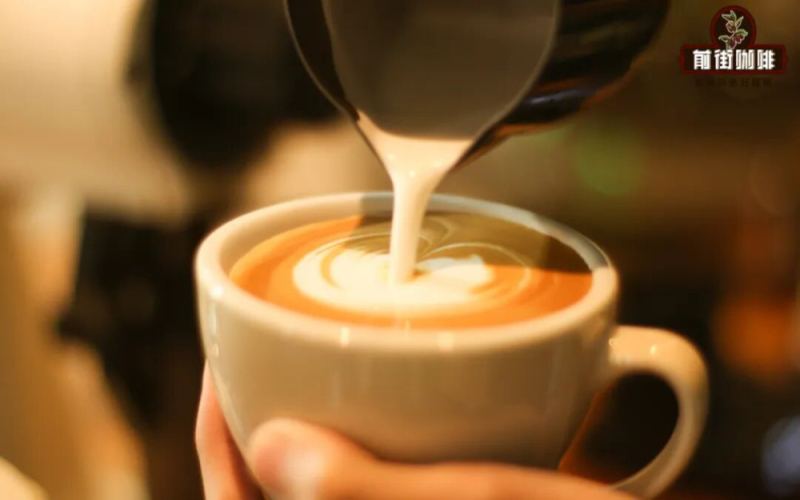
Zero experience? You can still practice latte art: cocoa powder dusting, water sprinkling, and reuse methods—the complete low-cost guide to practicing latte art.
Want to practice latte art well but hate watching espresso and milk go down the drain with every cup? In fact, many coffee enthusiasts have long since figured out a money-saving, no-waste way to practice. In this article, Front Street Coffee will share several low-cost latte art practice solutions: from the dark soy sauce plus dish soap combo that even complete beginners can handle, to the reusable espresso-and-milk cycling method, and we'll also answer how to froth milk with a French press when you don't have an espresso machine. We'll also recommend espresso beans suitable for latte art, helping beginners build up their hands' muscle memory for milk foam step by step while keeping costs under control, so that every practice session gets closer to coffee shop quality. [more…]
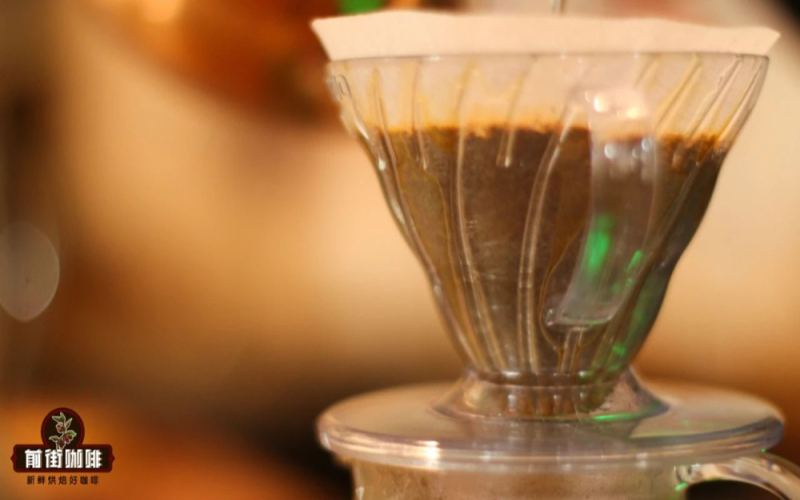
Don't Let Expired Coffee Grounds Go to Waste: Many Practical Uses and Ways to Reuse Coffee Grounds in Daily Life
For coffee lovers, the large amount of coffee grounds left after each brew is often a dilemma—simply throwing them away seems a bit wasteful. In fact, with a little clever use, these seemingly useless grounds can easily be turned into something valuable. Front Street Coffee reminds everyone that coffee grounds are not only excellent plant fertilizer, but also have multiple benefits such as deodorizing, preventing flavor transfer, beautifying and calming the mind, and even refreshing the senses. From flowerpot fertilizer to shoe cabinet dehumidifying, from preventing flavor transfer in the refrigerator to making your own calming pillow, the uses of coffee grounds in daily life are far beyond imagination. This article will systematically sort out practical tips for using coffee grounds, helping you easily achieve resource reuse while enjoying coffee, so that every particle of coffee powder can deliver maximum value. [more…]
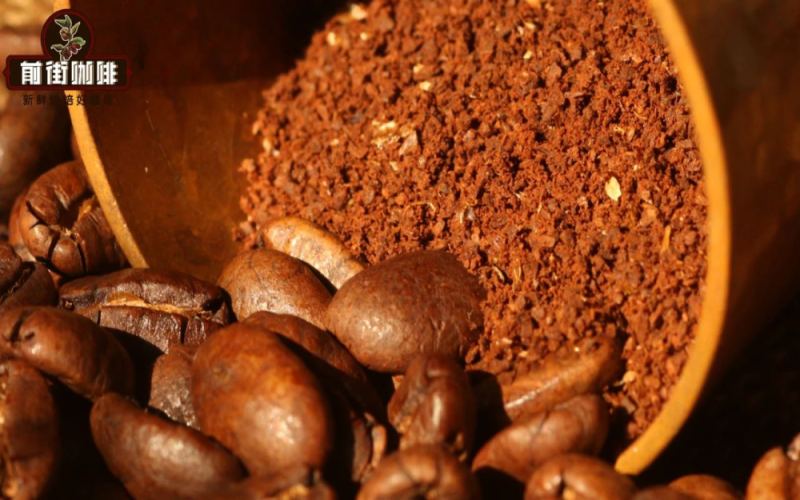
Can You Still Drink Expired Unopened Ground Coffee? Flavor Changes and Three Eco-Friendly Ways to Reuse It
Many coffee enthusiasts have encountered this dilemma: they impulsively bought too many coffee beans, or for various reasons delayed drinking them, only to find that the beans have passed their optimal flavor period. So, can unopened expired ground coffee still be consumed? How will the flavor change? This article will analyze the safety of drinking expired ground coffee from the perspectives of food safety and flavor performance, and share brewing adjustment plans for stale coffee beans. In addition, if the coffee has passed its shelf life, we will also introduce three practical and eco-friendly ways to reuse it, so that every coffee bean can be put to good use. [more…]