







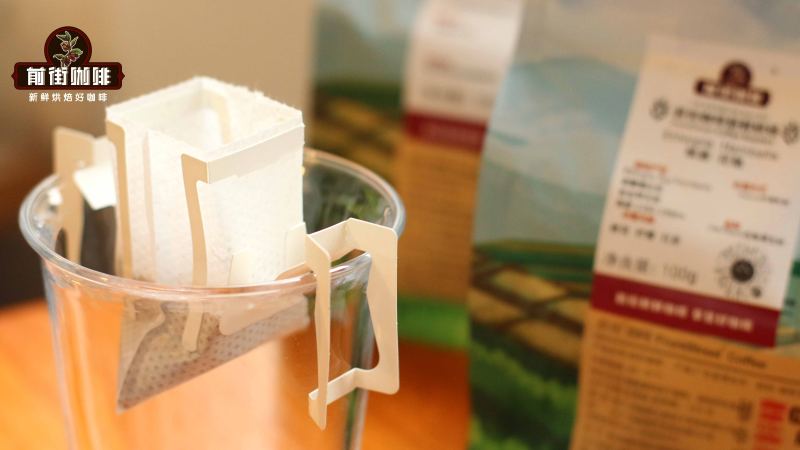
Can you brew drip coffee grounds more than once?
Drip coffee grounds are spent after one brew. Most of the soluble flavor has already been extracted, so a second pass yields a weak, bitter, and hollow cup with little of the original character left. Reusing grounds can also pull out compounds that taste harsh or papery. If you want a stronger cup, the better answer is to brew a fresh batch with more coffee, not to run water through the same grounds again.
As for bitterness, adding milk is a practical fix. Brewing coffee with milk, or simply pouring a splash into a bitter cup, softens the harsh edges because fat and protein coat the palate and dilute the intensity. Coffee brewed with milk from the start, such as a cafe au lait, follows the same idea. Keep the milk warm but not boiling, since scalded milk adds its own off flavors.
Drip bag coffee has become a popular choice for outdoor activities and travel thanks to its portability, but the brewing details are often overlooked. This article walks through five standard steps for brewing drip bag coffee, covering everything from tearing open the packet and hanging it on the cup, to water temperature control and water-to-coffee ratios, and answers two common questions: can drip bag coffee be re-brewed, and can milk be added to mellow out an overly bitter taste. It also offers buying suggestions based on different flavor preferences in light of Front Street Coffee's drip bag product features, and shares ideas for reusing coffee grounds, helping coffee lovers find a balance between convenience and taste.
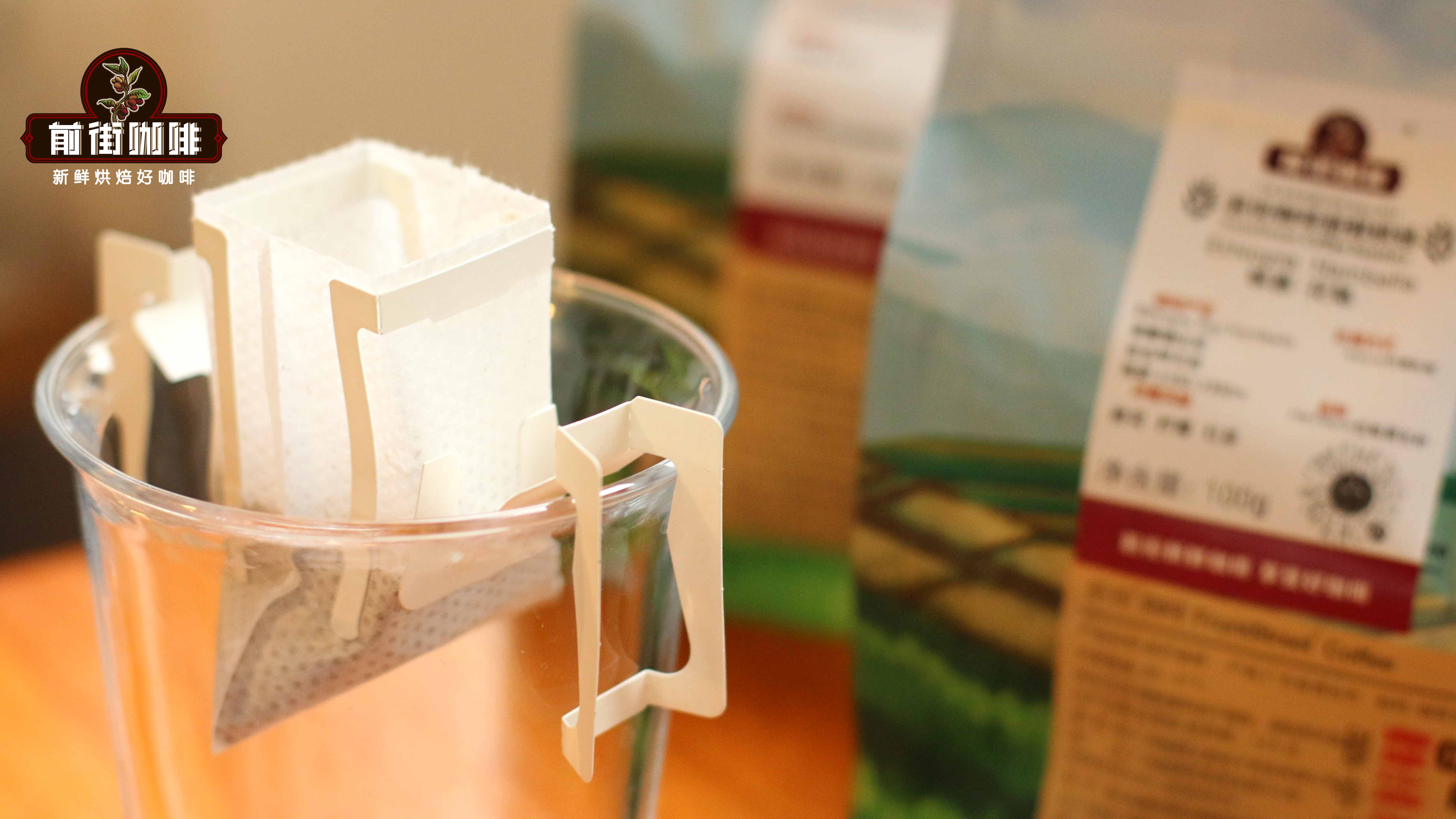
Drip bag coffee is easy to carry, so you can brew a decent cup anytime whether you're hiking, picnicking, or traveling. That said, if you want to truly brew a great-tasting cup, the technique still matters. Master the following five steps and you'll basically be able to make a proper cup of drip bag coffee:
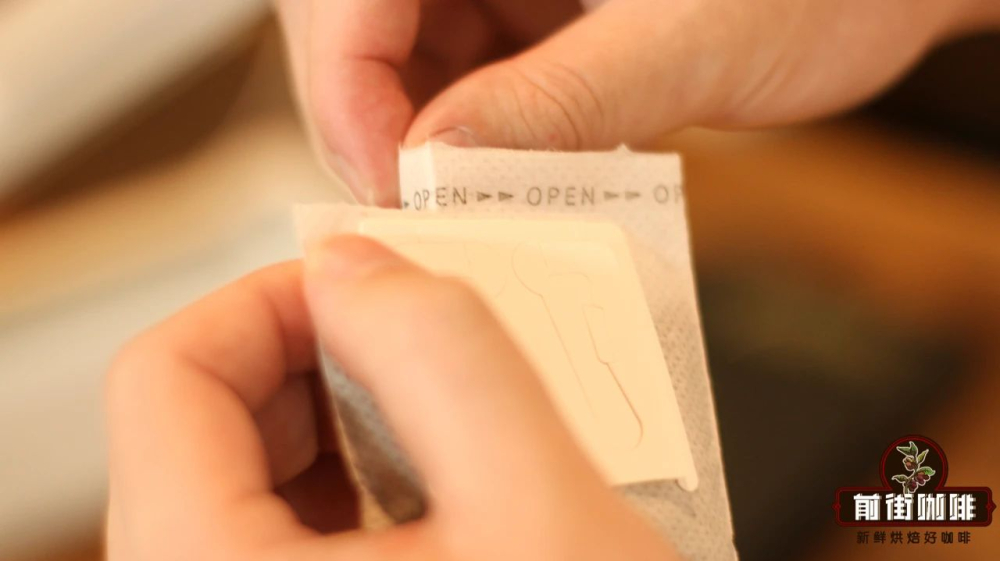
1. Find the dotted line marked "OPEN" on the packaging and tear it open. Prepare a coffee cup with a taller body, and don't use one with too wide a rim, or the drip bag won't sit securely. Fold the paper tabs on both sides of the drip bag into wing-like shapes, then rest it on the rim of the cup.
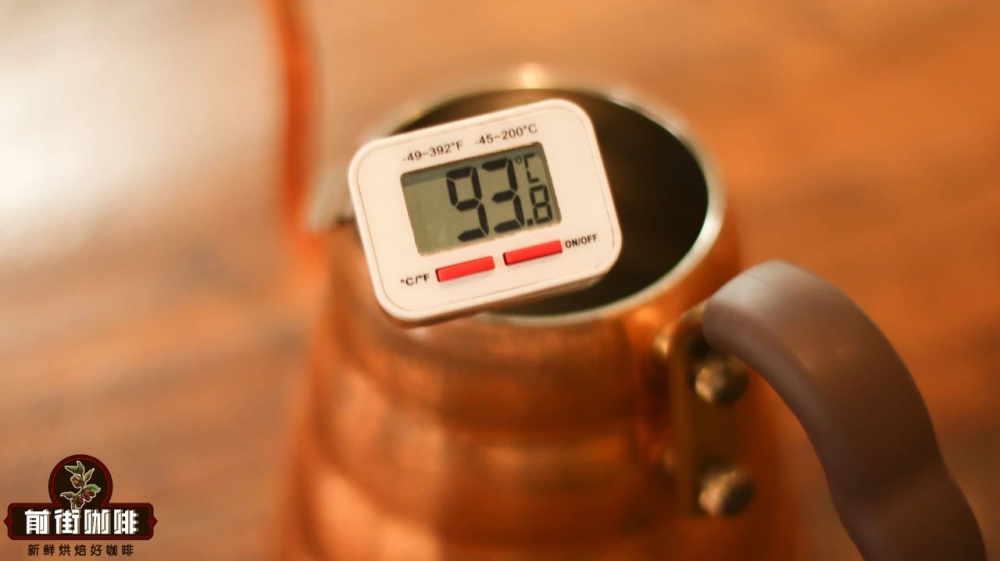
2. Keep the water temperature above 88°C and below 93°C. First pour in a small amount of hot water to completely saturate the coffee grounds, then let it bloom for 15 to 20 seconds.
3. Once the bloom is done, the coffee grounds will already be giving off a fairly noticeable aroma. Front Street's drip bags contain 10g of coffee, so at a 1:15 coffee-to-water ratio, you'll want to pour in about 150ml of water. If you prefer a stronger flavor, reduce the amount of water; if you like a lighter taste, increase it slightly. The exact ratio can be adjusted freely to suit your personal preference.
As for whether drip bag coffee should be brewed with segmented pouring, Front Street gets asked this by customers often. In fact, just keep a thin, steady stream of water pouring in a circular motion and pour all the way to 150ml in one go. Drip bag coffee is all about simplicity and speed, so there's no need to set up too many hurdles.
4. Once brewing is complete, just take out the drip bag and throw it away.
5. Black coffee brewed with a drip bag showcases the truest flavors of the coffee beans. If you love floral notes, try Front Street. Yirgacheffe Seasonal Drip Bag Coffee; if you enjoy a full, juicy body, Front Street. Sun-Dried Huakui Drip Bag Coffee is a good fit; and if you're after a richer, more full-bodied taste, Front Street. Indonesia Mandheling Seasonal Drip Bag Coffee is worth considering.
Front Street appreciates the purity of black coffee, but also enjoys trying the fresh sensations that various twists bring. So if you find the bittersweet taste of drip bag black coffee hard to take, feel free to add fresh milk, sugar, or honey to suit your taste—it'll go down much more smoothly.
Finally, about how many times you can brew a drip bag: Front Street recommends just once. When you drink coffee, it's the taste you're after. By the first brew, the essence of the drip bag has basically been fully extracted, and what's left is mainly bitter and astringent compounds. A second brew won't do any harm to your health, but the flavor will be noticeably weaker and the astringency more pronounced, so Front Street doesn't recommend re-extracting.
If you really feel bad about throwing it away, you can save the coffee grounds for reuse—for example, to absorb odors or as flower fertilizer. Coffee grounds actually have many uses, and you can gradually explore and discover their recycling value.
The above content is compiled by CoffeeHunters, a coffee news website.


