







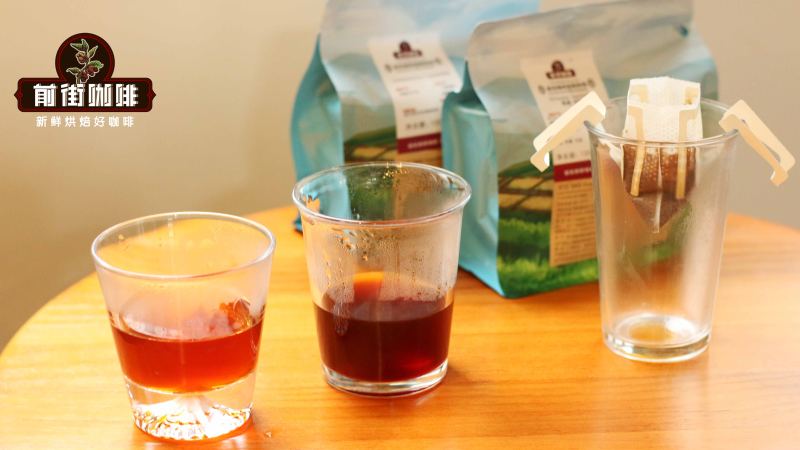
What temperature and technique does drip bag coffee brewing need?
Drip bag coffee is pre-ground coffee sealed in a filter bag with paper ears that hang on the cup rim. Brewing needs only hot water, but the bag should never be dropped into water and soaked. Water should be poured through the grounds in stages, and the bag should not be reused for a second extraction.
Because the coffee is already ground, no grinder is required, and the non-woven filter bag replaces filter paper and a dripper. Most single-origin beans work, so flavor choice is wide, from Yirgacheffe to Brazil Cerrado, Kenya, Panama Geisha, Mandheling, and Honduras. Freshness of the grounds matters as much as the pour.
As the pace of life accelerates, drip bag coffee has become the top choice for many coffee lovers thanks to its portability and flavor. This article covers the brewing temperature, key techniques, and common pitfalls of drip bag coffee, while offering practical advice for beginners on how to choose suitable drip bag coffee beans, and recommending the Front Street classic 5-origin drip bag series, featuring flavors such as Yirgacheffe, Brazil Cerrado, Kenya Little Tomato, Panama Geisha, Indonesia Mandheling, and Honduras, helping readers easily enjoy a good cup of coffee.
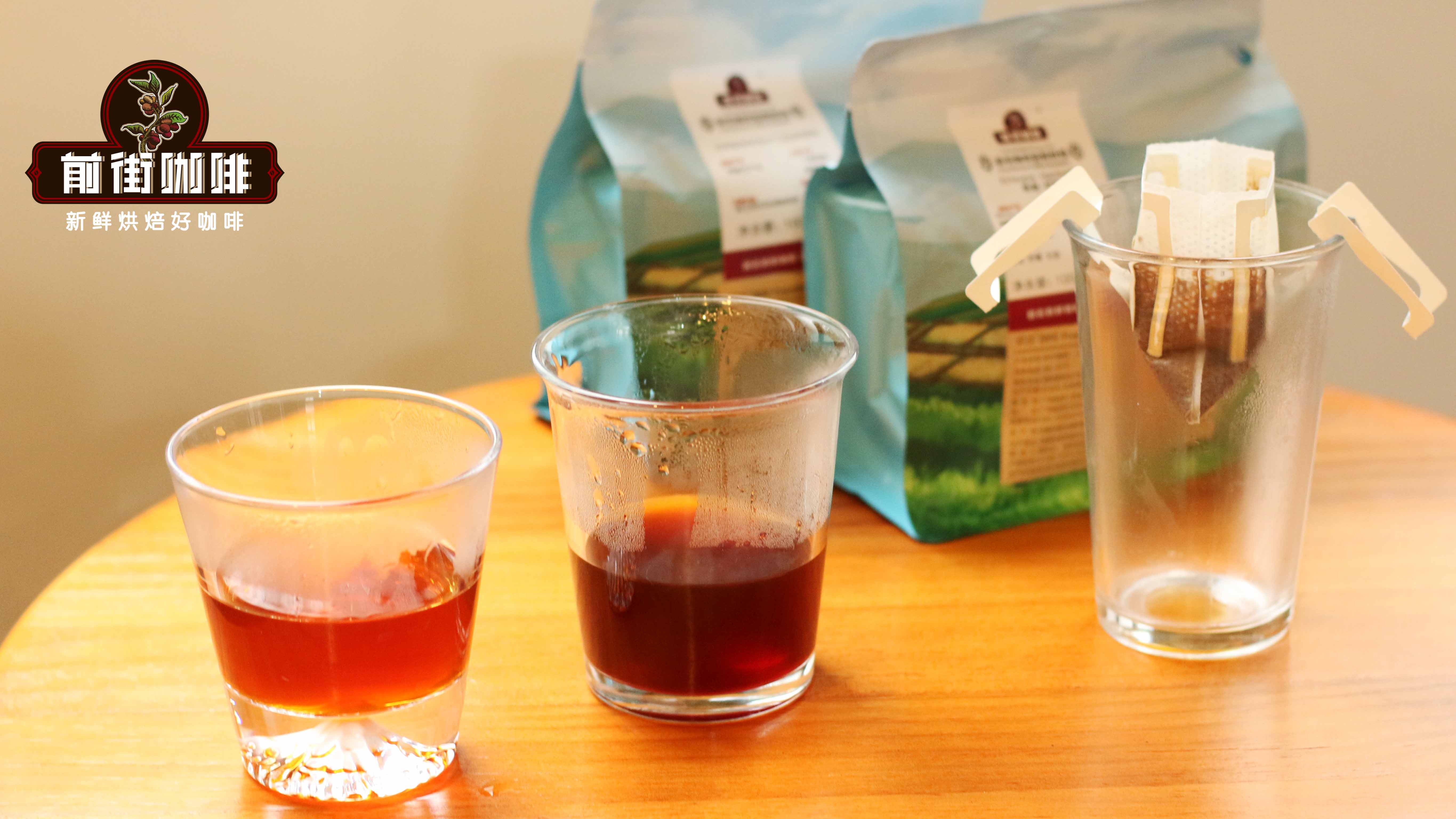
A survey shows that when asked "How do you handle your coffee needs while traveling?", 33% of respondents preferred to carry the most convenient drip bag coffee packets. Drip bag coffee is made by pre-grinding coffee beans and sealing them in a sealable filter bag, with paper "ears" on both sides of the bag opening that can be hung and secured. As long as you have hot water and a cup to hold the coffee, you can brew anytime, anywhere.
Drip bag and pour-over both belong to the filtration extraction method, but compared to the cumbersome process of pour-over, drip bag is clearly much less hassle. Because the coffee grounds are pre-ground, there is no need to purchase an additional grinder. The filter bag is generally made of biodegradable non-woven fabric. When hot water passes through the coffee grounds layer, soluble flavor compounds are extracted through the filter cloth, and the entire process requires no filter paper or dripper.
Similar to pour-over coffee, most single-origin coffee beans can be used to make drip bag coffee, so the flavor options are very rich. Beginners who want to try it for the first time can directly get the Front Street Classic 5-Origin Drip Bag Coffee Series, which includes Front Street Yirgacheffe Drip Bag, Front Street Brazil Cerrado Drip Bag, Front Street Kenya Little Tomato Drip Bag, Front Street Panama Geisha Drip Bag, Front Street Indonesia Mandheling Drip Bag, Front Street Honduras Drip Bag, and more.
Here, Front Street would like to remind beginners who have not yet tried drip bag coffee: although brewing drip bag coffee seems simple, to make a tasty cup, you still need to follow a few basic principles—do not directly throw the drip bag into hot water to soak, avoid repeated extraction, and be sure to pay attention to the freshness of the coffee.
1. Can the drip bag be directly soaked in hot water?
Many people new to drip bag coffee directly throw the bag into hot water to soak, resulting in a cup of weak, flavorless black coffee. The reason is that the filter bag prevents full contact between the hot water and the coffee grounds, making it difficult for soluble substances to be released, ultimately leading to under-extraction.
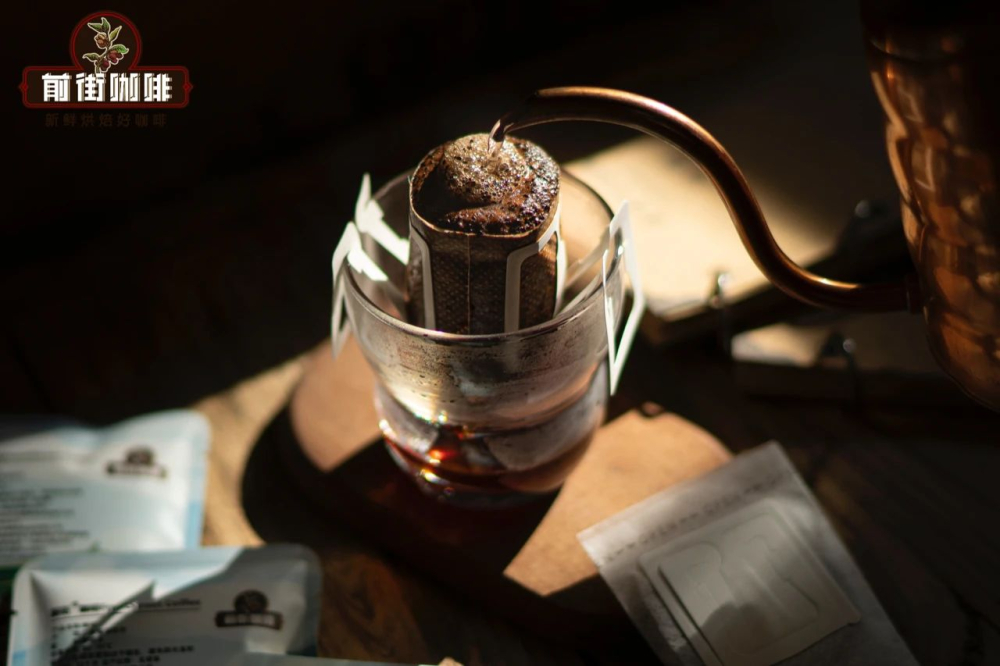
The correct drip bag brewing method should be to tear open the packaging and pour water directly into the filter bag. Most drip bag coffees on the market are in small specifications. For example, each Front Street drip bag contains 10 grams of coffee grounds. At a 1:15 coffee-to-water ratio, you need to pour 150 grams of hot water.
First, prepare a container to hold the coffee—a sharing pitcher or an ordinary cup will do; you will also need a pouring kettle.
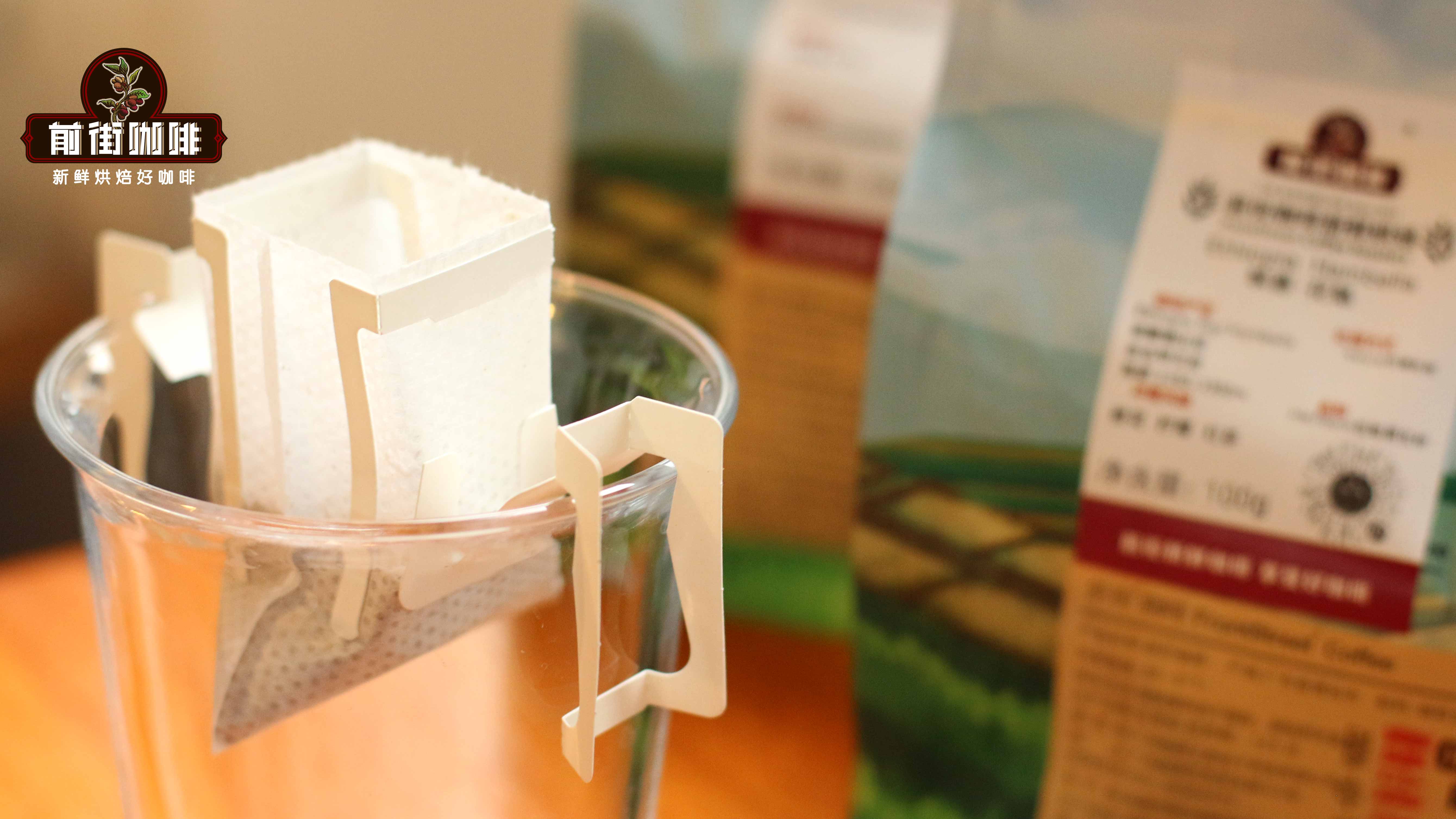
First tear open the sealed outer packaging, take out the drip bag, and tear the non-woven fabric along the dotted line above the bag opening.
Pull the "ears" on both sides outward to unfold the drip bag fully, then hang it on the edge of the cup or sharing pitcher.
For the first pour, wet all the coffee grounds and let them bloom for about 10
2. Can drip bag coffee be brewed repeatedly?
It is best to avoid doing this. When drinking coffee, what we seek is taste and flavor. After the first brew of drip bag coffee, the essence has already been fully extracted, and what remains is mostly a weak, woody taste. Although a second brew will not harm your health, the taste will become as thin as water, and the astringency will also become stronger, so Front Street does not recommend repeated brewing. If you really do not want to waste it, you can reuse the coffee grounds, such as absorbing odors or using them as fertilizer. Coffee grounds have endless possibilities, and everyone can try to discover their value for recycling.
3. How long can a drip bag be stored?
After coffee beans are ground into powder, the contact area with air increases greatly, and the internal gases and aromatic substances will be lost more quickly, shortening the optimal flavor period. The brewed coffee will not have a full enough aroma and will taste somewhat weak. If left for too long, the coffee powder will have already staled and will also develop a "woody taste," so it is best to use it up within one month.
Therefore, when buying drip bag coffee, you need to pay attention to the freshness of the coffee. Front Street drip bag coffees are all freshly roasted within 5 days, ground and prepared on the spot, and shipped within 24 hours after ordering, giving the drip bags the longest optimal flavor period.
The above content is compiled by CoffeeHunters, a coffee news website.


