







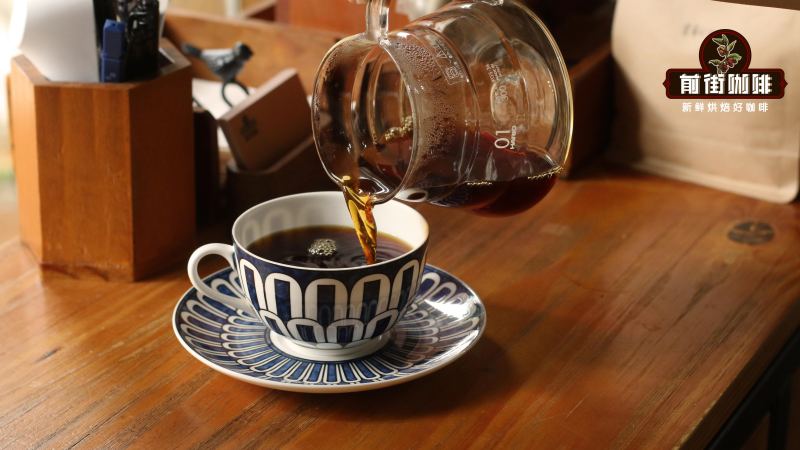
How Do You Brew a Coffee Arabica Drip Bag Well?
A coffee arabica drip bag holds single-origin grounds in a filter that hangs over your cup. Pick by flavor direction: floral and fruity-acidic, rich and mellow, or balanced. To brew, warm the cup, use water around 90 degrees Celsius, add a little water first to let the grounds bloom for about 30 seconds, then pour in stages. A ratio near 1:15 keeps the cup sweet rather than thin.
Drip bags appeared in Japan as a compact answer for people without space for a machine, for those worried about beans going stale, and for travelers. China's growing coffee market pushed the format further, and many self-roasting cafés now offer a bagging service. Brands such as Yirgacheffe, Sun-Dried Huakui and Golden Mandheling cover several flavor profiles, so a single bag can stand in for a full pour-over setup.
Drip bag coffee has become a daily choice for many coffee lovers thanks to its convenience, but how do you pick a flavor that suits you, and how should you brew it to recreate a good cup of coffee? This article starts with the origin and convenience of drip bag coffee, sorts out the three major flavor categories—floral and fruity-acidic, rich and mellow, and balanced—and recommends a range of drip bag products including Front Street Yirgacheffe, Sun-Dried Huakui, Queen's Estate, Golden Mandheling, Strawberry Candy, and Bird of Paradise. It also explains in detail advanced brewing techniques such as warming the cup, water temperature control, blooming, and the coffee-to-water ratio, and answers common questions like whether drip bags can be brewed repeatedly and whether they count as black coffee, helping you easily enjoy a delicious cup of drip bag coffee.
For more specialty coffee knowledge, please follow our WeChat public account: Front Street Coffee (FrontStreet Coffee)
Cafés continue to incorporate diverse elements, and the expansion of the coffee consumer base has deepened people's understanding of coffee, with demand for different coffees growing accordingly. Some people struggle because they can't fit a coffee machine at home, some worry that coffee beans will lose freshness if stored at home for too long, and others can't carry a full set of equipment when traveling for work or going to the office. Thus drip bag coffee was born in Japan, providing consumers with great convenience and further meeting drinking needs in a variety of scenarios.
The growth of China's coffee market has also cultivated more and more coffee enthusiasts, who are starting to care about coffee quality,
and will try single-origin beans from different regions. But visiting specialty cafés often costs a lot and takes time and energy, so many people choose to make pour-over at home. However, the steps of pour-over are quite cumbersome, so customers often ask Front Street Coffee: what method of making coffee is both delicious and simple? Front Street highly recommends drip bag coffee.
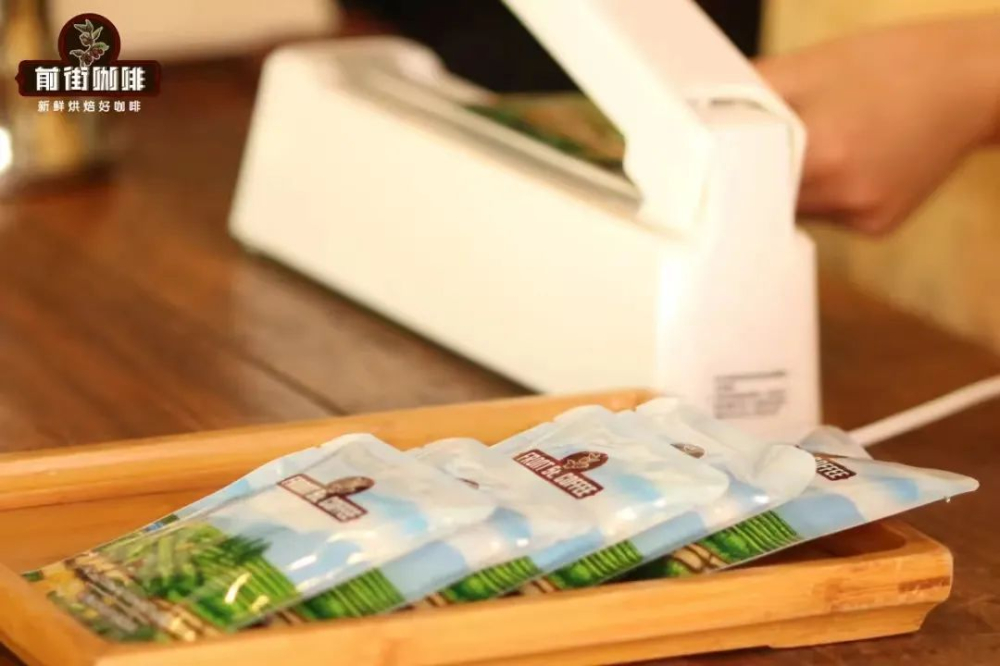
Drip bag coffee is now extremely common; on Taobao, almost every coffee bean vendor offers a service to make drip bags, and Front Street is no exception—many self-roasting cafés also make drip bags. This convenience benefits a large number of coffee lovers, as well as workers who travel frequently. At Front Street Coffee's store, drip bag coffee has always been one of the must-have items for nearby residents on business trips or travels.
Actually, setting aside all the other complicated steps, drip bags and pour-over are essentially the same, so we only need to choose drip bags according to the flavor we like. Simply put, coffee beans can be divided into three flavor types: floral and fruity-acidic, rich and mellow, and balanced acidity-bitterness-sweetness.
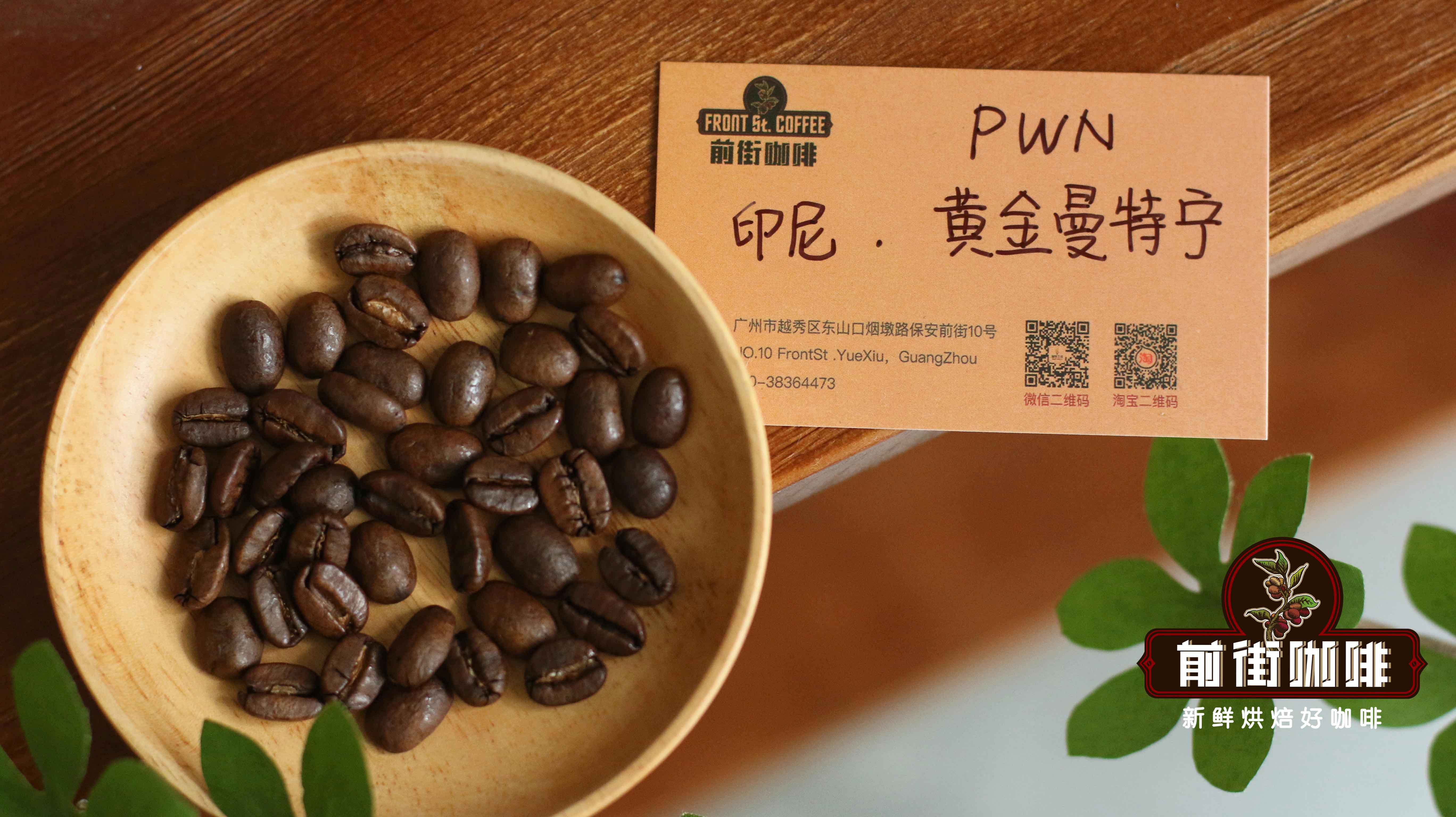
Friends who don't want to drink something too bitter and like fruity acidity can buy the floral, citrusy Front Street Yirgacheffe drip bags, or the strawberry-and-guava sweet-and-tart Front Street Sun-Dried Huakui drip bags;
If you can't accept sourness and pursue a rich, full-bodied coffee, your first choice is the creamy, nutty Front Street Queen's Estate drip bags, or the spicy, caramel-sweet-finish Front Street Golden Mandheling drip bags;
There is also the balanced type of coffee: just buy the rose-scented Front Street Strawberry Candy drip bags and the nutty, sugarcane-like fresh sweetness of the Front Street Bird of Paradise drip bags.
But did you know? Even drip bag coffee, which is easy to handle and quick to make, requires some technique when brewing. Many customers who come to buy drip bags ask Front Street Coffee about the correct way to brew drip bag coffee. In fact, the correct way to brew drip bag coffee is to brew it as if it were pour-over coffee. Next, Front Street will explain the advanced version of brewing drip bag coffee.
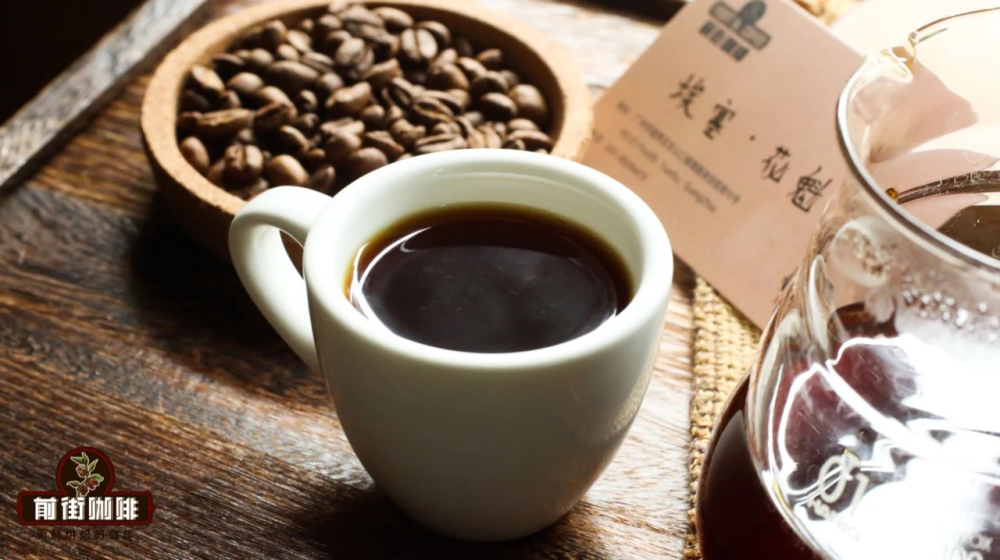
When Front Street brews coffee, people often ask why we warm the cup before brewing. Preheating the coffee cup with hot water before pouring in the coffee liquid sounds simple, but would you believe it can make subtle differences to the flavor of your brewed coffee? The purpose of preheating the coffee cup in advance is to maintain the coffee's temperature—everyone knows that as the temperature of a good cup of coffee changes, its flavor changes too. If you extract drip bag coffee directly into a room-temperature coffee cup, the temperature will drop significantly when the coffee liquid touches the cup, causing you to lose the flavor expression the coffee shows at high temperatures.
Before we tear open the outer packaging of the drip bag coffee and the opening of the drip bag itself, we should make sure of the brewing water temperature. This depends on your type of coffee; you can follow the instructions on the drip bag, or try Front Street Coffee's usual approach—control the water temperature at 86-89°C for dark-roasted coffee beans and between 90-93°C for light-roasted coffee. When everything is ready, we begin the correct brewing method for drip bag coffee: step one, blooming. Use twice the amount of water as the coffee grounds; generally a drip bag weighs about 10 grams, so about 20 grams of water for blooming is enough. Pour water from the center outward, making sure all the coffee grounds are saturated.
Why bloom? Because the main purpose of blooming is to release the carbon dioxide in the coffee grounds as quickly as possible. Not only that, once all the coffee grounds have contacted water, the subsequent extraction will more easily extract the flavor compounds in the coffee. After that, simply pour water in a circular motion from the center outward until you reach the amount of water you need. If you don't have a scale, you can mark the capacity on your cup.
Besides these, Front Street has other drip bag coffee brewing tips. Everyone knows there are three major factors affecting pour-over coffee: grind size, water temperature, and coffee-to-water ratio. Front Street introduced water temperature earlier; here we'll discuss the coffee-to-water ratio and grind size. When you get a drip bag coffee packet, the grounds inside are already ground, and the grind size is decided by the vendor. At Front Street, the grind size for drip bag coffee is the same as for pour-over coffee, because they are both drip-filter coffees. But if you make coffee at home yourself, be careful to adjust the grind size of the coffee beans according to your brewing device—each brewing device suits a different grind size. Front Street has put together the following chart for your reference:
The coffee-to-water ratio is a well-worn topic. If the water proportion is too large, the coffee's body will become thin—Front Street usually calls this "watery." If the water proportion is too small, the concentration will increase and the overall body will become heavy.
If the steps and methods are all the same, then what's the difference between drip bag coffee and pour-over coffee? Front Street believes the biggest difference between pour-over and drip bag coffee is the brewing format. Pour-over coffee requires certain equipment, such as a dripper, gooseneck kettle, and grinder; by contrast, drip bag coffee only requires carrying a small coffee packet to enjoy a delicious cup of coffee. Another point is that drip bag coffee comes with pre-ground coffee, whereas pour-over coffee generally isn't ground in advance—it's best to grind within the two minutes before brewing.
Some neighbors come to Front Street and ask whether drip bag coffee can be brewed repeatedly. It's best not to. We drink coffee for its taste, and after the first brew of a drip bag, the essence has already been extracted, leaving only bitterness and astringency. A second brew won't harm your health, but the taste will become watery and more astringent, so Front Street strongly advises against re-brewing. If you really don't want to waste it, you can reuse the coffee grounds to absorb odors, fertilize plants, and more—coffee grounds have infinite possibilities, and you can try to discover ways to recycle them.
Although drip bag coffee has, in Front Street's view, become widespread, that's from the perspective of someone inside the coffee circle. China's market is very large, and coffee has really only just gotten started, so quite a few people still haven't encountered drip bag coffee and may wonder whether drip bag coffee is black coffee. In fact, drip bag coffee is simply made by putting ground coffee into a non-woven bag, so drip bag coffee is black coffee.
The above content is compiled by CoffeeHunters, a coffee news website.


