







What Are the Correct Steps for Drip Bag Coffee Brewing?
Drip bag coffee brewing follows five simple steps: tear the bag along the dotted line, hook the paper wings on a cup rim that is not too wide, pour hot water between 88°C and 93°C to just cover the grounds, let it bloom for 15 to 20 seconds, then pour in a circular motion up to about 150 ml. The whole process takes a few minutes.
A Front Street drip bag holds 10 g of coffee, and a 1:15 ratio gives roughly 150 ml of water; less water makes a stronger cup and more water a lighter one. There is no need for segmented pouring, since the format is meant to stay simple. Milk, sugar, or honey can soften bitterness, and the grounds can be reused after brewing rather than discarded.
Drip bag coffee, with its portability and ease of operation, has become a popular coffee choice for outdoor, travel, and everyday scenarios. But how to properly brew a cup of excellent drip bag coffee—water temperature, coffee-to-water ratio, and pouring method all matter. This article walks through the five standard brewing steps for drip bag coffee, detailing the blooming time, suitable water temperature, and Front Street drip bag products for different flavor profiles. It also addresses common questions such as whether you can add milk, sugar, or honey to balance bitterness, and whether drip bags can be reused for multiple brews, providing clear answers and suggestions for reusing coffee grounds, helping coffee enthusiasts gain a more comprehensive understanding of how to enjoy drip bag coffee.
Thanks to their portability, drip bag coffee is perfect for making a good cup of coffee anytime outdoors—whether you're hiking, picnicking, or traveling, it comes in handy. However, to brew the ideal flavor, there are still some details in the technique worth noting. Just remember the following five steps, and you'll master the correct way to brew drip bag coffee, easily getting a delicious cup:
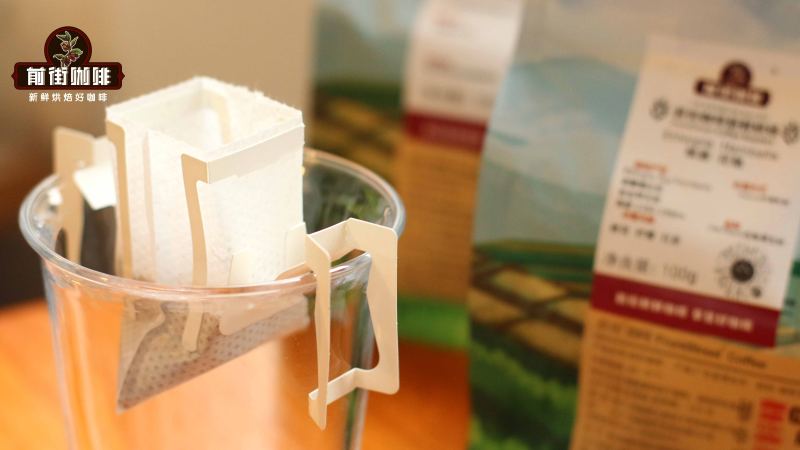
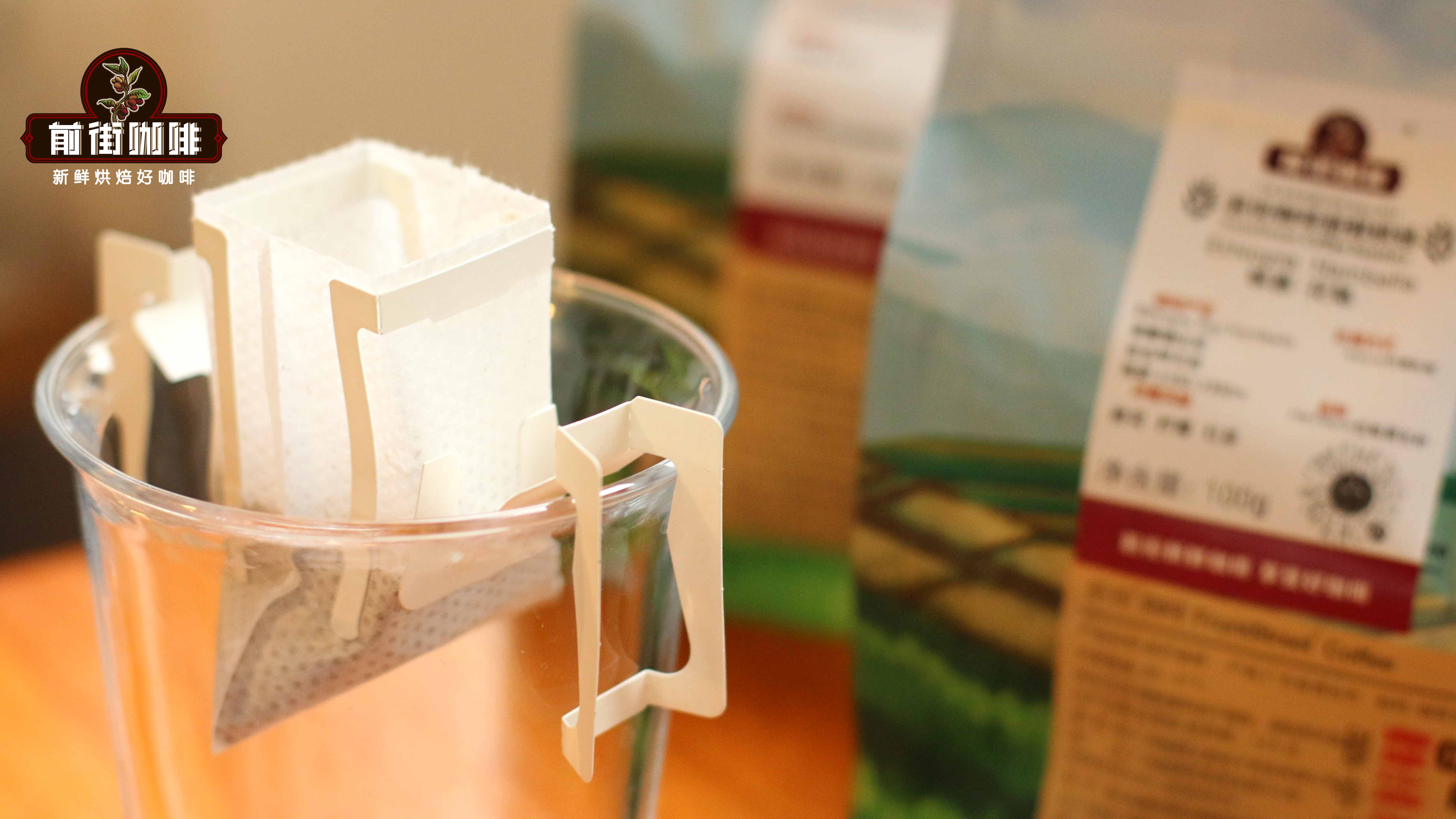
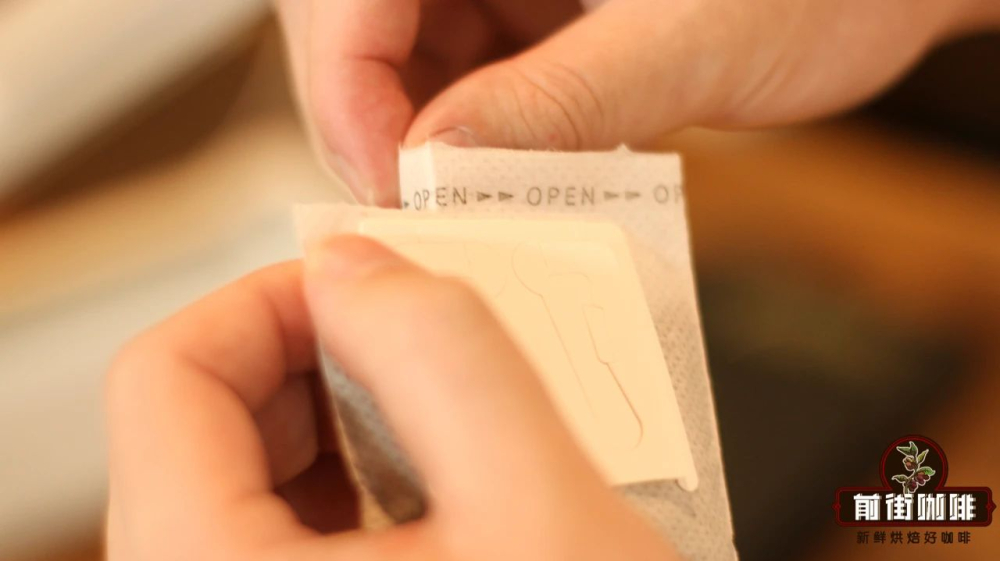
1. Following the instructions on the packaging, tear open along the "OPEN" dotted line. Prepare a tall coffee cup with a rim that isn't too wide, otherwise the drip bag may not sit securely. Fold the paper tabs on both sides of the drip bag into two "wings," then hang it on the rim of the cup.
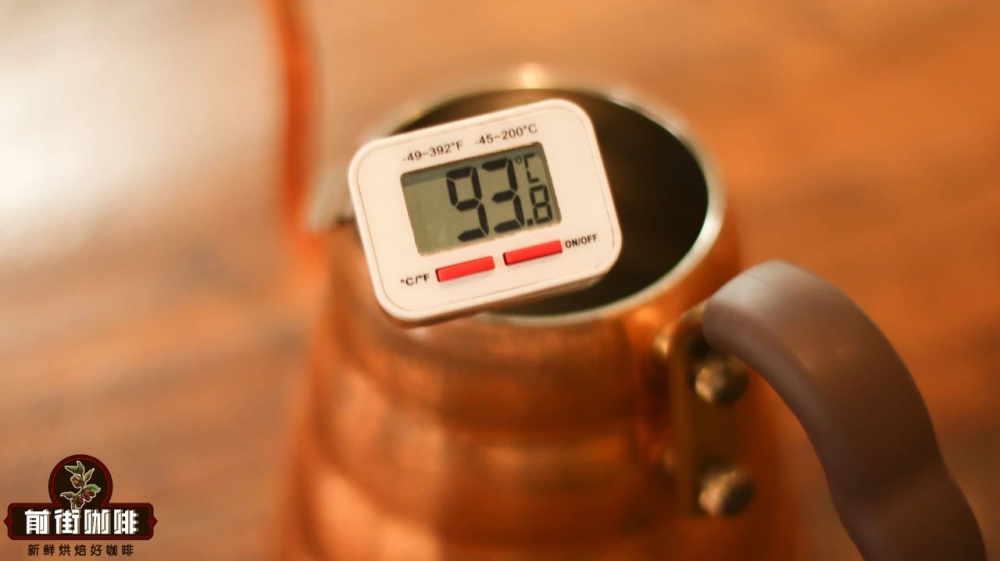
2. Use hot water above 88°C but not exceeding 93°C. First pour water until it just covers the coffee grounds, then let it bloom for 15–20 seconds.
3. After a brief bloom, the coffee grounds have released a very rich aroma. Front Street drip bags contain 10g of coffee. At a 1:15 coffee-to-water ratio, pour about 150ml of hot water. Those who prefer a stronger taste can reduce the water amount, while those who like a lighter flavor can increase it—the exact ratio can be flexibly adjusted entirely according to personal preference.
Regarding the pouring method for drip bag coffee, Front Street is often asked by customers whether segmented pouring is necessary. In fact, simply pouring in a circular motion with a small stream directly to 150ml is sufficient. Drip bag coffee is all about simplicity and convenience, and doesn't require too many extra steps.
4. Remove the drip bag from the cup rim and throw it directly into the trash.
5. The black coffee brewed with a drip bag can showcase the purest flavors of the coffee beans. If you prefer floral notes, you can choose Front Street. Yirgacheffe seasonal drip bag coffee; if you like a full-bodied fruity taste, Front Street. Sun-Dried Huakui drip bag coffee is recommended; if you want a rich, mellow mouthfeel, Front Street. Indonesia Mandheling seasonal drip bag coffee is suggested.
Front Street appreciates the purity of black coffee, but also enjoys trying the surprises that different drinking methods bring. So, if you can't quite accept the bittersweet taste of drip bag black coffee, you can absolutely add fresh milk, sugar, or honey to balance it according to your own taste—this makes the black coffee much easier to drink.
Finally, regarding how many times a drip bag can be brewed, Front Street recommends just once. Drinking coffee is mainly about the taste. The drip bag has already extracted the essence during the first brew, and what remains is mainly bitter and astringent components. While re-brewing won't harm your health, the taste will become as weak as water with a heavier astringency, so Front Street strongly advises against a second extraction.
If you really feel it's a waste to just throw it away, you can repurpose the coffee grounds—for example, to absorb odors or use as fertilizer. Coffee grounds have many possibilities, and you can try to discover their uses in recycling.
The above content is compiled by CoffeeHunters, a coffee news website.


