







Search Results for: Herbal Coffee
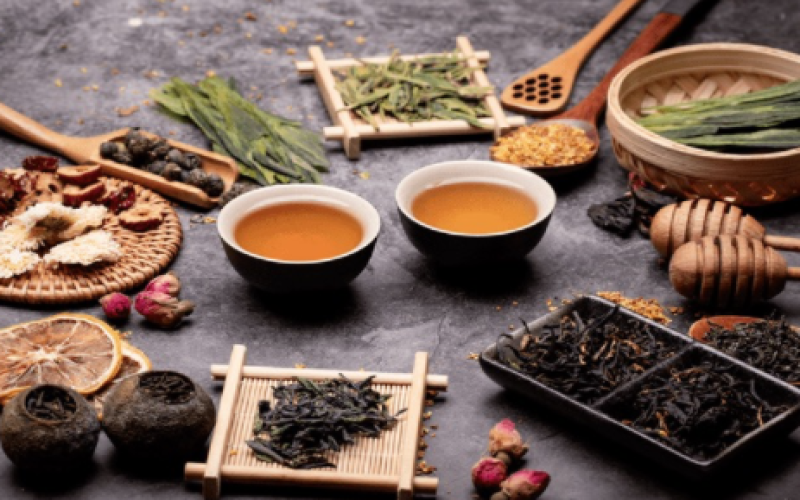
Young people spark a trend of herbal tea drinks, a new wellness lifestyle quietly emerges
In recent years, with the rise of the "national trend" culture, the "new Chinese-style" wellness concept has quickly gained popularity among young people. After saying goodbye to bad habits such as staying up late, smoking, and drinking, more and more young people are beginning to favor Chinese herbal medicinal diets and Chinese herbal teas. On social media, herbal milk tea frequently goes viral, and health teas dispensed by hospitals and herbal drinks launched by traditional Chinese medicine clinics through cross-sector collaborations are highly sought after. Data shows that over 70% of consumers are more willing to buy Chinese herbal teas and express satisfaction with their functional effects. Numerous pharmaceutical companies have entered the market, launching innovative products such as wellness coffee and herbal teas. However, experts also remind that although Chinese herbal teas are beneficial, they should be consumed in moderation, following the principle of "stopping once the illness is cured," to avoid counterproductive effects. [more…]
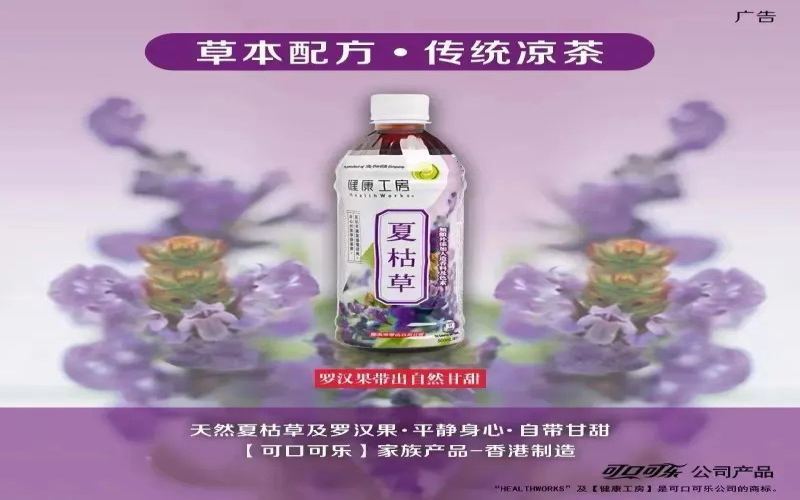
Wanglaoji's Waterfall Iced Cantonese-Style Drink Sparks Debate: Is Herbal Tea Crossing Over into Coffee Innovation or Anxiety?
Coca-Cola recently launched an herbal tea product called "Prunella vulgaris," but its name and packaging color scheme triggered collective misreading among netizens, many of whom associated it at first glance with the pesticide "paraquat." Meanwhile, Wong Lo Kat is also vigorously promoting "Waterfall Iced Cantonese Style" in its physical stores, combining concentrated herbal tea with fruit soda and ice, imitating coffee's visual appeal and sense of ritual. From Coca-Cola's naming mishap to Wong Lo Kat's attempt to turn herbal tea into coffee, traditional herbal tea brands all seem anxious to break through the limitations of their consumption scenarios. Are these crossover moves genuine innovation breakthroughs, or helpless measures by brands under performance pressure? [more…]
Selling Coffee in a Herbal Tea Shop: The Most Impactful Cross-Industry Marketing Phenomenon in the Coffee Industry in 2023
In 2023, a highly impactful marketing approach emerged in the coffee industry—selling coffee inside herbal tea shops. In Guangdong, dampness and internal heat are everyday anxieties that elders constantly bring up, yet young people's demand for coffee has never diminished because of this. Thus, the combination of setting up a bar and selling coffee inside herbal tea shops came into being, soothing the elders' concerns while satisfying coffee lovers' need for a pick-me-up. This article will analyze why this cross-industry combination precisely addresses the core pain points of Guangdong coffee drinkers, explore the trend of blending coffee shop styles with traditional Chinese medicine shops and herbal tea shops, analyze the potential risks of "incorporating medicine into coffee," and answer the question of whether drinking coffee really causes internal heat and heavy dampness. [more…]

A Guangdong Barista's March Creations: When Pour-Over Techniques Meet Herbal Tea Granules—Dare You Try These Signature Drinks?
In Guangdong, coffee culture and herbal tea tradition have collided to create an unexpected spark. When baristas apply professional techniques like pour-over and espresso to herbal tea granules such as Xiàsāngjú and Bǎnlángēn, what kind of wondrous beverages are born? This article introduces you to three wildly imaginative "herbal tea coffees"—pour-over Xiàsāngjú, espresso Qinghuǒ granules, and a Cantonese-style specialty. From 40°C low-temperature drip filtration to pressurized espresso machine extraction, every step is full of experimental spirit. However, a word of caution: these creative drinks may cause gastrointestinal discomfort, so please do not imitate them rashly. At the end of the article, there are also recommendations for professional coffee information channels such as Front Street Coffee, for enthusiasts to engage in deeper exchange. [more…]
Mandheling Coffee Grade Analysis: Differences Between Golden Mandheling and Regular Versions, Sources of Herbal Flavors, and the Impact of Wet-Hulling
Mandheling coffee has always been known for its distinctive herbal, earthy, and woody notes—a flavor profile that draws enthusiasts in droves while driving others away. In recent years, many coffee lovers have noticed that Mandheling's herbal character seems to have become milder. What exactly lies behind this shift in variety, origin, and processing methods? This article will take an in-depth look at the causes of Mandheling's herbal flavor, compare the differences between Golden Mandheling and regular Mandheling in terms of variety selection, processing methods, and screening standards, and reveal how the wet-hulling process affects the final flavor in the cup. At the same time, we will also introduce the PWN Golden Mandheling recommended by Front Street Coffee, giving you a look at what makes truly high-quality Mandheling so captivating. [more…]
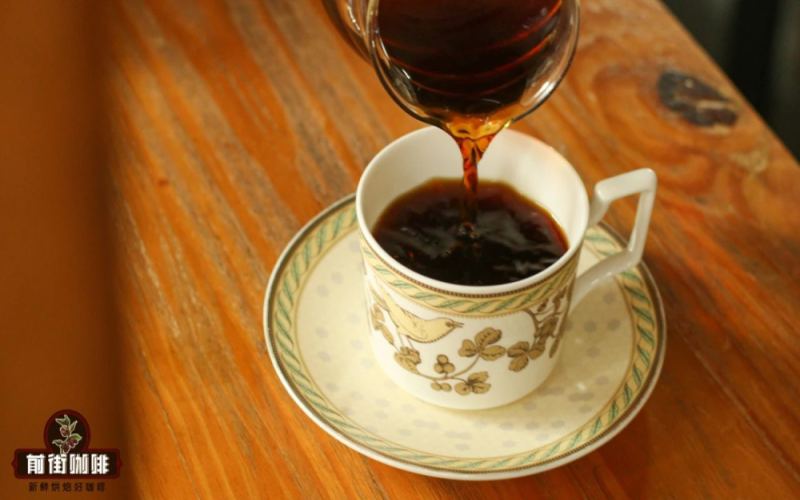
Why Has Mandheling's Herbal Flavor Weakened? Causes and Solutions for Off-Flavors in Pour-Over
Mandheling has always been polarizing: some people are captivated by its intense spice notes, herbal aroma, and the rich, full body woven from caramel and cocoa, while others steer clear of its bitter, burnt edge tinged with herbal, earthy, and woody tones. This article returns to Sumatra's growing environment, coffee varieties, and processing methods to explain the source of Mandheling's signature herbal flavor, and further explores why the herbal note has become increasingly faint in recent years and why Golden Mandheling is cleaner and more mellow. It will also discuss where to look for causes when off-flavors appear in pour-over Mandheling. [more…]
What exactly is the difference between hot Americano and traditional Chinese medicine? Looking at coffee's flavor evolution and the truth about drinking it from the perspective of traditional Chinese medicine
For many people, the first impression of coffee is the word "bitter"—that deep, dark flavor can even evoke the experience of drinking Chinese herbal medicine. But can coffee really be equated with Chinese herbal medicine? From the perspective of traditional Chinese medicine, coffee does indeed have certain medicinal value: it is pungent and warm in nature, and can refresh the mind, boost kidney yang, and promote diuresis. However, hot Americano and Chinese herbal medicine differ fundamentally in extraction method, purpose of consumption, and purchasing channels. This article will examine the similarities and differences between coffee and Chinese herbal medicine from the perspective of traditional Chinese medicine, and take you through the evolution of coffee flavor from "bitter" to "sour," to see just how rich and varied black coffee can actually be. [more…]
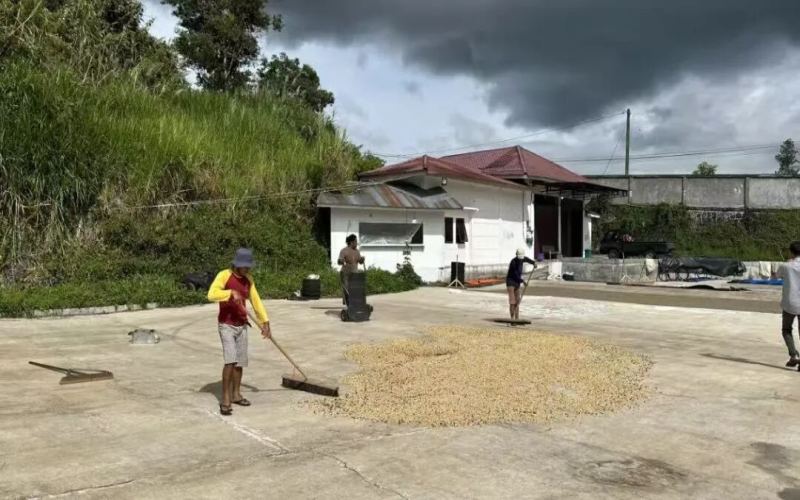
PWN Golden Mandheling Coffee | What factors influence Indonesian coffee flavor? What is the wet-hulling process for Mandheling coffee?
When it comes to impressions of Mandheling coffee, Front Street Coffee believes that beyond its rich, mellow body and steady roasted aroma, people also associate it with a unique "Mandheling flavor"—herbal notes. The herbal taste of Mandheling refers more to aromas reminiscent of herbs, earth, and wood, which emerge after the mellow fragrance, uniquely [more…]
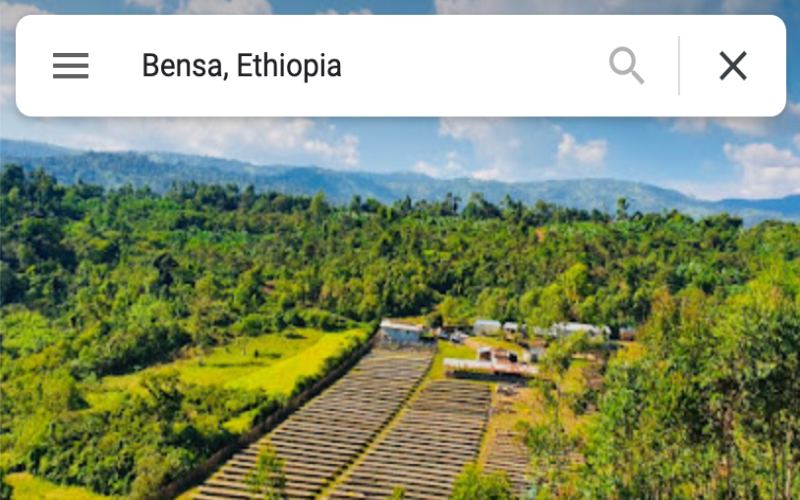
Is Coffee Considered Traditional Chinese Medicine? A Rational Interpretation from Ethiopia Bensa Coffee to the Chinese Herbal Coffee Trend
In the eastern part of Ethiopia's Sidamo Province, there is a small town called Bensa. Local coffee is exported under the town's name, jokingly dubbed "Bensa coffee," which has sparked an amusing meme: coffee is traditional Chinese medicine, and drinking more can promote health. Behind this joke, herbal coffee has indeed become a new consumer trend in recent years, with brands like Tongrentang launching products such as goji berry lattes and hawthorn-chenpi Americanos, attracting a large number of young consumers. However, blending traditional Chinese medicine with coffee is not something to be done casually; how to harmonize the flavors of medicinal herbs and coffee beans, and how to grasp the concept of medicine-food homology, are all worth serious discussion. This article will take you through the origins and development of this "herbal coffee" trend, as well as the issues that need attention. [more…]
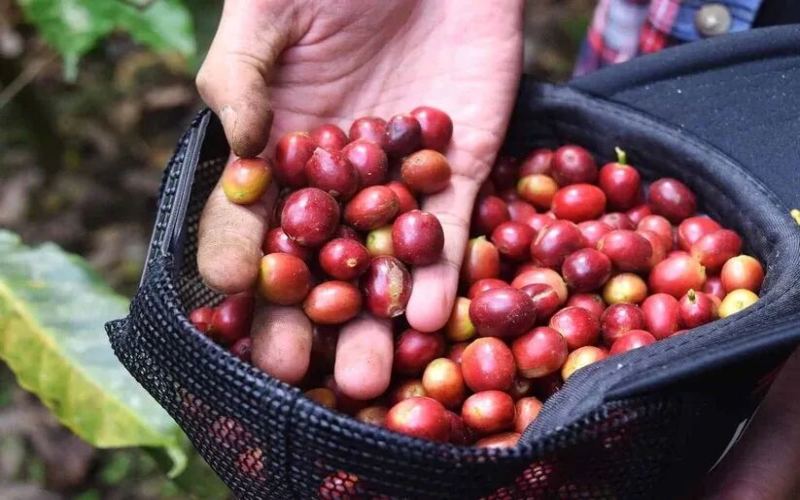
Asian Coffee Beans | Which regions in Indonesia produce coffee? Where does Mandheling come from? How do you brew Golden Mandheling coffee to make it taste best?
Speaking of impressions of Mandheling coffee, Front Street Coffee believes that in addition to its rich body and steady roasted aroma, everyone will also associate it with a unique "Mandheling flavor"—herbal notes. The herbal flavor of Mandheling refers more to aromas with tones similar to herbs, earth, and wood, which emerge after the rich fragrance, uniquely [more…]
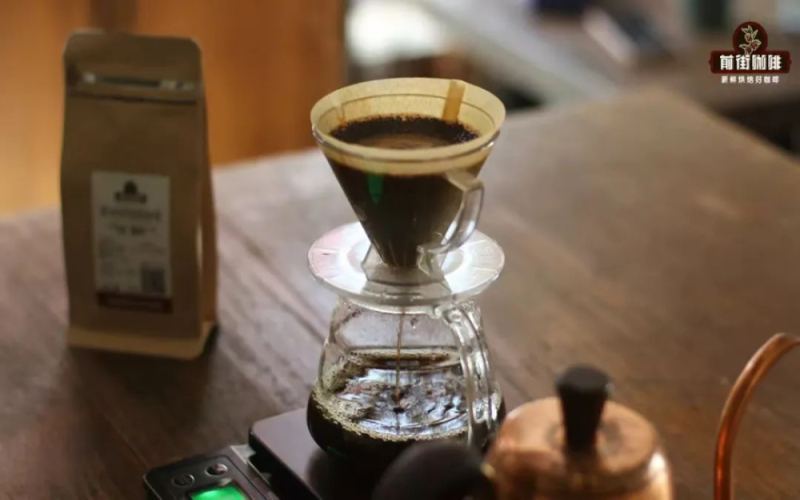
Where Does the Herbal Aroma of Sumatra Mandheling Come From? A Full Analysis of the Flavor Origins of Lintong
In Front Street Coffee's product line, the darkest roast is undoubtedly Indonesian Mandheling. Its distinctive spicy character, layered with herbal, caramel, and cocoa notes, has captivated many coffee enthusiasts. So how exactly is the signature herbal flavor in Mandheling formed? This article will analyze it from three perspectives: growing environment, coffee variety, and processing method. The name Mandheling actually originates from a local ethnic minority in Sumatra, and was later mistakenly adopted as a coffee name that persists to this day, now almost synonymous with Sumatran coffee. The producing regions are mainly concentrated around Mount Gayo and Lake Tawar in Aceh, as well as around Lake Toba in North Sumatra Province—commonly referred to as the "two lakes, two Mandhelings." [more…]
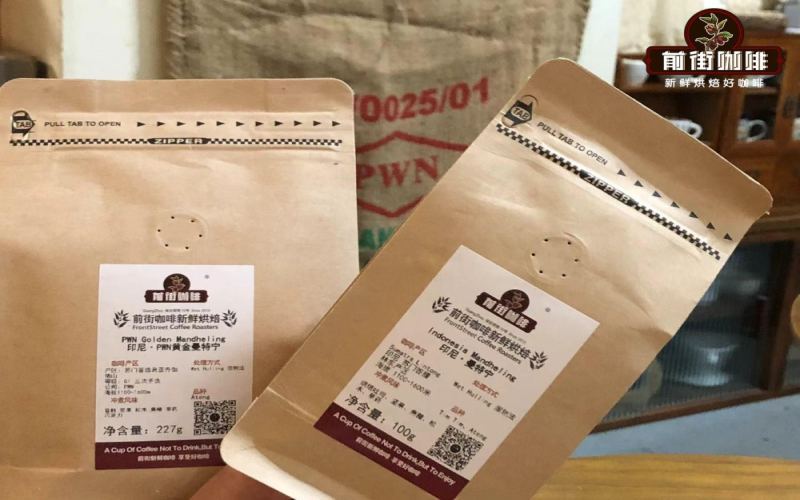
Exploring the Rich Mystery of the Two Lakes and Double Man: An In-Depth Analysis of the Herbal Flavor Origins of Indonesian Mandheling
Mandheling coffee is famous for its rich, intense flavor and distinctive herbal, spicy aroma, and the darkest-roasted bean on Front Street Coffee's menu is precisely this one from Indonesia. Many enthusiasts are curious: where exactly does this signature herbal flavor come from? This article will break down, one by one, the logic behind the rich flavor of the "Two Lakes, Two Man" blend—from Sumatra's growing environment, the evolution of coffee varieties, the wet-hulling process born of the tropical climate, and the way Front Street Coffee's Lintong Mandheling is presented—guiding you to a deeper understanding of the terroir and craft codes behind this classic coffee. [more…]
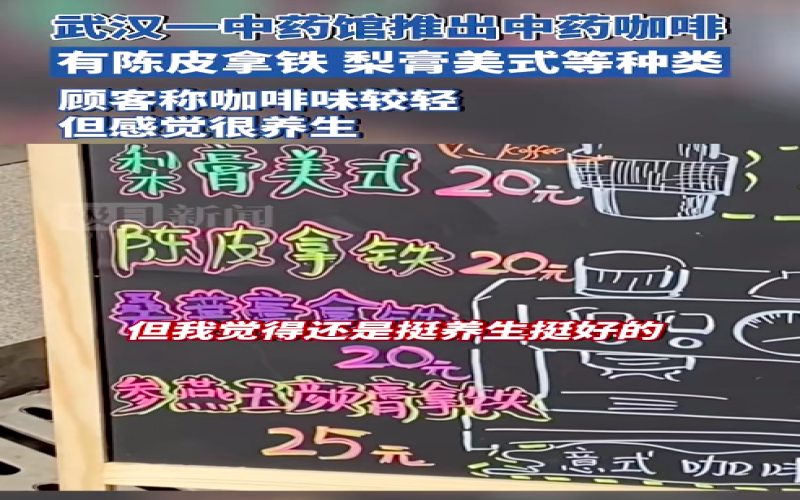
When Traditional Chinese Herbal Paste Meets Coffee: A Rational Look and Consumer Insights Behind the New Wellness Trend
When coffee's invigorating effects meet the nourishing philosophy of traditional Chinese medicine, a new species called "wellness coffee" is quietly gaining popularity among young consumers. From the creative stalls at Ye Kaitai's herbal paste festival to the daily menus of cafes across the country, the crossover combination of Chinese medicine and coffee has frequently attracted attention. However, is this East-meets-West beverage truly a healthy choice, or does it merely provide psychological comfort? This article will examine the composition, market phenomena, potential risks, and other angles to give you a comprehensive understanding of the pros and cons of wellness coffee, and explore whether this innovative drink can continue to win consumers' favor. [more…]
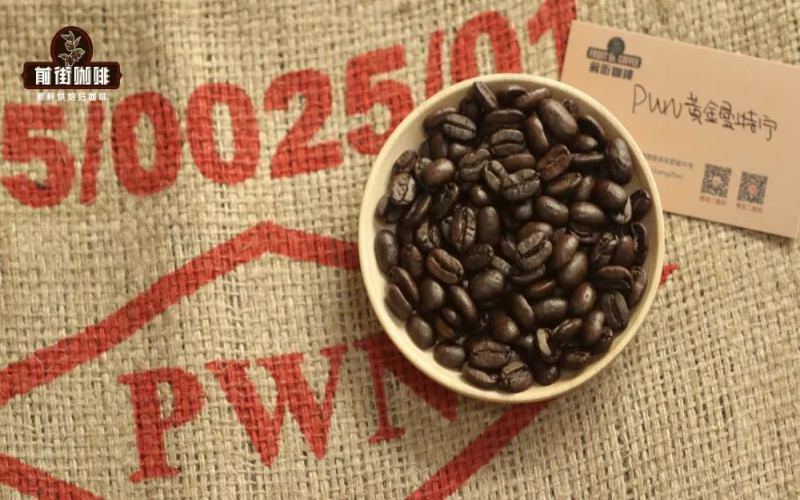
Breaking Down the Entire Indonesian Wet-Hulling Process: Where Does the Unique Herbal Flavor of Golden Mandheling Come From?
Front Street Mandheling and Front Street PWN Golden Mandheling are the darkest-roasted pour-over single origins on the Front Street bean list, known for their rich, substantial body and distinctive herbal-spice flavors. Many people wonder: both are medium-dark roasts, so why is it only Mandheling that carries this aroma? The answer lies in the wet-hulling method of Sumatra, Indonesia. With high temperatures, abundant rain, and humidity that stays at 70–90% year-round, plus annual rainfall exceeding 2000mm, local farmers developed this semi-washed approach to shorten the processing cycle. From depulping, a brief fermentation, and drying in parchment, to hulling the seed coat once the moisture content drops to 30–50%, then continuing to dry down to 12%–15%, every step shapes its signature herbal, driftwood, and stuffy aromatics. This article will fully break down the specific steps of the wet-hulling method and explain how this unique regional flavor is formed. [more…]
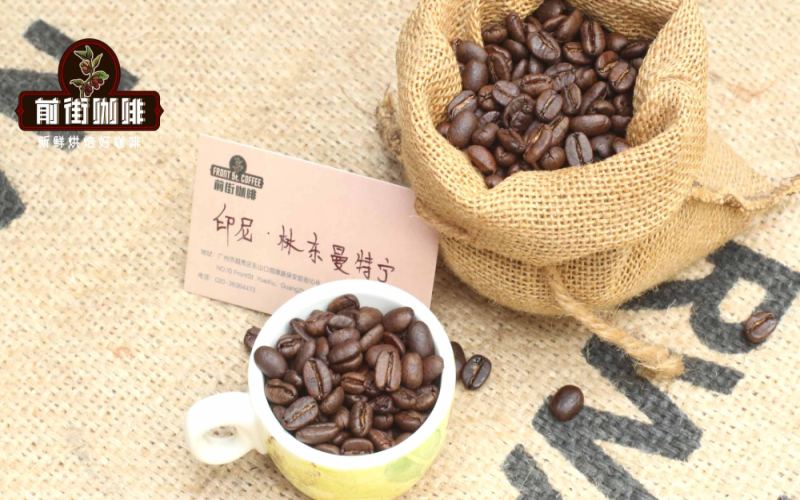
A Complete Guide to Indonesian Mandheling Coffee: Flavor Profiles and Stories of Five Front Street Mandheling Varieties Including PWN Golden Mandheling
Mandheling coffee is the signature coffee of Sumatra, Indonesia, known for its full body, low acidity, and herbal and chocolate flavors. This article begins with Front Street Mandheling, introducing its origin, processing method, and flavor characteristics, and then provides a detailed breakdown of the five Mandheling coffees on the Front Street Coffee bean list: PWN Golden Mandheling, Aged Mandheling, Tiger Mandheling, Lintong Mandheling, and Natural Mandheling. Each one lists its producing region, variety, altitude, processing method, and flavor description, helping coffee lovers choose the right Mandheling based on their personal taste preferences. Whether you prefer intense herbal aromas, caramel sweetness, or tropical fruit fermentation notes, you can find direction in this Mandheling guide. [more…]
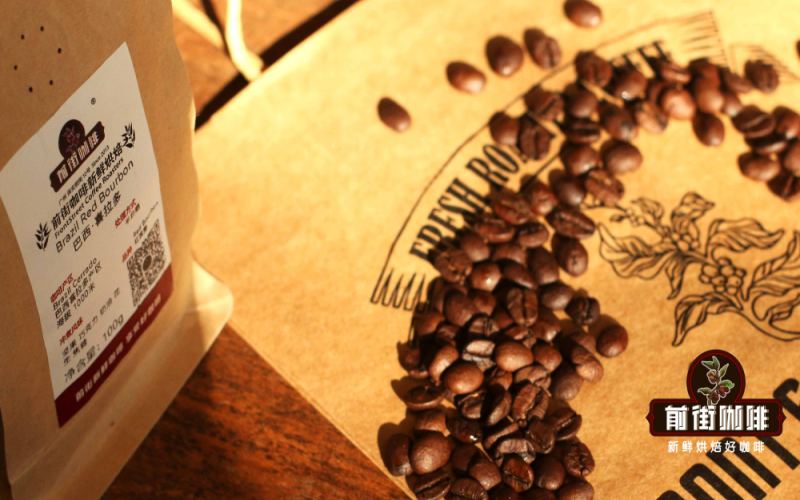
What makes Golden Mandheling coffee so special? A full analysis of Indonesian Mandheling classic herbal-flavor espresso blend beans
Coffee lovers who enjoy low-acid, full-bodied coffee with a distinctive herbal aroma are certainly familiar with Mandheling. And Golden Mandheling, as a premium lot among them, is even more memorable for its clean mouthfeel and pine-like fragrance. This article will walk you through the differences between Mandheling and Golden Mandheling, introduce the Sumatra producing region of Indonesia, explain PWN's quality assurance, and share the roasting characteristics and brewing suggestions for Front Street Golden Mandheling. In addition, we'll introduce an espresso blend that highlights Mandheling's wild aroma—Front Street Classic Blend—along with specific parameters for making espresso, Americano, and hot lattes with it, so you can easily recreate classic flavors at home. [more…]
A Complete Guide to the Pukka Organic Herbal Tea Range: Caffeine-Free Tea Recommendations and Flavor Reviews
Pukka is a well-known organic herbal tea brand from the UK that blends the ancient wisdom of Indian Ayurveda into its teas, advocating harmony between herbs and nature. Its entire line of teas uses 100% organic ingredients, is certified by the Soil Association, and its tea bags are fully recyclable, with the printing ink also made from plant-based materials, all in an effort to reduce its carbon footprint. Because it is caffeine-free, Pukka's teas are suitable for the whole family to enjoy, offering a calming rather than stimulating experience. This article selects several popular teas for flavor reviews, from after-meal tea to goodnight tea, from cinnamon to matcha, analyzing their aroma and taste characteristics one by one, and includes Front Street Coffee's recommendations and practical brewing suggestions to help coffee and tea lovers find their ideal choice. [more…]
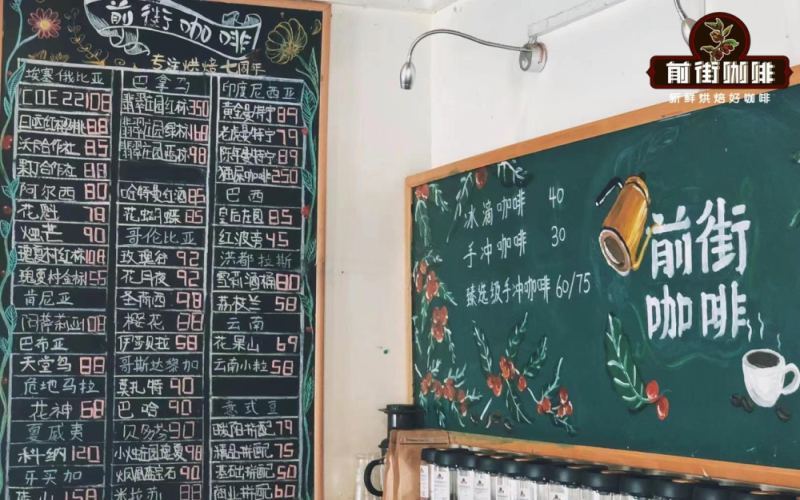
Analysis of the characteristics of Indonesian Gayo Mandheling coffee beans: the causes of the herbal flavor of Golden Mandheling and key brewing points
Mandheling coffee is the representative of Indonesian coffee, and among its varieties, Golden Mandheling is renowned for its rich mouthfeel and herbal spice aroma. This article begins with the historical origins of PWN company, and sorts out the naming origin of Golden Mandheling, the unique terroir of the Gayo Mountain producing area, the characteristics of the Ateng variety, and how the wet-hulling process imparts woody and spicy tones to the coffee. At the same time, it compares the cupping performance of Front Street Lindong Mandheling and Front Street PWN Golden Mandheling, and includes Front Street's brewing parameter recommendations, helping coffee enthusiasts gain a comprehensive understanding of this coffee rich in Southeast Asian flavor. [more…]
Huoxiang Zhengqi Shui mixed into iced Americano? The hidden health risks behind combining traditional Chinese patent medicines with coffee are worth guarding against
Recently, a trend of pouring Huoxiang Zhengqi Shui (a traditional Chinese medicine for heatstroke) into iced Americano has spread rapidly online, with many coffee enthusiasts eager to try it. From the earlier practice of adding ice cubes to herbal tea, to later mixing traditional Chinese medicine granules into coffee, and now directly pouring Huoxiang Zhengqi Shui into iced Americano, these "medicated coffee" concoctions keep escalating. However, Huoxiang Zhengqi Shui is, after all, a medicine, and its ingredients may irritate the stomach and intestines. When mixed with coffee, it can easily trigger gastrointestinal spasms, leading to abdominal pain, diarrhea, vomiting, and other discomforts. Curiosity is understandable, but casually mixing medicine with coffee has crossed the boundary of safety. This article will start with the origins of this trend and discuss why this way of drinking is not worth promoting. [more…]
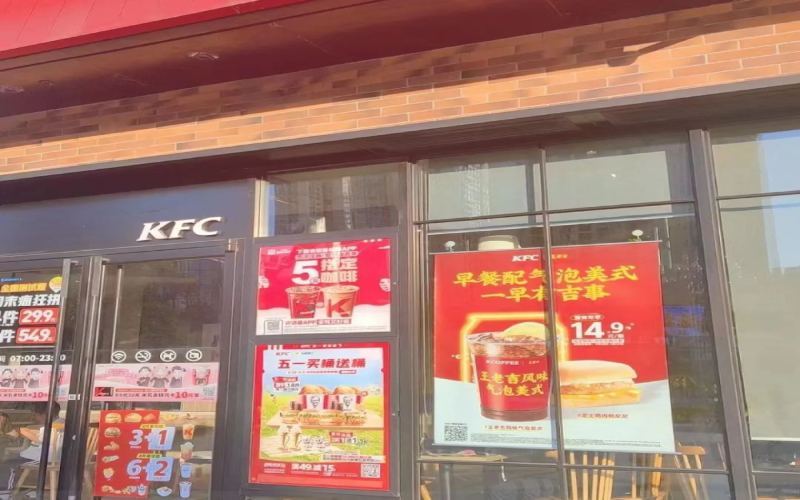
KFC Joins Forces with Wong Lo Kat to Launch Sparkling Americano: Can This Old-Brand Crossover Coffee Replicate the Moutai Latte Craze?
KFC's KCOFFEE continues to deepen its presence in the coffee sector and is about to launch a limited-edition drink in collaboration with the Chinese time-honored brand Wanglaoji — a Wanglaoji-flavored sparkling Americano. On one side is a Western-style fast-food coffee brand accelerating its expansion, and on the other is a representative of Cantonese herbal tea with nearly two hundred years of history. This collision of "Chinese and American herbal tea" has sparked considerable discussion. Yet before the new product even hit the shelves, netizens had already easily replicated it with Wanglaoji plus sparkling water. Can the consumer-friendly price of 9.9 yuan win over customers? What attempts has Wanglaoji made in recent years to appeal to young people? And can KFC replicate the success of Luckin and Moutai through this collaboration? This article will focus on this cross-industry cooperation, sorting through both sides' brand backgrounds, market situations, and collaboration highlights, for the reference of coffee enthusiasts. [more…]