







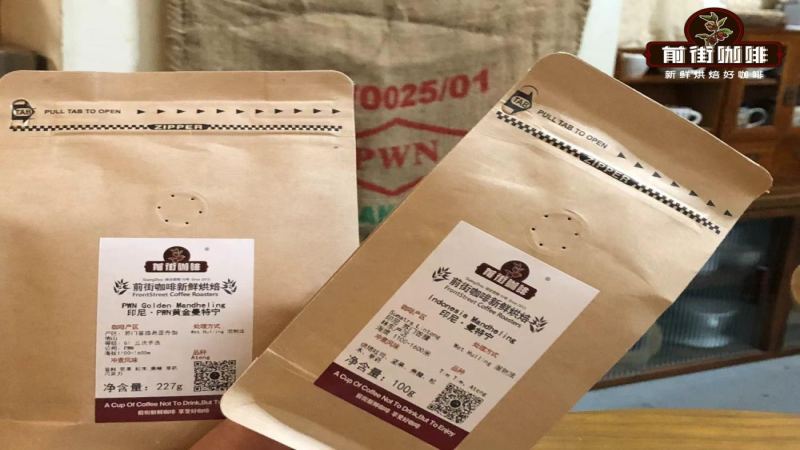
Mandheling coffee is famous for its rich, intense flavor and unique herbal, spicy aroma, and the darkest roast on Front Street Coffee's bean list is precisely this bean from Indonesia. Many enthusiasts wonder: where exactly does this signature herbal flavor come from? This article will break down, one by one, the logic behind the rich flavor of the "Two Lakes, Two Mandhelings" from the perspectives of Sumatra's growing environment, the evolution of coffee varieties, the wet-hulling process born of the tropical climate, and the way Front Street Lintong Mandheling is presented, guiding you to a deeper understanding of the terroir and craft secrets behind this classic coffee.
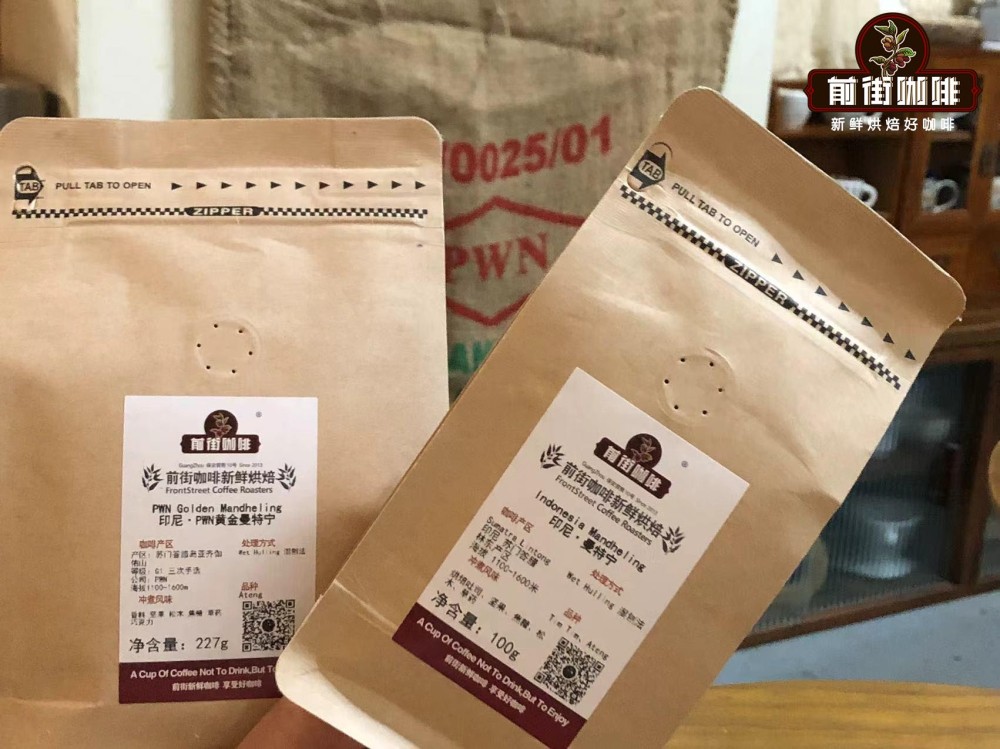
On Front Street Coffee's bean list, the darkest roast is the Mandheling from Indonesia. Its signature spicy aroma, along with herbal, caramel, and cocoa notes, has captivated countless coffee lovers. For this very reason, people often ask: where exactly does that distinctive herbal taste in Mandheling come from?
First we must return to the coffee's growing environment. Indonesia is made up of numerous islands, with coffee-growing regions widely distributed, and Mandheling comes from Sumatra, the country's largest island. "Mandheling" was originally the name of a local ethnic minority, but by a twist of fate it was taken as the name of the coffee beans and has been used ever since; today it is almost synonymous with "Sumatran coffee."
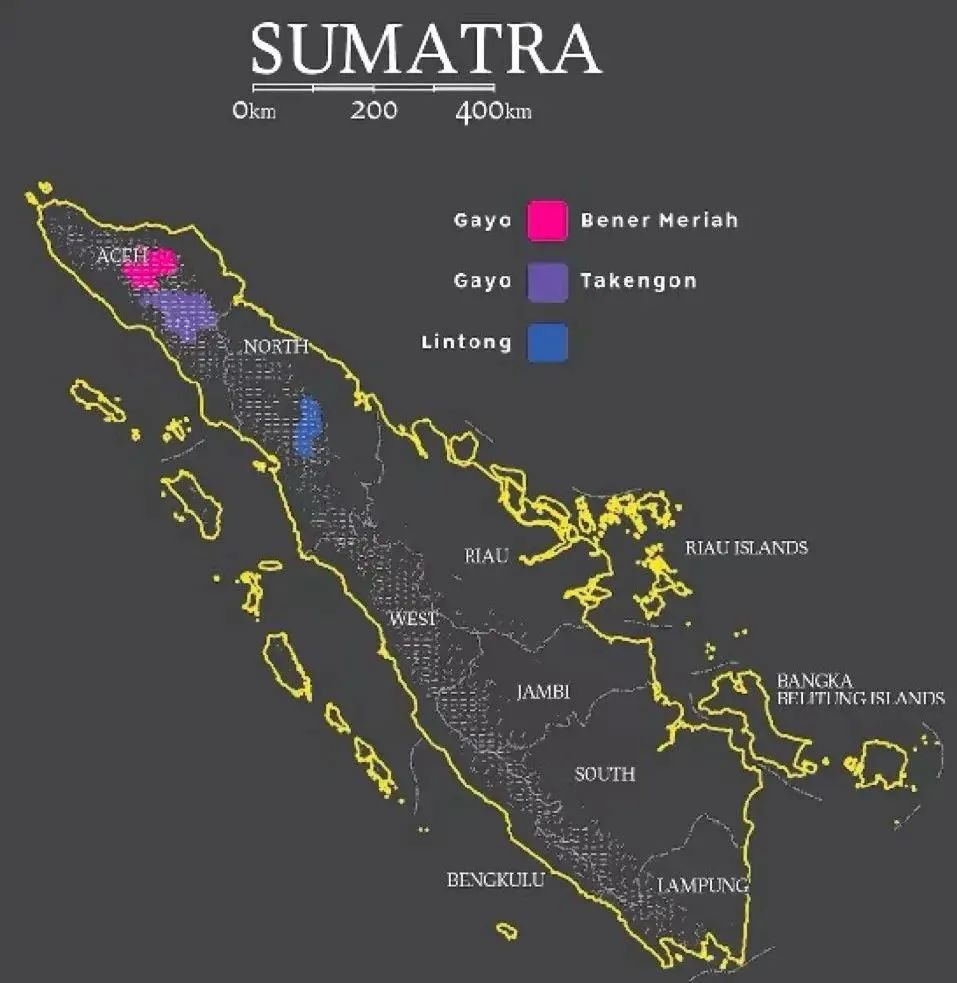
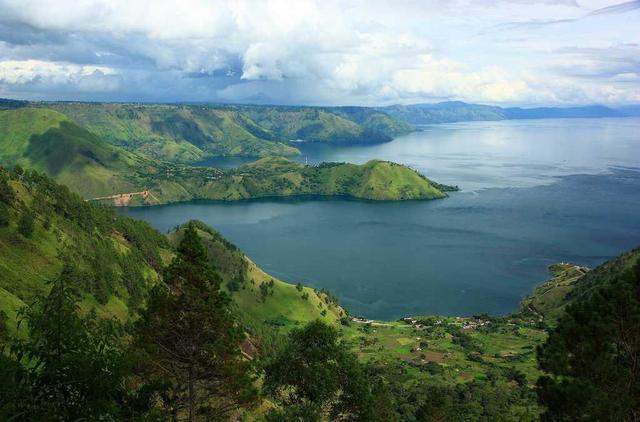
Mandheling's growing regions are concentrated in northwestern Sumatra, with the core areas including the Gayo highlands around Lake Tawar in Aceh Province and the area around Lake Toba in North Sumatra Province—this is what people often call the "Two Lakes, Two Mandhelings." The coffee trees are mostly planted on slopes at altitudes of 1,100 to 1,600 meters, where the volcanic soil is fertile and water is abundant, providing very ideal conditions for the growth of Arabica coffee.
Indonesia also has a fairly long history of coffee cultivation. As early as the 18th century, Arabica varieties such as Typica and Bourbon were already being grown on the islands. Later, coffee leaf rust ran rampant, damaging large numbers of coffee trees, and the government had to introduce other varieties to maintain production, among them Robusta. Some believe that it is precisely this history of variety replacement that laid the groundwork for Mandheling's herbal and earthy flavors.
Today on the island of Sumatra, the most commonly cultivated varieties are Ateng and TimTim. These two names sound unfamiliar, but they are not actually newly bred varieties: Ateng is Catimor, and TimTim is Timor, simply the local customary names for these varieties. Moreover, only Catimor grown on Sumatra and Indonesia's native islands is called Ateng.
Timor originates from the Timor Hybrid that appeared on the island of East Timor. It is a natural hybrid offspring of Arabica and Robusta, still botanically classified as Arabica, but carrying Robusta's disease-resistance genes within it. Catimor, meanwhile, is the first-generation F1 variety group obtained by crossing Timor with Caturra.
Robusta's caffeine, amino acid, and chlorogenic acid content are all higher than Arabica's, and chlorogenic acid is precisely the source of bitter taste. So it can be said that both Ateng and TimTim carry Robusta bloodlines, and their flavor naturally tends to bring out some herbal and earthy notes.
Another key factor is climate. Indonesia lies in the tropics and is dominated by a tropical rainforest climate; most regions are hot and rainy, with short sunshine hours and air humidity hovering between 70% and 90% year-round. These rainy, humid conditions make it very difficult for Indonesia to rely on long sun-drying, as other countries do, to thoroughly dry the coffee cherries.
So the locals adapted to local conditions and developed the wet-hulling method (Wet Hulling, called Giling Basah in Indonesian). The first half of wet hulling is similar to the washed method: after fermentation, the beans are sun-dried briefly, but at this point the beans' moisture content is still very high, so a huller is used to strip off the parchment layer, and then drying continues until the moisture content reaches 12% to 15%. In this way, drying time is greatly compressed and efficiency is improved considerably.
However, the process of removing the parchment layer with a huller is quite rough, and while stripping the parchment it easily crushes or bruises the green beans; some beans are left with cracks resembling a goat's hoof, becoming so-called "goat hoof beans." But coffee processed by the wet-hulling method often has a rich, intense mouthfeel and a very distinctive character.
At present, the Lintong Mandheling in Front Street's entry-level selection series uses precisely the Ateng and TimTim varieties, processed by the wet-hulling method, and therefore carries a wild temperament. To present the classic Mandheling flavor, Front Street uses a dark roast, allowing more substances to undergo caramelization reactions, and the finished product displays aroma characteristics of herbs, pine wood, caramel, and dark chocolate.
The above content is compiled by CoffeeHunters, a coffee news website.


