







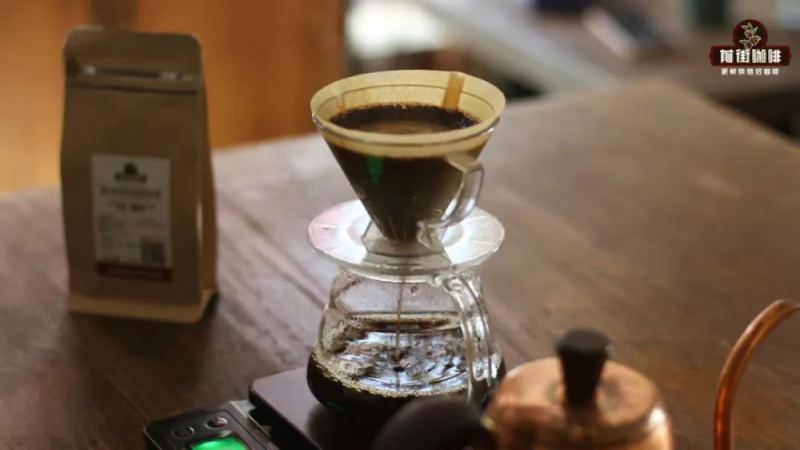
How Mandheling Coffee Gets Its Herbal Aroma
Mandheling coffee is grown in the Gayo Mountain and Lake Tawar areas of Aceh and around Lake Toba in North Sumatra, at altitudes of 1,100 to 1,600 meters. The herbal aroma comes from a mix of growing environment, coffee varieties, and processing methods. Volcanic soil, abundant water, and Sumatra's tropical climate together shape the cup's spicy, herbal, caramel, and cocoa notes.
The name Mandheling comes from a local ethnic minority and was later applied to Sumatran coffee in general. Arabica cultivation began on the island in the 18th century with Typica and Bourbon. Coffee leaf rust later pushed the government to introduce other varieties, including Robusta, and today Sumatra's common varieties are Ateng and TimTim, which influence the earthy and herbal profile through coffee cultivation choices.
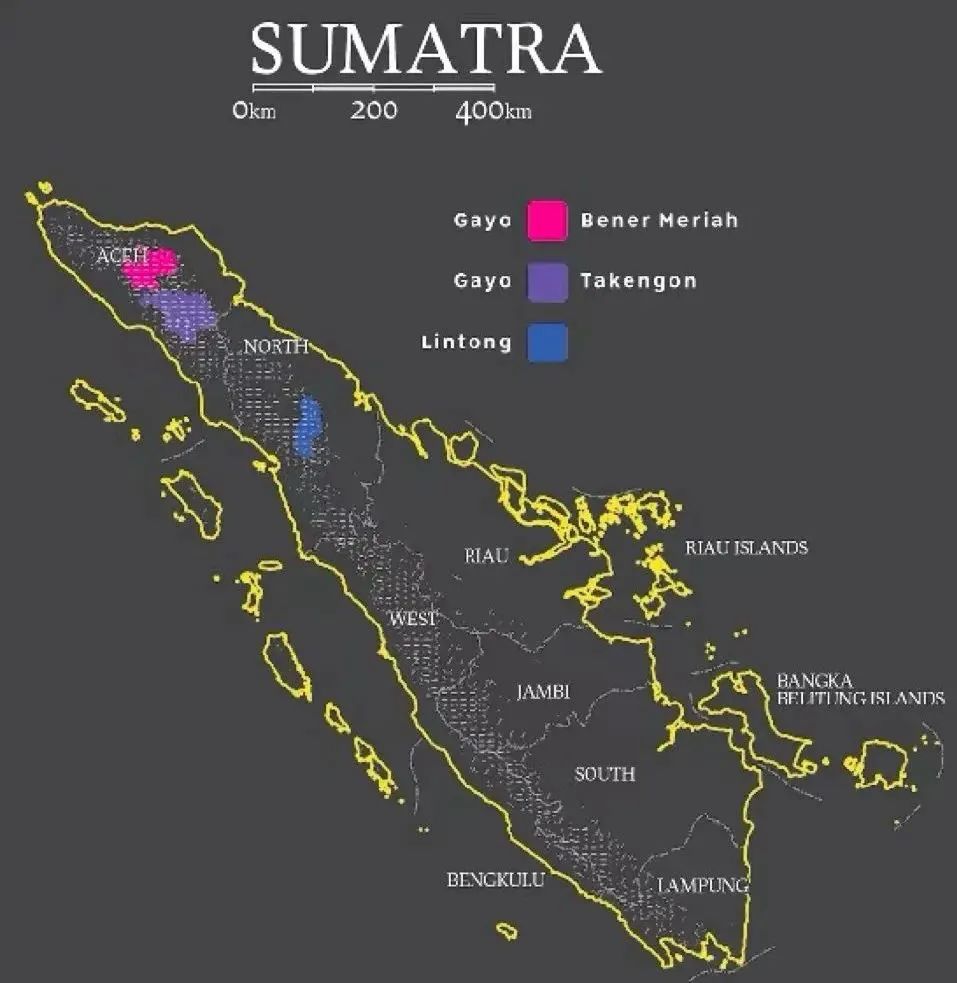
In Front Street Coffee's product line, the darkest roast is undoubtedly Indonesian Mandheling. Its unique spicy notes, combined with layers of herbs, caramel, and cocoa, have captivated many coffee enthusiasts. So how exactly is the signature herbal flavor in Mandheling formed? This article will analyze it from three angles: growing environment, coffee varieties, and processing methods. The name Mandheling actually originates from a local ethnic minority in Sumatra, and was later mistakenly used as a coffee name that persists to this day, now almost becoming synonymous with Sumatran coffee. The producing areas are mainly concentrated in the Gayo Mountain and Lake Tawar areas of Aceh, as well as around Lake Toba in North Sumatra Province, commonly known as the "Two Lakes, Two Man."
In Front Street Coffee's bean list, the darkest roasted coffee beans come from Indonesian Mandheling coffee. Its distinctive spicy aroma, herbal, caramel, and cocoa flavors make it widely popular. Therefore, many people ask, where does the special herbal flavor in Mandheling coffee come from?
First, this is certainly inseparable from the growing environment of the coffee beans. Indonesia is an archipelago nation with coffee grown on multiple islands, and Mandheling comes from Sumatra, the country's largest island. Mandheling is the name of a local ethnic minority, but it was mistaken for the name of the coffee beans and has been passed down to this day. Now Mandheling has become synonymous with "Sumatran coffee."
Mandheling is mainly grown in the northwest of Sumatra, concentrated in the Gayo Mountain and Lake Tawar areas of Aceh and the Lake Toba area of North Sumatra Province, which is also the famous "Two Lakes, Two Man." The coffee is grown on hillsides at altitudes of 1,100-1,600 meters. These areas have fertile volcanic soil and abundant water resources, making them very suitable for Arabica coffee cultivation and growth.
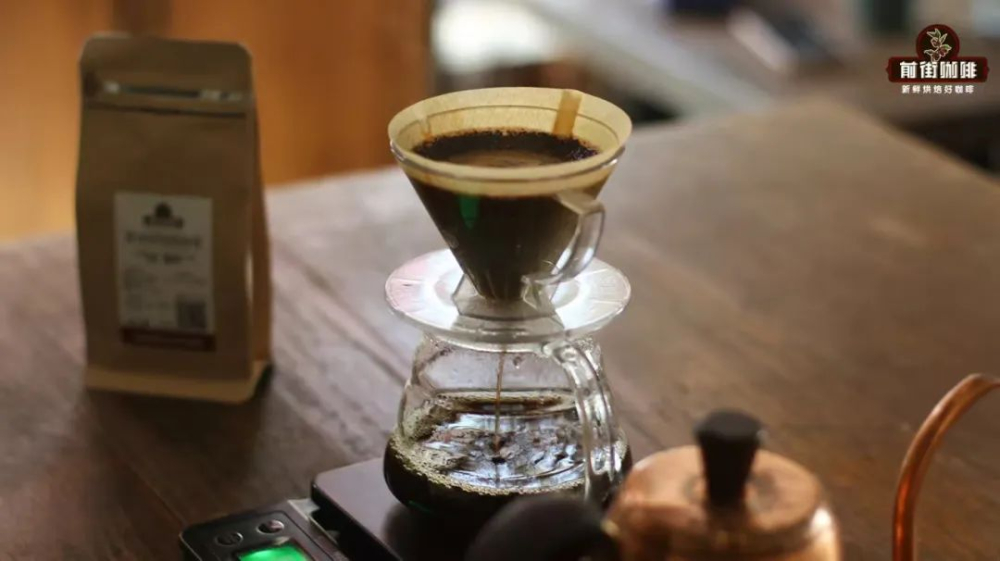
Moreover, Indonesia has a long history of coffee. Initially, in the 18th century, Arabica varieties such as Typica and Bourbon were already planted on the island. However, later, due to the emergence of coffee leaf rust, which damaged coffee growth, the Indonesian government began introducing other new coffee varieties to preserve coffee production, including Robusta beans. These varieties may be the reason why Mandheling coffee has herbal and earthy flavor characteristics.
Currently, the common coffee varieties in Sumatra are Ateng and TimTim. These two are not new varieties. Ateng is actually the Catimor variety, while TimTim is Timor. These are local names for these varieties. Only varieties grown in Sumatra and Indonesia's native islands that are Catimor can be called Ateng.
Timor is a Timor Hybrid that appeared on the island of East Timor. This is a natural hybrid of Arabica and Robusta varieties. It belongs to the Arabica coffee plant, but it has disease-resistant genes from Robusta. Catimor is a hybrid between Timor and Caturra, producing the first generation F1 hybrid variety group.
Robusta has higher caffeine, amino acid, and chlorogenic acid content than Arabica, and chlorogenic acid is the source of bitterness. Therefore, it can be said that both Ateng and TimTim contain Robusta genes and will carry some herbal and earthy flavors.
In addition, Indonesia is located in the tropics and is dominated by a tropical rainforest climate, so most areas have high temperatures and abundant rain, short sunshine hours, and year-round humidity as high as 70%-90%. The rainy weather makes it difficult for Indonesia to dry coffee cherries through long periods of sun exposure like other countries.
As a result, the country adapted to local conditions and developed the wet hulling method (known in Indonesian as Giling Basah) to process coffee. The early stage of wet hulling is the same as the washed method: after fermentation, the beans are sun-dried for a short time, but the moisture content is still very high. At this point, a huller is used to remove the parchment layer from the coffee beans, and finally they are dried to a moisture content of 12%-15%. This method can greatly reduce sun-drying time and complete drying faster.
Although the process of using a huller to remove the parchment layer from coffee beans is very rough, and while removing the parchment layer it easily crushes and damages the green coffee beans, causing some beans to form cracks similar to sheep hooves and become "sheep hoof beans," coffee processed by the wet hulling method is usually full-bodied and intense with a distinct character.
Currently, the Lintong Mandheling in Front Street's entry-level selection series is made from Ateng and TimTim varieties, processed using the wet hulling method. After brewing, it has herbal and dark chocolate flavors, a full-bodied mouthfeel, and a high caramel sweetness in the aftertaste.
To learn more about coffee origin information, please scan the QR code to follow: 咖评
Long-press the QR code to follow:
TRANSLATE with
x
English
Arabic Hebrew Polish Bulgarian Hindi Portuguese Catalan Hmong Daw Romanian Chinese Simplified Hungarian Russian Chinese Traditional Indonesian Slovak Czech Italian Slovenian Danish Japanese Spanish Dutch Klingon Swedish English Korean Thai Estonian Latvian Turkish Finnish Lithuanian Ukrainian French Malay Urdu German Maltese Vietnamese Greek Norwegian Welsh Haitian Creole Persian
TRANSLATE with
COPY THE URL BELOW
Back
EMBED THE SNIPPET BELOW IN YOUR SITE Bing Webmaster Portal
Back
The above content is compiled by CoffeeHunters, a coffee news website.


