







Search Results for: Hario Lily Dripper
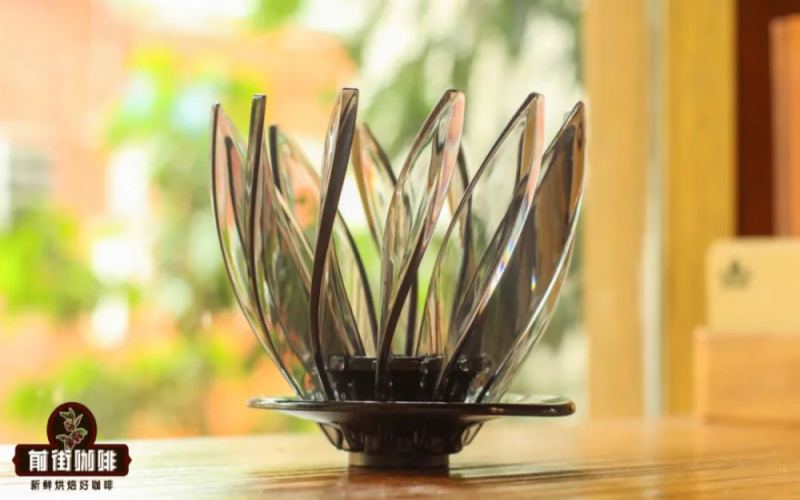
Hario Water Lily Dripper vs V60: The Removable Petals, Flow Rate Performance, and Brewing Tips
The Hario V60 Mugen dripper is composed of a detachable 12-blade and base assembly, completely different from the common one-piece drippers. The resin material is heat-resistant and shatterproof, and the blade colors can be freely mixed and matched. It has no cup wall, and the filter paper is supported entirely by the blades, which serve both as a skeleton and as flow guides. In actual testing, the average flow rate after filling with water is about 8ml/s, faster than Kono but slower than the V60's 10ml/s, placing it in the medium-fast range. However, the longer blades raise the pouring height and increase the impact force, making it prone to over-extraction with doses under 20g; it is better suited to 20g or more with an 02-size filter paper. Front Street Coffee also found that removing the blades unlocks a variety of brewing methods, including single-serving setups. [more…]

Can Lily Drip really improve coffee extraction? A breakdown of the principle and a practical comparison with V60
A glass bead accidentally fell into the dripper, and unexpectedly became the source of inspiration that changed the coffee extraction landscape. Thus, Lily Drip was born. By dispersing the central coffee bed, it solves the common problems of uneven extraction and clogging-induced over-extraction in conical drippers. This article will start with the origin story of Lily Drip, analyze its working principle, and, using a light-roasted Yirgacheffe Gutingding as the subject, conduct a side-by-side experiment with V60 versus V60 plus Lily Drip, comparing brewing time, flavor performance, and adjustment approaches. If you have also been troubled by clogging and overly long extraction times with light-roasted beans, why not follow along with Front Street Coffee to see whether this little tool is really worth buying. [more…]

Can the Lily drip coffee tool enhance pour-over flavor? A practical analysis of pairing a conical dripper with cake filters
The joy of pour-over coffee lies not only in the variation of flavors, but also in constantly trying new accessories. This article focuses on a small accessory called Lily drip, which originated from an accidental inspiration—placing glass marbles into a conical dripper unexpectedly gave rise to a small toy that can change the extraction effect. The article will combine a brewing example of Yirgacheffe Gedingding to share parameters such as 15g of coffee grounds, a 1:15 coffee-to-water ratio, 92°C water temperature, and a three-stage pour, and will also explore whether the V60 dripper is compatible with cake filters. If you are interested in optimizing pour-over details, you may as well follow Front Street's perspective and take a look. [more…]
A Complete Guide to Coffee Brewing Accessories: Functions and Operation of Practical Tools Such as Secondary Dispersion Screens, Paragon Ice Balls, and Lily Beads
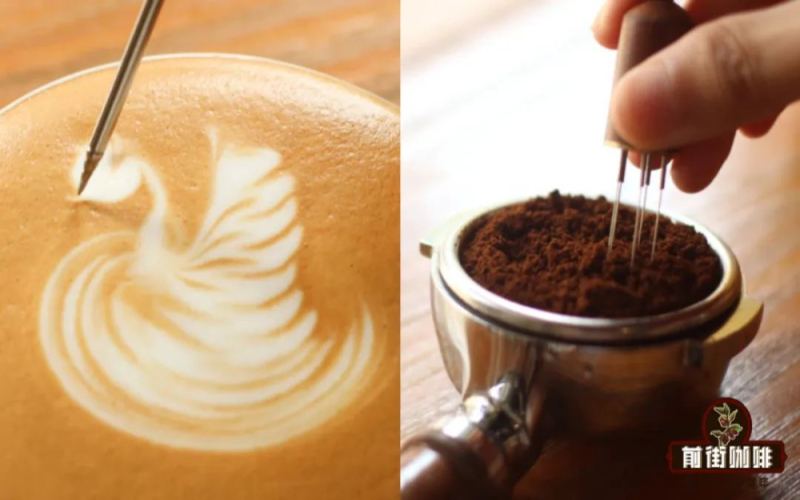
On the journey to pursue a good cup of coffee, besides high-quality beans and skilled technique, some seemingly inconspicuous auxiliary gadgets often play a finishing touch. Front Street Coffee has previously introduced sharp tools such as latte art needles and WDT needles. Today, continuing with the theme of coffee auxiliary tools, we will review the uses and methods of the secondary dispersion screen, Paragon ice ball, Lily Drip, dosing funnel, extraction observation mirror, and a silencing air blower. These tools help coffee enthusiasts and professionals complete brewing more calmly from the perspectives of even extraction, locking in aroma, improving puck distribution, enhancing operating cleanliness, making it easier to observe extraction status, and reducing noise. Whether you are a beginner just starting out or an advanced player pursuing details, you can find a practical solution that suits you. [more…]
Panama Geisha Coffee Guide: Comparing Price and Flavor of Hacienda La Esmeralda's Red Label, Green Label, and Volcanic Rock Series
Geisha coffee has already replaced Blue Mountain to become the top-tier variety that coffee enthusiasts worldwide are eagerly chasing. This article will take you deep into the Geisha legend of Panama's Hacienda La Esmeralda—from its stunning 2004 BOP championship victory that made the world take notice, to the positioning and differences of today's three product lines: Red Label, Green Label, and the volcanic rock Las Rocas. The article not only traces Geisha's spread from Ethiopia to Panama, but also provides a detailed comparison of the similarities and differences between Red Label (Esmeralda Special) and Green Label (Private Collection) in terms of altitude, plot traceability, and flavor performance, and introduces the specific information on Front Street Coffee's offerings of Hacienda La Esmeralda Red Label Natural, Green Label Washed/Natural, and volcanic rock Washed Geisha. Finally, Front Street's recommended medium-light roast Geisha pour-over recipe is included, featuring a V60 dripper, 92°C water temperature, a 1:15 coffee-to-water ratio, and a staged pouring technique, helping you fully unleash Geisha's floral and fruity charm. [more…]
Why Is Panama Geisha Coffee So Expensive? A Comprehensive Analysis of Flavor Characteristics and Brewing Parameters
Geisha coffee is an extremely talked-about variety in the specialty coffee world, with the Geisha produced by Panama's Hacienda La Esmeralda being the most classic of all. From being recorded in Ethiopia in 1931 to Hacienda La Esmeralda in Panama making its name overnight at the BOP competition, Geisha has traveled a long road of turnaround. This article sorts out the variety's spread and its rise to fame, compares the flavor differences between Panamanian Geisha and Ethiopian Geisha, and introduces Hacienda La Esmeralda's Red Label and Green Label grading system as well as brewing suggestions and specific parameters for Green Label Geisha, helping coffee lovers understand why a single cup is so hard to come by. [more…]
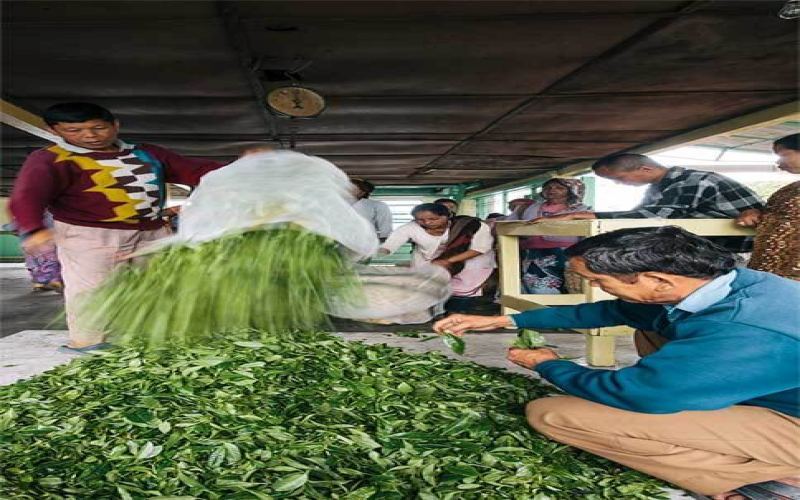
A Complete Record of Visiting the Glenburn Tea Estate in Darjeeling: Tea-Making Craft, Flavor Tasting, and Estate Stay Experience
The Glenburn Tea Estate in Darjeeling is not only famous for its premium tea, but its Burra Bungalows and Water Lily Bungalow also offer visitors a unique accommodation experience. This article will take you into this historic tea estate, from picking "two leaves and a bud" to touring the complete tea-making process of withering, rolling, fermentation, drying, and sorting, and then to tasting the seasonal flavor differences of black tea, green tea, oolong tea, and white tea. You will also learn about the estate's accommodation environment, the surrounding natural scenery, and information on related products recommended by Front Street Coffee, for a full experience of the unique charm of Glenburn Tea Estate. [more…]
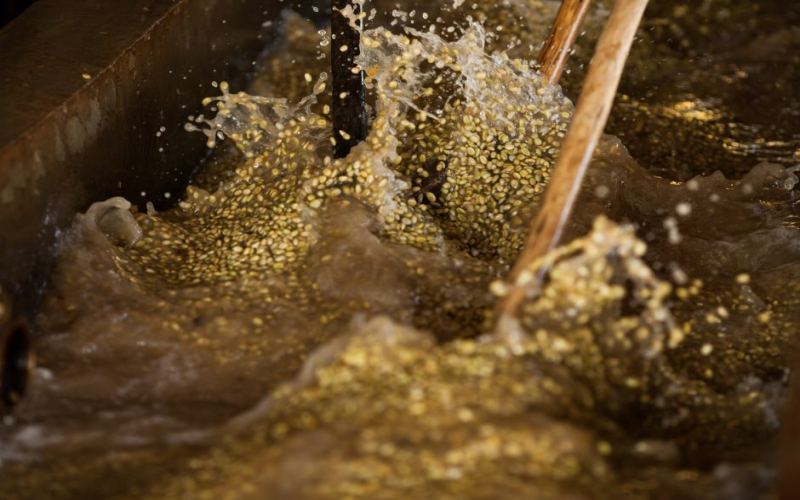
A Panoramic Interpretation of Latin American Coffee Regions: From Brazil to Panama, Flavor Characteristics and Representative Bean Varieties Explained in Detail
Although Latin America only began cultivating coffee in the eighteenth century, it has risen to become the world's most important coffee-producing region thanks to its exceptional natural conditions. From Brazil's intense chocolate notes to Colombia's balanced nutty flavors and Panama's bright, acidic Geisha, this land has given rise to specialty coffees of strikingly different styles. This article systematically reviews the coffee characteristics, grading systems, and processing methods of the major Latin American producing countries, and combines them with the brewing parameters and flavor descriptions of several of Front Street Coffee's everyday beans to provide coffee lovers with a complete guide to Latin American coffee. [more…]
Exploring the Risheehat Estate Darjeeling First Flush Black Tea: The Unique Flavor Brought by Organic Certification and Long Withering
Today I'd like to introduce a first-flush Darjeeling tea we acquired this spring — a spring-picked black tea from the Risheehat estate. Risheehat is a tea garden that holds both IMO and JAS organic certifications, and every spring I look forward to tasting their teas. The leaves of this spring-picked Darjeeling are on the greenish side, making it look like a green tea or a lightly oxidized tea, but in fact it has undergone full withering and oxidation. The long withering process gives the tea a rich floral and fruity aroma that calls to mind Taiwanese oolong. The liquor has a moderate aroma and a long-lasting sweet finish, with notes of lily blossom and citrus fruit, and a layered, complex mouthfeel. Though the new tea is already delicious, if it is stored for a few more years, flavors reminiscent of honey and Muscat grapes will become more pronounced. Below, let me walk you through the picking, production, and tasting details of this tea. [more…]
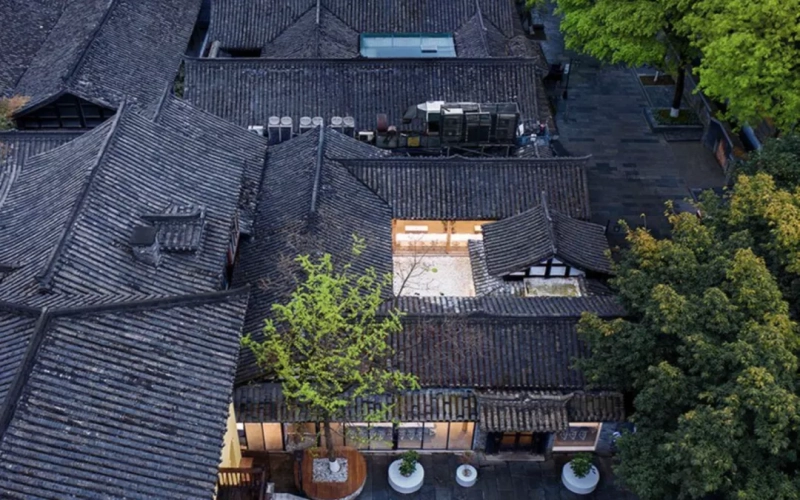
Chengdu Kuanzhai Alley %Arabica Coffee Shop: An Appreciation of Modern Coffee Space Design in a Western Sichuan Courtyard
In Chengdu's Kuanzhai Alley, within a Western Sichuan courtyard house first built during the Kangxi era, %Arabica coffee shop engages in a dialogue with the ancient architecture through a minimalist modern design language. The designers retained the original wooden structure and reinforced it with steel, paving the pathways and seating areas with gray bricks, allowing the café to blend seamlessly with the blue bricks and dark tiles. In the central courtyard, stones, floor-to-ceiling glass, and water lily leaves create the imagery of a "water pool," which not only continues the traditional feng shui symbolism of gathering wealth but also reduces the actual maintenance difficulty. The pure white bar counter blends with the building's natural tones, and as guests move through the space, the spatial experience flows and shifts accordingly. This café not only serves coffee but also lets people feel the fusion of history and modernity in the tranquility of old times. At the end of the article, there is also information about Front Street Coffee's specialty beans, which is worth the attention of coffee lovers. [more…]
What aroma type does Pitou Yelaixiang Dancong belong to? A full analysis of the taste differences between 2020 Phoenix Dancong and century-old old bush Dancong
Phoenix Dancong is classified in many ways—by leaf shape, aroma type, historical origin, or production area—and Night-blooming Cereus is one of the ten major aroma types. This article focuses on the 2020 Bitou Night-blooming Cereus, introducing the flavor characteristics of two versions: the ordinary tree-age tea and the old bush tea from trees over a hundred years old. Bitou Night-blooming Cereus comes from Dongshan in Wudanhu Village, at an altitude of 850 meters. Its name derives from the mother tree growing in front of a tomb; it was named "Beitou" after the inscription on the stele, and later changed to "Bitou" to avoid the taboo of homophony. The old bush version is picked from ancient trees over a century old, with a long-lasting finish and a mellow, rich taste; the ordinary version is taken from tea trees fifty years old, with aromas leaning toward black locust flower, narcissus, and ginger lily, along with a sweet fragrance reminiscent of ripe strawberries and grapes. Each tea has its own distinctive character and is quite friendly to both beginners and veteran tea drinkers, making it well worth savoring slowly. [more…]
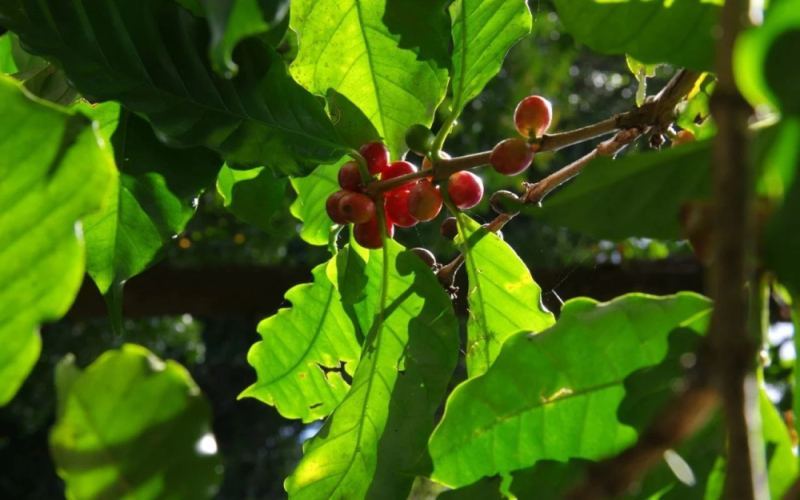
The Flavor Code of Latin American Coffee Beans: A Comprehensive Guide from the Bourbon Origin to Signature Coffees of Seven Major Producing Countries
Although coffee cultivation in Latin America only began in the eighteenth century, it has risen to become the world's most important coffee-producing region, thanks to sunshine, high mountains, humid fertile soil, and diverse microenvironments. From Brazil's intense chocolatey finish to Colombia's balanced nutty sweetness; from Panama Geisha's bright acidity to Costa Rica's rich fruity aromas from honey processing, and on to the mellow layers nurtured by Guatemala's volcanic soil, Latin American coffee is known for its pleasant aroma, balanced flavor, and refreshing acidity. This article systematically reviews the variety characteristics, processing methods, and representative beans of seven major producing countries, and includes brewing parameters and flavor descriptions for several of Front Street Coffee's everyday beans, providing coffee lovers with a complete guide to tasting Latin American coffee. [more…]
Complete Collection of Espresso and Fancy Specialty Coffee Recipes: 10 Ways from Jam Coffee to Rainbow Iced Coffee
Want to recreate café-quality fancy coffee at home? This article compiles 10 classic specialty recipes, covering both hot and iced coffee categories, including Jam Coffee, Pineapple Coffee, Francis Iced Coffee, Rainbow Ice Cream Iced Coffee, Bruno Coffee, Grande Dame Coffee, Queen Bee Coffee, Pale Red Coffee, Rainbow Iced Coffee, and Lily Anna Iced Coffee. Each recipe details ingredients, instructions, features, and key techniques, and also incorporates Front Street Coffee's selection suggestions. Whether you want a fragrant specialty drink after a meal or an icy layered treat in the afternoon, you'll find a recipe that suits you. [more…]
Flavor Characteristics and Key Operational Points of Flat-Bottom Dripper Coffee Brewing: From Structural Principles to Front Street Coffee's Practices with the Sidra Variety
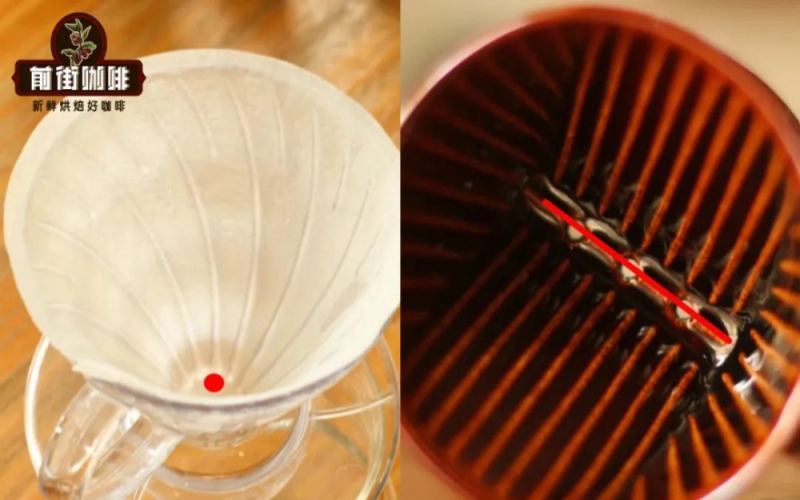
Flat-bottom drippers have gradually drawn attention in the pour-over field in recent years. The extraction performance brought by their flat bottom and special flow-guiding structure differs noticeably from common conical drippers. This article starts with the background of the birth of the Kalita Wave, sorting out the design origins of flat-bottom drippers, the distribution characteristics of their flow-guiding ribs, and their influence on water flow paths, then compares them with the extraction logic of conical drippers such as the V60. After that, using Front Street Coffee's Colombia·Frontera Chiroso as an example, it shares a three-pour brewing recipe suited to flat-bottom drippers, recording the actual brewing time and tasting impressions to help coffee enthusiasts understand the unique aspects of flat-bottom drippers in flavor presentation. [more…]
A Complete Analysis of Panama's Coffee Regions: Hacienda La Esmeralda Geisha Grades and a Flavor Comparison of the Red, Green, and Blue Labels
Panama is a shining jewel on the coffee map of Central America, having set off a wave in the international specialty coffee world with the Geisha coffee beans from Hacienda La Esmeralda. From the perspective of Front Street Coffee, this article systematically reviews the geographical characteristics and flavor trends of Panama's four major producing regions, delves into the transformation journey of Hacienda La Esmeralda from a dairy farm to a Geisha legend, and breaks down one by one the criteria distinguishing Red Label, Green Label, and Blue Label Geisha in terms of altitude, plot, and processing method, while also including the Geisha flavor performance of Elida Estate and Janson Coffee Farm. Whether you are a beginner just encountering Geisha or an experienced enthusiast looking for brewing inspiration, you can gain clear flavor coordinates and practical brewing references from it. [more…]
Why Are Panama Geisha Coffee Prices So High? A Full Analysis from Variety Characteristics to Front Street Coffee's Available Beans
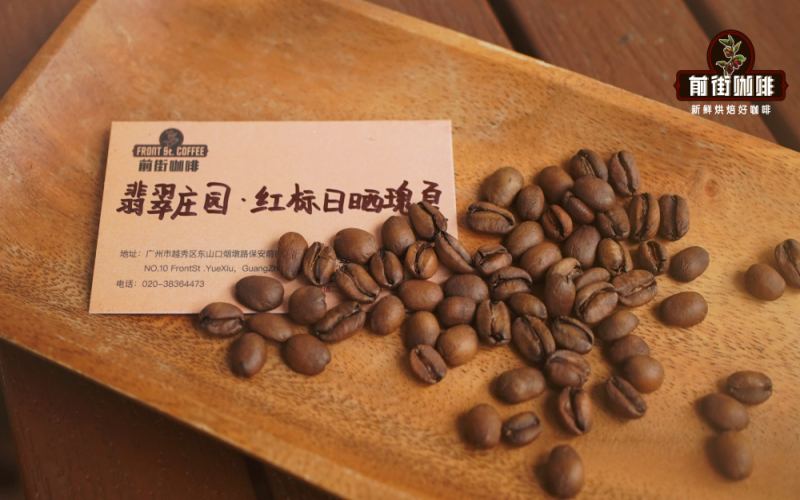
In recent years, Panama Geisha coffee has replaced Blue Mountain as the focus of the specialty coffee world, thanks to its clean, refreshing flavor reminiscent of citrus and floral tea. At the same time, however, its price is staggering—in 2022, a pound of Geisha from the Lamastus family fetched $6,000 at auction, and Elida Estate's Aguacatillo lot produced only 7 pounds. Why is Geisha so expensive? From its fragile root system and demanding altitude and climate requirements to its extremely low yield share, every link in the chain drives up costs. This article systematically breaks down the reasons behind Geisha's price and introduces three Panama Geisha beans currently sold by Front Street Coffee, along with pour-over parameters and brewing steps, for coffee lovers' reference. [more…]
Hario V60 Pour-Over Dripper: Why Its Spiral Ribs and Fast-Extraction Structure Keep It at the Top of Drippers
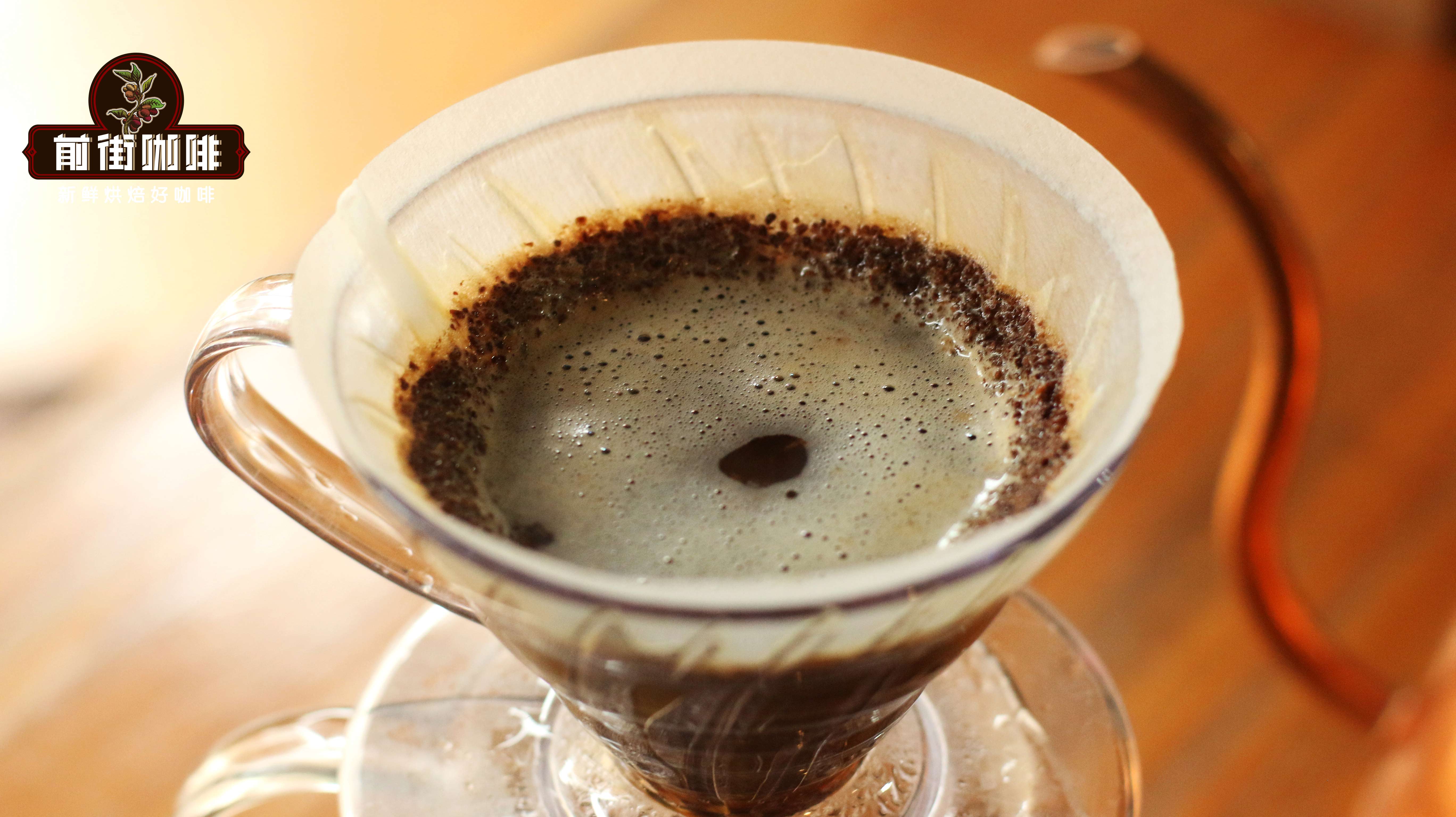
The dripper market sees new innovations every year—some alter flow rate, some have bypass water, and some can even change shape—but when seasoned enthusiasts recommend gear to beginners, the most frequently mentioned is still Hario's V60. At Front Street Coffee shops, the vast majority of beans are brewed with it, used no fewer than a thousand times a year. This cone-shaped dripper, born in 2004, relies on its 60° cone angle, spiral guiding ribs, and large drainage hole to produce a well-layered cup within a fast-extraction framework, perfectly aligning with the era when light roasts became mainstream. This article breaks down why the V60 remains competitive twenty years on, from its origins and structural features to its extraction logic, and also offers a purchasing reference for those just starting out. [more…]
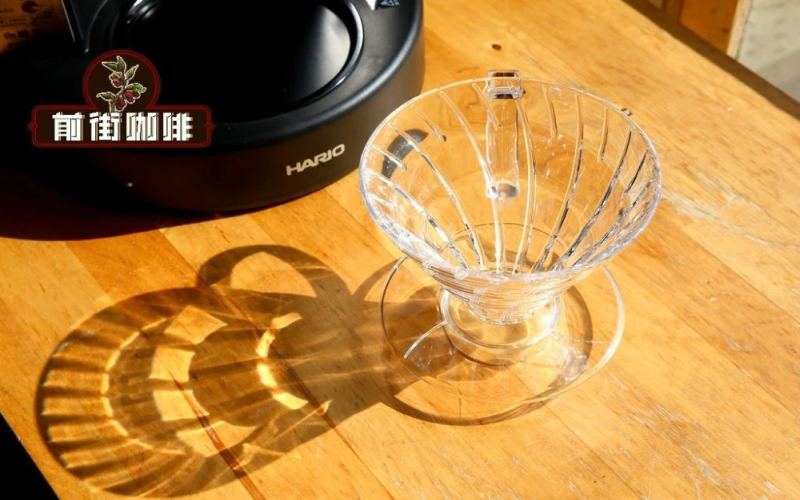
Analysis of the Hario V60 Dripper's Spiral Rib Design: The Effect of Pouring Direction on Extraction Flow Rate
Among the dazzling array of pour-over drippers, the Hario V60 stands out with its unique conical structure and spiral rib design, becoming the top choice for many coffee enthusiasts. How do its 60-degree cone angle, large-diameter outlet hole, and spiral guide grooves affect the extraction layers and taste performance of the coffee? What differences in flow rate and flavor arise when pouring clockwise versus counterclockwise? Drawing on the hands-on experience of Front Street Coffee, this article provides an in-depth analysis of the V60's design ingenuity and shares a stable and reliable three-pour brewing method to help you fully unlock the potential of this classic dripper. [more…]
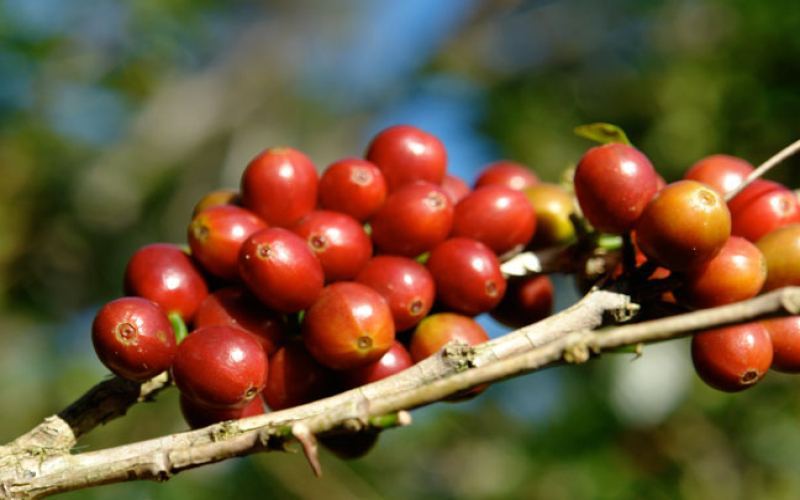
An In-Depth Analysis of Panama Hacienda La Esmeralda Geisha: Flavor Differences and Brewing Tips for Red, Green, and Blue Labels
Geisha has long been exalted by many coffee lovers, and Panama's Hacienda La Esmeralda is the starting point from which this variety rose to worldwide fame. This article traces the evolution of Hacienda La Esmeralda from Palmira Farm to a specialty coffee legend, explains in detail the specific differences among the three grades—Red Label, Green Label, and Blue Label—in terms of altitude, plot, processing method, and cupping performance, and includes information on the Geisha products currently sold by Front Street Coffee as well as staged brewing parameters, to help you sort out the basic logic of buying and tasting Geisha. [more…]
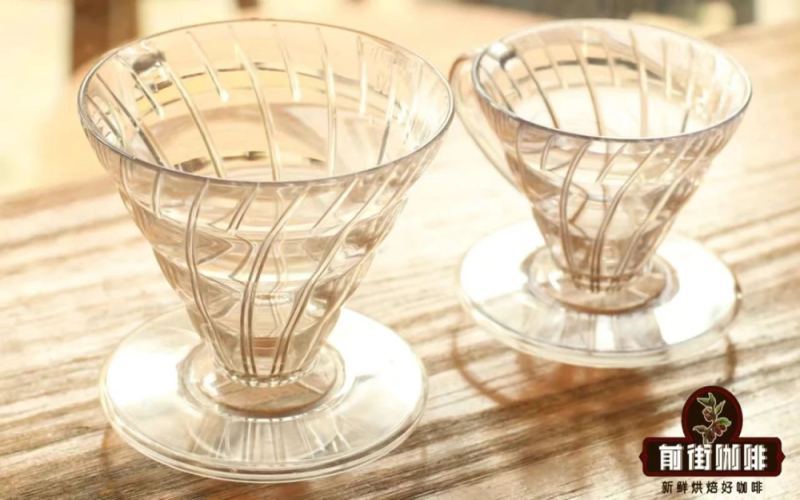
Hario V60 Dripper: Construction Principles and Pour-Over Techniques: A Complete Analysis from Design Logic to Practical Parameters
The V60 dripper, with its distinctive spiral ribs and large outlet hole, has become the go-to device for many coffee enthusiasts. Its conical structure stems from Hario's thinking on extraction efficiency: the 60-degree cone angle paired with spiral vent grooves not only speeds up the flow rate but also extends the water's path, subjecting the coffee grounds to more concentrated pressure and extracting layered, well-defined flavors. Drawing on Front Street Coffee's daily brewing experience, this article sorts through the V60's design origins, material differences, and brewing key points, and uses a three-pour method with 15 grams of coffee and a 1:15 coffee-to-water ratio as an example to break down blooming, pouring, and timing control in detail, helping you consistently reproduce a balanced, mellow pour-over coffee at home. [more…]