







How Do Panama Geisha Coffee Labels Differ?
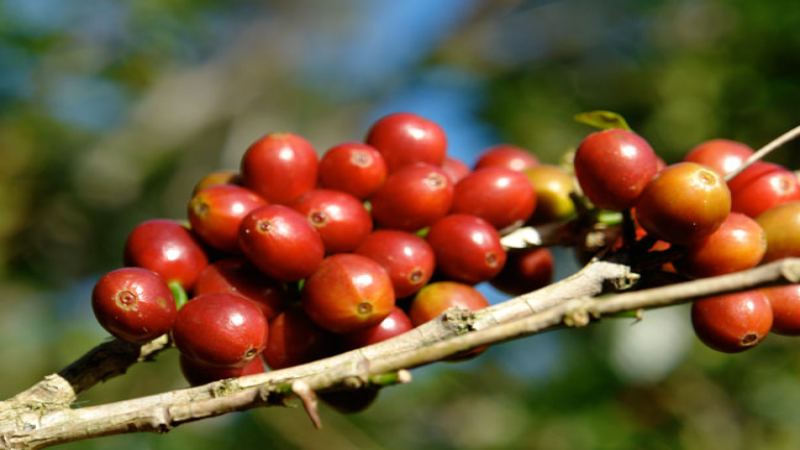
Panama Geisha coffee from Hacienda La Esmeralda is graded into three labels that differ by altitude, plot, and processing. Red Label, sold as Esmeralda Special, comes from a single named plot such as Jaramillo. Green Label, or Private Collection, blends lots across the farm. Blue Label, Geisha 1500, sits at lower elevations and is the most accessible of the three.
The farm's Geisha story began in 1964, when Rudolph Peterson bought Palmira Farm. It was renamed Hacienda La Esmeralda in 1987, and in 2004 a floral, fruit-forward Geisha lot won reliable of Panama. That result pushed these geisha coffee beans onto the world stage and led the family to cup plots separately, sorting them by altitude into the label system still used today.
Geisha has long been elevated to legendary status by many coffee enthusiasts, and Panama's Hacienda La Esmeralda is the starting point that brought this variety to the world stage. This article traces the evolution of Hacienda La Esmeralda from Palmira Farm to a specialty coffee legend, explains in detail the specific differences among the three grades—Red Label, Green Label, and Blue Label—in terms of altitude, plot, processing method, and cupping performance, and includes information on Front Street Coffee's currently available Geisha products along with staged brewing parameters to help you clarify the basic logic of Geisha selection and tasting.
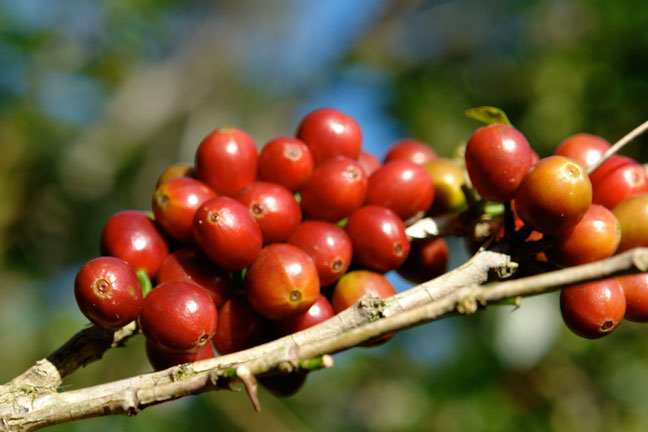
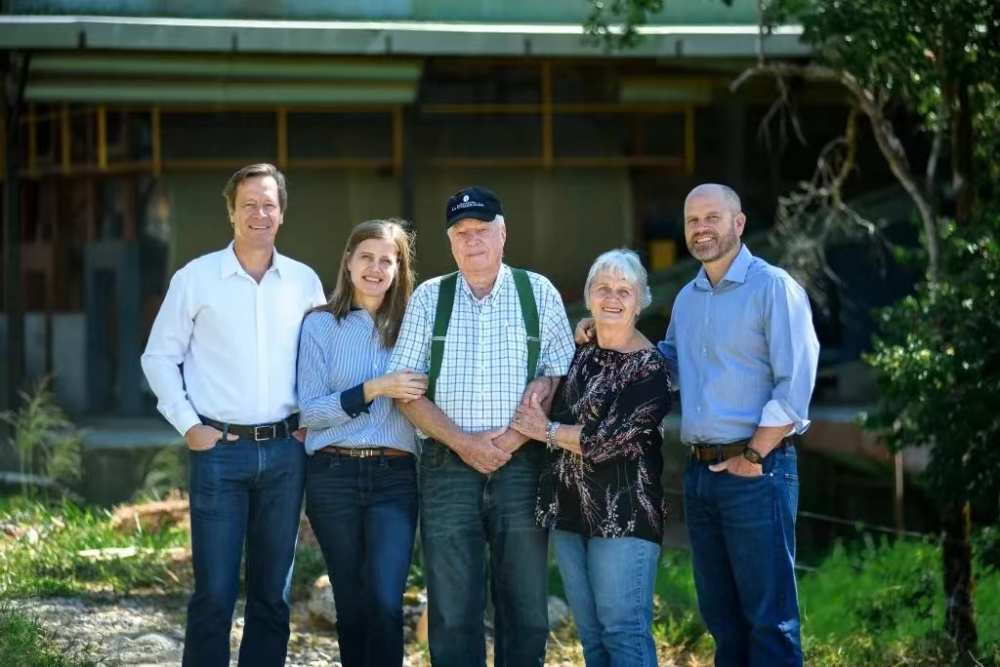
The story of Hacienda La Esmeralda dates back to 1964, when American banker Rudolph Peterson bought Palmira Farm after retirement, initially focusing on dairy production. Later, his son gave up his career as a doctor to return and help his father run the farm. In 1987, the farm introduced Caturra and Catuai varieties and was officially renamed Hacienda La Esmeralda. In 1994, a wet processing plant was built, and coffee production truly got on track.
In 1997, third-generation estate owner Daniel joined the management team, just as the specialty coffee wave was rising. He learned cupping techniques, cupped the first Geisha harvest in 2003, and classified the Geisha coffee trees by altitude. When the next harvest came the following year, Daniel's family submitted the Geisha that showed floral aromas and fruity acidity in cupping to the Best of Panama competition, and it won first place with a high score.
Hacienda La Esmeralda has three sub-farms: El Velo, Cañas Verdes, and Jaramillo.
Red Label, Green Label, and Blue Label
After Hacienda La Esmeralda purchased the Jaramillo farm with its outstanding environmental conditions, cupping revealed that Geisha had a uniquely distinctive flavor. They then cupped other areas of the farm one by one and divided the planting plots according to altitude, which led to the formation of the Red Label, Green Label, and Blue Label grading system. If distinguished by Hacienda La Esmeralda's marketing brands, Esmeralda Special corresponds to Red Label, Private Collection corresponds to Green Label, and Geisha 1500 corresponds to Blue Label.
Esmeralda Special Red Label includes both auction lots and non-auction lots, and its notable feature is that every lot of coffee beans comes entirely from the same plot. For example, the Red Label Geisha purchased by Front Street comes from the Jaramillo plot, making it easier for buyers to grasp complete coffee information.
The Geisha produced under Esmeralda Special is selected from the two sub-regions of Jaramillo and Cañas Verdes, requires a growing altitude of 1,600–1,800 meters, and must score above 90 points in cupping. The auction Red Label Geisha lots we occasionally see are actually lots that the estate selects from its divided plots to enter an internal independent auction. Non-auction Red Label also comes from the same plots, while its price is considerably lower than auction lots.
Front Street Coffee: Red Label Geisha Coffee Beans
Region: Boquete
Farm: Hacienda La Esmeralda, Cañas Verdes
Altitude: 1,700+ meters
Variety: Geisha
Processing Method: Natural
Flavor: Lemon, honey, berries, orange peel, mango, cream, citrus
Green Label Geisha belongs to lots that do not independently participate in competition. Its growing altitude is also between 1,600 and 1,800 meters, and it is also selected from micro-lots grown in Jaramillo and Cañas Verdes. Green Label does not indicate a specific plot name; Hacienda La Esmeralda harvests and sells the coffee beans within this range as a blend, so it is normal for flavors similar to Red Label Geisha to appear.
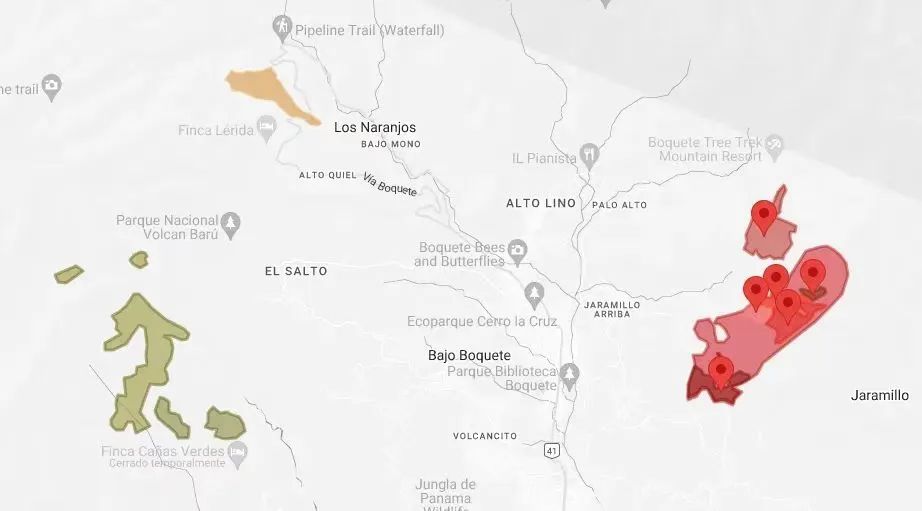
There is also a Blue Label Geisha, made from Geisha coffee grown at 1,400–1,500 meters. It is harvested at all three sub-farms of Hacienda La Esmeralda and is only washed. Because Daniel and his sister Rachel hoped to elevate the overall positioning of Hacienda La Esmeralda, Blue Label Geisha lots were discontinued between 2019 and 2022, and the Geisha coffee from that area was resold to a brand owner, who launched "Las Rocas," also known as Volcanic Rock Geisha coffee beans, which is what we call Blue Label.
Both Red Label and Green Label lots use natural or washed processing. Red Label's flavor profile shows unique, intense, and rich floral aromas, complex fruit acidity, and sweetness with diverse layers. Although Green Label is lower in grade than Red Label, it still retains the classic Geisha flavors: jasmine aroma, juicy citrus and berry notes, and a long finish. Blue Label Geisha, which is only washed, presents soft acidity and fruity notes, and its flavor intensity is slightly weaker compared with Red Label and Green Label.
Front Street Coffee: Green Label Geisha Coffee Beans
Region: Boquete
Farm: Hacienda La Esmeralda, Cañas Verdes
Altitude: 1,600–1,800 m
Variety: Geisha
Processing Method: Natural
Flavor: Jasmine, ginger lily, citrus, cream, lemon, green tea
Front Street believes that Geisha is widely popular not only because its flavor is astonishing, but also because it can show different charms depending on origin. Therefore, there are already 6 Panama Geisha coffees on Front Street's bean list, which shows how diverse its flavors can be. In the online Taobao store, you can find Front Street Grana Geisha, Front Street Geisha Village Gold Label Geisha, Front Street Esmeralda Red Label Geisha, Front Street Esmeralda Green Label Geisha, Front Street Elida Estate Geisha, and Front Street Costa Rica Strawberry Candy Geisha Blend.
Brewing Suggestions
Considering that different lots of Geisha are grown in different environments, Front Street's roasters make corresponding adjustments based on the characteristics of the beans, but the main roasting direction is always to highlight Geisha's floral aroma and fruity acidity, using a medium-light roast.
Generally, when brewing high-altitude hard beans with a flavor profile that leans toward prominent acidity, Front Street recommends using a higher water temperature of 92–93°C to extract more aromatic compounds.
Dripper: V60
Water Temperature: 92–93°C
Dose: 15 g
Coffee-to-Water Ratio: 1:15
Grind Size: 80% passing a No. 20 standard sieve
During brewing, Front Street uses staged extraction: after grinding the coffee, pour it into the filter paper, start pouring 30 g of water from the center and bloom for 30 seconds, maintaining a small stream throughout and circling steadily from the inside outward; pour 95 g of water in the second stage, and when the coffee liquid is nearly finished draining, begin pouring 100 g in the third stage. Once all the coffee has filtered through, remove the dripper. The total time is about 2 minutes, with a margin of about 10 seconds.
Front Street compared the naturally processed Red Label Geisha lot with Green Label Geisha: after grinding Red Label Geisha, you can smell an intense rose aroma, and on the palate there are tropical fruits such as mango, with a smooth, creamy mouthfeel—not like drinking coffee at all, but more like a cup of floral and fruity tea; Green Label Geisha's flavor is clearer, with jasmine aroma, the sweet-and-sour taste of berries and lemon, and a lingering green tea finish.
The above content is compiled by CoffeeHunters, a coffee news website.


