







Search Results for: Hacienda La Esmeralda Panama
An In-Depth Guide to Geisha Coffee: Decoding the Red, Green, and Blue Label Classifications of Hacienda La Esmeralda and a Flavor Analysis
Geisha coffee is hailed as the king of coffee, and the Geisha produced by Panama's Hacienda La Esmeralda is the benchmark among them. This article systematically sorts out the origin of the name Geisha coffee, its stringent growing conditions, and Hacienda La Esmeralda's legendary journey from accidental discovery to winning the world championship. It focuses on interpreting the three grades of Hacienda La Esmeralda Geisha—Red Label, Green Label, and Blue Label (including the subsequent replacement lot "Volcanic Rock")—explaining one by one each tier's altitude range, production plot, processing method, and flavor performance, and includes Front Street Coffee's brewing parameters and selection advice to help coffee enthusiasts fully understand the tasting system of this top-tier coffee. [more…]
Panama Hacienda La Esmeralda Geisha Coffee Beans: A Comprehensive Analysis of Variety Traceability, Cultivation History, and Flavor Achievements
Hacienda La Esmeralda is a legendary coffee estate in the Boquete region of Panama, and it is precisely here that the Geisha variety rose to the world stage. From the Peterson family's purchase of it in 1967 as a retirement ranch, to winning the BOP championship with Geisha in 2004 and setting an auction record of $21 per pound, Hacienda La Esmeralda has written a bold and colorful page in the history of specialty coffee. This article will sort through the estate's planting and development history, its main cultivated varieties, the terroir conditions of the Boquete region, and the signature flavors of jasmine, peach, and orange that Geisha presents, and will introduce Front Street Coffee's recommended products from various lots of Hacienda La Esmeralda, taking you through a comprehensive understanding of this world-class star estate. [more…]
The Development History of Panama Hacienda La Esmeralda Geisha Coffee Beans and How to Identify the Differences Between the Red, Green, and Blue Label Geishas
Geisha coffee occupies a pivotal position in the world of specialty coffee, and the Geisha produced by Panama's Hacienda La Esmeralda is the benchmark for this variety. This article begins with the origin of the name Geisha, reviews how Hacienda La Esmeralda transformed from a dairy-focused farm into a specialty coffee mecca, and how its 2004 BOP victory rewrote the history of specialty coffee. The article focuses on sorting out the grading criteria, altitude ranges, flavor profiles, and market positioning of Hacienda La Esmeralda's three product lines: Red Label, Green Label, and Blue Label, and introduces the emergence of the "Volcanic Rock" Geisha after the discontinuation of Blue Label. Front Street Coffee also shares Geisha coffee brewing parameters and suggestions to help readers fully understand this legendary variety. [more…]
Analysis of the Grading Standards and Flavor Comparison of Panama Hacienda La Esmeralda Geisha Red, Green, and Blue Labels
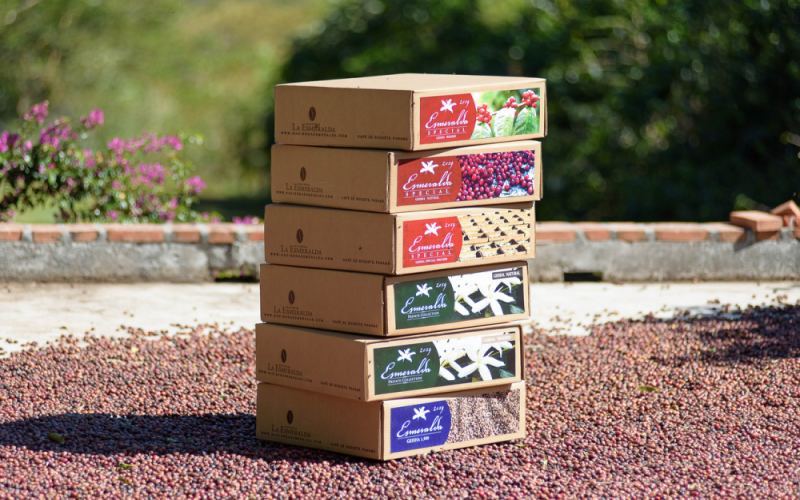
Panama's Hacienda La Esmeralda Geisha coffee has been highly sought after in the specialty coffee world in recent years, but many coffee enthusiasts are confused when faced with its three grades: Red Label, Green Label, and Blue Label. What exactly do these three labels represent? What are the differences among them in altitude, plot, processing method, and flavor? This article starts with the history of Hacienda La Esmeralda and provides a detailed breakdown of the grading standards for Red Label (Esmeralda Special), Green Label (Private Collection), and Blue Label (Geisha 1500), along with their corresponding production plots and cupping performance. Combined with Front Street Coffee's brewing recommendations and flavor descriptions, it helps readers make a suitable choice based on their own needs. [more…]
Panama Geisha Coffee Guide: Comparing Price and Flavor of Hacienda La Esmeralda's Red Label, Green Label, and Volcanic Rock Series
Geisha coffee has already replaced Blue Mountain to become the top-tier variety that coffee enthusiasts worldwide are eagerly chasing. This article will take you deep into the Geisha legend of Panama's Hacienda La Esmeralda—from its stunning 2004 BOP championship victory that made the world take notice, to the positioning and differences of today's three product lines: Red Label, Green Label, and the volcanic rock Las Rocas. The article not only traces Geisha's spread from Ethiopia to Panama, but also provides a detailed comparison of the similarities and differences between Red Label (Esmeralda Special) and Green Label (Private Collection) in terms of altitude, plot traceability, and flavor performance, and introduces the specific information on Front Street Coffee's offerings of Hacienda La Esmeralda Red Label Natural, Green Label Washed/Natural, and volcanic rock Washed Geisha. Finally, Front Street's recommended medium-light roast Geisha pour-over recipe is included, featuring a V60 dripper, 92°C water temperature, a 1:15 coffee-to-water ratio, and a staged pouring technique, helping you fully unleash Geisha's floral and fruity charm. [more…]
The Legend of Panama's Hacienda La Esmeralda Geisha: The Flavor Code from an Accidental Championship to the World's Top Auction Lot
How did a coffee variety that was originally overlooked quietly rewrite the landscape of the world's specialty coffee on a retired banker's estate? The Geisha coffee of Panama's Hacienda La Esmeralda, from its meteoric rise to fame in 2004 to its consecutive championship wins, and then to repeatedly setting record prices at auctions, has behind it both an element of chance and a meticulous command of altitude and variety. This article will guide you through Hacienda La Esmeralda's championship journey, its red-green-blue three-tier grading system, and details of its origin and processing methods, along with Front Street Coffee's brewing parameters and flavor description for the Blue Label Geisha, so we can savor together the unique charm of this legendary coffee. [more…]
Exploring Panama's Hacienda La Esmeralda Diamond Mountain: The Specialty Coffee Flavor and Aroma Shaped by Washed Processing
When people mention Hacienda La Esmeralda in Panama, most first think of Geisha. However, this legendary estate also has a coffee brand called "Diamond Mountain," based on varieties such as Catuai, Typica, and Bourbon, grown on volcanic slopes at elevations of 1,400 to 1,700 meters in the Boquete production region. Although Diamond Mountain is not as expensive as Geisha, it equally embodies the estate's commitment to quality and sustainable operation. This article will start with the history and cultivation background of Hacienda La Esmeralda, sort out the origins of Diamond Mountain and the estate, analyze its variety characteristics and natural processing techniques, and present Front Street Coffee's actual flavor description, introducing you to this approachable yet richly layered specialty coffee. [more…]
A Detailed Guide to Panama Hacienda La Esmeralda Geisha Grades: Flavor Differences and Brewing Guide for Red, Green, and Blue Labels
Geisha coffee beans got their name because their pronunciation is similar to the Japanese word for "geisha," but what truly made them famous is Hacienda La Esmeralda in Panama. From its breakout victory at the 2004 BOP competition to today's three major brand tiers—Red Label, Green Label, and Blue Label—Hacienda La Esmeralda has defined the flavor benchmark for top-tier Geisha through meticulous plot division and cupping standards. This article provides a complete overview of Geisha's varietal origins and spread, explains in detail the differences between Hacienda La Esmeralda's Red Label (auction lots), Green Label (reserve lots), and Blue Label (select lots) in terms of altitude, plot, processing method, and flavor, and includes Front Street Coffee's roasting curves and pour-over parameter recommendations for each Geisha tier, helping coffee enthusiasts build a clear framework for understanding Geisha. [more…]

Panama Hacienda La Esmeralda Geisha Auction Mechanism and Analysis of the Red, Green, and Blue Label Grades
Hacienda La Esmeralda in Panama is the starting point from which Geisha coffee rose to global prominence, and the key driving force that propelled this variety to the pinnacle of specialty coffee. The estate not only established a strict quality grading system with Red Label, Green Label, and Blue Label tiers, but also brought its top lots global attention through an independent auction mechanism. This article provides a complete overview of Hacienda La Esmeralda's history, the plot divisions of its three farms, and the cupping standards and flavor characteristics of each grade of Geisha, along with Front Street Coffee's brewing parameters and flavor descriptions for the Red Label, Green Label, and Blue Label Geishas, helping coffee enthusiasts fully understand the operational logic and product differences of this legendary estate. [more…]
Panama Hacienda La Esmeralda Diamond Mountain Coffee Beans: Sun-Dried Processing Flavor and the Estate's Legendary Story
In the Boquete production region of Panama, Hacienda La Esmeralda has repeatedly created specialty coffee legends with the Geisha variety, while its Diamond Mountain series uses the Catuai variety to craft an approachable yet consistently high-quality everyday specialty coffee. This article begins with Hacienda La Esmeralda's cultivation history and award-winning experience, sorts out the connection between Diamond Mountain and the estate, explains in detail the characteristics of the Catuai variety, the natural processing method, and the Guardiola drying method, and brings Front Street Coffee's brewing suggestions and flavor description for this naturally processed Diamond Mountain, giving you a comprehensive understanding of this star product that combines fruity aromas and sweetness. [more…]
Tracing the Origins of Panama Hacienda La Esmeralda's Diamond Mountain Series: A Full Analysis of Catuai Variety Characteristics and Natural Process Flavors
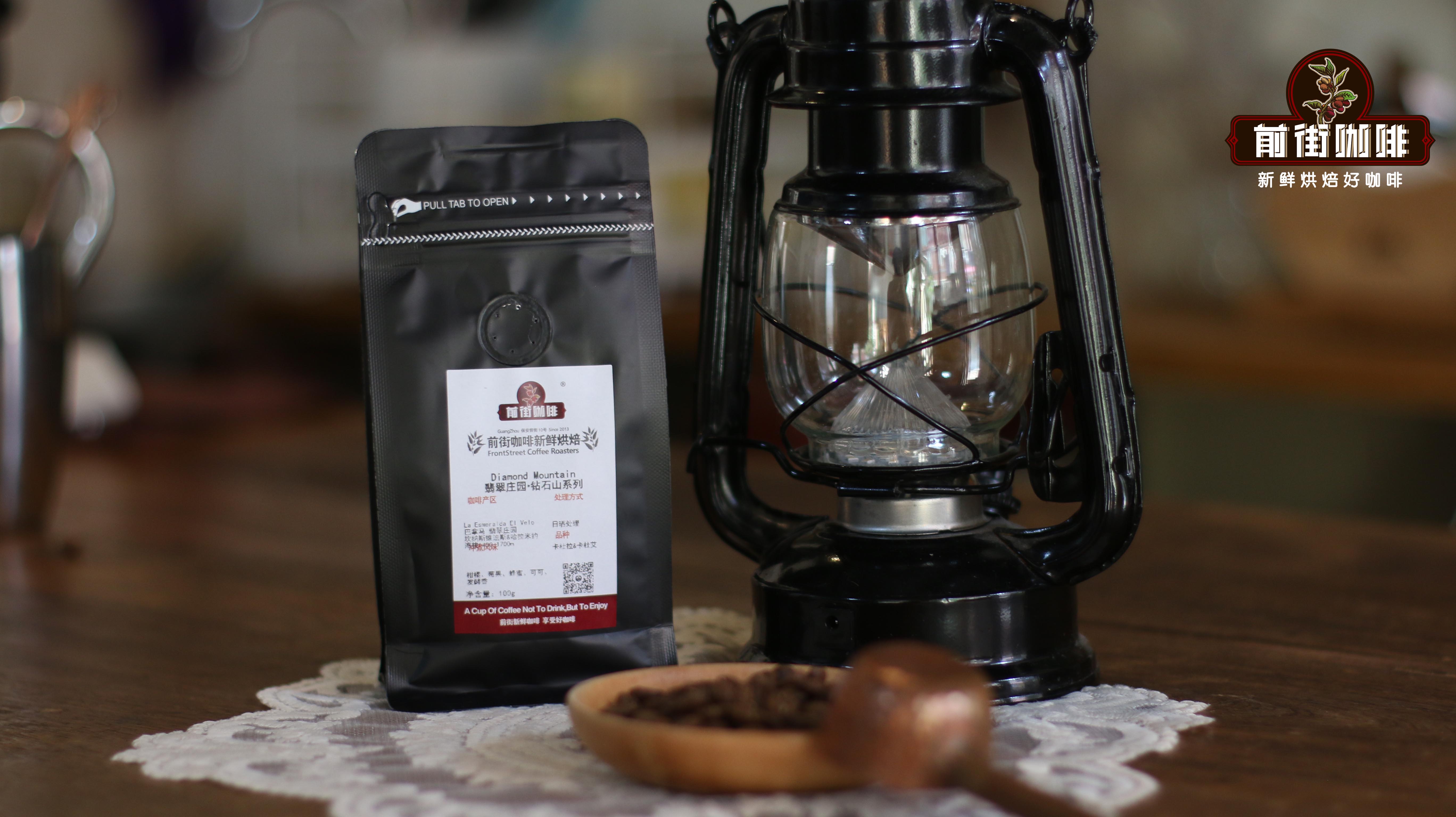
In the specialty coffee world, Panama's Hacienda La Esmeralda has repeatedly created legends with its Geisha variety, but its Diamond Mountain series is equally worth attention. This series comes from the Boquete region around Barú Volcano, predominantly featuring the Catuai variety, which combines high yield and disease resistance with clean, bright flavor characteristics. Hacienda La Esmeralda processes Diamond Mountain using the natural method, employing Guardiola dryers and a resting and stabilizing process, endowing the coffee with rich fruit aromas, honey sweetness, and a cocoa finish. After Front Street Coffee introduced this series, it presents its red berry notes through a medium-light roast. This article traces the rise of Hacienda La Esmeralda, its award records, and provides a detailed analysis of Diamond Mountain's origin conditions, variety advantages, processing methods, and brewing flavor performance. [more…]
Analysis of Panama Geisha Coffee Flavor Characteristics and Key Brewing Points: A Complete Breakdown of Hacienda La Esmeralda's Red, Green, and Blue Label Differences
Geisha coffee beans are world-renowned for their intense floral aroma, citrus and berry notes, and delicate acidity, and Hacienda La Esmeralda in Panama is the key force that propelled them to the pinnacle. From the perspective of Front Street Coffee, this article systematically traces the journey of Geisha from the forests of Ethiopia to Boquete, Panama, explains in detail the microclimatic conditions of Hacienda La Esmeralda's three farms—Jaramillo, Cañas Verdes, and El Velo—and provides a step-by-step explanation of the grading, flavor profiles, and brewing strategies for the Red Label, Green Label, and Blue Label lots. It also includes Front Street Coffee's roasting curve records for the Red Label and Green Label, as well as V60 three-pour brewing parameters for light-roasted Geisha, helping coffee enthusiasts gain a more complete understanding of this bean's character and extraction logic. [more…]
A Detailed Guide to Panamanian Coffee Bean Varieties, Flavors, and Processing Methods: From Hacienda La Esmeralda Geisha Grading to Red and Green Label Brewing Parameters
Panama is a representative producer of specialty coffee in Central America. Thanks to its unique terroir and refined estate management, it has given rise to the world-famous Geisha coffee. This article systematically reviews the altitudes and characteristics of Panama's four major coffee-producing regions, with a focus on the history of Hacienda La Esmeralda, its plot divisions, and the Geisha grading system, and provides a detailed explanation of the definitions, flavor profiles, and processing differences of Red Label and Green Label Geisha. It also includes Front Street Coffee's brewing recommendations and three-stage extraction parameters for Hacienda La Esmeralda Geisha, helping coffee enthusiasts fully understand the complete journey of Panamanian Geisha from origin to cup. [more…]
The Past and Present of Panama Boquete Geisha Coffee: A Complete Analysis from Hacienda La Esmeralda Variety Tracing to Red and Green Label Flavor Profiles
Today, Geisha coffee stands at the pinnacle of specialty coffee, and Hacienda La Esmeralda in Panama played a crucial role in that journey. But did you know that this bean was originally used as a windbreak tree? And how did the volcanic soil and microclimate of the Boquete region shape its signature floral and citrus notes? This article will take you into the highlands of Chiriquí, Panama, tracing Geisha's complete story from its origins as a native Ethiopian variety to its rise as a Best of Panama champion. We'll break down the terroir differences among Hacienda La Esmeralda's three major plots—Jaramillo, Cañas Verdes, and El Velo—and examine the grading logic, brewing parameters, and flavor profiles of the Red Label and Green Label lots one by one. Whether you want to understand the ins and outs of auction lots or are planning to pick up a bag of Front Street Coffee's Hacienda La Esmeralda Geisha, this article offers solid, practical guidance. [more…]
Panama Hacienda La Esmeralda Geisha Coffee Beans: A Comprehensive Analysis of Variety Origins and the Flavor Differences Between Red, Green, and Blue Labels
How did Geisha coffee travel from the wild forests of Ethiopia to the world stage? And how did Panama's Hacienda La Esmeralda divide it into three grades: Red Label, Green Label, and Blue Label? From the perspective of Front Street Coffee, this article provides a complete overview of Geisha's varietal dissemination history and Hacienda La Esmeralda's grading system, analyzing one by one the growing altitude, processing methods, and cupping flavor differences of Red Label, Green Label, and Blue Label Geisha. It also introduces the Diamond Mountain brand under Hacienda La Esmeralda and shares Front Street's light-roast approach and brewing parameters for Geisha coffee, giving you a comprehensive understanding of this legendary variety that has made Panamanian coffee famous worldwide. [more…]
A Complete Guide to Panamanian Specialty Coffee: Geisha Variety, Processing Methods, Estate Grading, and Pour-Over Parameters
Panama is a leading specialty coffee producer in Central America, renowned worldwide for Hacienda La Esmeralda's Geisha. From the perspective of Front Street Coffee, this article systematically reviews Panama's coffee-growing regions, the history and plot divisions of Hacienda La Esmeralda, and the brand grading logic behind Red Label and Green Label Geisha. It also provides a detailed introduction to Geisha coffee's flavor characteristics and processing methods, along with Front Street Coffee's recommended brewing parameters and three-stage extraction technique, helping coffee lovers gain a comprehensive understanding of the appeal of Panamanian specialty coffee. [more…]
How to distinguish Hacienda La Esmeralda Geisha Red Label, Green Label, and Blue Label? The three grades, flavors, and buying advice
Hacienda La Esmeralda in Panama is the driving force behind Geisha coffee's rise to global fame, and the estate classifies its Geisha into three grades—Red Label, Green Label, and Blue Label—based on cupping performance and growing plots. These three differ in elevation, plot of origin, whether they participate in auctions, and flavor profile, and the price gaps are quite pronounced. In this article, Front Street Coffee sorts through the history of Hacienda La Esmeralda, its plot divisions, grading standards, and processing methods, and includes brewing parameters and flavor descriptions for three Geisha coffees, helping coffee lovers understand the grade differences and find the Geisha that suits them. [more…]
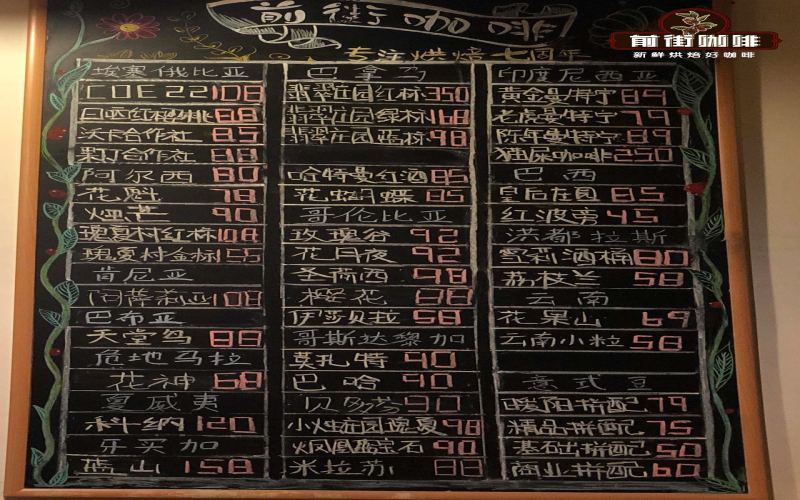
Geisha Coffee Beans from Ethiopia to Panama: A Complete Analysis of Variety Origins and the Flavor Differences Between Natural and Washed Processing
Geisha coffee has now become a top-tier star in the specialty coffee world, but did you know it did not originally come from Panama? From its discovery in Ethiopia's Geisha forests in 1931, through Kenya, Uganda, and Costa Rica, and finally to its spectacular rise at Hacienda La Esmeralda in Panama, Geisha's legendary journey spans more than half a century. Front Street Coffee stores regularly offer Red Label and Green Label Geisha from Panama's Hacienda La Esmeralda, priced from 60 yuan to 75 yuan, and one of the questions customers ask most often is what exactly is the difference between the natural and washed processing methods. This article will comprehensively trace the history of Geisha's varietal migration, explain in detail the microclimatic conditions of Panama's Boquete producing region and Hacienda La Esmeralda's three major plots, and compare the grading standards and flavor characteristics of Red Label, Green Label, and Blue Label. Finally, through actual pour-over brewing, it will present the specific differences in taste between washed Green Label and natural Green Label. [more…]
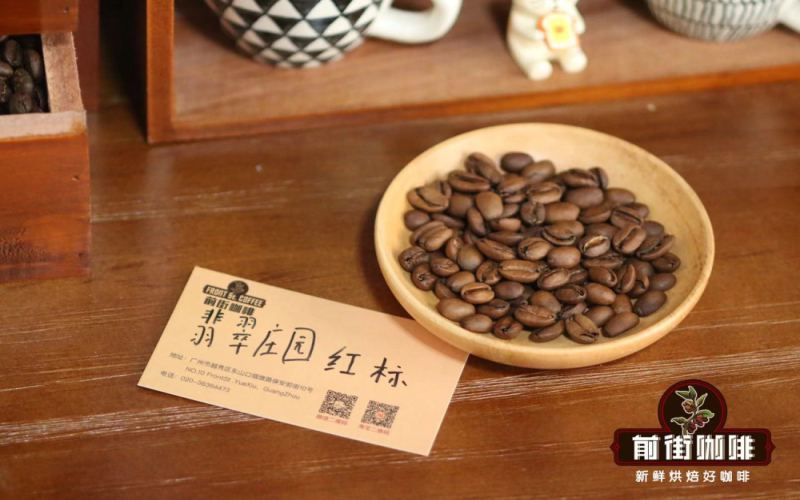
A Detailed Guide to Panama Hacienda La Esmeralda Geisha Grades: Red, Green, and Blue Tag Differences and a Full Analysis of Pour-Over Flavor
Why has Hacienda La Esmeralda's Geisha coffee become a legend in the specialty coffee world? This article, from the perspective of Front Street, takes a deep dive into the natural terroir of Panama's Boquete production region, retraces Geisha's rise from a windbreak hedge to a champion bean, and systematically breaks down the grading logic, altitude standards, and cupping performance of Hacienda La Esmeralda's three tiers—Red Label, Green Label, and Blue Label—along with Front Street Coffee's brewing parameters and flavor descriptions for each grade. Whether you want to understand Geisha's grading system or need a reference for choosing beans for pour-over, this article will help you grasp the full picture of Hacienda La Esmeralda's Geisha in one go. [more…]
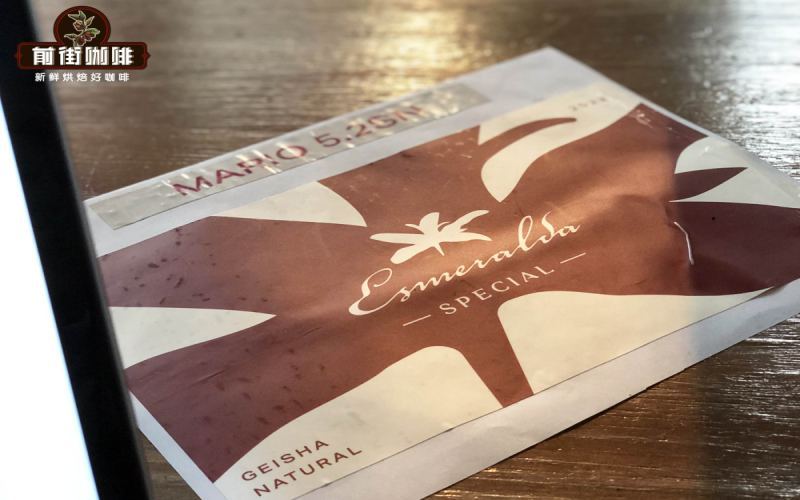
The Complete Guide to the Differences Between Panama Hacienda La Esmeralda Geisha Red Label, Green Label, and Blue Label and Pour-Over Parameters
When Geisha is mentioned, the first name that comes to most people's minds is Hacienda La Esmeralda in Panama. In 2004, Daniel, the third-generation manager of Hacienda La Esmeralda, entered a Geisha bean with a distinctly different flavor profile in the BOP competition, forever changing the landscape of specialty coffee. Hacienda La Esmeralda's Geisha product line is divided into Red Label, Green Label, and the former Blue Label, each differing in plot source, altitude, and quality standards. This article will systematically review the development history of Hacienda La Esmeralda, the detailed plot divisions of its three sub-farms, and the core differences between Red Label and Green Label, while also including the pour-over Geisha parameters recommended by Front Street Coffee, to help coffee enthusiasts gain a comprehensive understanding of this legendary bean variety. [more…]