







Why Does Panamanian Geisha Coffee Carry Premium Grades?
Panama's specialty reputation rests largely on Hacienda La Esmeralda's Geisha, and its grading system explains the labels buyers see. Estates plan planting by plot elevation to form distinct coffee bean grades, which is where Green Label and Red Label Geisha come from. Manual picking and refined processing support that structure, and the result is a coffee traded at the top of the market.
American elites who moved south around the Panama Canal's completion founded many well-known estates, including La Esmeralda and Hartmann. They applied standardization and precision to farm management, from elevation-based plot division to careful harvesting. The article also details Geisha processing methods and a three-pour extraction with recommended parameters for pour-over brewing at home.
Panama is a representative producer of specialty coffee in Central America, renowned worldwide thanks to Hacienda La Esmeralda's Geisha. This article, from the perspective of Front Street Coffee, systematically reviews Panama's coffee-producing regions, the history and plot divisions of Hacienda La Esmeralda, and the brand grading logic of Red Label and Green Label Geisha. It also details the flavor characteristics and processing methods of Geisha coffee, and includes Front Street Coffee's recommended brewing parameters and three-pour extraction method, helping coffee enthusiasts gain a comprehensive understanding of the appeal of Panamanian specialty coffee.
For more specialty coffee knowledge, welcome to follow: Front Street Coffee (Frontsteet Coffee)
Panamanian coffee beans enjoy an extremely high reputation globally, mainly thanks to the country's strong Geisha-growing culture, with the Geisha coffee beans produced by Hacienda La Esmeralda being especially famous. Panamanian Geisha coffee beans follow a strict grading system, which is where the commonly heard terms Green Label Geisha, Red Label Geisha, and so on originate. Today, Front Street Coffee (FrontStreet Coffee) takes you to gain an in-depth understanding of Panama coffee, the cream of this high-quality specialty coffee.
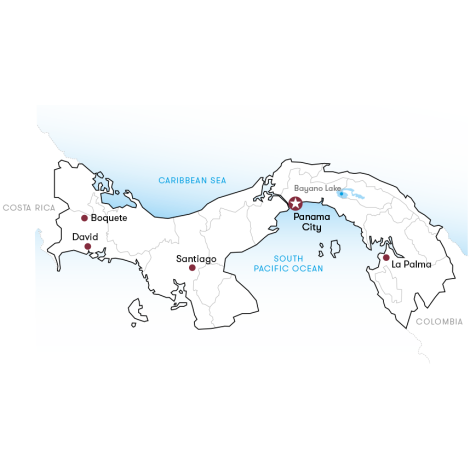
Front Street Panama Coffee Panama is located in Central America, connecting North America and South America, and bordering Costa Rica and Colombia. Panama's coffee industry development can be said to have been haloed from the very beginning.
Everyone knows that the Panama Canal was built by the United States, and for quite a long time after completion it was independently managed by the United States. It was precisely because of the construction of the Panama Canal that a large number of American elites moved south at the end of the 20th century, driven both by work needs and business opportunities. Many well-known coffee estates in Panama were founded by this group of elites. For example, the owner of Hacienda La Esmeralda was originally a banker, and the owner of Hartmann Estate came from an engineering background. When managing coffee estates, these elites adhered to the concepts of standardization and refinement. Whether it was planning coffee tree planting according to plot elevation to form coffee bean grades, or manual picking and refined processing, these were all important reasons why Panamanian coffee reached the world stage.
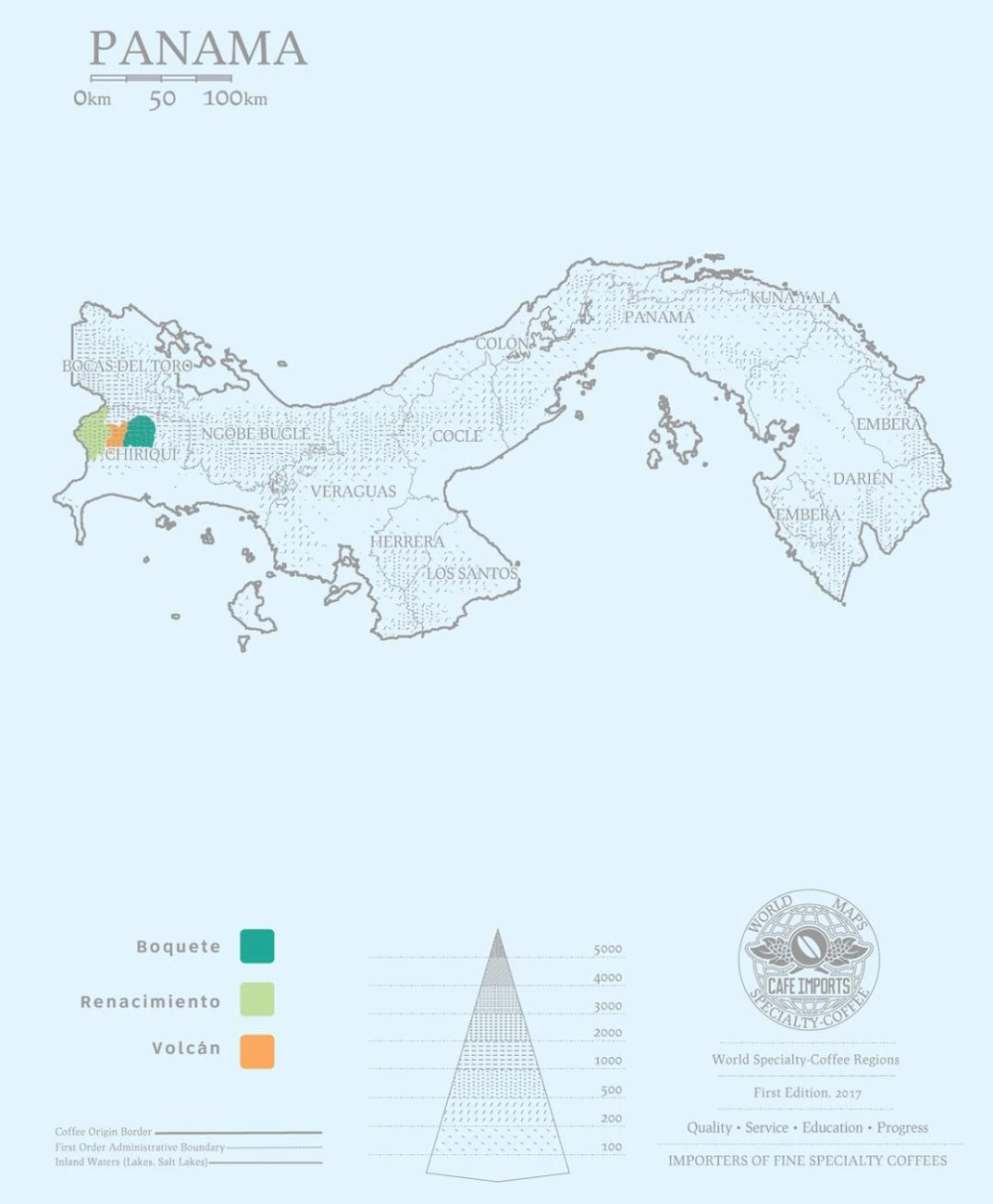
Front Street Panama Coffee Producing Regions Panama has four main coffee-producing regions: Boquete, Volcan, Santa Clara, and Candela. The Boquete region has an average elevation of about 1,450 meters and is the area with the highest coffee production and the best quality in Panama. The Volcan region has an average elevation of about 2,000 meters, and the coffee style of this region tends toward mildness and balance. The Santa Clara region has an average elevation of about 1,500 meters and is adjacent to the Panama Canal, making coffee transportation very convenient. The Candela region has an average elevation of about 1,200 meters and is a region that has gradually attracted attention in recent years, with the industry generally believing that it has the potential to develop high-quality specialty coffee.
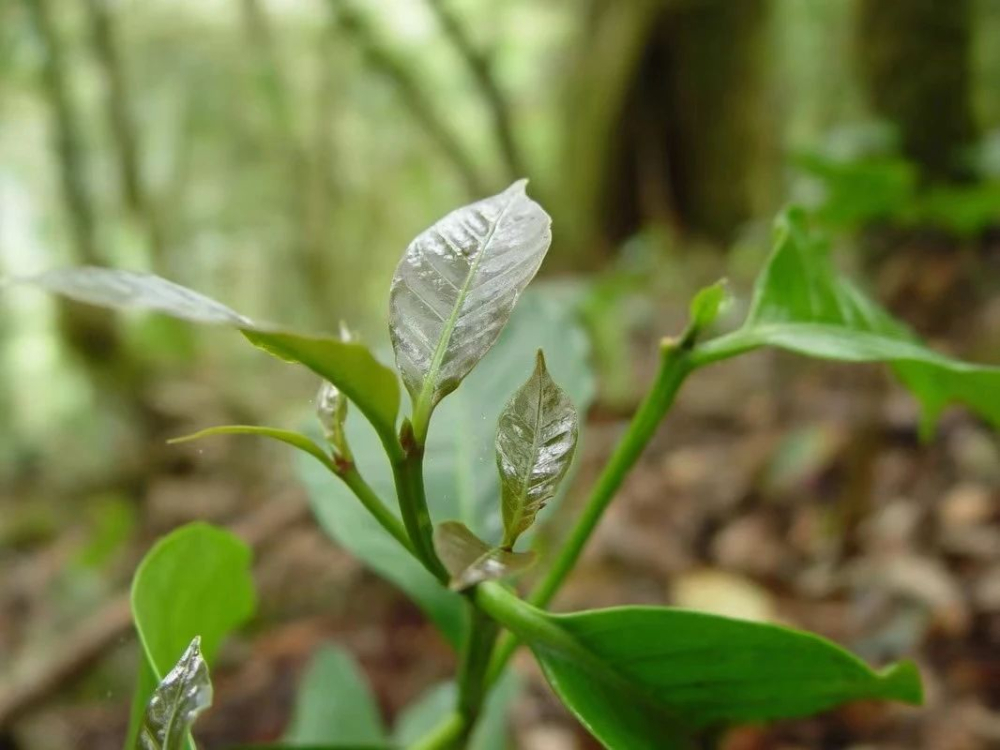
Front Street Panama Hacienda La Esmeralda Geisha Coffee Beans Hacienda La Esmeralda is located in the Boquete region. It was purchased in 1964 by retired American banker Rudolph Peterson and initially focused mainly on dairy farming. Later, his son Price, who was a doctor, resigned from his job to help his father manage the farm, and in 1987 introduced two coffee varieties, Caturra and Catuai. In 1994, a wet mill was built, and in 1996, Jaramillo Estate was acquired and incorporated into Hacienda La Esmeralda.
The Geisha coffee beans came precisely from Jaramillo Estate. At first, people did not know it was the Geisha variety; they simply noticed that the coffee beans from a certain plot on the estate had an outstanding flavor unlike the typical Panamanian coffee style. Subsequently, after repeated cupping verification, the Peterson family decided to plant the coffee variety from this plot separately. After participating in the Panama green bean competition BOP in 2004 and winning first place, it began to receive widespread attention. Later, expert identification confirmed that the coffee beans belonged to the Ethiopian Geisha variety. After that, the Peterson family devoted substantial effort to infrastructure construction to support excellent lot separation and refined processing.
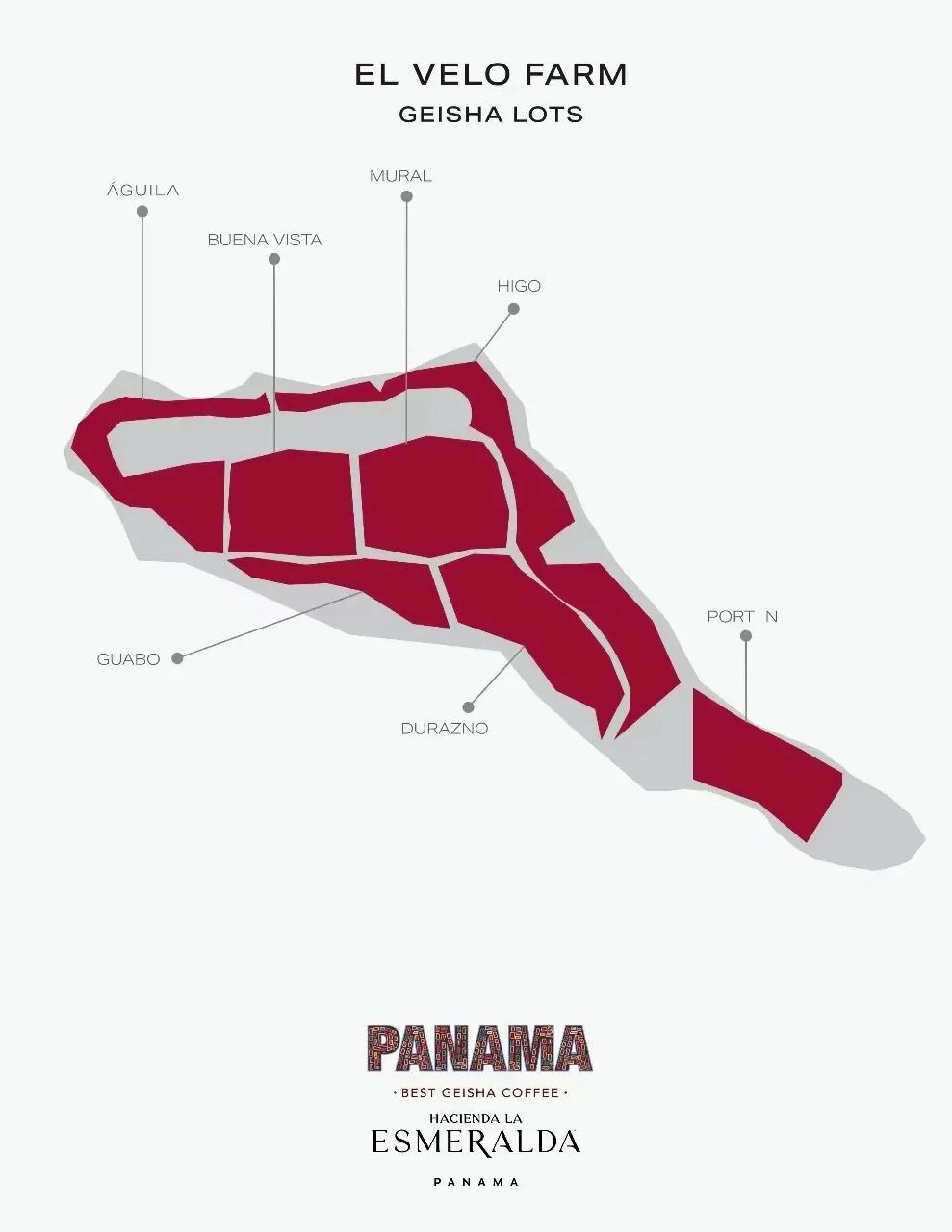
Front Street Hacienda La Esmeralda Coffee Plot Divisions The reason Hacienda La Esmeralda's Geisha coffee is so outstanding is inseparable from its grading system. Hacienda La Esmeralda divides plots according to elevation, mainly into three: Jaramillo, Canas Verdes , and El Velo. Each plot is further subdivided into smaller plots, and the specific elevation of each plot is indicated, ensuring traceability of the source of the Geisha coffee beans.
High-quality Geisha mainly comes from the two plots Jaramillo and Canas Verdes . Jaramillo has annual rainfall of 4,000 ml, average daytime temperature of 19-25°C, average nighttime temperature of 11-15°C, and average elevation of 1,600-1,700 m. Canas Verdes has annual rainfall of 3,500 ml, average daytime temperature of 16-23°C, average nighttime temperature of 10-15°C, and average elevation of 1,600-1,800 m.
El Velo is the most recently purchased plot of Hacienda La Esmeralda, with an average elevation of 1,700-1,900 meters. In addition to growing Geisha and Catuai, this plot also grows a small amount of other exotic varieties, such as Pointed Bourbon, Pacamara, Mocha, and SL28.
Front Street Hacienda La Esmeralda Coffee Bean Grades Hacienda La Esmeralda is divided into five major brands based on cupping performance as well as the varieties and plots planted. Under the Geisha variety there are three brands: Esmeralda Special, Private Collection, and Geisha1500, ranked from high to low as Esmeralda Special, Private Collection, and Geisha1500. The Catuai variety has two brands: Diamond Mountain grows and Palmyra.
[Front Street Panama Hacienda La Esmeralda Red Label Geisha Coffee] The Geisha produced under Esmeralda Special is what everyone commonly calls Red Label. It uses Geisha beans grown at an elevation of 1,600-1,800 meters, with a cupping score above 90, and from the two producing areas Jaramillo and Canas Verdes .
Only the Geisha lots put up for auction from the divided plots in Hacienda La Esmeralda's independently organized auction can truly be called auction Red Label. However, there are also non-auction Red Labels on the market. In fact, these are Geisha selected from the same plots that did not participate in the auction and then circulated on the market. The variety and quality are the same; only the selling price differs.
Geisha of this grade uses natural or washed processing, with flavor expressed as unique bright floral aromas and citrus notes.
Front Street Panama Hacienda La Esmeralda Red Label Geisha Region: Boquete, Panama Estate: Hacienda La Esmeralda Canas Verdes
Elevation: 1,600-1,800 meters Variety: Geisha Processing method: Natural
[Front Street Panama Hacienda La Esmeralda Green Label Geisha Coffee] Private Collection is Green Label Geisha. It belongs to non-independent competition lots and is a Geisha variety that, after planting, does not participate in auctions but still has excellent quality. It uses micro-lot blended beans grown at an elevation of 1,600-1,800 meters and from different plots such as Jaramillo and Canas Verdes .
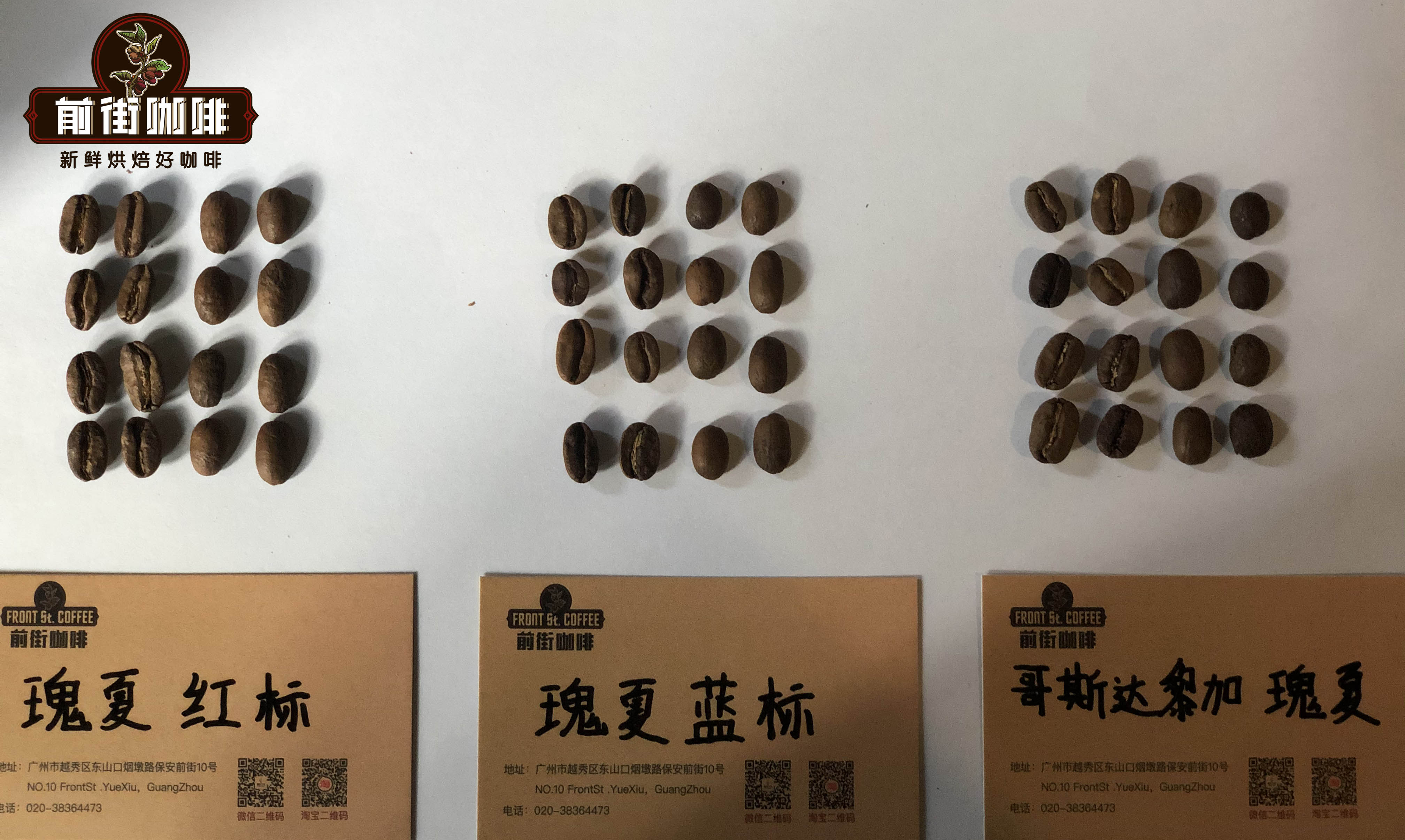
Because it uses a blended-bean model, the plots are not labeled in detail. Therefore, sometimes Green Label Geisha can be very similar in flavor to Red Label, but the next release may differ again.
Although Front Street Esmeralda Green Label Geisha is not as highly graded as Red Label, it still carries the classic Geisha flavors: floral aromas, fruity notes, citrus acidity, and a rich, juicy mouthfeel. Green Label Geisha is likewise processed either washed or natural.
Front Street Panama Hacienda La Esmeralda Green Label Geisha Region: Boquete, Panama Estate: Hacienda La Esmeralda Elevation: 1,600-1,800 meters Variety: Geisha Processing method: Washed or natural
Front Street Coffee (FrontStreet Coffee) Brewing Recommendations The brewing parameters recommended by Front Street Coffee (FrontStreet Coffee) are uniformly: 90°C water temperature, water-to-coffee ratio 1:15, coffee dose 15 g, grind size fine granulated sugar (80% passing through a Chinese standard No. 20 sieve)
Front Street takes into consideration that these Front Street Panama Hacienda La Esmeralda Geisha coffee beans are all light roasts. The dissolution rate of coffee substances in light-roasted beans is lower than in dark roasts. Therefore, to ensure full extraction of the Geisha flavors, a higher water temperature was used for brewing, and a finer grind size was also chosen. Some fans have noticed that the coffee-to-water ratio Front Street has always recommended is 1:15, while for Hacienda La Esmeralda Geisha it is 1:16. This is because slightly widening the coffee-to-water ratio helps to better experience the layering and flavors of Geisha.
Front Street Coffee (FrontStreet Coffee) uses staged extraction, also called three-pour brewing. Use 30 grams of water for a 30-second bloom, then pour in a small stream in circles until 125 grams for the stage break. When the water level drops and is about to expose the coffee bed, continue pouring until 225 grams and stop pouring. When the water level drops and is about to expose the coffee bed, remove the dripper. (Timing starts at the beginning of the bloom.) The extraction time is 2'00"–2'05".
[Front Street Panama Hacienda La Esmeralda Red Label Geisha] It has bright rose and citrus aromas, brown rice, berries, apricot, composite fruits, honey, a rich juicy mouthfeel, rich flavor layers, and obvious sweetness.
[Front Street Panama Hacienda La Esmeralda Green Label Geisha] Rich jasmine floral aroma, high sweetness, citrus, berries, juiciness, cream, green tea, orange peel, cantaloupe, with overall rich flavor layers and a lasting finish of florals and citrus.
The above content is compiled by CoffeeHunters, a coffee news website.


