







Search Results for: Guji Producing Region
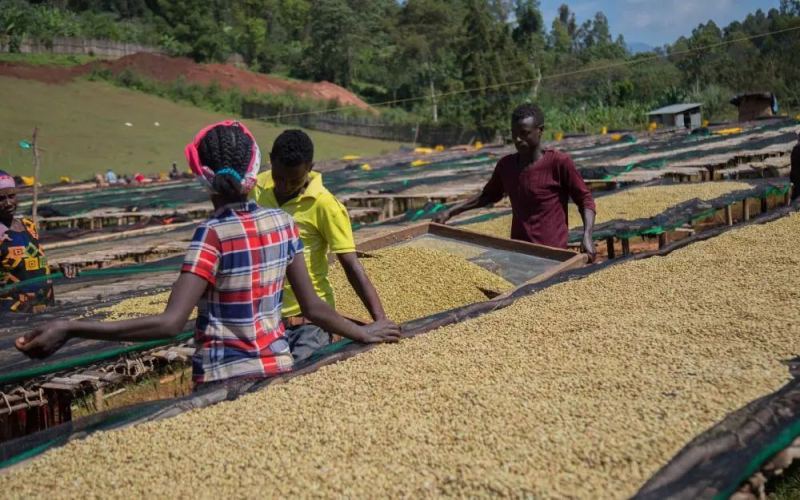
Ethiopia Guji Region Coffee Flavor Analysis: Hambela, Shakiso, Uraga Sub-regions and Huakui Bean Characteristics
Guji is the second specialty coffee region in Ethiopia to become independent from Sidamo after Yirgacheffe, and it quickly rose to fame in just over a decade thanks to its highly recognizable regional flavors. Guji has complex terrain and deep volcanic soil, and its high altitudes and significant day-night temperature differences together create a rich array of aromatic compounds. Its sub-regions such as Hambela, Shakiso, and Uraga each have their own characteristics: Hambela is the birthplace of "Huakui," Shakiso is known for its lemon-honey profile, and Uraga stands out for its tea-like body and floral-fruity aroma. Front Street Coffee's Huakui comes precisely from naturally processed beans in the core Hambela production area. This article will provide a complete analysis of the flavor code of Guji coffee, from regional divisions and terroir conditions to processing methods and brewing parameters. [more…]
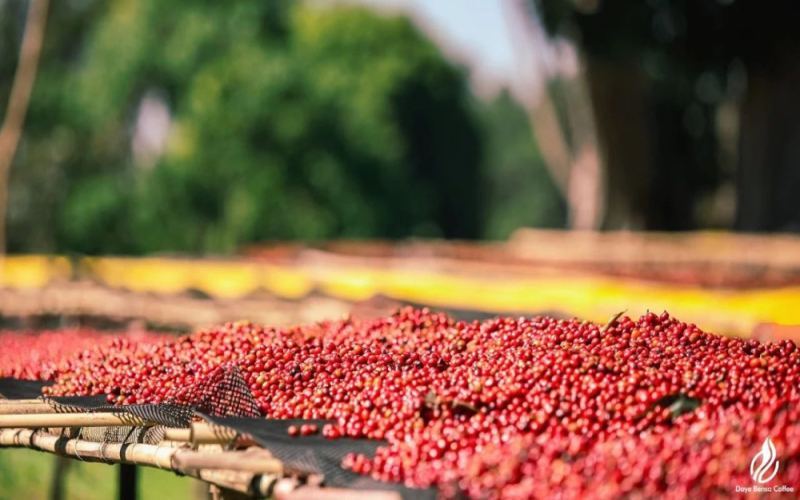
Ethiopia Guji G1 Natural Coffee Bean Flavor Analysis and Pour-Over Parameter Recommendations
Guji, as a rising star on Ethiopia's coffee map, has rapidly ascended to the ranks of core specialty coffee regions in recent years thanks to its outstanding flavor performance. From its early days under the Sidama region to being classified as a separate new category by the ECX in 2015, Guji's rise has followed a trajectory similar to that of Yirgacheffe. Hambela, as Guji's most representative sub-region, produces Huakui coffee beans that have become a favorite among domestic coffee enthusiasts thanks to their excellent sun-dried G1 quality. In this article, Front Street Coffee will systematically sort out the complete picture of this bean, from the region's historical evolution, terroir conditions, and the background of Hambela farms to the evolution of Huakui lots and specific brewing parameters, guiding you to a deeper understanding of Guji coffee's quality characteristics and brewing key points. [more…]
Flavor Analysis of Ethiopian Guji Zone Kochere Sun-Dried Coffee and the Background of Operation Cherry Red
Guji Zone is a coffee-producing region in Ethiopia that has attracted much attention in recent years, located southeast of Yirgacheffe and under the administration of Oromia Regional State. This lot of Kersha Village Natural G1 is produced by a local smallholder cooperative, using African raised-bed natural drying, at an altitude of 1,900 to 2,000 meters, with the variety being Ethiopian heirloom landraces. In terms of flavor, it presents delicate blueberry aroma, ripe orange and grape notes, with sweet, rich body and a long finish. This article explains in detail the administrative divisions of this producing region, the operating model of the Kersha cooperative, and how the Dutch Red Cherry Project improves coffee quality through technical guidance and premium-price purchasing, providing coffee enthusiasts with complete background and tasting reference. Front Street Specialty Coffee also recommends Yirgacheffe Natural Red Cherry, Costa Rica Sumava Black Honey, and Angel Estate, among other beans. [more…]
Ethiopia Guji Region Specialty Coffee Beans: Variety Characteristics, Flavor Profile, and Pour-Over Recommendations
Guji has been a产区 in Ethiopia that has attracted much attention in the specialty coffee circle in recent years, and its Shakiso micro-region is especially known for producing high-quality coffee beans thanks to its superior terroir conditions. Starting from the reform of the ECX trading system, this article sorts out the administrative division and naming logic of Ethiopia's coffee-producing regions, focusing on the origin environment, processing methods, and flavor characteristics of Guji-Shakiso, and comparing the market changes of neighboring regions such as Yirgacheffe. The article also recommends the Guji-Hambela Huakui 2.0 coffee beans roasted by Front Street Coffee, balancing quality and value for money, suitable for pour-over enthusiasts to refer to when purchasing. [more…]
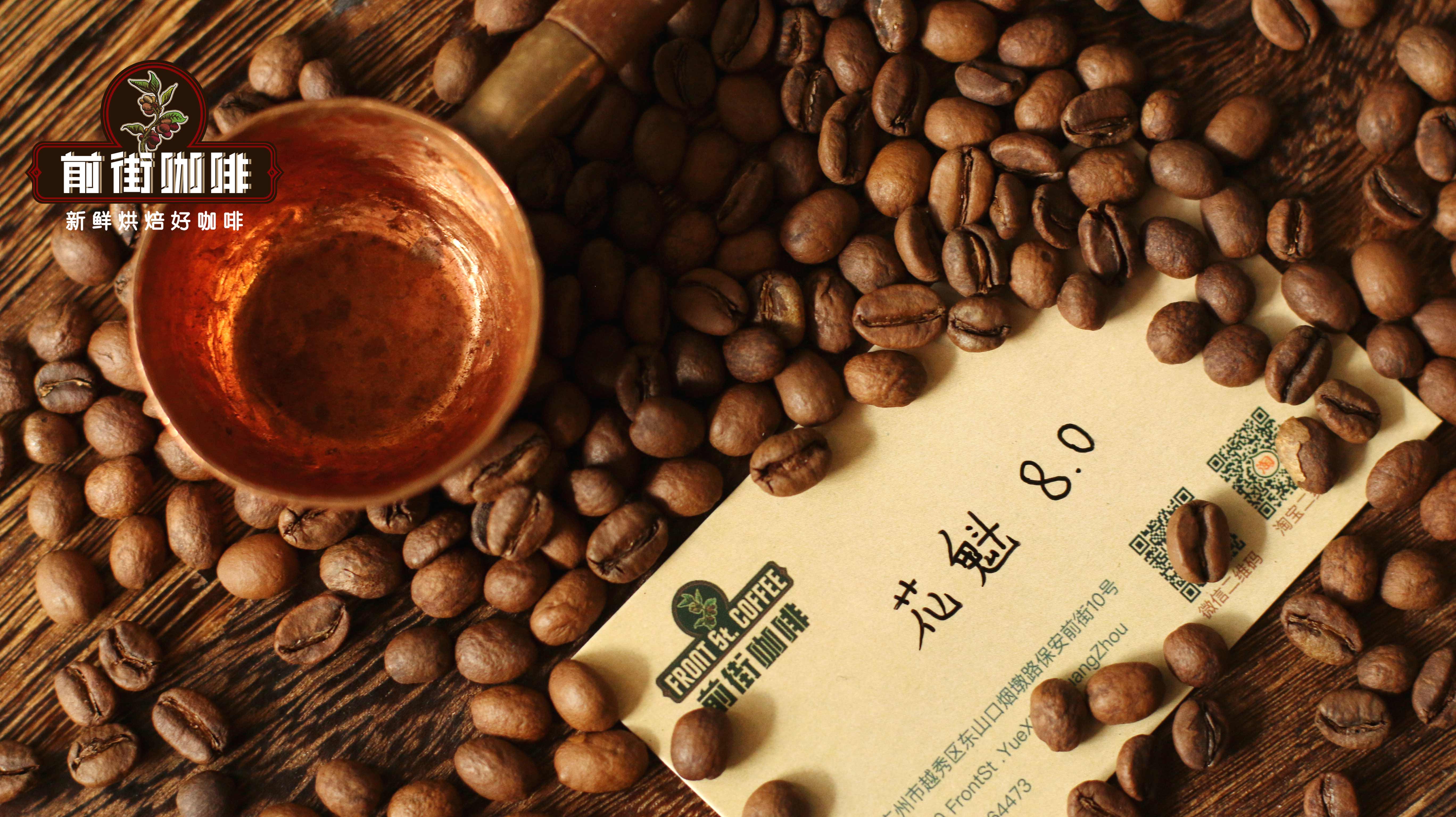
Where Do Sidamo Huakui Coffee Beans Come From? The Rise of the Guji Region and an Analysis of Flavor Differences from Yirgacheffe
As the birthplace of coffee, Ethiopia has a regional division far more complex than one might imagine. Huakui coffee beans have captured the hearts of many enthusiasts with their rich tropical fruit sweetness and delicate floral aroma, but their origin label has shifted from Sidama to Guji, and the two are even used interchangeably—behind this lies the story of Ethiopia's coffee region transformation. From the perspective of Front Street, this article sorts out the connections between Sidama, Guji, and Yirgacheffe, reviews the evolution of Huakui from its 2017 TOH championship to version 8.0, and provides a detailed explanation of the natural process at the Buku Abel processing station, a flavor comparison of each generation of Huakui, and Front Street's roasting and brewing recommendations. [more…]

Deep Dive into Ethiopia's Guji Region: The Flavor Code of Hambela, Shakiso, and Uraga
Guji is a highly regarded specialty coffee region in southern Ethiopia. Since being independently classified within the ECX trading system in 2010, it has quickly risen to fame thanks to its highly distinctive flavors. This article takes you deep into Guji's geographical environment, volcanic soil, and high-altitude climate, and analyzes the characteristics of its three sub-regions—Hambela, Shakiso, and Uraga—one by one. From the birthplace of "Huakui" to the stories of gold mining history and its rise through the TOH competition, and then to an analysis of the Trabocca flavor map, it presents the complex aromas and regional charm of Guji coffee in full. Front Street Coffee will also recommend noteworthy Guji beans for you. [more…]
Ethiopia: Sidamo and Guji: A Flavor Divide Between Two Major Producing Regions
Sidamo and Guji are the two specialty coffee regions in southern Ethiopia most often mentioned side by side. This article helps you clarify the flavor divide between them from four dimensions: history, geography, variety, and processing method. [more…]

Is Flower Queen coffee bean an independent variety? The origin and evolution of sun-dried Flower Queen from the Guji Hambela region
In recent years, Huakui coffee beans have remained a hot topic in China's specialty coffee scene, and have now reached their 8th lot. Many people mistakenly believe that Huakui is a coffee variety, but it is actually a naturally processed coffee bean from the Hambela sub-region of the Guji region in Ethiopia. From winning the 2017 TOH green bean competition, to being introduced and named by a Chinese green bean trader, to DW company expanding production to meet demand, the story of Huakui is closely tied to the rise of the Guji region. This article will sort out Huakui's regional background, the origin of its name, and the reasons for its annual lot updates, and introduce how Front Street Coffee presents its tropical fruit profile through light roasting. [more…]
Ethiopia Guji Region Coffee Flavor Analysis: From Yirgacheffe Gedeb Village to Shakiso—Grading and Regional Evolution
As the birthplace of coffee, Ethiopia's regional divisions and flavor profiles have always been a focal point for coffee enthusiasts. This article will provide an in-depth analysis of the rise of the Guji Zone, starting from the four-tier administrative system of Region, Zone, Woreda, and Kebele, to explain the positioning of Guji-Shakisso within Oromia Region→Guji Zone→Shakisso woreda. At the same time, using the Yirgacheffe Geddida Village washed G1 lot as an example, it will fully present the production background, varieties, processing methods, and flavor layers of smallholder farmer Alimbukato, and trace the historical context of Geddida Village's independence from the Worka Cooperative in 2012. The article also covers the scale, organic certification, and high-altitude terroir conditions of the Worka Cooperative, helping readers comprehensively understand why Ethiopia's Guji Zone has become a hotspot that cannot be ignored in specialty coffee in recent years. [more…]
A Detailed Guide to Specialty Coffee from Ethiopia's Guji Region: Flavor Characteristics of the Hambela, Shakiso, and Uraga Sub-Regions
Guji is one of the most recognizable producing regions in Ethiopia's specialty coffee landscape. It was separated from Sidama in 2010 and administratively belongs to the Oromia Region. Here, high mountains and deep valleys, fertile volcanic soil, and sharp temperature differences between day and night give rise to coffees with both floral and fruity notes. Guji encompasses several well-known sub-regions, including Hambela, Shakiso, and Uraga, among which Hambela is the birthplace of the "Huakui" coffee beans. This article systematically reviews Guji's geography and terroir, the flavor characteristics of its various sub-regions, and the origin background, processing methods, and brewing suggestions for Front Street Coffee Sidama Natural Huakui, helping coffee enthusiasts gain a comprehensive understanding of this region's unique charm. [more…]
An Analysis of the Flavor Differences Between Ethiopian Guji and Sidamo Coffee: A Taste Comparison of Huakui and Zhumang
Ethiopia, as the birthplace of coffee, boasts many well-known producing regions, among which Guji and Sidama have attracted increasing attention from domestic coffee enthusiasts in recent years. Since Guji was independently recognized as a producing region by the ECX in 2010, it has risen rapidly thanks to its superior geographical location and cup performance, while Sidama is renowned for its clear fruity acidity and smooth mouthfeel. This article will conduct an in-depth comparison of the flavor characteristics of these two regions, and provide a detailed analysis of representative bean varieties—Huakui and Zhumang—covering their green bean appearance, processing methods, and cupping performance, to help readers more clearly understand the regional flavors of Ethiopian coffee. [more…]
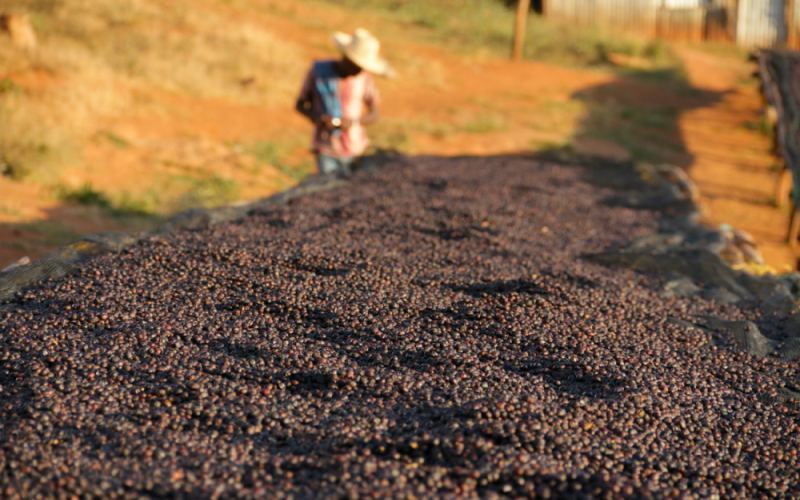
Deep Dive into Ethiopia's Guji Region: A Full Analysis of Coffee Pour-Over Flavors and the Region
As the birthplace of coffee, Ethiopia has always been a dream destination for specialty coffee lovers. This article begins with the country's geography and coffee-growing conditions, systematically outlining the terroir characteristics of major producing regions such as Sidamo, Yirgacheffe, Guji, and Bebeka, with a particular focus on the distinctive flavors that the Guji region nurtures thanks to its unique microclimate and volcanic soil. It also shares Front Street Coffee's pour-over parameters and flavor profile for a washed Yirgacheffe, offering beginners a clear path to tasting. [more…]
What is Huakui 6.0 Coffee? A Comprehensive Analysis of Its Origin, Variety, Processing Method, Flavor, and Mouthfeel
Huakui coffee has remained a hot topic in the specialty coffee circle in recent years, yet many people still have only a partial understanding of it. In fact, Huakui specifically refers to the sun-dried coffee beans produced by the Buku Abel processing station in Hambela, Guji region, Ethiopia—not all sun-dried beans from Sidamo or Guji can bear this name. This article will introduce the origin of the name Huakui, the traceability of its producing region, varietal characteristics, processing methods, and brewing suggestions one by one. It will also discuss the logic behind the version divisions from Huakui 2.0 to 6.0, as well as Front Street Coffee's roasting and brewing insights on this bean. Whether you are just getting to know Huakui or want to delve deeper into its terroir code, this article can give you clear answers. [more…]
Ethiopia Guji Region and Hambela Huakui: From Origin Story to the Flavor Code of Natural Processing
Ethiopia is not only the birthplace of coffee, but also a country that has woven coffee into the fabric of daily life and culture. Among its many producing regions, Sidamo, Guji and Hambela, with their unique terroir and meticulous processing methods, have nurtured flavors that captivate coffee lovers around the world. From the perspective of Front Street Coffee, this article systematically reviews the independent journey of the Guji region, the altitude advantages of the Hambela micro-region, and how the Buku processing station shapes the strawberry-and-cream aroma that defines the signature Huakui coffee through a rigorous natural sun-drying process. At the same time, the article also provides an in-depth analysis of the characteristics of the Dega variety and the differences in the appearance of green beans, and includes the complete brewing parameters and three-stage pouring technique for Front Street Huakui 4.0, helping readers fully understand the flavor logic of this coffee from origin to cup. [more…]
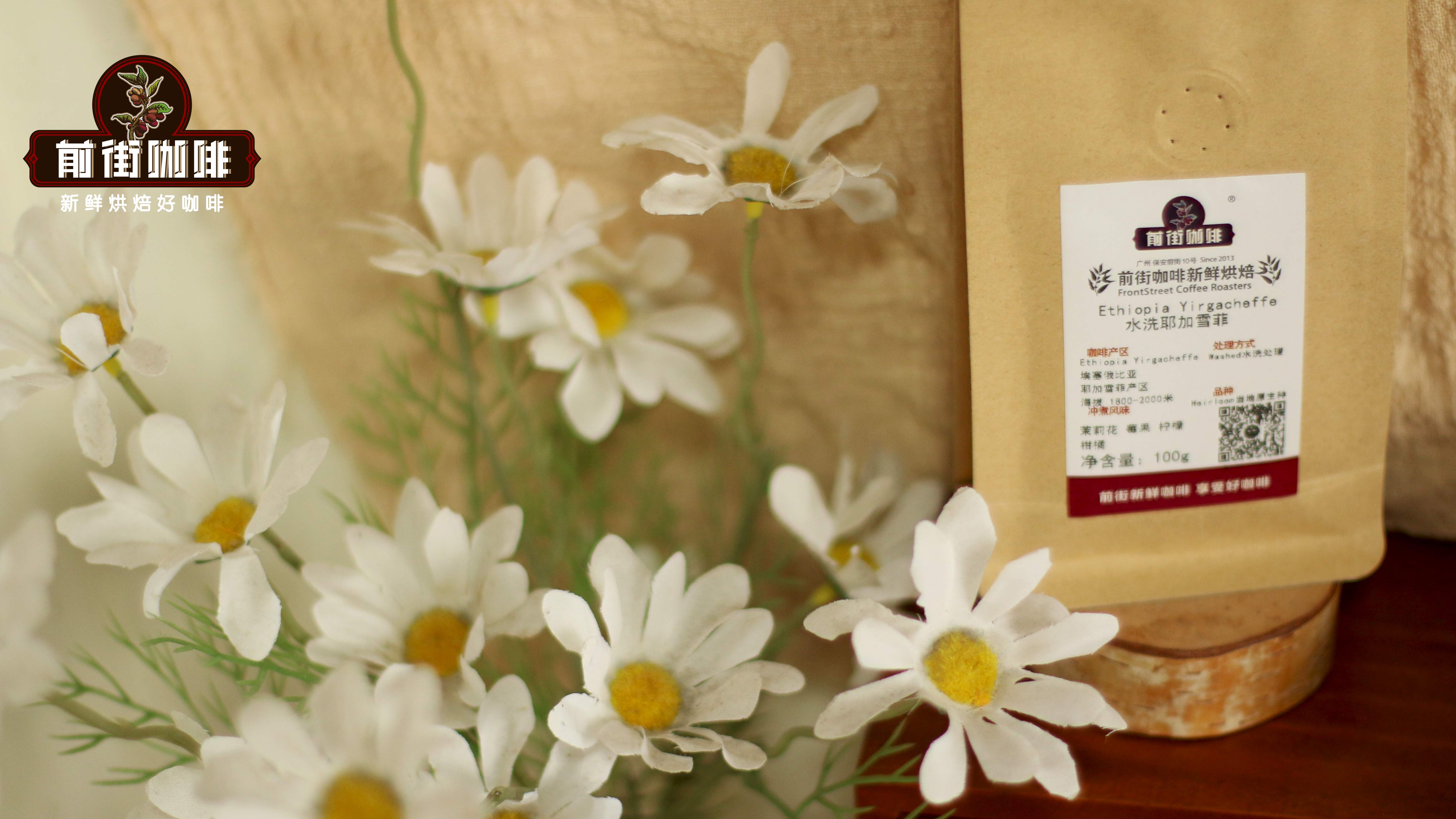
A Full Analysis of Coffee Bean Flavor Differences Between Ethiopia's Sidama, Guji, and West Arsi Regions
In Ethiopia's coffee landscape, the three producing regions of Sidamo, Guji, and West Arsi each have their own distinctive character. Sidamo is known for its diverse flavors, Guji rose to fame thanks to the Hambela bean, and West Arsi has a long history of coffee drinking. Front Street Coffee will take you deep into the terroir, processing methods, and flavor profiles of these three regions, and through a comparison of Hambela 4.0 and Arsi coffee beans in terms of green beans, roasting, cupping, and brewing, present their similarities and differences. Whether you prefer bright acidity or a rich, juicy body, this article can help you find the cup of Ethiopian coffee you love. [more…]
Analysis of the Huakui 6.0 Coffee Bean Variety: An Introduction to the Flavor, Taste, and Brewing of Huakui SOE from the Guji Sidamo Region
In recent years, Huakui coffee beans have risen to fame in the specialty coffee world, and are even regarded as an Ethiopian representative capable of rivaling Geisha. In 2017, Li Jianfei won runner-up in the China region of the World Brewers Cup with a Sidamo natural Huakui, quickly making this bean popular. What variety does Huakui actually belong to? Does it come from Sidamo or Guji? Why are there versions such as 2.0, 3.0, and even 6.0? This article will sort through the origin of the name Huakui, the producing region background, processing methods, version evolution, variety characteristics, and the cupping performance of each version, with a focus on introducing the flavor characteristics and brewing suggestions of Front Street Coffee Huakui 6.0, to help coffee enthusiasts gain a comprehensive understanding of this legendary natural bean. [more…]
Ethiopian Guji Coffee Bean Flavor Analysis: Small-Bean Guji SOE vs. Yirgacheffe Differences and Pour-Over Techniques
In recent years, Huakui coffee beans have continued to rise in popularity within the specialty coffee scene. This natural-process bean from Hambela in the Guji producing region of Sidamo, Ethiopia, has won over many coffee lovers with its intense strawberry-cream aroma and full, juicy mouthfeel. This article provides a complete overview of the origin of the name Huakui, the terroir conditions of the Hambela producing region, the historical background of its 2017 TOH championship win, as well as Front Street Coffee's roasting parameters and pour-over recommendations. It will also compare the flavor differences between the small-bean Huakui SOE and Yirgacheffe, helping readers gain a more comprehensive understanding of this bean's unique charm. [more…]
Complete Analysis of the Huakui Coffee Bean Producing Region and Estates: Sun-Dried and Washed Flavors from Guji Hambela to Buku Abel
Huakui is one of the most recognizable representatives of Ethiopian specialty coffee. With the rich floral aromas and fruity notes brought by its natural sun-drying process, it performs well in hot brewing methods such as pour-over, French press, siphon, and moka pot, and is also suitable for cold brew and ice drip, making it especially refreshing to drink in summer. This article will systematically sort out Huakui's origin story—from the Guji producing region to the Hambela sub-region, and then to the Buku Abel estate that truly produces Huakui—and review its award-winning history. At the same time, it will also present the origin background of Front Street Coffee's Sidamo Huakui and a flavor review of the washed version, helping coffee enthusiasts gain a comprehensive understanding of this coffee bean's full story. [more…]
Detailed Comparison of the Flavor of Ethiopian Guji and West Arsi Sun-Dried Coffee Beans and Brewing Methods
Ethiopia's coffee-producing regions each have their own distinctive strengths, and among them Guji and West Arsi, both under the Sidama Zone, have drawn considerable attention in recent years. Guji has repeatedly earned praise for its Huakui series beans, while West Arsi is known for its smallholder farmers' meticulous cultivation. From the perspective of Front Street Coffee, this article sorts out the terroir backgrounds and sun-dried processing methods of these two major producing regions, and through a comparison of Huakui 4.0 and Arsi in terms of green beans, roasting, cupping, and brewing, presents the specific differences between the two in aroma and mouthfeel, along with Front Street's recommended brewing parameters for coffee lovers' reference. [more…]
Ethiopian Yirgacheffe and Sidamo Regions Explained: A Complete Guide to Brewing and Flavor of Front Street Coffee's Huakui Beans
Ethiopia, as the birthplace of coffee, often confuses beginners with its regional divisions. There are only three officially registered producing regions—Yirgacheffe, Sidamo, and Harar—but the micro-regions actually in circulation are far more numerous. Front Street Coffee will guide you through the relationships among these regions, with a focus on popular sub-regions such as Guji Hambela, Shakiso, and Uraga. The article will also provide a detailed breakdown of the origin information, processing method, and flavor characteristics of Front Street's Huakui G1 coffee beans, along with practical brewing suggestions to help you better savor this natural-process bean with its strawberry and cream aromas. [more…]