







Search Results for: Zhumang
An Analysis of the Flavor Differences Between Ethiopian Guji and Sidamo Coffee: A Taste Comparison of Huakui and Zhumang
Ethiopia, as the birthplace of coffee, boasts many well-known producing regions, among which Guji and Sidama have attracted increasing attention from domestic coffee enthusiasts in recent years. Since Guji was independently recognized as a producing region by the ECX in 2010, it has risen rapidly thanks to its superior geographical location and cup performance, while Sidama is renowned for its clear fruity acidity and smooth mouthfeel. This article will conduct an in-depth comparison of the flavor characteristics of these two regions, and provide a detailed analysis of representative bean varieties—Huakui and Zhumang—covering their green bean appearance, processing methods, and cupping performance, to help readers more clearly understand the regional flavors of Ethiopian coffee. [more…]
How Does Grind Size in Pour-Over Coffee Affect Extraction? A Comparative Test Using Ethiopia Sidamo Candlelight as an Example
Grind size plays a pivotal role in pour-over coffee, directly influencing flavor presentation and extraction efficiency. This article uses Ethiopian Sidamo Candlestick (natural process, light roast) as a sample, adopts the brewing framework recommended by Front Street Coffee, and conducts a segmented extraction comparison across three different grind sizes—BG-5I (75% passing a No. 20 sieve), BG-5T (58% passing), and BG-7D (43% passing). The results show that too fine a grind lets bitterness suppress the tropical fruit notes; the medium-fine BG-5T releases citrus, mango, nectarine, and creamy aromas more fully, with a full body and pronounced sweet aftertaste; while the coarser BG-7D underextracts, yielding a thin flavor. The article ends with some tips on pour-over extraction stages and water temperature control for coffee enthusiasts' reference. [more…]
What brand series does 90+ Dangermond coffee have? A detailed explanation of the Dangermond pour-over extraction process.
Danch Meng is an Ethiopian green bean jointly launched by Ninety Plus' Levelup sub-brand and Bodhi Leaf. In the local language, it means "good path" or "Perfect approach." This bean comes from smallholder farms in Yirgacheffe, Kelinga Abaya Dumerso, and thanks to the signature 90+ natural processing technique, it presents a rich flavor profile weaving together cocoa, black raspberry, plum, blueberry, and dark chocolate. This article will outline the 90+ brand's grading system, the origin information and naming logic of Danch Meng, and include the pour-over extraction parameters for Front Street Coffee's Sidamo and Danch Meng for coffee lovers' reference. [more…]
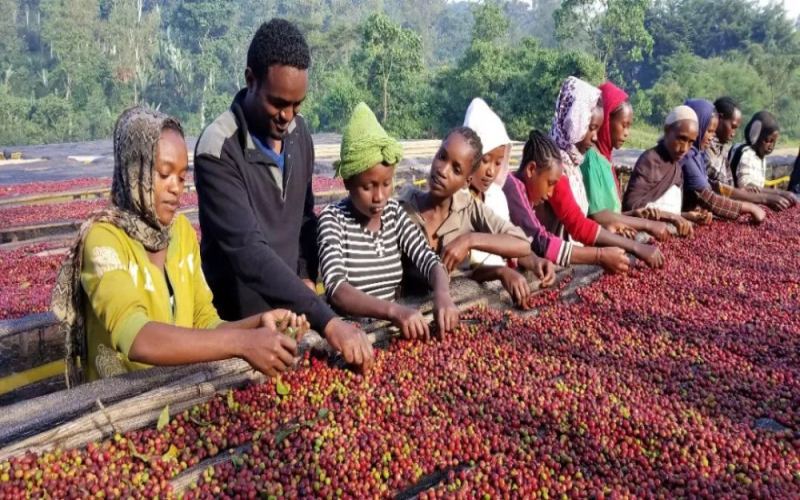
Ethiopian Natural Aricha Coffee Flavor Analysis: Variety Origin, TOH Championship Background, and Comparison with Washed Processing Differences
Aricha is a highly recognizable representative of natural-process coffee from the Yirgacheffe region, noted for its honeyed fruit aromatics and "fruit bomb"-like complexity. Starting from the growing environment, variety origins, and TOH competition background, this article reviews the cupping performance and flavor characteristics of natural Aricha and compares it with the washed process. At the same time, Front Street Coffee, drawing on a medium-light roast approach, provides V60 three-pour brewing parameters along with recommendations for grind size, water temperature, and coffee-to-water ratio, helping coffee enthusiasts gain a more complete understanding of this bean's style and brewing direction. [more…]
2022 Front Street Coffee Specialty Roasted Bean Price List: A Bean-Hunting and Roasting Journey from Ethiopia to Yunnan
Front Street Coffee (FrontStreet Coffee) cups hundreds of sample lots every year, and in the end only around fifty make it onto the menu—a testament to how rigorous its selection standards are. The 2022 new-crop menu covers origins including Ethiopia, Kenya, Papua New Guinea, Indonesia, Jamaica, Hawaii, Panama, Costa Rica, Colombia, Brazil, Honduras, and Yunnan, China. Processing methods range widely, from washed and natural to wet-hulled and barrel-fermented. This article provides a complete rundown of each coffee's origin background, variety information, processing method, flavor description, and price, making it easy for coffee lovers to choose what they need. [more…]
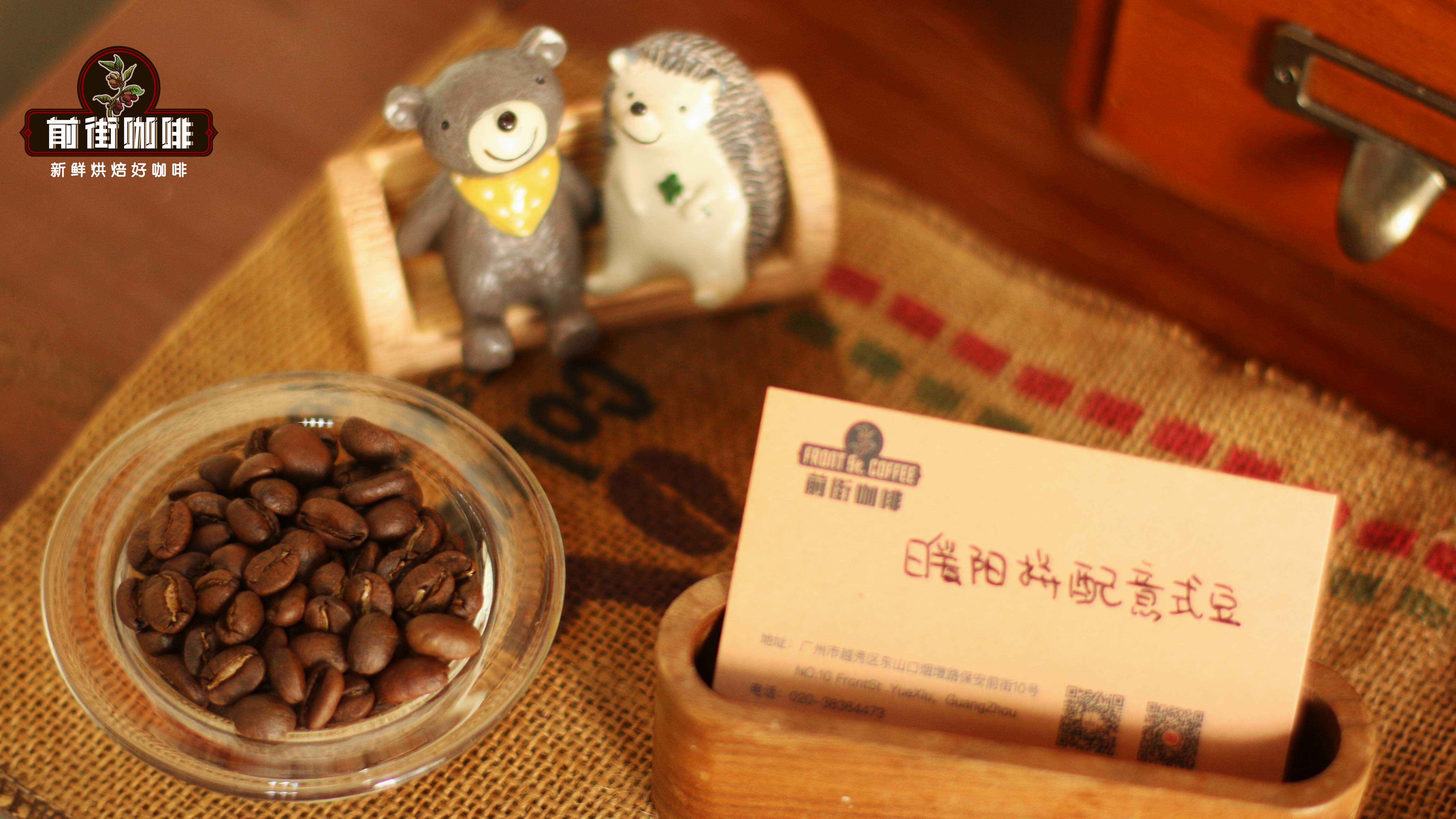
Pour-Over Blends Are a Thing Too: Front Street Coffee Autumn Blend Recipe, Roasting Parameters, and Flavor Profile Analysis
When it comes to blended beans, most people only think of espresso, but hand-brewed coffee can use them just as well. This article fully reconstructs the entire process behind Front Street Coffee's development of the "Autumn Hand-Brew Blend": why Yunnan 2013 Typica was chosen as the lead bean, how Yirgacheffe Kochere and Gesha Village sun-dried Geisha filled in the supporting roles, how raw blending and roasted blending were weighed against each other, what cup-testing iterations the 6:3:1 ratio went through, and two complete roasting curve data sets. The finished cup has soft acidity, clear sweetness, and layers of black tea, caramel, orange, and floral-fruity aromas unfolding one after another, offering a detailed reference for enthusiasts who want to try hand-brew blending. [more…]
2025 Imported Roasted Coffee Bean Price Overview: How Much Per Catty for Front Street Coffee's New-Crop Single-Origin Beans?
The 2025 new-crop bean list from Front Street Coffee has been officially released. Every year, the bean-sourcing team tests over 300 sample lots, and in the end only about 50 make it onto the shelves—a clear sign of just how strict the selection criteria are. This article compiles the latest prices for the entire lineup of imported roasted coffee beans currently on sale this season at Front Street, covering classic representative beans from major producing regions such as Ethiopia, Kenya, Papua New Guinea, Indonesia, Jamaica, Hawaii, Panama, Costa Rica, and Colombia. From COE auction-winning beans to everyday washed Yirgacheffe, from Blue Mountain No. 1 to Hacienda La Esmeralda Geisha, each one is labeled with its origin, processing method, and flavor description, making it easy for coffee lovers to choose according to their needs. [more…]