








How Do Coffee Trees in Guji Shape Its Flavor?
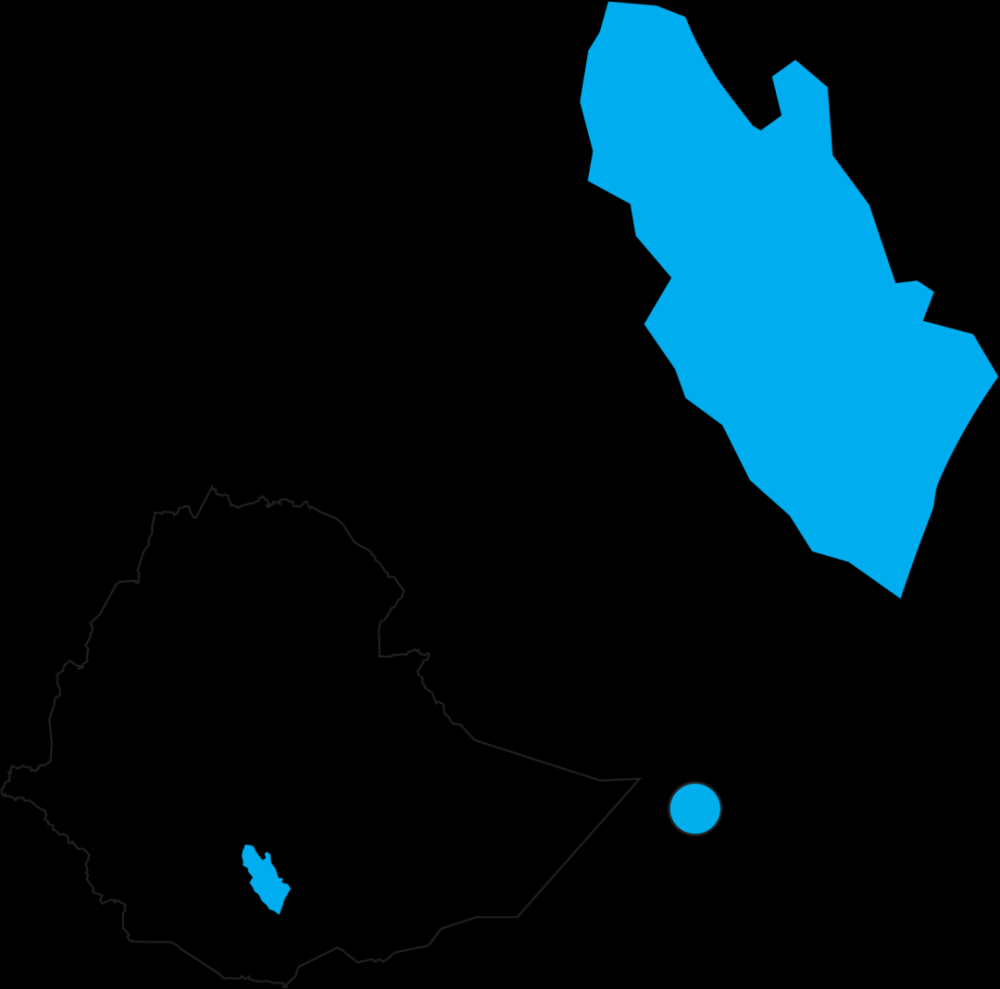
Guji is a specialty coffee region in southern Ethiopia, recognized as an independent area within the ECX trading system since 2010. Its volcanic soil, roughly two meters deep, and average altitudes above 1,800 meters create slow-ripening cherries that build up aromatic compounds, which is why Guji coffees show such distinct flavors across its sub-regions.
The region covers Hambella, Shakiso and Uraga, each with its own profile. Hambella sits near Yirgacheffe's Kochere, separated by a highland around 30 kilometers wide and 3,200 meters high, with coffee grown at 2,100 to 2,300 meters and harvested from November to January. Gold mining near Shakiso also shaped Guji's history.
Guji is a highly regarded specialty coffee region in southern Ethiopia. Since being independently classified within the ECX trading system in 2010, it has quickly gained fame for its highly distinctive flavors. This article takes you deeper into Guji's geographical environment, volcanic soil, and high-altitude climate, and analyzes the characteristics of its three sub-regions—Hambella, Shakiso, and Uraga—one by one. From the birthplace of "Huakui" to the stories of gold mining history and its rise through the TOH competition, and then to the analysis of the Trabocca flavor map, it presents the complex aromas and regional charm of Guji coffee in full. Front Street Coffee will also recommend noteworthy good Guji beans for you.

In 2010, Ethiopia's unique ECX trading system made an important adjustment: Guji was separated from the Sidama region and officially became an independent region because of its outstanding and highly distinctive flavor. Administratively, it belongs to Oromia Region.
Guji is located in southern Ethiopia, with rich and varied terrain, where mountains, highlands, plateaus, canyons, and plains are interwoven. The geology here is volcanic soil, with a soil layer nearly two meters thick, and the surface is dark brown or brown. Large areas still retain pristine dense forests that have not been reclaimed or destroyed. Fallen branches and leaves from surrounding withered trees and residual plant roots naturally transform into nutrients for the coffee trees. The average altitude of the region exceeds 1,800 meters, with a significant temperature difference between day and night. Coffee cherries mature slowly, thereby accumulating abundant aromatic substances and shaping the unique regional flavors of each sub-region. Guji governs multiple small producing areas, which are widely known for their excellent quality.
Hambella is the hometown of "Huakui" coffee beans and one of the sub-regions that made Guji coffee famous. To its west, it faces Yirgacheffe's Kochere across a highland about 30 kilometers wide and 3,200 meters above sea level, with diverse terrain. Coffee is grown at altitudes as high as 2,100 to 2,300 meters, and the harvest period is concentrated from November to January of the following year. Hambella's coffee has distinct floral aromas and sweet fruity notes, with a balanced and layered mouthfeel.
Historically, Guji's most famous economic activity was gold mining, with the main mining area located to the northeast of Shakiso, where people once panned for gold in earlier years. In the 1990s, Haile Gebre, a former governor of Oromia Region, was optimistic about the prospects of the coffee trade. After leaving his government post, he chose to settle in Guji and cooperated with local farmers in Shakiso to grow coffee.
Many specialty coffee buyers, in search of more interesting and more cost-effective beans, began to look toward areas adjacent to Yirgacheffe, and eventually turned their attention to Guji, discovering this remote yet highly favorable land. The average altitude of the Shakiso producing area is between 1,800 and 2,200 meters. The book "Specialty Coffee Studies" summarizes its coffee flavor as "sweet lemon-honey notes."
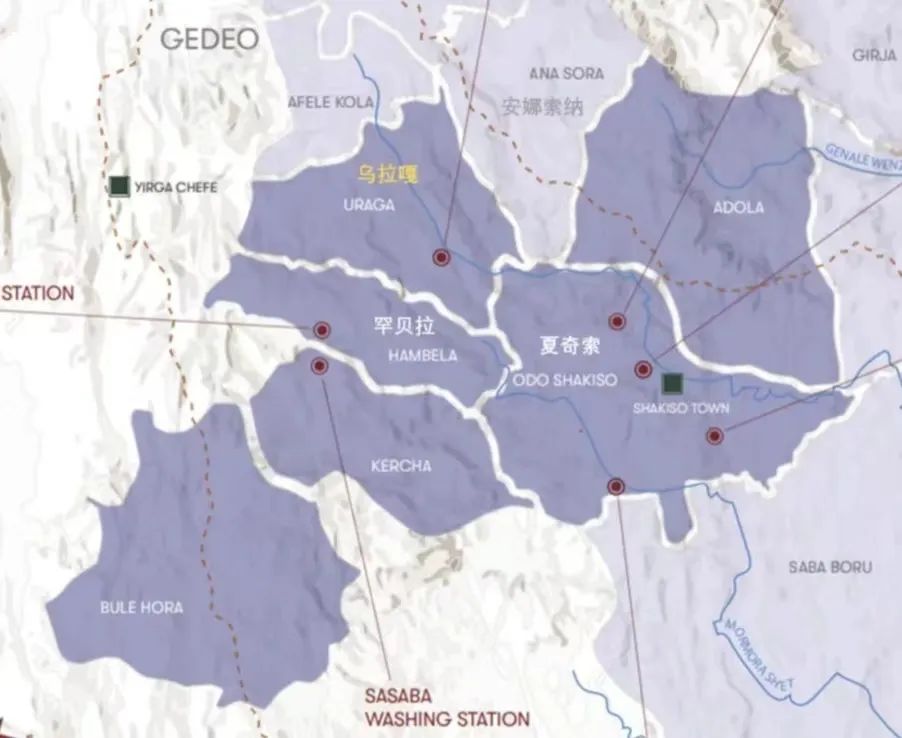
Uraga is located at the northernmost end of the Guji producing area, with an altitude of up to 2,300 meters, geographically close to Yirgacheffe, and its soil is fertile black soil. This producing area became famous relatively late. It was not until the washed beans from this area performed impressively in the 2019 TOH competition that it gradually came into public view. Uraga's coffee has a tea-like quality, rich floral and fruity aromas, and excellent acidity.
The Guji coffee flavor profile map drawn by the Dutch green bean company Trabocca shows that citrus fruits account for the highest proportion, followed by possible aromas such as stone fruits, berries, flowers, and chocolate. At the same time, the coffee has lively and bright acidity and a juicy feel, medium body, and a smooth mouthfeel. The overall flavor lies between Yirgacheffe and Sidama, with a complex aromatic structure.
The Guji series beans recommended by Front Street Coffee are exactly the ideal choice for showcasing the flavors mentioned above. Whether it is the floral aroma and fruity sweetness of Hambella or the tea-like quality and acidity of Uraga, they are all worth savoring one by one by coffee lovers.
Disclaimer: Some images in this article are from the internet. For some content on the website, such as images, we will respect the original author's copyright and indicate the source. However, due to the large quantity, some images and texts may not have been credited in time. Please understand. If the original author has any dispute, they may contact the website for handling. Once verified, we will correct it immediately. Compiled and edited by "Ka Ping vdailycom." Please indicate the source when reposting. This article is intended to spread coffee culture. If there is any infringement, please inform us for deletion. Thank you~!
The above content is compiled by CoffeeHunters, a coffee news website.


