







Search Results for: Grinder Brands
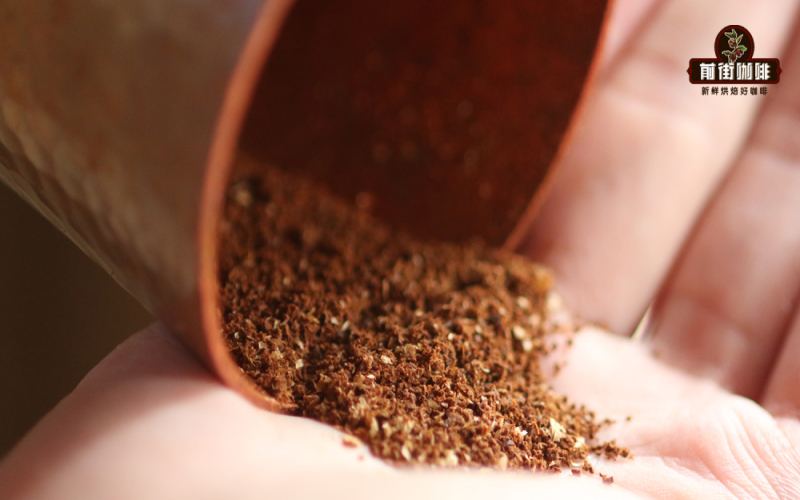
How to Choose an Entry-Level Coffee Grinder? A Guide to Recommended Well-Known Manual Grinder Brands
Once coffee grounds are ground and exposed to air, oxidation quietly begins, and flavor and aroma gradually dissipate. Therefore, the ideal situation is to grind coffee beans just before brewing to ensure the best flavor. The grinder may seem unassuming in coffee preparation, but it plays an extremely critical role and is one of the core factors determining the final flavor of coffee. Opening an online shopping platform and searching for "grinder," prices range from 22 yuan to 71,271 yuan, a difference of up to 3,239.6 times. Although this seems insignificant compared to the "hundred million" level figures frequently encountered recently, it is already outrageous in terms of product price differences. For this reason, Front Street Coffee plans to release this grinder purchasing guide for everyone's reference. [more…]

Espresso Grind Size | How to Adjust the Grind Setting for Espresso Beans? Recommended Espresso Blend Roasting Brands for Beginners
Many friends who have just opened a café or bought an espresso machine for home find that when they take the espresso beans they bought and follow the parameters provided by the seller, the espresso they make has no crema, or is very weak, or is very bitter. When this happens, the only thing we can change is the grind of the coffee beans. [more…]
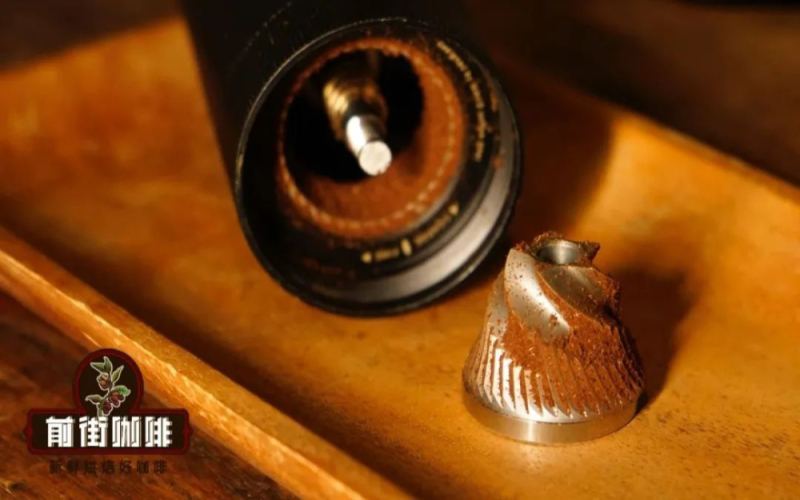
Complete Guide to Cleaning and Maintaining Manual and Electric Coffee Grinders: Brush Cleaning and Deep Maintenance Essentials
Coffee grinding equipment is mainly divided into two categories: manual and electric. Different brands and price points not only affect appearance and grinding performance, but also determine differences in burr structure and particle size distribution. Regardless of which grinder you use, daily cleaning and regular maintenance of the burrs are key to extending the life of the equipment. The static electricity generated during grinding causes fine particles to stick to the metal burrs and the grounds bin. The more frequently it is used, the more residual grounds accumulate, and the oil released by dark-roasted beans worsens the buildup of oily residue. If not cleaned for a long time, old grounds not only produce a rancid oil smell, but also taint new grounds and clog the grinding path. This article will introduce grinder maintenance methods and precautions in detail across three levels: daily quick cleaning, cleaning without disassembly, and regular deep cleaning. [more…]
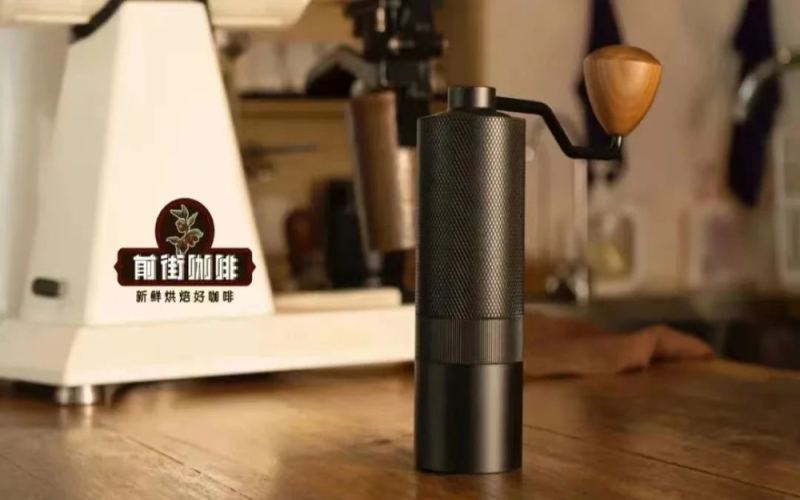
A Practical Guide to Using a Manual Coffee Grinder: A Full Breakdown of Burr Structure, Grind Setting Adjustment, and Daily Maintenance
Manual coffee grinders are a go-to piece of gear for many pour-over enthusiasts, serving both everyday home use and, when paired with a French press, AeroPress, or moka pot, forming a portable outdoor kit. Grinders from different brands and models vary noticeably in price and the quality of the ground coffee they produce. From the perspective of Front Street, this article systematically breaks down the core components of a manual grinder—the burr, the adjustment dial, the handle, the bean hopper, and the grounds bin—and explains how to adjust the grind setting according to your brewing method, how to turn the handle correctly, and the key points of cleaning and regular maintenance, helping you use your manual grinder more smoothly and making every cup's extraction more consistent. [more…]
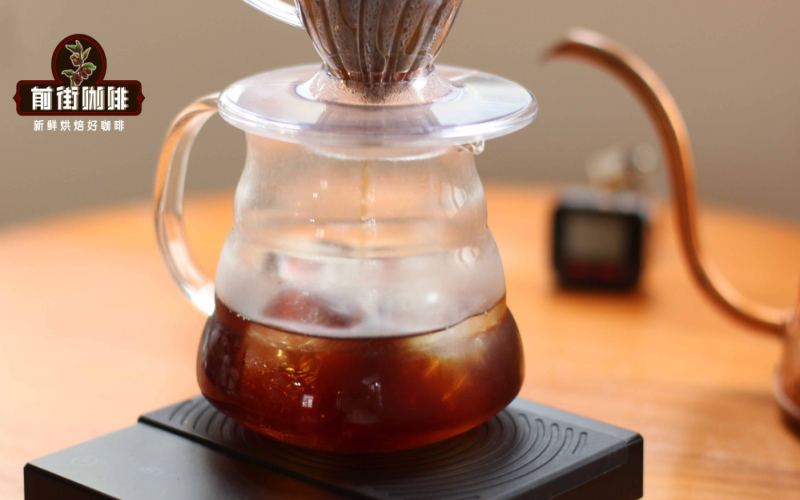
A Beginner's Guide to Pour-Over Coffee Gear: Complete Setup Advice from Grinder and Kettle to Dripper
To brew a delicious pour-over coffee at home or in the office, the choice of equipment often determines success or failure before technique even comes into play. Faced with the bewildering array of drippers, gooseneck kettles, and grinders on the market, beginners can easily fall into choice paralysis. This article starts with selecting coffee beans, then works through grinder burr types, grind size calibration, gooseneck kettle capacity and temperature control, dripper and filter paper pairing, scales, and serving carafes, and offers Front Street Coffee's specific product recommendations for different budgets and taste preferences, helping those new to pour-over assemble a smooth-working setup at a reasonable cost. [more…]
A Guide to Buying the Six Essential Pour-Over Coffee Tools: How to Choose Brands for Grinders, Gooseneck Kettles, Drippers, and More, Plus Beginner Pitfall Advice
Just getting into pour-over coffee, many people feel overwhelmed by the bewildering array of equipment on the market and don't know where to start. This article focuses on the six essential pieces of basic gear for pour-over—the grinder, the pour-over kettle, the dripper, the filter paper, the thermometer and the digital scale—going through each one's categories, pros and cons and the people they suit, and offering specific buying guidance. From the trade-offs between hand grinders and electric grinders, to the differences between cheat kettles, gooseneck kettles and swan-neck kettles, and on to the extraction characteristics of conical, trapezoidal and wave drippers, it helps you make the right choice based on your own budget and needs, so you don't waste money. [more…]
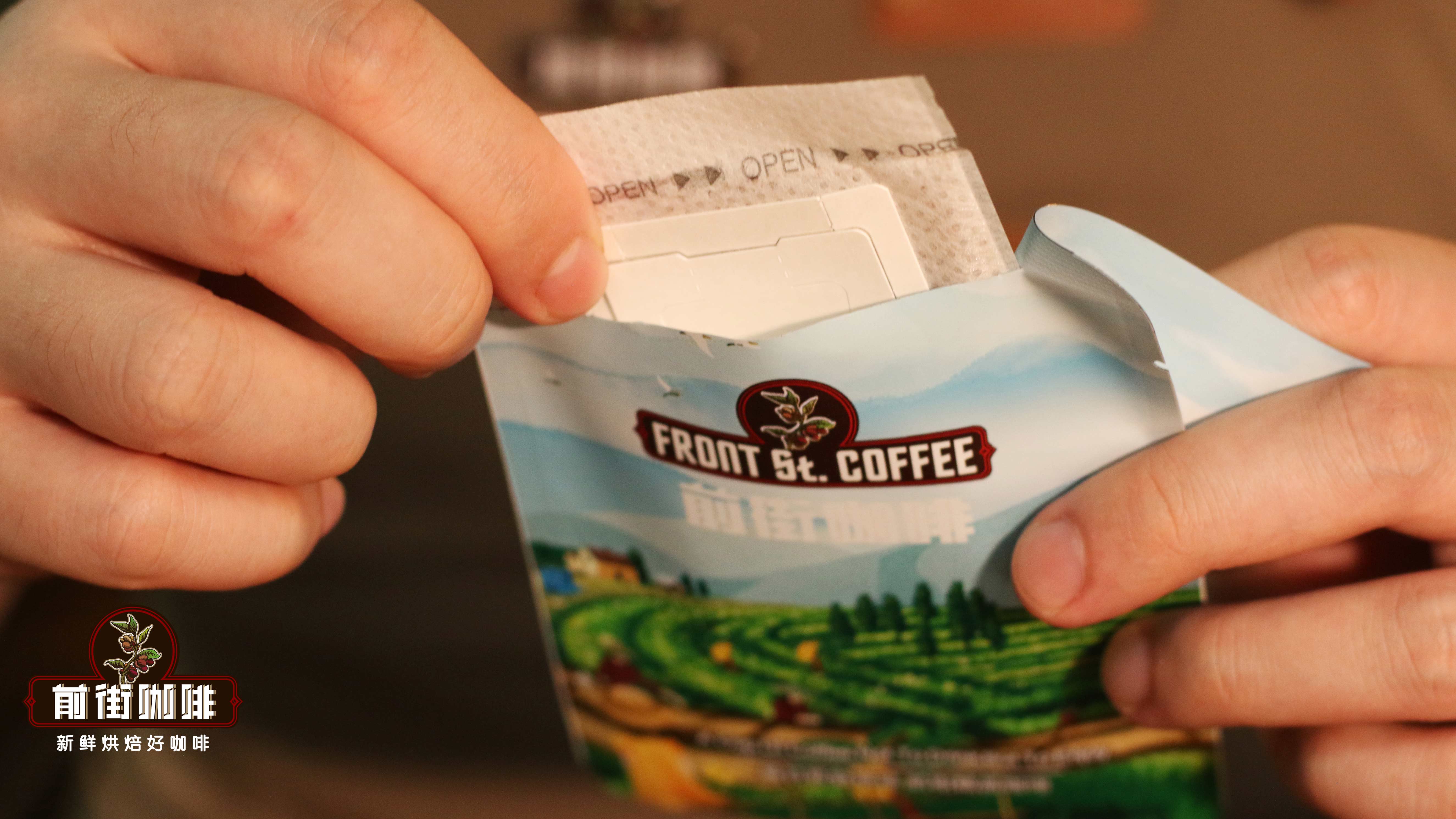
Drip Bag Coffee Brewing Guide | What Flavors and Tastes Do Best-Selling Drip Coffee Bags Have? Recommended Drip Coffee Bag Brands Every Beginner Must Buy
In 1990, Yamanaka Sangyo Co., Ltd. of Japan applied the concept of tea bags to coffee, inventing the drip bag coffee and applying for a patent. With the demand of the specialty coffee market, more and more people began to buy drip bag coffee, in order to quickly and conveniently enjoy specialty coffee without needing a bunch of equipment and utensils. Here, for everyone [more…]
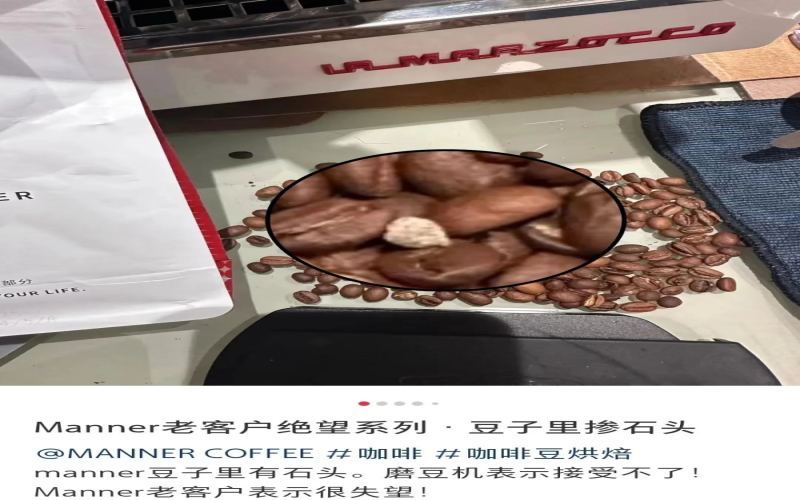
Manner Coffee Beans Found Contaminated with Small Stones Spark Debate: An Analysis of the Brand's Screening Process and Grinder Safety Hazards
Recently, a consumer reported on social media that a small stone was unexpectedly found in the Manner coffee beans they had purchased. Fortunately, they spotted it in time while pouring the beans, preventing it from entering the grinder and causing damage. Although Manner's customer service explained that coffee beans are an agricultural product and defects are inevitable during processing, and emphasized that professional equipment is used to screen out foreign objects during production, this response did not fully satisfy the customer. This incident has also drawn attention among coffee enthusiasts to grinder safety issues—small stones not only affect food safety but can also cause serious damage to the burrs. So, from green beans to roasted beans, how many rounds of screening does coffee actually go through? And how do brands like Front Street Coffee control quality? [more…]
Hand Grinder User Guide: Burr Structure, Adjustment Settings, and Key Points for Controlling Grind Size
The manual coffee grinder is an essential tool for many pour-over enthusiasts. Beyond price differences, different brands and models directly influence the grinding quality of coffee grounds. It is suitable for home use and can also be combined with French presses, AeroPresses, moka pots, and other devices to create a portable coffee solution for outdoor or travel use. This article, from the perspective of Front Street, systematically explains the burr structure, dial adjustment, handle drive, bean hopper, and grounds container functions of manual coffee grinders, and shares proper grinding operations, grind size selection for different brewing methods, as well as daily cleaning and regular maintenance tips to help you improve grind uniformity and coffee flavor. [more…]
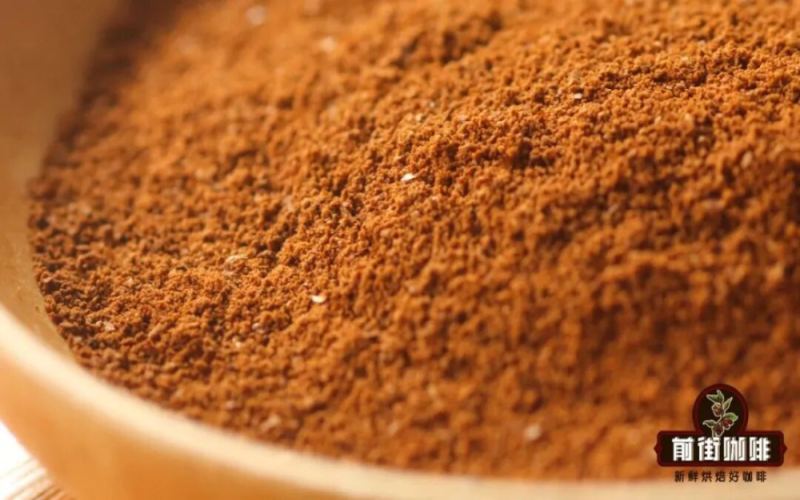
How Fine Should You Grind for Pour-Over Coffee? A Full Breakdown of Hand Grinder vs. Electric Grinder Differences
Among the many variables in pour-over coffee, grind size is a key link that determines the direction of extraction. Particle size directly affects the contact area between water and coffee grounds, which in turn influences flavor expression: too coarse leads to under-extraction, while too fine may cause over-extraction and bitterness. However, many beginners often fall into pitfalls when adjusting the grind—memorizing settings, making drastic grind adjustments, and ignoring uniformity. This article will start from the basic principles of grinding, analyze these common problems one by one, and with the help of Front Street · Little Tomato's comparative test, demonstrate the actual differences between electric grinders and hand grinders in particle distribution and flavor presentation, and finally provide purchasing advice for entry-level equipment to help coffee enthusiasts establish a scientific approach to grind adjustment. [more…]

Learn Pour-Over from Scratch: A Practical Guide for Beginners on Choosing Coffee Gear and Beans
Friends who are just getting into specialty coffee are often eager to replicate a delicious pour-over at home. But faced with the bewildering array of equipment and beans on the market, how can beginners on a limited budget spend as little as possible while still buying the most suitable gear? This article will analyze the key points for choosing coffee beans, a grinder, a pour-over kettle, a dripper and filters, and a digital scale, one by one in order of priority, and give specific product recommendations from the Front Street brand. The core idea is: save the bulk of your budget for the grinder, start with low-spec entry-level gear for everything else, and only consider upgrading after you have grasped the principles of extraction and found your flavor preferences. [more…]
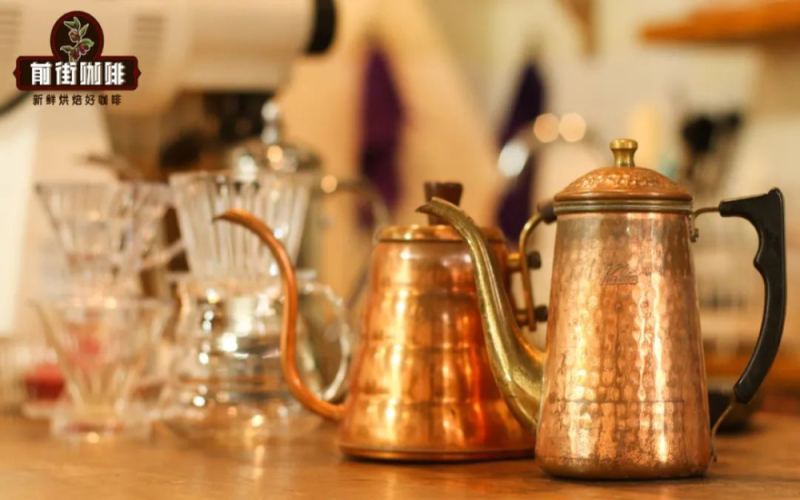
Pour-Over Coffee Equipment Buying Guide: How to Choose a Grinder, Gooseneck Kettle, Dripper, and Digital Scale
Want to get into pour-over coffee but feel overwhelmed by the dizzying array of gear on shopping platforms? On a limited budget, what should you prioritize, and how should you allocate your spending for the best value? Front Street Coffee breaks down the most essential pieces of pour-over equipment for you: the grinder, which determines the ceiling of flavor; the pouring kettle, which affects your pouring feel; the dripper, which influences filtration; and the digital scale, which makes your data visible. Starting from a ranking of importance, this article explains the key points for choosing each piece of gear and offers advice on pitfalls to avoid, helping you build a truly practical pour-over setup within a limited budget—so you take fewer detours and brew a delicious cup as quickly as possible. [more…]

Beginner's Guide to Pour-Over Coffee Gear: Practical Setup Advice from Grinder to Pour-Over Kettle
Want to brew a good pot of coffee at home but don't know which equipment to start with? Faced with the bewildering array of brewing devices on the market, beginners often find themselves spoiled for choice. This article will go through the various pieces of equipment needed for pour-over coffee one by one, in order of importance—from the grinder, which is most worth investing in, to the pour-over kettle that affects water flow control, and on to accessories like the dripper, filter paper, and digital scale—offering specific buying advice and budget suggestions. At the same time, for what kind of coffee beans to choose at the beginner stage, it also provides reference directions for Front Street Coffee's everyday drinking beans, helping you put together a handy set of brewing gear within a limited budget. [more…]
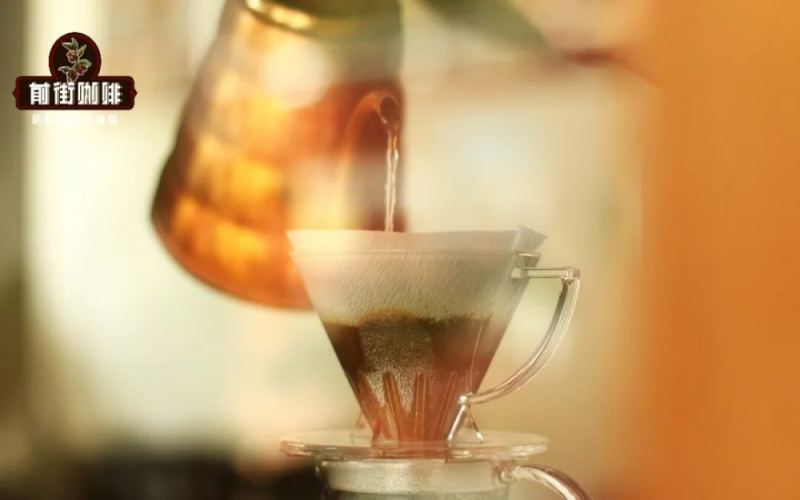
How Should Beginners Choose Pour-Over Coffee Equipment? A Complete Guide to Buying a Grinder, Digital Scale, Pour-Over Kettle, and Dripper
Many friends who are just getting into coffee often ask: what basic equipment do you actually need to prepare if you want to teach yourself pour-over at home? In fact, pour-over may seem professional and complicated, but once broken down, it is nothing more than a grinder, a digital scale, a gooseneck kettle, a dripper and filter paper, a server, and coffee beans. This article gives purchasing suggestions one by one according to budget and needs, and offers reference directions for the common bean-selection confusion beginners face. Front Street will also draw on everyday experience to share ideas for choosing everyday beans, helping you gradually build your judgment of brewing and flavor while keeping costs under control. [more…]
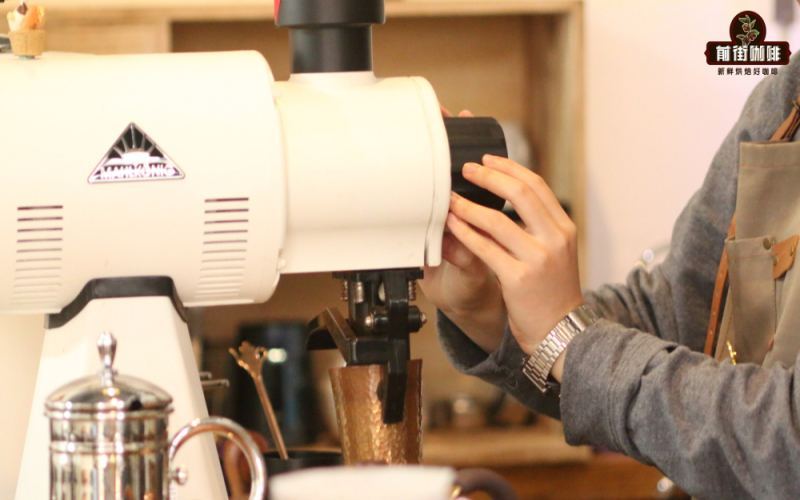
How to Set Your Coffee Grind Size? A Complete Guide to the No. 20 Sieve Calibration Method and Brewing Assessment
Many coffee enthusiasts feel confused after getting coffee beans: which grinder setting should they actually use? In reality, the burr designs and setting standards of grinders from different brands vary greatly, and the same number on different devices can produce dramatically different particle sizes. Therefore, when Front Street Coffee performs daily grind calibration, it uses the Chinese No. 20 standard sieve (0.85 mm aperture) to measure the passing rate as a unified reference. This article will start with the specific steps for sieve calibration, combine different roast levels and brewing methods to give grinding recommendations, and share how to judge whether the grind is appropriate based on brewing time and the settling state of the coffee bed, helping you build a grind assessment system that does not rely on grinder settings. [more…]
Vietnamese Drip Coffee Brewing Tutorial: How to Use a Phin Filter, Choosing Coffee Beans, and Making Iced Coffee with Condensed Milk
Vietnamese drip coffee, with its distinctive Phin filter and pairing with condensed milk, has become one of the most recognizable ways of drinking coffee in Southeast Asian coffee culture. This article begins with the historical origins, representative brands, and flavor characteristics of Vietnamese coffee, then systematically introduces the ingredients, steps, and timing control needed to make an authentic Vietnamese iced coffee, and explains the key points for choosing coffee beans suitable for a Vietnamese Phin—medium grind, freshly ground, and avoiding too many fine particles. The article also mentions related product recommendations from Front Street Coffee, making it a useful reference for coffee lovers who want to recreate the flavors of Vietnamese street coffee at home or in the office. [more…]
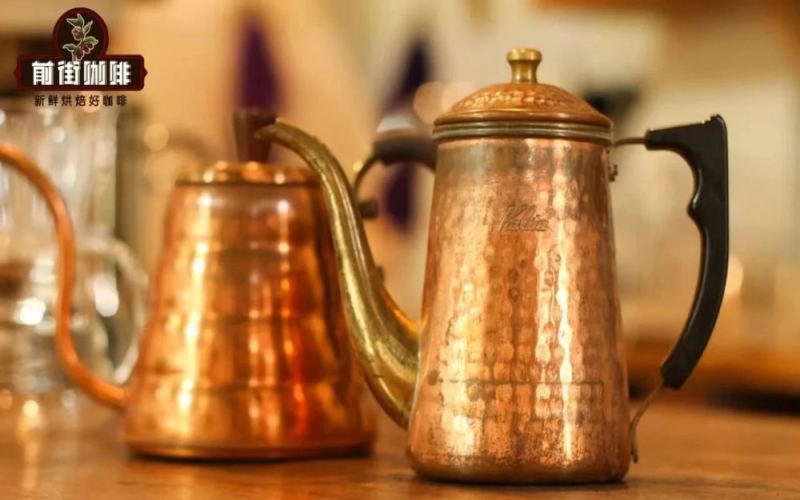
On a tight budget, how can coffee beginners choose practical and cost-effective starter coffee gear?
Friends who are just getting into coffee often find themselves overwhelmed by the dazzling array of equipment on the market, unsure not only of what to choose but also of how to use it. In fact, at the beginner stage, there is no need to chase after complex functions or fancy-looking devices—just pick conventional, practical, and easy-to-operate types. Although coffee extraction methods are diverse, the common and easy-to-master ones boil down to two categories: pressure extraction (espresso machines, moka pots) and drip extraction (pour-over, drip machines). This article will focus on these two paths, analyzing one by one the key purchasing points for espresso machines, moka pots, pour-over gear, and drip machines, and offering Front Street Coffee's specific advice for beginners, helping you buy coffee equipment that is truly useful and won't lead you into pitfalls within a limited budget. [more…]

Can a Coffee Grinder Be Washed with Water? A Detailed Guide to Daily Maintenance for Manual and Electric Grinders
Last week, Front Street Coffee shared nine details about brewing coffee, among which it mentioned that the grinder needs to be cleaned regularly. So a reader followed up with the question: Can a grinder actually be washed with water? To answer this question, we first need to understand the necessity of cleaning the grinder. The common grinding equipment on the market falls into two categories: manual and electric. Regardless of which type, the daily upkeep and regular maintenance of the burrs directly affect the service life. Accumulated coffee grounds not only cause flavor cross-contamination, but may also clog the passage. This article will detail the cleaning methods for manual and electric coffee grinders across three levels: daily quick cleaning, cleaning without disassembly, and regular deep cleaning, and will also remind you of the applicable conditions and precautions for washing with water. [more…]
Why Does a Quantitative Coffee Grinder Still Need Dosing by Weight? Analyzing How Hopper Pressure, Retention, and Grind Adjustment Affect Output Weight
Many coffee enthusiasts wonder: since a quantitative grinder can set the output weight or time, why weigh the grounds again after grinding? This article explains the reasons why quantitative grinders still produce errors from four aspects: hopper pressure changes, differences in coffee bean gaps, the influence of residual grounds, and output fluctuations after adjusting the grind. At the same time, combined with Front Street Coffee's actual usage experience, it explains that re-weighing the grounds is not only to ensure accurate grams and avoid affecting extraction, but also to facilitate timely adjustment when flavor deviations occur. What the quantitative function truly saves is operating time, rather than completely replacing the weighing step. [more…]
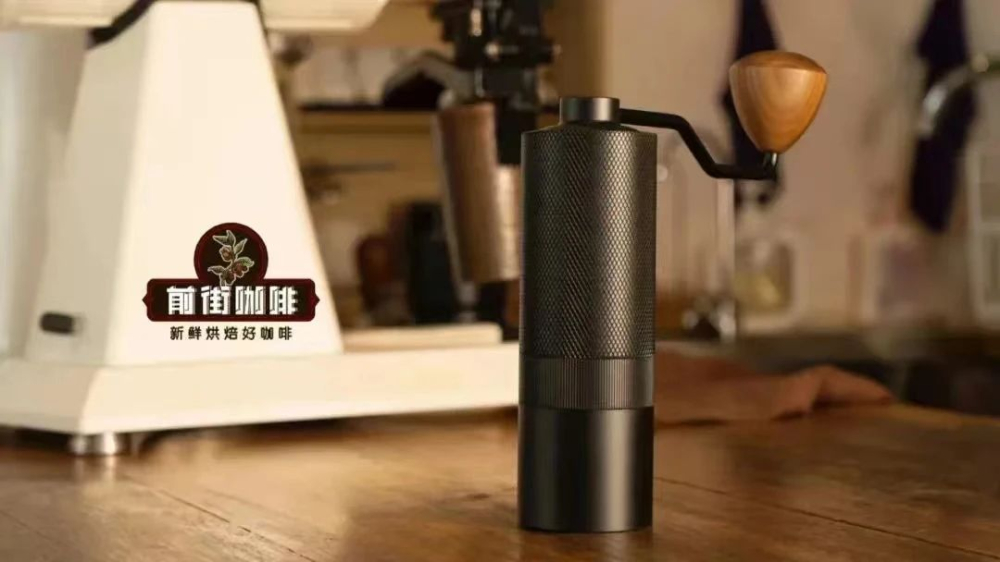
Coffee Pour-Over Equipment Buying Guide | How Can Coffee Beginners Choose Cost-Effective Pour-Over Coffee Gear? Which Is More Suitable for Coffee Beginners: an Espresso Machine or a Moka Pot?
Today's coffee equipment is dazzlingly diverse, and for coffee beginners, this is no easy matter. Looking at a pile of coffee gear wanting to buy, but neither knowing how to choose nor how to use it—this must be a feeling every coffee novice has had. In this situation, what we need to do is: "Don't pick the expensive ones, don't pick the flashy ones, only pick the practical ones." [more…]