







How Does the Beverage Filter Paper Market Shape Pour-Over Gear for Beginners?
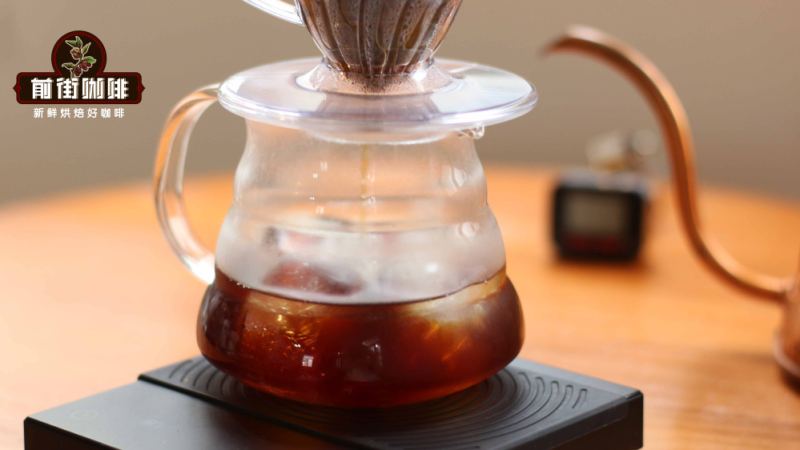
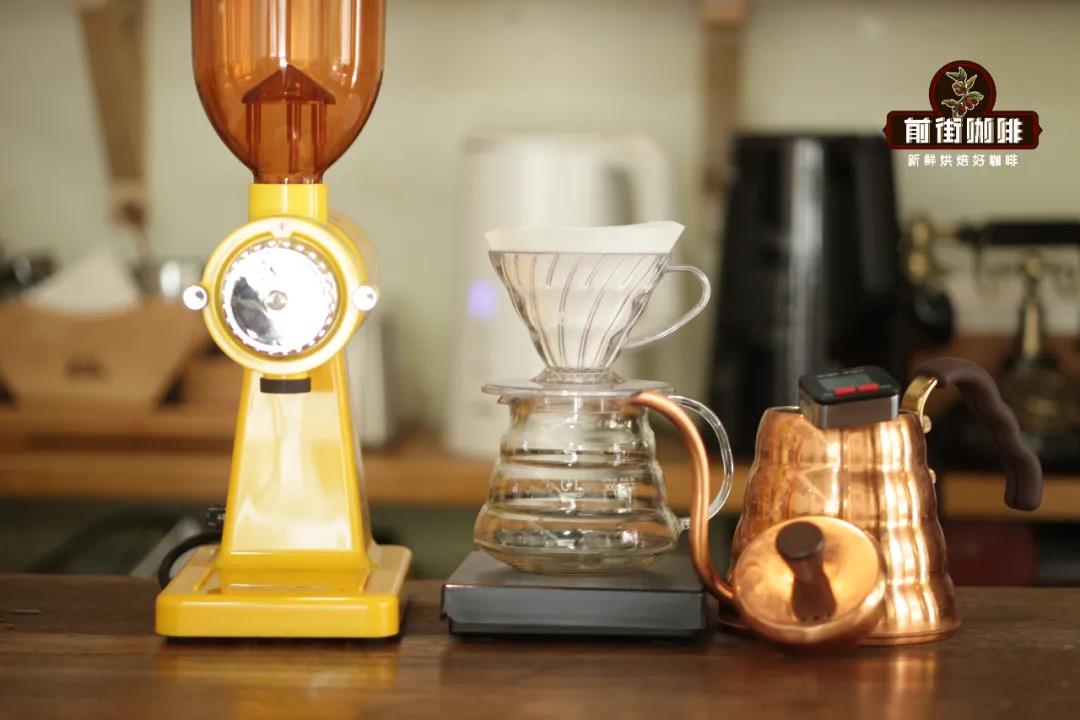
A basic pour-over setup starts with one reliable bag of beans, then adds a burr grinder, a gooseneck kettle, a dripper matched to its filter paper, and a scale with a server. Front Street notes that equipment choices decide the result before technique matters, so beginners should buy for stable extraction rather than for a long list of gadgets.
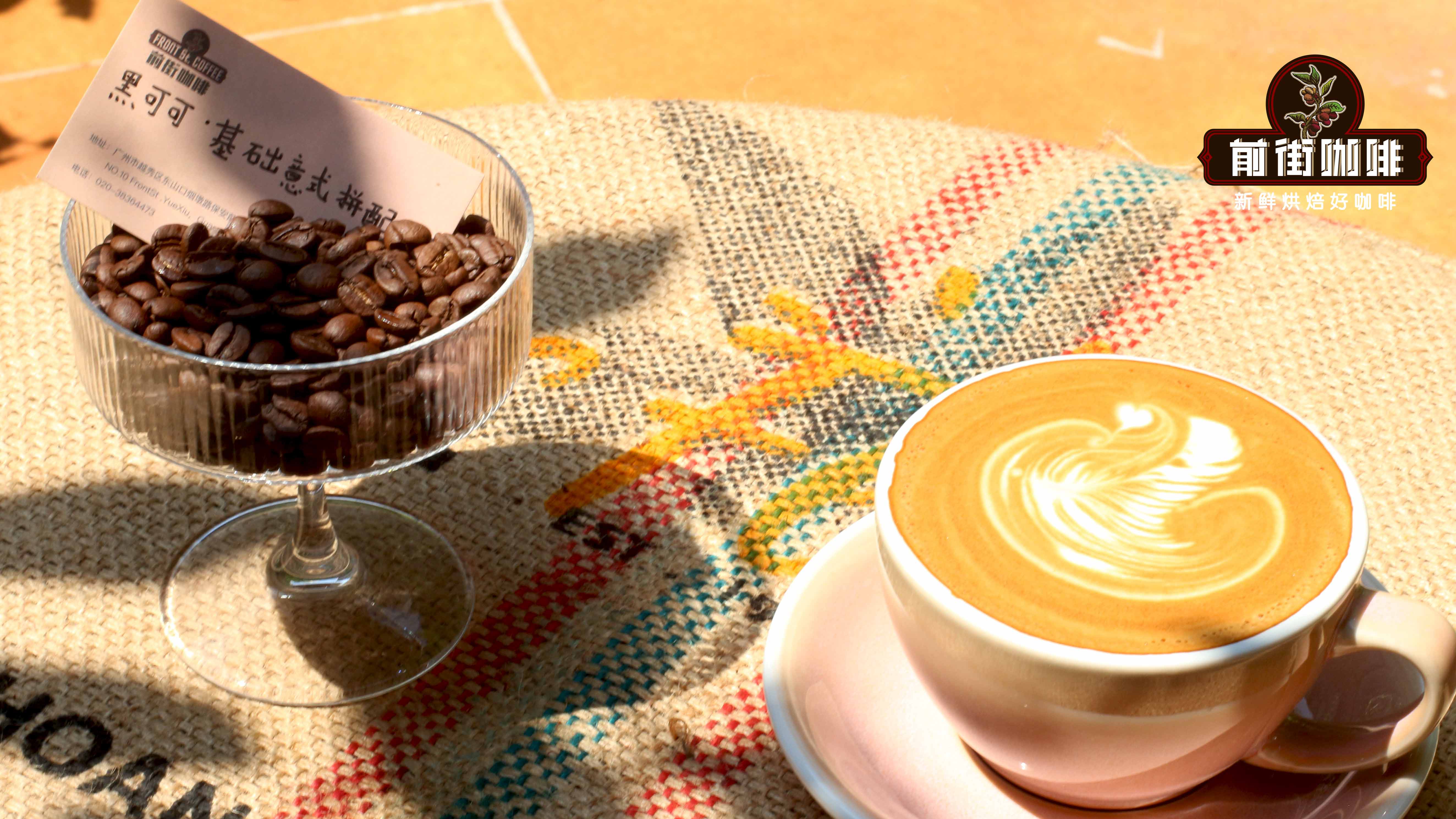
For office and home use, Front Street recommends its Dark Cocoa Basic Blend, a medium-dark roast of Yunnan small-bean and Brazilian semi-washed coffee with crema and notes of nuts, chocolate, caramel, and plum. Lighter options suit juicy, floral cups. The beverage filter paper market offers many shapes, so pairing paper to dripper matters.
To make a delicious pour-over coffee at home or in the office, the choice of equipment often determines success or failure before technique even comes into play. Faced with the bewildering array of drippers, gooseneck kettles, and coffee grinders on the market, beginners can easily get stuck in choice paralysis. This article starts with coffee bean selection, then works through grinder burr types, grind size calibration, kettle capacity and temperature control, dripper and filter paper pairing, scales and server jugs, and offers Front Street's specific product recommendations for different budgets and tastes, helping those new to pour-over assemble a smooth-working setup at a reasonable cost.
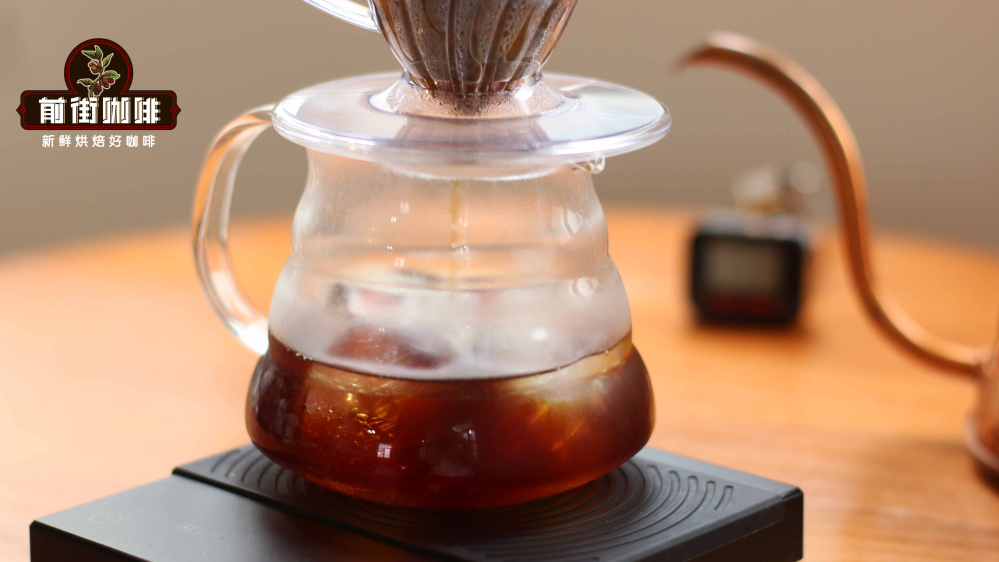
Faced with shelves full of various drippers, gooseneck kettles, and grinders, many friends just getting into pour-over feel overwhelmed and don't know where to start. No worries—Front Street will help you sort out your thinking in one article and pick out the brewing equipment truly suitable for beginners.
Choosing coffee beans for both office and home use
Whether at the office or a home coffee corner, keeping a bag of reliable-quality beans on hand is always the most crucial step. Coffee extraction broadly splits into two routes: one is espresso (including moka pot), and the other is pour-over (including French press and cold brew). When buying, it helps to first search by keyword.
The flavor performance of espresso ultimately comes down to the coffee beans. For office workers and home users, stable extraction is the first thing to consider, followed by flavor and value for money. Looking at these three points together, Front Street Dark Cocoa Basic Blend satisfies them all at once—it combines Yunnan small-bean with Brazilian semi-washed, uses a medium-dark roast, and produces espresso with beautiful crema and notes of creamy nuts, chocolate, caramel, and plum.
To make pour-over coffee shine, Front Street believes picking beans that match your taste is key. If you prefer coffee with a strong juicy quality, you can choose Front Street Little Tomato Coffee, Front Street Red Cherry Coffee, or Front Street Huakui Coffee—medium-light roasted beans rich in floral and fruity notes;
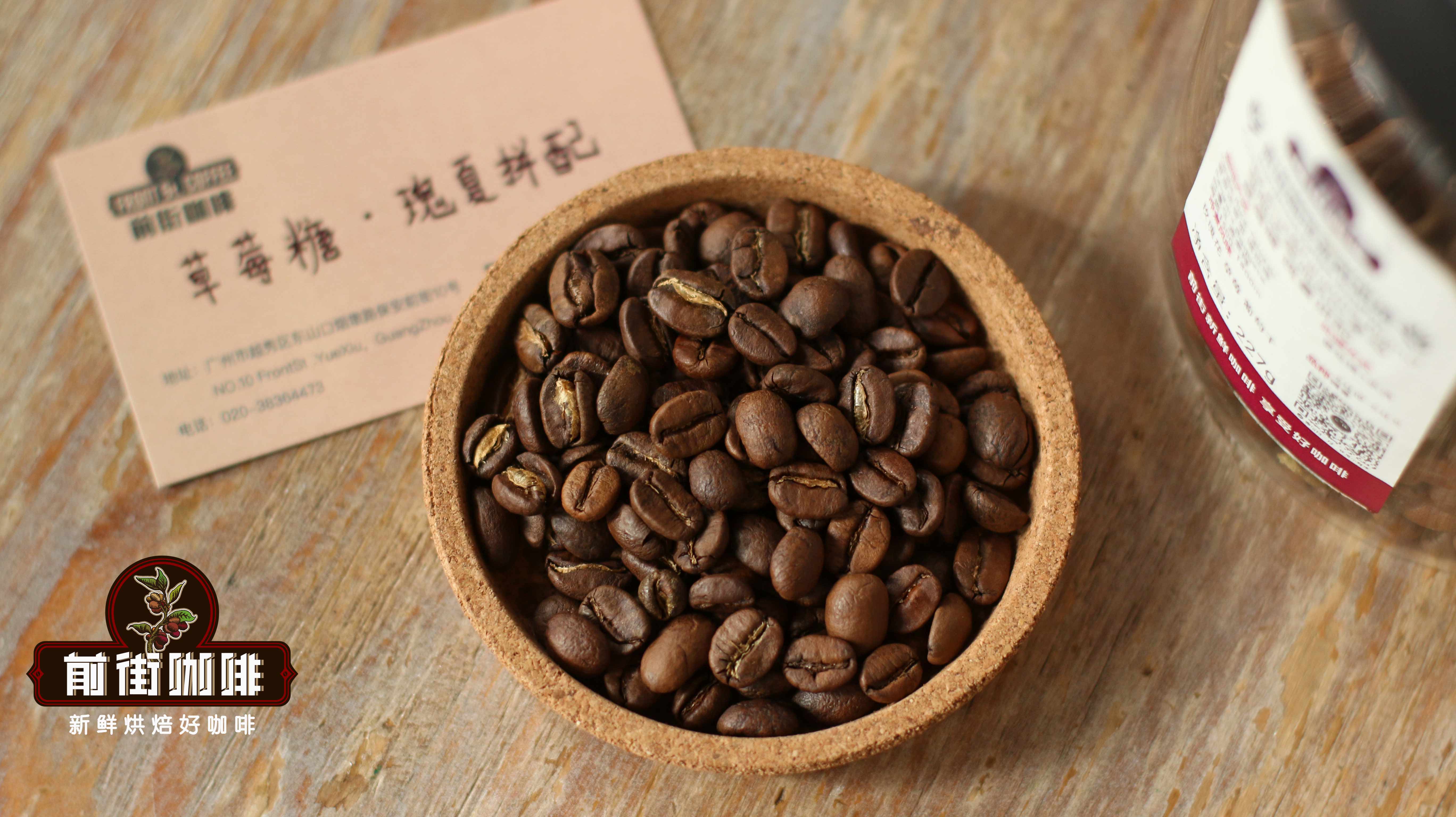
If you value richness and full body more, then Front Street Golden Mandheling Coffee, Front Street Queen's Estate Coffee, and Front Street Huilan are three dark-roasted beans worth picking up; additionally, Front Street Strawberry Candy Coffee, Front Street Sidra Coffee, and Front Street Mozart Coffee have won over many enthusiasts with their aromatic, sweet flavors and are also extremely popular single-origin choices.
Choosing a coffee grinder
The grinder matters! The grinder matters! The grinder matters! Grinder prices on the market span an enormous range, from hand grinders costing a few dozen yuan to electric models costing tens of thousands, and just looking at price leaves people not knowing where to start. Many beginners think grinders are too expensive and just buy a cheap one randomly, or even mistakenly buy a blade-style grinder rather than a coffee grinder.
Price does determine grinder quality—there's no doubt about that. If it's just for daily personal use rather than café output, Front Street suggests a budget of around 500 to 2,000 yuan for a hand grinder, and around 1,500 to 5,000 yuan for an electric grinder is more reasonable.
Grinders sell for a high price—where does the money go? The answer is the burrs.
The burrs are the most core component of a grinder. Different burr types directly affect the particle size distribution of the coffee grounds, which determines whether the ground coffee is uniform in coarseness—and grind size has a huge impact on the taste of pour-over coffee. Currently the common burr types are conical, flat, and ghost tooth, among which conical and ghost tooth are mainly used for pour-over grinding.
Conical burrs: grind coffee beans into particles by crushing, so the shape is mostly blocky, and they are mostly used in hand grinders. Because of the "crushing" action, when beans are fractured they produce a large amount of dust-like fines, and normal particles are also irregular block shapes, though overall tending toward uniform. Conical grinding produces a more granular result, which lengthens the water's permeation path and extends contact time with water, so less soluble material is released early and concentration isn't too high, but during long extraction the woody parts absorb little water and it's less prone to producing off-flavors and astringency.
Ghost tooth burrs: grind coffee beans into particles by abrasion, with a shape closer to spheres. Precisely because they can grind a single bean into numerous tiny round balls, the resulting scraps (fines) also tend to be more numerous, though the variation between large particles is the smallest.
Buy a coffee grind calibration sieve
Grind size directly determines the taste of the entire cup of pour-over coffee, so finding the right grind setting is crucial. Front Street has noticed that the primary reason many enthusiasts brew poorly at home is often that the grind size isn't right—ground too fine, the taste easily becomes bitter and astringent; ground too coarse, the flavors don't come out.
Front Street recommends a medium grind for pour-over coffee. How coarse is medium exactly? Currently grind settings vary between grinder brands with no universal reference, so Front Street suggests buying a 0.85mm No. 20 standard sieve to sift.
For pour-over of medium-light roasted beans, a pass-through rate of around 75% to 80% is appropriate; for pour-over of medium-dark roasted beans, a pass-through rate of 65% to 70% is most suitable.
Choosing a gooseneck kettle
Besides drippers, gooseneck kettles also come in a huge variety of styles. Many beginners, unsure which to buy, just pick by color... (Hey, your focus has wandered!!!) What really deserves attention is the spout and the kettle's capacity. Front Street suggests beginners choose a gooseneck fine-spout kettle. What does it look like? Like this.
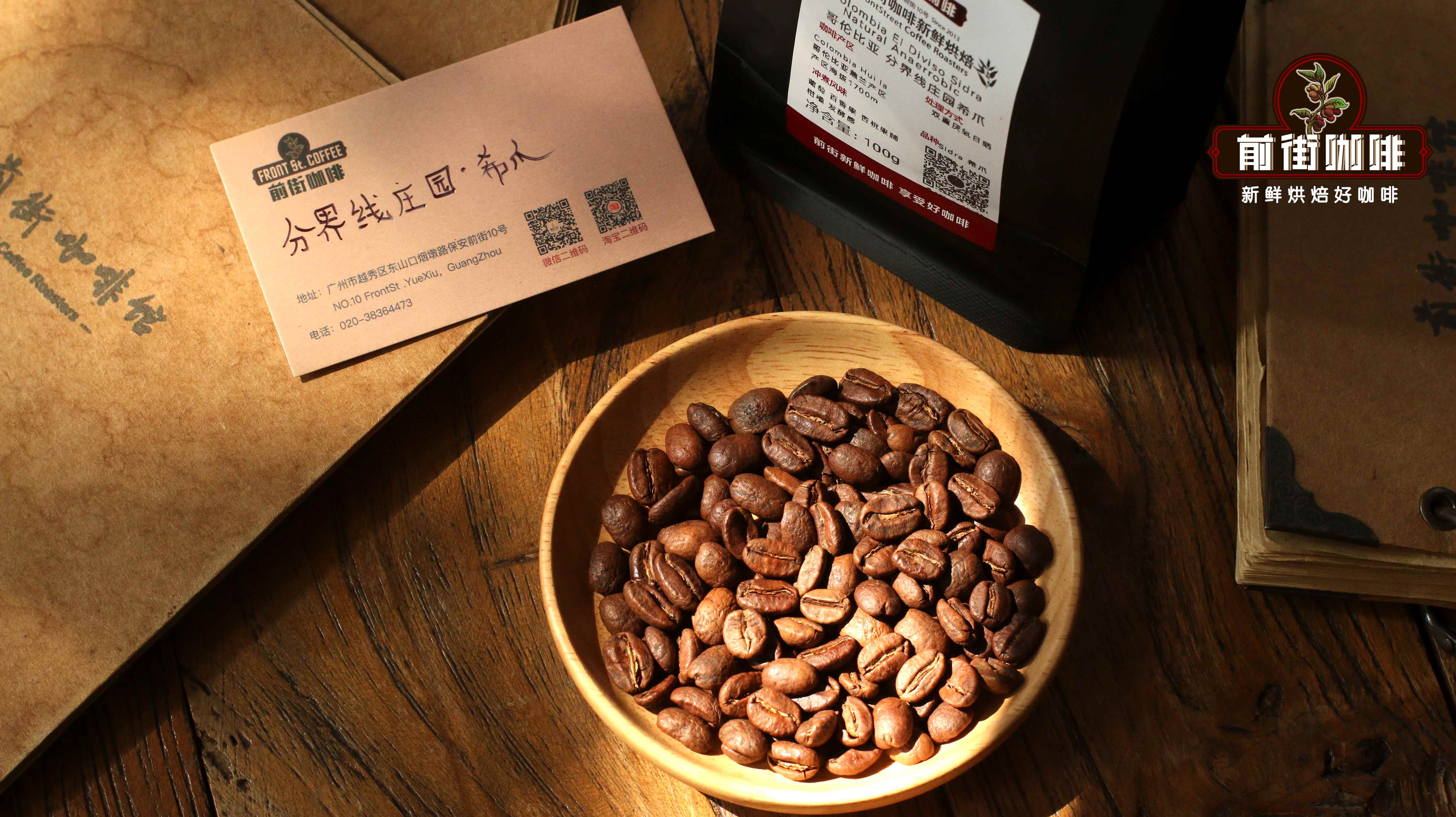
The capacity of a gooseneck kettle determines its center of gravity during brewing, and the center of gravity determines the stability of the water flow when pouring. A kettle that's too small lacks a center of gravity and the pour easily drifts; a large-capacity kettle has a more stable center of gravity but is less friendly to those with less strength. So Front Street suggests choosing a kettle with a capacity of 500 to 600ml, which is more suitable.
Should you choose a temperature-control kettle or a regular gooseneck kettle?
Either works. If your budget is sufficient, buy a temperature-control kettle; if your budget is limited, choose a regular gooseneck kettle and pair it with a digital display thermometer.
Choosing a brewing dripper
The variety of coffee drippers on the market is dazzling, and different styles bring different brewing results. Before agonizing over which to buy, start with a V60 dripper—there's almost no single-origin coffee bean that a V60 can't brew.
The V60 dripper gets its name from its 60-degree conical design, an angle that guides water toward the center and extends the contact time between water and coffee. The large-aperture hole at the bottom lets you control flavor extraction time by adjusting the pour rate; the spiral ribs (exhaust grooves) allow air to escape upward from all around, maximizing the coffee grounds' need to degas.
Choosing filter paper
The shape and size of the filter paper determine how well it fits the dripper. When a mismatched filter paper can't fit the dripper perfectly, it easily leaves gaps between the two, altering the dripper's flow-guiding effect and leading to negative effects such as uneven extraction. So when buying filter paper, first confirm your dripper model, then buy filter paper of the same model.
Choose unbleached filter paper or bleached filter paper?
Unbleached filter paper refers to paper that hasn't been bleached, is light brown in color, and has a papery smell; bleached filter paper refers to paper that has undergone bleaching treatment, is white, and has no obvious papery smell. As for how to choose between the two, Front Street leans toward bleached filter paper, because its papery smell is not obvious and won't interfere with the coffee's taste.
You may worry about bleached paper being toxic, but in fact well-known coffee filter paper brands today use advanced enzyme bleaching, which differs from traditional chemical bleaching—enzyme bleaching uses bioactive enzymes for bleaching and is also widely used in the pharmaceutical field. So when buying coffee filter paper, be sure to choose big brands at reasonable prices; those overly cheap filter papers can hardly guarantee material, size, or bleaching technology.
Choosing a scale
Front Street suggests buying a fast-display electronic scale with a timing function, or simply searching for "pour-over coffee scale" to purchase.
Choosing a server jug
Front Street suggests that when choosing a server jug, first check whether the jug body itself is heat-resistant, rather than buying just because it looks nice. Poor-quality server jugs have a low heat tolerance point when brewing coffee and are prone to cracking, so you also shouldn't be greedy for bargains when buying a server jug.
The above content is compiled by CoffeeHunters, a coffee news website.


