







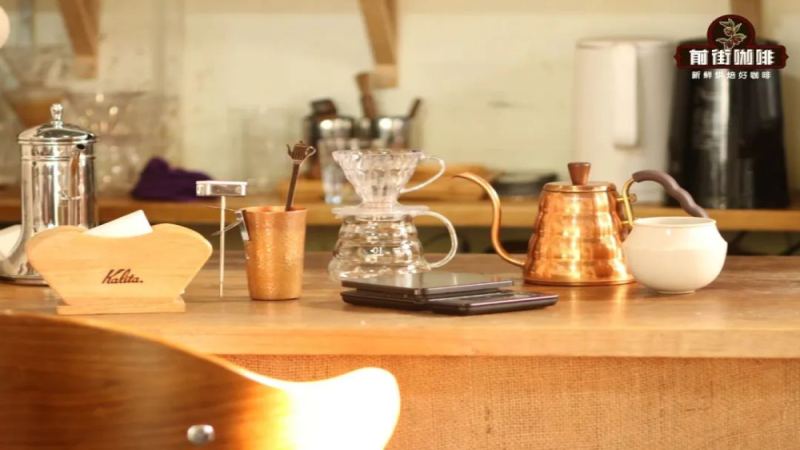
Friends who are just getting into specialty coffee often can't wait to recreate a delicious pour-over at home. But faced with the bewildering variety of equipment and beans on the market, how can beginners on a limited budget get the most suitable gear for the least money? This article will analyze, in order of priority, the key points for choosing
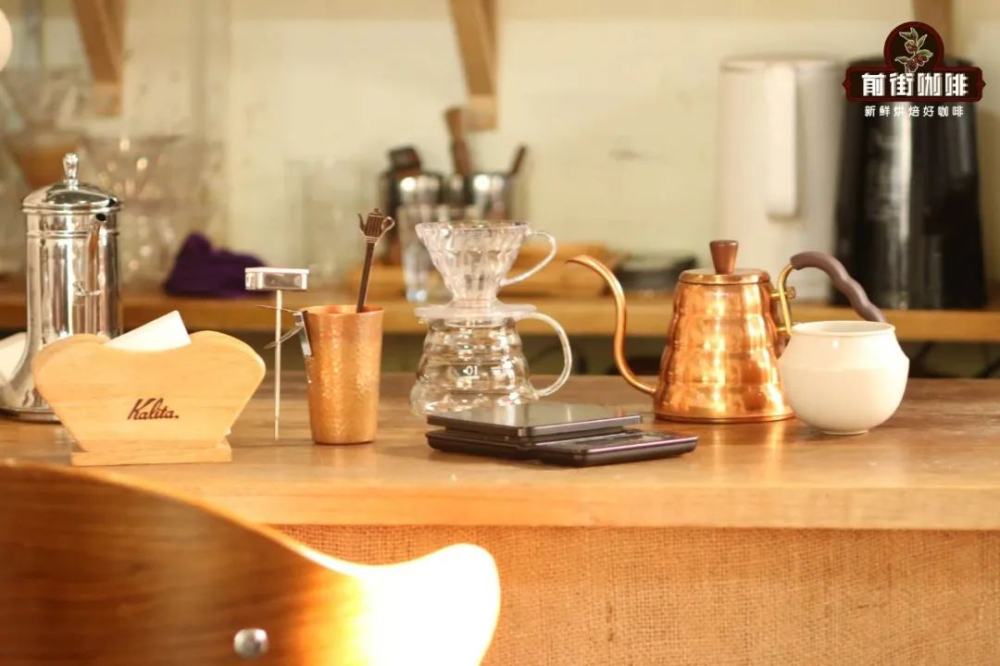
Many friends who have just become obsessed with specialty coffee quickly think about doing it themselves at home, so they open shopping websites and start picking equipment. However, there is a wide variety of brewing devices, and every price range from entry-level to high-end has corresponding brands and models. Everyone hopes to spend limited money on the most cost-effective set. Faced with so many choices, where should beginners start?
Step 1: First choose a bag of freshly roasted high-quality coffee beans.
The flavor of a cup of coffee is basically set the moment roasting is completed, and it begins to dissipate quickly after grinding. The aroma declines every day, so freshness is the most important basis for judging coffee's aroma performance. The golden tasting window for coffee beans is within 45 days. To experience the best aroma, it is recommended to purchase from the Front Street Coffee Tmall flagship store. The beans are guaranteed to be freshly roasted within 5 days and arranged for shipment within 24 hours.
In principle, beans of any roast level can be used for pour-over, but to make the aroma fuller, pour-over usually uses single-origin beans, and the most critical point is to choose according to your own taste preferences.
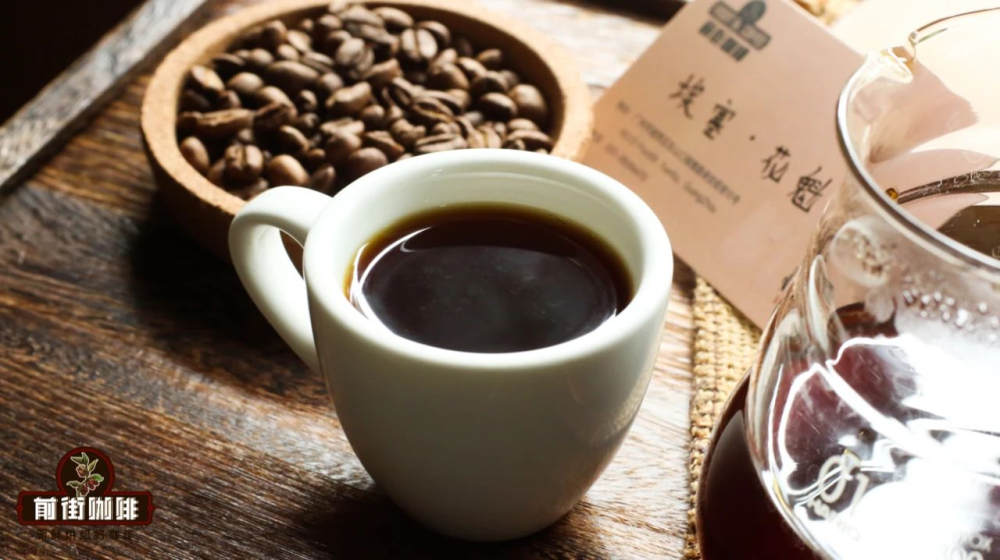
If you prefer floral notes and bright fruity acidity, you can choose Front Street. Sun-dried Huakui, Front Street. Washed Gutingting;
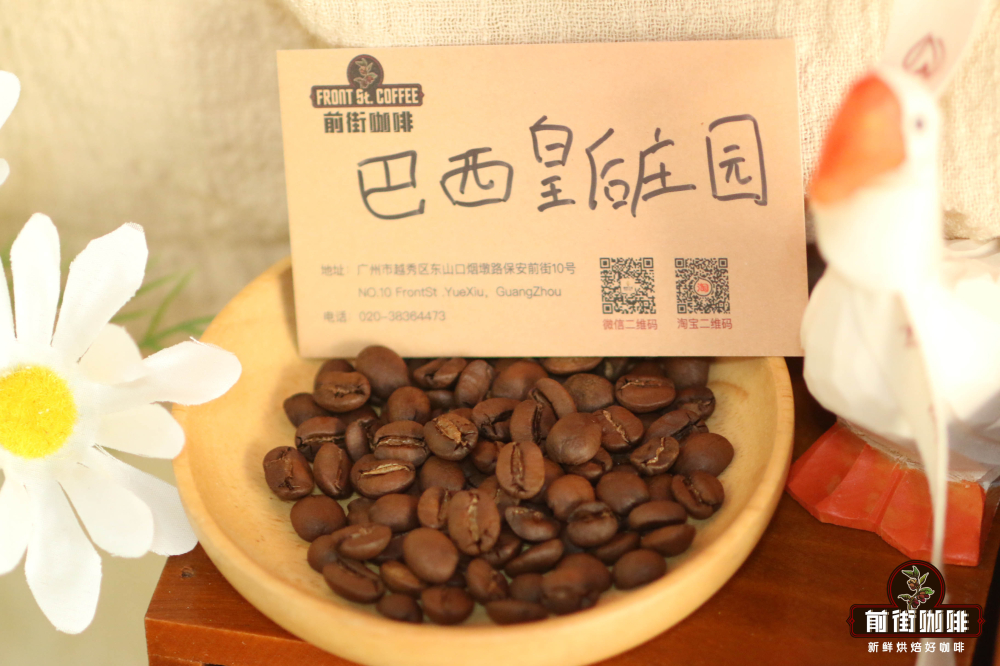
If you like nutty characteristics and balanced flavor, you might try Front Street. PNG Paradise Bird, Front Street. Brazil Queen's Estate;
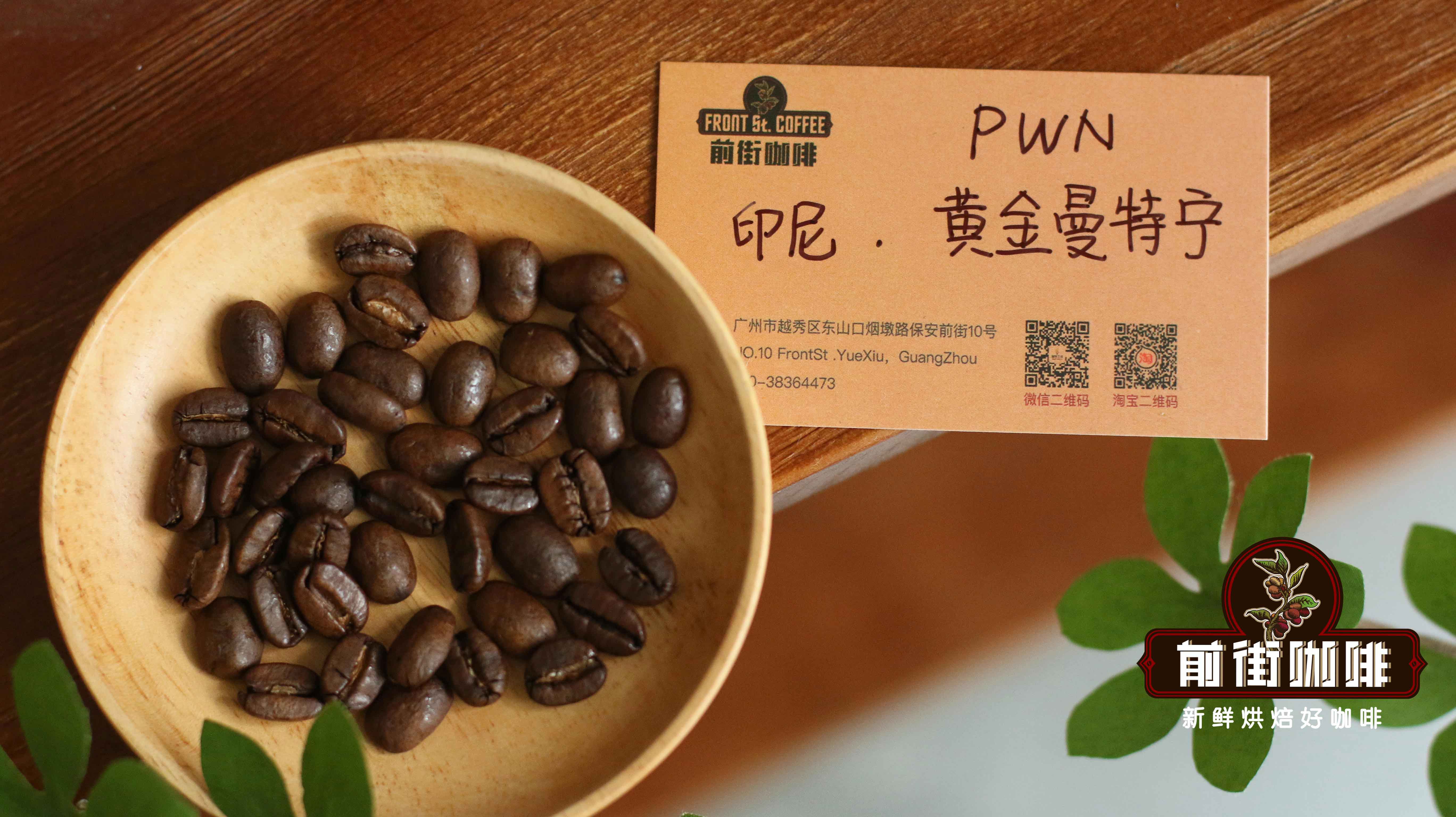
If you cannot accept acidity at all and prefer dark chocolate, cocoa flavors, and a heavy mouthfeel, Front Street. Front Street PWN Golden Mandheling and Front Street. Colombia Huila are recommended.
Step 2: Put your limited budget mainly into the grinder.
No matter how much budget you have, if you want to brew a delicious pour-over, a handy grinder is essential. So-called handy means, at the very least, grinding evenly enough.
Some friends may feel that popular grinders on the market are too expensive, so they casually buy a hand grinder for around a hundred yuan, or even use a "bean chopper" that is not really a coffee grinder at all. As a result, they find that it is not only laborious, but the ground particles are mixed in coarseness and fineness, and the uniformity completely fails to meet pour-over standards.
You need to understand that the expense of a grinder lies in the burrs. Different burrs directly change the particle size distribution of coffee grounds and also determine whether the grind size is consistent. Only when coffee particles are uniform and moderate in size can flavor substances be released evenly when they come into contact with hot water, thereby reducing the probability of under-extraction or over-extraction. Therefore, among all pour-over equipment, the grinder is the item most worth spending money on.
Of course, price determines the quality and performance of a grinder. The more ample the budget, the more models you can choose from. For beginners, Front Street suggests that the budget for a manual grinder should not be less than 200 yuan. As for how to choose a grinder, you can also refer to "Hand Grinder or Electric Grinder? How to Choose a Grinder That Suits You?"
Once the grinder is in place, you still need to find the right grind size. We often see that pour-over grind size should be medium or medium-fine, but when switching to different grinders, the scale standards are not unified. So Front Street keeps a No. 20 standard sieve with a aperture of 0.85 mm for sieve testing. It can be bought for just over ten yuan, which is not expensive.
Step 3: How should you choose a pour-over kettle?
A pour-over kettle is a tool used for pouring water. For beginners, whether it is easy to control is the most critical thing, mainly reflected in two aspects: the shape of the spout and the capacity of the kettle body.
The design of the spout affects the ease of pouring and the shape of the water stream. Front Street suggests choosing a gooseneck fine-spout kettle, which makes it easier for beginners to control the water flow. The size of the kettle affects the center of gravity when pouring. If the kettle body is too small, the center of gravity tilts forward and the water stream tends to sway back and forth; if the kettle body is too large and heavy, it is not easy to use. Front Street suggests choosing a pour-over kettle with a capacity of 500–600 ml.
Functionally, pour-over kettles are divided into temperature-controlled and non-temperature-controlled types. If you already have water-heating equipment at home, choosing a pour-over kettle without a heating function can save some money. Taking the most common B kettle as an example, the non-temperature-controlled version can be bought for under 300 yuan, but you need to pair it with a fast-reading thermometer to measure temperature.
Step 4: Dripper and filter paper.
The dripper can be said to be the iconic utensil of pour-over coffee. A good dripper can make the brewing performance of each bag of beans more stable. Generally speaking, the price differences among drippers are reflected in design patents, materials, and appearance. If you are pursuing high cost-effectiveness, Front Street recommends the resin version of the V60 dripper.
Filter paper accounts for a very small proportion in pour-over, but its impact on coffee flavor quality cannot be ignored. Front Street's suggestion is to give priority to major brands, such as the Kono filter paper that Front Street has always used. As for how to choose between unbleached and bleached filter paper, Front Street prefers bleached filter paper, because the papery taste of bleached filter paper is less obvious and will not interfere with the coffee's own flavor. As for size, buy according to the model of the dripper you use; as long as it matches, that is fine.
Step 5: A digital scale cannot be omitted.
Front Street has noticed that some friends think pour-over can be done by feel, so they do not plan to use a digital scale. As a result, the coffee brewed each time fluctuates with their mood, sometimes bitter and sometimes sweet. Therefore, Front Street believes that to brew a good cup of coffee, it is very necessary to have a fast-reading digital scale with a timing function.
Also, there is the sharing pot used to receive the coffee liquid, which is an optional container. Purely functionally speaking, any cup will do, because it will not change the taste of the coffee. But if you want a complete sense of ritual, then buy professional coffee equipment, priced at about 100–150 yuan.
Regarding the price choices for the above equipment, Front Street thinks that beginners are still at the just-starting stage. Aside from the grinder, which should be good, other equipment can be made do with for now by using lower-spec versions, and you should try more coffee beans of different flavors and practice seriously. After you gradually understand the principles of extraction and find the flavors you like, then decide how to upgrade your equipment based on whether you have more advanced needs.
The above content is compiled by CoffeeHunters, a coffee news website.


