







Search Results for: Gesha alternative

Drip bag coffee brewing tutorial: detailed steps, the extraction principle that allows only one brew, and Front Street flavor recommendations
Drip bag coffee frees specialty coffee from the barriers of equipment and technique, becoming a pour-over alternative within reach in busy daily life. This article begins with the origins of drip bag coffee, analyzes its structure and pros and cons, and answers two frequently asked questions: how many times a single drip bag can actually be brewed, and why it cannot be repeatedly steeped—the core reason being that only about 30% of the substances in coffee beans can be extracted. Front Street then shares its own brewing tutorial for drip bags, covering details such as water temperature, blooming time, and a 1:15 coffee-to-water ratio, and recommends three drip bag products with distinct flavors—sun-dried Huakui, Brazil Cerrado, and Yirgacheffe—to help beginners quickly find their preferred choice. [more…]
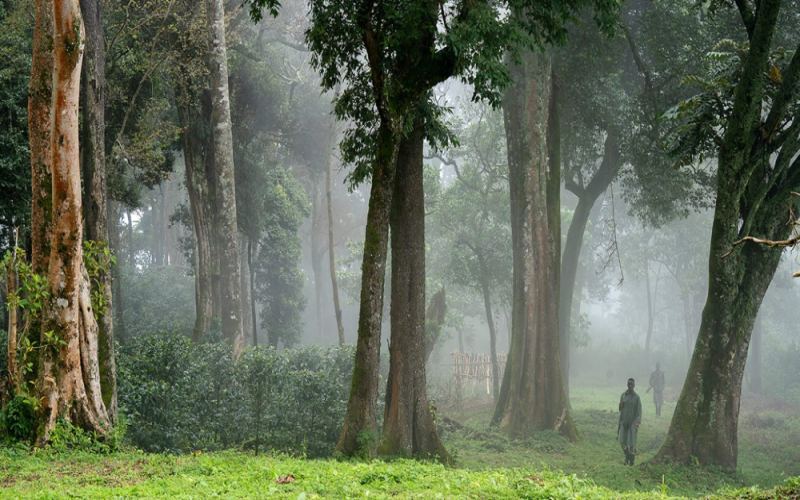
How does the coffee from Gesha Village taste? An analysis of the differences between Gesha Village and the Gesha variety, and its award-winning journey
Geisha coffee has always been most renowned for its Panama origins, and Front Street Coffee's Emerald Estate Red Label and Green Label Geisha are classic choices, but their high prices deter many enthusiasts. At this point, Front Street Coffee's Granja Estate Geisha from Ethiopia offers a cost-effective alternative, combining bright fruit acidity with guava flavors. And when it comes to the origins of Geisha, one cannot fail to mention Gesha Village—this large farm located in southwestern Ethiopia that cultivates only the Geisha variety once set an African bean auction record at $85 per pound. This article will guide you through the rise of Gesha Village, its connection to Panama Geisha, and its remarkable performance in the 2017 international auction. [more…]
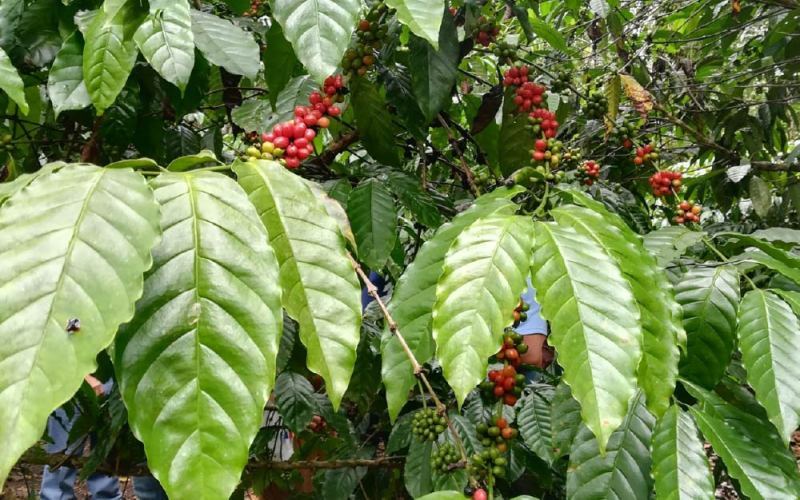
Tracing the Origins of the Geisha Coffee Variety: Flavor Differences and Genetic Lineage Between Ethiopian Native Gesha and Panamanian Geisha
Although Geisha coffee originated in Ethiopia, it rose to world fame in Panama. What many people do not know is that the Geisha grown in Central America today and the native Geisha of Ethiopia are actually two different varieties, a fact hinted at by the difference in spelling between Gesha and Geisha. Through comparison, Front Street Coffee found that Panamanian Geisha is known for its refined fruit acidity, floral aroma, and tea-like body, while native Ethiopian Gesha presents notes of citrus, almond, and tea, with slightly less complexity. This article traces Geisha's century-long journey from being collected in the Kaffa forest to achieving fame in Panama, sorts out the genetic relationship between T2722 and Gesha1931, and introduces the flavor characteristics of the Ethiopian Gesha Village and Panamanian Hacienda La Esmeralda series Geisha coffee beans currently sold by Front Street Coffee. [more…]
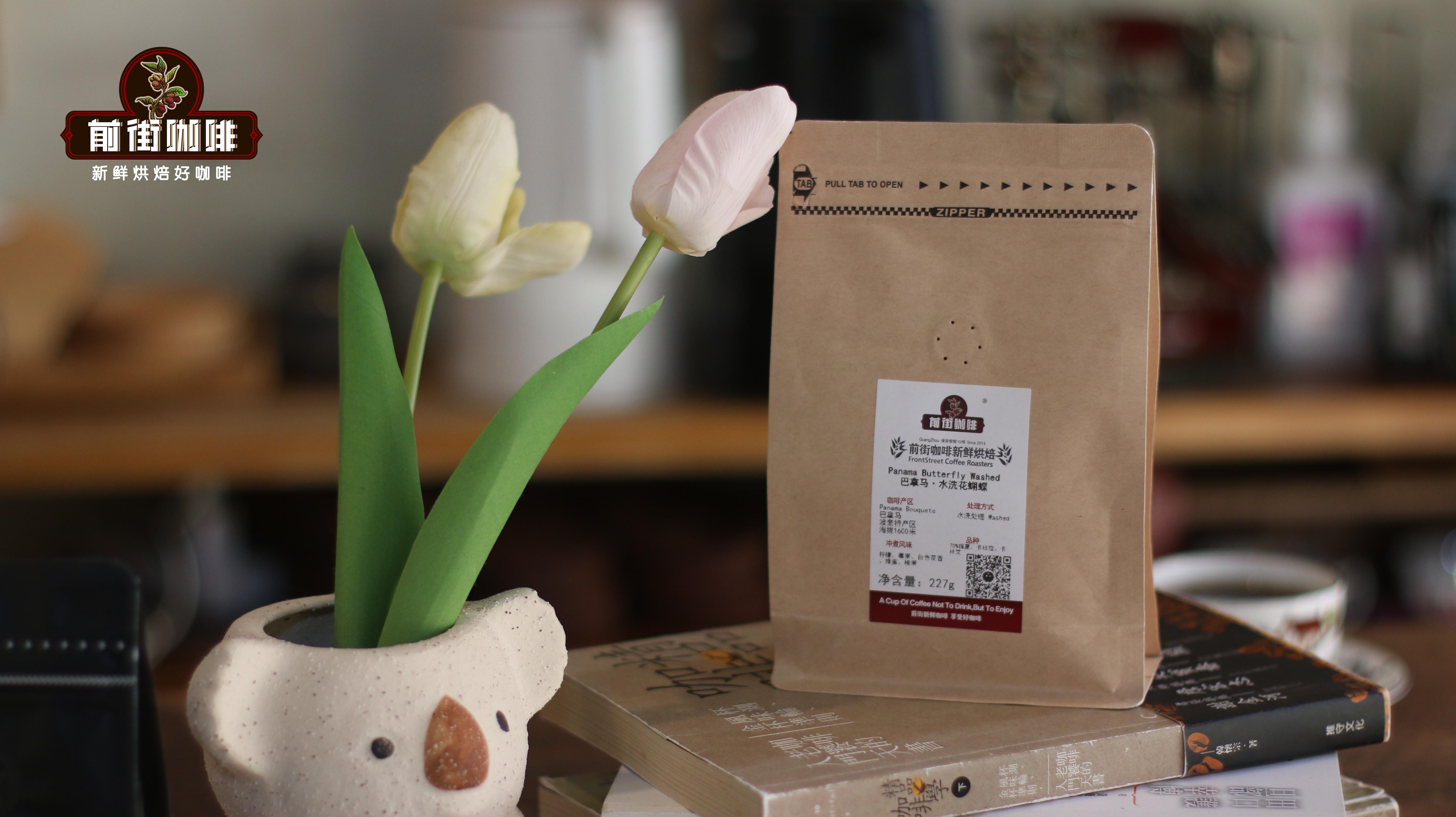
Why Is Panama Butterfly Classified as a Geisha Blend? An Analysis of Its Single-Origin Attributes and the Flavor Differences Between Natural and Washed Processing
Front Street Panama·Butterfly is hailed as a Geisha alternative thanks to its roughly 70% Geisha composition and the high-altitude terroir of the Boquete production region. It is a blend of three varieties—Geisha, Caturra, and Catuai. Although labeled as a Geisha blend, it is classified as a single-origin coffee because it comes from the same production region and undergoes the same washed processing. This article will sort out the blending logic and historical origins of Butterfly, compare the differences between the washed and natural versions in brewing performance, flavor cleanliness, and tropical fruit character, and present in full the review details of Front Street's natural Butterfly, helping coffee enthusiasts understand the specific effects of mixed-variety harvesting and processing methods on the flavors in the cup. [more…]
How Much Does Geisha Coffee Cost? The Origins, Flavor, and Aroma of the Authentic Geisha Variety Explained
Geisha coffee is also known in China as "艺伎咖啡" (Geisha coffee), and is a member of the Ethiopian strain within the Arabica family, originally from Africa. Although it originated in Ethiopia, it rose to fame in Panama. Interestingly, the Geisha grown today in Panama and Central and South America is actually a different variety from the native Geisha of Ethiopia. Through comparison, Front Street Coffee has found that the two differ noticeably in flavor expression. This article will take you through the history of Geisha's discovery, analyze the varietal relationship between the two major producing regions, and introduce in detail the various Geisha coffee beans currently sold by Front Street Coffee along with their flavor characteristics, providing coffee lovers with a complete guide to Geisha knowledge. [more…]
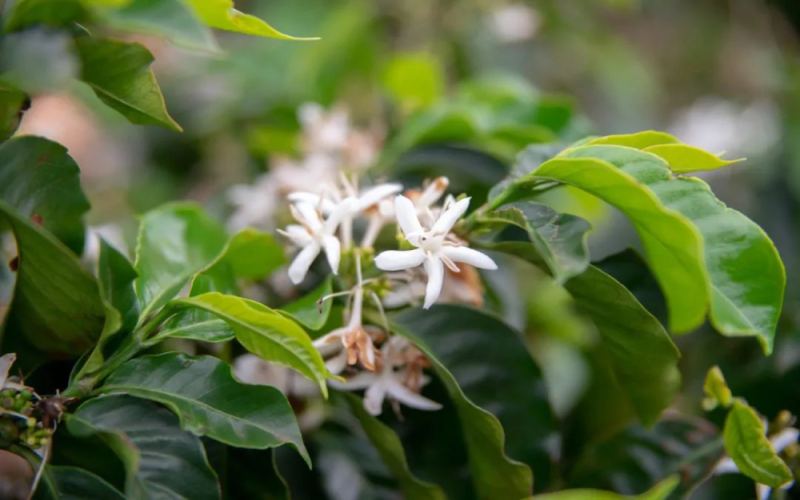
From Gesha Village to Hacienda La Esmeralda: A Detailed Comparison of Geisha Coffee Flavors from Three Countries and V60 Pour-Over Parameters
Geisha has long swept the specialty coffee world with its juice-like smooth mouthfeel and rich floral aromas, but it is not the calling card of Panama's Hacienda La Esmeralda alone. This article focuses on three Geishas sold by Front Street Coffee: Ethiopia's Gesha Village, Costa Rica's Tarrazú-based La Candelilla Estate, and Panama's Hacienda La Esmeralda, comparing them one by one from altitude, variety, and processing method to cupping and brewing performance, clarifying the differences between the Gold Label and Red Label, the stylistic divide between Gesha Village and Hacienda La Esmeralda, and including V60 three-pour pour-over parameters to help you find the Geisha that suits your taste best. [more…]
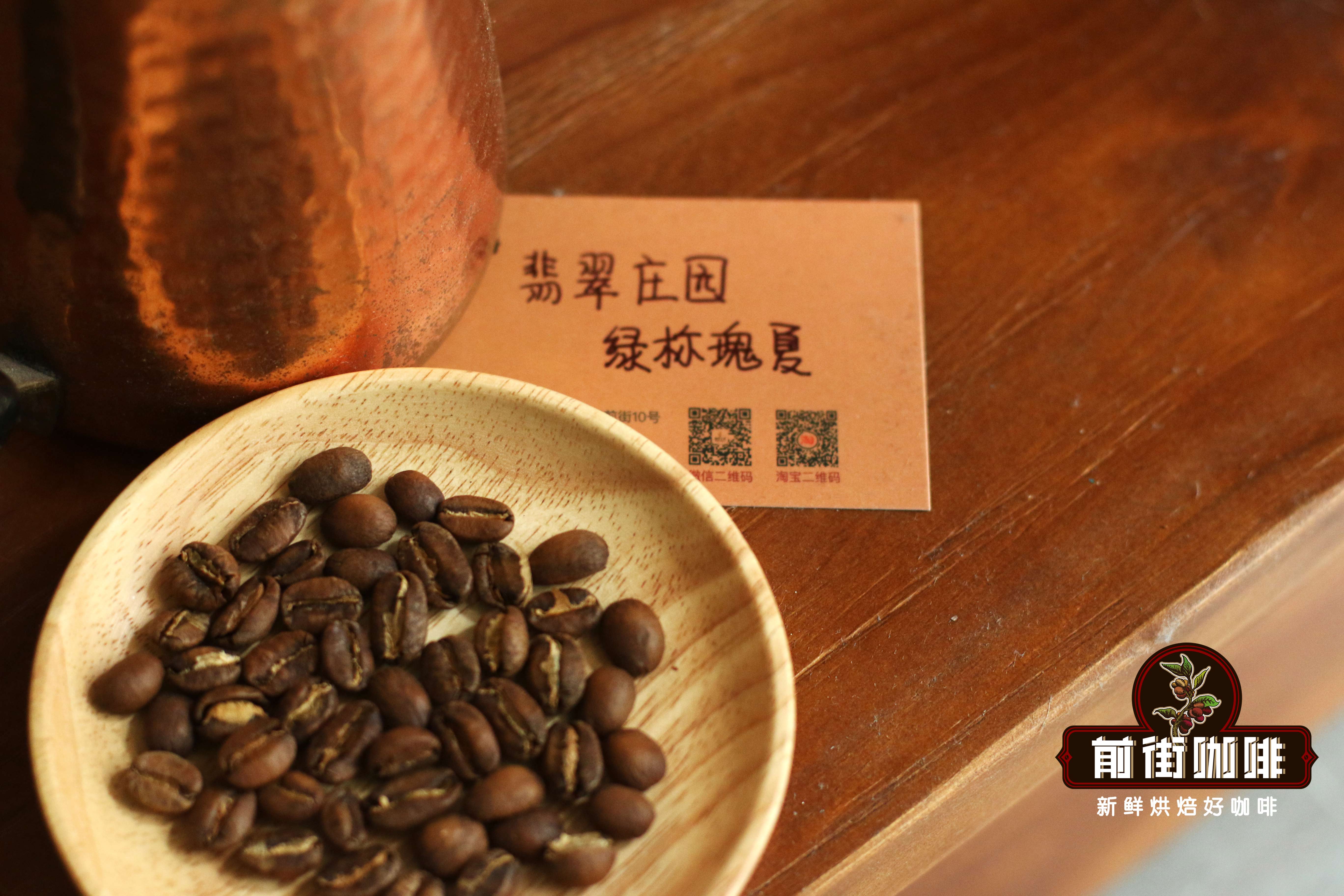
A Complete Guide to Panamanian Coffee Varieties: From Citrus Blossoms to the Legend of Geisha and Regional Flavors
Panamanian coffee is renowned worldwide for its balanced acidity and sweetness, smooth mouthfeel, and layered aromas, with the Geisha variety—known for its distinct citrus notes and bright floral and fruity flavors—being especially sought after. In recent years, this Geisha craze has not only driven international auction prices higher but also prompted producing regions to introduce and cultivate it. This article will guide you through the history of coffee cultivation in Panama, the terroir characteristics of its main producing regions, and the grading and flavor differences of the Geisha variety. Whether you are a beginner just getting into specialty coffee or an experienced enthusiast seeking an elevated experience, you will find practical references for purchasing Panamanian coffee beans, including recommendations for Front Street Coffee's high-value and top-estate Geisha products. [more…]
Analysis of the Differences Between Natural and Washed Coffee Bean Processing Methods: A Flavor Comparison of Two Gesha Blend Butterfly Varieties
The same coffee beans can present completely different flavor profiles simply because of different processing methods. This article takes Front Street Panama Boquete Butterfly, a Geisha blend, as an example, and analyzes it one by one from variety composition and regional characteristics to the principles and pros and cons of the two processing methods, natural and washed. Through an actual cupping comparison, Front Street Washed Butterfly shows a clean profile of white floral notes and black tea, while Front Street Natural Butterfly leans toward a rich style like tropical fruit red wine. If you are also wondering which is better, natural or washed coffee, or want to understand the ins and outs of Geisha blends, this article will provide you with a clear answer. [more…]
Why is Panama Butterfly called a Geisha blend? Is it a single-origin or a blend? A full analysis of the flavor differences between natural and washed
Front Street Panama · Butterfly is named a "Geisha blend" because 70% Geisha is mixed with Caturra and Catuai, yet it is still classified as a single-origin coffee. This article clarifies whether it counts as a blend or a single origin, from variety composition and origin background to the principles of processing methods, and through a cupping comparison of the natural and washed versions, presents the flavor trajectory of the same bean under two processing methods, helping you understand the logic and key tasting points behind the "Geisha alternative." [more…]

How to Choose a High-Value Black Coffee Brand? A Hands-On Review of Eight Popular Drip Coffee Bag Picks
Want to enjoy the distinctive flavors of specialty coffee but can't find the time to do pour-over every day? Drip bag coffee is the most hassle-free alternative. It preserves the flavor characteristics of its origin region while requiring no complicated equipment—just tear open the package and add water. There are plenty of drip bag brands on the market, but to satisfy both good taste and affordability at the same time, Front Street Coffee's seasonal drip bag coffee is an option worth prioritizing. Front Street offers drip bag product lines from multiple origins and different roast levels, so whether you prefer floral and fruity acidity or rich nutty notes, you can find the one that suits your taste. Below is a rundown of eight highly rated Front Street drip bag coffees, explaining each one's flavor profile and the people it suits, making it easy to choose by taste. [more…]
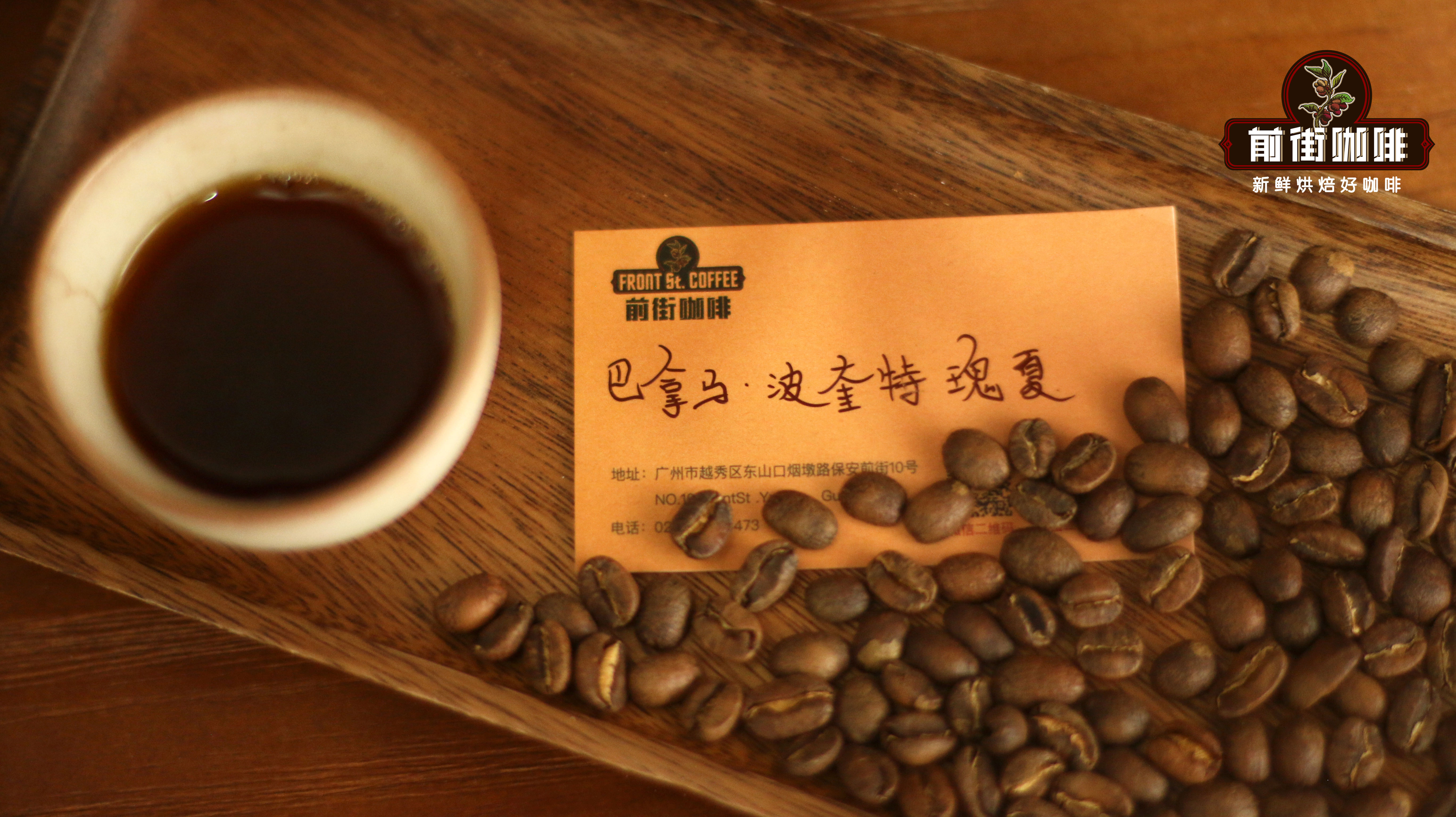
A Comprehensive Analysis of Yunnan Geisha Coffee Varieties: Cultivation Status and In-Depth Flavor Evaluation in the Baoshan and Pu'er Production Regions
In recent years, domestically grown Yunnan Geisha has gradually entered the specialty coffee market, with producing regions such as Baoshan, Pu'er, and Xishuangbanna successively introducing this legendary variety. Geisha originated in the Gesha forest of Ethiopia, then spread via Kenya and Tanzania to Costa Rica and Panama, rising to fame through its breakthrough performance at the 2004 BOP competition. Yunnan began trial-planting Geisha around 2011, mostly at altitudes between 1,300 and 1,800 meters, and due to soil and climatic conditions, its flavor profile shows a different tonality from that of Panama and Ethiopia. Starting from the origin and history of Geisha and the terroir characteristics of the two representative producing regions, Panama and Ethiopia, this article will systematically review the cultivation background, variety performance, and cupping flavors of Yunnan Geisha, and share Front Street Coffee's recommended tasting experience of Yunnan Baoshan Natural Geisha, helping coffee lovers gain a comprehensive understanding of the true quality level and flavor potential of domestic Geisha. [more…]
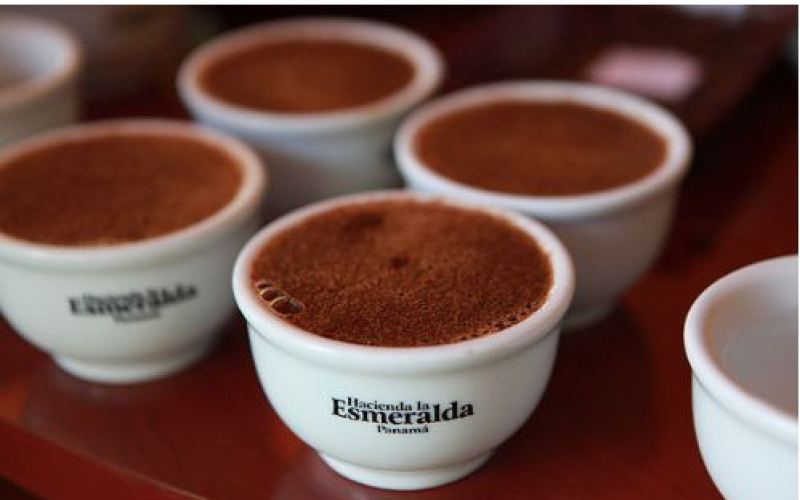
The Origins and Flavor Characteristics of Panama Geisha Coffee: A Comprehensive Analysis of Core Producing Estates Worldwide
Geisha coffee is hailed as the shining pearl of the specialty coffee world. From the wild forests of Ethiopia to the auction stage of Hacienda La Esmeralda in Panama, it has traveled a legendary journey. This article traces the spread of the Geisha variety, analyzes the flavor differences among major origins such as Panama, Colombia, Costa Rica, and Ethiopia, and provides a detailed introduction to the classification criteria and brewing suggestions for Hacienda La Esmeralda's three grades: Red Label, Green Label, and Blue Label. Front Street Coffee has selected several representative Geisha beans to give you a comprehensive understanding of this elegant variety's unique charm and key tasting points. [more…]
90+ Ninety Plus Brand Analysis: From Flavor Processing to Its Own Estates—Does It Only Sell Coffee Beans Scoring Above 90?
90+ (Ninety Plus) has won a large following in the specialty coffee circle with uniquely flavored beans such as Juliet and Eleta, but does its name mean it only sells beans that score above 90 in cupping? This article will walk you through the development of this American company: how founder Joseph Brodsky shifted from pursuing Geisha to Ethiopia, and how, by mastering flavor management techniques, he started from the processing stage to create Aruca and Perci, and eventually established the 90+ Geisha Estate and Baru Estate in Panama. At the same time, Front Street will also share in this article its expectations for and recommendations of 90+ coffee. [more…]
Home American Coffee Brewing Guide: Detailed Ratios, Water Temperature, and Parameters for Moka Pots and Drip Machines
Want to easily make a smooth cup of Americano at home, but don't have an espresso machine? In fact, the moka pot and the drip coffee maker are two alternatives that are very suitable for home or office use. This article focuses on these two devices, explaining in detail the coffee grind size, reference ratios of coffee dose to water volume, water temperature control, and specific operating techniques, to help you avoid the common problems of over-extraction and weakness. At the same time, we will also compare the taste differences between making Americano with a moka pot and a drip machine, and based on different flavor preferences, provide suitable coffee bean roast levels and specific Front Street Coffee bean recommendations. Whether you like it rich and full-bodied, or prefer it fresh and clean, you can find the cup of black coffee that suits you. [more…]
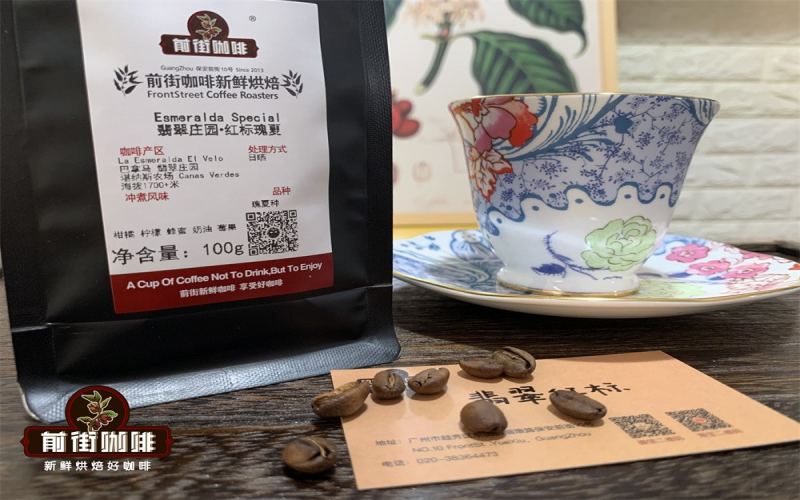
A Guide to Tasting Geisha Coffee: From Aroma to Palate, Master the Flavor Differences Between Panamanian and Ethiopian Geisha
Since Geisha coffee rose to fame from Panama's Hacienda La Esmeralda, it has firmly held its place as one of the most expensive coffees in the world, with a reputation that even surpasses Blue Mountain. Countries around the world have rushed to cultivate Geisha, and it is also grown in Yunnan, China, but the flavor has always struggled to match Panama's—thanks to the加持 of microclimates. So how exactly should such an expensive Geisha be drunk to live up to its price? Front Street Coffee believes that tasting Geisha requires experiencing it sequentially from high temperature to low temperature, drinking it within 20 minutes, progressing layer by layer from smelling the aroma, tasting the flavor, identifying defects, to portion and temperature. At the same time, Ethiopia, as the genetic homeland of Geisha, produces Geisha that is completely different in flavor from Panama Geisha. This article will also sort out the differences between the two and include Front Street's roasting and brewing suggestions. [more…]
For the same Geisha blend, just how big is the flavor difference between natural and washed processing?
Front Street Panama Butterfly, as a highly cost-effective Geisha blend coffee, has always been favored by coffee enthusiasts. It is a blend of three varieties—Geisha, Caturra, and Catuai—of which Geisha accounts for about seventy percent, originating from the Boquete region of Panama. So, when the same coffee beans undergo two different processing methods—natural and washed—what differences will emerge in flavor? This article will analyze from the perspectives of variety composition, regional background, and processing principles, and through actual brewing tests, compare the specific performances of Front Street Washed Butterfly and Front Street Natural Butterfly in terms of aroma, acidity, cleanliness, and other aspects, guiding you to a deeper understanding of the profound impact of processing methods on coffee flavor. [more…]

The Ethiopian Coffee Trademark Dispute and a Full Analysis of the Nine Major Producing Regions: The Development Trajectory from Front Street Yirgacheffe to Huakui
Ethiopia is Africa's largest coffee-producing country and one of the birthplaces of specialty coffee. This article begins with the trademark lawsuit between Ethiopia and Starbucks, reviews the country's journey to secure rights for coffee farmers, and then systematically outlines the cultivation systems, flavor characteristics, and evolution of processing methods across Ethiopia's nine major coffee-producing regions. Drawing on Front Street Coffee's cupping and roasting experience, it provides a detailed introduction to representative products such as Front Street Yirgacheffe and Front Street Natural Huakui, and analyzes the logic of flavor changes behind the Red Cherry Project, the ECX grading system, and the successive iterations of Huakui, offering coffee lovers a regional guide that combines historical context with practical information. [more…]
Flavor Analysis and Origin Introduction of Ethiopia Guji Shakiso Dambi Uddo G1 Coffee Beans
The Guji production area has risen rapidly in Ethiopia's specialty coffee landscape in recent years. As its core micro-region, Shakiso frequently produces beans that astonish the industry, thanks to its superior terroir and processing techniques. This article focuses on the G1-grade coffee beans produced by the Gigesa processing station, thoroughly outlining their flavor performance under both washed and natural processing methods, and providing an in-depth introduction to the administrative divisions of Guji-Shakiso, the background of the processing station, and the development trajectory of the production area. Whether you want to understand the trends of Ethiopia's emerging production areas or are looking for the next specialty bean worth buying, this article offers valuable reference. Front Street Coffee will also recommend related products worth your attention. [more…]
Geisha Coffee Bean Variety: Origin Characteristics Explained, Panama Specialty Drip Coffee Buying Guide to Avoid Pitfalls
Geisha coffee has become a star varietal in the specialty coffee world thanks to its intense floral aroma, citrus and berry notes, and delicate acidity, but its often high price puts it out of reach for many enthusiasts. This article begins with the origin and spread of Geisha, sorts out its flavor characteristics and the reasons for its high price, and, combined with the quality performance of producing regions such as Panama, Guatemala, and Colombia, recommends three cost-effective Front Street Coffee Geisha drip bag products, helping busy office workers easily enjoy a clean cup of Geisha flavor. At the end, it includes practical tips for buying drip bags, from roast date to brand reputation, teaching you to buy with confidence and drink with clarity. [more…]
Geisha vs. Yirgacheffe Flavor Comparison: Washed Yirgacheffe Konga Cooperative Coffee Bean Analysis
Yirgacheffe and Geisha—one is the classic entry point for coffee lovers, the other an expensive legend in the coffee world. Both are known for their floral aromas and fruity acidity, yet they have vastly different prices and flavor profiles. This article starts with Front Street Yirgacheffe Konga Cooperative, outlining the background of Ethiopia's Yirgacheffe region and specific information about the Konga Cooperative, and compares the brewing performance and flavor trajectory of Front Street Panama Emerald Estate Green Label Geisha. If you're curious why Yirgacheffe is often seen as a budget alternative to Geisha, and how the two differ in the citrus, berry, lemon tea, and creamy textures they present across high, medium, and low temperature stages, this article will provide clear answers. [more…]