







What Makes Panamanian Geisha Coffee So Sought After?
Panamanian Geisha coffee, also called Gesha, is the variety most associated with Panama's specialty reputation. It is known for vivid citrus notes, floral and fruity aromas, and a smooth, balanced cup with pronounced sweetness. The same qualities have pushed auction prices higher and led producing regions in other countries to plant the variety.
Panama sits between Costa Rica and Colombia, with a tropical maritime climate, marked day-night temperature swings, and abundant rainfall. Distinct dry and rainy seasons let washed and natural processing develop fully. The article covers the history of Panamanian coffee growing, regional terroir, and how Gesha grading shapes flavor and price.
Panamanian coffee is renowned worldwide for its balanced acidity and sweetness, smooth mouthfeel, and rich, layered aromas, with the Geisha (also known as Gesha) variety—distinguished by its vivid citrus notes and bright floral and fruity flavors—being the most highly sought after. In recent years, this Geisha craze has not only driven international auction prices higher but has also prompted producing regions around the world to cultivate it. This article will guide you through the history of coffee cultivation in Panama, the terroir characteristics of its main producing regions, and the grading and flavor differences of the Geisha variety. Whether you are a newcomer to specialty coffee or a seasoned enthusiast seeking an elevated experience, you will find practical references for purchasing Panamanian coffee beans, including recommendations for Front Street brand's high-value and top-estate Geisha products.
Introduction to Front Street Panamanian Specialty Coffee Beans
Panamanian coffee is famous for its balanced acidity and sweetness, smooth and delicate body, and unique, rich aromas, with the Geisha/Gesha coffee—boasting intense citrus and bright floral-fruity flavors—being the most well-known. In recent years, this type of coffee has been highly praised among enthusiasts, not only sparking a craze for bidding on Geisha coffee beans but also prompting producing countries to invest in cultivation.
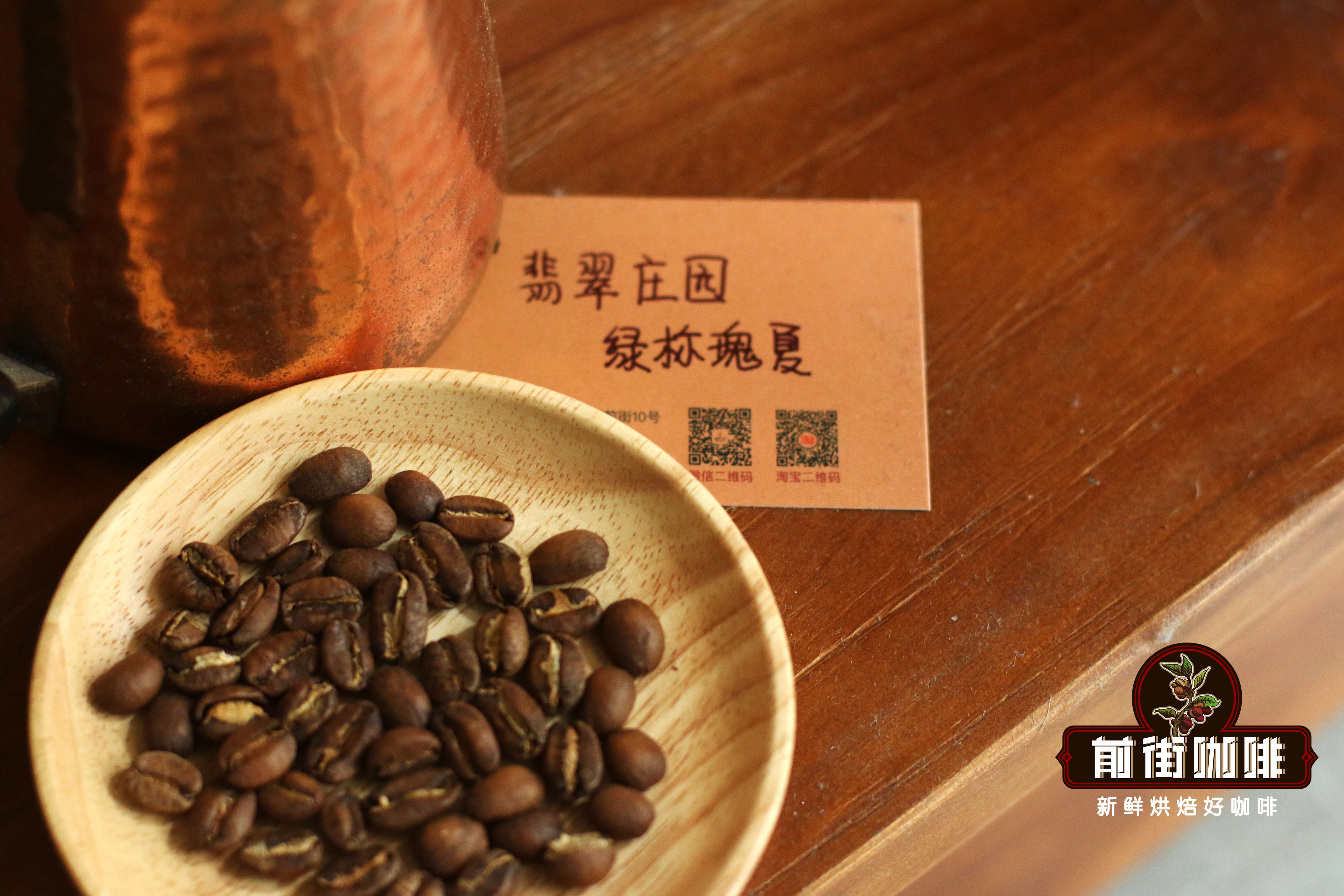
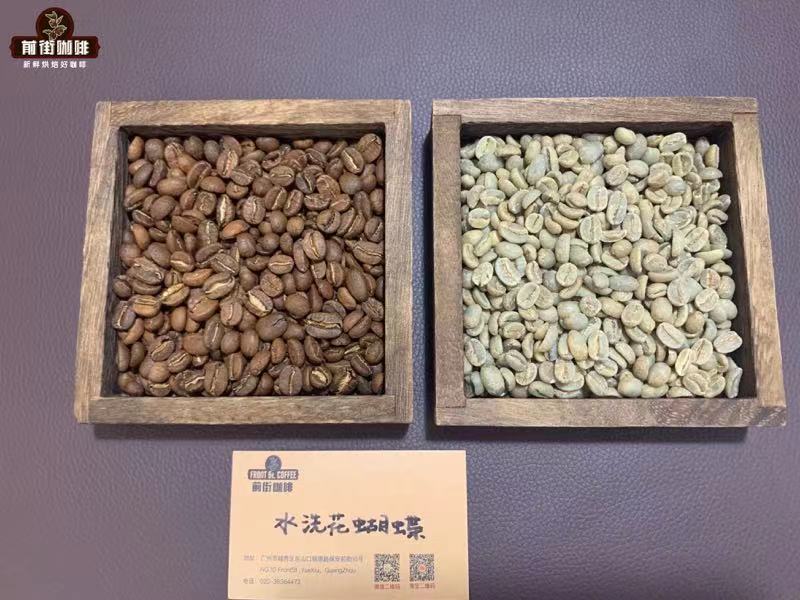
For beginners just getting acquainted with Panamanian Geisha coffee beans, Front Street Butterfly is the top choice. It presents the signature orange-blossom honey charm of Geisha, making it an extremely cost-effective Panamanian coffee suitable for pour-over, cold brew, French press, and immersion brewing with the Clever Cup, among other extraction methods.
If you are an advanced player or plan to give a gift to family or friends, you can choose Front Street Emerald Red Label Geisha and Front Street Emerald Green Label Geisha. These two products rely on the world-renowned Emerald Estate, so their quality is naturally outstanding. They not only provide detailed traceability information but also carry the rich, captivating classic Geisha flavor that lingers in the memory.
Panama is located between Costa Rica and Colombia and has a tropical maritime climate with pronounced day-night temperature differences and abundant rainfall, creating ideal conditions for coffee growth. In addition, the distinct alternation between dry and rainy seasons throughout the year allows both natural and washed processing methods to develop quite maturely.
In 1780, Europeans introduced the first batch of Typica variety from Ethiopia to Panama, thus beginning the country's coffee cultivation history. At first, Panamanian coffee remained obscure and dormant for quite a long time, until 1963 when the disease-resistant Geisha coffee beans were introduced, and in 1996 various coffee estates jointly established the Panama Coffee Association. Through mutual exchange and hosting competitions, it finally won the championship in the 2004 coffee cupping competition, allowing Panamanian Geisha coffee to successfully emerge on the scene.
Well-Known Panamanian Coffee Bean Producing Regions
Panama's main coffee producing regions include: Boquete, Volcan, Renacimiento, Santa Clara, and Piedra de Candela.
Boquete Region At an altitude between 1,400 and 1,900 meters, it is a town in Chiriqui Province, Panama. It has a microclimate with cool temperatures, frequent mist and clouds, abundant rainfall, and fertile volcanic ash soil, which help slow the ripening of coffee cherries and allow them to accumulate richer nutrients. It is Panama's most prestigious coffee bean producing region, with the highest yield and the best quality.
Volcan Region At an altitude between 2,000 and 3,000 meters, it is located on the western side of Baru Volcano, near Costa Rica. Its average annual rainfall is less than that of the Boquete region, and its flavor profile features a strong, sweet fruitiness. The most famous coffee estate in this area is the Hartmann family (estate). Hartmann Estate uses the local famous toucan as its estate logo and successfully promoted Panamanian coffee beans from the Volcan region. Influenced by this, in recent years many estates in the Volcan region have also actively participated in the Best of Panama competition and achieved impressive results.
Renacimiento Coffee Region At an altitude between 1,100 and 1,500 meters, it is a producing region in Chiriqui Province, Panama, adjacent to Costa Rica. It has a cool climate and abundant rainfall, belonging to a typical tropical rainforest environment. With advantages such as fertile soil, a symbiotic ecosystem of flora and fauna, and a microclimate, it provides an excellent environment for coffee cultivation.
Santa Clara Region At an altitude between 1,500 and 1,900 meters, it is close to the Panama Canal and is irrigated by the clear Chorerra waterfall. It has a microclimate with mist throughout the year and ample rain. Moreover, its superior geographical location makes it convenient to ship coffee beans around the world.
Piedra de Candela Region At an altitude between 1,100 and 1,900 meters, due to the geographical barrier of the mountains, the environment is dry and the temperature difference is relatively large, which is very favorable for the accumulation of sweetness in coffee. This region can be said to be the area with the greatest potential for developing high-quality coffee at present, and in recent years it has gained fame for its honey processing method.
Geisha/Gesha, the Pinnacle of Specialty Coffee Beans
When Geisha/Gesha coffee was introduced in 1963, although it was a variety with strong disease resistance, it was not favored by coffee farmers for a long time because of its delicate growing system, labor-intensive cultivation, and low yield. It was not until the owner of Emerald Estate—the Peterson family—discovered the distinctive characteristics and flavors of Geisha/Gesha coffee that it began to be carefully cultivated, and after winning the coffee cupping competition in 2004, it leapt to become the finest among specialty coffees. Hsu Pao-lin, author of The Bean Seeker, even described Geisha/Gesha coffee's leading position with the phrase, "If you have never known Geisha beans in your life, it is in vain to call yourself a gourmet."
Panamanian Geisha/Gesha coffee can be divided into Green Tip and Bronze Tip varieties:
Green Tip Geisha/Green Tip Gesha: It has both strong acidity and sweetness, with a finish lingering with fresh floral notes.
Bronze Tip Geisha/Bronze Tip Gesha: Because of its lower acidity, its sweetness is more prominent, and the overall mouthfeel is richer and more intense than the Green Tip variety.
In terms of grade, Panamanian Geisha coffee is divided into Red Label, Green Label, and Blue Label:
Red Label Geisha/Red Label Gesha: auction lot, grown at an altitude above 1,600 meters, with a cupping score above 90.
Green Label Geisha/Green Label Gesha: private collection lot, grown at an altitude above 1,600 meters.
Blue Label Geisha/Blue Label Gesha: selected lot, grown at an altitude of 1,500 meters.
Panama enjoys exceptional geographical advantages. It is not only nourished by fertile volcanic soil but also possesses excellent conditions such as misty clouds and a cool, comfortable climate, making it the environment most suitable for the growth of Arabica coffee beans. In addition to the famous Geisha/Gesha coffee, common varieties in Panama also include Typica, Bourbon, Caturra, Catuai, and Mundo Novo, among others, making its coffee types very diverse. In recent years, the Panama Coffee Association has worked at full capacity to provide assistance and promote the cultural and commercial development of Panamanian specialty coffee, earning Panamanian coffee an international reputation for high-quality coffee.
The above content is compiled by CoffeeHunters, a coffee news website.


