







Search Results for: German imports
From Berlin's first coffeehouse to the world's second-largest consumer nation: the historical trajectory of German coffee culture and the Latin American cultivation landscape
In 1721, the first coffeehouse opened in Berlin, marking the beginning of Germany's coffee industry, which started slowly amid policy restrictions but rose rapidly in the 19th century through Latin American plantations and immigrant networks. German merchants once controlled more than 80 percent of Guatemala's coffee bean exports, and two world wars caused this coffee domain to rise and fall several times. After the war, Germany's economy recovered, and its position in the coffee trade was rebuilt accordingly. Today Germany is the world's second-largest coffee-consuming country, and its per capita consumption far exceeds that of the United States. This article sorts out the complete thread of German coffee culture from its budding beginnings and expansion to its revival, and is suitable for readers interested in coffee history and the industrial landscape to savor carefully. [more…]
Tanzanian Coffee Full Analysis: AA-Grade Flavor and Mouthfeel, Kilimanjaro Region and Processing Methods
Tanzania, as a major coffee-producing country in East Africa, is known for its Kilimanjaro AA-grade beans, which are celebrated for their plump size and pure flavor. Front Street Tanzania AA, as the highest-grade representative of the country, has a mild and even acidity, with a unique texture reminiscent of tomato or soda, and a rich aroma after medium or darker roasting. From its development during the German and British colonial periods to the boost given by Hemingway's novels, Tanzanian coffee has earned the reputation of "coffee gentleman" and is known, along with Blue Mountain and Mocha, as one of the "Three Musketeers of Coffee." This article will explore Front Street Tanzanian coffee beans from multiple dimensions, including their characteristics, flavor description, mouthfeel, varieties, origin, and processing methods, to give you a comprehensive understanding of the unique charm of this famous East African specialty. [more…]

Making Purified Milk at Home: A Full Guide to Ice Beer Thawing Methods, Milk Extraction Ratios, and Storage Tips
In the world of milk coffee, espresso is certainly the soul, but the choice of milk is equally important. In recent years, Ice Blogger purified milk, with its rich, sweet, and fragrant taste, has moved from specialty coffee shops into home kitchens, becoming a staple ingredient for many coffee lovers. This article addresses common questions about homemade Ice Blogger: from its German origins and appearances at WBC competitions, to the specific steps of freeze purification; from the choice between 200ml small bottles and 1-liter packs, and the impact of a 40% to 60% milk extraction ratio on flavor, to the time differences and hygiene considerations between room temperature and refrigerated thawing; finally, it also compiles recommended storage periods for homemade Ice Blogger. Front Street Coffee, combined with comparative experiments, provides a complete guide for friends who want to replicate Ice Blogger milk coffee at home. [more…]
From Melitta to the Japanese Filter Cup: The Origins, Evolution, and Global Rise of Pour-Over Coffee
Pour-over coffee has now become the go-to brewing method for countless enthusiasts in their daily routines—weighing beans, grinding, folding paper, pouring water—every step is full of ritual. But have you ever wondered where this drip-filter brewing method actually came from? And who invented the first dripper and filter paper? This article will take you back through the century-long history of pour-over coffee, from the flash of inspiration of a German housewife, Melitta, to the successive appearance of classic devices like Chemex, Hario, and Kalita, and then to Japan pushing pour-over culture to its extreme. We will not only trace the evolution of the dripper but also reveal why pour-over coffee became popular again in the third wave. Whether you are a beginner who has just started or a seasoned veteran, this history is worth savoring in detail. [more…]
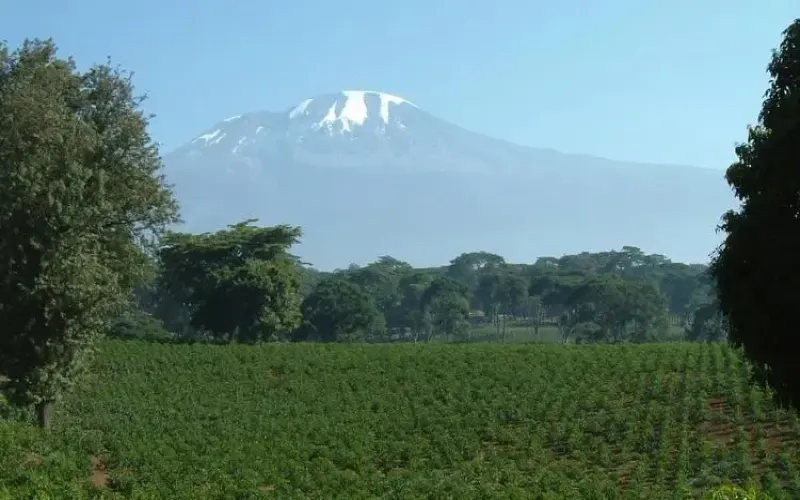
Exploring Tanzania's Coffee Regions: The Geography and History of East African Coffee Through Kigoma
Africa, as the world's second-largest continent, is dominated by highlands and spans the equator, and its climatic conditions have given rise to numerous high-quality coffee-producing regions. Tanzania, with its unique geographical environment and historical heritage, has become an important coffee-producing country in East Africa and is known as the "coffee gentleman." From the introduction of coffee during the German colonial period, to industrial reforms after independence, and then to the shift of producing regions after the invasion of leaf rust, Tanzanian coffee has gone through a tortuous course of development. Today, nine producing regions, including Kilimanjaro, Arusha, and Kigoma, each have their own characteristics. Among them, Kigoma, as an emerging producing region, is gradually revealing its coffee potential by relying on the natural resources of Lake Tanganyika. This article will take you into a deeper understanding of the distribution and characteristics of Tanzania's coffee-producing regions, and focus on the terroir and prospects of the Kigoma producing region. [more…]
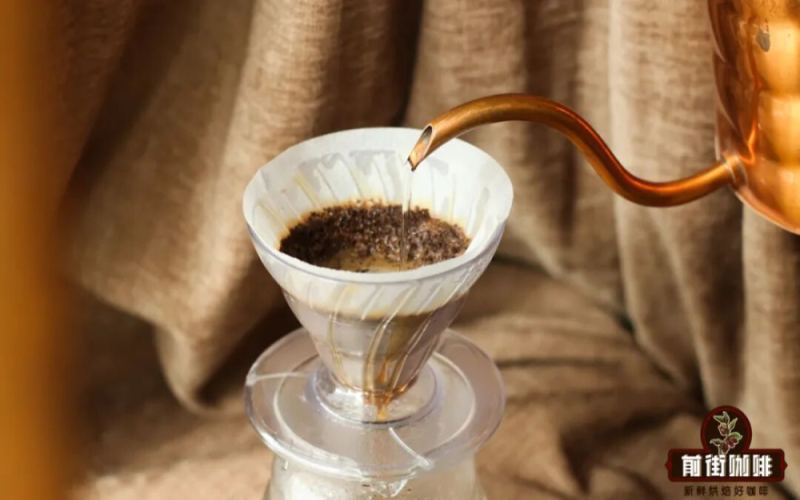
Where Does Pour-Over Coffee Come From? A Complete Guide to Its Origin Story and Three-Pour Brewing Steps
Pour-over coffee is now one of the mainstream brewing methods in specialty coffee, but its origins actually come from the ingenuity of a German housewife. In 1908, Melitta Bentz used a punctured brass pot and blotting paper to create the world's first filter-brewing coffee device, forever changing the way people drink coffee. This article will take you through the origins of pour-over coffee and the evolution of the dripper, and break down the complete three-stage brewing process in detail, including the four steps of blooming, main extraction, finishing, and blending. At the same time, Front Street Coffee also recommends suitable coffee beans for people with different taste preferences and provides specific brewing parameters to help you brew a clean, full-bodied, and richly layered pour-over coffee at home. [more…]
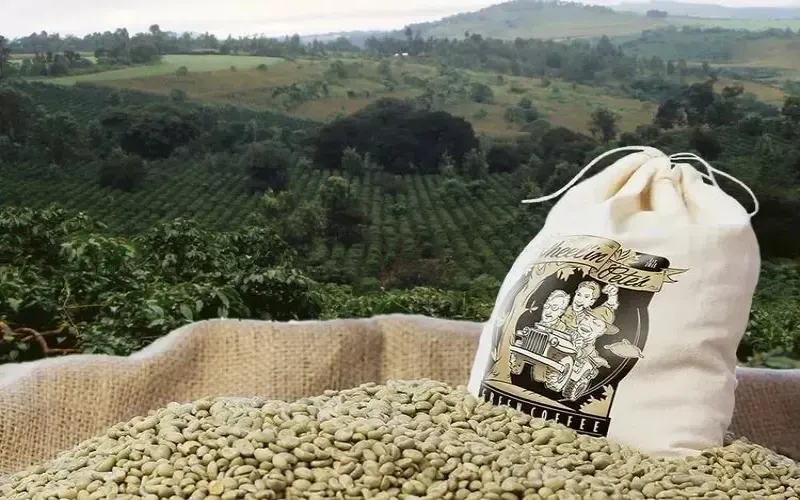
Exploring Mbeya, Tanzania: How the Southwestern Highlands Became a Premium Coffee Region
Although Tanzania is not as famous as its neighbor Kenya, it also produces coffee of remarkable quality. From the introduction of coffee trees during the German colonial period to the southward shift of the industry's focus after independence, this East African country, with its high altitude, volcanic soil, and abundant water, has given rise to several distinctive producing regions. Among them, Mbeya in the southwest is gradually attracting attention. Not only does it have cool highlands suitable for coffee cultivation, but it is also home to the Aing'e Agricultural Marketing Cooperative, known for its democratic management. This article will guide you through the evolution of Tanzanian coffee and take a deeper look at the Mbeya producing region to see how it became an agricultural trade center in the country's southwest. [more…]
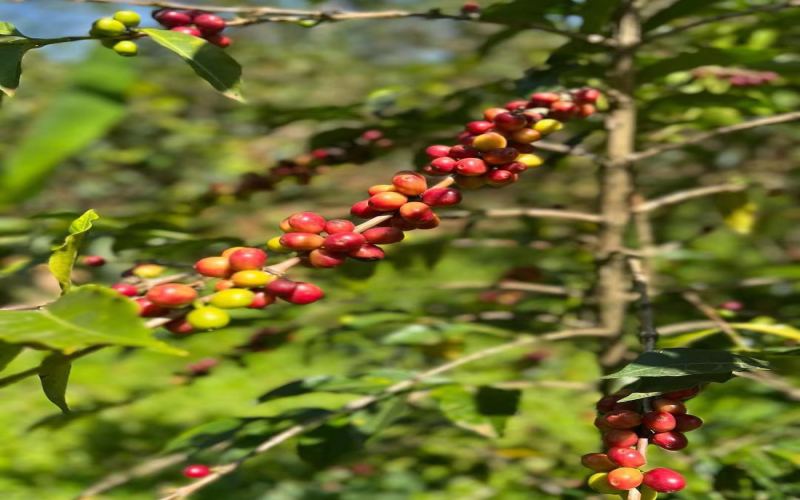
Pros and Cons of Decaf Coffee | What Is Decaffeinated Coffee? How Is Caffeine Removed? Is Decaf Coffee Specialty Coffee?
Starting the day with a cup of coffee to kick off work has become a habit for many friends. With the development of the coffee industry, more and more novel coffee processing methods have emerged. Front Street Coffee currently has several anaerobic and wine-barrel processed coffee beans, available in stores and online. [more…]

The Decaf Coffee Story | How Is Caffeine Removed from Coffee Beans to Make Decaf? Is Decaf Specialty Coffee? Does Drinking Decaf Affect Sleep?
Starting the workday with a cup of coffee has become a habit for many friends. With the development of the coffee industry, more and more novel coffee processing methods have emerged. In addition to the diversity of processing methods, the segmentation of coffee categories is also increasing. For example, what Front Street Coffee is going to introduce today is one of the more special ones. [more…]

JAB invests 2.16 billion euros to increase its stake in JDE Peet's, raising its controlling stake in Peet's Coffee's parent company to 68%.
Luxembourg-based private equity giant JAB Holding Company recently announced that it will acquire all of Mondelēz International's shares in JDE Peet's for €2.16 billion (approximately 16.7 billion RMB). Upon completion of the transaction, JAB's stake in JDE Peet's will surge to 68%, making it the largest controlling shareholder of this Peet's Coffee parent company. As a leading pure-play coffee and tea company globally, JDE Peet's owns brands such as Peet's Coffee and Pickwick Tea, and in 2020 set the record for Europe's fastest IPO in Amsterdam. Since entering China in 2017, Peet's Coffee has opened 225 stores, covering 12 provinces and municipalities. This transaction was called an important milestone by JAB's CEO, and the market reacted positively, with JDE Peet's stock price surging 16% that day. Front Street Coffee continues to follow global coffee industry developments, bringing in-depth analysis to enthusiasts. [more…]
Does Decaf Coffee Lose Flavor? A Complete Guide from Processing to Roasting Techniques
For people sensitive to caffeine, decaf coffee offers a choice that lets them enjoy the flavor of coffee without worrying about insomnia. But how exactly is caffeine removed from decaf coffee? Will the flavor suffer greatly after removal? Can it still reach specialty grade? From the perspective of Front Street Coffee, this article sorts out the historical origins of decaf coffee, three mainstream decaffeination processes (solvent extraction, carbon dioxide treatment, water treatment), analyzes the impact of each method on flavor and health, and shares the unique challenges and coping techniques of decaf coffee during roasting, helping coffee lovers fully understand the pros and cons of decaf coffee and the truth about its quality. [more…]

Decaf Coffee | Is Decaf Coffee Healthy? Who Is Decaf Coffee Suitable For? What Specialty Decaf Pour-Over Beans Are Recommended?
What is decaf coffee and how is it made? Decaf is short for decaffeinated coffee, where at least 97% of the caffeine has been removed from the coffee beans. Front Street Coffee believes that apart from the caffeine being removed, decaf coffee is just like regular [more…]
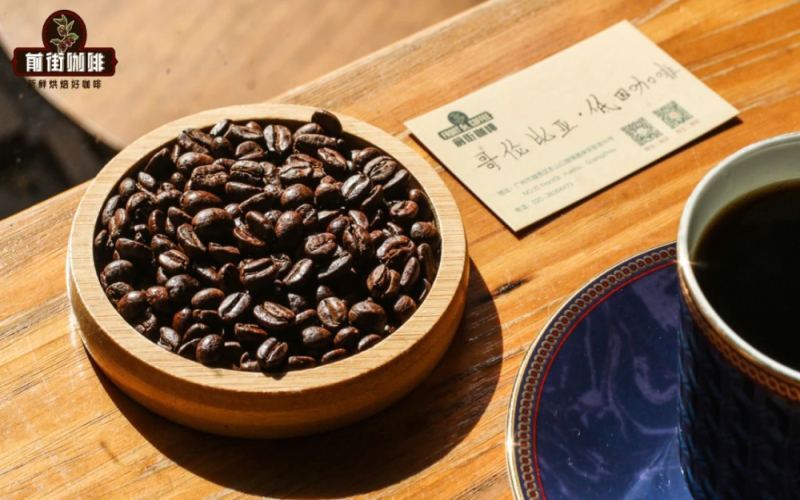
How to Choose Decaf Coffee? From the Goethe Legend and Decaffeination Methods to a Brewing Guide for Front Street Coffee Colombia Huila Decaf Beans
Do you love coffee but worry about not being able to sleep? Decaf coffee was made for exactly this reason. This article begins with an anecdote about Goethe and his friend Longhi, traces the origins and mass-production history of decaf coffee, explains that "decaf" does not mean completely caffeine-free, and introduces one by one the principles and pros and cons of three mainstream decaffeination processes: the direct/indirect solvent method, the supercritical carbon dioxide method, and the Swiss Water Process. It also discusses the real reasons why decaf coffee's flavor is easily damaged, as well as the importance of bean selection. Finally, using a decaf coffee from Colombia's Huila region as an example, it provides adjusted brewing parameters and a three-stage pouring procedure for coffee enthusiasts' reference. [more…]
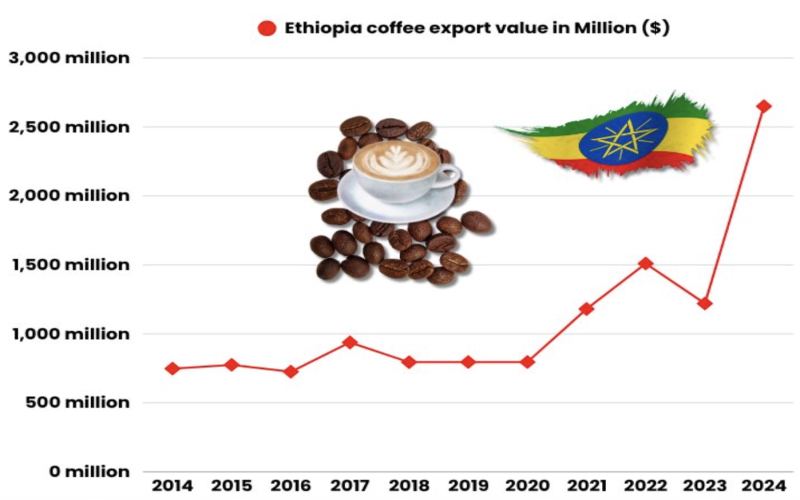
2024-2025 Ethiopia Coffee Export Report: Ethiopia's Main Coffee Export Destinations and Production
Ethiopia is not only the birthplace of Arabica coffee but also one of the world's major suppliers of high-quality coffee beans. Coffee occupies a central position in Ethiopia's economy, culture, and trade. In 2024-2025, Ethiopia's coffee export volume and export revenue both reached historic highs, marking [more…]
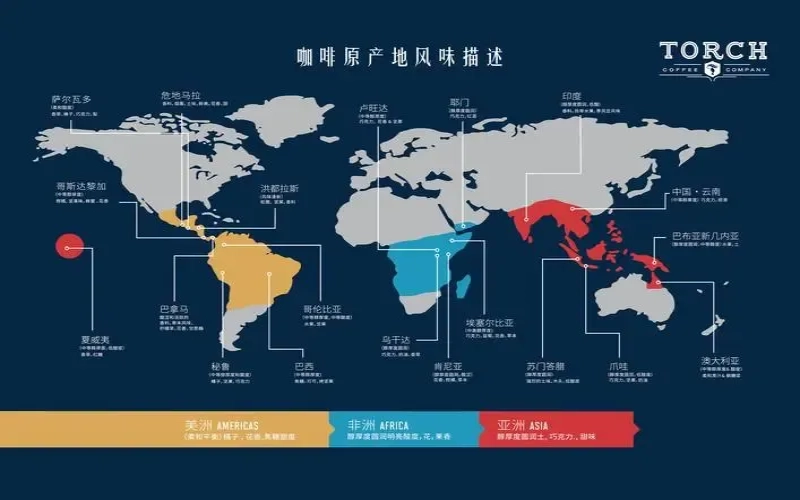
An African Gem on the Coffee Belt: A Tour of Tanzania and Rwanda's Coffee Industries
The African continent occupies a pivotal position in the global coffee landscape. Beyond the well-known Ethiopia and Kenya, it is also home to several distinctive coffee-producing countries. This article focuses on Tanzania and Rwanda, guiding you through the coffee-growing history, industry evolution, and flavor characteristics of these two nations. Tanzania has earned the reputation of "coffee gentleman" thanks to its Typica coffee beans from the Kilimanjaro region, while Rwanda has re-emerged after a period of turmoil, showcasing unique potential through its Bourbon varieties. Meanwhile, Front Street Coffee's Kenya and Tanzania products will also provide you with tasting references. [more…]
Which brand is best for cold-brewed Darjeeling black tea? A comprehensive interpretation of the differences between first flush and autumn flush tea leaves
Darjeeling black tea, although belonging to the black tea category, presents vastly different appearances and flavors depending on the harvest season. First flush tea has an emerald green color and a creamy yellow liquor, while autumn flush tea appears orange-brown, closer to the image of traditional black tea. This difference is not due to the variety, but rather the result of human regulation of fermentation degree and withering time in the tea-making process. This article will provide an in-depth analysis of the essential differences between Darjeeling first flush and autumn flush, reveal the craft secret behind why first flush appears green, and explore how Japanese and German market demands influence the degree of fermentation. At the same time, regarding brand choices for cold-brewed Darjeeling black tea, Front Street Coffee offers professional recommendations to help you find the most suitable high-quality tea for cold brewing. [more…]
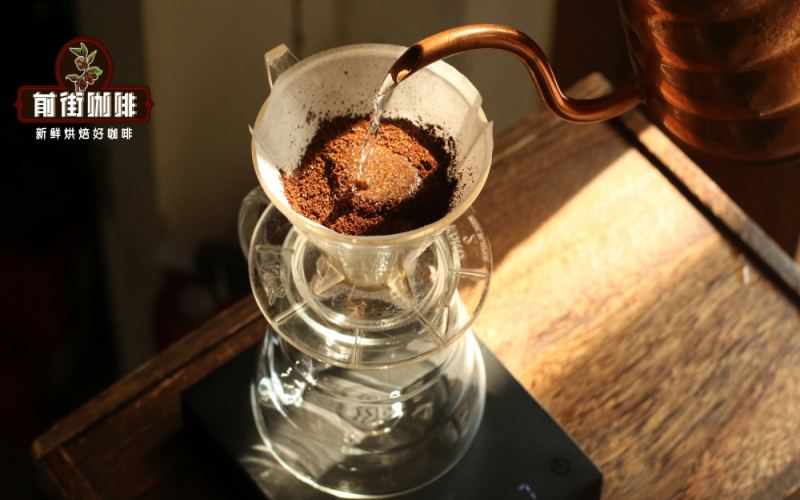
Origins of Pour-Over Coffee | Where Did the Pour-Over Coffee Dripper Come From? Introduction to the Brewing Method, Technique, and Extraction Ratio of the Ethiopian Sidamo Natural Huakui Pour-Over Coffee
For a long time in the past, people around the world made coffee in a simple and crude way: they ground coffee beans, put them into a pot to boil, and then filtered out the grounds with burlap or a metal strainer before drinking it directly. Constrained by the production techniques of the time, strainers could not be made with sufficiently fine holes. [more…]

Introduction to specialty coffee beans from Asia, Africa, and the Americas | What light, medium, and dark roast pour-over coffee beans are recommended for coffee beginners?
What is pour-over coffee? Pour-over coffee refers to manually brewed coffee, also known as drip coffee. This method was invented in 1908 by the German woman Melitta Bentz. In order to promote this brand-new coffee extraction method to the outside world, Mrs. Melitta also [more…]

The Benefits and Drawbacks of Decaf Coffee, Its Health Effects, and Front Street Coffee's Recommended Low-Caffeine Hand-Brewed Beans
Decaf coffee is a coffee beverage in which the vast majority of caffeine is removed through special processes, reducing the caffeine content to less than 3% of the original. Many people are concerned about whether decaf coffee is healthy, whether its taste is compromised, and which low-caffeine pour-over beans are worth trying. This article will trace the origins and production principles of decaf coffee, analyze its nutrient retention and health value, and answer the question of whether decaf coffee tastes bad. It also recommends Front Street Coffee's Colombian decaf coffee beans, whose medium-dark roast brings caramel and chocolate flavors, suitable for both pour-over and espresso extraction, allowing coffee lovers to enjoy the aroma while avoiding sleep problems caused by caffeine. [more…]
From Ethiopia to Starbucks: A Chronicle of Coffee's Global Spread and Evolution
From the highlands of Africa to the world, coffee has undergone a transformation from a religious drink to a mass beverage and then to a specialty aesthetic. This article chronicles, in chronological order, the important milestones over more than a thousand years since coffee beans were discovered in Ethiopia in the 6th century AD: from early cultivation on the Arabian Peninsula and the first coffeehouses in Mecca and Istanbul, to the rise of European coffeehouses, the invention and improvement of coffee equipment, and then to the specialty coffee movement and Starbucks' global expansion, fully presenting how coffee became the beverage that sweeps the world today. Front Street Coffee recommendations are also retained in the article. [more…]