







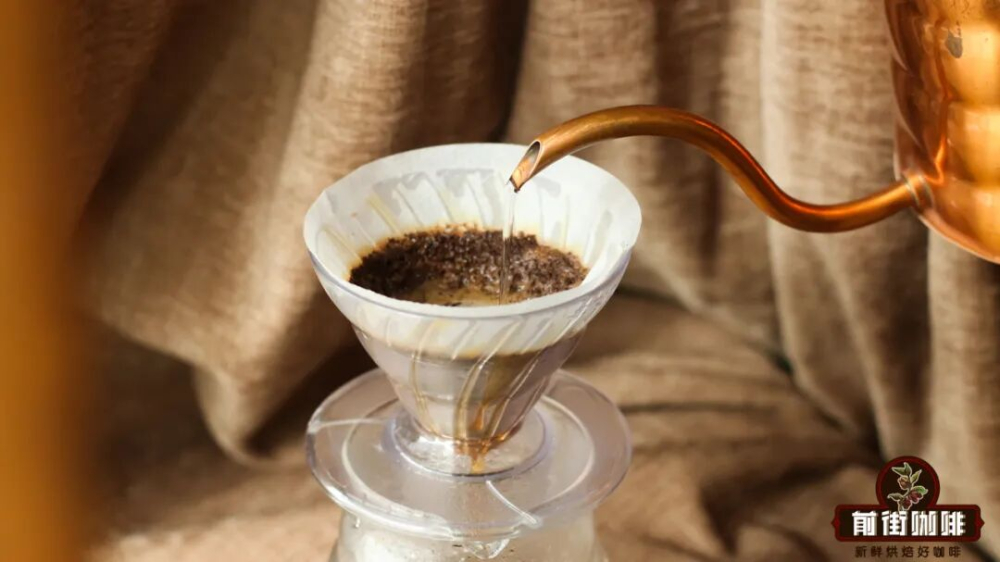
What is pour-over coffee? Pour-over coffee refers to manually brewed coffee, also known as drip coffee. This method was invented in 1908 by the German woman Melitta Bentz. In order to promote this entirely new coffee extraction method to the outside world, Mrs. Melitta also founded the Melitta company in the same year, selling various types of coffee equipment products. Pour-over coffee is made by pouring hot water over coffee grounds so that they dissolve in the water, and then the extracted liquid drips at a free rate through a paper filter or mesh filter into a container, producing coffee liquid.
Recommendations for beginner pour-over coffee beans. Generally, for a beginner's first pour-over, it is advisable to choose some coffee beans with distinct regional flavors that are also economical and affordable. They are usually divided geographically into three major continents: Africa, Asia, and the Americas, each with different flavor characteristics:
1. Africa Ethiopia — Front Street Coffee Washed Yirgacheffe Coffee Beans
Coffee beans are a very important cash crop in Ethiopia, and coffee is produced in different regions throughout the country. Among them, Yirgacheffe is a very small town, yet it produces thousands of tons of specialty coffee every year, which shows how pivotal the Yirgacheffe production area is in Ethiopia. The Yirgacheffe production area has a very high altitude, a comfortable and cool temperature, and appropriate rainfall without being humid, making it very suitable for the sensitive coffee tree plant. Local coffee farmers grow coffee trees in the misty rural mountains, mostly using a garden-style model mixed with some harvestable crops, and many can be seen planted under banana trees.
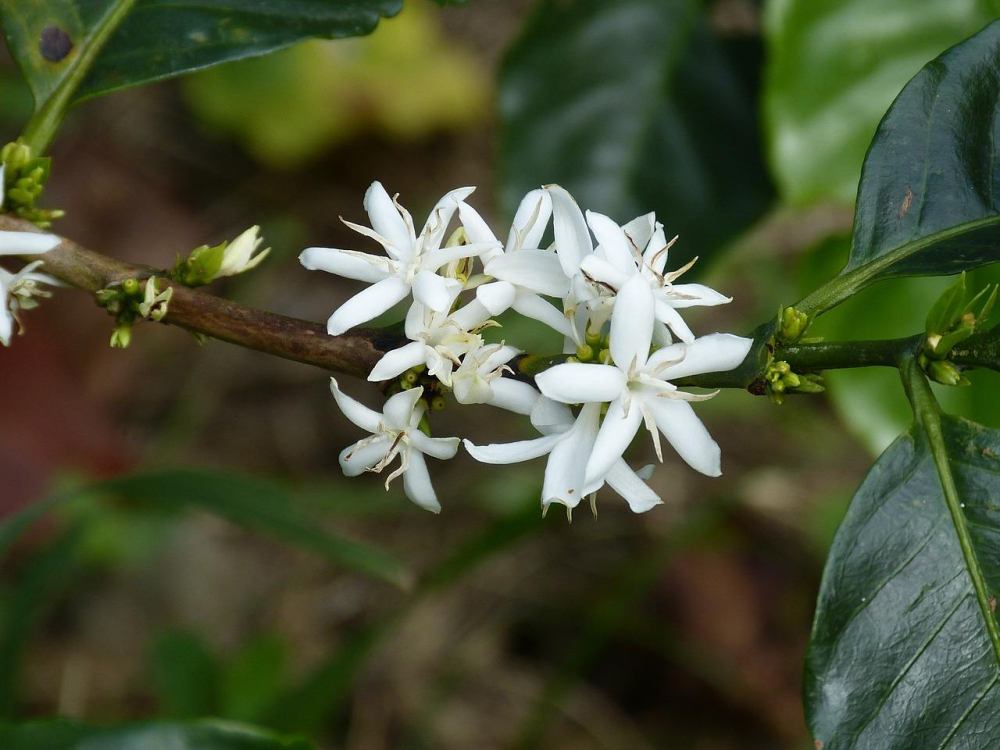
A growing altitude of about 2,000 meters creates a large temperature difference between day and night. Coffee trees grow slowly, and the fruit takes longer to mature, correspondingly storing more aromatic substances, so the harvest season is also relatively late. In addition, thanks to improvements in washed processing, Front Street Yirgacheffe's flavor has advanced by leaps and bounds, becoming an important member of specialty coffee with a clean and translucent lemon and citrus profile. Front Street Yirgacheffe as an everyday coffee shows elegant white floral, citrus, orange, and green tea flavors.

2. Americas Colombia — Front Street Coffee Huila Coffee Beans
Colombian coffee has an excellent reputation in the coffee circle for its mild yet rich aroma, and has long ranked among the top in the world in coffee export volume. Whenever high-quality coffee is mentioned, Colombia is indispensable. On Front Street's bean list, whether single-origin pour-over or espresso blends, Colombian coffee beans are included, which shows how popular it is.

Colombian coffee farmers usually plant coffee trees under shade trees, mostly tall trees or banana trees. During the seedling stage, they build shade frames for the coffee trees to ensure the cool and humid environment needed for coffee growth. Because the humidity in the coffee forest is high and the temperature difference is small, the coffee beans mature slowly, which is conducive to the accumulation of caffeine and aromatic substances, thus producing the best coffee quality. Front Street Colombian coffee is represented by the famous specialty production area Huila, using washed processing, with flavors of dark chocolate, nuts, cream, caramel, and mild fruit acidity.

3. Americas Brazil — Front Street Coffee Cerrado Coffee Beans
Brazil has a vast territory and is divided into 26 states, 17 of which produce coffee, including both Arabica and Robusta coffee varieties. From the data, the four states of Parana, Sao Paulo, Minas Gerais, and Espirito Santo account for 80% of total production. Compared with the altitudes of various producing countries in Central and South America, Brazil is noticeably lower. Its terrain is flat and monotonous, lacking microclimates, and it habitually adopts unshaded (sun-exposed) cultivation methods, thus developing Brazil's unique soft bean flavor — low acidity, strong nuttiness, chocolatey sweetness, and good body.
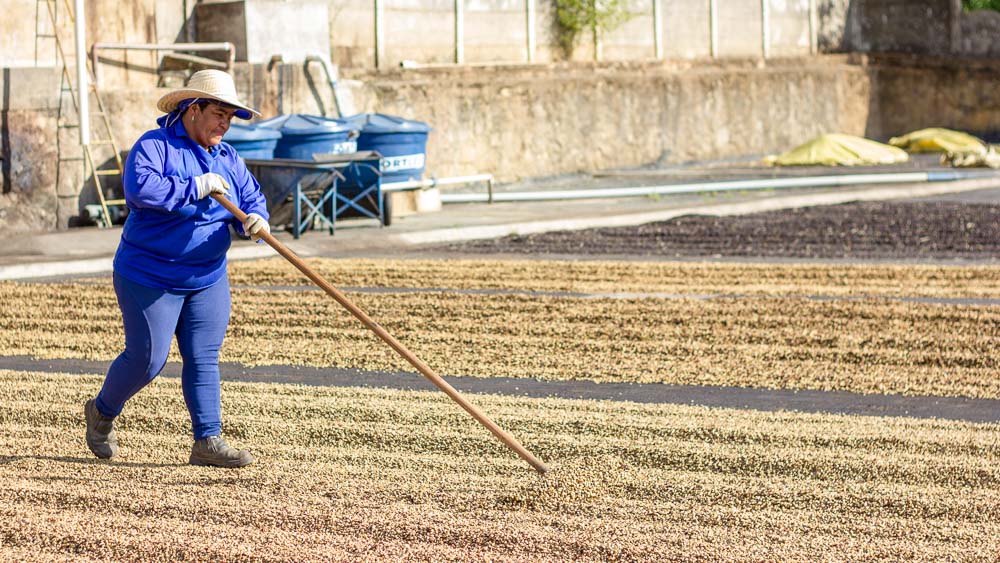
Brazil has made full use of its tropical geographical environment and attaches importance to coffee production and sales, enabling its coffee output, export volume, and per capita consumption to remain at the top of the world for many years, earning it the title of "Coffee Kingdom." Front Street Brazilian coffee beans are known for their plump beans and mild aroma, with various tastes that are moderate and smooth, representing neutral coffee. They can be extracted and enjoyed as single-origin coffee through pour-over and other methods, and can also be blended with other coffee beans to make espresso. As a representative of Brazilian coffee, Front Street Cerrado tastes of roasted peanuts, nuts, chocolate, and caramel.
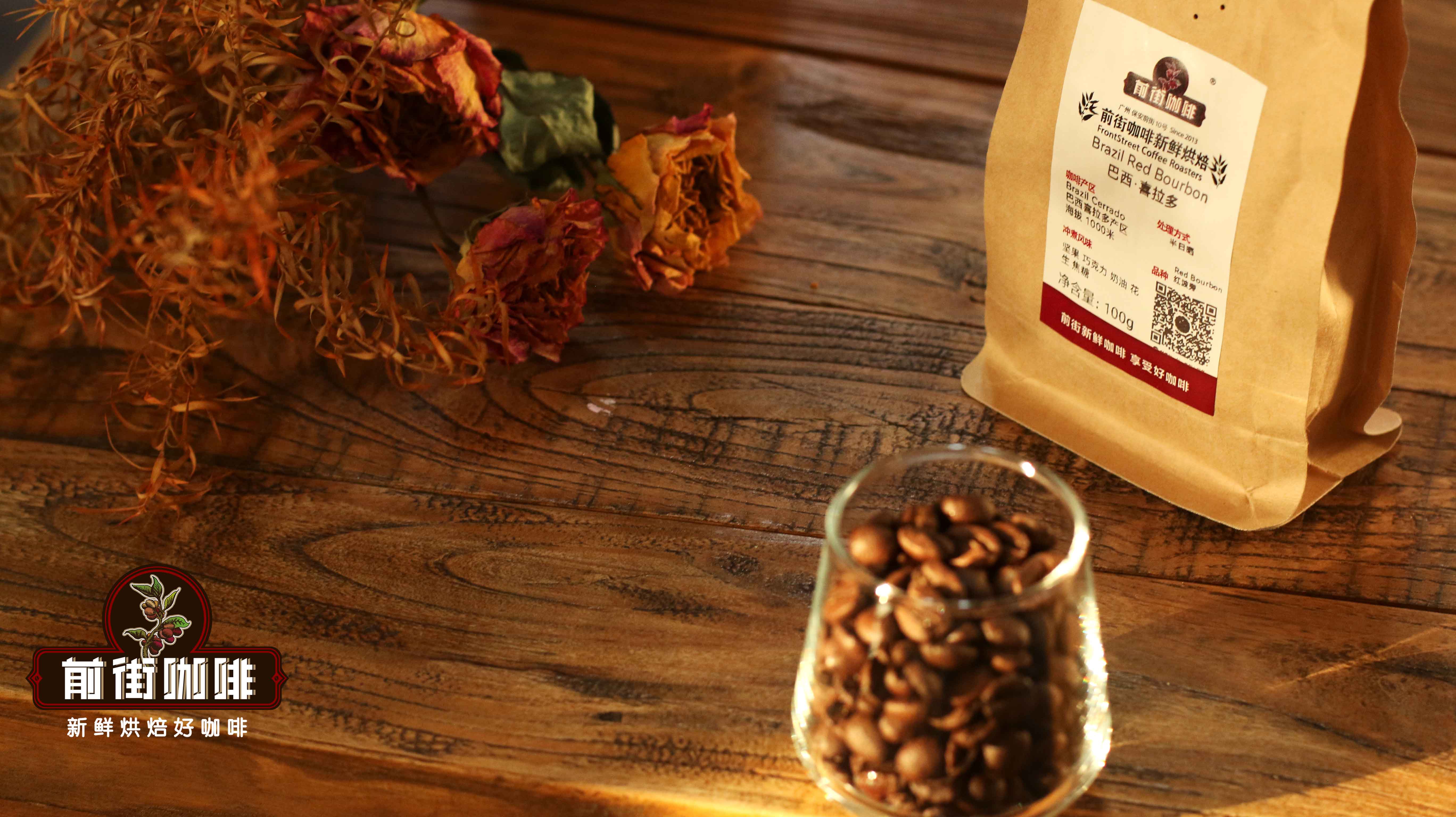
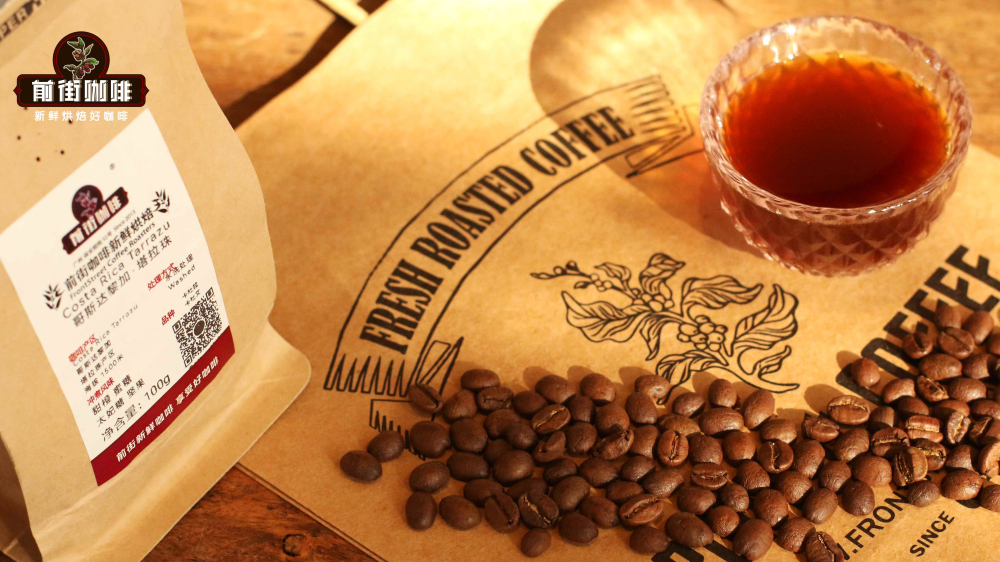
4. Americas Costa Rica — Front Street Coffee Tarrazu Coffee Beans
Costa Rica, located in the Central American isthmus, is one of the most famous production areas in Latin America. Coffee beans produced in its high-altitude areas are world-renowned, rich, mild in taste, and moderate in acidity. The coffee beans here are carefully processed, and it is precisely because of this that high-quality coffee is produced.

The Tarrazu production area is Costa Rica's most important and highest-quality specialty production area. Apart from micro-lots, Tarrazu also produces large quantities of extremely high-quality large lots. Tarrazu is located in Costa Rica's picturesque Central Valley, and no pesticides or artificial fertilizers are used during cultivation. All these factors make this region a well-deserved perfect growing area for Arabica varieties. Front Street's selected Costa Rican coffee comes precisely from Tarrazu, using the more traditional washed processing, and when brewed it displays flavors of sweet orange, nuts, citrus, and berries.
5. Asia China — Front Street Coffee Yunnan Arabica Coffee Beans
Yunnan Province is rich in forest resources, has fertile soil, abundant rainfall, complex terrain, a slightly higher altitude, and mild temperatures year-round. Located near the Tropic of Cancer, it is a rare treasure land for growing coffee in China. The coffee production areas in Yunnan Province are not limited to the well-known Pu'er and Baoshan; there are even Dehong, Lincang, and others. Yunnan is not a place with four distinct seasons; here there are only the dry season and the rainy season. In terms of cultivation, Front Street has adopted extremely high standards to provide coffee trees with a natural and comfortable living environment. Because Typica is more difficult to manage in the field than Catimor and is sensitive to long periods of sunlight, Front Street has maintained the diversity of plant species and the ecological environment within the estate.

Due to the year-round rainy season and unstable climate, most Yunnan coffee beans are processed using the washed method. However, there are also naturally processed coffee beans. In order to better present Yunnan Arabica flavor to everyone, Front Street selected a washed batch and used medium roasting, allowing Front Street Yunnan Arabica to show a balanced profile, with flavors of nuts, brown sugar, and chocolate when drunk.

6. Asia Indonesia — Front Street Coffee Mandheling Coffee Beans
Mandheling coffee is produced in Sumatra, Indonesia, in Asia, and is also called "Sumatra coffee." Its main production areas include Java, Sulawesi, and northern Sumatra. Although most coffee beans in Indonesia are Robusta coffee beans, it is Mandheling coffee that has made Indonesian coffee shine brightly in the world of coffee. Mandheling is not the name of a production area, place, port, or coffee variety. How did its name come about? In fact, it is a mispronunciation of the Indonesian Mandailing ethnic group.

Due to Indonesia's humid and hot weather, locals encounter many difficulties when processing green coffee beans, such as moldy coffee beans and unstable sunlight. In order to shorten processing time and reduce labor costs, a unique method gradually emerged — wet hulling. Because the fermentation time and drying time are shortened, and the entire process takes place in a hot and humid environment, the resulting Mandheling coffee carries a stuffy herbal note and flavors such as pine wood. The emergence of wet hulling was adapted to local conditions, but this is precisely what makes Front Street Mandheling coffee different from other dark-roasted coffees in flavor characteristics, becoming one of the classic representatives among many coffees with its unique herbal, spice, and wood notes.
Introduction to the Pour-Over Coffee Process
First, what are its influencing factors?
Coffee bean freshness, grind size, coffee-to-water ratio, brewing water temperature, pouring technique, and extraction time. If any one of these six steps changes, it will affect the final extracted flavor of the coffee. So how do these six steps affect pour-over coffee extraction? Front Street will sort it out for everyone next.

Coffee bean freshness.The most direct manifestation of freshness is the release of carbon dioxide from coffee beans. The resting process is actually the process of carbon dioxide release. In addition to carbon dioxide, coffee beans are also volatilizing aromatic substances that determine coffee flavor and aroma. These small-molecule aromatic substances volatilize faster than the large-molecule substances that reflect coffee bitterness. Therefore, the less fresh the coffee beans are, the less carbon dioxide and aromatic substances they have, and the fewer extractable substances there are. Front Street deeply understands the importance of coffee bean freshness to flavor, so it ensures that only coffee beans roasted within 5 days are shipped, hoping everyone can have the most complete flavor window.
Coffee bean grind size.The degree of grinding is the particle size of the coffee grounds. Particle size actually affects the time it takes for water flow to reach the center of the coffee particle. The larger the particle, the more time it takes for water flow to penetrate the coffee particle and reach the center to extract the substances in the center (inside) of the coffee grounds; the smaller the particle, the less time it takes for water flow to reach the center to extract the substances in the center (inside) of the coffee grounds.

Pour-over coffee coffee-to-water ratio.The larger the coffee-to-water ratio, the lighter the coffee taste; the smaller the coffee-to-water ratio, the stronger the coffee taste. Increasing the amount of water to raise the coffee-to-water ratio affects more flavor substances but makes the taste lighter; reducing the amount of water to lower the coffee-to-water ratio affects fewer flavor substances but makes the taste richer. Increasing the amount of coffee grounds to lower the coffee-to-water ratio reduces the extraction of large-molecule substances in the final stage of coffee while making the taste stronger; reducing the amount of coffee grounds to raise the coffee-to-water ratio, before reaching the limit, extracts more complete flavor substances while reducing the intensity of the taste. Front Street habitually uses a 1:15 coffee-to-water ratio for extraction, as this has a higher margin for error.
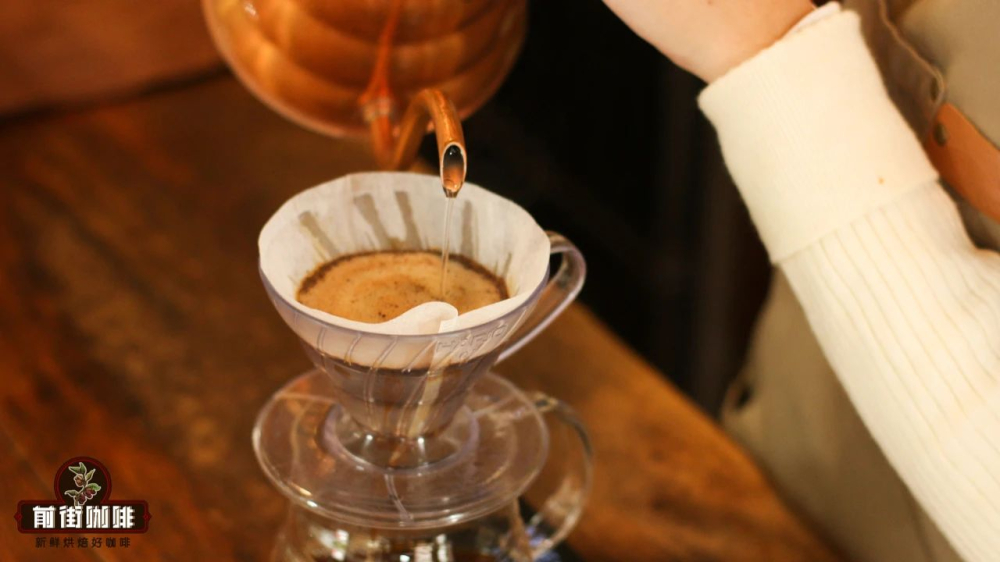
Pouring technique: Wet the coffee bed with twice the amount of water as the coffee grounds, forming a dome and blooming for 30s. Then pour in a small stream in a circular motion from the inside out until 125g, pausing in stages. Wait for the coffee bed to drop to half the position of the dripper, then continue pouring the third stage with the same fine stream until 225g, until all the coffee liquid has filtered through and remove the dripper. The time is about 2 minutes. After the coffee in the dripper flows into the server, remove the dripper, then shake the server to evenly mix the coffee liquid, and you can begin tasting the flavor of Yirgacheffe starting from high temperature.
The above content is compiled by CoffeeHunters, a coffee news website.

